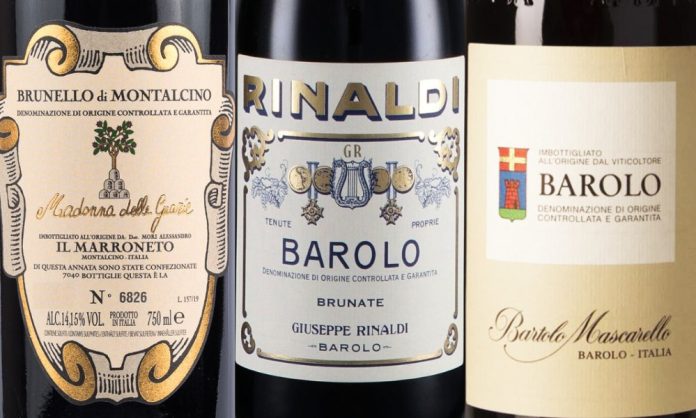
What are the best Italian wines? Discover the best Italian wines recommended by us with photos and descriptions. Do you want to tell us about a company and a wine? Write to us
INDEX:
- Best Italian Red Wines
- Best Italian White Wines
- Best Italian Sparkling Wines
- Best Italian Sweet Wines
- Conclusion

BEST 100 ITALIAN WINES recommended by Jean Marco Palmieri
What are the best wines in Italy?
Explore the wines recommended by Italy’s Finest Wines through our tastings, allowing everyone to find the ideal wine for their tastes and preferences. You’ll encounter many of the most iconic and historic wineries, as well as those distinguished for their unique and original character.
The finest Italian wines will be categorized into macerated red and white wines, white wines, sparkling wines, and sweet wines.
100 BEST ITALIAN WINES
(Red Wines Section)
Barolo ‘Bussia’ 2019 – Rinaldi
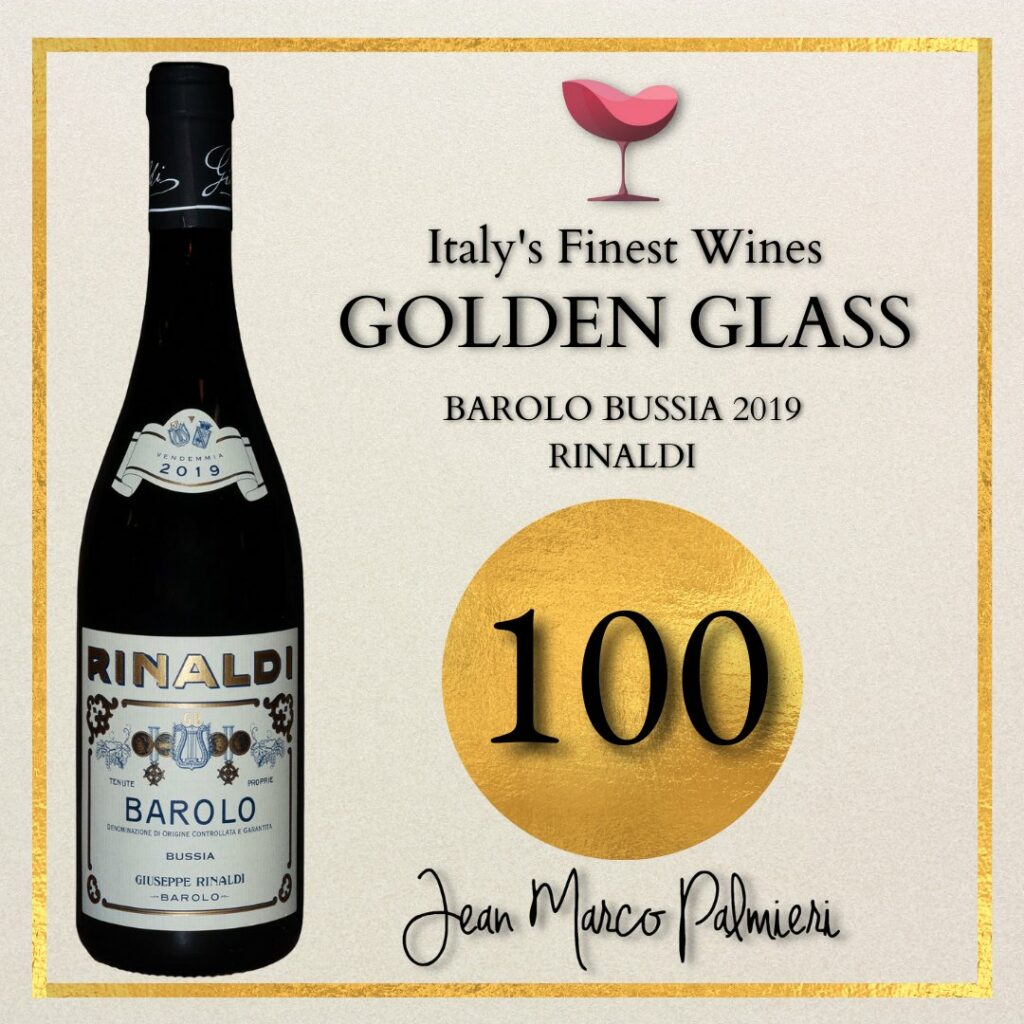
Description: Rich in nuances, with aromas of wild strawberries, dried flowers, hints of balsamic menthol, and orange zest. On the palate, it unfolds harmoniously with a enveloping tannic texture. A finish of good persistence. Spontaneous fermentation occurs through the action of indigenous yeasts for about 25 days in Slavonian oak vats.
Grape Variety: Nebbiolo 100%
Region: Piedmont
Description: Rich in nuances, with aromas of cherries in spirits, black licorice, dried flowers, and hints of balsamic menthol and orange zest. On the palate, it develops harmoniously with an enveloping tannic texture. A finish of good persistence. Spontaneous fermentation occurs through the action of indigenous yeasts for about 25 days in Slavonian oak vats.
Grape Variety: Nebbiolo 100%
Region: Piedmont
An iconic wine, among the best Italian wines for its sincerity in narrating the sensational expressiveness of Barolo without compromises.
Brunello di Montalcino 2019 – Biondi Santi
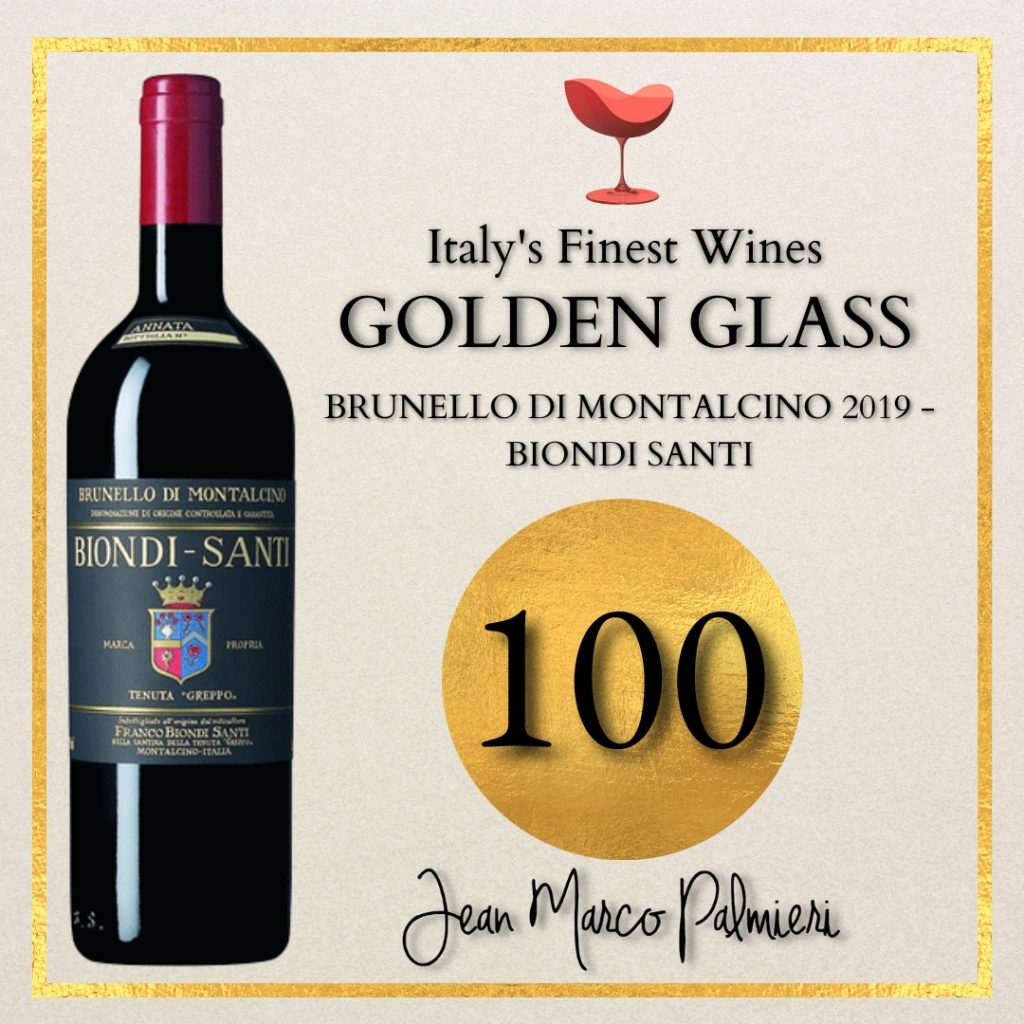
Elegant bouquet of violet, ripe cherry, sweet spices, and tobacco; on the palate, refined structure, silky tannins, vibrant acidity, and distinctive minerality, with a long and persistent finish.
- Vineyard: Tenuta del Greppo, altitude between 300 and 560 m, soils rich in skeleton and galestro, exposure (North-East, North)
- Vinification: fermentation in oak, cement, and steel vats with indigenous yeasts; prolonged maceration followed by 30 months aging in large Slavonian casks, then resting in bottle
- Zone: Montalcino (Tenuta Greppo, East slope)
- Estate: Biondi Santi, an icon of Montalcino, made famous by Franco Biondi Santi; today led by Giampiero Bertolini under the new technical director Federico Radi, who oversees rigorous agronomic practices and traditional vinifications to preserve Brunello’s classic style while adapting to climate change.
Brunello di Montalcino 2021 – Baricci
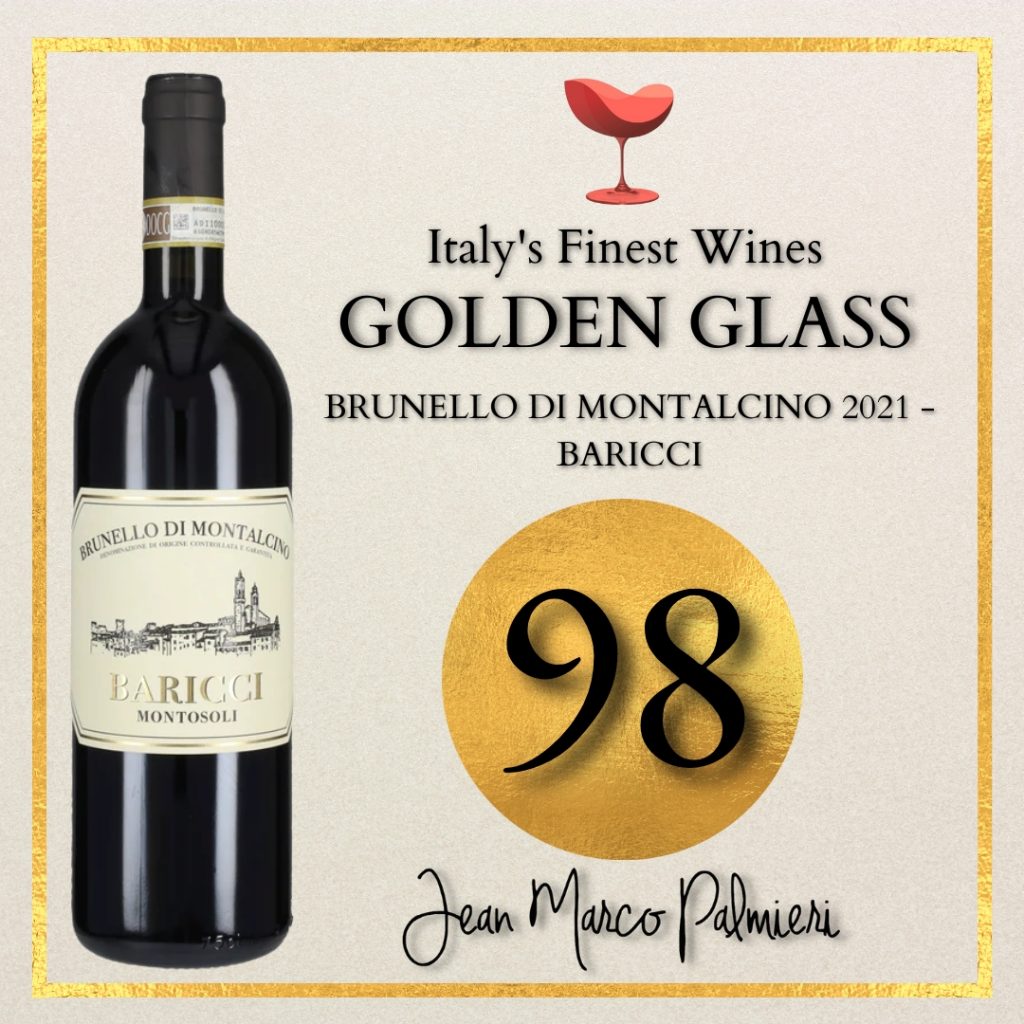
Fruity profile of cherry and ripe plum, with balsamic and spicy notes; on the palate, intense structure, fine tannins, and good freshness, with a long and harmonious finish.
- Vineyard: Montosoli, altitude 280‑300 m a.s.l., soils of marl, quartz schist, and galestro, exposure South‑South‑East
- Vinification: fermentation in steel with indigenous yeasts and controlled macerations; aging in medium-sized casks (20‑40 hl)
- Zone: Montalcino (Montosoli) North slope
- Estate: Historic winery founded by Nello Baricci, today led by Francesco and Federico Buffi, custodians of artisanal tradition and the classic style of Brunello di Montalcino.
Barolo 2019 – Bartolo Mascarello
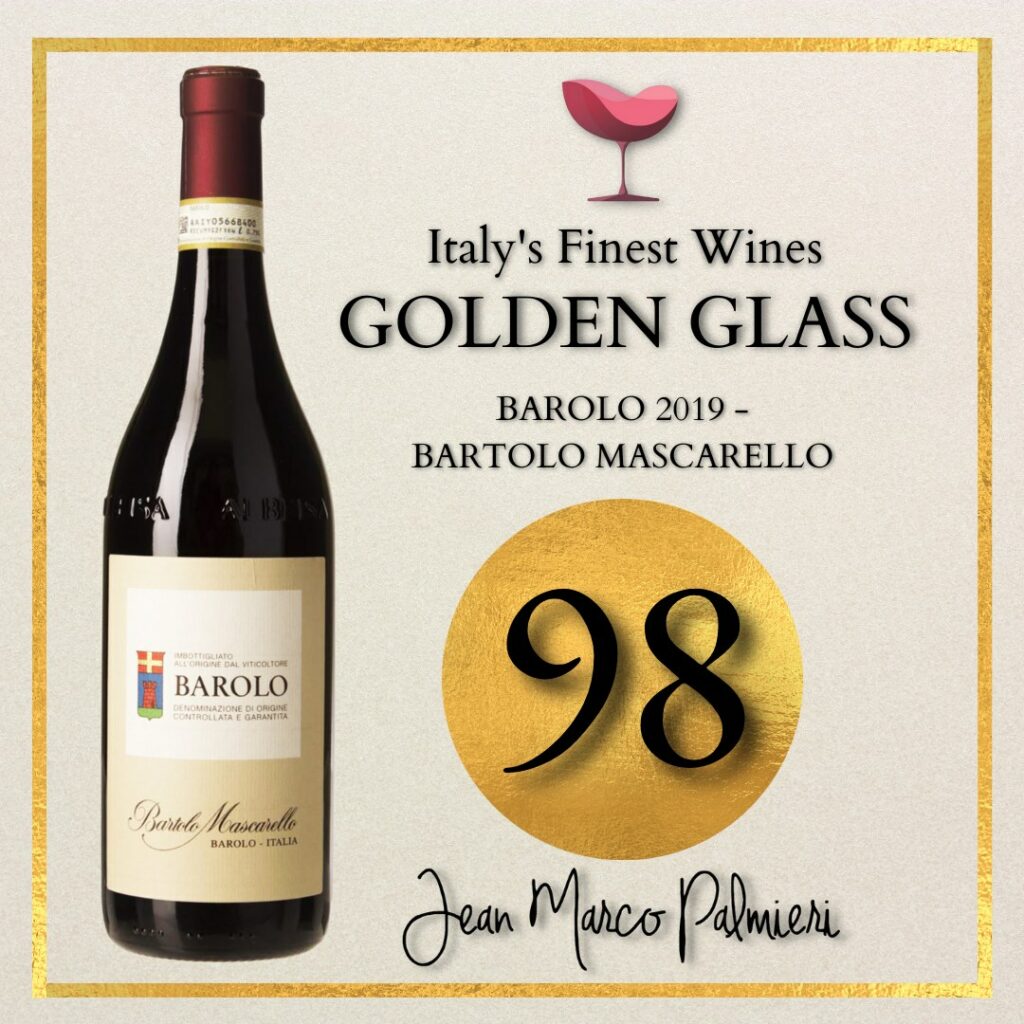
Description: The bouquet unfolds with intense tones of ripe red fruits, dried flowers, progressing towards notes of roasting, tobacco, hints of camphor, and wild autumnal forest suggestions. The mouth is full and dry, with powerful and textured tannins spreading across the palate, well-balanced by a nerve-like acidity. The finish is of great persistence with delicate references to fruit and spices.
Grape Variety: Nebbiolo 100%
Region: Piedmont
A classic and sincere wine with extraordinary evolutionary potential, an ineffable and sublime expression of the Nebbiolo grape’s varietal character.
Soldera 2015 – Soldera Case Basse
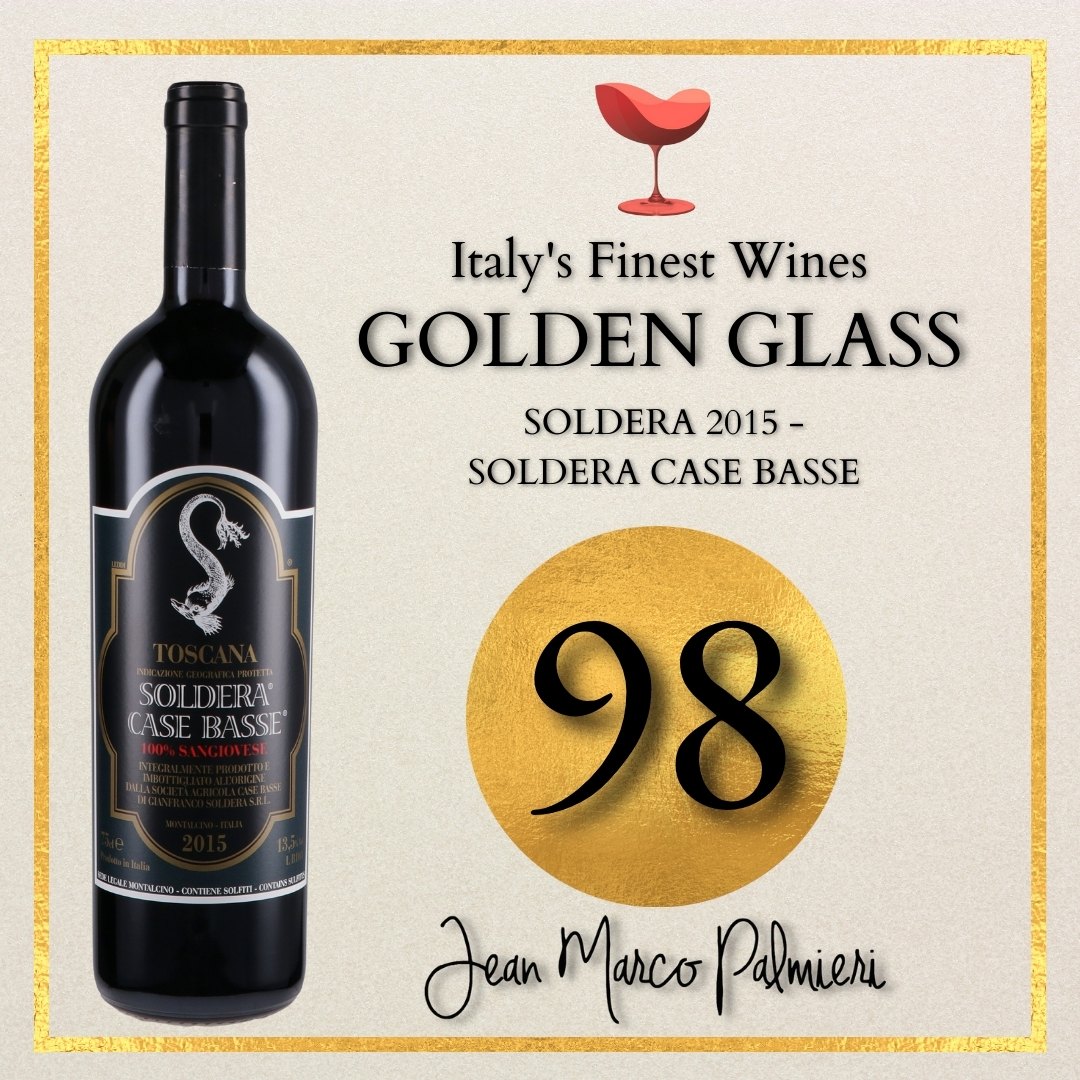
Description:
The olfactory profile articulates between fragrant and crisp red fruit tones, nuances of leather, tar, and medicinal herbs.
On the palate, it is dense, compact, with extraordinarily velvety tannins and an unusually persistent dry finish.
Grape Variety: Sangiovese 100%
Region: Tuscany
A legendary wine that once again confirms itself among the best Italian wines for its unique, complex style, and rare aging potential.
Barolo Riserva Monfortino 2015 – Giacomo Conterno
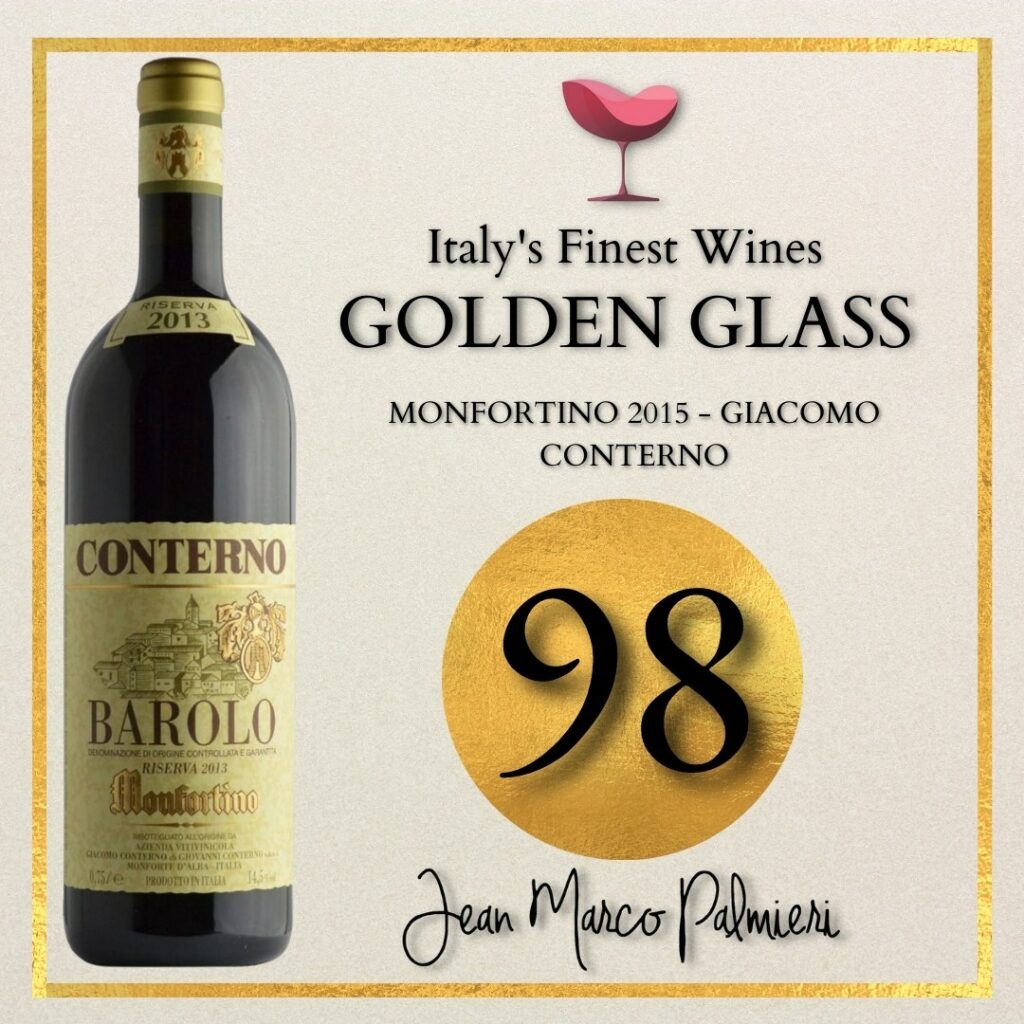
Description: Olfactively unfolds in a kaleidoscope of floral tones, with wisteria and violet standing out, followed by small red fruits and officinal herbs, enriched by austere spice suggestions, tobacco, tar, and hints of blood. On the palate, it is rich and enveloping, with compact and powerful tannins that progress towards an extraordinarily persistent finish where the fruit echoes prominently.
Fermentation occurs in 61 hl oak vats with a long maceration on the skins; malolactic fermentation in barrels of Austrian oak of various sizes.
Grape Variety: 100% Nebbiolo
Region: Piedmont
Brunello di Montalcino 2021 – Le Chiuse
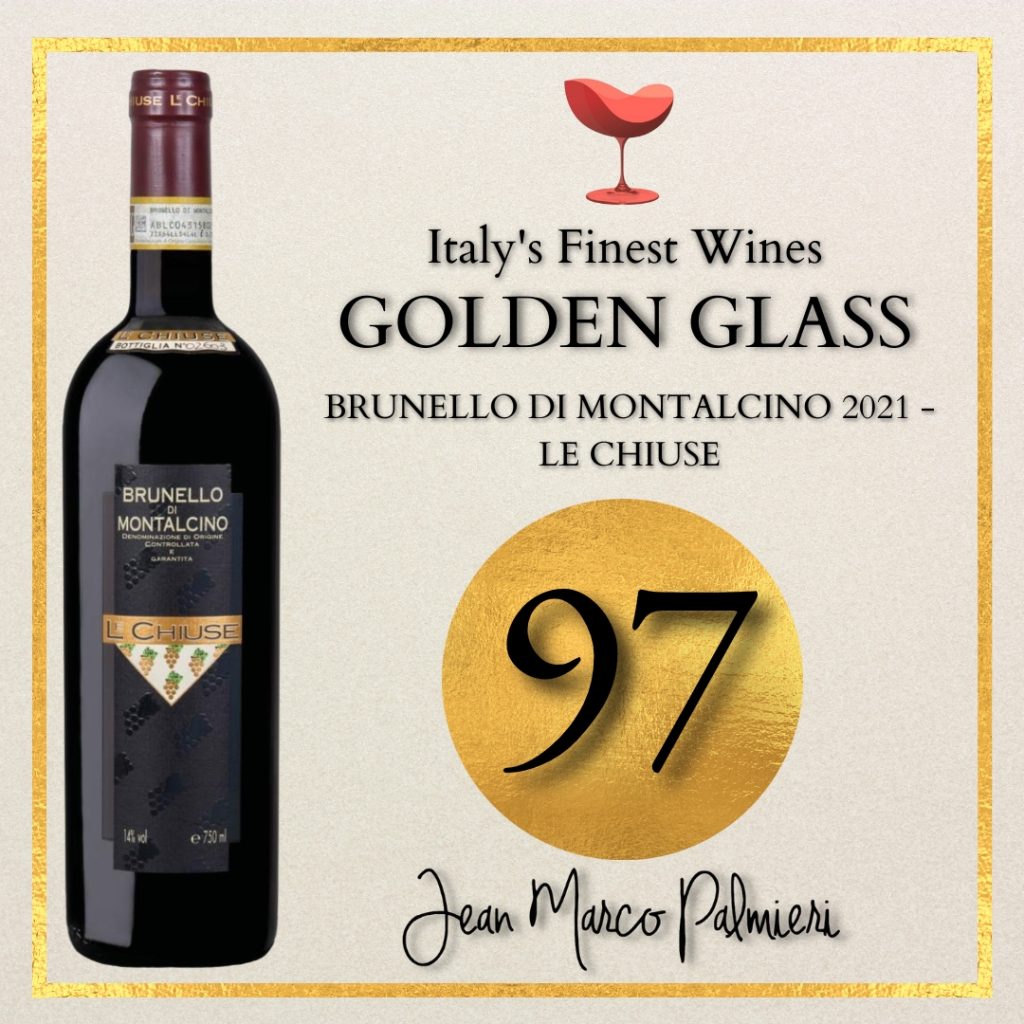
Intense aromas of ripe red fruits, hints of licorice, cocoa, and delicate balsamic notes. On the palate, broad and enveloping, with velvety tannins, vibrant acidity, and a savory texture that adds dynamism. Very long, deep, and balanced finish.
- Vineyard: 350 m a.s.l., north exposure, clay-limestone soils
- Vinification: fermentation with indigenous yeasts; aging in 30 hl Slavonian oak casks for about 3 years
- Zone: North (Canalicchio)
- Estate: Le Chiuse, led by Lorenzo Magnelli, interprets the 2020 vintage with great gustatory and olfactory complexity, following a rigorous and traditional style, organic since 2005
Brunello di Montalcino 2021 – Le Potazzine
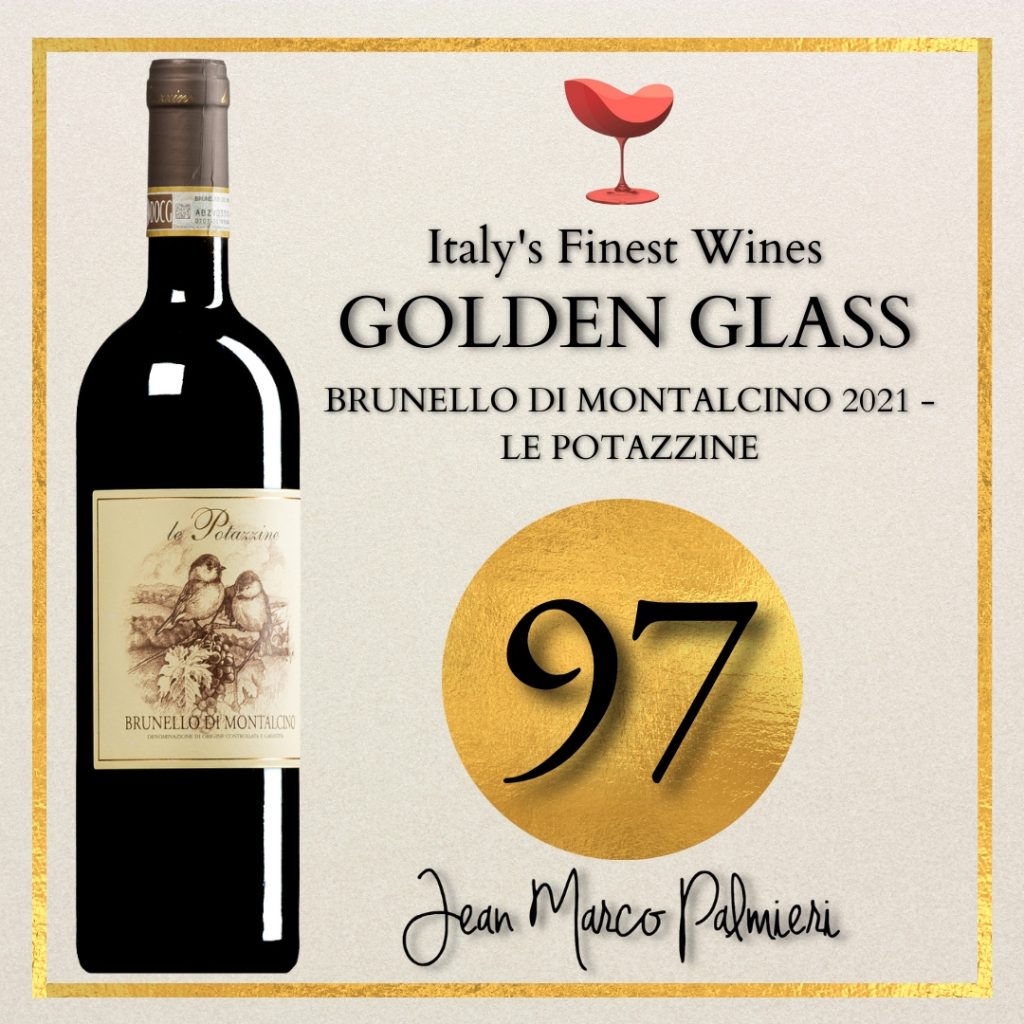
Intense aromas of morello cherry and violet, followed by notes of medicinal herbs and tar. On the palate, solid and compact structure, supported by lively acidity and marked minerality. Dry, precise, and elegant finish.
- Estate: Le Potazzine, a small family winery led by Gigliola and her daughters Viola and Sofia; organic, artisanal wines with a classic style, balanced between freshness, complexity, and longevity.
- Vineyard: two parcels on the southwest slope, 420–507 m a.s.l.
- Vinification: spontaneous fermentations, long macerations, aging in medium-sized Slavonian oak casks
- Zone: South-West (Le Prata and La Torre)
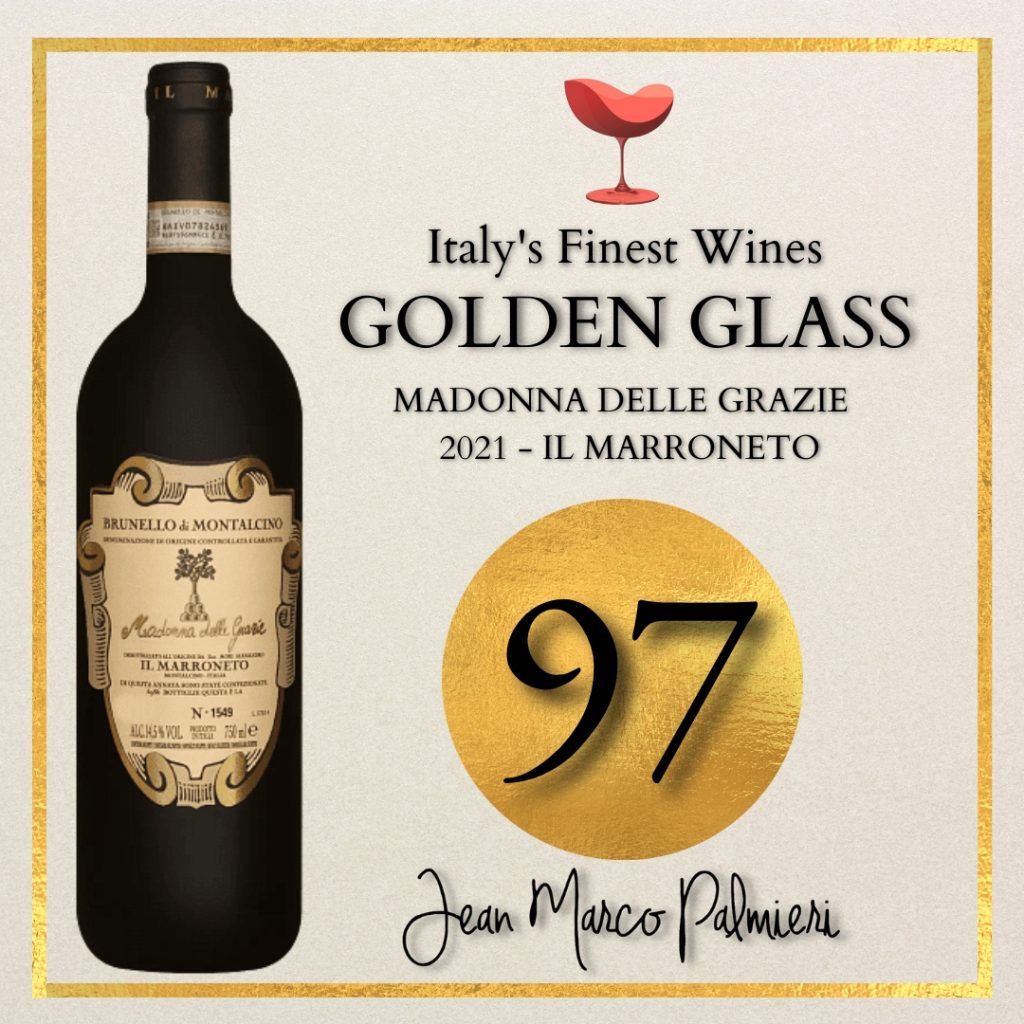
Brunello di Montalcino “Madonna delle Grazie” 2021 – Il Marroneto
A historic and iconic wine born from the best vintages and the best grapes of the renowned Francia cru in Serralunga d’Alba in 1978. Undisputed protagonist in the history of the Langhe: expansive, captivating, with sensational persistence and aging potential.
Clear aromas of dark berries, blood orange jam, and medicinal herbs. On the palate, intense, with powerful yet integrated tannins, supported by lively acidity and minerality. Long, elegant, and deep finish.
- Vineyard: historic cru at 420 m a.s.l., north exposure, soils predominantly marine sands (≈75%)
- Vinification: maceration 20–22 days; aging 41 months in 25 hl oak casks
- Zone: North (Madonna delle Grazie)
- Estate: Il Marroneto, led by Alessandro Mori and his son Iacopo, produces the cru by selecting scattered grapes; low-intervention vinification for a traditional Brunello with concentration and aging potential.
Brunello di Montalcino “Montosoli” 2021 – Altesino
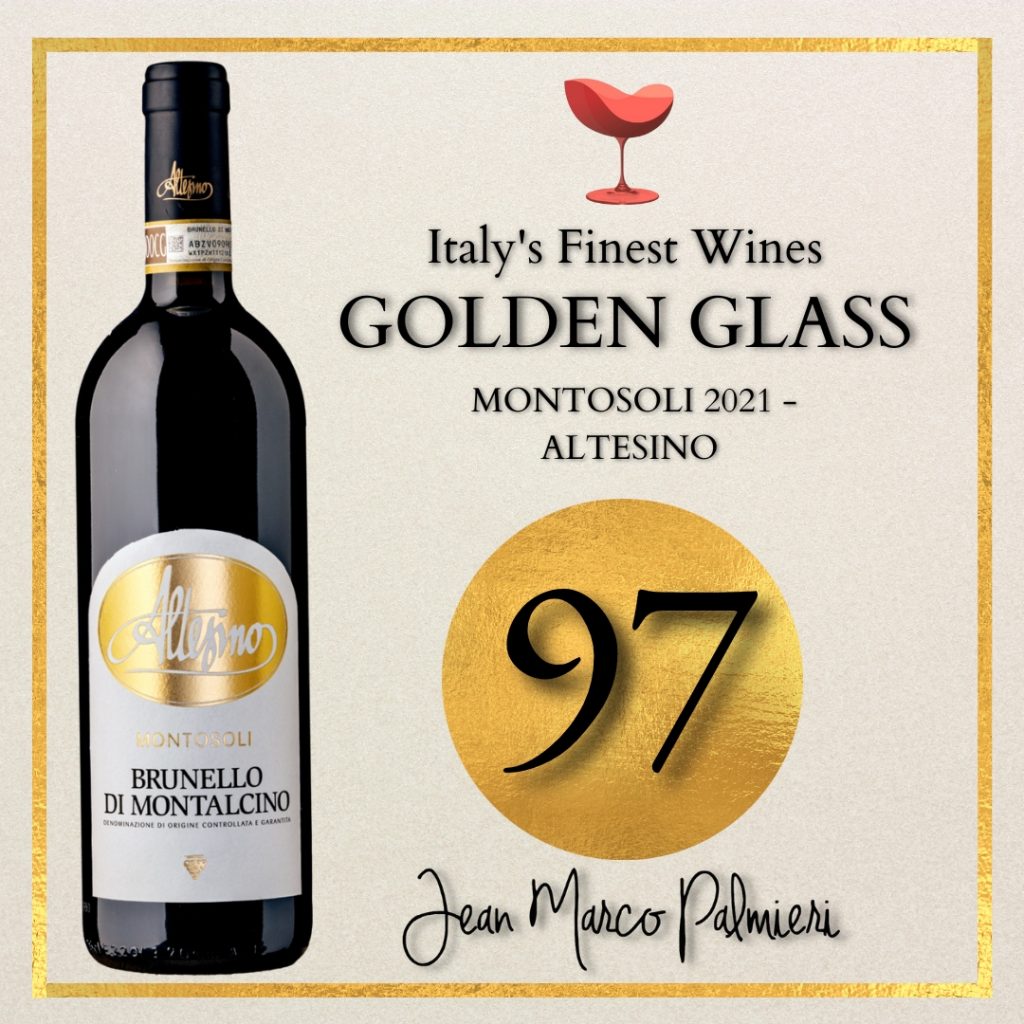
Ripe aromas of dark plum, candied orange peel, Mediterranean herbs, and sweet tobacco. On the palate, soft and structured, with silky and concentrated tannins. Freshness balances the density, leading to a warm, savory, and persistent finish.
- Vineyard: Montosoli, historic cru with North-West exposure, altitude 350‑400 m, calcareous soils (marly and siliceous, Alberese)
- Vinification: traditional protocol; long aging in oak casks
- Zone: North (Montosoli)
- Estate: Altesino, led by Elisabetta Gnudi and her daughter Vittoria, manages about 50 ha of vineyards and follows sustainable practices with attention to energy efficiency.
Brunello di Montalcino Giovanni Neri 2021 – Casanova di Neri
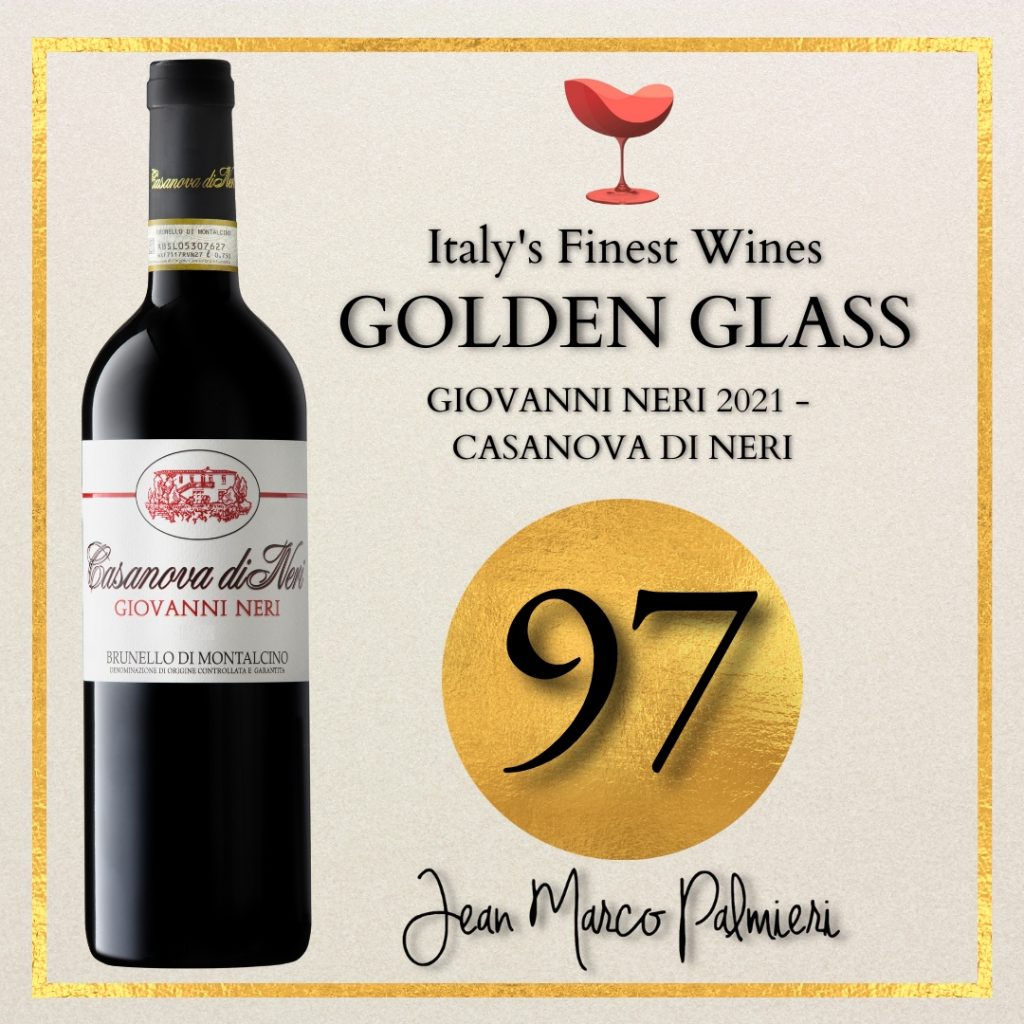
Description:
Aromas of cherry and ripe blackberry, with light notes of sweet spices, cocoa, and balsamic hints. On the palate, full and velvety body, dense and well-integrated tannins, long and elegant finish with clear fruity nuances.
- Vineyard: Sesta (Castelnuovo dell’Abate)
- Vinification: manual and optical selection of grapes; fermentation with 20% whole clusters, no added yeasts, maceration with frequent punch-downs in wooden conical vats at controlled temperature for 29 days; aging 30 months in casks and 22 months in bottle
- Zone: South-East Montalcino
- Estate: Casanova di Neri, led by Giacomo Neri with his sons Gianlorenzo and Giovanni; 63 ha of vineyards, internationally recognized winery for Brunello di Montalcino
Brunello di Montalcino 2021 – Poggio di Sotto
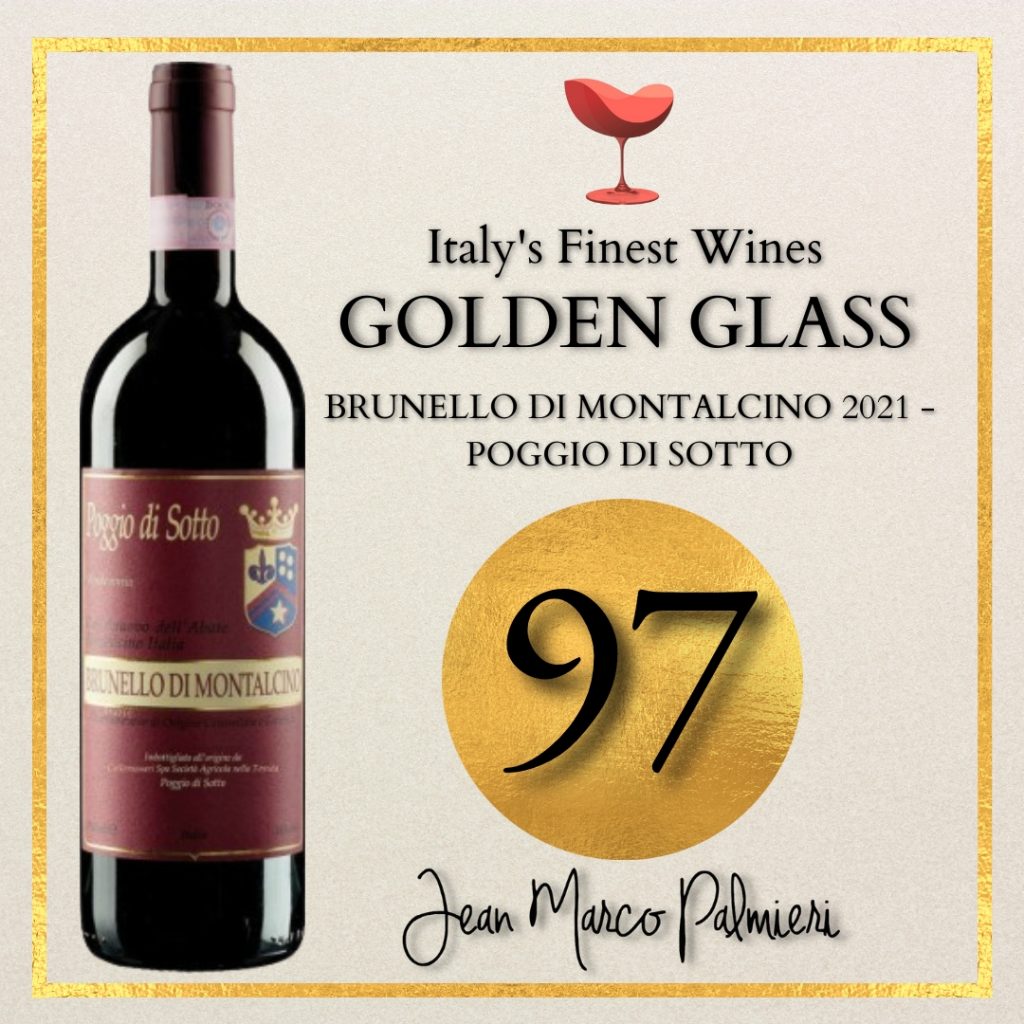
Aromas of wild cherry, raspberry, and violet, with citrus and balsamic touches. Vibrant palate, marked by fine tannins and incisive acidity, long and mineral finish focused on the purity of the fruit.
- Vineyard: parcels between 200 and 400 m, vines 20–25 years old. Various soils: skeleton and iron-rich minerals at higher altitudes; white and gray clays, galestro, and silty components at lower levels.
- Vinification: spontaneous fermentations in wood and cement, macerations of at least one month with frequent aerated punch-downs; aging 36 months in 30 hl Slavonian oak casks.
- Zone: South-East, Castelnuovo dell’Abate
- Estate: Poggio di Sotto, founded in 1989 by Claudio Tipa, carries out rigorous agronomic work to enhance the balance and finesse of Sangiovese with moderate alcohol levels; winemakers Luca Marrone and Leonardo Berti.
Brunello di Montalcino “Schiena d’Asino” 2021 – Mastrojanni
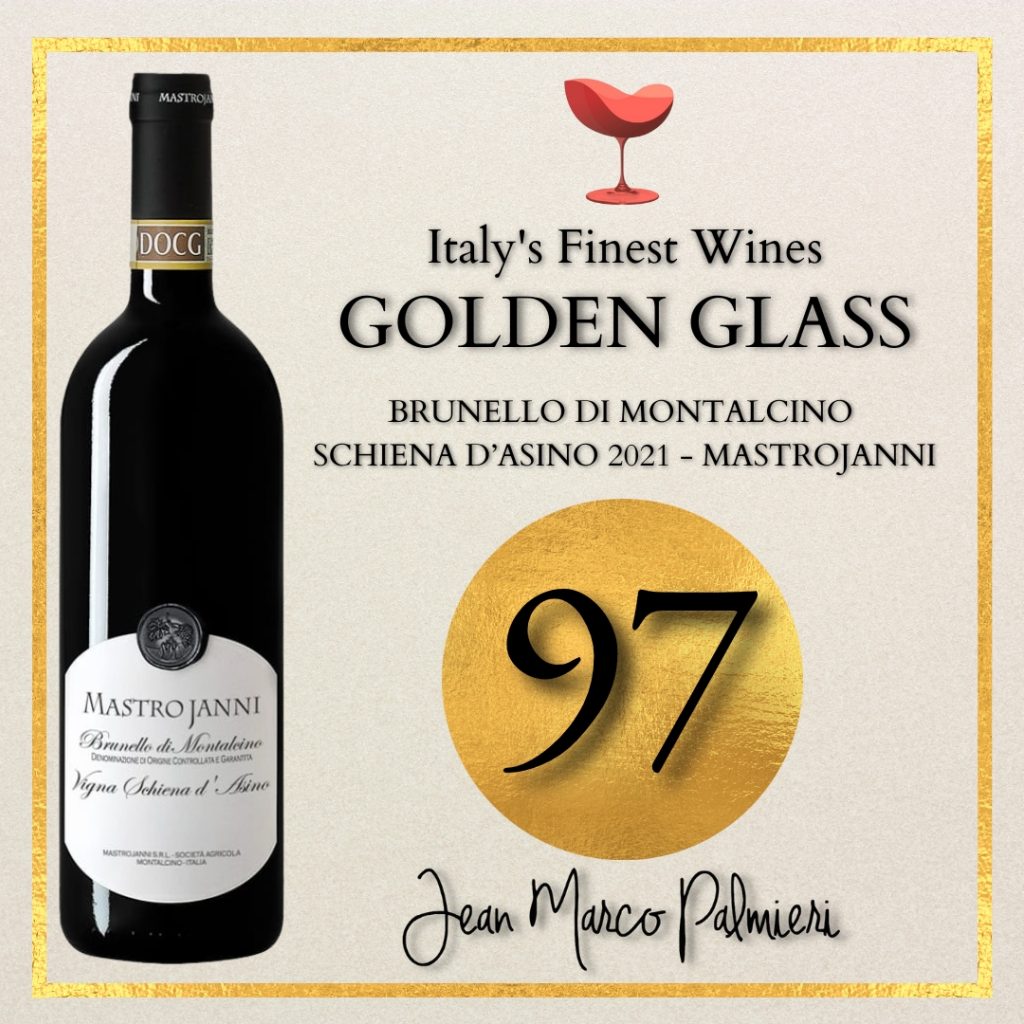
Aromas of ripe red fruits, undergrowth, and a slight hint of sweet spices. On the palate, enveloping, with good concentration and a soft texture. Long and dry finish, with fruity and spicy recalls.
Estate: Mastrojanni, today owned by Francesco Illy, with winemaking guidance by Giulia Härri; low-intervention approach with focus on balance and longevity
Vineyard: selected grapes; maceration ≈20 days; fermentation in resin-coated cement vats
Vinification: aging 36 months in 16, 25, and 29 hl casks
Zone: South-East (Castelnuovo dell’Abate)
Le Pergole Torte 2020 – Montevertine
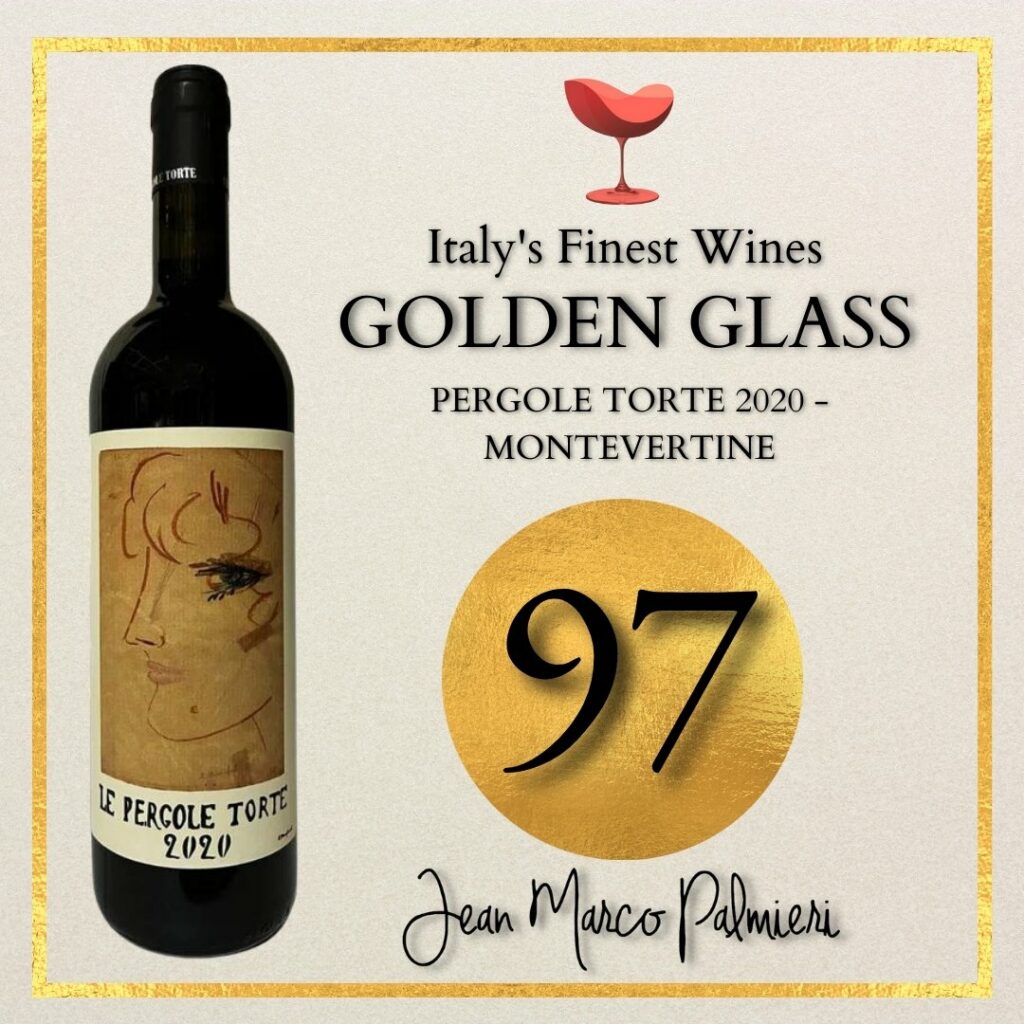
Characteristics: Initially, olfaction plays on notes of sour cherry, violet, orange peel, enriched by more enigmatic scents of wild calamint and humus. On the palate, well-defined and compact tannins and great acidity that gives smoothness.
Fermentation for 25 days by indigenous yeasts in cement vats. Aging begins in Slavonian oak barrels for 12 months, continues in Allier barriques for another 12 months, and ends with 6 months of rest in the bottle.
Grape Variety: Sangiovese 100%
Region: Tuscany
A historic and intoxicating wine among the best interpretations of pure Sangiovese for its multifaceted taste and olfactory complexity.
Refined, elegiac, and linear: of interesting iodized sapidity and inexhaustible persistence, where the undisputed prominence of the
Pinot Nero Riserva ‘Vigna Ganger’ 2019 – Girlan
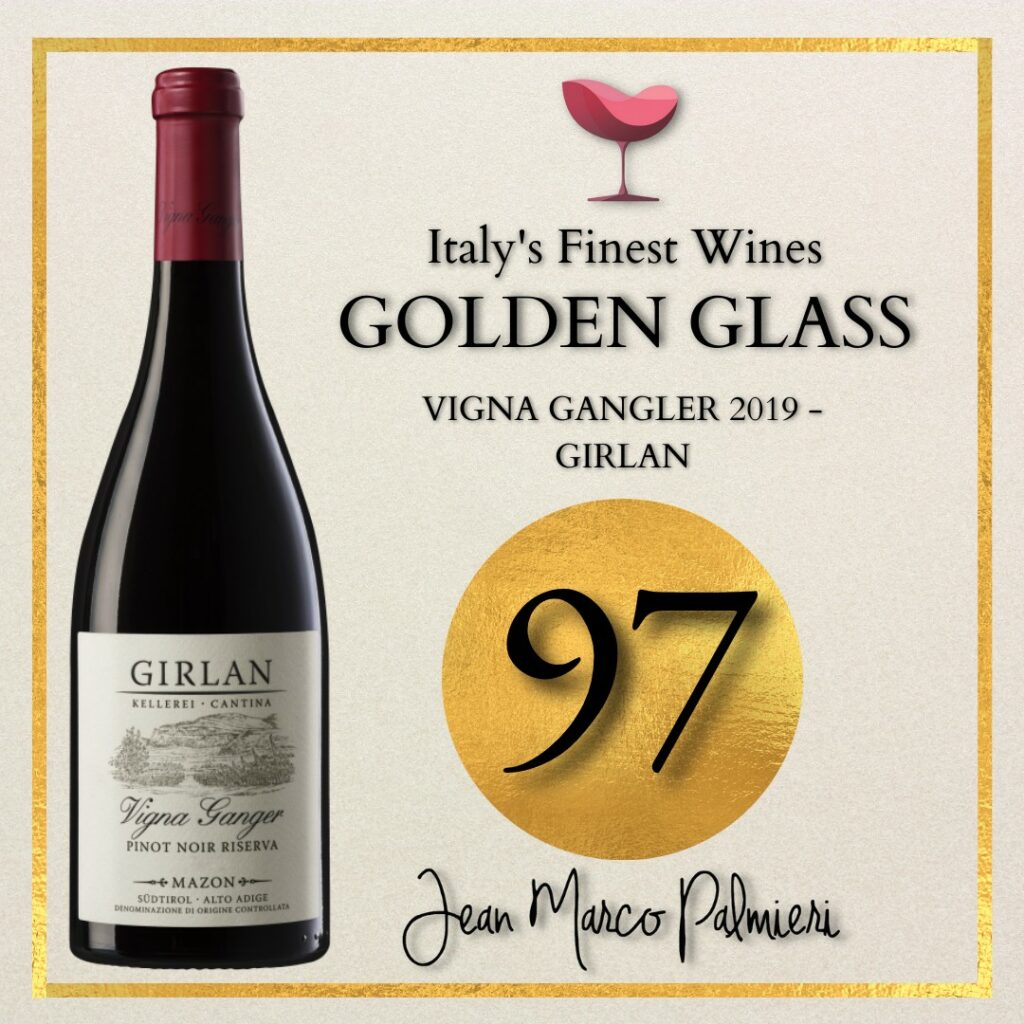
Description: The olfactory profile is complex and intense: ranging from red currant and cinnamon, adding notes of medicinal herbs, violet, and patchouli.
On the palate, it is voluminous, with well-defined silky tannins and good nerve-like acidity that imparts freshness and verticality. A clean, harmonious finish of great length on the fruit.
One of the best Italian Pinot Noir wines for overall complexity and balance, seductive and refined, with very expressive aromas.
Region: South Tyrol
Aton 2019 – Elena Walch
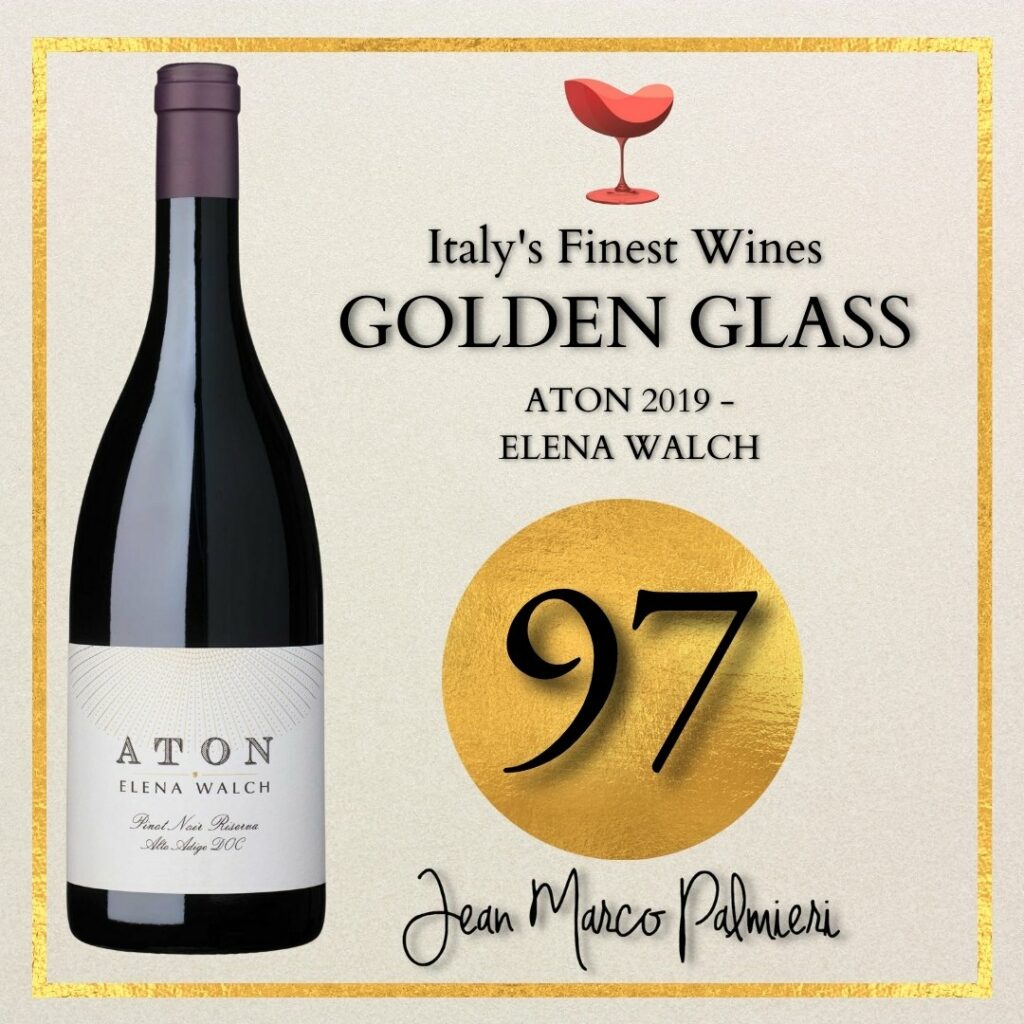
Description: Initially, the scent plays on notes of wild raspberry, caramel, and sour cherries enriched with resin and toasty tones.
On the palate, it is characterized by well-defined and compact tannins, supported by a pleasant salty vein and pronounced acidity that give smoothness and depth to the sip.
An intoxicating wine, among the best expressions of Pinot Noir in Italy for olfactory complexity and a material and penetrating palate. Without a doubt, among the best Italian wines.
Region: South Tyrol
Harlequin 2016 – Zymé
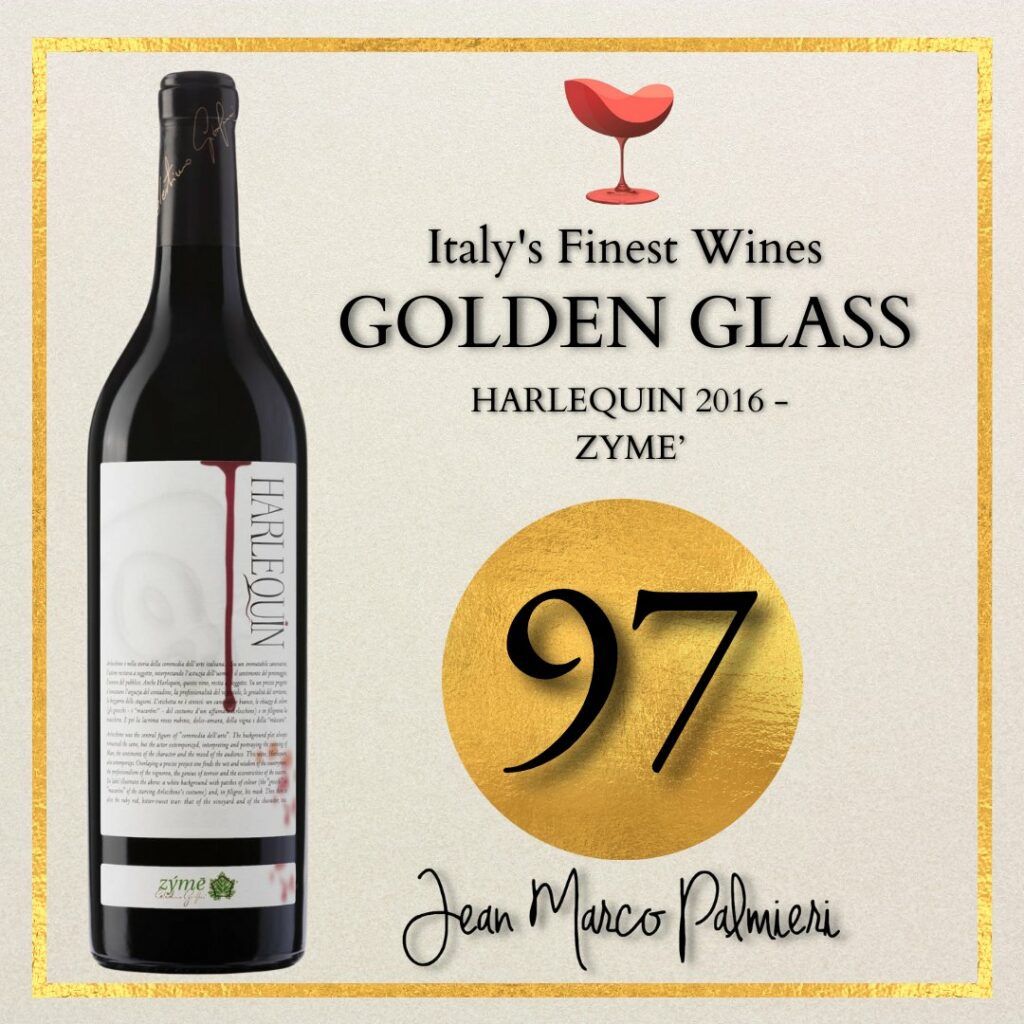
The wine Harlequin 2016 by Zýmē reveals a bright ruby with garnet reflections in aging. Notes of moss, carob, and minty sensations intertwine in a complex olfactory bouquet. On the palate, the phenolic structure is material and elegant, with balanced acidity that imparts smoothness. The wine offers a persistent and harmonious finish.
Production follows a vinification with fermentation of crushed grapes together in a cement vat with indigenous yeasts for about 30 days, followed by punching down, délestages, and sensory control. Aging takes place in new French oak barrels of 225 liters for 30 months, without transfers, and continues in the bottle for at least 2 years. Obtained from a blend of international and indigenous varieties. Harlequin is produced only in important vintages.
A unique work that celebrates the complexity and harmony of flavors and aromas, leaving an indelible mark on the tasting experience.
Montepulciano d’Abruzzo 2021 – Emidio Pepe
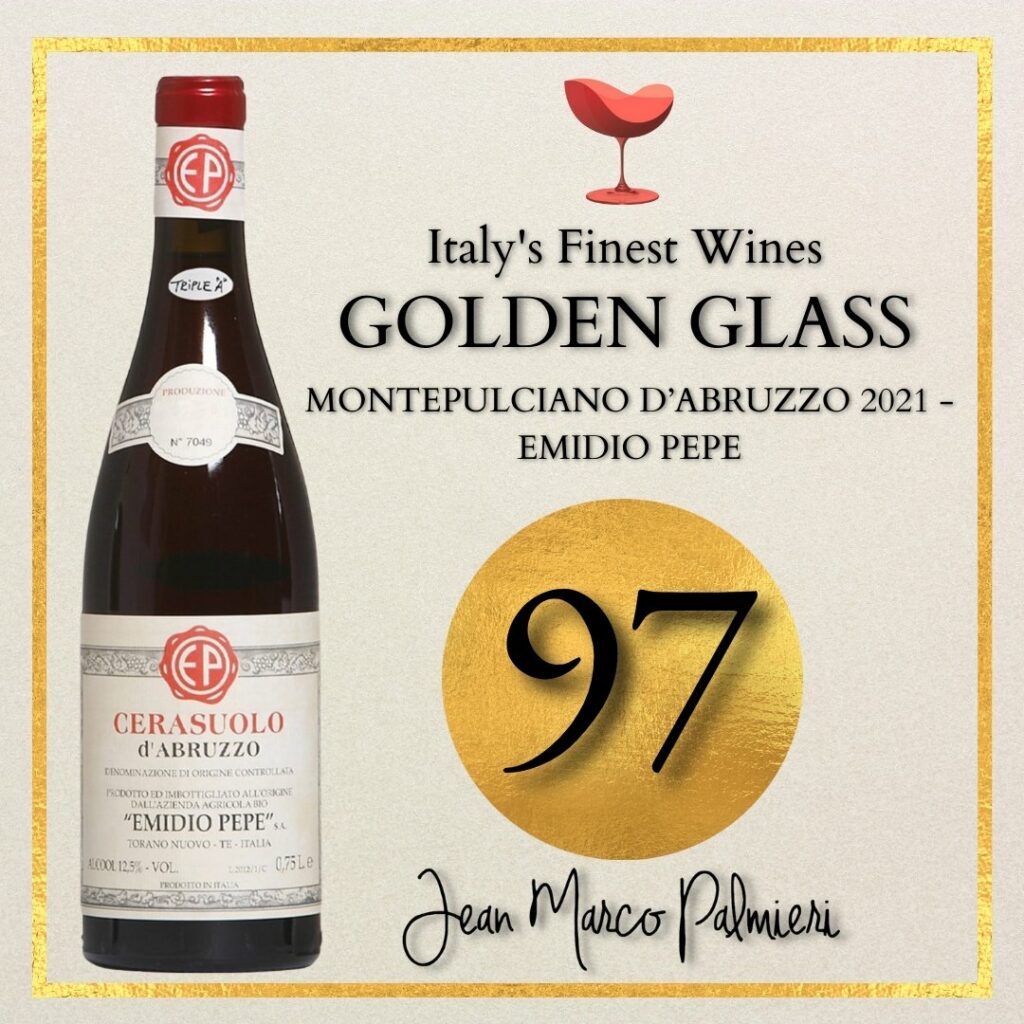
Description: It opens incisive with notes of ripe dark berries, withered violets, and licorice root, progressing towards resin, dried figs, and carob reminiscences.
On the palate, it is dense and sumptuous, with well-defined tannins and tied to a long acidic line denoting great aging potential. Grapes are hand-destemmed in wooden vats, spontaneous fermentation with indigenous yeasts in glazed cement tanks, and maceration with manual punch-downs. Bottled and decanted by hand without filtration. Ages for 24 months on fine lees in glazed cement tanks and a few months in the bottle.
A true legend among Montepulciano d’Abruzzo wines. A material wine with sublime olfactory expressiveness. Rightly among the best Montepulciano d’Abruzzo wines for extraordinary aging capacity.
Region: Abruzzo
Montepulciano d’Abruzzo 2015 – Valentini
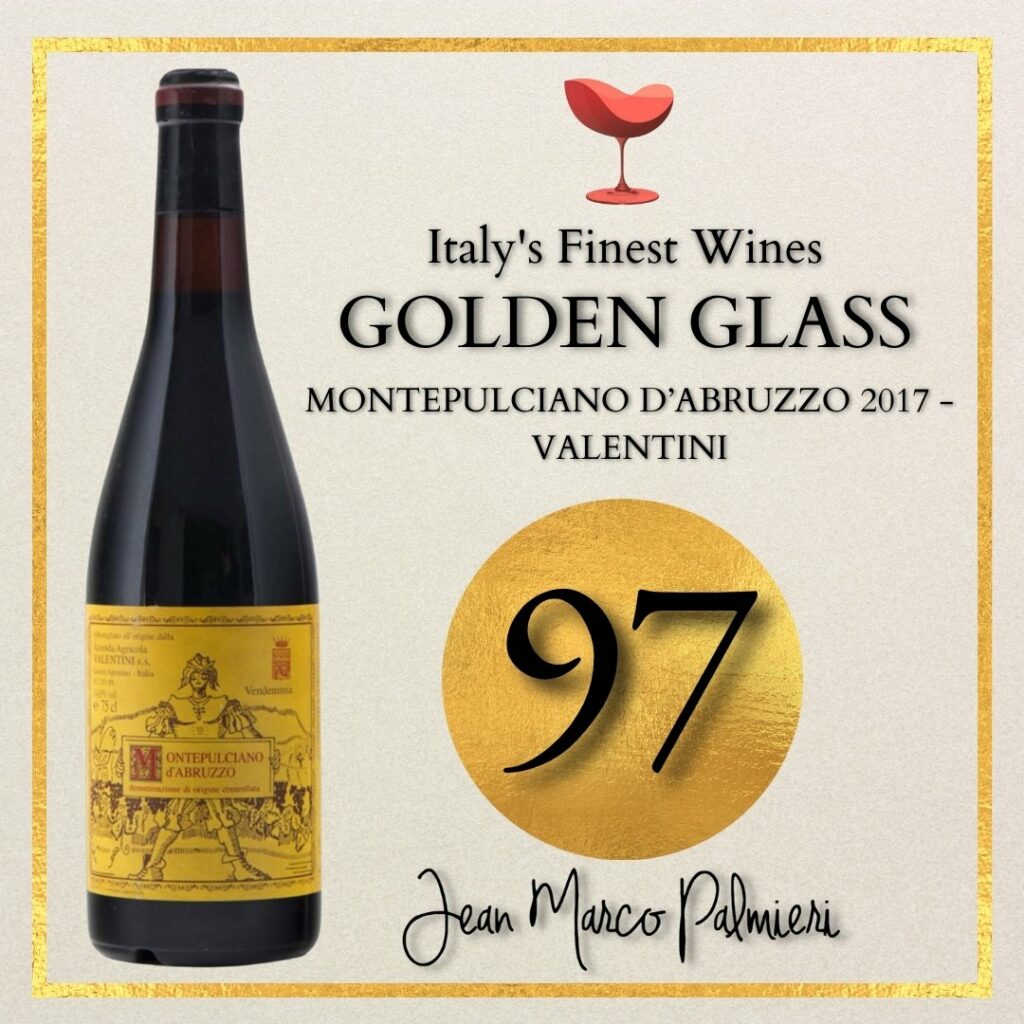
Characteristics: The aromatic range outlining blackberry under spirits, plum, wild fennel, followed by toasty and spicy notes is surprising. Powerful and compact tannins of excellent maturity and a finish with references to fruit and aromatic herbs.
Fermentation through the sole intervention of indigenous yeasts. Aging for 12 months in large oak and chestnut barrels, followed by a long rest of about 4 years in the bottle.
Grape Variety: Montepulciano d’Abruzzo 100%
Region: Abruzzo
From one of the oldest cellars in Abruzzo, a superb wine of unusual eloquence and elegance. Deservedly among the most famous, historic, and best Italian red wines.
Grande Cerzito 2018 – Quintodecimo
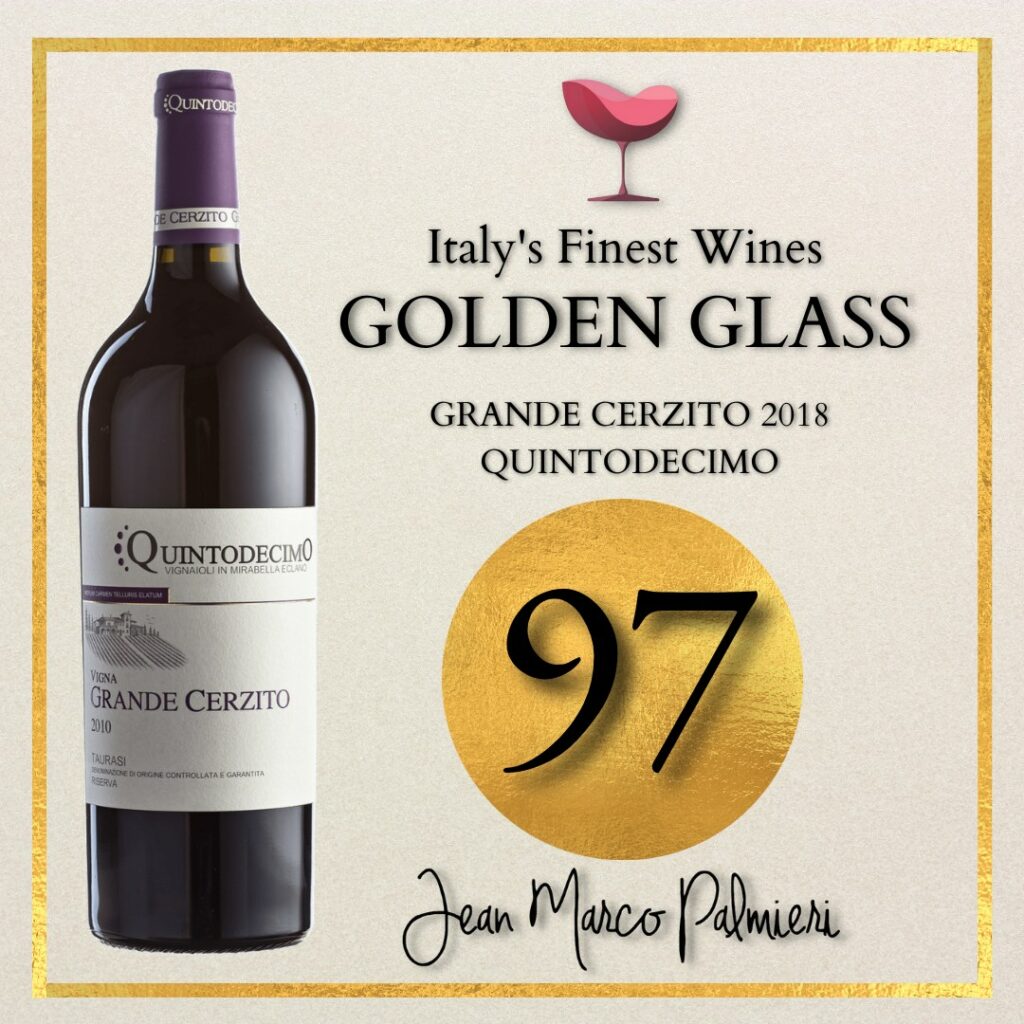
Description: Notes of cranberries and blood orange emerge on the nose, violet and eucalyptus, followed by cocoa powder and China. On the palate, it presents a great balance between the phenolic component, acidity, and alcohol, with a finish of great length and freshness with balsamic and fruity echoes.
Aging in new oak barrels for 18/24 months.
Quintodecimo’s Grande Cerzito confirms itself as one of the most interesting interpretations of Taurasi, thanks to its ability to combine organoleptic complexity, aging potential, and drinkability.
‘Sassicaia’ 2020 – Tenuta San Guido
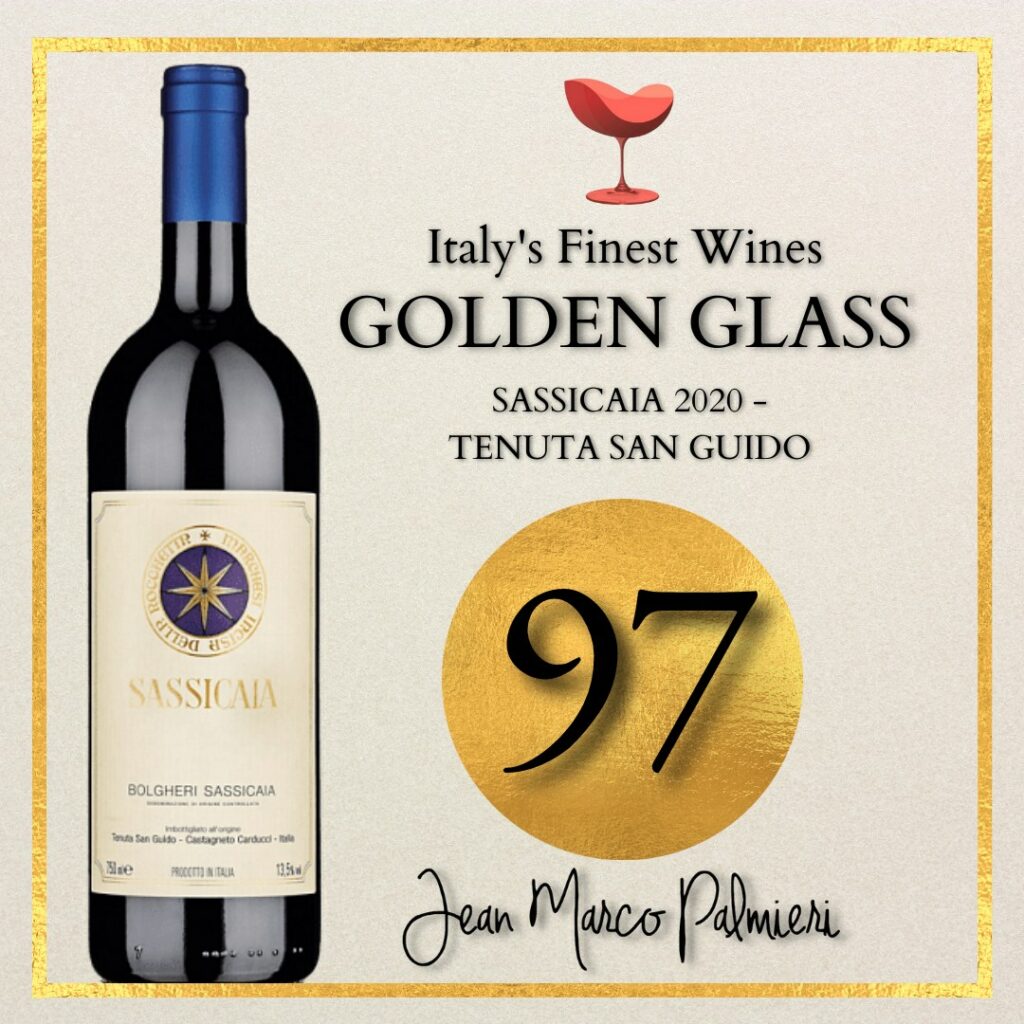
Description: Tickles the nose with intense varietal aromas of cherry, myrtle, garrigue, eucalyptus, and hints of green bell pepper. The sip is material and harmonious with powerful and velvety tannins well-balanced by a pressing acidity that creates a sensational palate balance.
Alcoholic fermentation by indigenous yeasts in temperature-controlled steel, maceration for 9-12 days in steel. Aging for 24 months in French oak barriques.
Grapes: 85% Cabernet Sauvignon, 15% Cabernet Franc
Region: Tuscany
A wine that has made history for Cabernet in Italy and paved the way for Bolgheri wines: rightfully one of the best red wines for indisputable finesse. A wine of great elegance, refined but imaginative, narrating the eloquence of the Bolgheri terroir.
Etna Rosso San Lorenzo 2020 – Tenuta delle Terre Nere
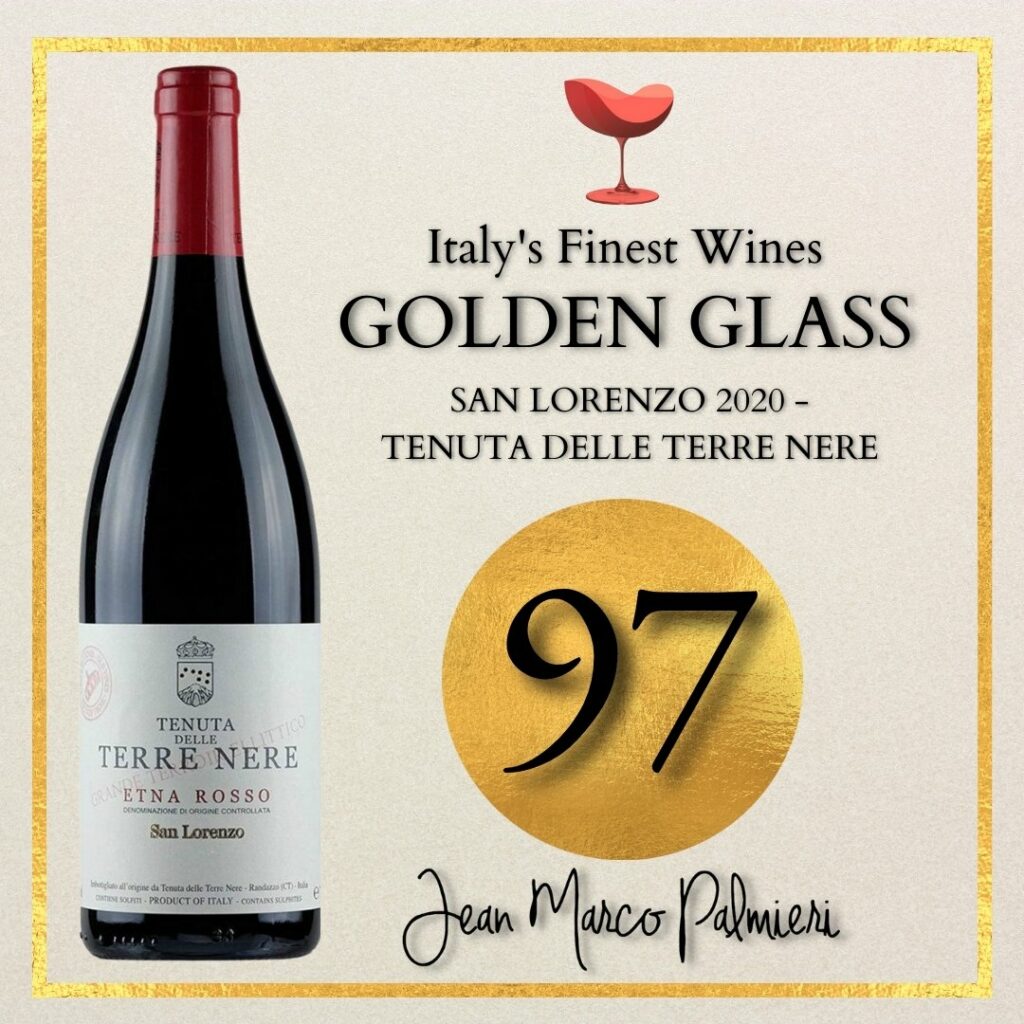
Description: Strokes of rose petals, plum, and syrupy raspberries give way to clear notes of graphite, humus, and nutmeg. The palate is sumptuous, with a sculptural body animated by a lively minerality that makes it vertical and expansive. Alcoholic fermentation with temperature control at 28°-30°C, followed by spontaneous malolactic fermentation. Aging for 16-18 months in French oak barriques and tonneaux, then 1 month in steel.
Grapes: Nerello Mascalese and Nerello Cappuccio
Region: Sicily (Etna)
A rare pearl of Sicilian viticulture, impeccably expressing the essence of Etna, incisive and with an unmistakable character. Among the best Italian red wines.
Barolo ‘Bricco delle Viole’ 2019 – Vajra
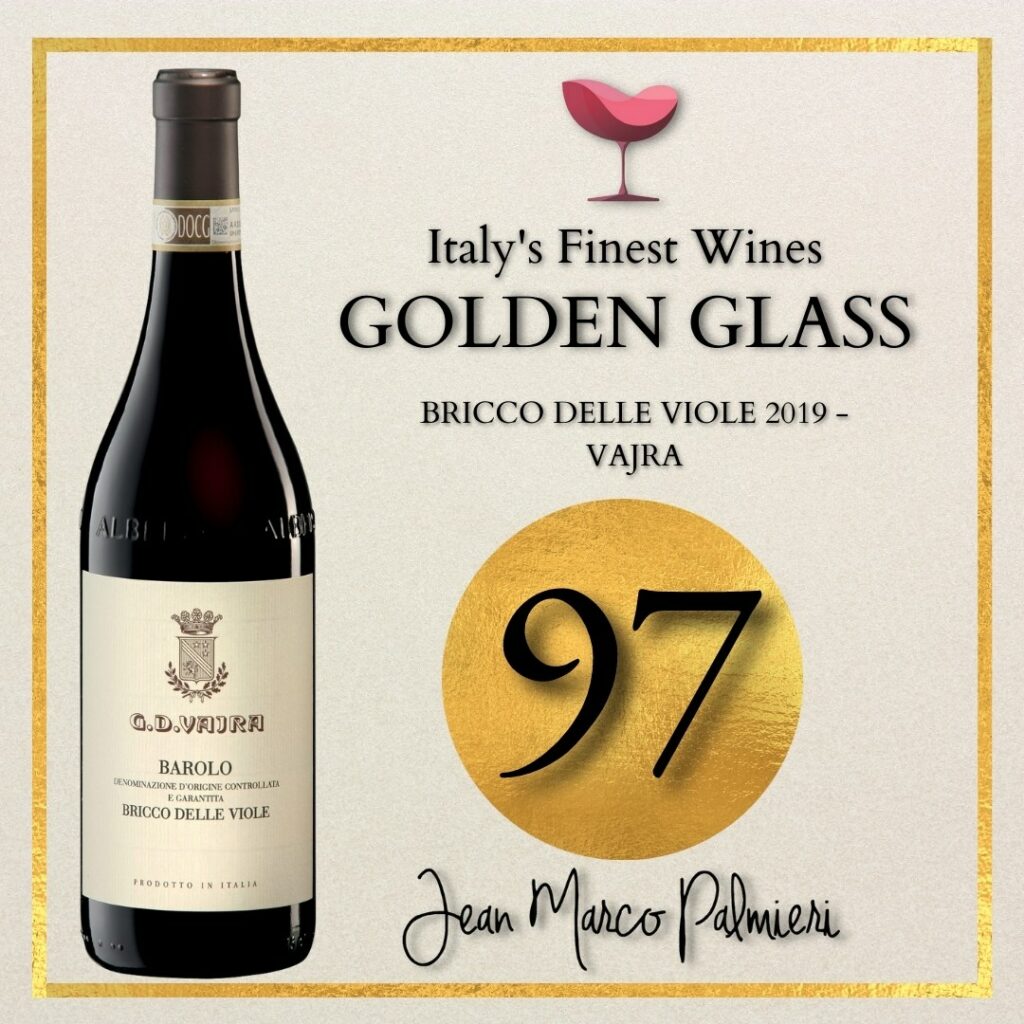
Description: Teases the nose with incisive notes of withered roses and cherry under spirits, followed by hints of candied orange peel enriched with well-integrated boisé tones.
Galvanizes the palate with a thick but smoothly textured tannin synergistically linked to a nerve-like acidity that promotes drinkability. A finish of great persistence where the Nebbiolo varietal echoes. Ages for 28 months in large Slavonian oak barrels, mainly from 25 and 50 hectoliters.
The historic Bricco delle Viole is one of the most celebrated in Barolo, giving life to wines characterized by elegance and freshness. Vajra once again confirms itself as its virtuoso interpreter.
Description: The aromatic picture is wide and complex, articulating notes of ripe cherry, licorice root, and medicinal herbs.
On the nose, it convinces with synergy between the alcoholic and phenolic components, creating a dense, material, and long-lasting sip, supported by a nerve-like acidity that provides freshness and drinkability.
The iconic Vigna Rionda of Massolino convinces again for its ability to combine complexity and elegance. Definitely among the best interpretations of the 2017 Barolo vintage.
Barolo Bricco Boschis Vigna San Giuseppe 2016 – Cavallotto
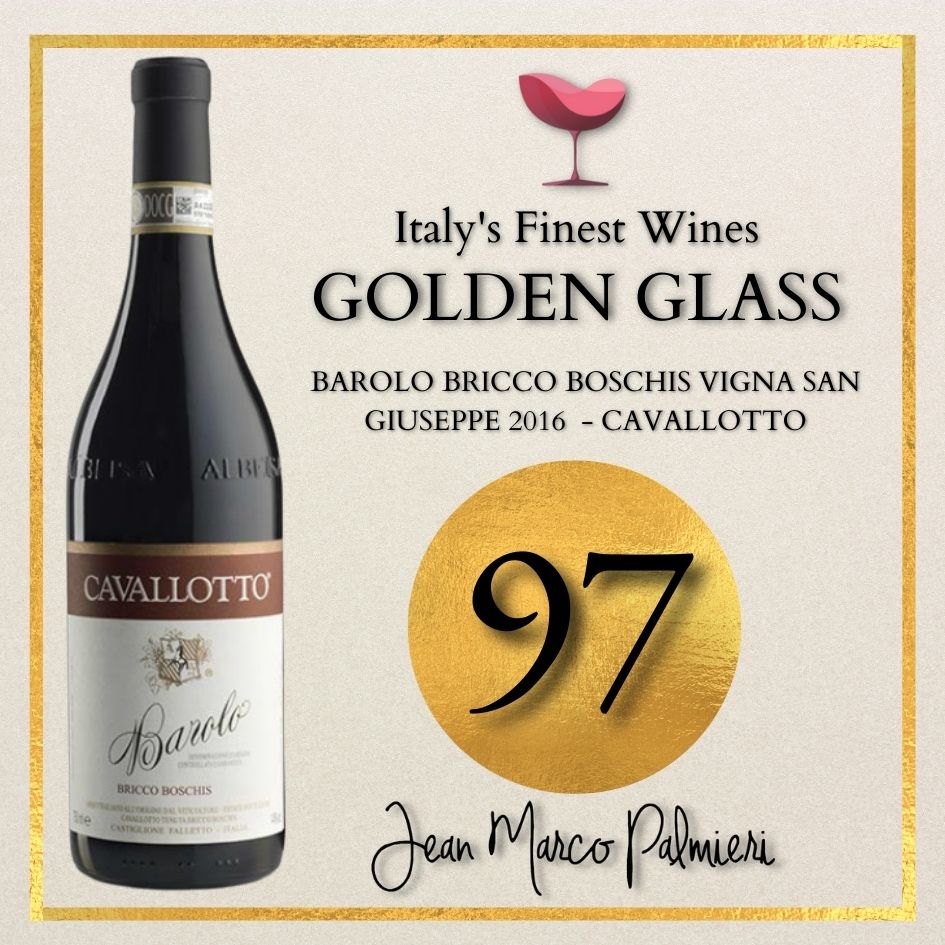
Description: It presents itself with an intense ruby red color, and the nose opens wide and complex, ranging from intense scents of ripe wild berries to allusions of plum, enriched with alpine flora, sweet spices, and tobacco.
On the palate, it is enveloping with a very thick yet velvety tannic texture, supported by significant acidity that gives great freshness and drinkability.
Undoubtedly one of the best Barolo for the elegance and eloquence of its aromas. Voluminous and harmonious finish with a balsamic note, of great persistence. Excellent aging potential. Deservedly among the best cellars in Barolo.
Region: Piedmont
La Botte di Gianni 2016 – Masciarelli
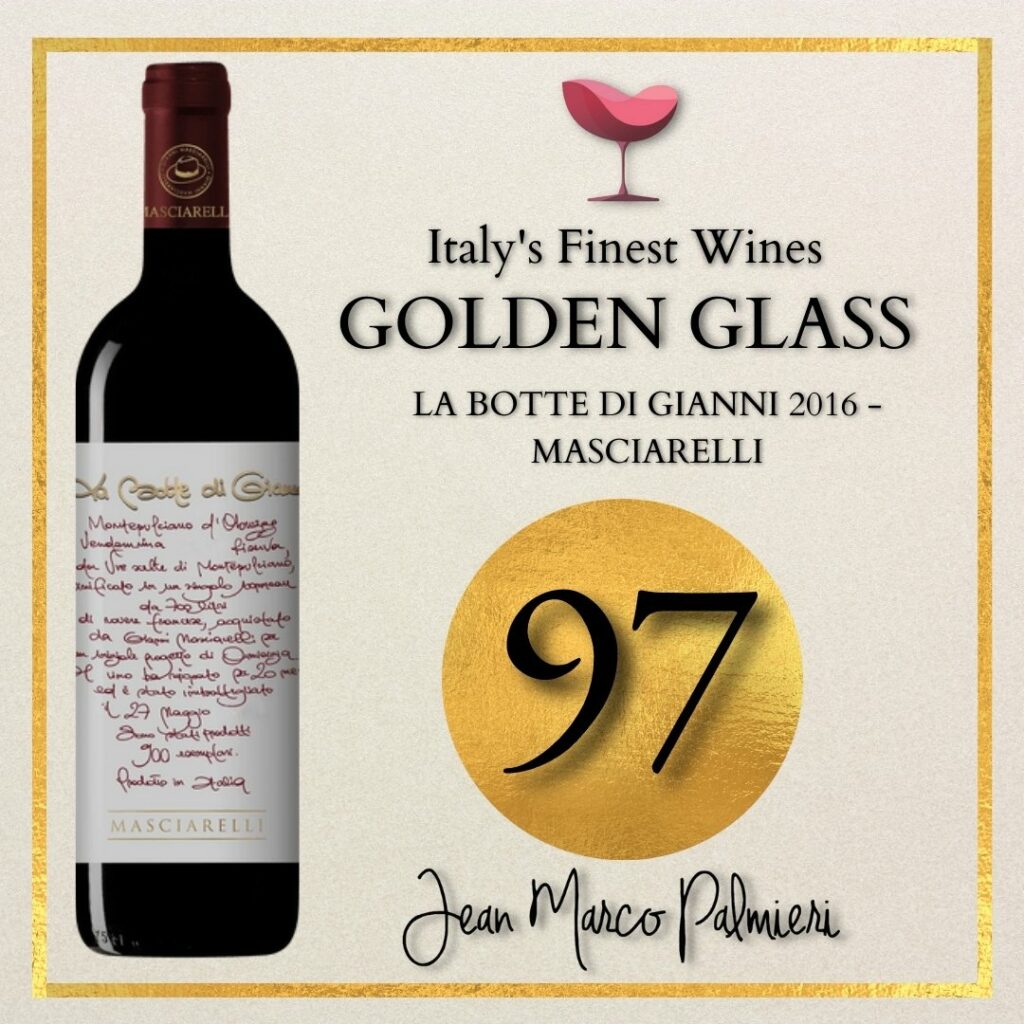
Description: In the olfactory spectrum, ripe cherry and black currant stand out, accompanied by mineral puffs, leather, and medicinal herbs. Well-defined and ripe tannins and sensational iodized sapidity that amplifies the sip.
Fermentation in stainless steel with temperature control system. Aging takes place in 700-liter French oak tonneaux, made from plants over 200 years old, followed by bottling by gravity.
From the historic cellar symbol of Abruzzo winemaking, a wine capable of maximizing the expressive potential of Montepulciano d’Abruzzo, reaching very high levels. Deservedly among the best Montepulciano d’Abruzzo wines for complexity and elegance.
Barolo ‘Marcenasco’ 2019 – Renato Ratti
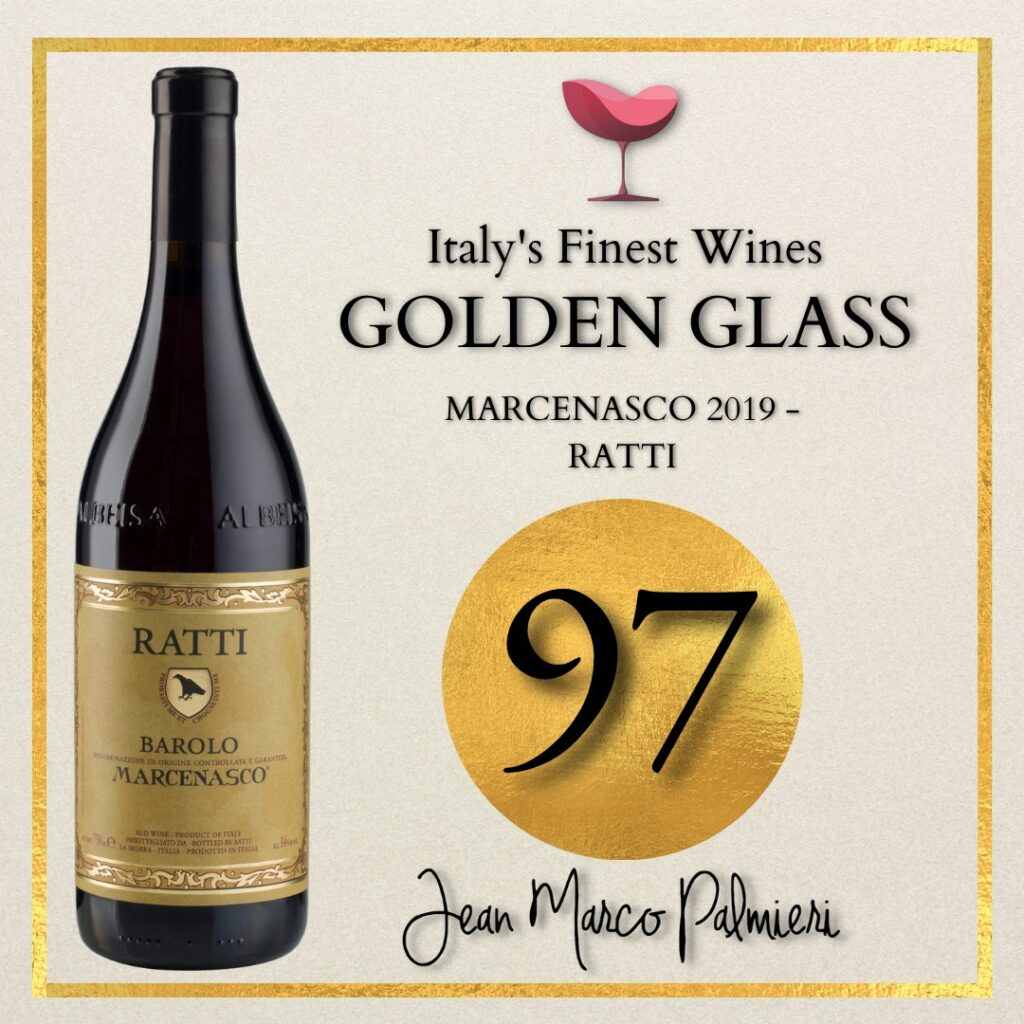
Description: The nose is slender, with well-defined fruit joined by sensations of rose and violet potpourri and nuances of wild mint and licorice.
On the palate, it is juicy, rich, with a warm and soft finish with long balsamic echoes. Alcoholic fermentation in stainless steel containers at a controlled temperature with skin maceration for about 7-10 days. Ages for approximately 24 months in large oak barrels of 25 and 50 hectoliters before bottling.
An interpretation with a fragrant and nuanced bouquet, a prelude to a vibrant sip where phenolic, alcoholic, and acidity components are masterfully calibrated.
Pajè Barbaresco Vecchie Viti 2013 – Roagna
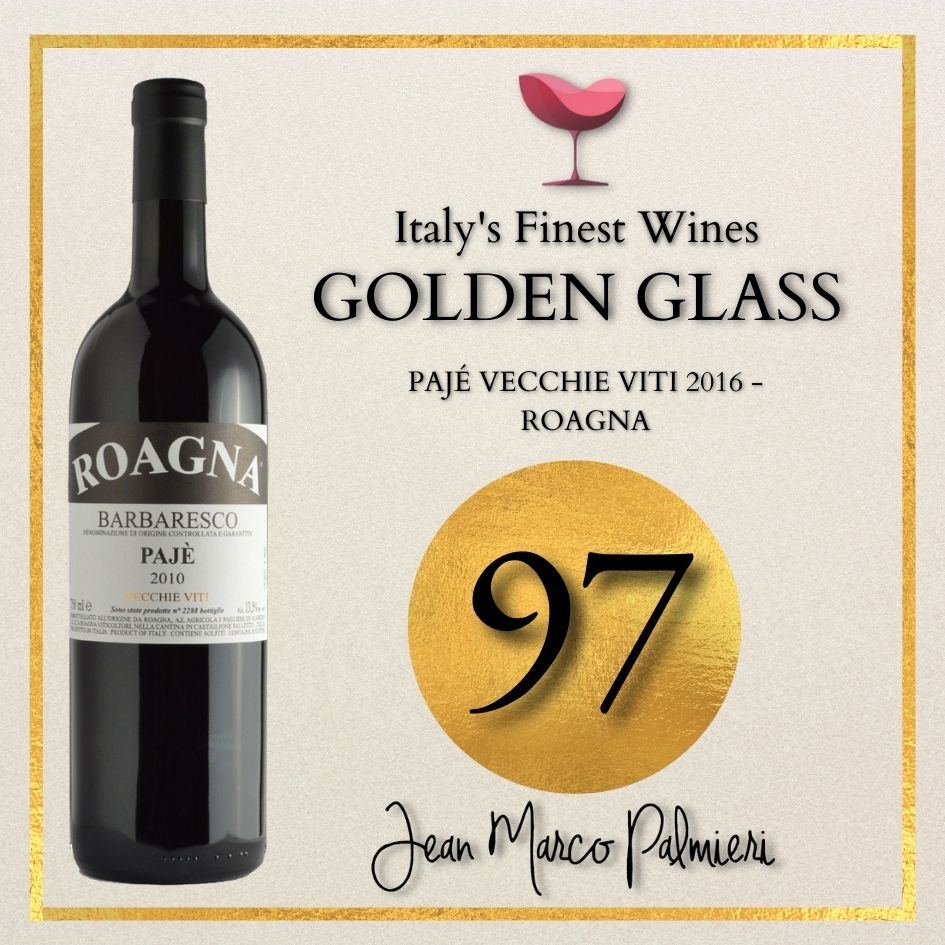
Description: The olfactory picture is enveloped in a broad and detailed olfactory bouquet: it seduces with tones of withered violet, mature dark fruit in jam, plum, and empyreumatic and tar nuances. The mouth is full and overwhelming, with great extract, characterized by a very long finish with balsamic echoes. Fermentation occurs exclusively in wooden vats thanks to a pied de cuve of indigenous yeasts.
Grapes: 100% Nebbiolo
Region: Piedmont
An iconic interpretation of Barbaresco produced from vines aged between 50 and 60 years: a tenacious and resolute wine, a synthesis of territoriality, craftsmanship, and evolution. Fully among the best Italian wines for the overwhelming and inexorable persistence on the palate.
Barbaresco Riserva ‘Asili’ 2016 – Produttori del Barbaresco
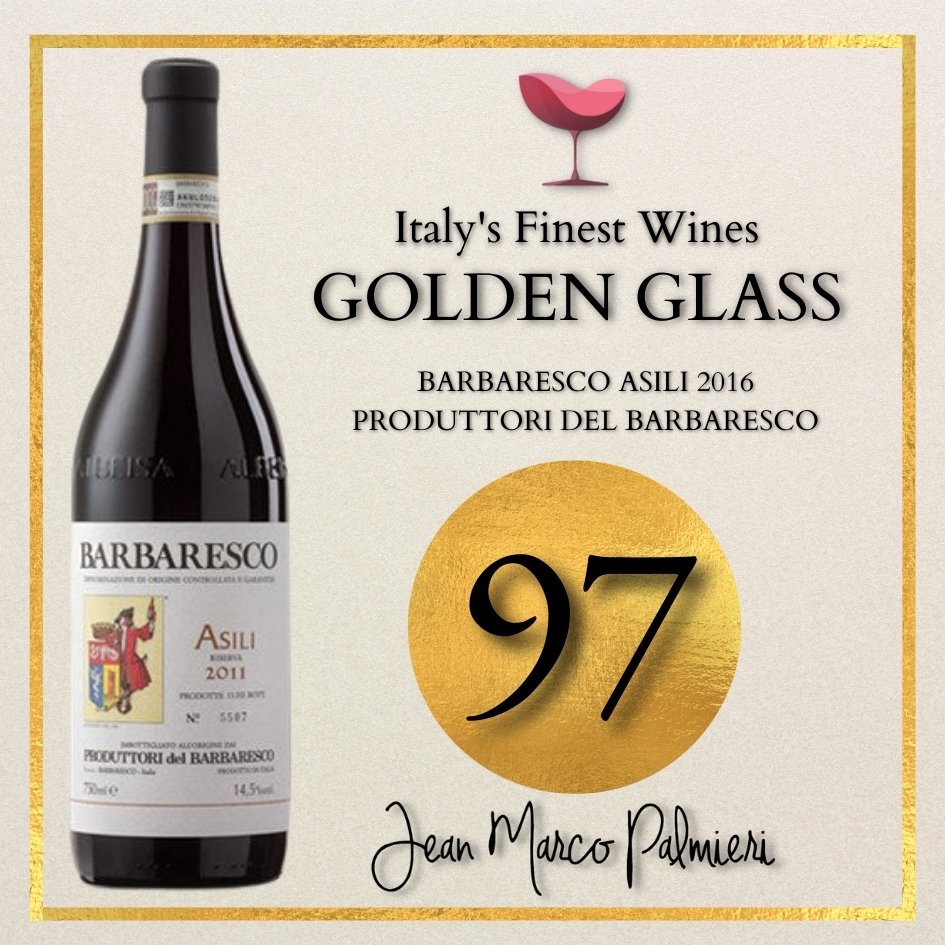
Description:
Potpourri of dried flowers, cherry under spirits accompanied by spicy, tar, and toasting tones. A long finish where floral-fruity sensations re-emerge.
A Barbaresco of great structure and finesse, with an eloquent nose and pronounced freshness that gives great drinkability and balance. Among the best Barbaresco producers for maximizing the varietal character of Nebbiolo.
Region: Piedmont
Pressenda 2018 – Marziano Abbona
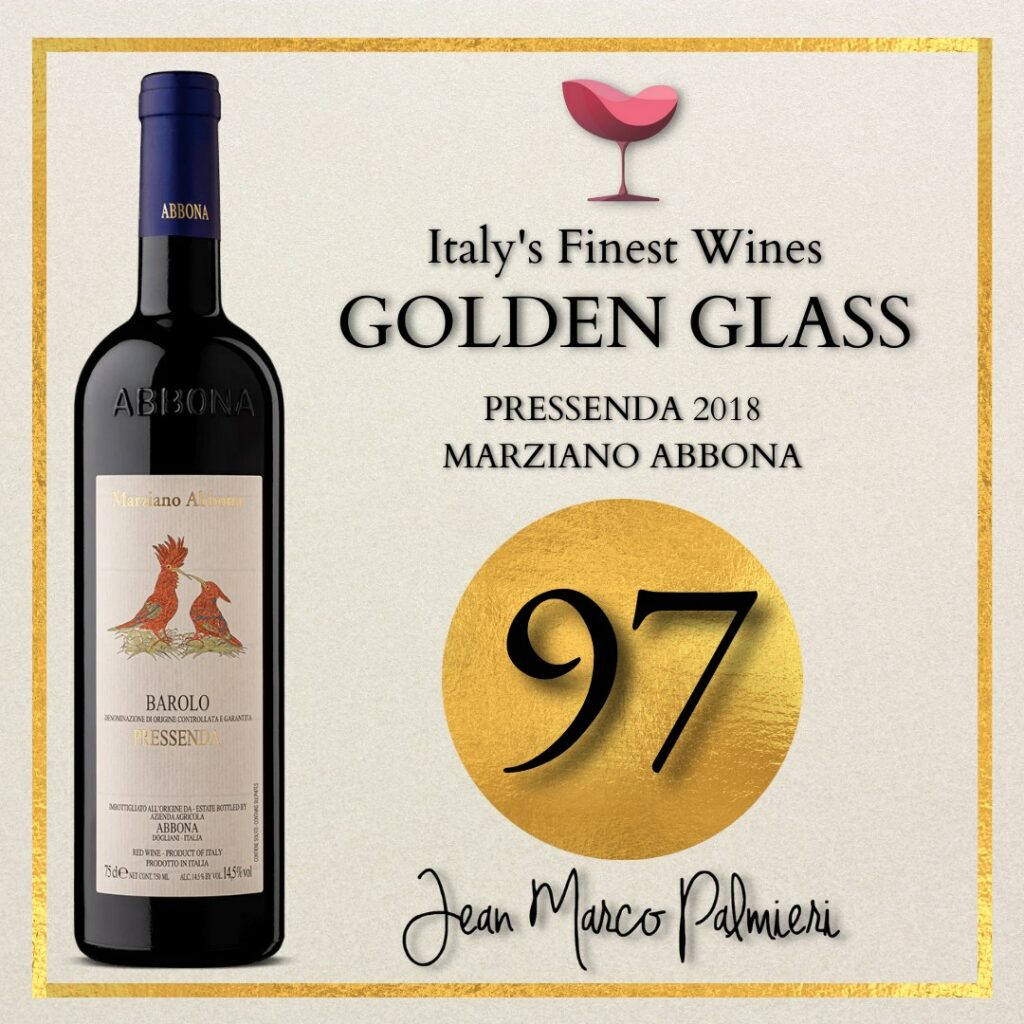
Description: The nose highlights floral notes of violet and small red berries and juniper enriched with balsamic strokes of licorice root, resin, and well-integrated boisé notes.
The sip envelops the palate in a fresh sip with compact and perfectly outlined tannins. Excellent saline trail on the finish that leaves the mouth fresh and satisfied.
An interpretation of Barolo with sensational finesse, an example of how the prominent phenolic component of Nebbiolo can synergize with acidity, providing an unprecedented and captivating sip. Deservedly among the best Barolo for balance.
Barolo Boiolo 2019 – Camparo
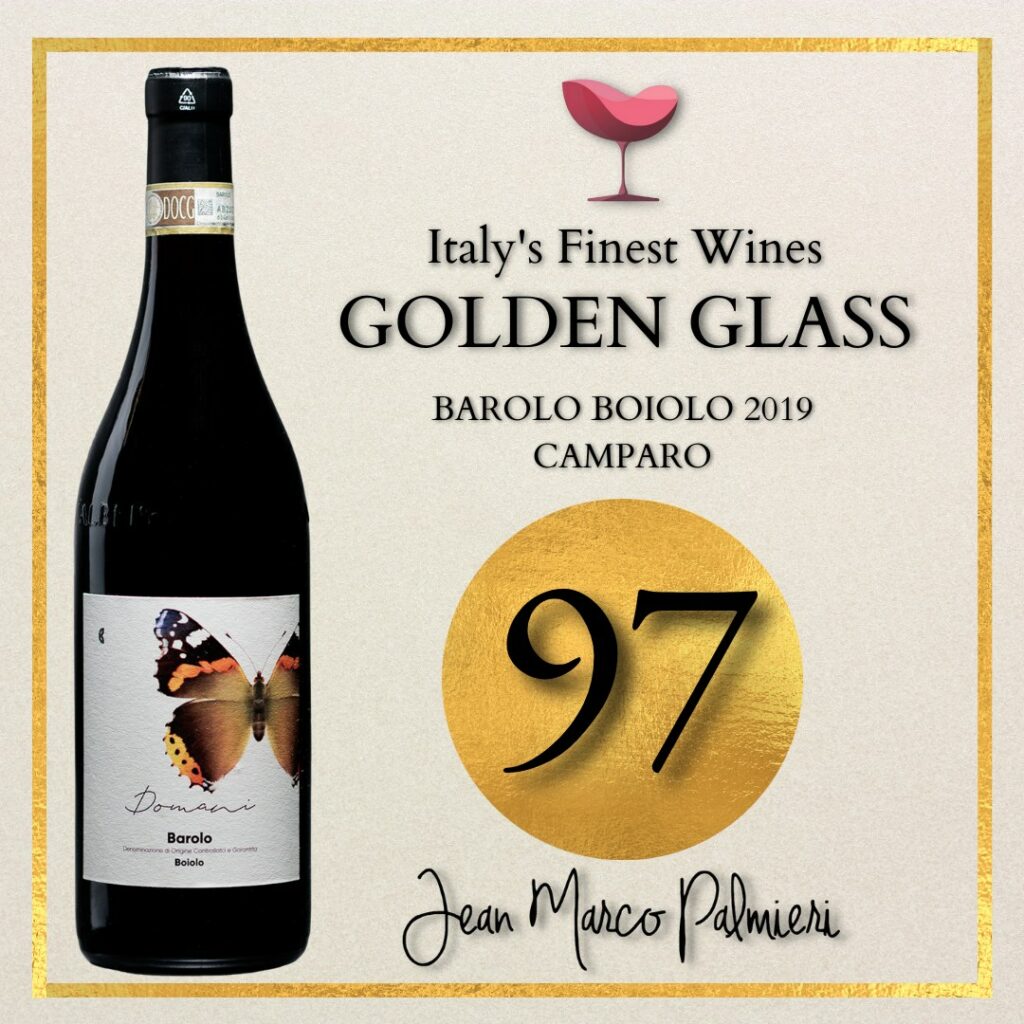
Description: On the nose, it convinces with fragrant floral shades and red currant enriched by nuances of medicinal herbs and licorice root incense.
On the palate, characterized by freshness, well-calibrated with the phenolic component of good presence and impeccable texture. Slightly balsamic finish of excellent persistence and precision. Matures in large wood for 18 months.
An artisanal wine of great vertical character: among the best Barolo for the ability to combine richness and elegance with a focus on the clarity of the fruity-floral varietal character of Nebbiolo. Undoubtedly among the best Barolo.
Vino Nobile di Montepulciano ‘Le Caggiole’ 2019 – Poliziano
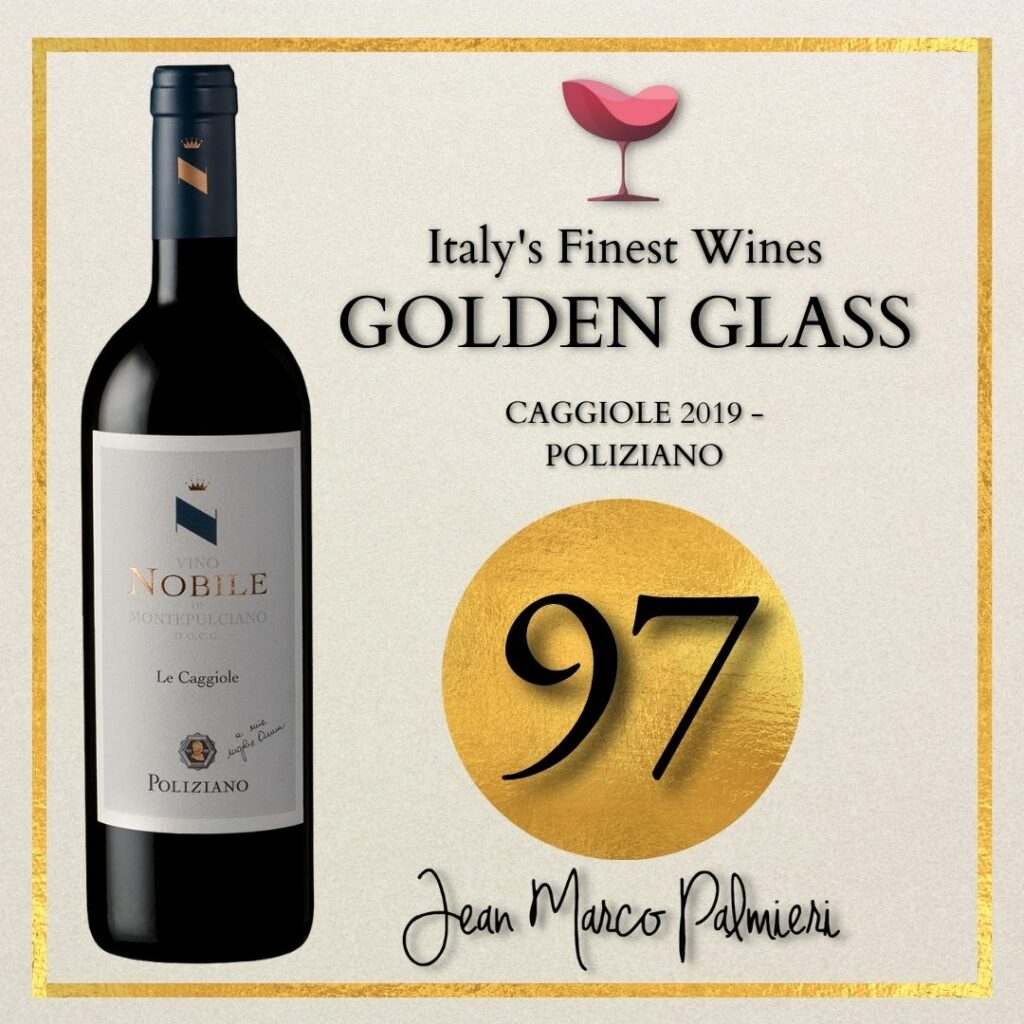
Description: Opens in a kaleidoscope of clear notes of wild strawberry and raspberry, enriched by nuances of blood, leather, spicy echoes, tar, and humus. The sip is dense and vibrant, with a sensational nerve-like acidity well-balanced between ripe and silky tannins and mineral sapidity that amplifies the course.
An opulent wine with a classic character, a sincere nose, and great expressiveness that maximizes the varietal and vertical character of Sangiovese. Excellent aging potential.
The iconic Montepulciano winery Federico Carletti gives us another wine of great character. Fully among the best Italian wines.
Region: Tuscany (Montepulciano)
Amarone Classico Della Valpolicella ‘La Marega 2017 – Le Salette
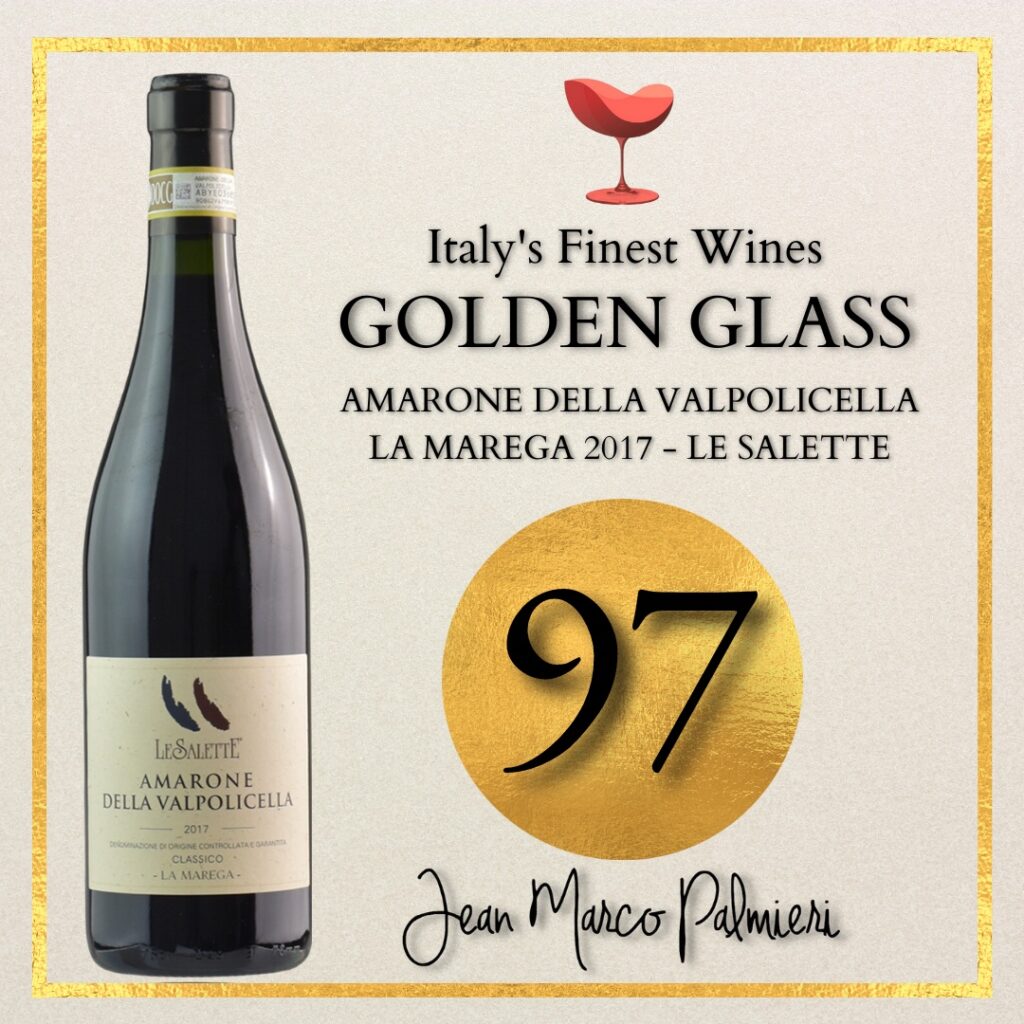
Description: Finely articulated bouquet with scents of rose and violet potpourri and small red fruits in jam, enriched with delicate notes of bitter cocoa, vanilla, and pleasant hints of eucalyptus, licorice, and tar.
The sip reveals a great polyphenolic extract, supported by a long saline trail that culminates in a vibrant finish of great persistence. Impeccable balance between the acidic, tannic, and alcoholic components.
Amarone La Marega is a wine of great thickness. The intriguing and highly recognizable nose is a prelude to an energetic and exciting sip. Deservedly among the best Italian wines.
Region: Veneto (Valpolicella)
Bolgheri Superiore 2019 – Castello di Bolgheri
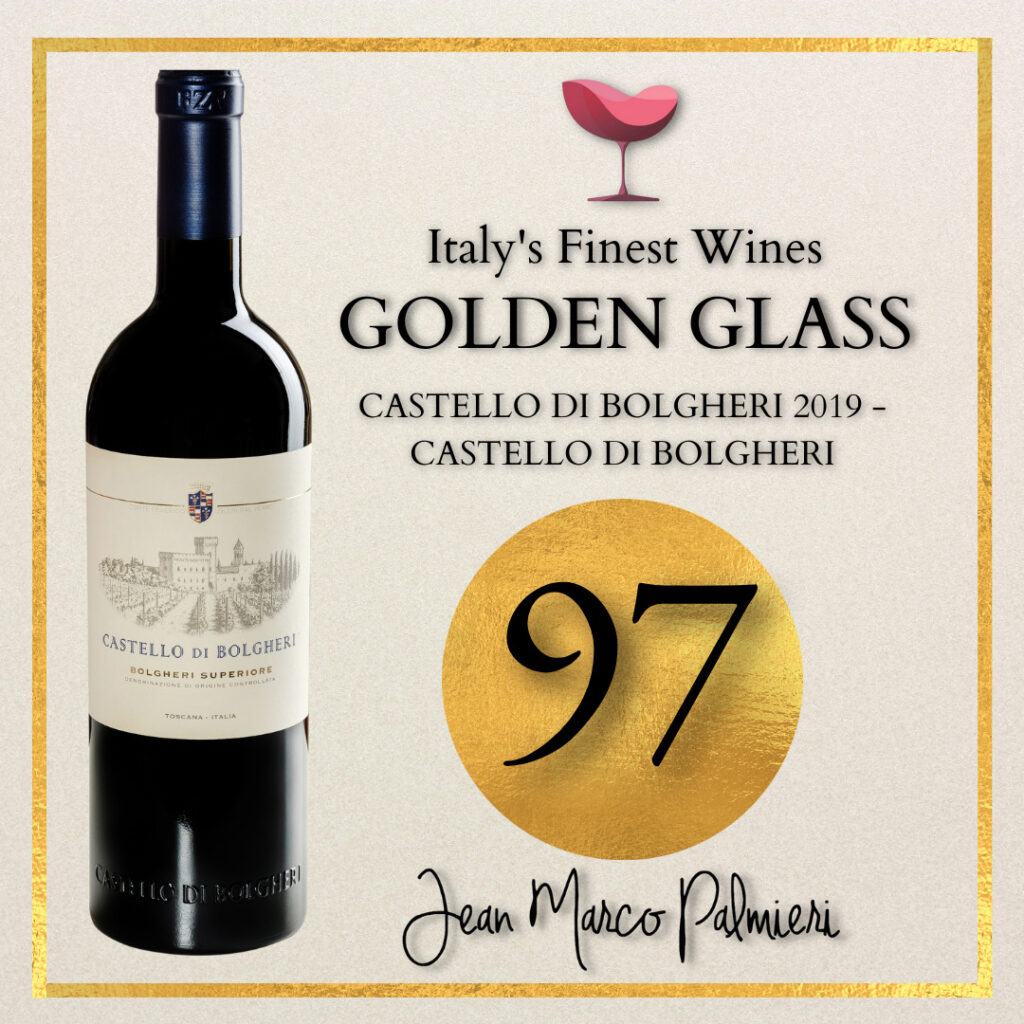
Description: On the nose, it is austere, broad, and complex, ranging from notes of ripe red fruit followed by black pepper, coffee, and cocoa.
Excellent harmony thanks to a well-defined but harmonized tannic structure and great finesse. Clean and persistent finish.
An extremely elegant Bolgheri, as sumptuous and elegant as Castello di Bolgheri in Castagneto Carducci. Unbeatable value for money, deservedly among the best Bolgheri for identity and territorial representativeness.
Grapes: Cabernet Sauvignon 60%, Cabernet Franc 20%, Merlot 20%
La Pineta 2019 – Podere Monastero
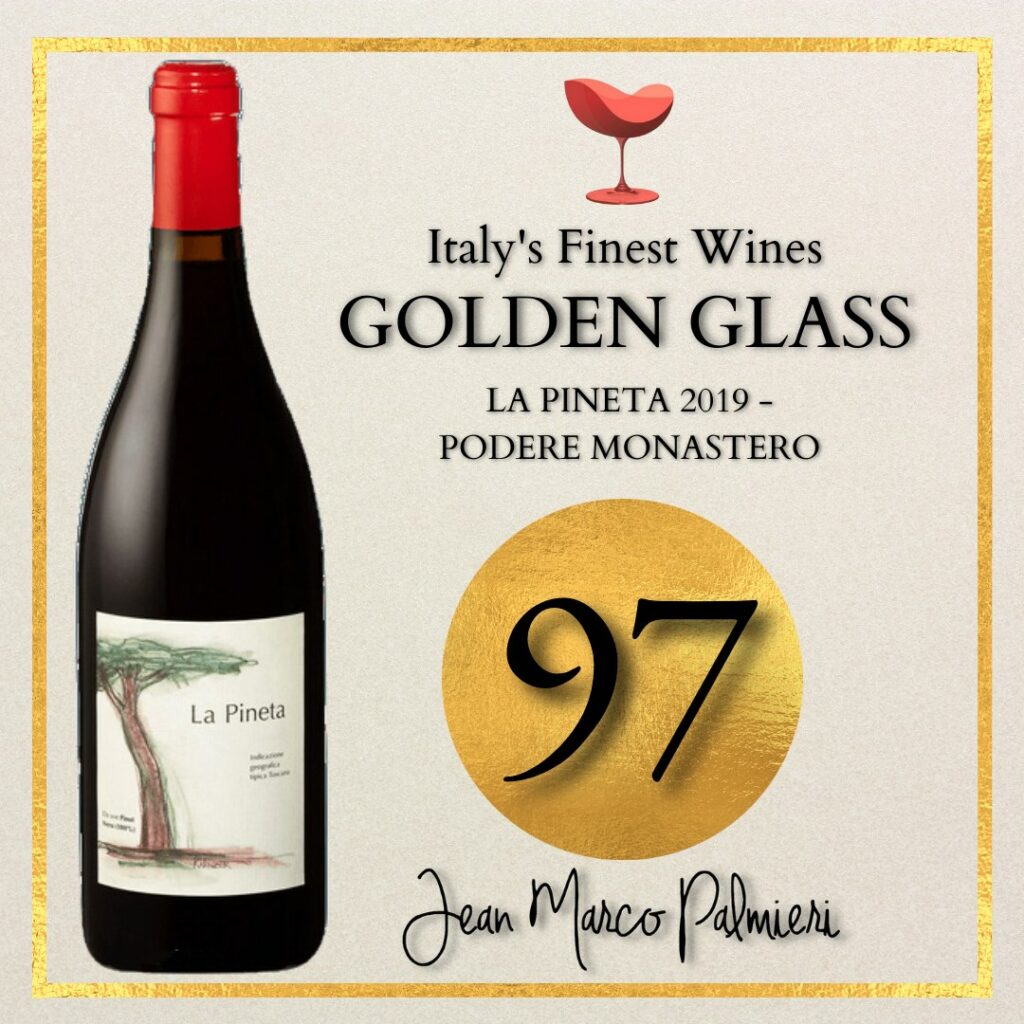
It suggests intense aromas of red berries, vanilla, humus, and balsamic nuances.
The palate is enveloping and soft, with very delicate tannins and a persistent acidity.
From the intuition of the talented Alessandro Cellai arises one of the best Italian Pinot Noirs:
An elegant celebration of fruit, an impeccable expression of the territory.
Region: Tuscany (Castellina in Chianti)
‘Arcurìa Sopra il Pozzo’ 2015 – Graci
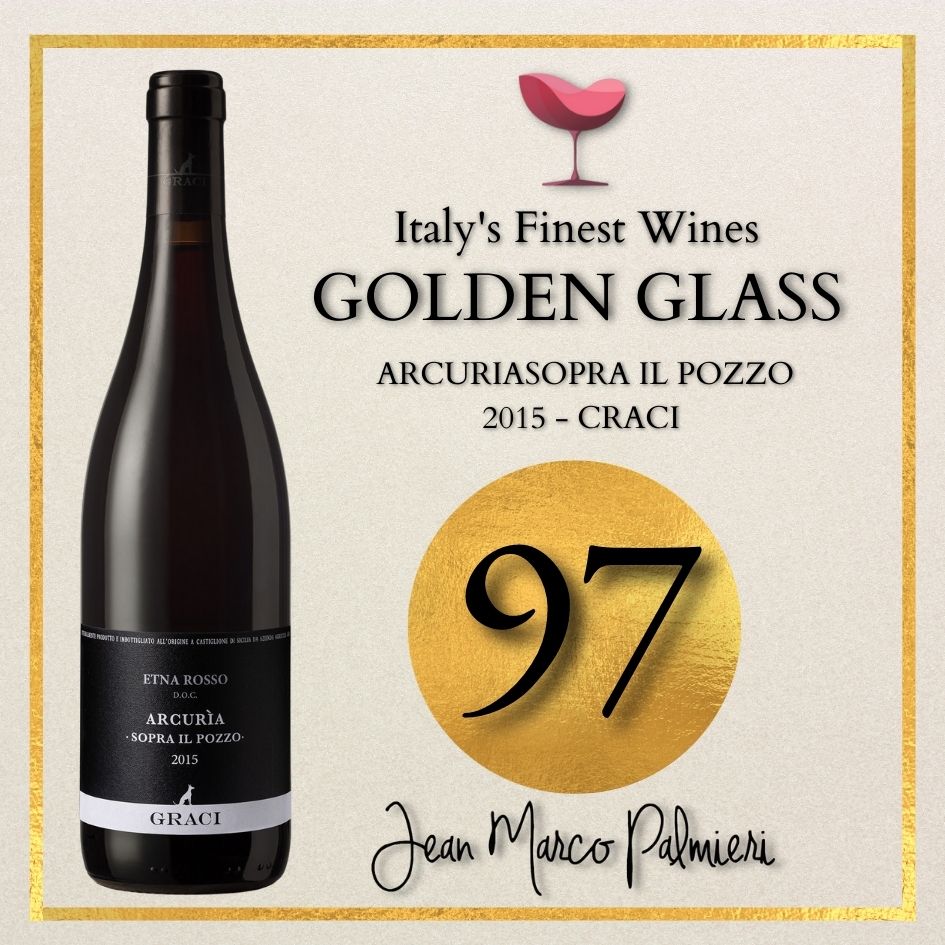
Description: Tickles the nose with incisive notes of wild strawberries, raspberry, orange peel, enriched with tones of candied Mediterranean scrub, black pepper, and boisé stamps. Galvanizes the palate with a thick yet smooth tannin synergistically linked to a nerve-like acidity that enhances drinkability. A finish of great persistence echoing the fruit and garrigue notes.
Grapes: Nerello Mascalese 100%
Region: Sicily (Etna)
One of the foremost representatives of Etna wines. A Mediterranean character, the olfactory is a delicate prelude that spreads sensationally opulent to the sip: powerful yet silky tannin and penetrating olfactory intensity. Fully among the best Italian wines.
Colore 2018 – Bibi Graetz
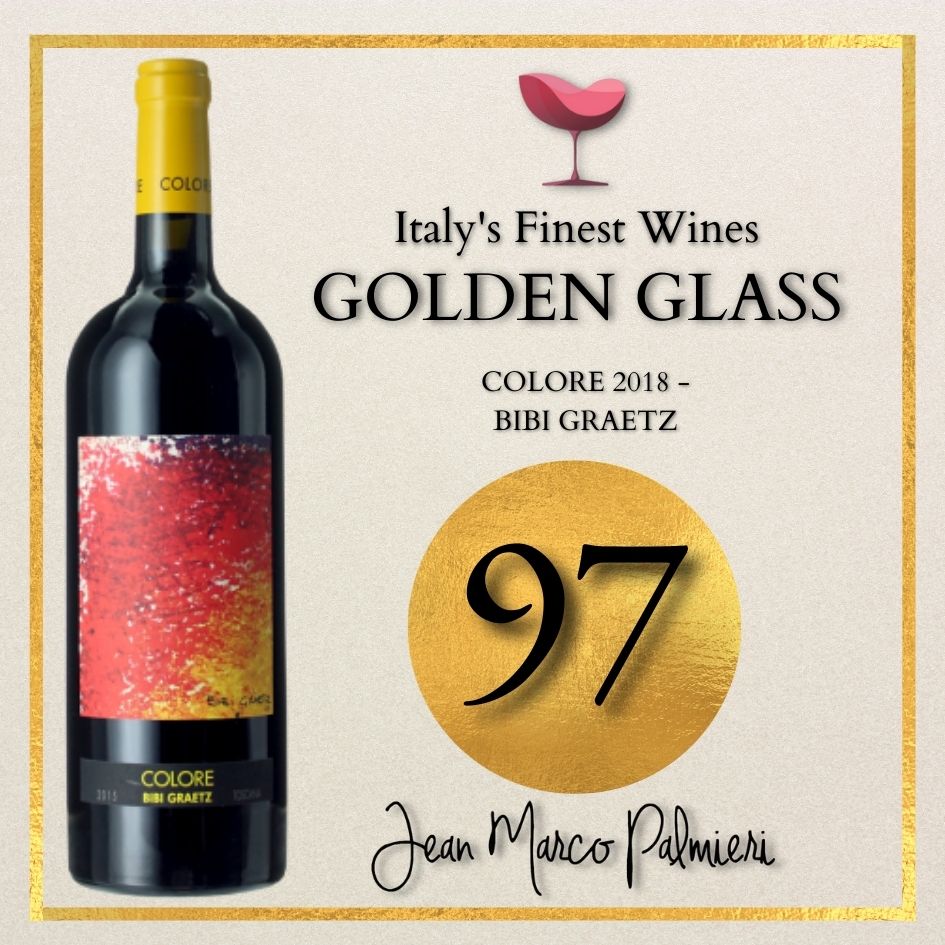
Description: Incisive scents of ripe cherry and blackberries expanded by nuances of leather, cloves, and medicinal herbs. On the palate, it presses with a thick, penetrating, and silky tannic texture, mitigated by a nerve-like acidity. Unfolds to a balsamic, very persistent finish.
Grapes: Sangiovese 100%
Region: Tuscany
A sui generis and original wine, among the best Italian wines for expressiveness and enhancement of Sangiovese character in the hills of Fiesole. Extends towards a balsamic and persistent finish, transporting the mind to a madeleine of bucolic sensations.
Barolo Vigna Rionda 2017 – Massolino
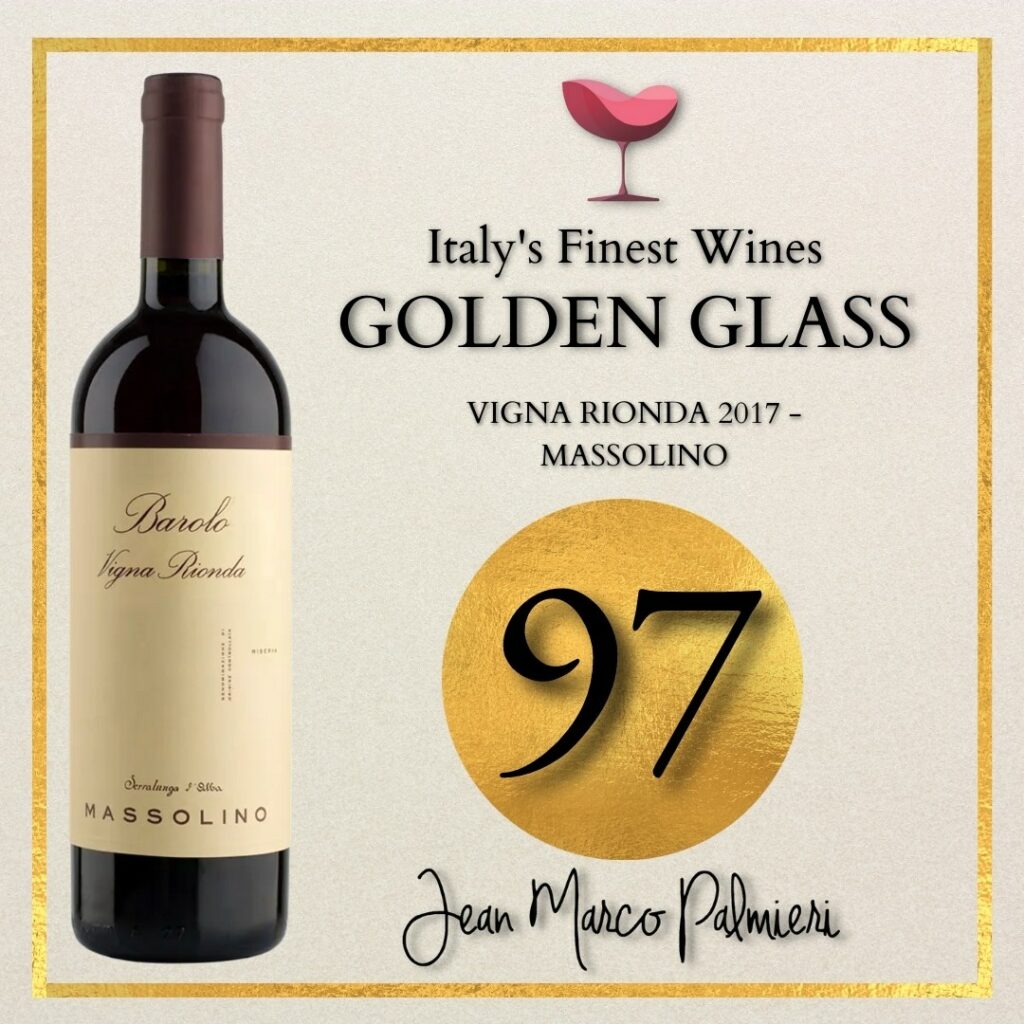
Description: The aromatic framework is broad and complex, articulating between notes of ripe cherry, licorice root, and medicinal herbs.
On the nose, it convinces with synergy between the alcoholic and phenolic components that create a dense, textural sip of great length, supported by a nerve-like acidity that provides freshness and drinkability.
Massolino’s iconic Vigna Rionda still convinces for its ability to combine complexity and elegance. Definitely among the best interpretations of the 2017 Barolo vintage.
Barolo ‘Aeroplanservaj’ 2019 – Domenico Clerico
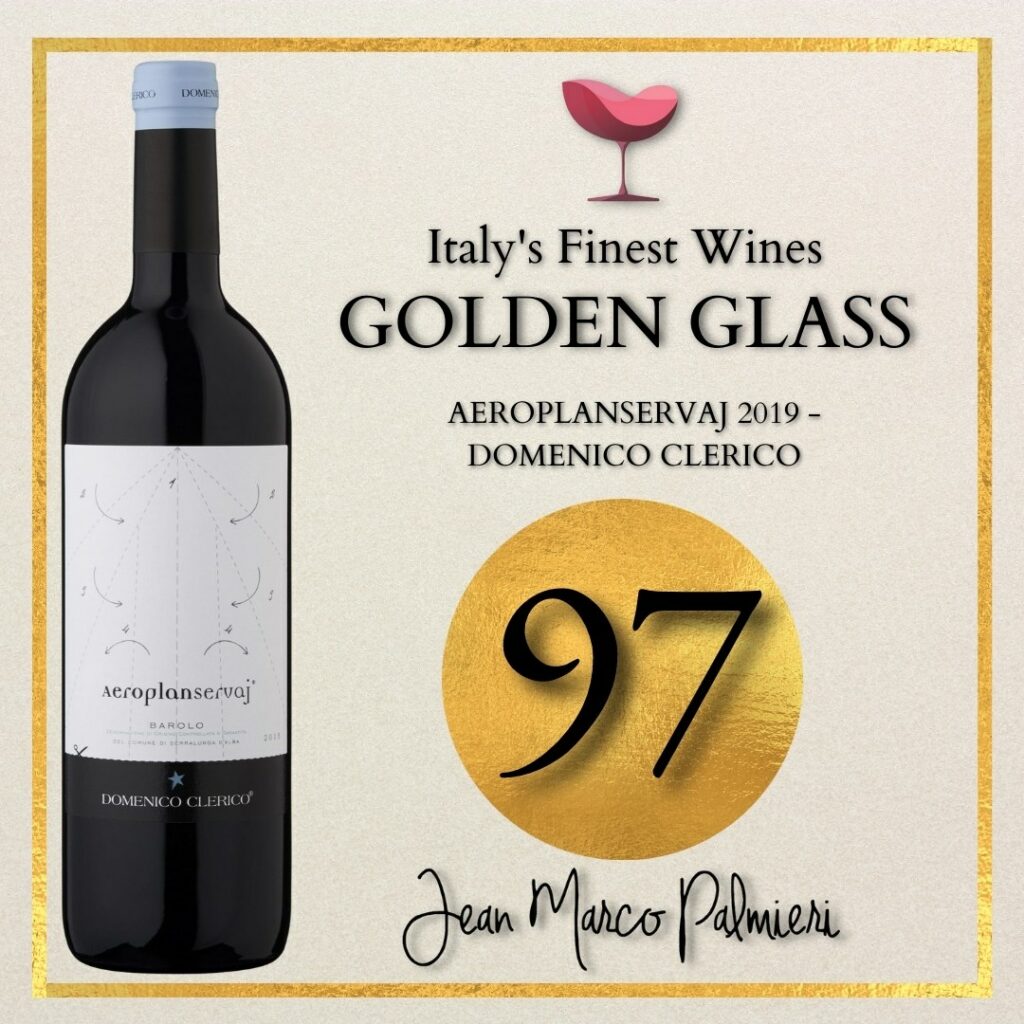
Description: Layered nuances of cherry under spirits, plum, potpourri of dried flowers, and aromatic herbs that extend towards balsamic resin tones, ethereal shades, and undergrowth.
The palate is characterized by powerful, clear, and smooth tannins, well integrated with an acidic vein that gives great freshness.
One of the foremost representatives of Langhe wines. A character of great complexity, the olfactory is a delicate prelude that spreads sensationally opulent to the sip.
Fully among the best Barolo producers.
Pinot Nero ‘Ponkler’ 2018 – Franz Haas
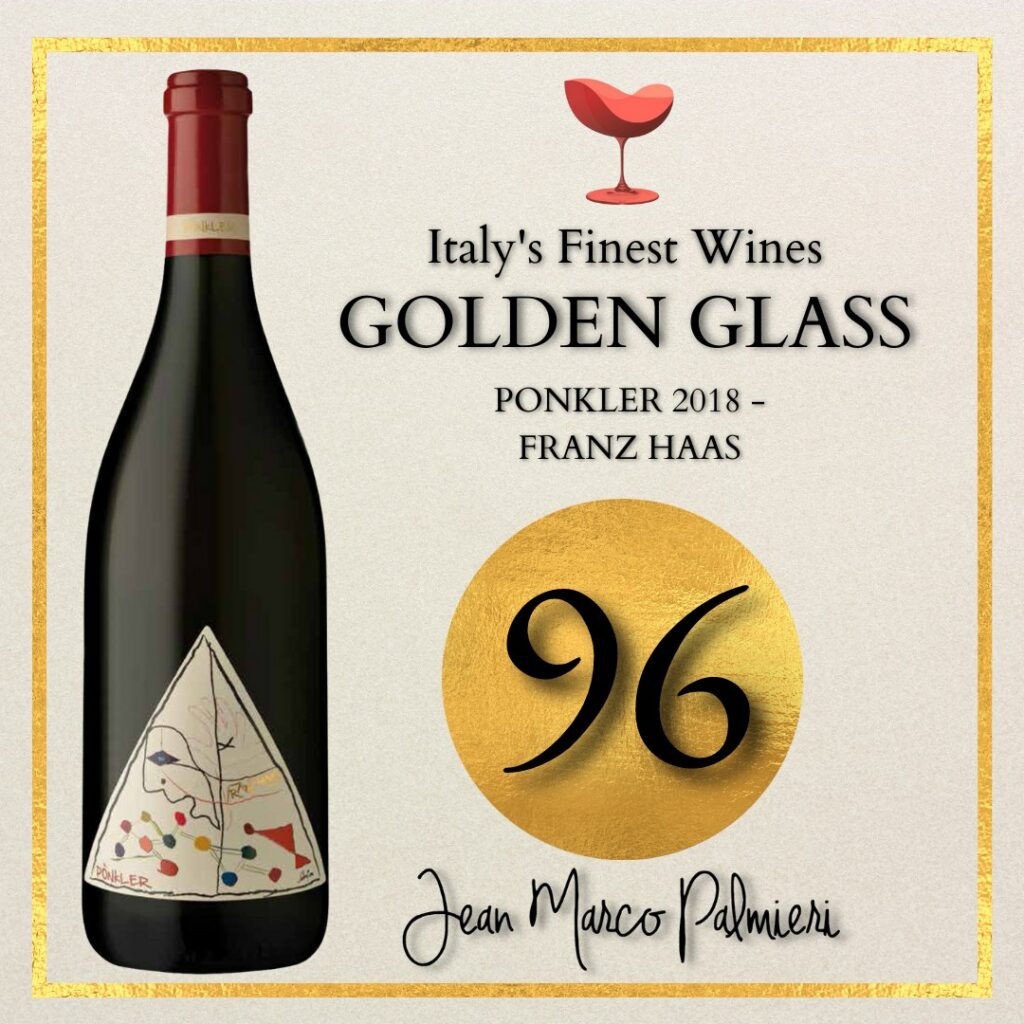
Description: The bouquet is captivating and outlines notes of ripe small red fruits, white chocolate, cloves, and alpine flora. On the palate, it reveals a silky tannic texture, well integrated with a pleasant acidity that makes the drink fresh and smooth.
Grapes obtained from the Ponkler vineyard, at 700 meters above sea level on porphyry-rich soils with a south-southwest exposure. Alcoholic fermentation in open vats, with frequent punch-downs and malolactic fermentation in barriques. Aging for 12 months in barriques and 24 months in the bottle.
Grapes: Pinot Nero
Region: South Tyrol
An extraordinary wine, an icon of Pinot Nero in Italy. It is an enveloping wine with extraordinary extraction and expressive complexity.
Deservedly among the best Italian red wines for identity and enhancement of Pinot Nero varietal character.
‘ES’ 2021 – Gianfranco Fino
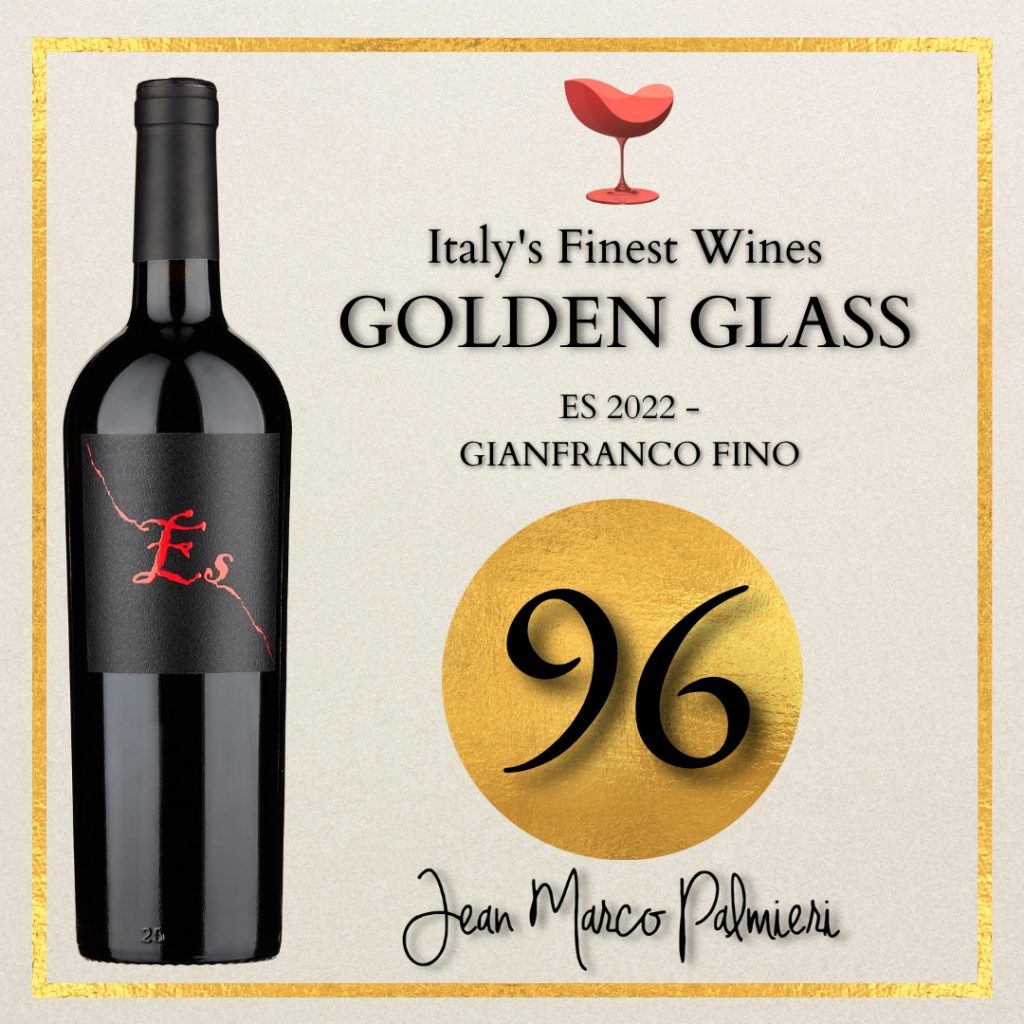
Description: It opens peremptorily in a psychedelic triumph of scents ranging from potpourri of red flowers, plum, dehydrated figs, Modica chocolate, to wild fennel. On the palate, it is voluminous and enveloping, with a sensational phenolic extract that creates a synergistic dialogue with a nerve-like acidity. A perpetually persistent finish where the unmistakable and eloquent terroir of Manduria resonates.
Slightly late harvest. Maceration on the skins for 3 or 4 weeks and fermentation in steel with 2 daily délestages, malolactic fermentation in barriques. Aging for 9 months in small oak barrels of 228 liters, 50% new, and at least 9 months in the bottle. Without clarification or filtration.
Grape Variety: Primitivo 100%
Region: Apulia
Considered one of the most iconic producers in Apulia, Gianfranco Fino’s ES wine is a Primitivo with a Mediterranean, psychedelic, and archaic character. Among the best Italian red wines for its ability to interpret the power of the terroir.
Monprivato 2017 – Giuseppe Mascarello
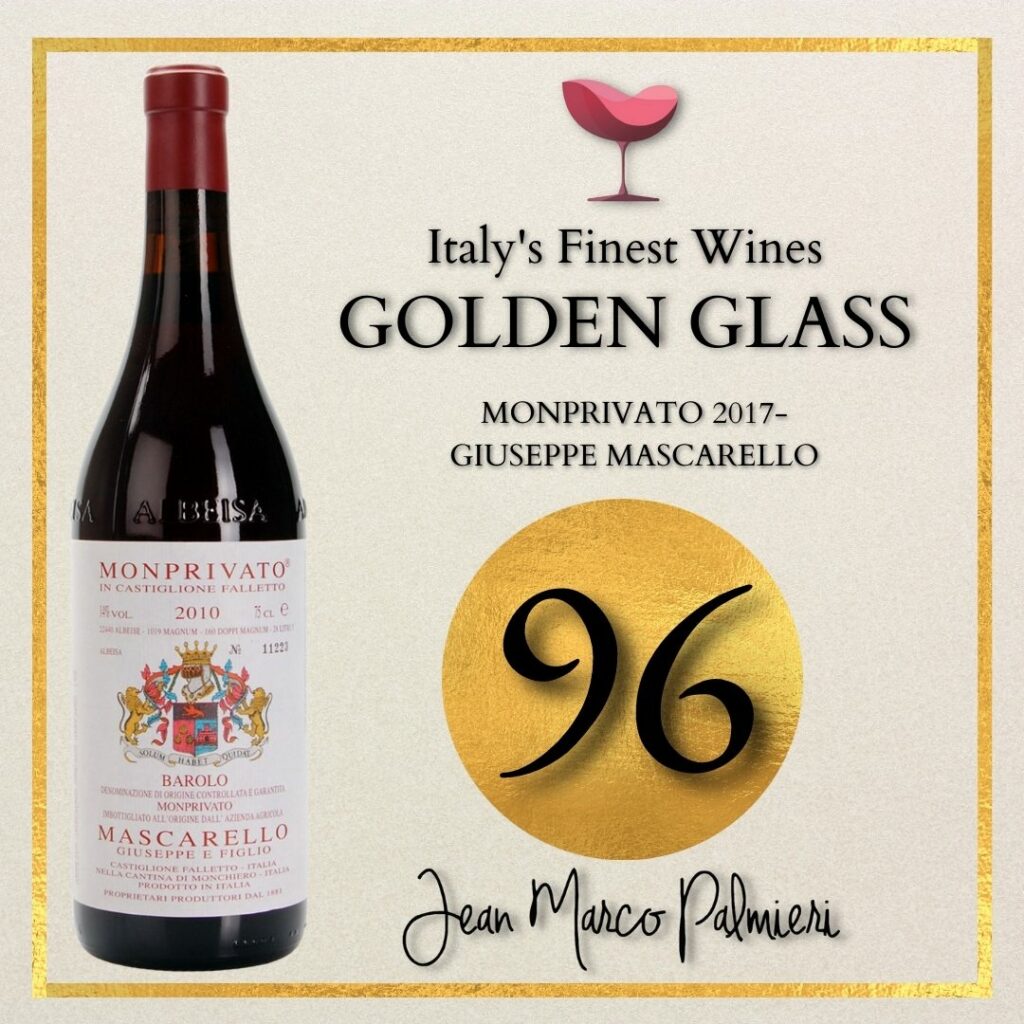
Description: Olfactively articulated on intense notes of red flowers and berries, followed by successions of sweet spices, medicinal herbs, and orange peel.
On the palate, it is dense and enveloping, with compact tannins evolving into a finish of good persistence and spicy echoes.
A powerful, complex, and iconic wine from the Langhe.
Among the best Barolo for its seductive and multifaceted drinkability.
Brunello di Montalcino Montosoli 2021 – Canalicchio di Sopra
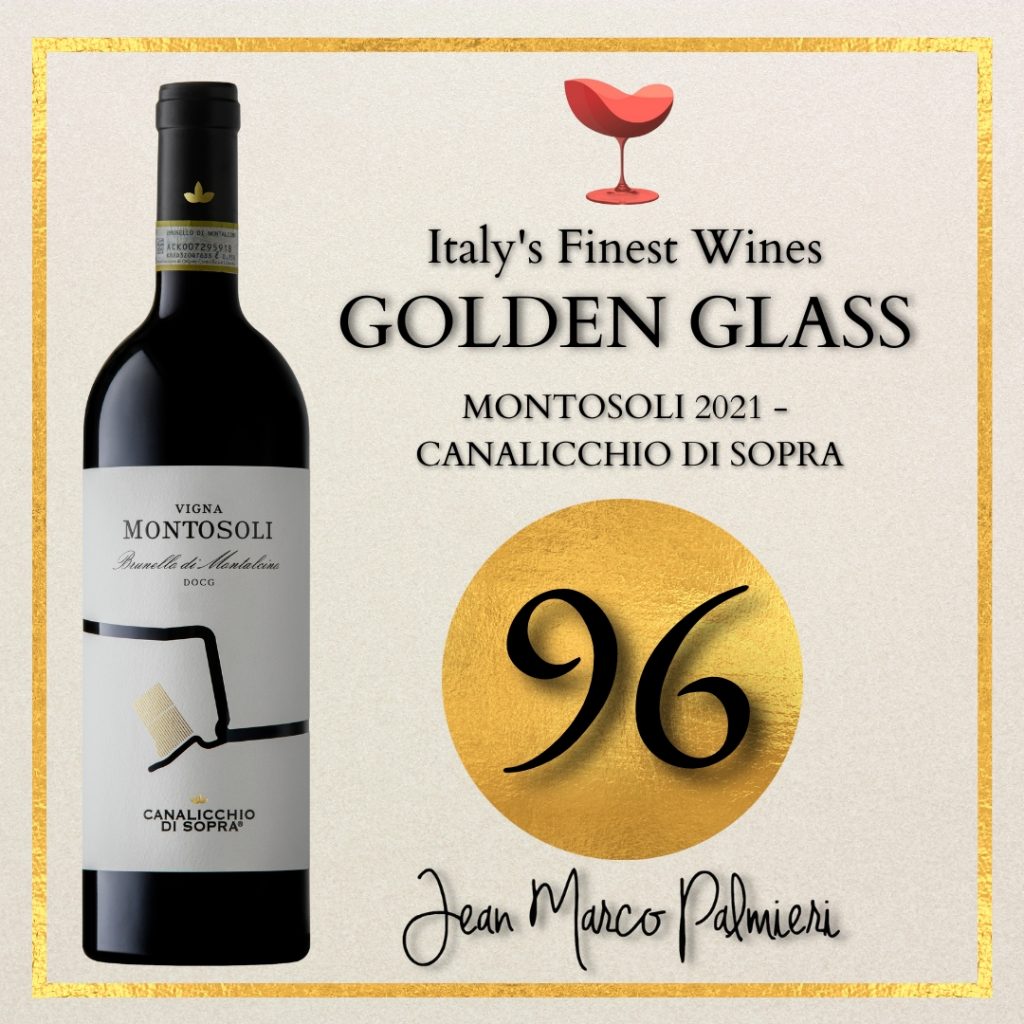
Clear aromas of dark red fruits, blackberry, and dried violet, with mineral tones, undergrowth, and a hint of leather. On the palate, firm and vertical: compact yet refined tannins, lively acidity, and long, savory progression typical of the Montosoli cru.
- Vineyard: 255–215 m a.s.l., “Filari Lunghi” parcel (1997), galestro-clay soils with good skeleton and mineral content
- Vinification: maceration in steel ~25 days with gentle punch-downs; fermentation at controlled temperature
- Aging: 36 months in large Slavonian oak casks
- Zone: North of Montalcino – Montosoli (cool, ventilated exposure)
- Estate: Canalicchio di Sopra, historic winery since 1962, today led by the third-generation Ripaccioli (Francesco, Marco, and Simonetta), a reference for single-vineyard Brunello.
Brunello di Montalcino AD 1441 2021 – Castello di Tricerchi
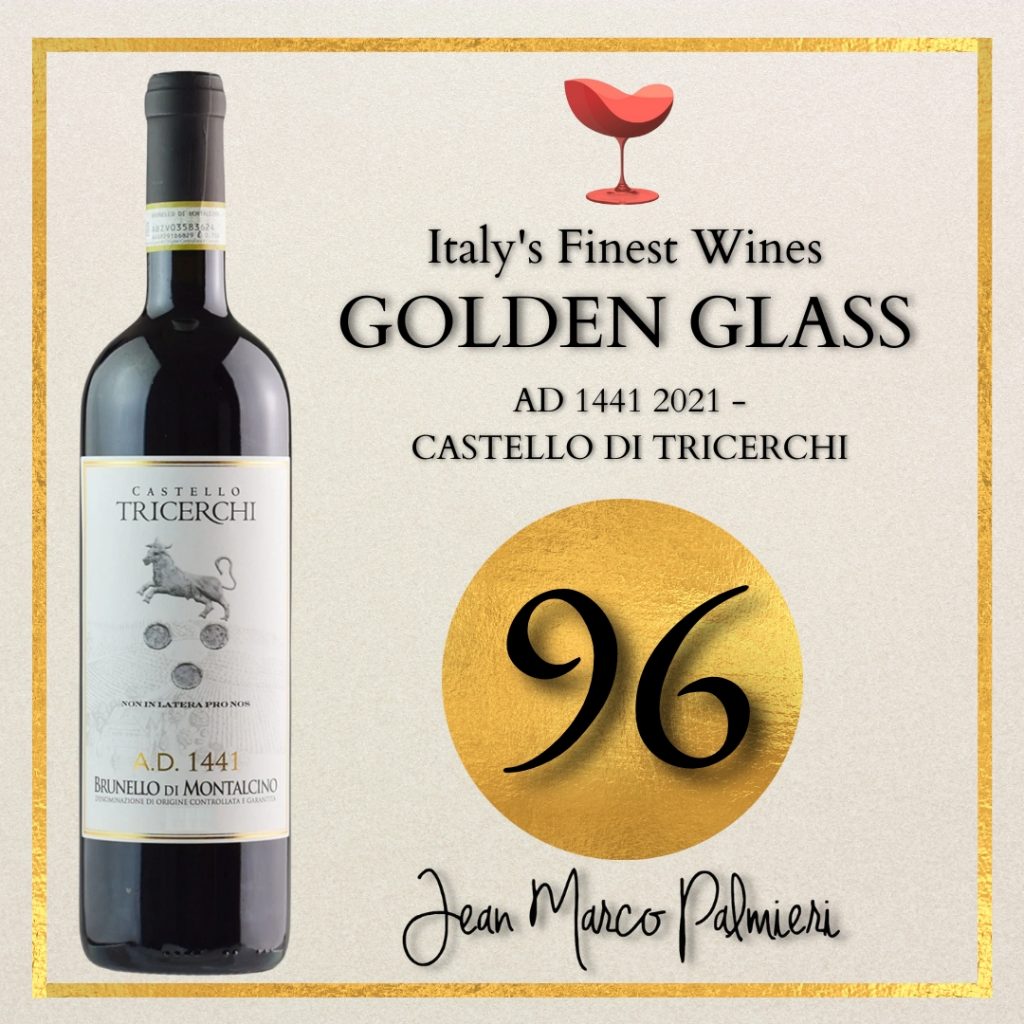
Subtle notes of violet, wild strawberries, and maple syrup, with hints of wild mint. On the palate, lively acidity balanced by soft tannins, elegant and fresh saline finish.
- Vineyard: north-facing slope, clay and sand soils
- Vinification: fermentation with indigenous yeasts in steel; long maceration with skins for vertical structure and clear aromas
- Zone: North
- Estate: Castello di Tricerchi, led by Tommaso Squarcia with winemaker Maurizio Castelli; produces Brunello with a graceful, fresh, and elegant style.
Brunello di Montalcino 2021 La Casa – Caparzo
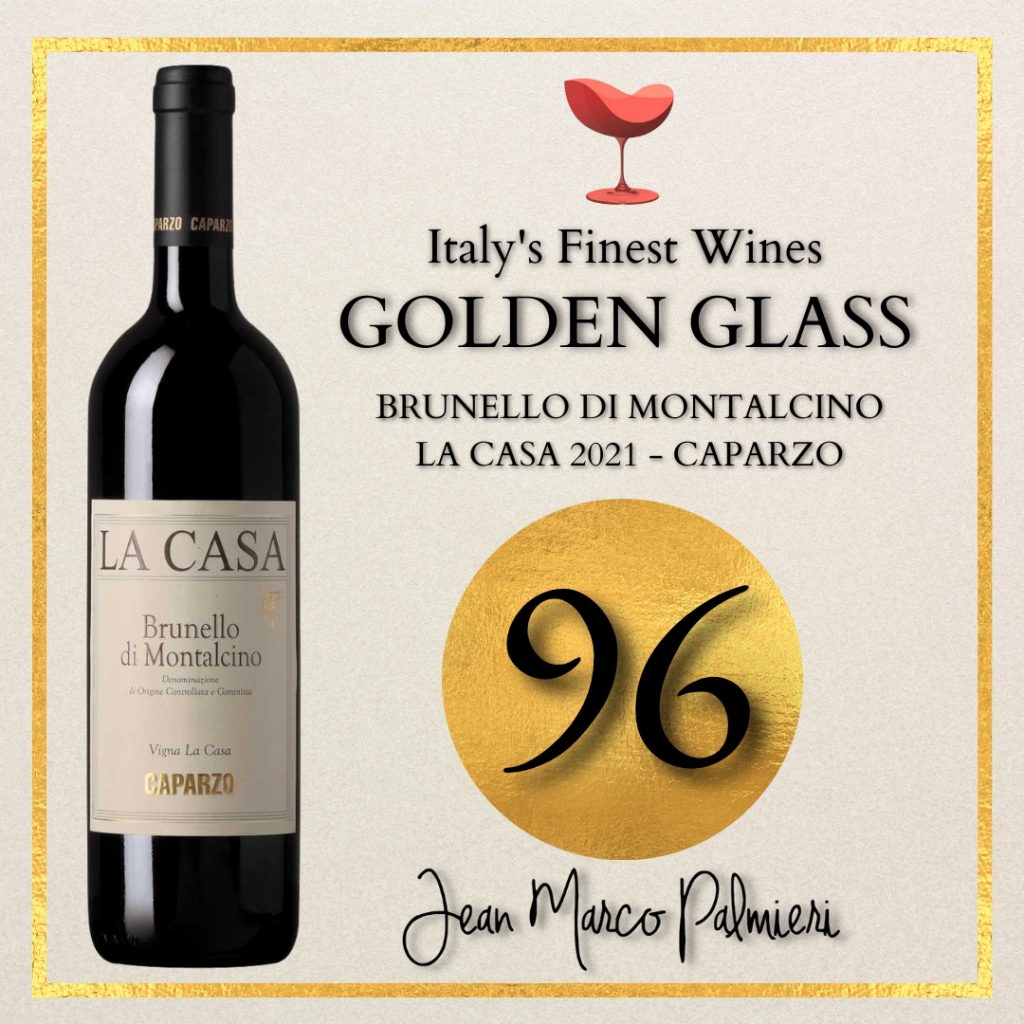
Fresh aromas of raspberry and pomegranate, with orange peel and elderflower. On the palate, balanced between freshness and structure, with a long, refined, and harmonious finish.
- Vineyard: 5 ha at 275 m a.s.l., Montosoli hill, galestro soil, south-south-east exposure
- Vinification: aging at least 2 years in wood and 4 months in bottle
- Zone: North (Montosoli)
- Estate: Caparzo, led by Elisabetta and Alessandra Gnudi Angelini, is a historic winery that since 1977 produces “Single Vineyard” Brunello from the Montosoli hill. The estate stands out for crafting wines focused on elegance and harmony.
Brunello di Montalcino 2021 – Giodo
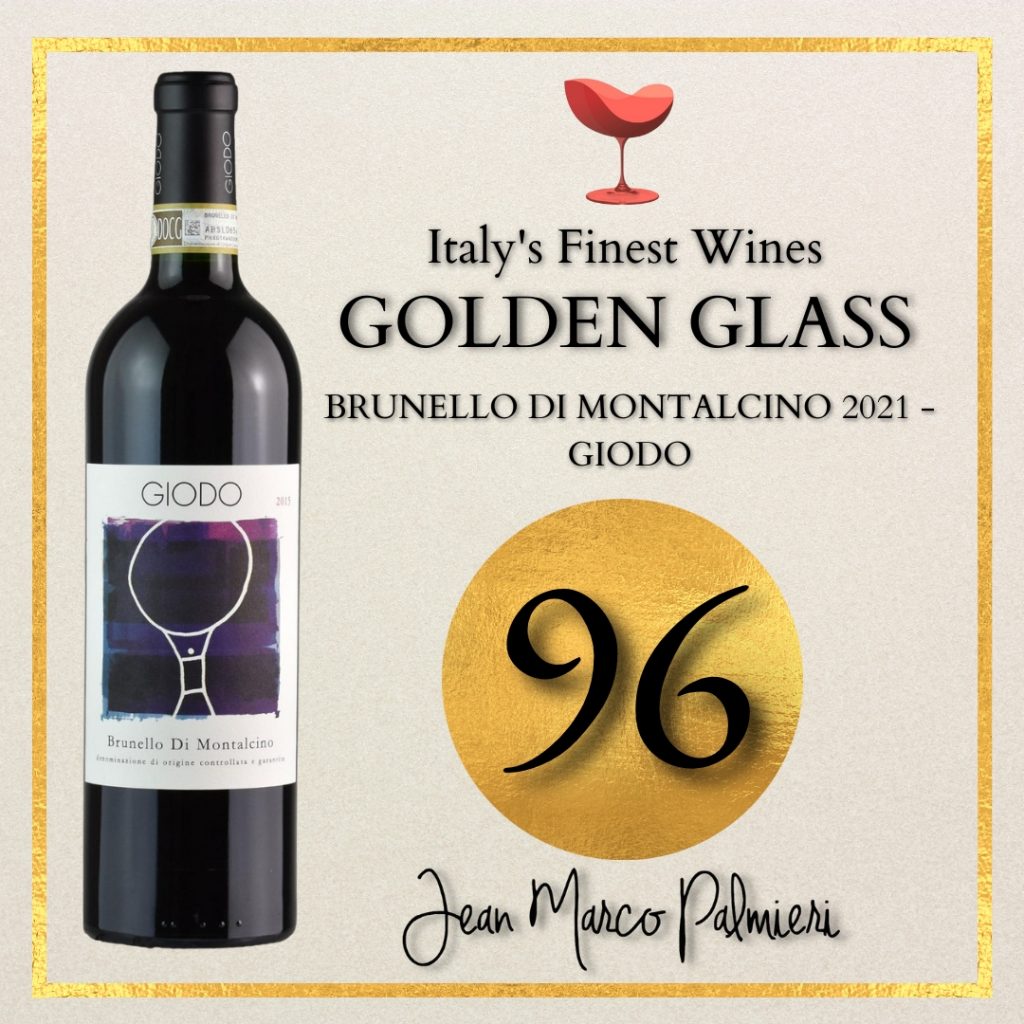
Aromas of ripe red fruits and small black fruits, with spicy hints; concentrated, enveloping, and long-lived palate, silky tannins, and good freshness.
- Vineyard: Sesta / Castelnuovo dell’Abate area, altitude 300–450 m a.s.l., clay and galestro soils
- Vinification: fermentation in steel with punch-downs/délestage, prolonged maceration; aging in Slavonian oak casks for at least 24 months
- Zone: Castelnuovo dell’Abate (Sesta area)
- Estate: Founded by the renowned winemaker Carlo Ferrini, assisted by his daughter Bianca Ferrini; the winery expresses a modern style of great complexity, elegance, and oenological precision.
Brunello di Montalcino 2021 – Gianni Brunelli
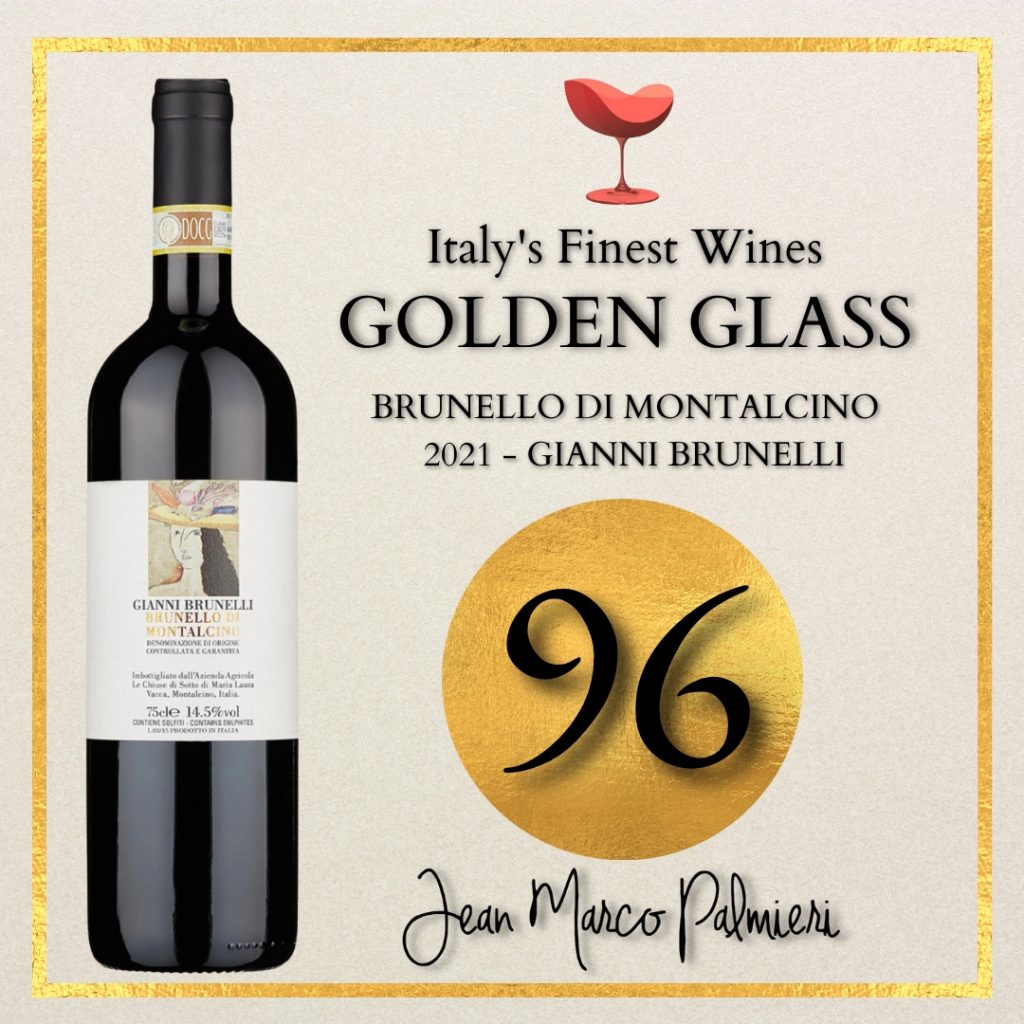
- Aromas of cherry, blackberry, and undergrowth, with balsamic notes; intense, balanced, and persistent palate, fine tannins, and lively acidity.
- Vineyard: hills between north and south‑east Montalcino, galestro and clay soils, altitude 250–400 m a.s.l.
- Vinification: fermentation in steel, followed by prolonged maceration and aging in Slavonian oak casks for about 36 months
- Zone: Montalcino (various crus depending on vineyard)
- Estate: Gianni Brunelli, led by Laura Vacca Brunelli with technical support from Adriano Brunelli; the estate combines tradition with meticulous vineyard and cellar care, producing distinctive and long-lived wines.
Brunello di Montalcino Piaggione 2021 – Podere Salicutti
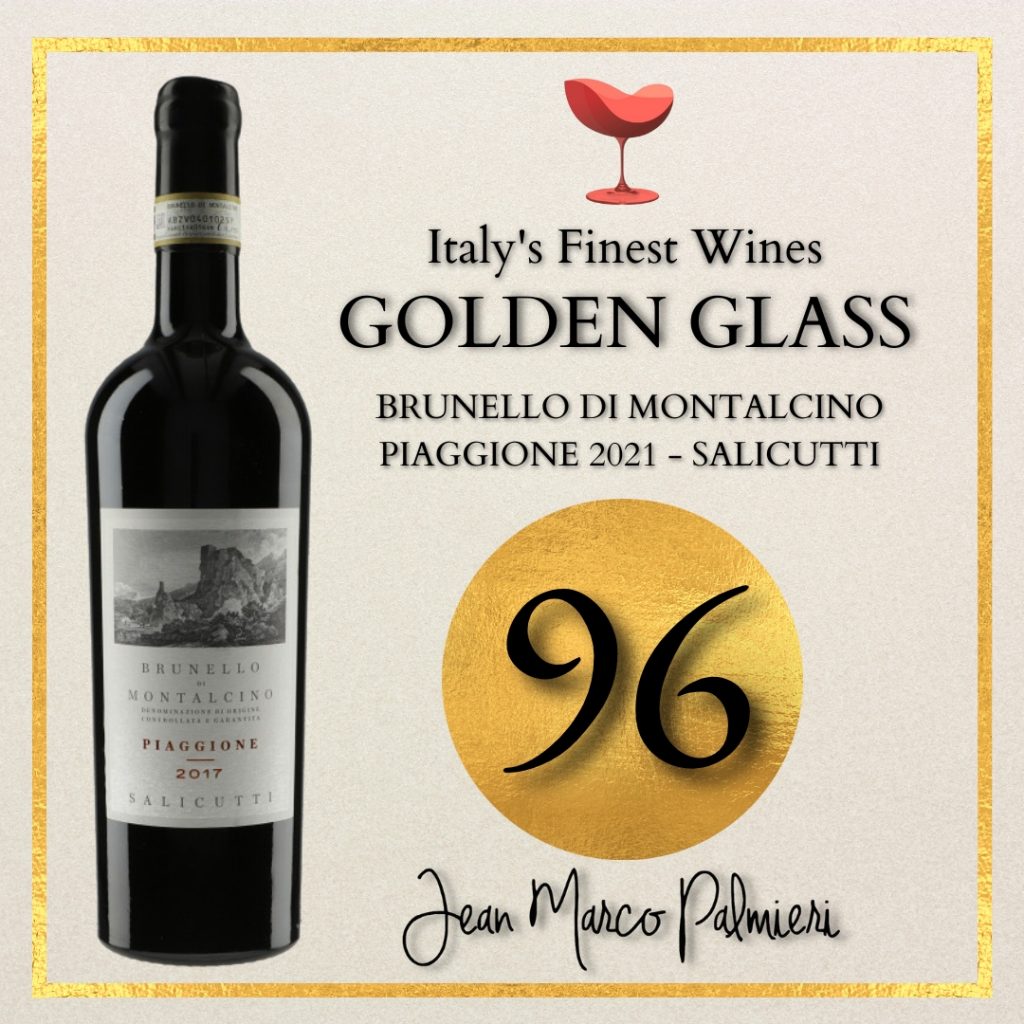
Complex aromas of cherry, dried rose, earthy and mineral notes; on the palate, firm structure, soft tannins, good energy, and aging potential.
- Vineyard: cru “Piaggione”, 420–450 m a.s.l., calcareous soil rich in skeleton and pebbles
- Vinification: spontaneous fermentation with indigenous yeasts in steel vats; aging about 36 months in French oak tonneaux, followed by large Slavonian oak casks
- Zone: Castelnuovo dell’Abate / south‑east Montalcino, area near the Abbey of Sant’Antimo
- Estate: Podere Salicutti, the first certified organic winery in Montalcino; ownership passed from founder Francesco Leanza to the new proprietors, Sabine and Felix Eichbauer, who maintain organic standards and artisanal approach.
Brunello di Montalcino 2021 – Caprili
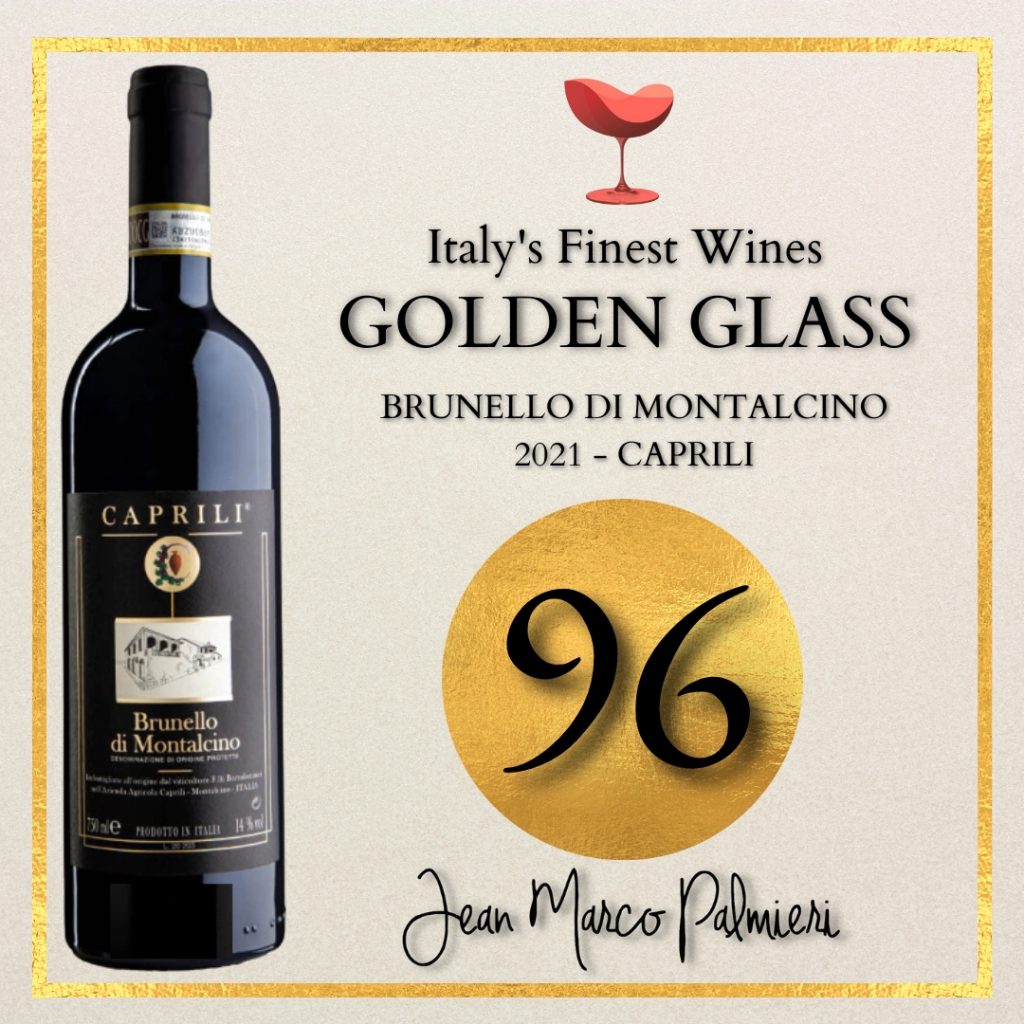
Aromas of plum, flowers, and light spices; mineral edge and elegant tannins.
- Vineyard: 320–340 m a.s.l., loam-clay soils; the estate today has 20 ha of vineyards, 11 ha dedicated to Brunello, managed by Alfo’s three children – Manuele, Paolo, and Paola – with the addition of grandson Giacomo
- Vinification: natural fermentation in steel, maceration of about 10 days; aging 30 months in Slavonian oak casks of various sizes
- Zone: Tavernelle, South-East
- Estate: Caprili is a historic Montalcino winery, managed by Alfo’s three children – Manuele, Paolo, and Paola, with the addition of grandson Giacomo, son of Manuele. The estate follows a traditional, low-intervention style, highlighting Brunello’s longevity.
Brunello di Montalcino 2021 Vallocchio – Fanti
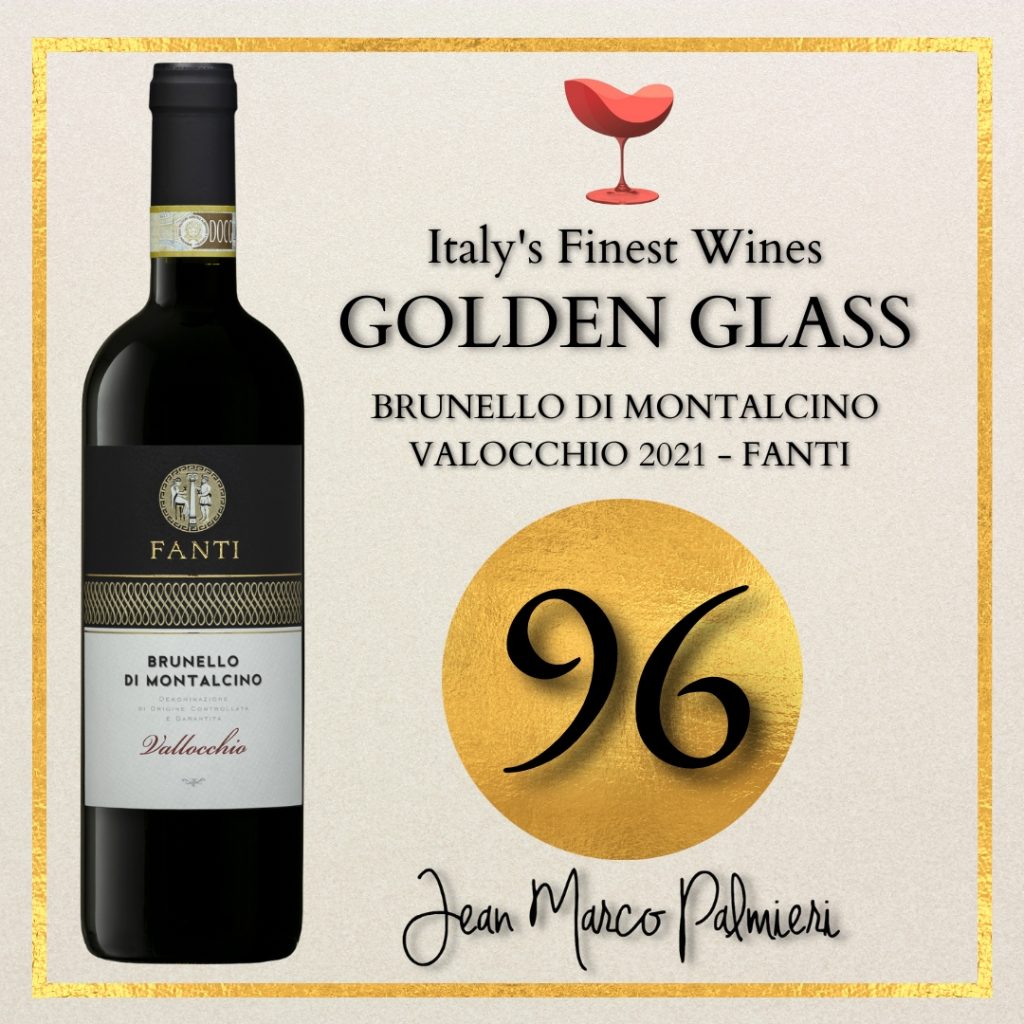
Intense aromas of morello cherry and blackberry jam, with notes of dark chocolate and flint. On the palate, complex and deep, with marked minerality and enveloping roundness.
- Vineyard: 230–250 m a.s.l., 5 ha on galestro soils, vines 20–35 years old
- Vinification: minimum 24 months aging in 500 l tonneaux and large 30 hl casks, followed by at least 4 months in bottle
- Zone: South-East (Castelnuovo dell’Abate)
- Estate: Renowned family-run estate, led by Elisa, Filippo, and Elena Fanti; produces Brunello that uncompromisingly express the intense character and typical longevity of Castelnuovo dell’Abate wines.
Vigna del Lago 2021 – Val di Suga
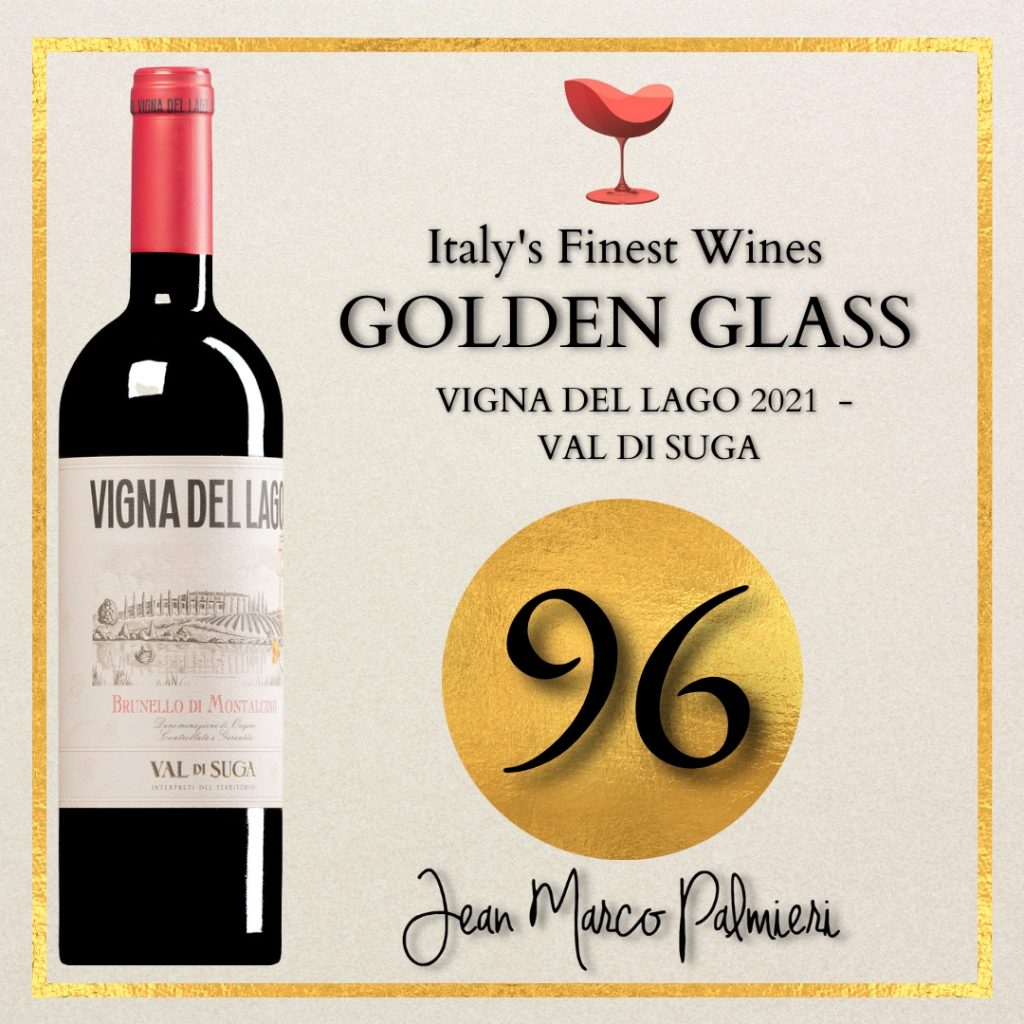
Elegant and savory, with an aromatic profile of red fruits, light spices, and balsamic notes; medium tannins, harmonious body, and light yet persistent finish.
• Vineyard: North-East of Montalcino, selected vineyards of the Vigna del Lago cru
• Vinification: aging 24 months in 40 hl Slavonian oak casks, followed by 6 months in cement and 9–12 months in bottle
• Zone: North-East
• Estate: Val di Suga, founded in 1969 and led since 1994 by the Angelini Group with winemaker Pietro Riccobono; pioneer in highlighting single-vineyard Brunello. The estate produces wines focused on balance, successfully combining complexity and immediacy
Syrah 2020 – Stefano Amerighi
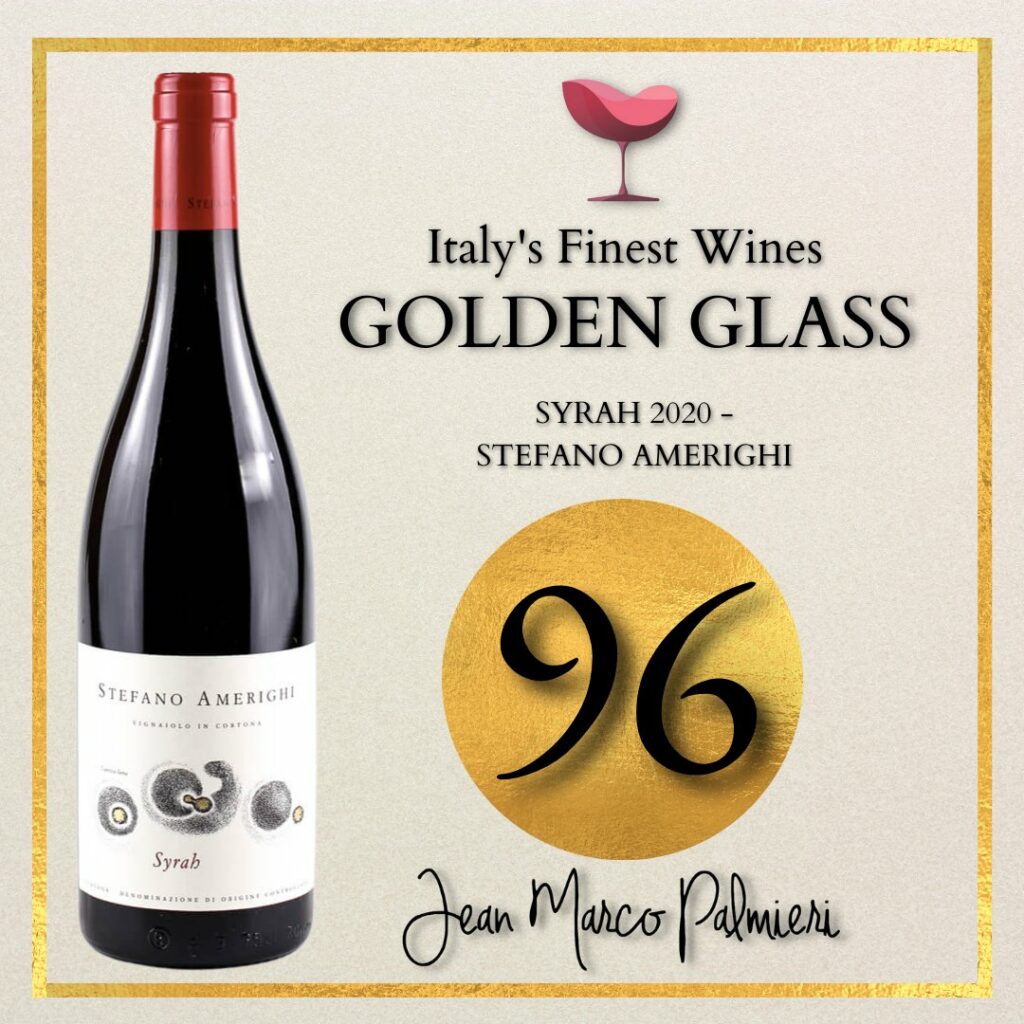
Description: Opens with a frontal fruit of mulberry and blueberry, followed by a potpourri of dried flowers, black olive, sandalwood, patchouli, and bloody notes. On the palate, the phenolic component is substantial, with calibrated tactile roughness that gives rhythm to the sip, linked to an acidic nerve that provides dynamic and compelling progression.
Biodynamic wine, fermented with indigenous yeasts, and aged in exclusively inert materials.
A Syrah with a unique character: Unusual olfactory eloquence that unfolds into a palate of great presence and complexity. Fully among the best Syrahs of Cortona.
Region: Tuscany (Cortona)
Il Carbonaione 2019 – Podere Poggio Scalette
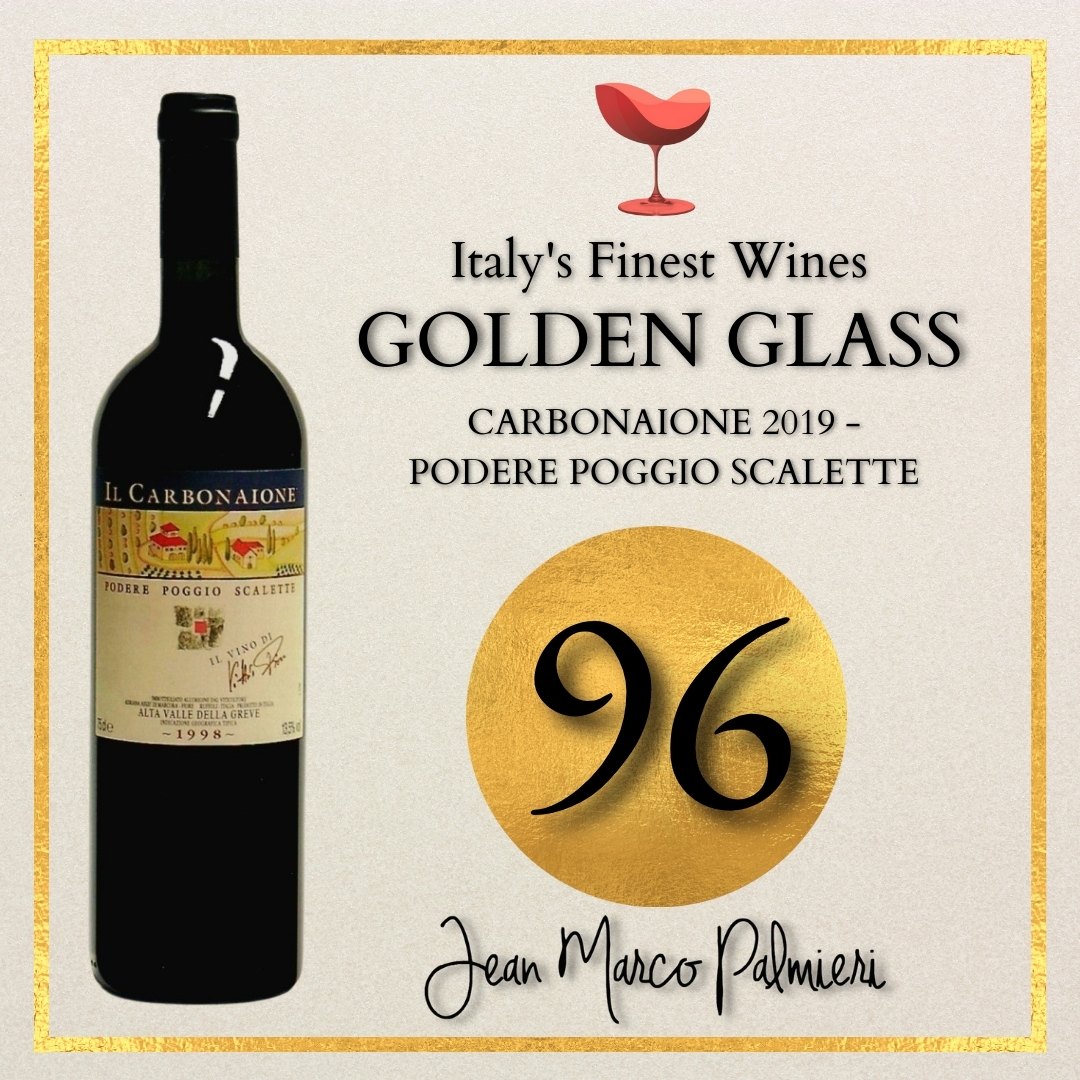
Characteristics: The aromatic spectrum is seductive, outlining nuances of ripe cherry, wild raspberry making way for boisé tones, tar, and tobacco.
On the palate, it is voluminous, with a tannic structure of significant thickness well outlined and synergistically linked to an acidity that creates dialectic and rhythm. Excellent persistence with echoes in retro-olfaction of fruit and spices.
An unmissable wine: a triumph of scents and tertiary notes expertly integrated. Deservedly listed among the best Italian wines for the ability to masterfully renew the character of Sangiovese.
Region: Tuscany
Chianti Classico 2019 – Castel in Villa
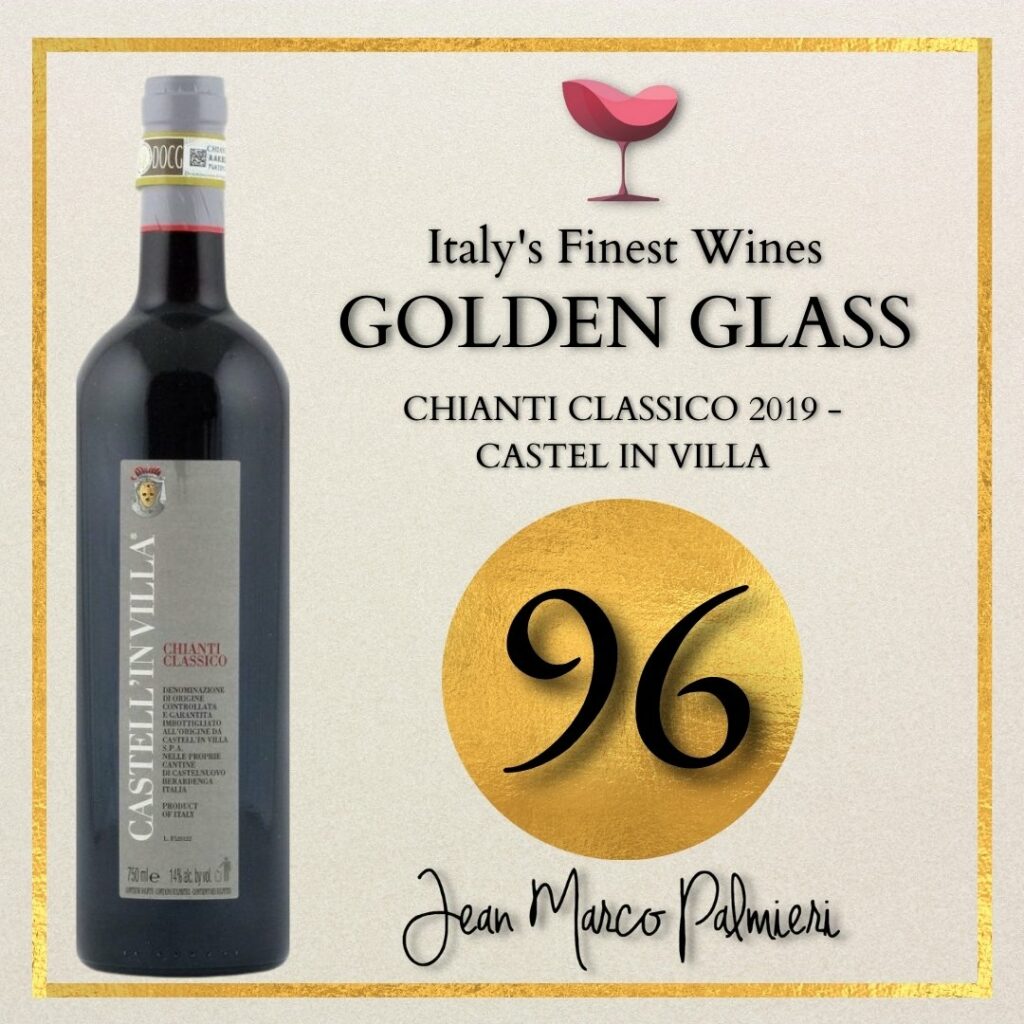
The nose is captivated by fragrant notes of black cherry and citrus nuances, accompanied by hints of tobacco, wild mint, and sweet spices.
On the palate, the sip is decisive, with a substantial and enveloping phenolic component that synergizes with the alcoholic and acidic ones, giving life to a complex and balanced wine of great presence. A perpetually persistent finish with clear varietal and herbal notes.
Fermentation takes place in steel with indigenous yeasts, and the wine matures for 36 months in large oak barrels, followed by at least 12 months in the bottle.
Grapes: 100% Sangiovese
Winery Location: Castelnuovo Berardenga
La Badiola 2019 – Castello di Fonterutoli
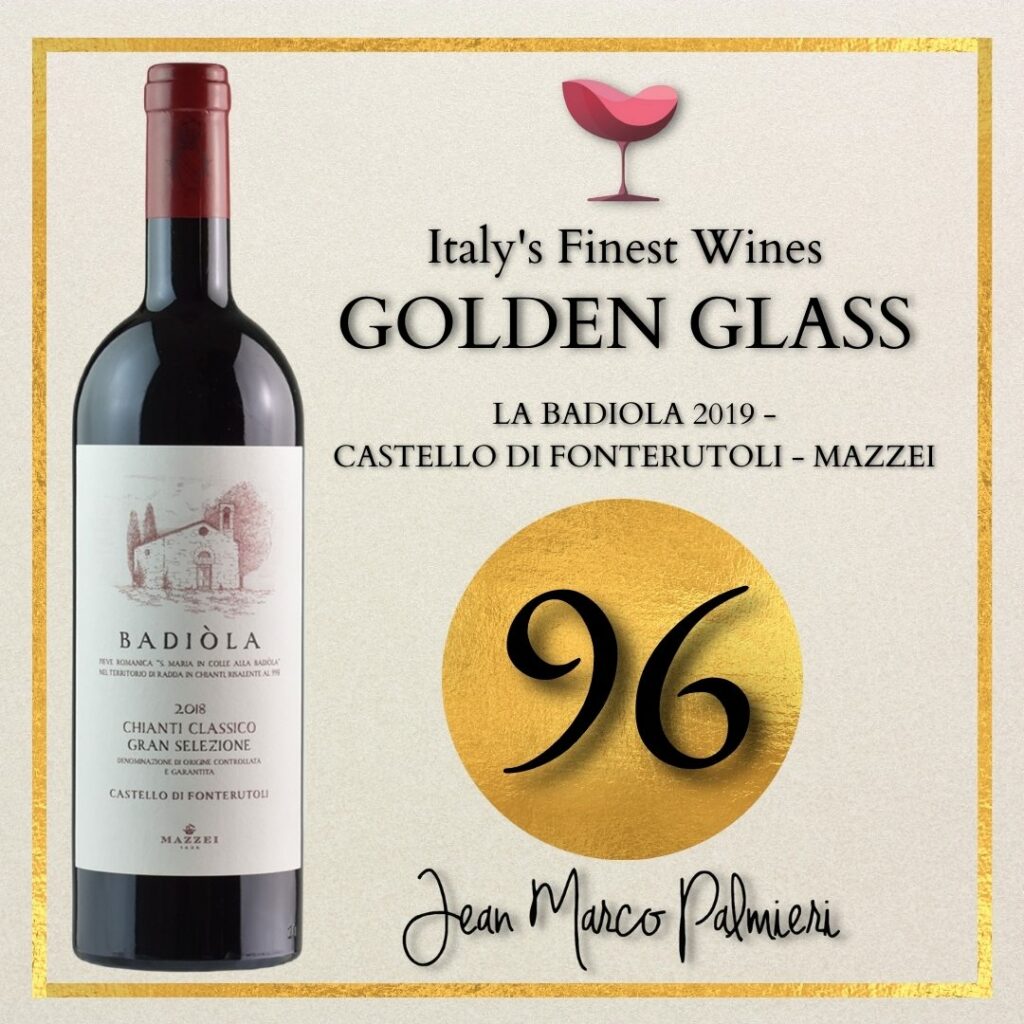
Opens in a jubilation of cranberries, blood orange followed by leather, and well-integrated delicate boisé nuances.
The sip unfolds broadly, with a phenolic component of good concentration and maturity but also vibrant due to an incisive acidity that provides freshness and pleasantness to the sip.
Aging for 16 months in 500-liter French oak tonneaux (30% new).
The Gran Selezione La Badiola from Castello di Fonterutoli, obtained from vines at 575 meters above sea level on sandstone and galestro soils in Radda, is undoubtedly among the best Chianti Classico for its ability to interpret Sangiovese in a refined and slender key.
Grapes: 100% Sangiovese: 3 clones + 3 Massal selections
Commune: Radda in Chianti (Vigna la Badiola) – Winery: Castellina in Chianti
Barolo Villero 2019 – Livia Fontana
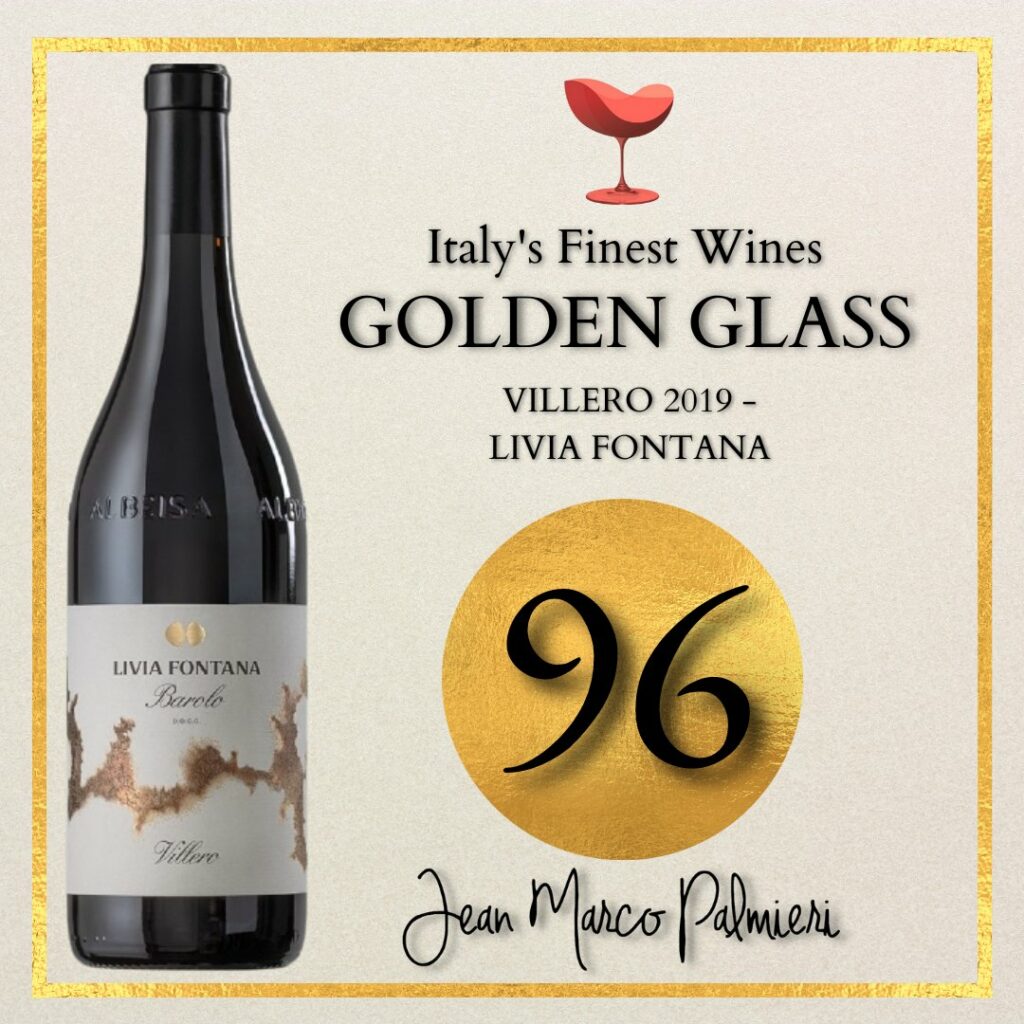
Exalts the nose with a rich mosaic of aromas, ranging from intense scents of ripe berries to subtle allusions of plum, enriched by notes of humus, camphor, and pine resin.
On the palate, it presents with a dense and silky tannic structure, balanced by a considerable acidic backbone that brings freshness and ease of drinking. The finish is voluminous and harmonious, with extraordinary persistence.
The fermentation process takes place in stainless steel tanks at a controlled temperature, with frequent pump-overs and délestages. The maceration lasts for about 20 days. Subsequently, the wine ages for at least 30 months in traditional oak barrels, followed by an additional period in the bottle before being released to the market.
This is a wine that captivates the palate with its engaging and expansive personality, maximizing the eloquent and elegant characteristics of Nebbiolo. With its imagination and passion, it fully deserves its place among the best red wines, showcasing sophistication both in taste and aroma.
Pàtrimo 2016 – Feudi di San Gregorio
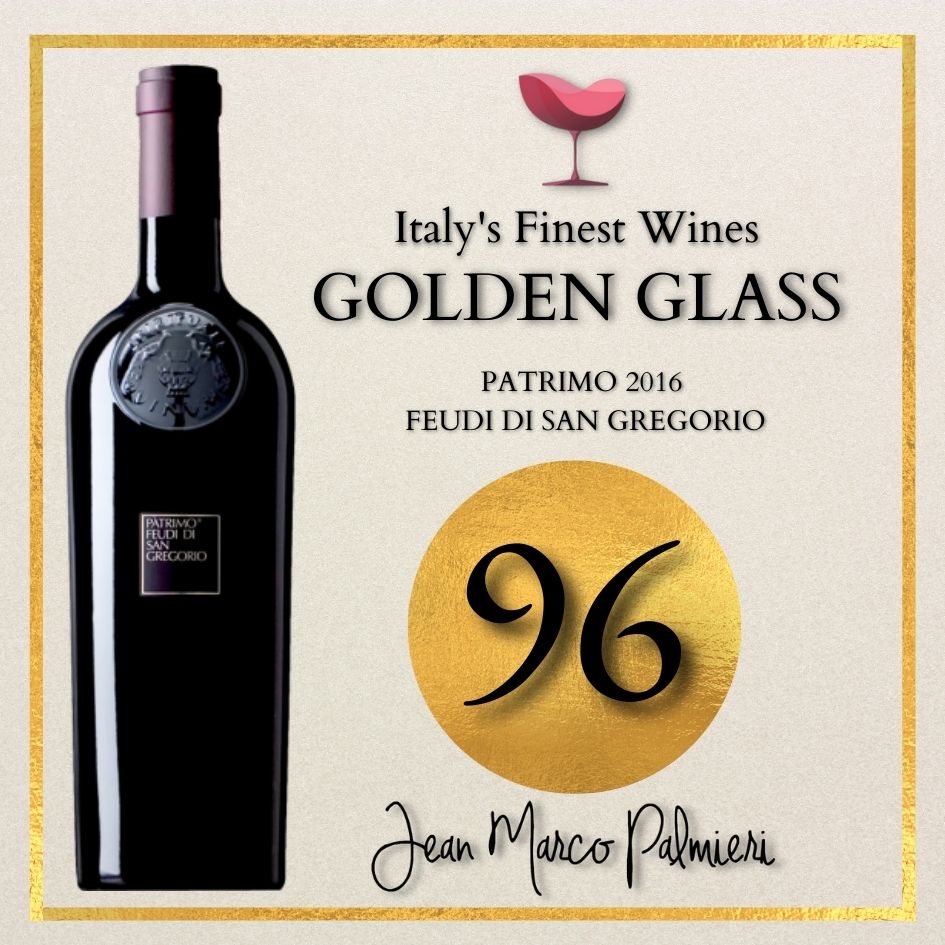
Characteristics: The aromatic spectrum is interesting and incisive, highlighted by ripe wild blackberry with suggestions of dried figs, roasting, dark chocolate, carob, and camphor.
The sip is enveloping with compact and vigorous tannins, and a balsamic finish of great precision and length.
Grapes: Merlot 100%
Region: Campania
One of the most historic wineries in Campania. An interpretation of Merlot that is austere, mysterious, and sumptuous with sensational persistence. Deservedly among the best Italian wines of the south.
Terre di Lavoro 2020 – Galardi
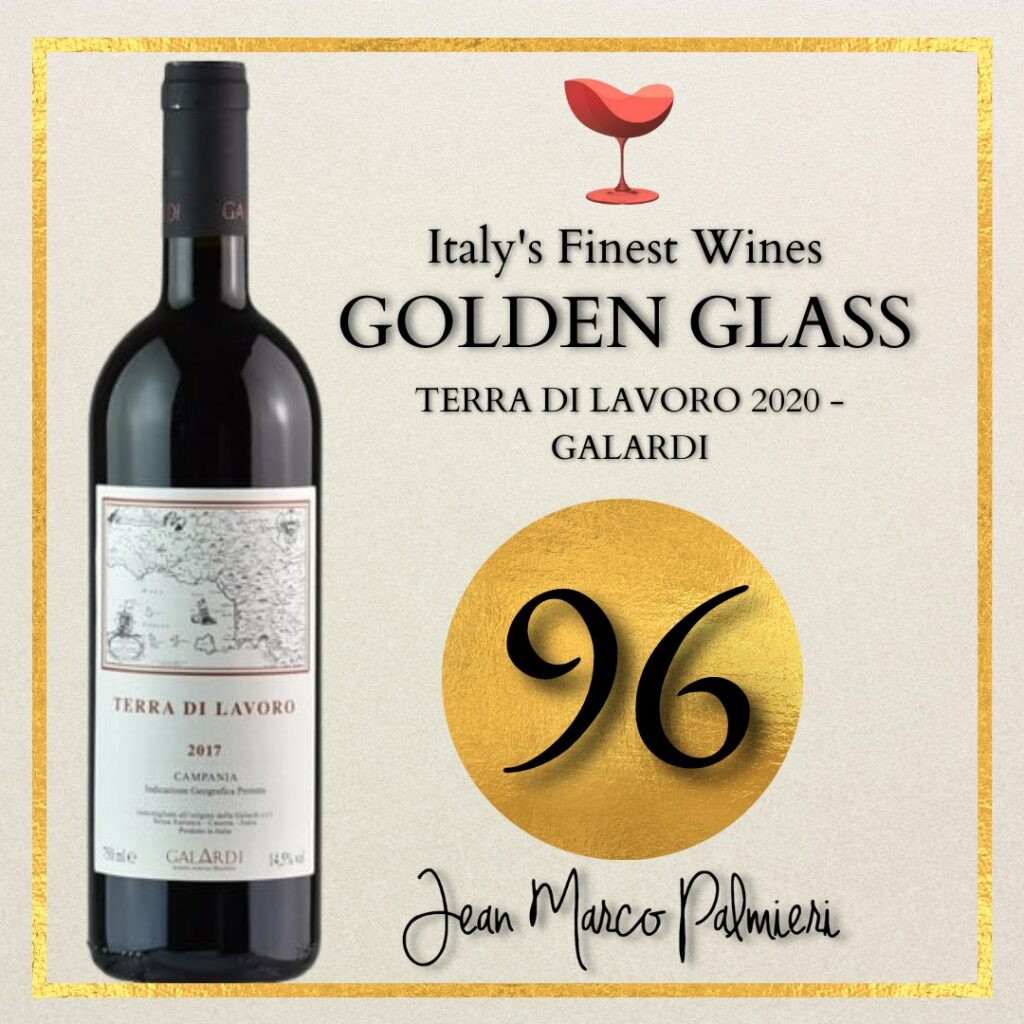
Description: Galvanizes with a fine and complex aromatic profile that articulates between dark berries and well-integrated spicy and toasty tones. The palate is compact, with a sensational extract synergistically linked to a pleasant iodine salinity that amplifies the sip. Extraordinary persistence with excellent clarity.
From a southwest-exposed vineyard on volcanic soils at 400-500 meters above sea level. Fermentation in steel with skin contact for 20 days and frequent punch-downs.
Grapes: Aglianico 80% and Piedirosso 20%
Region: Campania
A true oenological institution of Campania. Fully among the best Italian red wines.
Amarone della Valpolicella Morar 2010 – Valentina Cubi
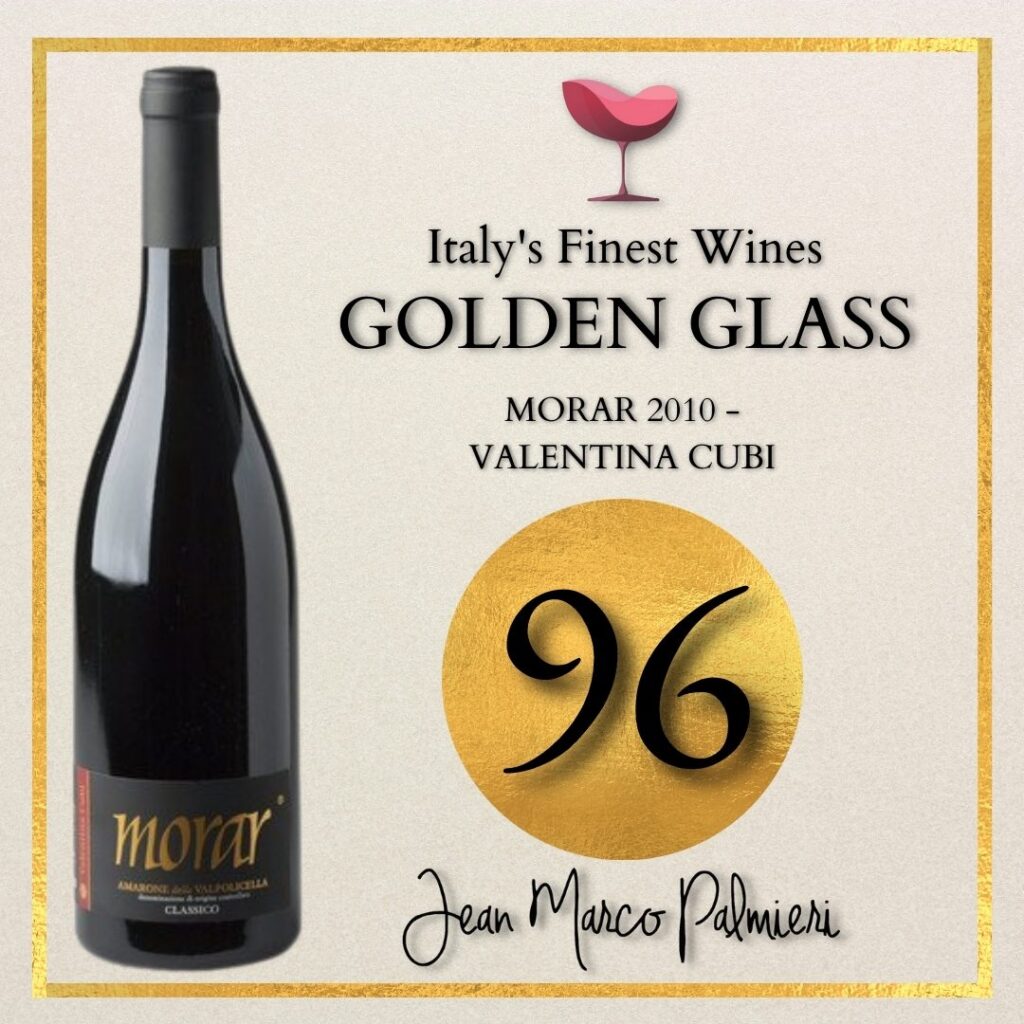
Description: Opens fragrant with clear notes of jammy plums and syrupy Marasca cherries, progressing towards roasting, black pepper, thyme, licorice, and white chocolate. Dry, fleshy, and enveloping on the palate, with compact and well-defined tannins that make the sip vibrant. A finish of great cleanliness, persistence, and fruity and balsamic hints.
A synthesis of richness and balsamicity, Morar by Valentina Cubi is an elegant and unique wine, endowed with classical expressiveness echoing the quintessence of the terroir.
Fully among the best Italian wines.
UNO 2020 – Tenuta Carleone
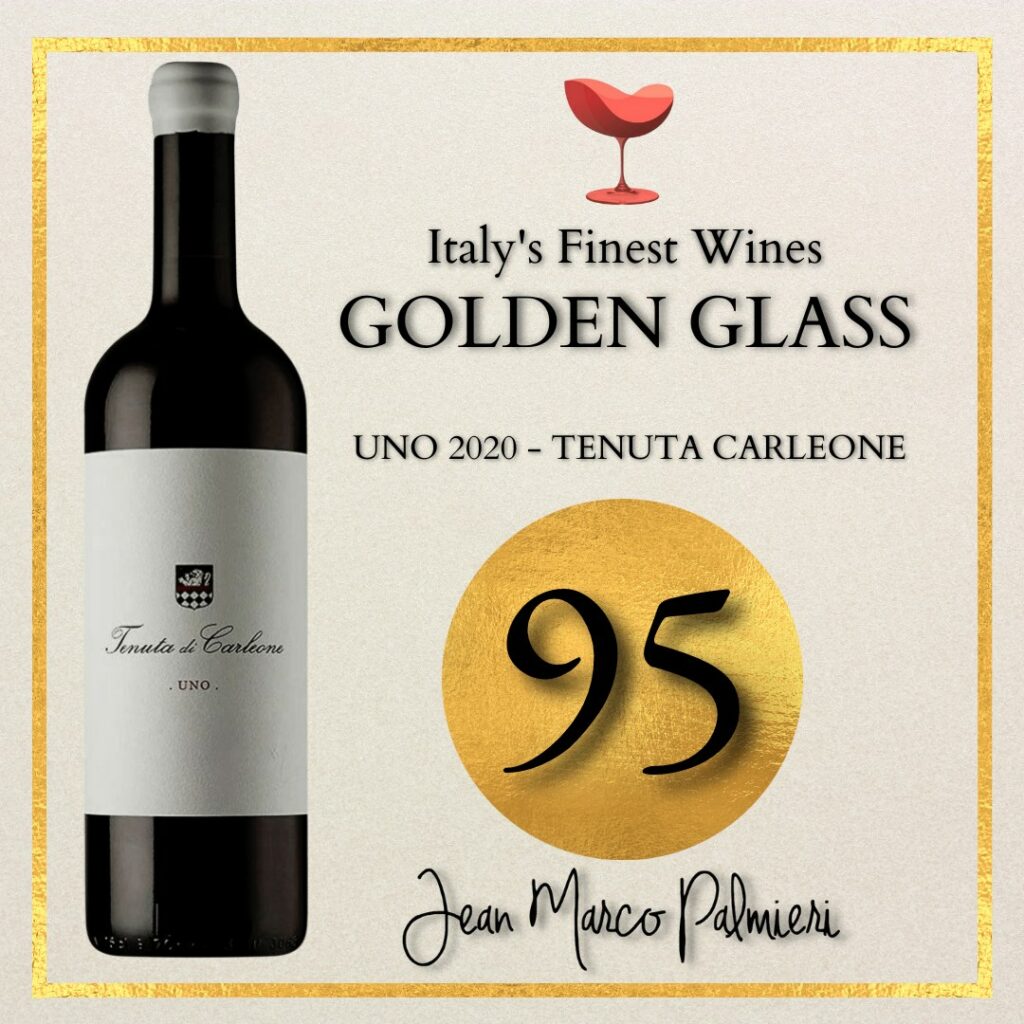
The nose opens in a kaleidoscope of fresh red fruits, wild raspberry, and cranberries with hints of cinnamon powder, leather, and medicinal herbs.
In the mouth, it has a developing phenolic extract, supported by a fresh component that provides freshness and extends towards a persistent and spicy finish.
A vertical wine with extraordinary acidity, embellished with captivating savory suggestions and great fruit intelligibility. Deservedly among the best Italian wines for its unique character.
Region: Tuscany
Barbaresco Rabaja’ 2016 – Bera
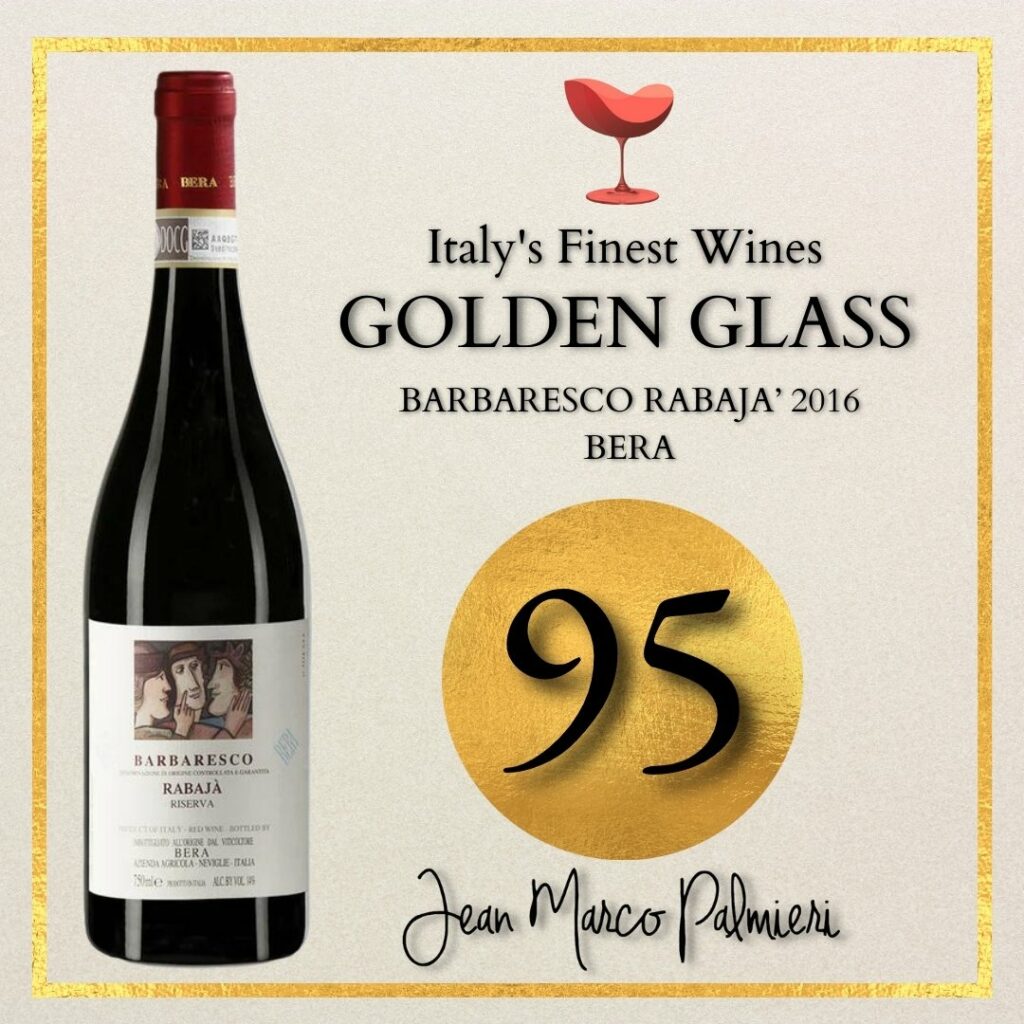
Description: Presents an intense ruby red color, and the nose opens wide and complex ranging from intense scents of ripe berries to subtle hints of plum, adorned with alpine flora, sweet spices, and tobacco.
On the palate, it is enveloping with a very thick but velvety tannic structure, supported by a significant acidic backbone that provides great freshness and drinkability.
Undoubtedly one of the best Barbarescos for elegance and eloquence of aromas. Voluminous and harmonious finish with a balsamic note, of great persistence. Excellent aging potential.
Region: Piedmont
Rocche dell’Annunziata 2019 – Trediberri
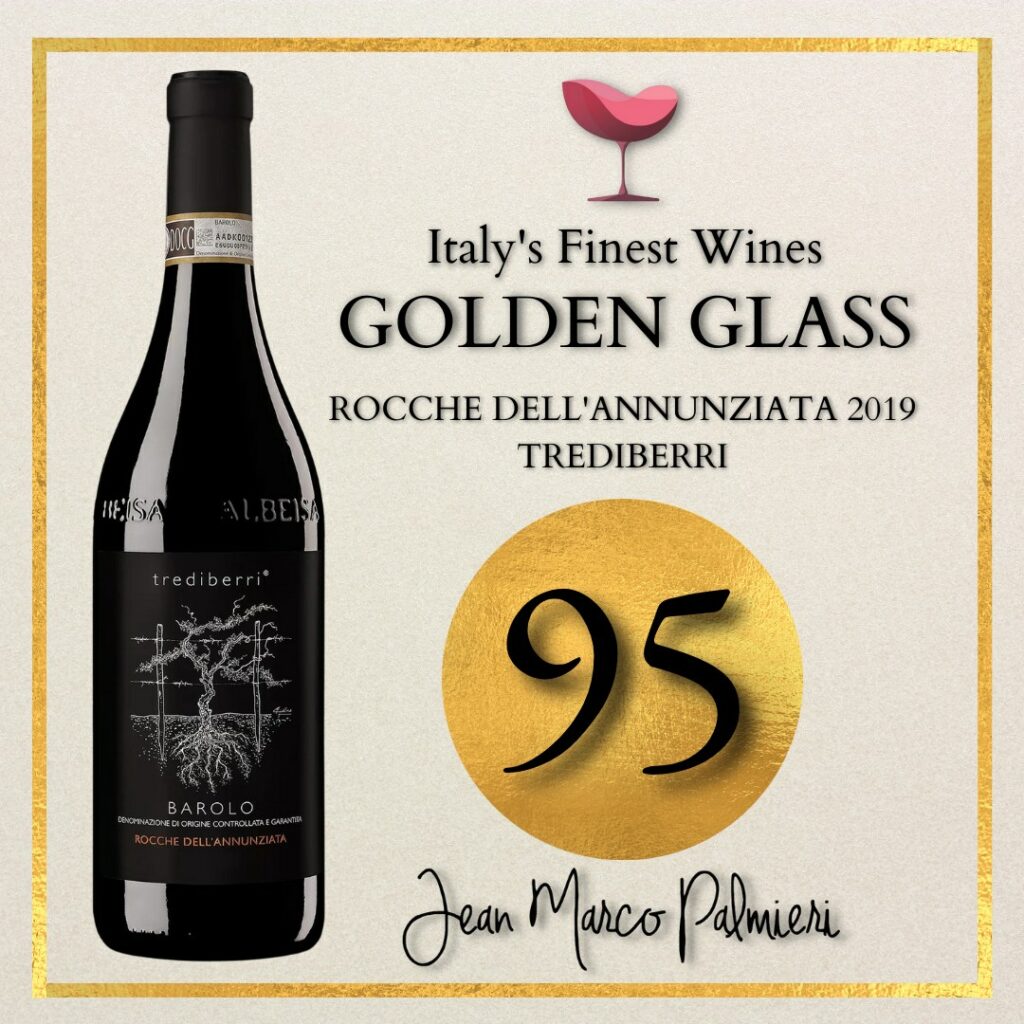
Description: Nasal upfront fruitiness, very fresh and intense, gives way to more austere tones of tar and spicy, toasty notes. Vibrant and excellently persistent on the palate, masterfully balanced between soft and hard components.
Alcoholic fermentation in cement for 12-14 days. Aging for about 20 months in 25 HL and 52 HL barrels.
A triumph of fruit and balsamic notes, fully among the best Barolos for the ability to combine complexity and drinkability.
Barolo Brunate 2017 – Roberto Voerzio
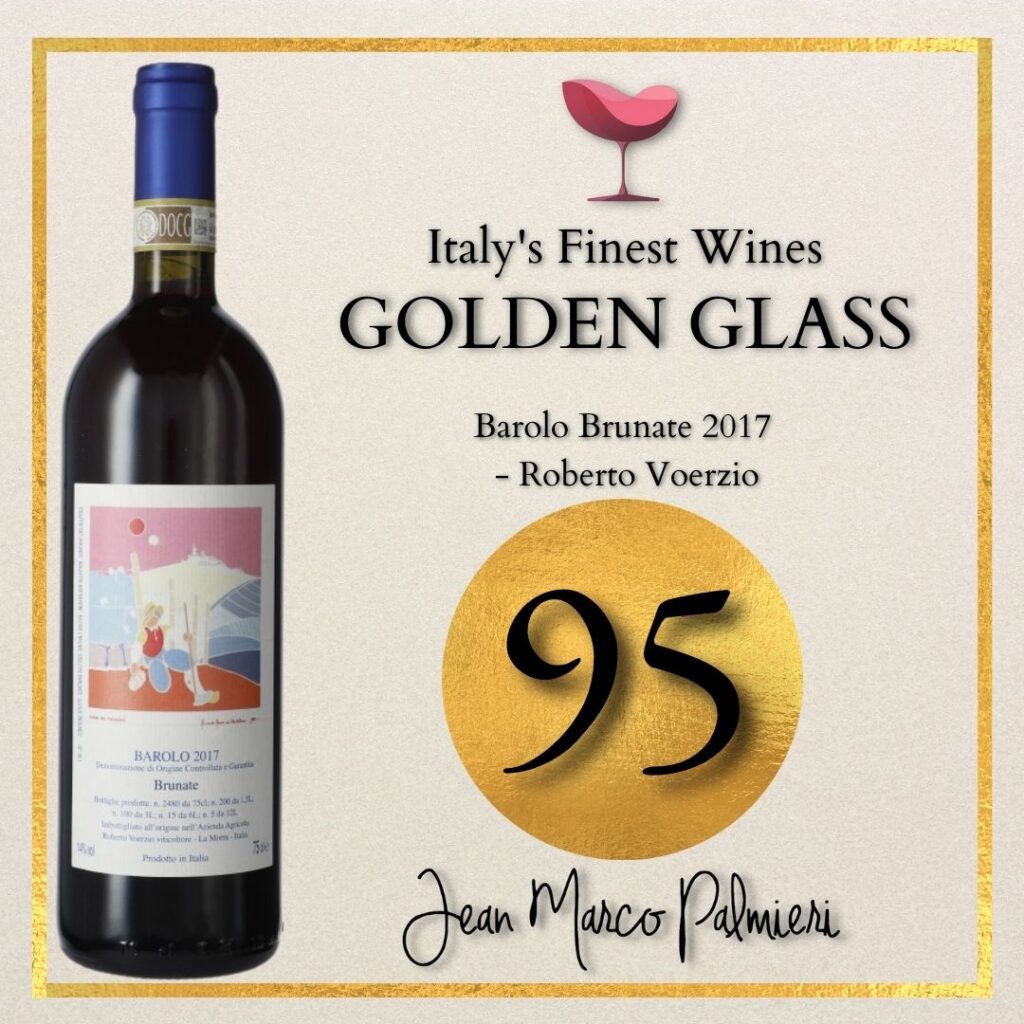
Description: Olfactory articulation on penetrating notes of wild raspberry and red plums, followed by successions of coffee powder, dark cocoa, and candied orange peel.
Expansive and enveloping on the palate, the tannic texture is compact with excellent progression, evolving towards a finale of good persistence adorned with balsamic echoes.
An undisputed protagonist in the history of Langhe: titanic, passionate, and with sensational persistence. Undoubtedly among the best Barolo producers.
Also of great interest are the Barolo crus of Serra, Cerequio, Sarmassa, Fossati, and Case Nere.
Barolo ‘Bussia’ 2019 – Giacomo Fenocchio
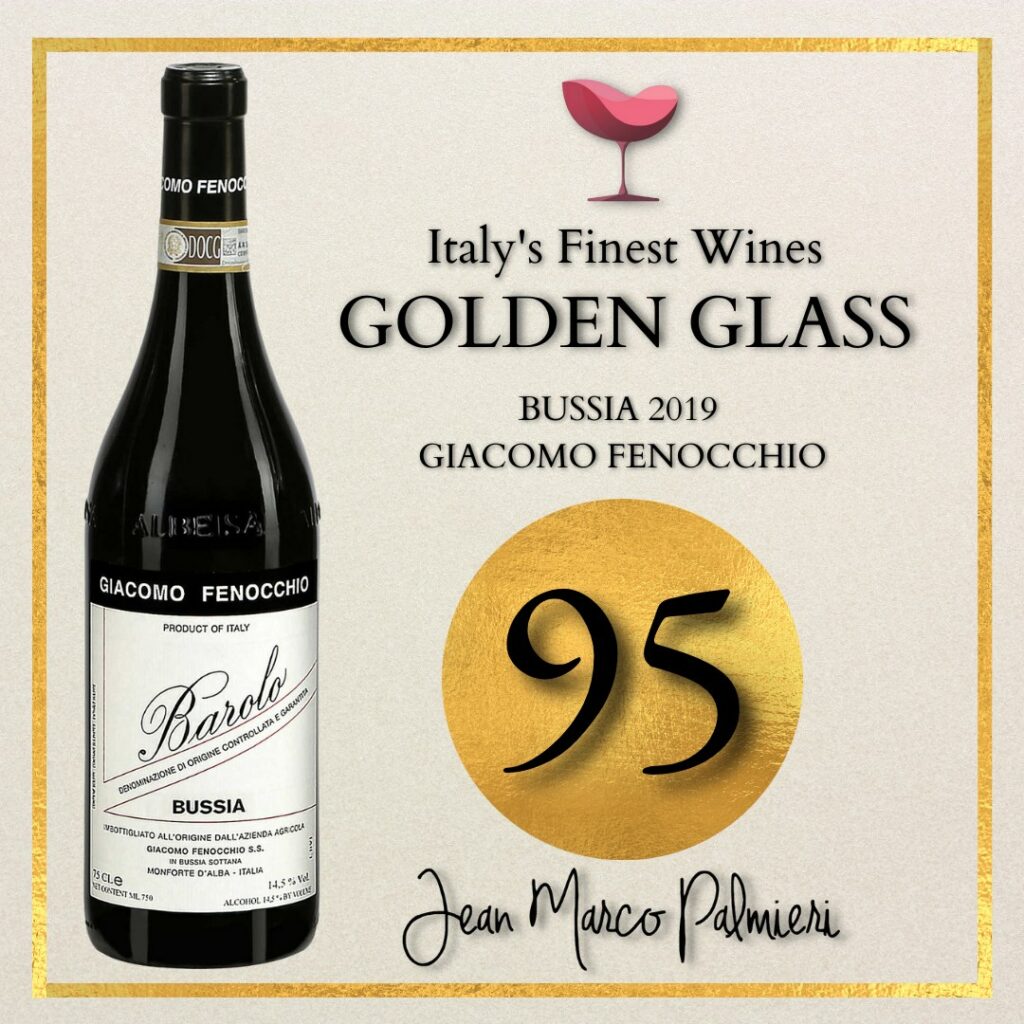
Description:
Giacomo Fenocchio’s Barolo ‘Bussia’ exudes scents of ripe red fruits and sweet spices on the nose, with a background of floral and earthy nuances.
On the palate, the wine is full and enveloping, with powerful tannins and a long, greatly persistent finish.
A classic interpretation of Nebbiolo, demonstrating the distinctive character of the grape. Deservedly among the best Barolos for authentic and artisanal character.
Poggio della Buttinera 2019 – Travaglino
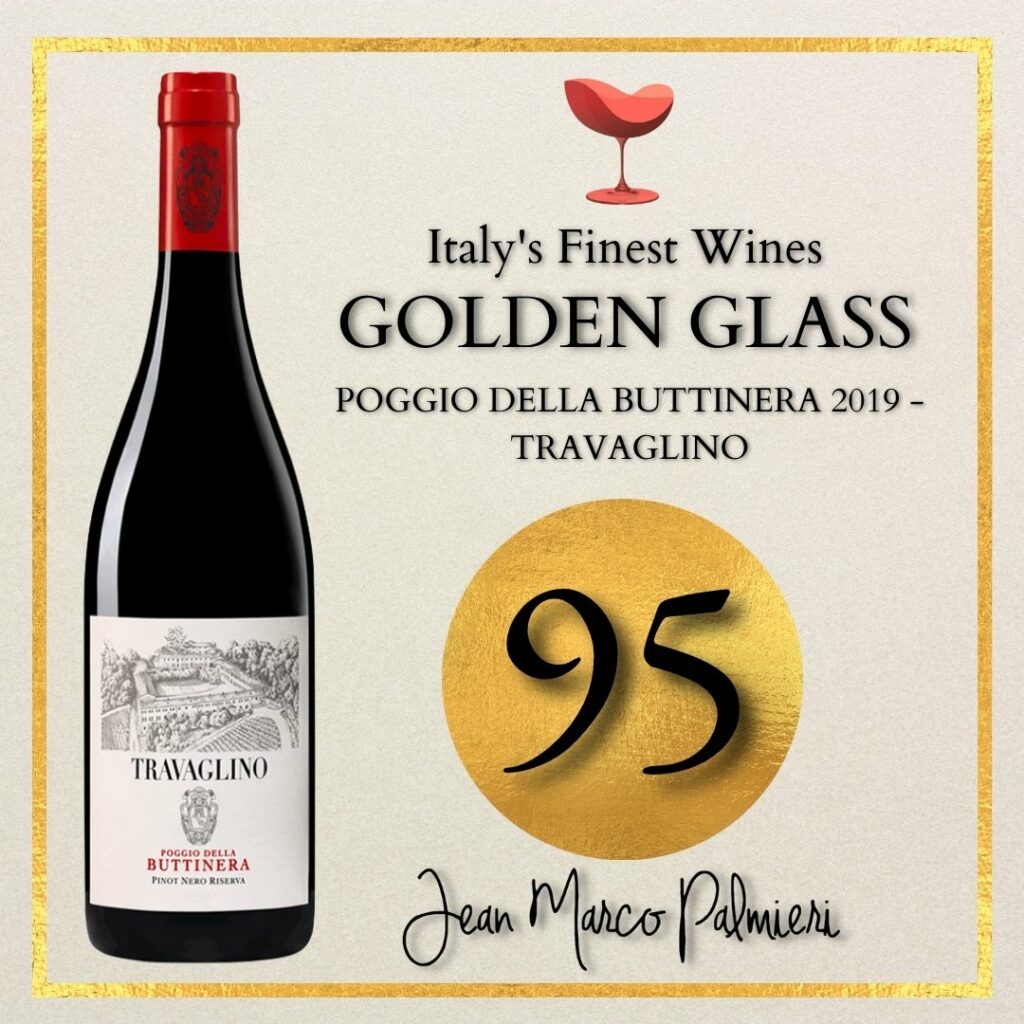
Characteristics: Raspberry and wild strawberry embellished with cotton candy, cinnamon, and delicate integrated boisé tones. Fresh and harmonious on the palate, with excellent length and savoriness. Outstanding persistence with echoes of fruit and spices.
Pinot Nero Riserva Poggio della Buttinera is produced from one of the most renowned Crus in Oltrepò Pavese, giving rise to a wine of great finesse. Fully among the best Italian Pinot Noir for scents of great varietal clarity and a palate of great elegance.
Grapes: Pinot Noir 100%
Etna Rosso DOC ‘Vico Prephylloxera’ 2016 – Tenute Bosco
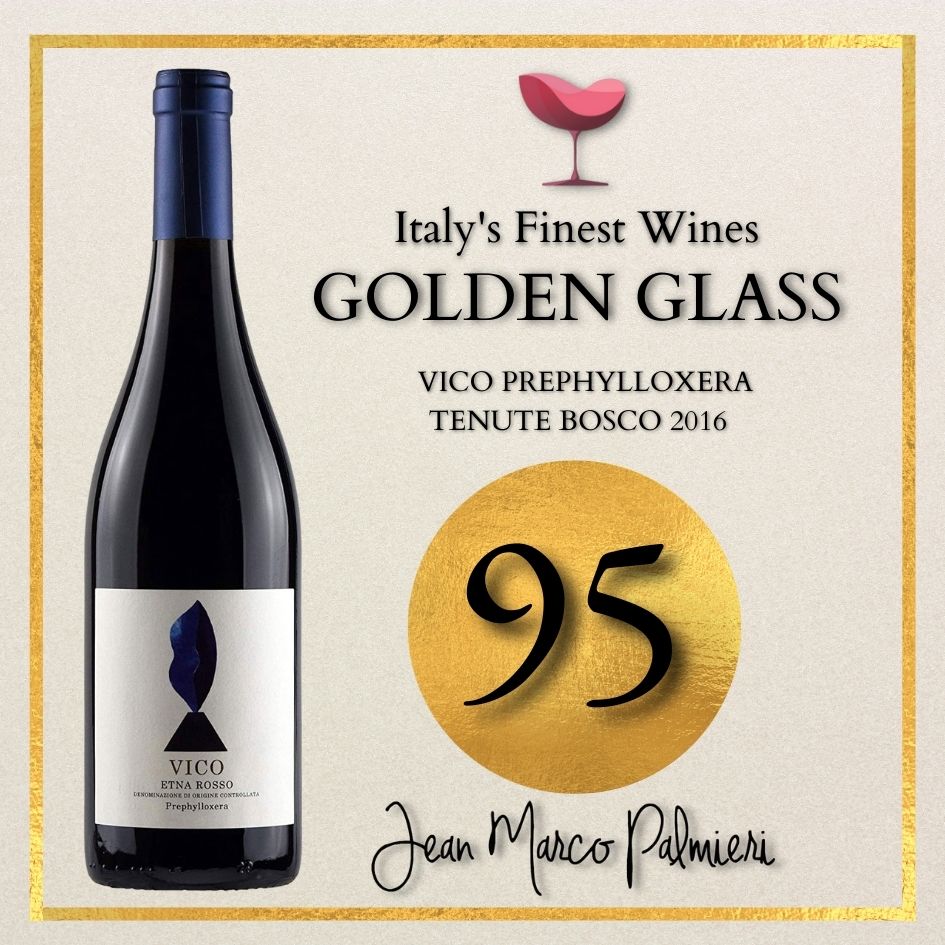
Description: The nose opens with fruity notes of black cherry and mulberry, followed by vegetal, spicy, and delicate hints of patchouli and Mediterranean scrub.
Opulent, juicy, and passionate on the palate, with compact and polymerized tannins and an enduringly persistent finish.
A deep wine, of great concentration and sensational and varied gustatory-olfactory expressiveness. A maieutic wine: assertive revealer of unexpressed truths. Rightly among the best wines of Etna.
Grapes: Nerello Mascalese 90%, Nerello Cappuccio 10%
Region: Sicily
Barone di Serramarrocco 2019 – Barone di Serramarrocco
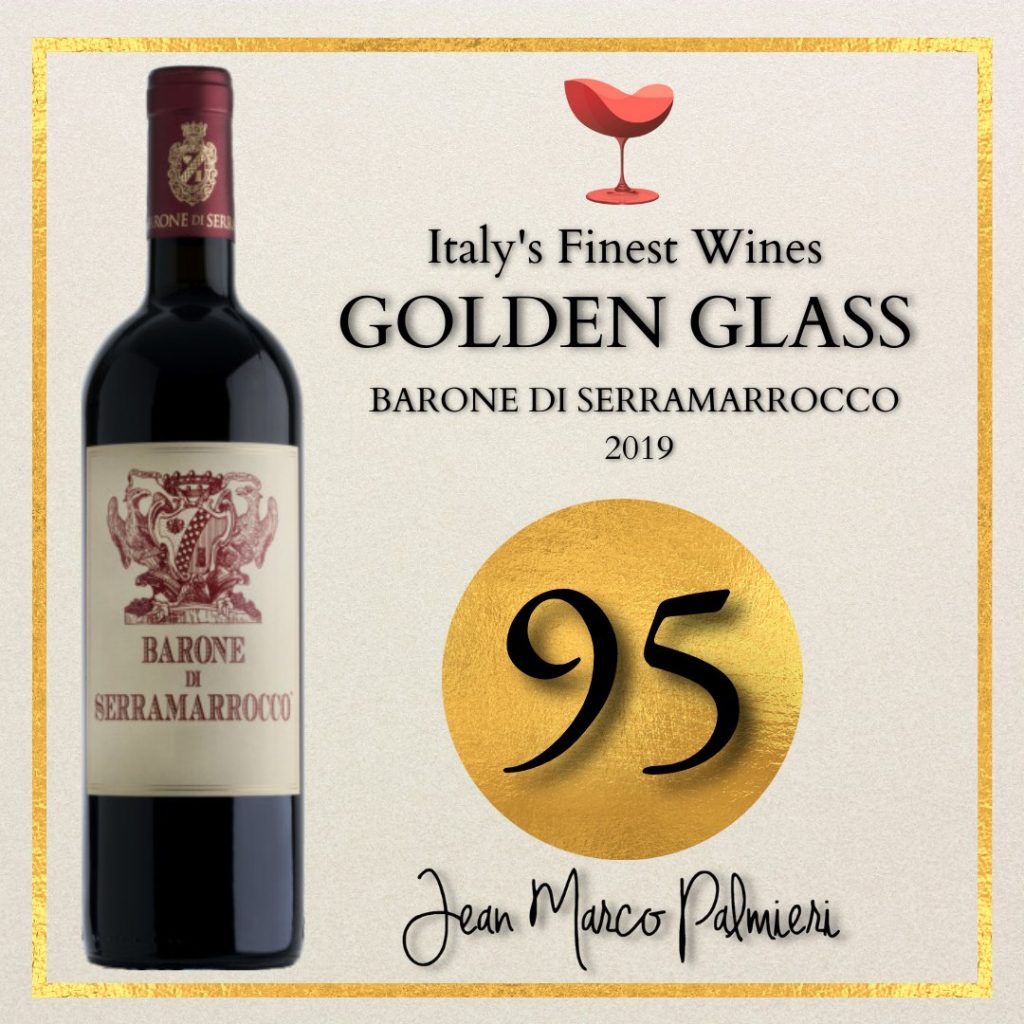
Characteristics: This 100% Pignatello is a masterful interpretation of an ancient Sicilian variety, showcasing remarkable freshness and fragrance. The bouquet opens with aromas of crisp cherry and red currant, enriched by delicate hints of black pepper, licorice, and a floral touch of violet. On the palate, it stands out for its vibrant acidity, which supports a fine tannic texture, delivering a dynamic and harmonious sip. Spicy notes blend seamlessly with a subtle hint of oak, contributing to a long and well-defined finish.
The grapes come from the “Sammarcello vineyard,” a 3.75-hectare plot managed with the Guyot Bordeaux system, featuring a planting density of 7,143 vines per hectare and low yields to enhance the varietal character. The wine ages for 18 months in 500-liter French oak tonneaux, followed by 10 months in bottle, which amplifies its complexity without sacrificing its varietal freshness.
San Lorenzo Etna Rosso 2020 – Girolamo Russo
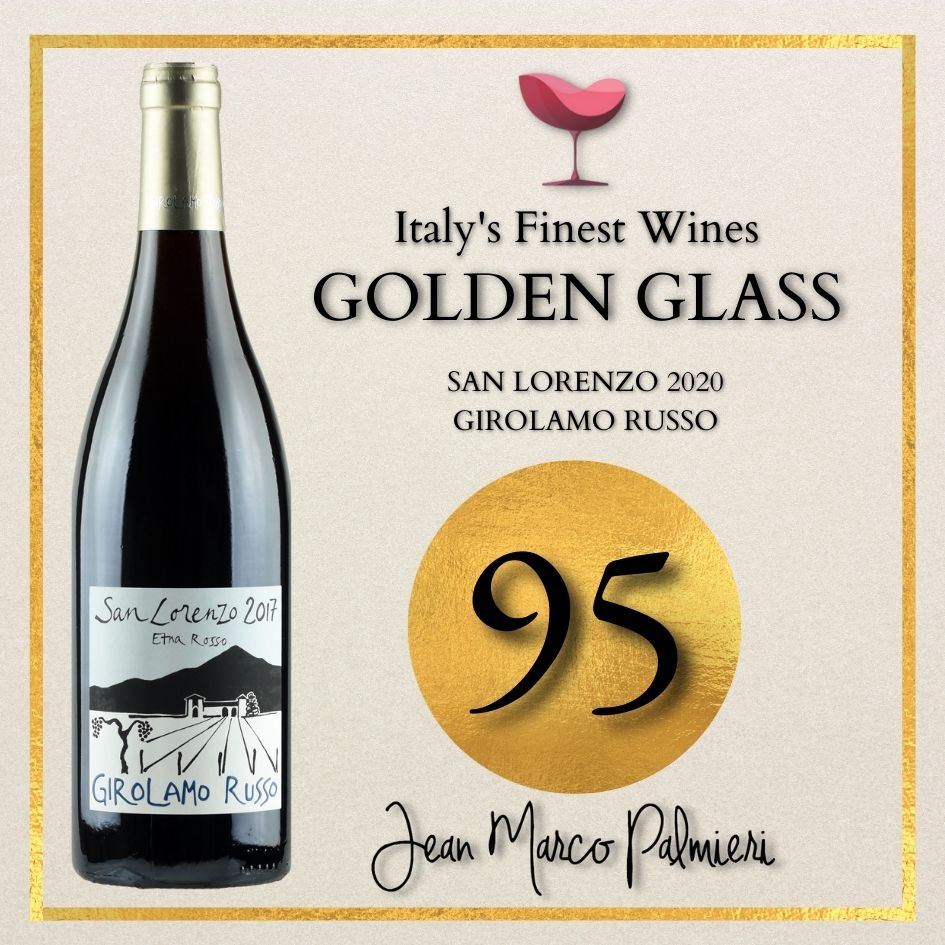
Description: A broad bouquet unfolds on the nose, ranging from notes of rose, Marasca, red currant, and Mediterranean scrub to toasty and balsamic hints. It wraps the mouth in a dense and enveloping sip, supported by a beautiful salty vein that extends to a spicy finish of good persistence.
An iconic representation of Nerello Mascalese, it is a seraphic and fascinating wine, with granular and delightful minerality. Well-deservedly among the best wines of Etna.
Grapes: Nerello Mascalese 100%
Region: Sicily
Barolo Perno 2019 – Sordo
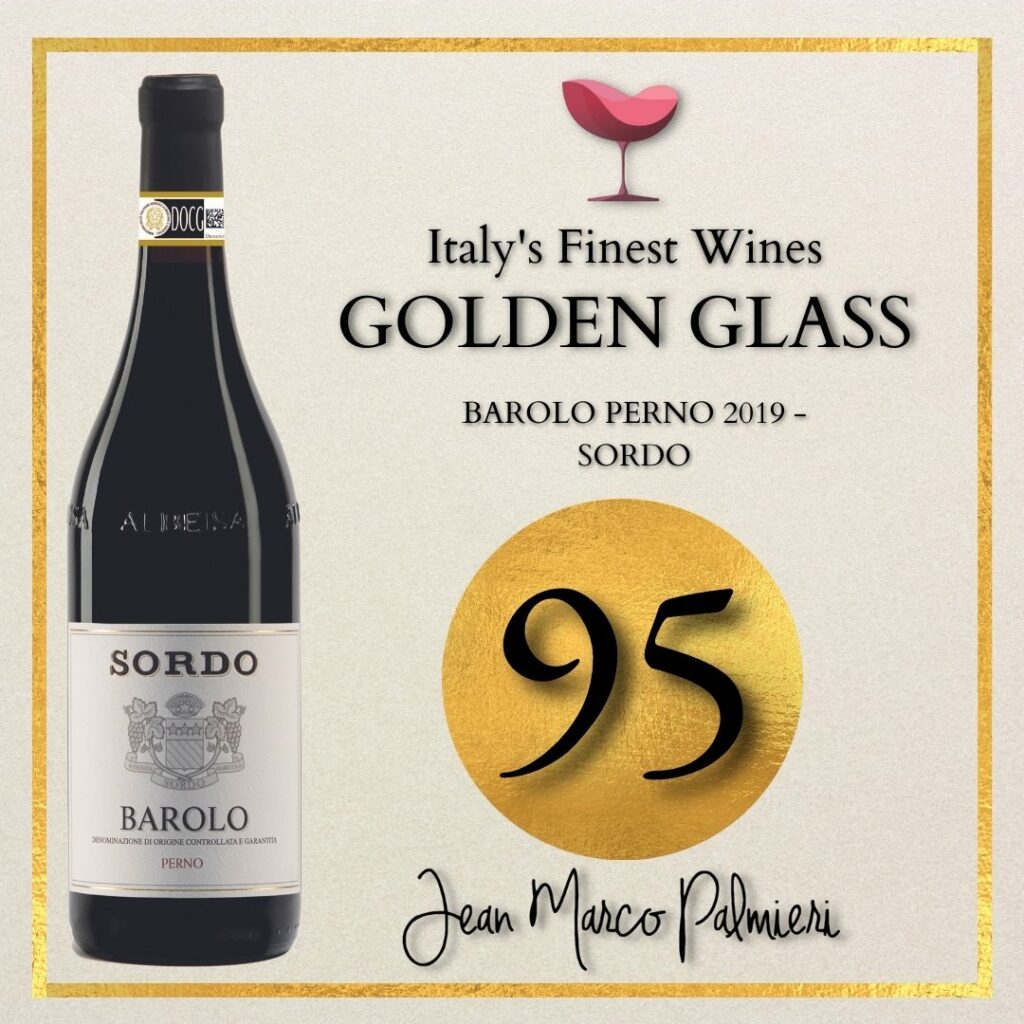
Description: Initially playing on floral notes, violet, and sour cherries, embellished with more enigmatic scents of wild nepitella, resin, and toasty tones.
Characterized by well-defined and compact tannins on the palate, supported by a very pleasant salty vein that provides smoothness and depth to the sip.
An iconic and intoxicating wine, among the best expressions of Nebbiolo for olfactory complexity and a tactile and penetrating palate.
Impeccable quality-price ratio. Undoubtedly among the best wineries producing Barolo.
Cerasuolo di Vittoria ‘Grotte Alte’ 2018 – Arianna Occhipinti
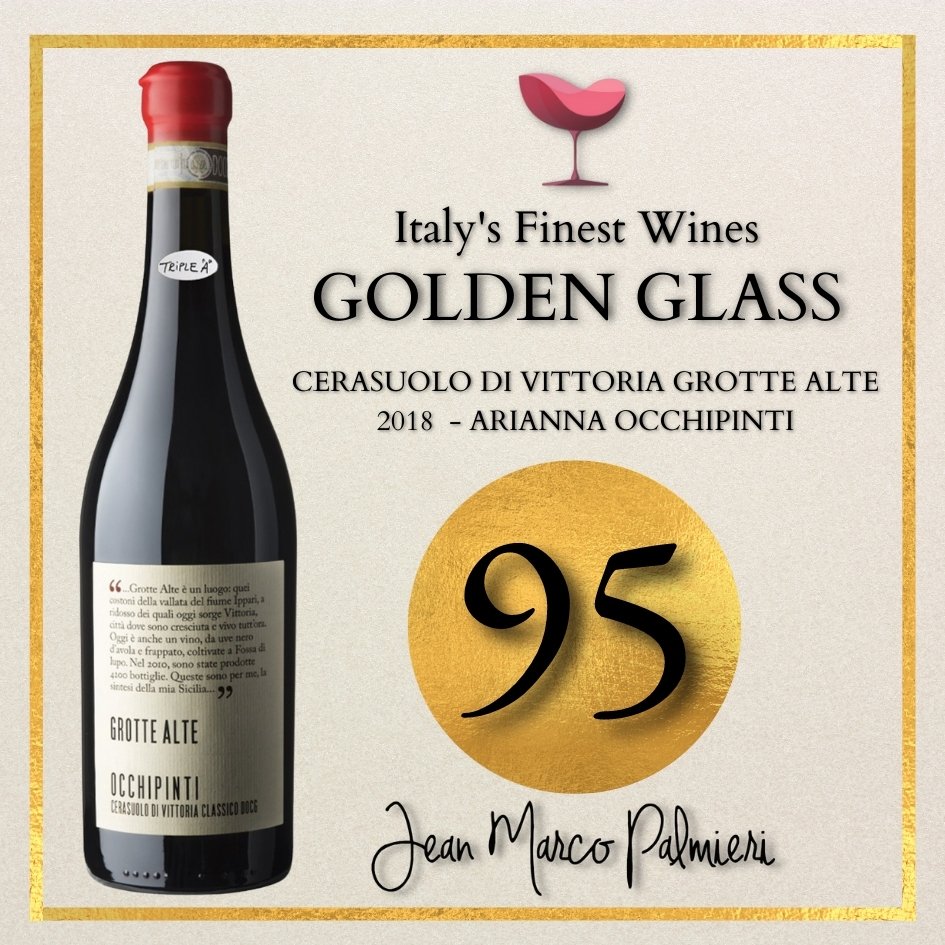
Description: Articulates between dark tones of red fruits like sour cherries and dried flower potpourri, followed by a more austere register of roasting powder, Mediterranean scrub, and officinal herbs.
Fermentation with indigenous yeasts and skin maceration for 30 days in concrete tanks. Aging for 32 months in 25-hectoliter Slavonian oak barrels.
Challenges the palate with an imposing and silky tannin and good acidity that favors drinkability. An artisanal wine: Sensational material mineral trail and enduringly persistent finish. Fully among the best Sicilian wines.
Region: Sicily
Montevetrano 2019 – Montevetrano
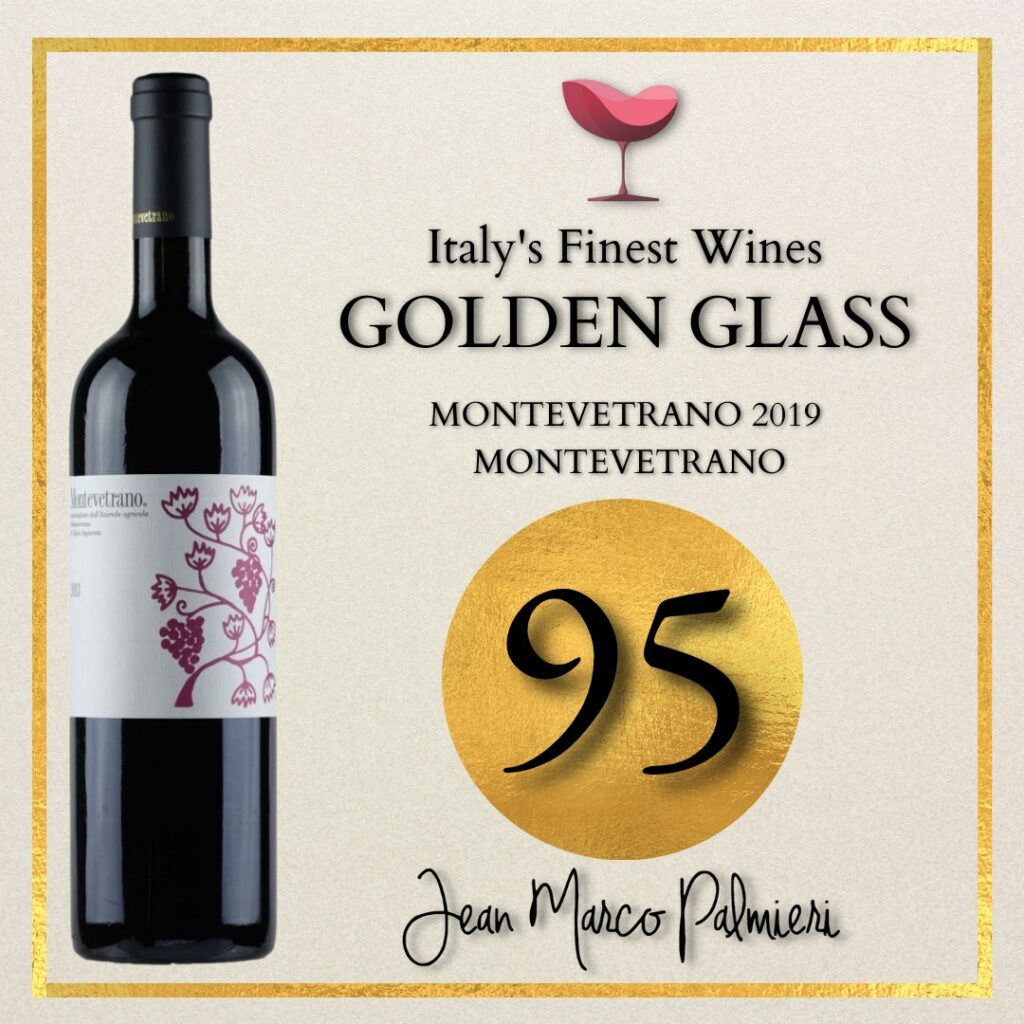
Description: The nose releases intense scents of violet, plum, and sweet tobacco, enriched with notes of cinchona and eucalyptus. In the mouth, it is round, the tannin is well-polished, and in the retro-olfactory, a granular sapidity echoes with generous persistence.
An icon of Campania, Montevetrano is a majestic wine of unusual elegance, of great recognizability that enhances the classic Bordeaux blend with the indigenous Aglianico grape. Rightly counted among the best Campanian wines for its seductive drinkability and the interesting interplay between balsamic, iodine, and floral components.
Grapes: Cabernet Sauvignon 50%, Aglianico 30%, Merlot 20%
Region: Campania
Kurni 2020 – Oasi degli Angeli
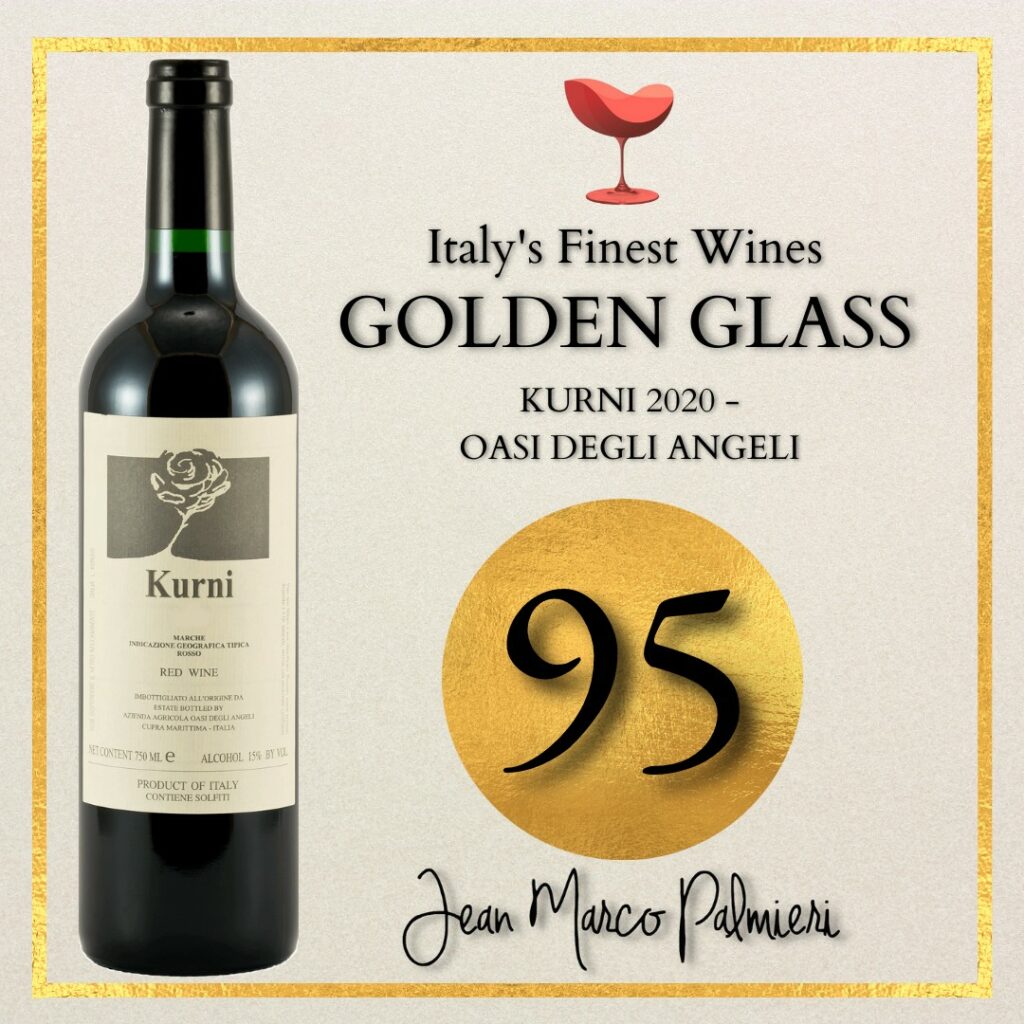
Characteristics: Peremptorily rushes with ripe cherry and blackberry and leather notes, with a background of resin, white chocolate, and hints of tobacco. Silky and expansive on the palate, with vigorous tannins well integrated with acidity, endowed with a sensational grip that provides smoothness.
Spontaneous fermentation with indigenous yeasts in steel tanks and large barrels. Aging for about 20 months in barriques.
Grapes: Montepulciano 100%
Region: Marche
Without a doubt, one of the best biodynamic Italian red wines: sui generis, whimsical, and passionate, engaging interplay between tannins and overwhelming acidity.
BEST WINES OF ITALY – (White Wines Section)
Argentum Bonum 2015 – Elena Walch
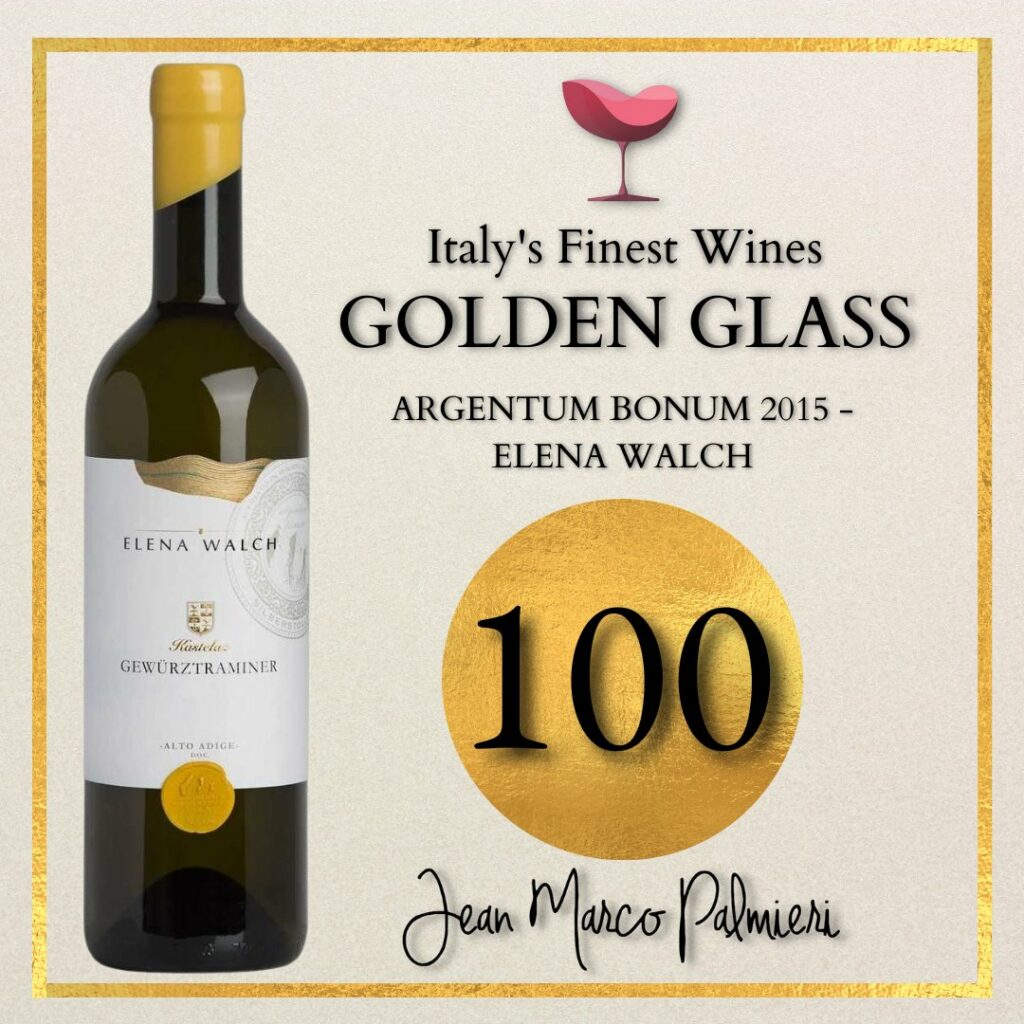
Characteristics: Opens with hints of saffron, acacia honey, and incipient smoky and hydrocarbon suggestions. The palate is voluminous, with a granular iodized saline presence.
One of the best Italian white wines, displaying great identity and territorial character. Aged in a disused mine in Val Ridanna at 2,000 meters above sea level.
Deservedly among the best Italian white wines for complexity and persistence. Thanks to the terroir of the Vigna Kastelaz cru, above the town of Termeno, one of the most renowned in South Tyrol.
Region: South Tyrol
Terlaner I 2020 – Terlan
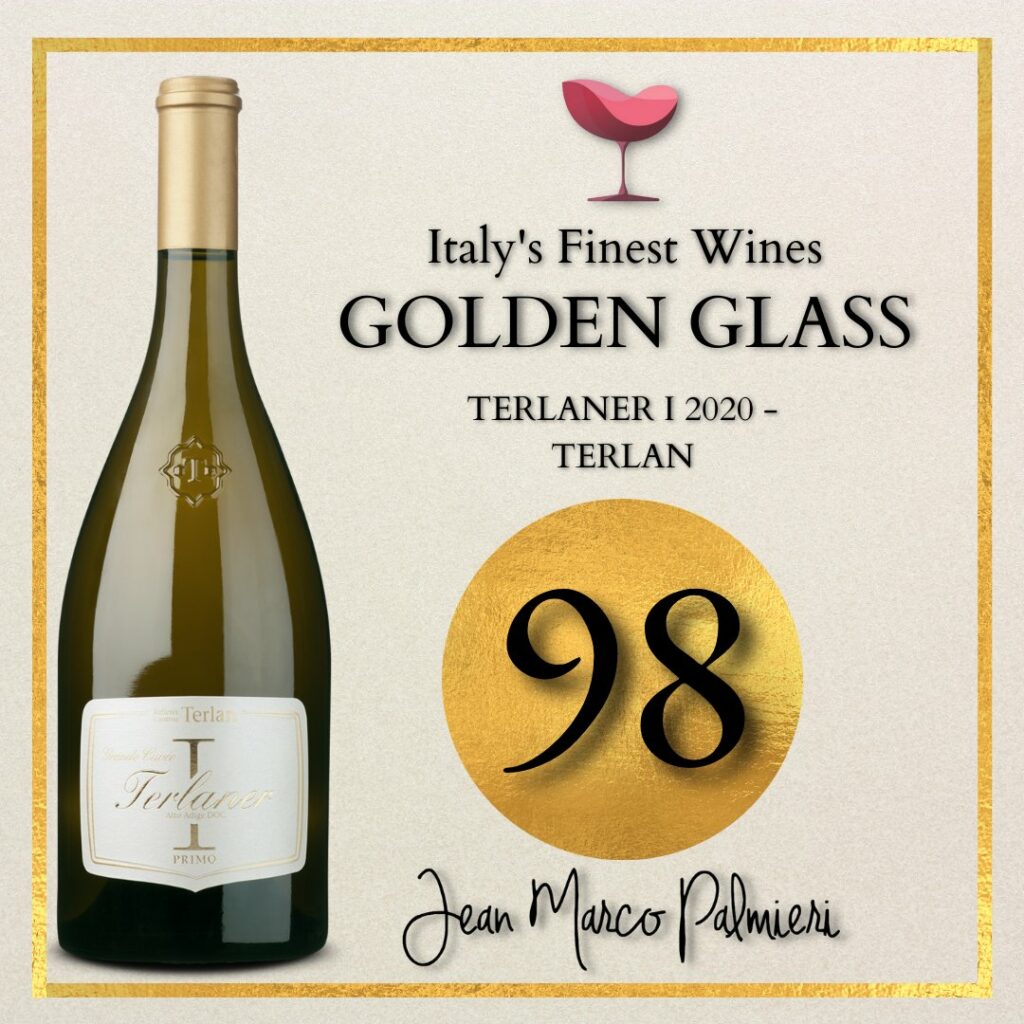
Description:
Orange blossom highlights accompanied by pink grapefruit, lychees, hints of sea salt, and flint. The palate is voluminous, savory, and enveloping, supported by good acidic liveliness that gives length to the sip.
One of the best Italian white wines for olfactory complexity: rich and captivating on the palate, with a multifaceted and intriguing nose. A sensational interpretation with excellent aging potential.
Region: Alto Adige
Chardonnay Curie 2016 – Vie di Romans
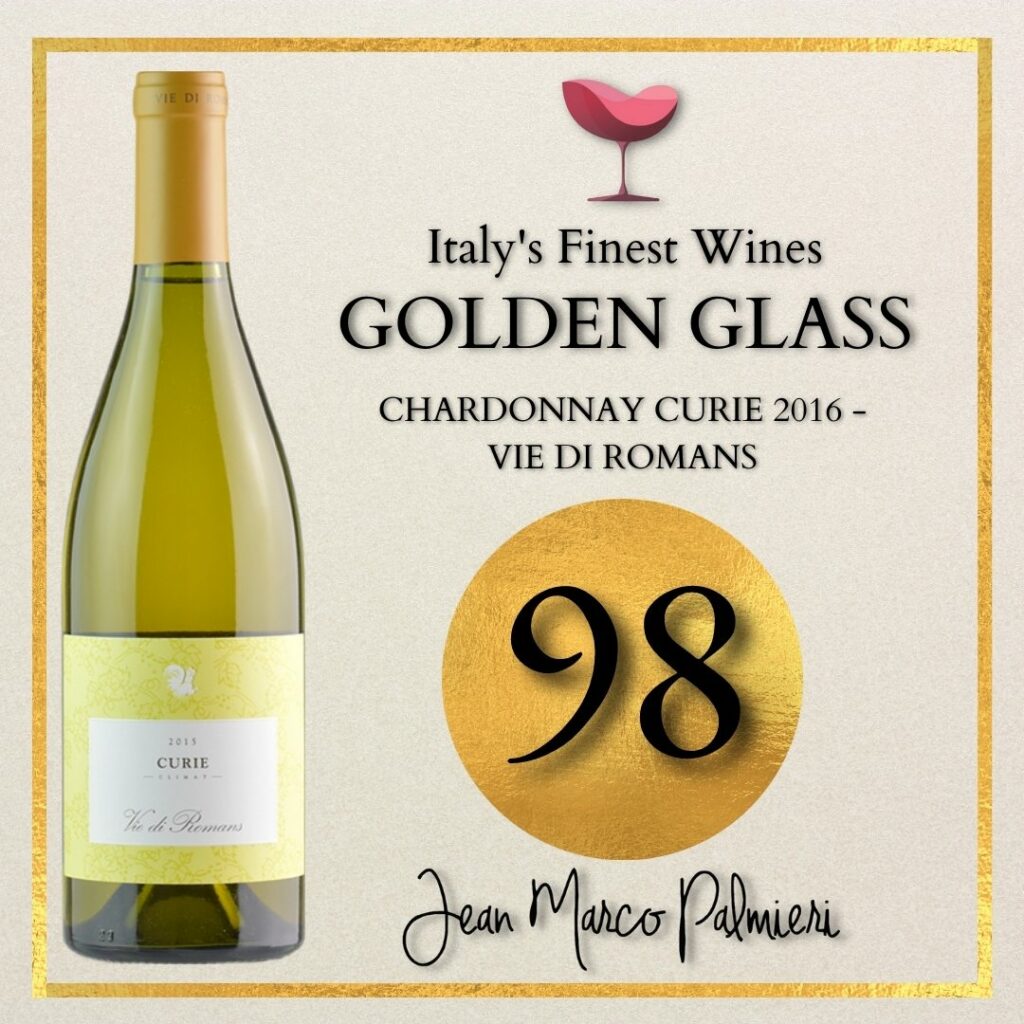
Olfactory: Intense, broad, and fresh with successive floral notes turning to fragrant white peach and grapefruit, smoky notes, and sweet hints of vanilla, melted butter, and hydrocarbons. The palate is rich and silky with great softness and freshness enhanced by a light iodized mineral note that gives volume and character in the mouth.
Elegant, enveloping, and full finish, of long persistence with delicate returns to fruit and spices.
A seductive nose of great eloquence and finesse, unfolding on the palate as rich, soft, voluminous, and with sensational persistence. A virtuous interpretation of Chardonnay, interesting aging potential. Chardonnay Curie di Romans rightfully among the best wines of Friuli Venezia Giulia.
Grapes: Chardonnay Area: Friuli Isonzo
‘Studio di Bianco’ 2018 – Borgo del Tiglio
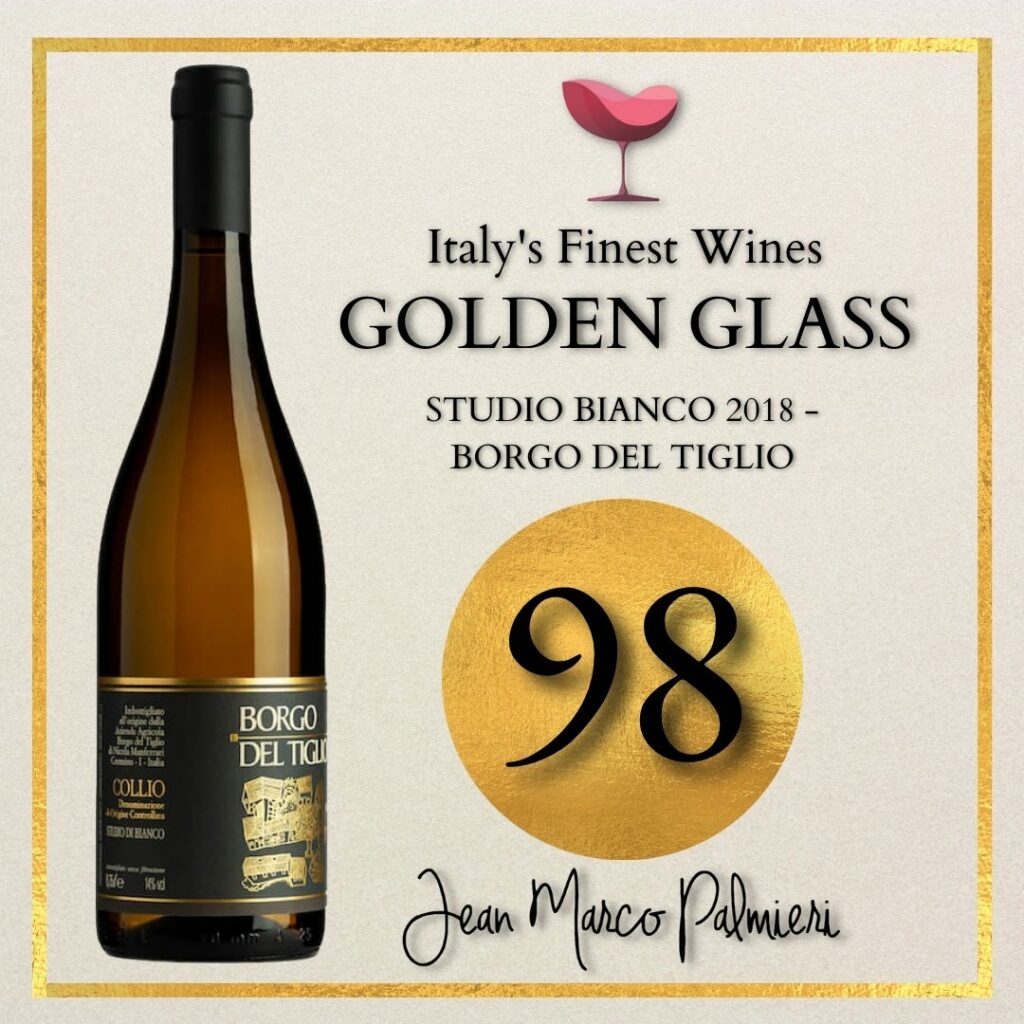
Characteristics:
Layered aromatic profile: opens with notes of lychees, elderflower, and hawthorn, continuing towards hydrocarbons and white chocolate tones. The palate flows dense and voluminous yet at the same time fresh and saline. Well-balanced finish, of great persistence and cleanliness.
From one of the most virtuous artisanal cellars in Collio, Studio di Bianco from Borgo del Tiglio is a wine of unusual finesse and balance obtained from the blend of Riesling, Sauvignon, and Friulano.
Fully among the best wines of Friuli Venezia Giulia for harmony and meticulous oenological precision.
Grapes: Riesling, Sauvignon, Friulano Area: Collio
Ribolla Gialla Anfora 2015 – Gravner
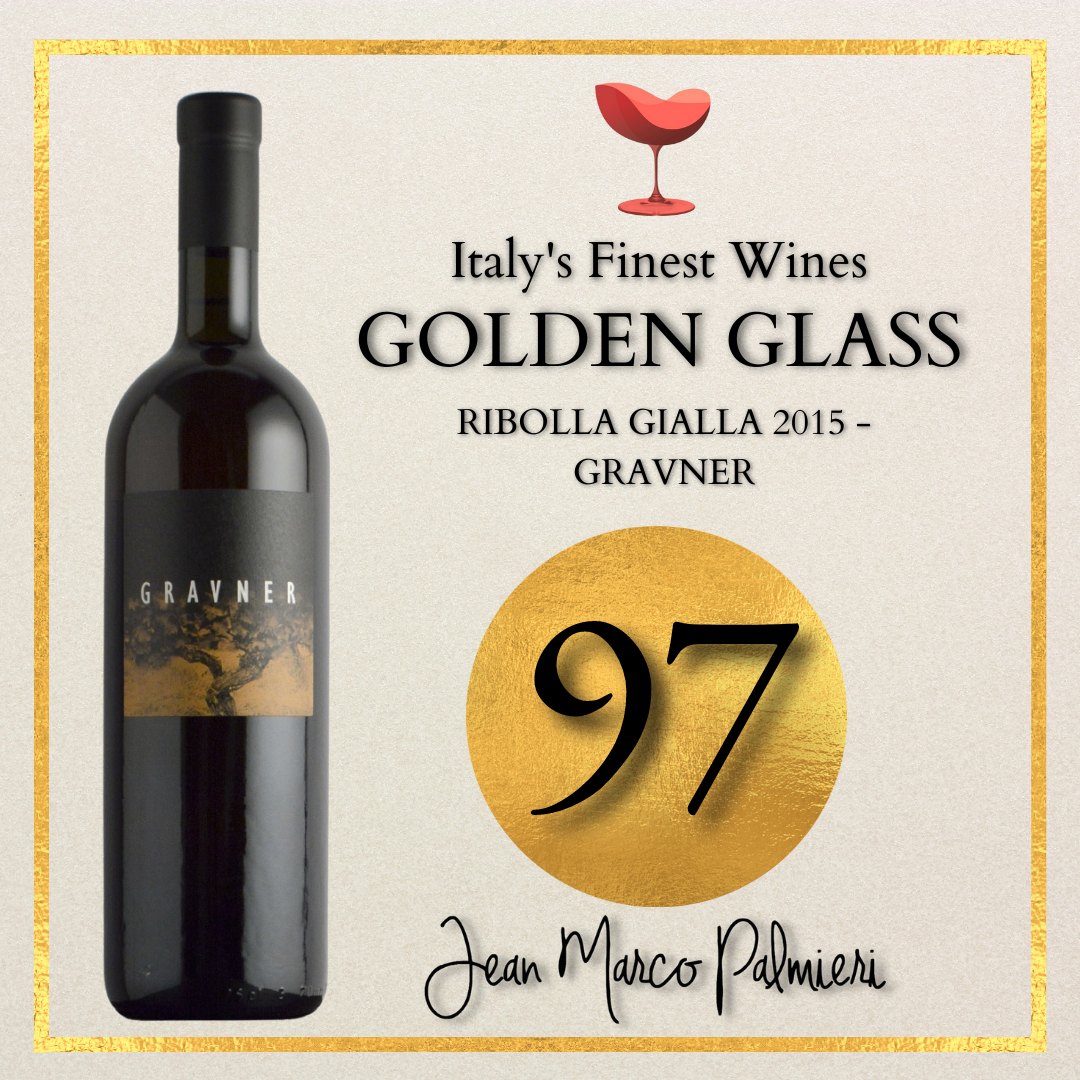
Description:
Galvanizes the nose alternating lysergic aromas of orange blossoms, slate, sea salt, and candied apricot embellished with nuances of sandalwood and oriental spices.
The palate is textural, savory, and well-balanced with an insistent acidity.
One of the best orange wines for its unique character: an amphora wine with a penetrating and hieratic nose; fruity notes integrate with unpredictable shades that, with the second sip, persuade and acquire great coherence.
Grapes: Ribolla Gialla 100%
Verdicchio dei Castelli di Jesi Classico Riserva 2018 – Villa Bucci
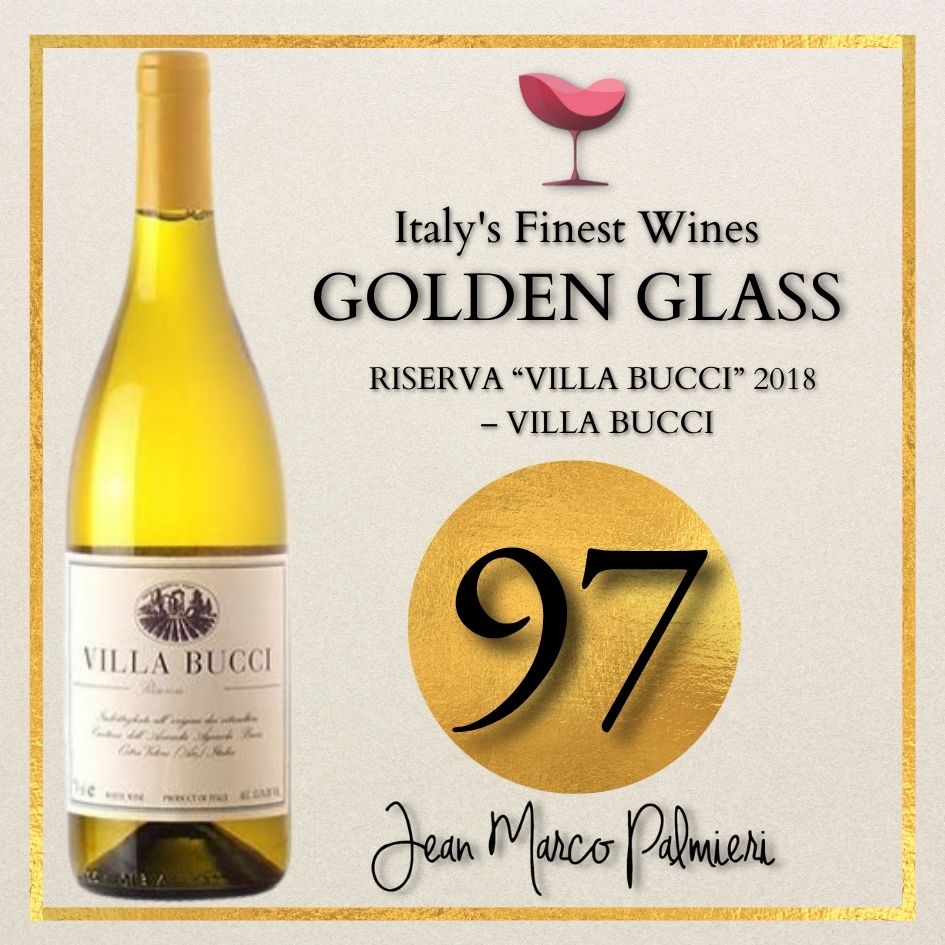
Characteristics:
The nose is enveloped in an intense and layered olfactory bouquet: broom, chamomile, wild marjoram, and yellow pulp jam fruit gradually give way to flint and suggestions of sea salt. In the mouth, it is wide and silky, with an iodized finish where the fruit re-emerges distinctly.
An iconic wine that has made history in the DOC Castelli di Jesi. Refined, complex, and extraordinarily drinkable, Villa Bucci’s Verdicchio Riserva is fully one of the best Italian wines for elegance and palatability.
Grapes: Verdicchio 100% Region: Marche
Furore ‘Fiorduva’ 2021 – Marisa Cuomo
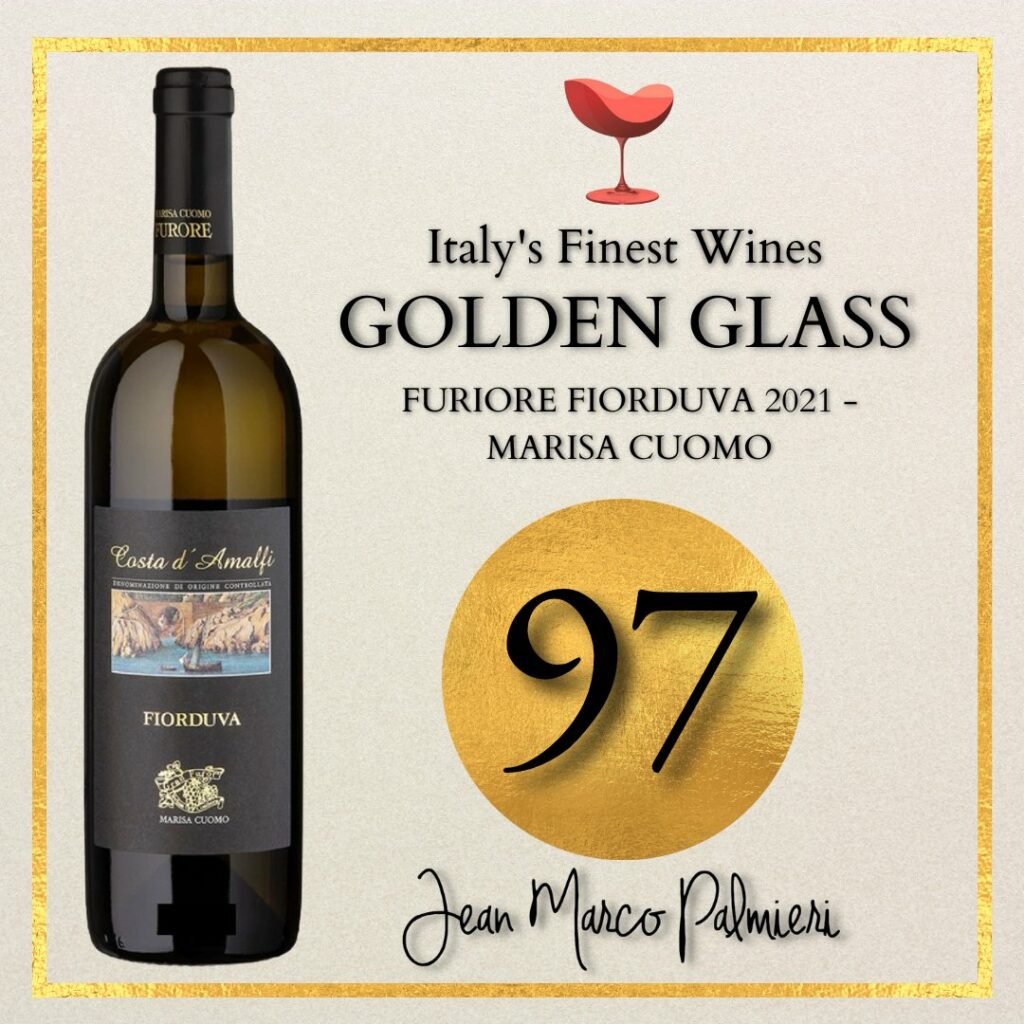
Characteristics: Strokes of broom, orange blossoms, passion fruit, and candied apricot harmoniously blend with fresh notes of Mediterranean vegetation, cedar, and dried green tea. In the mouth, it is extremely soft, well-structured, with a full and round sip with a salty finish and continuous returns of candied fruit.
Icon of the Amalfi Coast and the entire Campania region, Fiorduva is one of those rare and unforgettable wines, produced with high-quality autochthonous grapes. Fully among the best Campanian wines for the ability to balance structure, identity, and elegance.
Grapes: Fenile 30%, Ginestra 30%, Ripoli 40%
Panizzi – Vernaccia di San Gimignano Riserva 2018
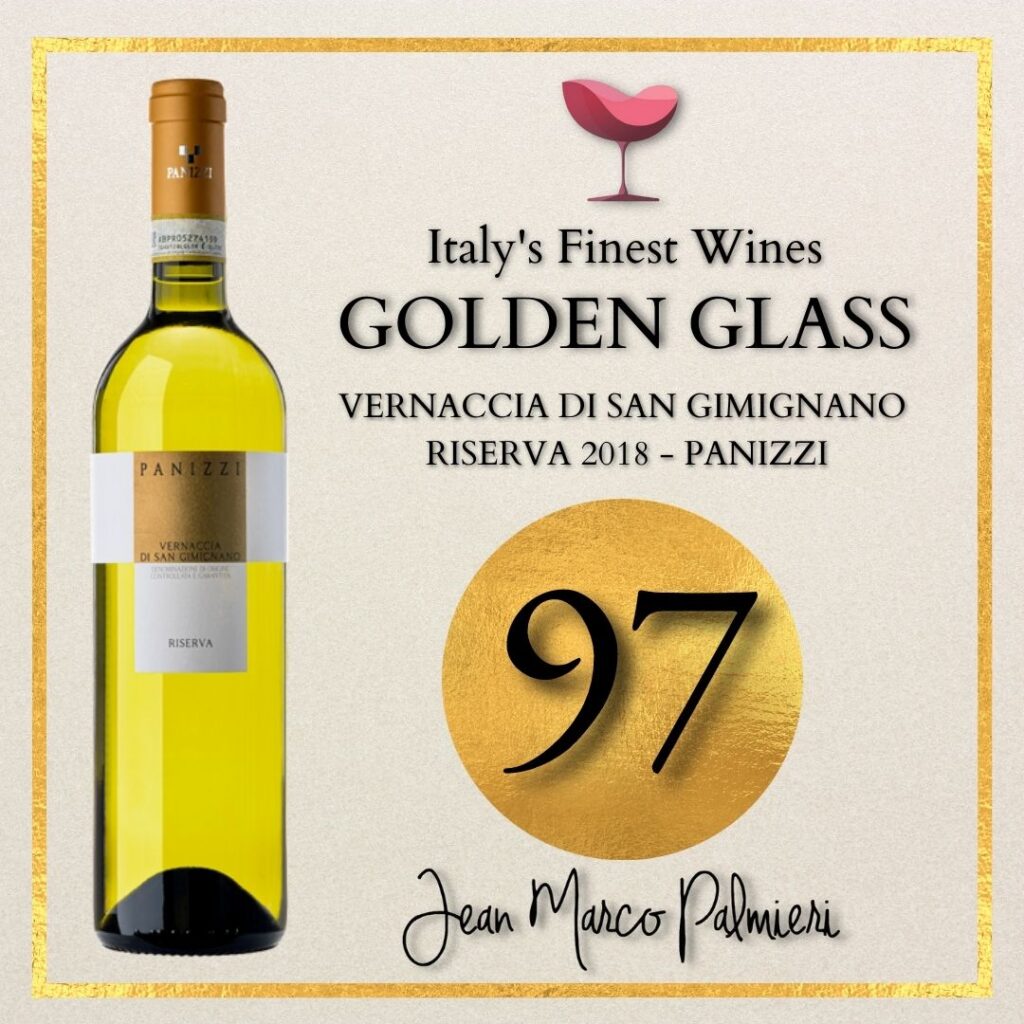
Characteristics:
Nose rich in facets, between citrusy notes of orange blossoms, salty nuances, and old-style mustard. In the mouth, it creates a sensational dialogue between nerve acidity and salinity.
Among the best Vernaccia di San Gimignano for evolutionary potential: the varietal character of Vernaccia stands out, embellished by a wooded side and masterfully integrated tertiary nuances. Organic label.
Not just wine, but an irreducible advocate of the eloquent and elegant character of Vernaccia di San Gimignano.
Region: Tuscany
Bianco Riserva ‘LR’ 2018 – Colterenzio
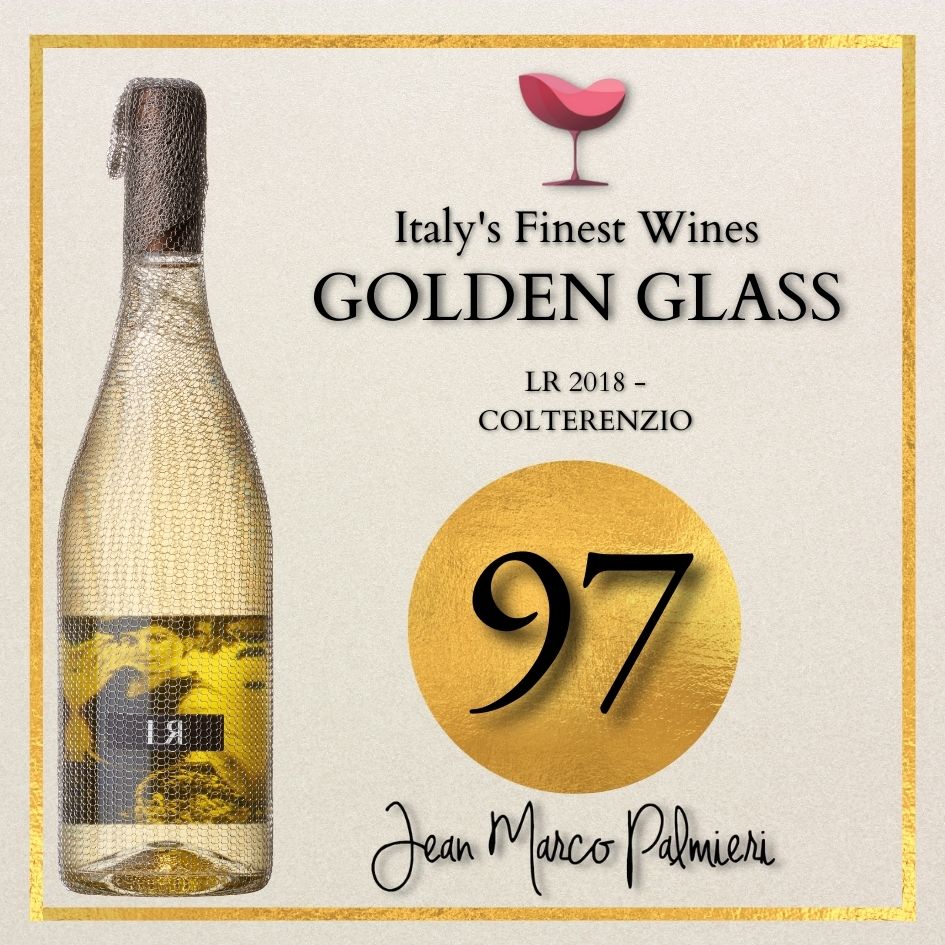
Description: Delicate and refined bouquet, articulated on notes of dandelion, ginger, yellow fruit, tomato leaf, and empyreumatic tones.
The sip explodes full and very soft, driven by a pleasant acidic trail that leaves the mouth fresh and satisfied. Long, lively, and round finish.
Territorial character and skill are the prerequisites for a wine that bets on the combination of the varietal characters of Sauvignon, Chardonnay, and Pinot Bianco. Refined, multifaceted, and presented with superlative packaging: undoubtedly to be counted among the best Italian wines.
Grapes: Chardonnay, Pinot Bianco, Sauvignon Region: Alto Adige
Chardonnay ‘Troy’ 2018 – Cantina Tramin
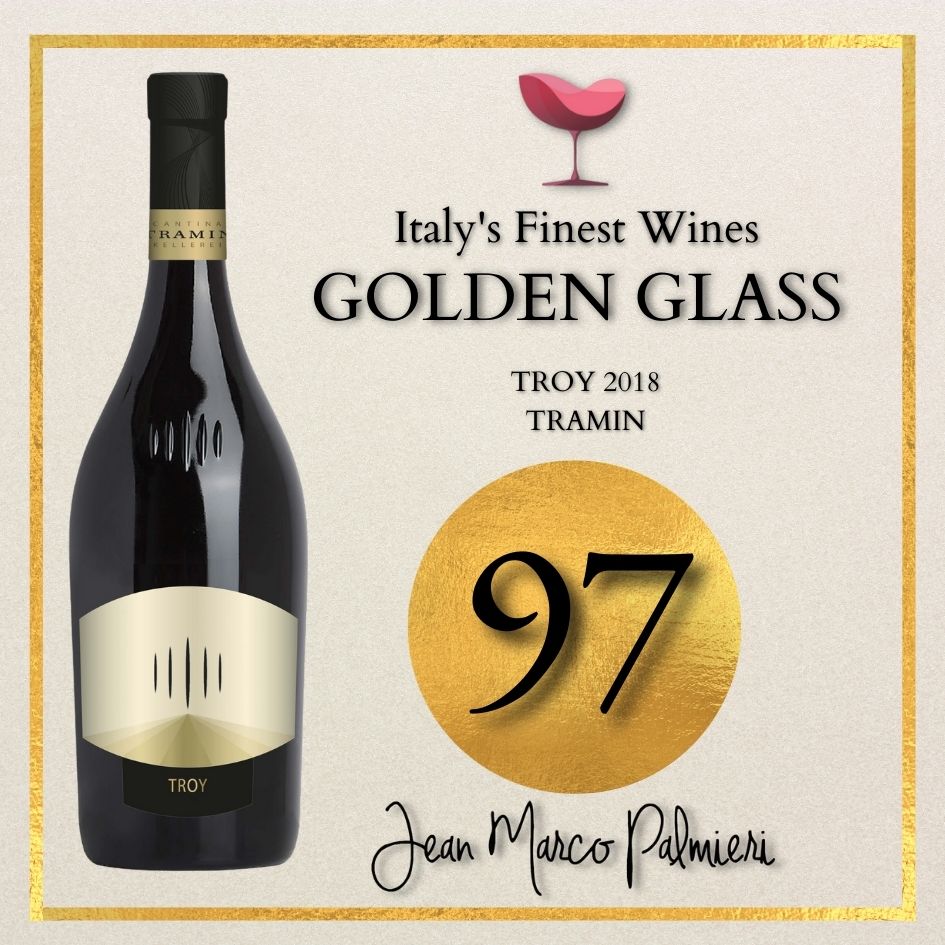
Description:
Tickles the nose with alternating intense aromas of candied fruits, orange blossoms, slate, sea salt, and pastry. The sip is voluminous, savory, well-balanced by an incisive acidity.
One of the best Italian wines for expressiveness and fruit integrity: complex, fine ieratic nose; fruity notes integrate with unpredictable shades that, with the second sip, persuade and acquire great coherence. Grape lysergic.
Grapes: Chardonnay Region: Alto Adige
Appius 2017 – San Michele Appiano
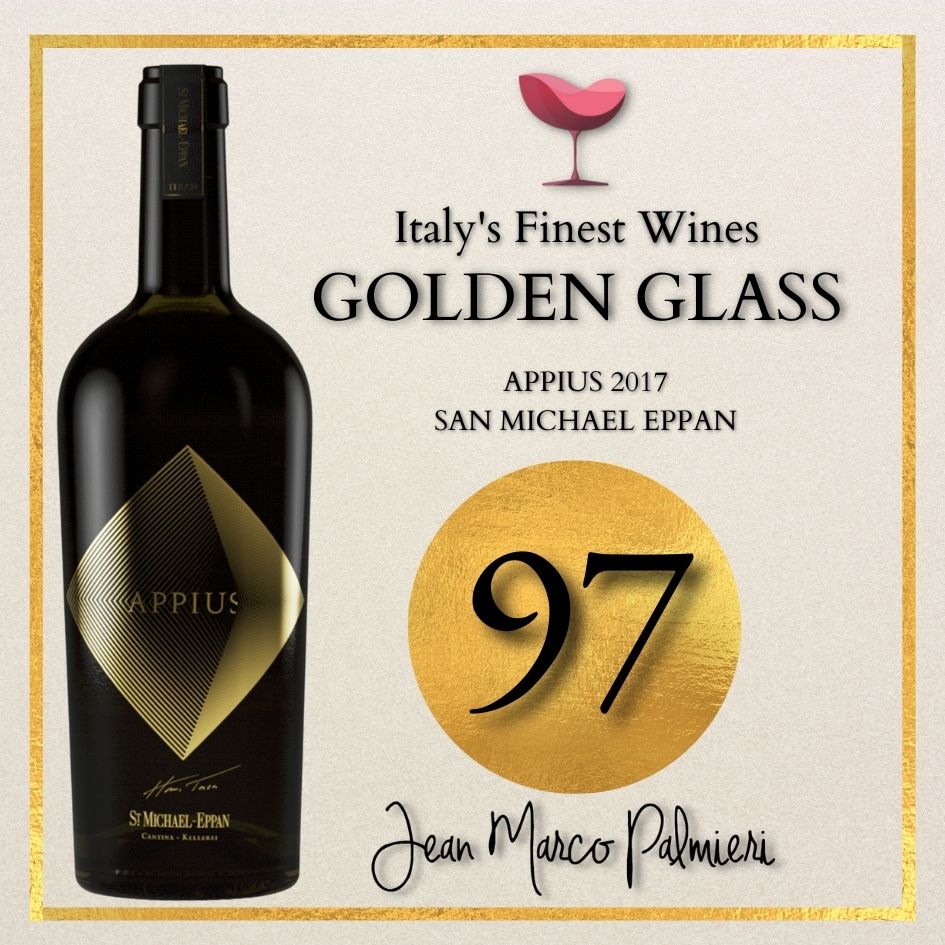
Characteristics:
In the olfactory spectrum, notes of passion fruit and mango stand out, embellished by melted butter, sweet woody notes, and nuances of hydrocarbons. The palate involves with a sensational iodized sapidity that amplifies the sip. Voluminous finish of great persistence and clarity
Certainly one of the best wines in Italy from Alto Adige for finesse: great expressiveness, envelopment, and softness.
Grapes: Chardonnay 65%, Pinot Grigio 15%, Sauvignon 12%, Pinot Bianco 8% Region: Alto Adige
Feldmaschall 2020 – Tiefenbrunner
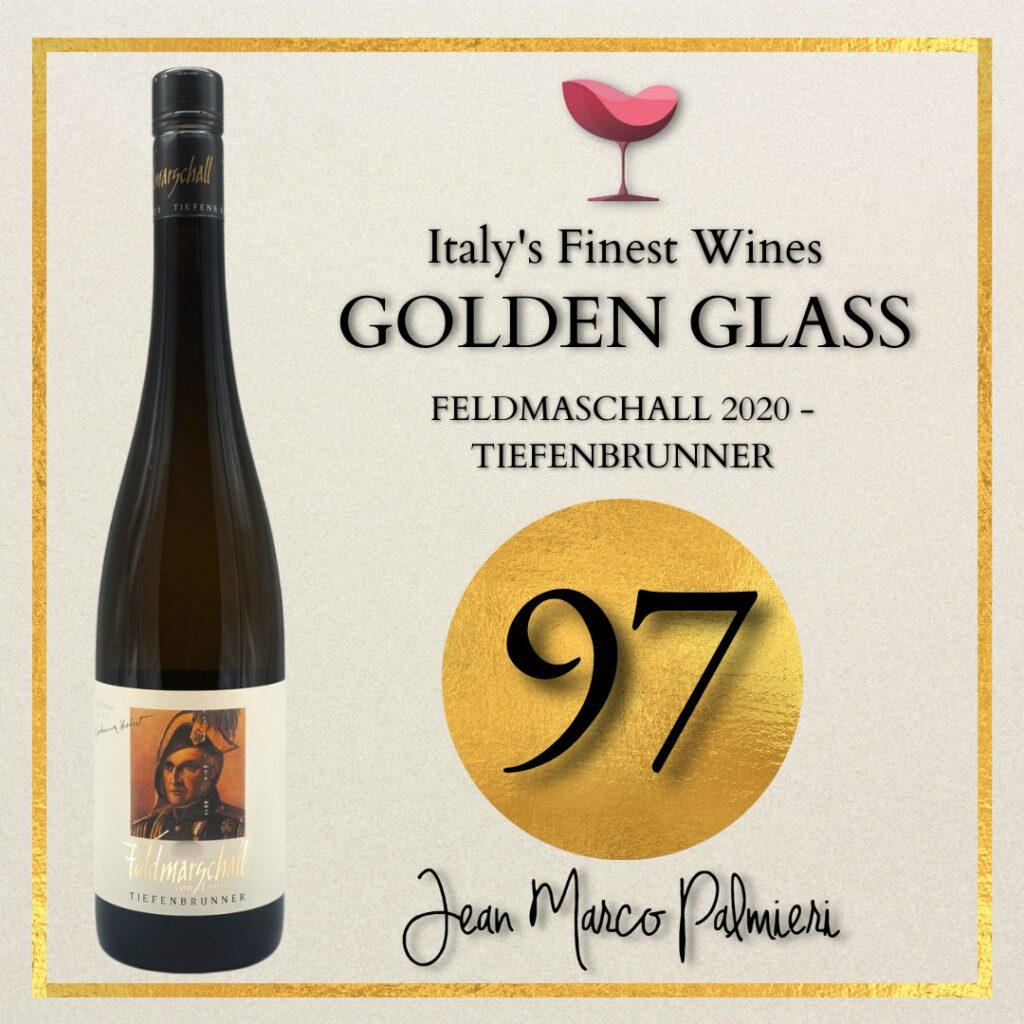
Description:
Opens in a triumph of aromatic sensations ranging from notes of pink grapefruit and honey that mingle with hints of flint and nutmeg.
The mouth is lively, punctuated by a pleasant acidic blade that makes the sip saline and snappy. A finale of sensational persistence. Obtained from vines located at over 1000 meters above sea level.
Feldmaschall is an eccentric wine, with an authentic character obtained from the Muller Thurgau grape variety. Among the best Italian wines for aging potential.
Grapes: Muller Thurgau 100%
MOSS BLANC 2020 – Santa Barbara
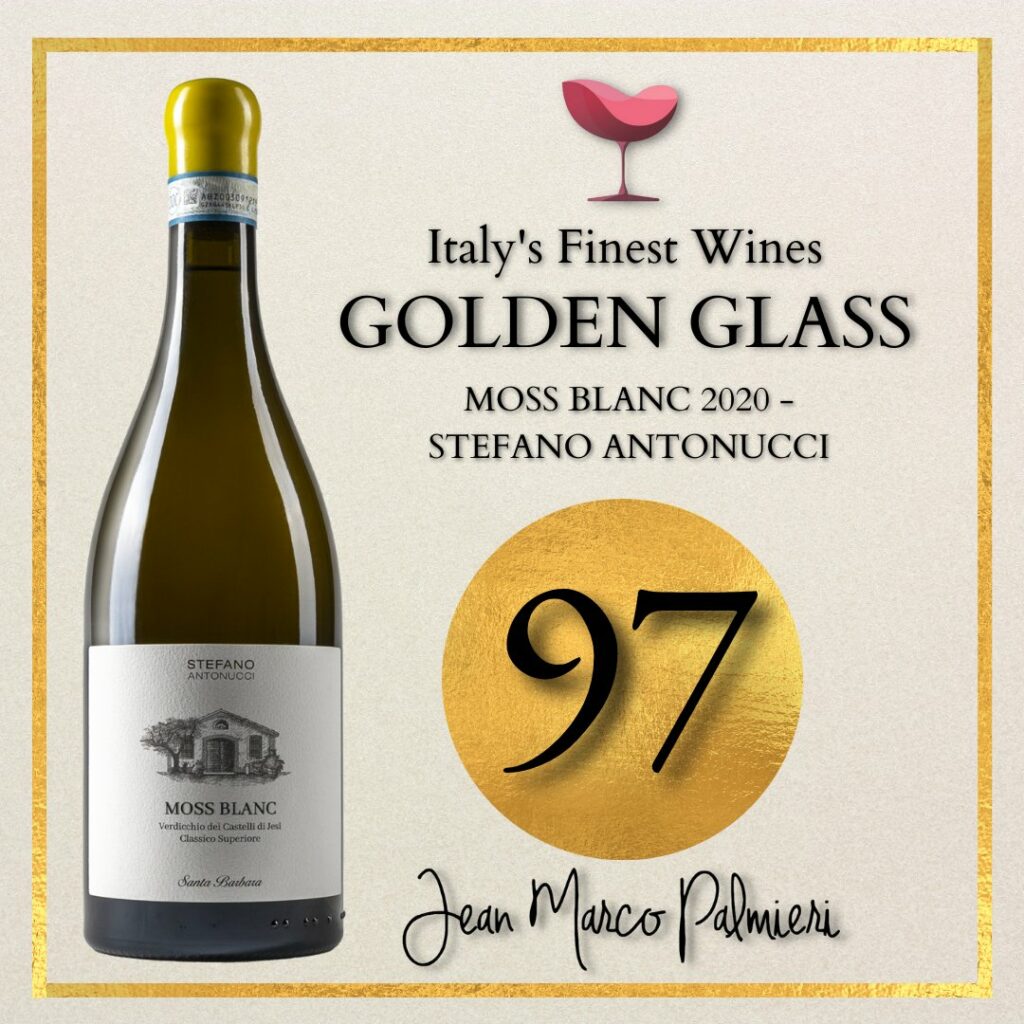
Characteristics:
Olfactory dominated by tropical yellow pulp fruit, syrupy peaches, orange blossom honey, salty nuances, and woody notes. The sip is full, glyceric, and endowed with a pleasant saline vein that synergizes with the fruit, which on the finish takes center stage.
Vinification and aging in new barriques for 18 months.
Santa Barbara’s Moss Blanc confirms itself as one of the most interesting interpretations of Verdicchio with a modern and international style. Among the best Verdicchio for taste-olfactory complexity.
Grapes: Verdicchio 100% Region: Marche
Amato 2019 – Vignamato
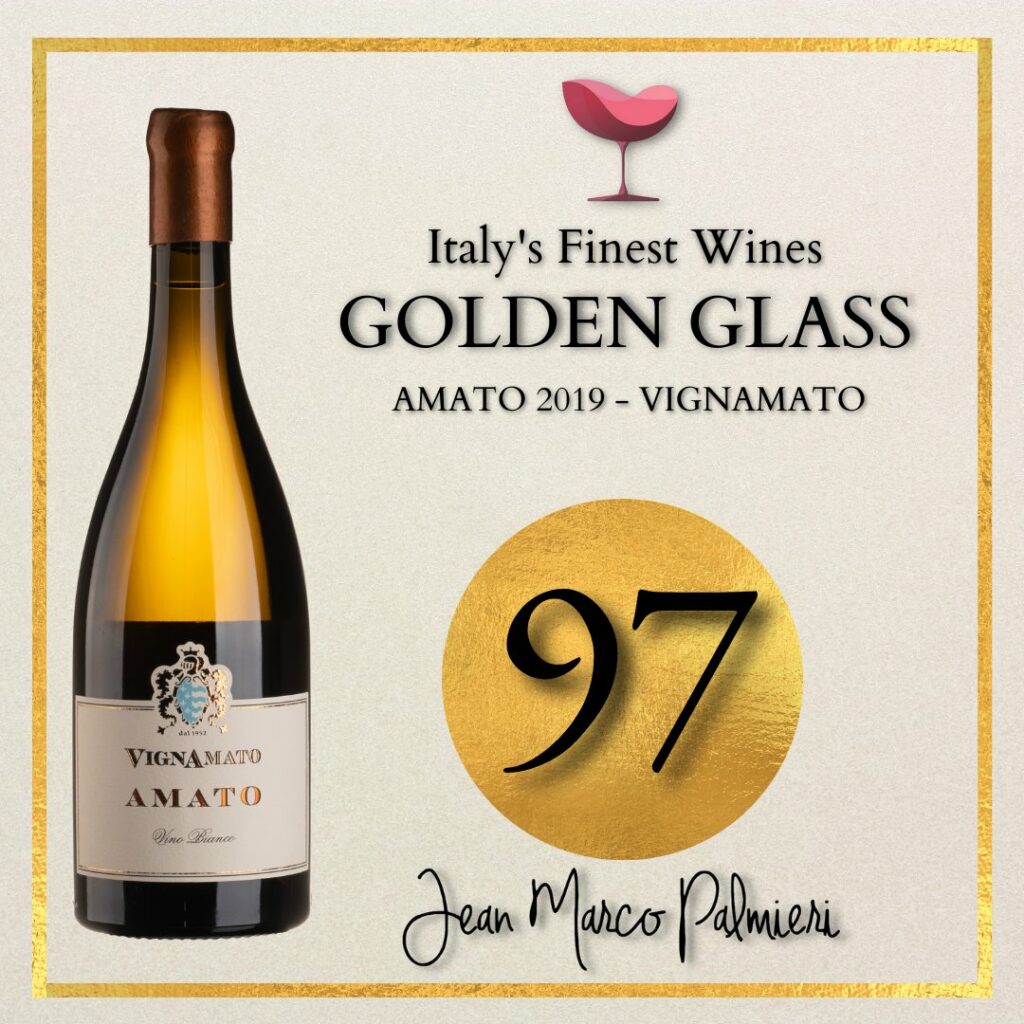
Characteristics:
Layered aromatic profile: opens with notes of medlar, fresh almond, and officinal herbs, then continues towards memories of flint and graphite.
The palate flows tense, with a well-balanced nerve acidity with the alcoholic and savory component. Well-balanced finish with a slight almond touch, of great persistence and cleanliness.
Extraordinary interpretation of the grape: seductive olfactory profile, excellent structure, and savoriness. Deservedly among the best Verdicchio wines for the ability to combine the tertiary and complex character of Verdicchio with freshness and drinkability.
ERGO SUM 2017 – Mirizzi
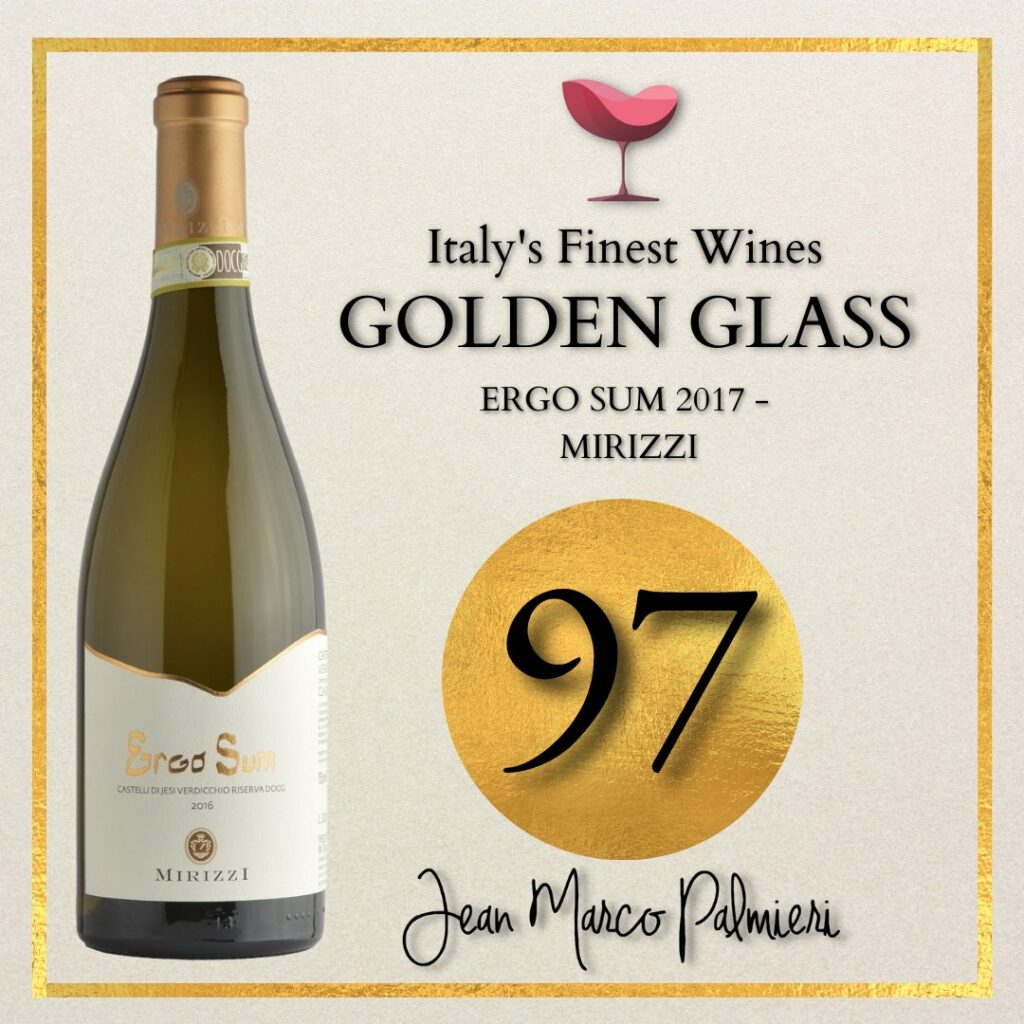
Characteristics:
Interesting aromatic spectrum ranging from intense notes of saffron, Dijon mustard, followed by hints of tar, melted butter, and viennoiserie.
The palate is voluminous, fresh, and endowed with a well-defined iodized note that amplifies the sip, with an almond finish.
Slow fermentation at controlled temperature, refinement for 12 months in concrete in the Nomblot* egg (where it ferments and remains in contact with the fine lees, with weekly batonnages) and another 48 months in the bottle before being marketed. A conical truncated tank in concrete obtained with a single casting, pure, without the addition of chemical aids.
Mirizzi’s Ergo Sum is to be counted among the best Verdicchio for intensity and persistence.
Pinot Bianco Riserva ‘Five Years’ 2015 – Cantina Merano
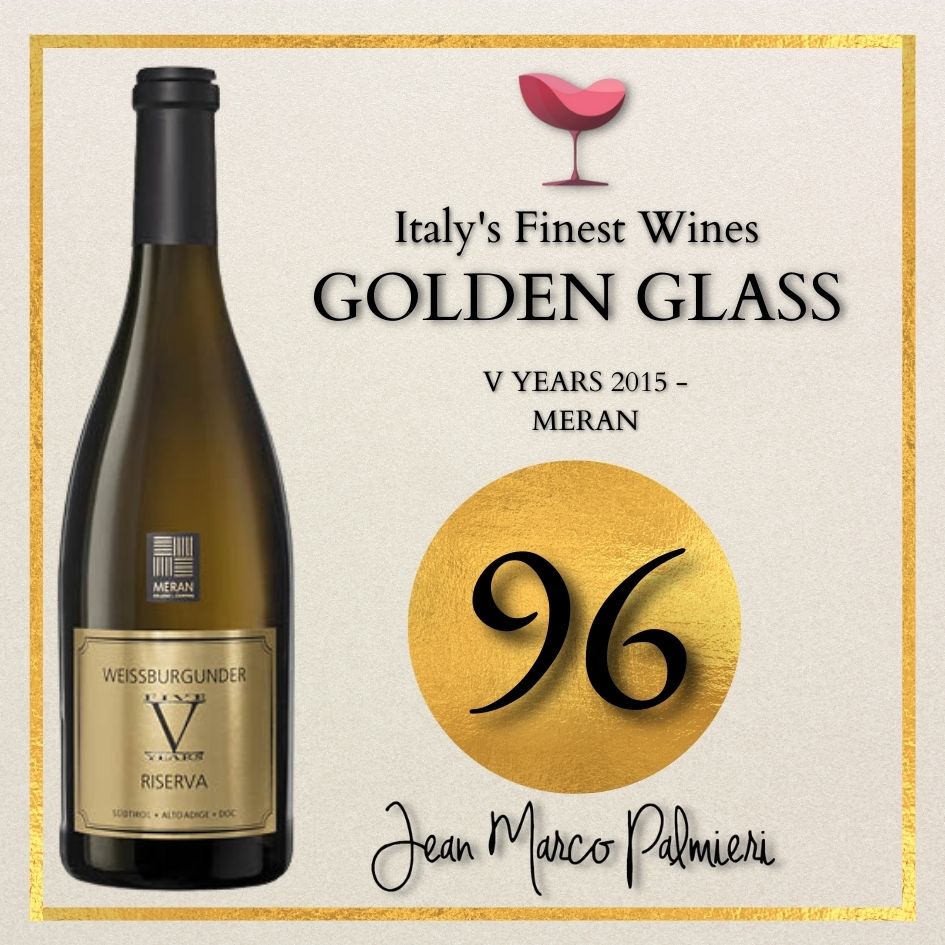
Olfactory: Intense, broad, and fresh with successive floral notes turning to fragrant white peach and grapefruit, smoky notes, and sweet hints of vanilla and melted butter. The palate is rich and silky with great softness and freshness enhanced by a light iodized mineral note that gives volume and character in the mouth. Elegant, enveloping, and full finish, of long persistence with delicate returns to fruit and spices.
A seductive nose of great eloquence and finesse, which unfolds on the palate as rich, soft, voluminous, and with sensational persistence. Virtuous interpretation of Pinot Bianco, interesting aging potential. Fully among the best Italian wines.
Grapes: Pinot Bianco 100% Region: Alto Adige
Vigna del Convento di Capestrano 2018 – Valle Reale
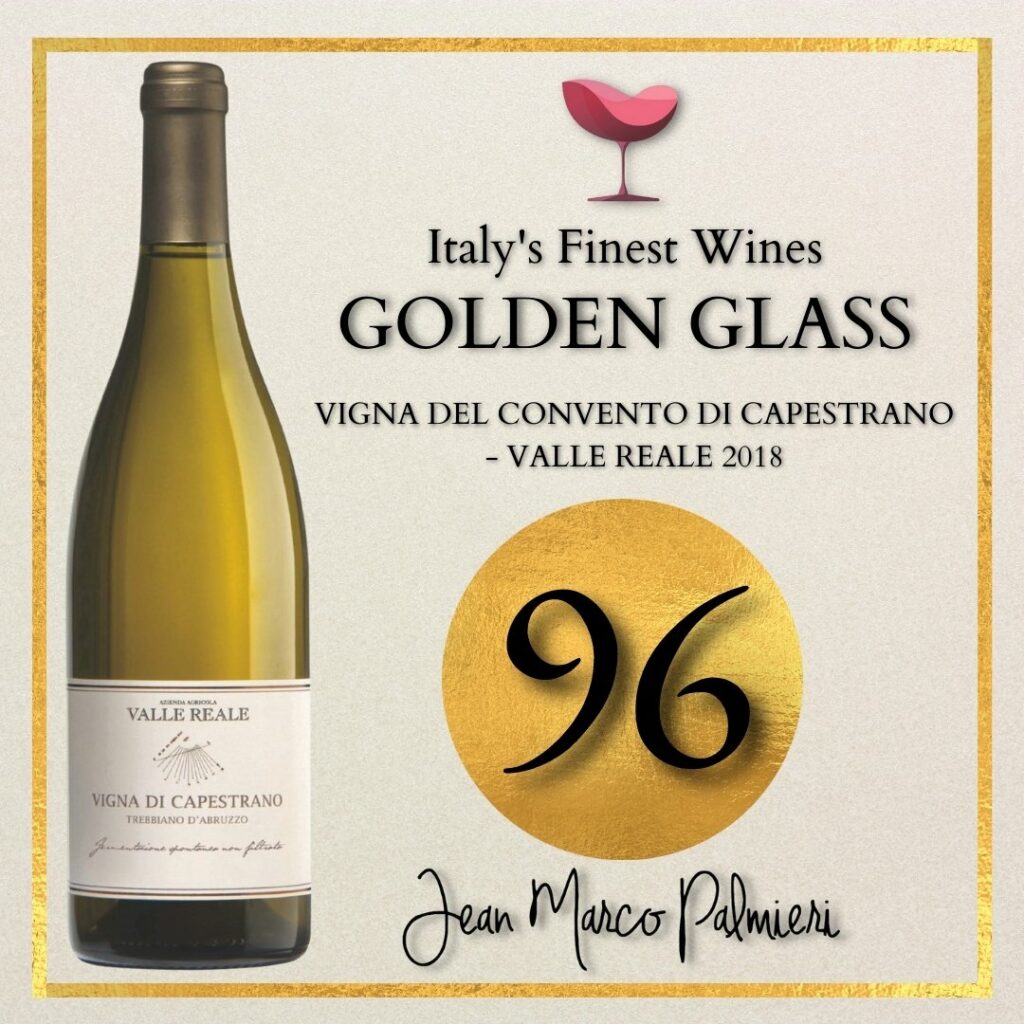
Description: Opens captivatingly with notes of ripe yellow pulp fruit and orange zest and floral notes of hawthorn and sea salt. In the mouth, it is expansive and taut with good acidic support that leaves room for a persistent and savory finish of great cleanliness and sapidity. From vines at 350-400 meters above sea level, cultivated with organic and biodynamic methods. Alcoholic fermentation in steel with indigenous yeasts. Unfiltered and 18 months of refinement on fine lees in steel. A suggestive and imaginative Trebbiano d’Abruzzo, of great freshness and length. Fully deserved among the best Abruzzo wines.
Region: Abruzzo
Terre Alte 2018 – Livio Felluga
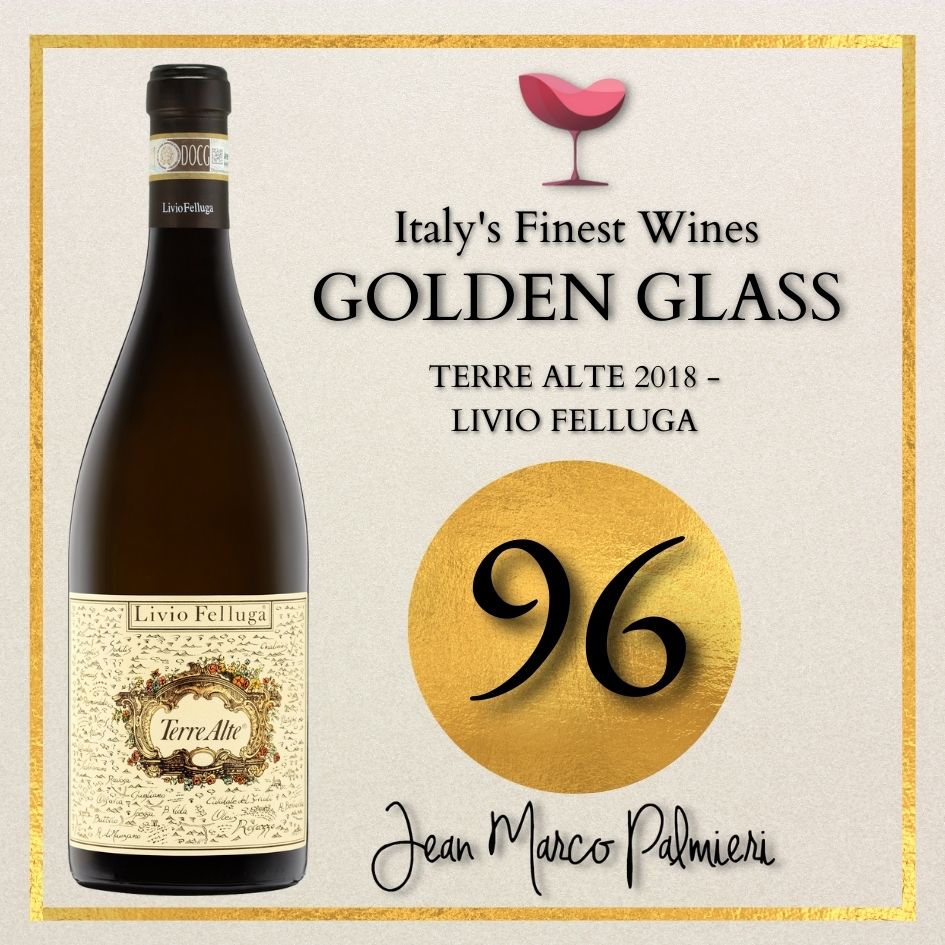
Characteristics: Fresh and fragrant olfactory fan, with delicate floral and citrus nuances merging with hints of tomato leaf, orange blossom, and Dijon mustard. In the mouth, it is extraordinarily voluminous with a persistent finish of good cleanliness that confirms the olfactory perception.
An elegant wine capable of maximizing the territorial expression of Friuli through the blend of Sauvignon, Pinot Bianco, and Friulano. Fully deserving among the best wines in Italy.
Grapes: Sauvignon 40%, Pinot Bianco 30%, Friulano 30%
Region: Friuli
‘Cantico della Figura’ Verdicchio dei Castelli di Jesi Classico Riserva 2019 – Andrea Felici
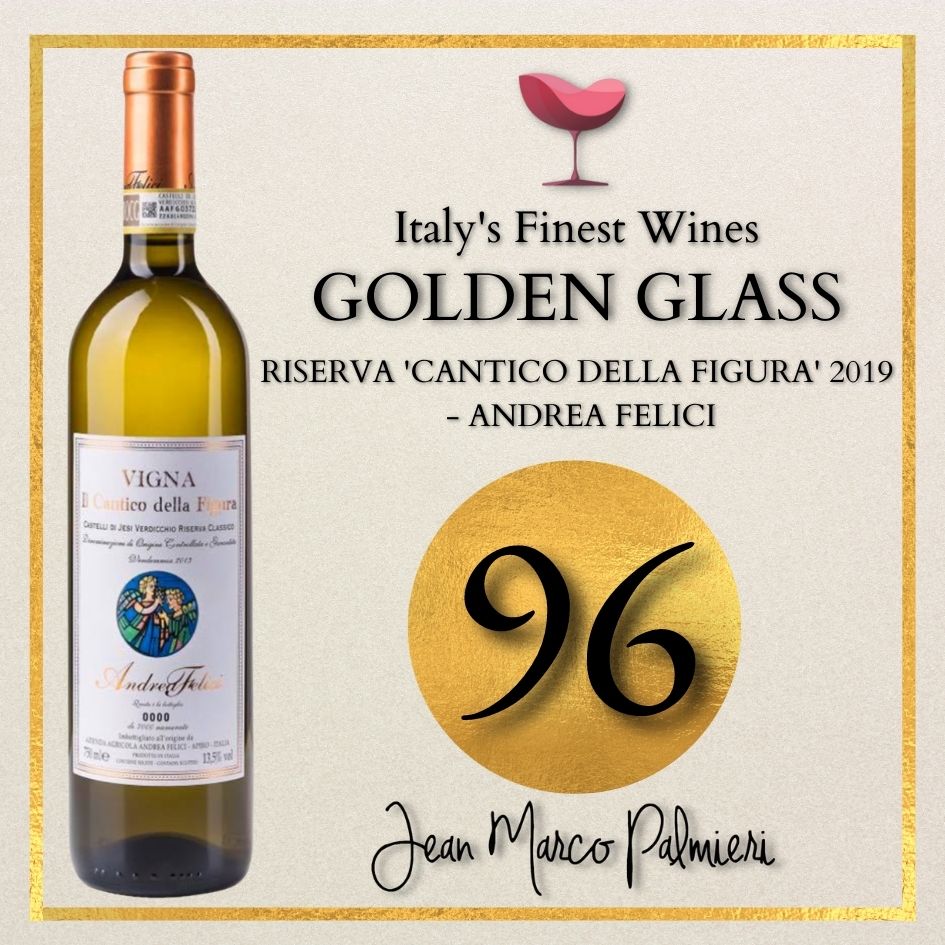
Characteristics:
Wide and varied nose, articulated on wild herbs, broom, peach, and grapefruit, embellished with pastry notes and smoky hints. The palate flows dense and sinuous, with a granular sapid acidity that leaves the mouth very fresh and satisfied. Great persistence with continuous fruity returns.
A glyceric and at the same time very fresh wine, full-bodied and briny. A reference point for Marche viticulture, Cantico della Figura is a unique wine, fully among the best Italian wines.
Grapes: Verdicchio 100%
Region: Marche
Derthona Costa del Vento 2017 – Vigneti Massa
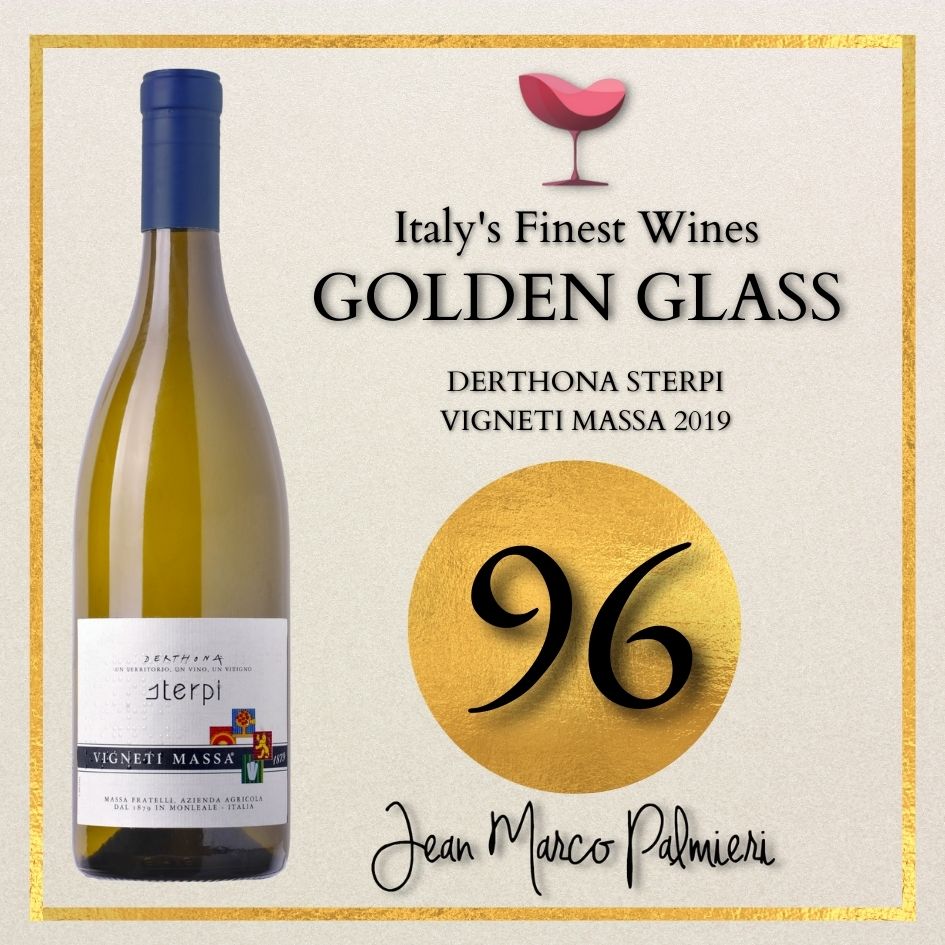
Characteristics:
The olfactory profile initially plays on floral notes of orange blossom, accompanied by tropical fruit registers, enriched by more enigmatic hints of officinal herbs, hydrocarbons, and viennoiserie. The palate is characterized by an incisive nerve acidity and an enduring persistence with echoes where the fruit resonates as the protagonist.
One of the best Italian wines for whimsical elegance: the alternated note of iodized sapidity and acidity creates a very convincing dialectic.
Grapes: Timorasso 100%
Region: Piedmont
Cesani – Vernaccia San Gimignano ‘Sanice’ Riserva 2019
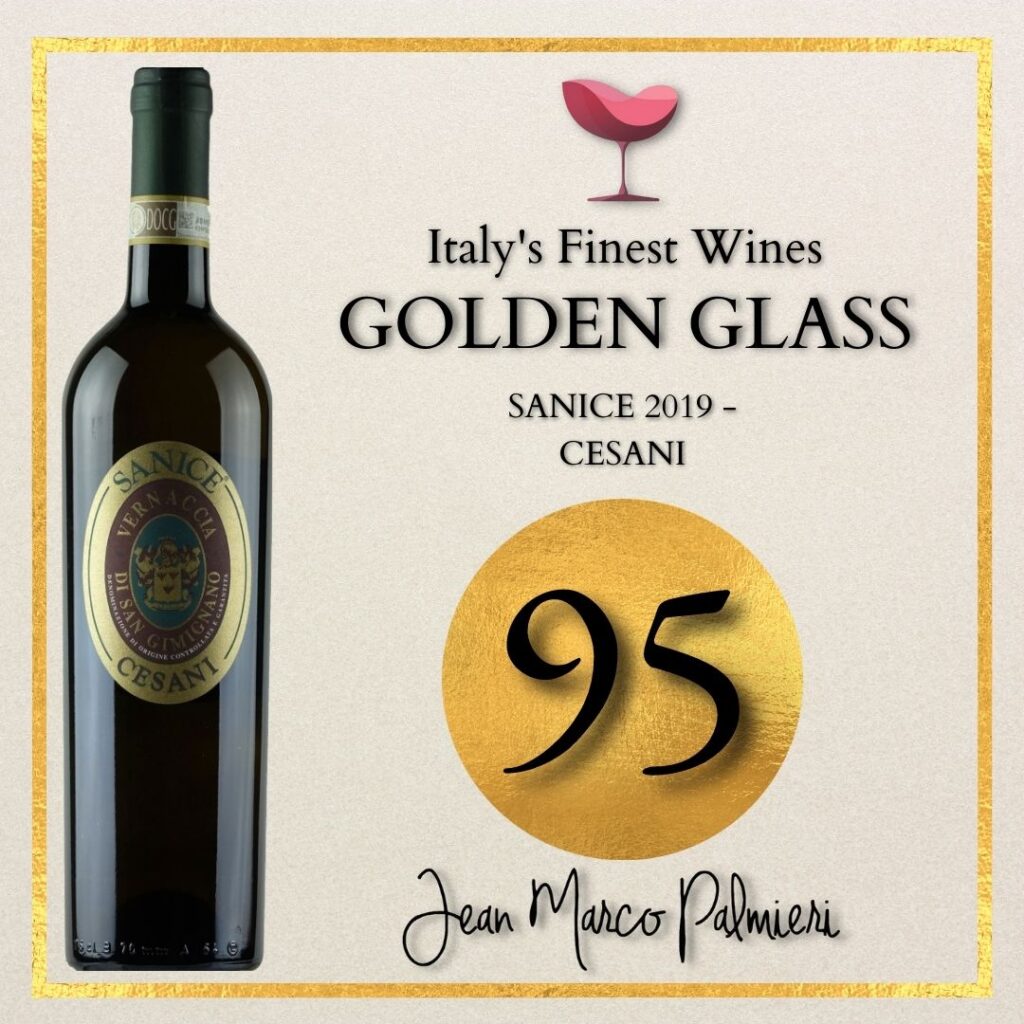
Characteristics:
It opens with suggestions of broom, yellow pulp tropical fruits, wild fennel, and incipient peaty suggestions. The sip is voluminous, with a granular iodized saline presence.
One of the best and most sincere interpretations of Vernaccia di San Gimignano, great identity and territorial character.
Fully deserving among the best Vernaccia di San Gimignano for the transparency of the varietal identity of Vernaccia, which emerges sincerely without makeup. Organic wine.
Region: Tuscany
Sauvignon ‘Ronco delle Mele’ 2019 – Venica
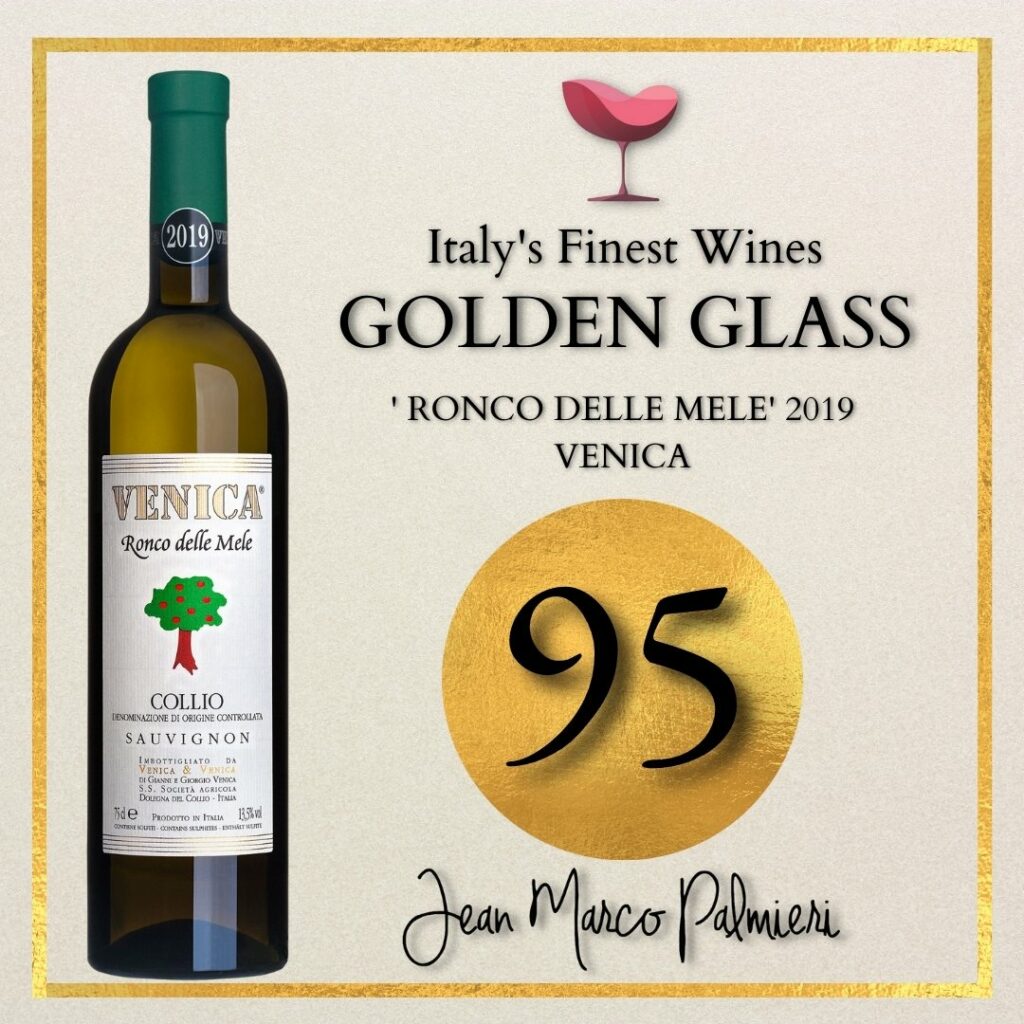
Description:
Varietal notes of alpine flora, white peach, and elderflower merge with fragrant croissant and hints of sea salt. In the mouth, it is harmonious, vibrant, and of excellent sapidity and length.
Venica’s Ronco delle Mele captivates with extraordinary balance and maximization of the varietal character of Sauvignon Blanc. A virtuous interpretation fully among the best Italian white wines from Friuli Venezia Giulia.
Grapes: Sauvignon Blanc 100%
Area: Collio
Soave Classico Colle Sant’Antonio 2016 – Prà
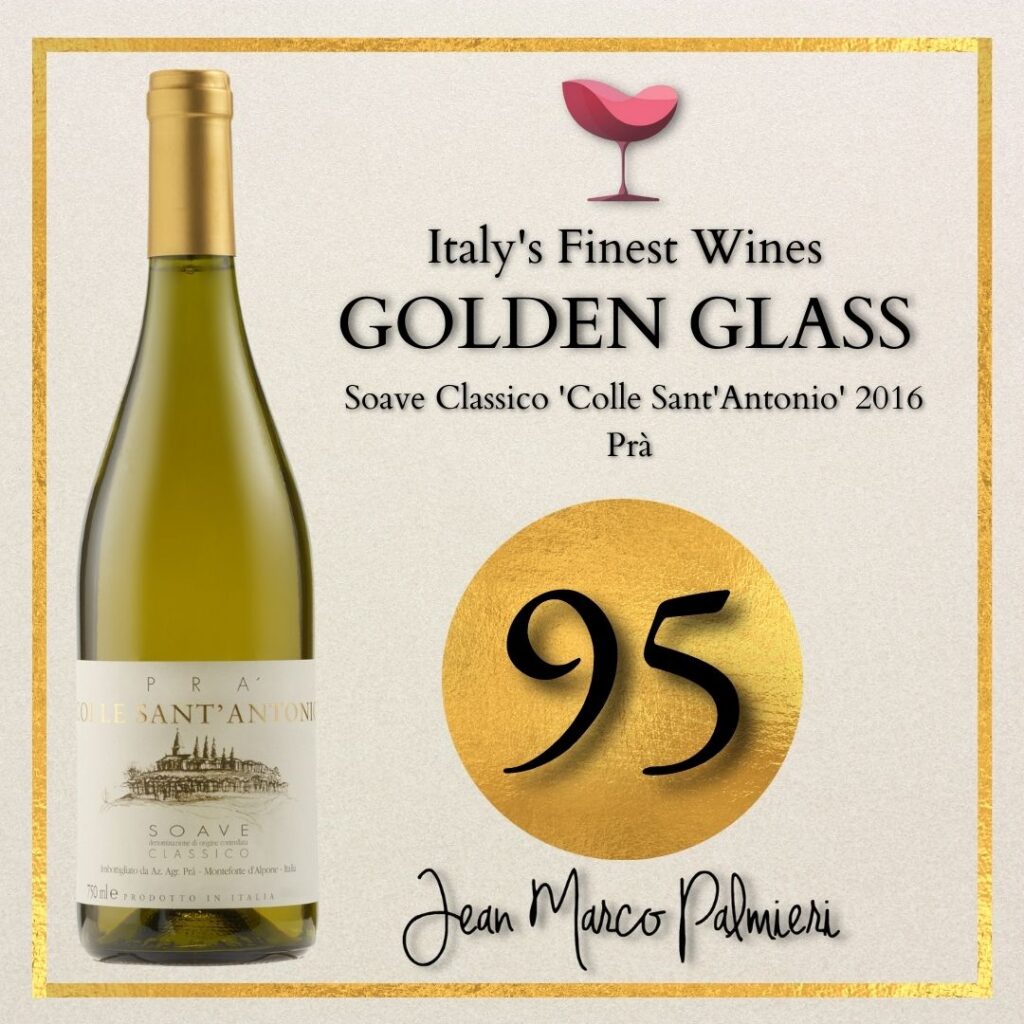
Description:
Opens in a triumph of aromatic sensations ranging from notes of pineapple and white melon that blend with hints of Mediterranean scrub and melted butter.
The mouth is lively, punctuated by a pleasant acidic blade that makes the sip saline and snappy. Finale of sensational persistence.
Prà’s Soave Classico Colle Sant’Antonio, an eccentric wine with an authentic character obtained from the native Garganega grape variety. Among the best Soave wines for its nuanced, delicate, and refined aromas.
Grapes: Garganega 100%
Soave Classico ‘La Rocca’ 2018 – Pieropan
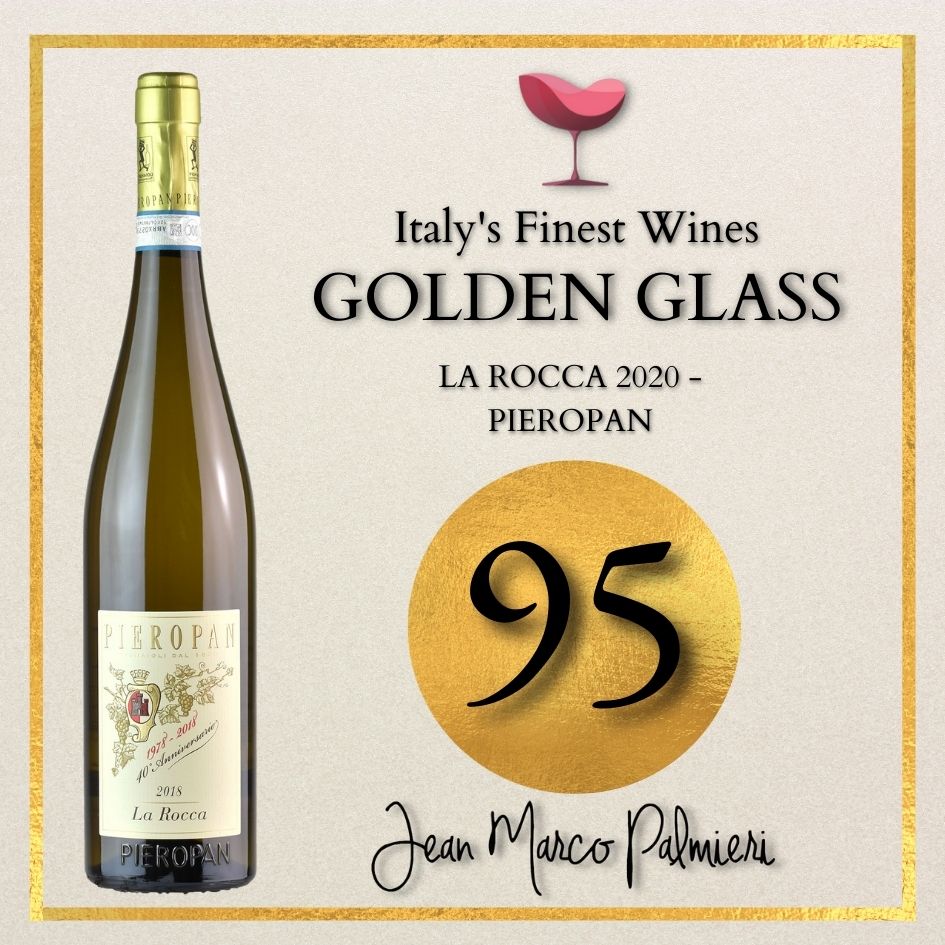
Characteristics:
Decisive notes of quince and Verona peach, viennoiserie, and sage emerge on the nose.
The sip is silky, full, and soft, supported by a beautiful acidity that extends towards an enduring persistence and continuous fruity and sweet spice echoes.
One of the most virtuous elegant interpretations of Soave. Fully deserving among the best Italian wines for the masterful valorization of the potential of Garganega.
Grapes: Garganega 100%
Region: Veneto
‘Tardivo ma non Tardo’ Verdicchio dei Castelli di Jesi Classico 2018 – Santa Barbara
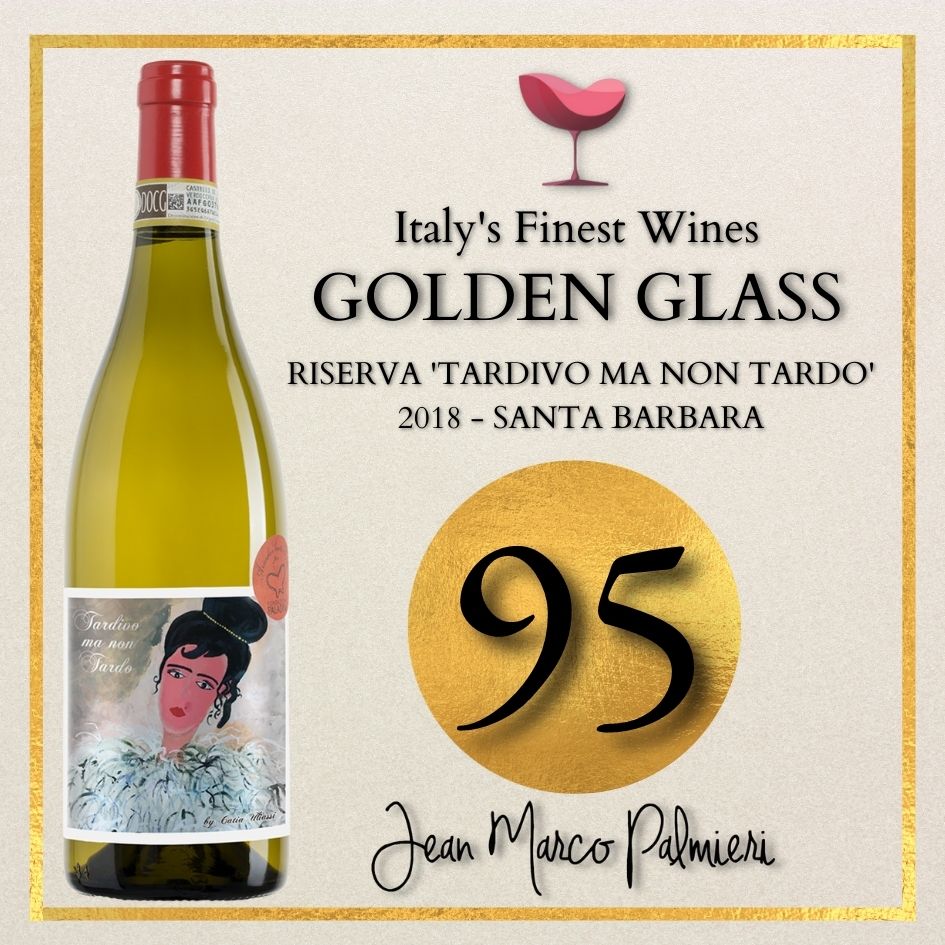
Characteristics:
The nose is entirely played on tropical yellow pulp fruit, candied peaches, orange blossom honey, dehydrated dates, and toasted almonds. The sip is full and juicy, with a very pleasant saline vein that synergizes with the fruit, which becomes the protagonist on the finish.
Produced with overripe grapes, Tardivo ma non Tardo is a savory and full-bodied wine, well-structured but exceptionally drinkable, highly praised by the wine critics across the Italian peninsula. The Santa Barbara winery, among the most important in the Marche region, adheres to a non-profit organization dedicated to research on neurovascular diseases, donating part of the proceeds: one more reason to be seduced by one of the best wines in Italy.
Grapes: Verdicchio 100%
Region: Marche
Fiorano Bianco 2017 – Tenuta di Fiorano
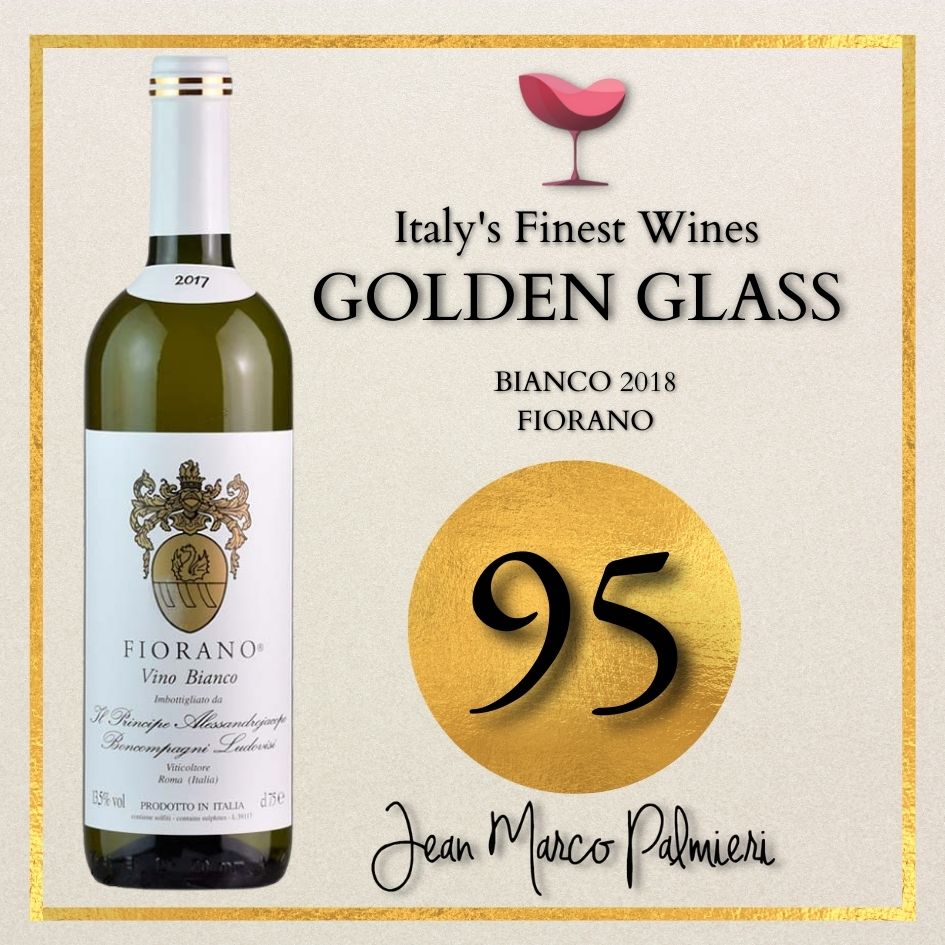
Characteristics:
Layered aromatic profile: opens with notes of syrupy peach, orange blossom, and then continues towards wild caper and Mediterranean scrub tones. The palate flows voluminous, fresh, and sapid. Well-balanced finish, of excellent persistence and cleanliness with references to fruity-floral notes. Fermentation with indigenous yeasts in 10-hectoliter oak barrels and matured “sur lies.”
Icon of Lazio viticulture: An expansive and eloquent wine. Undoubtedly among the best Italian wines for taste-olfactory complexity and territorial character. A undisputed witness to the sensational oenological potential of Lazio.
Grapes: Grechetto and Viognier
Region: Lazio
Santigaini 2016 – Capichera
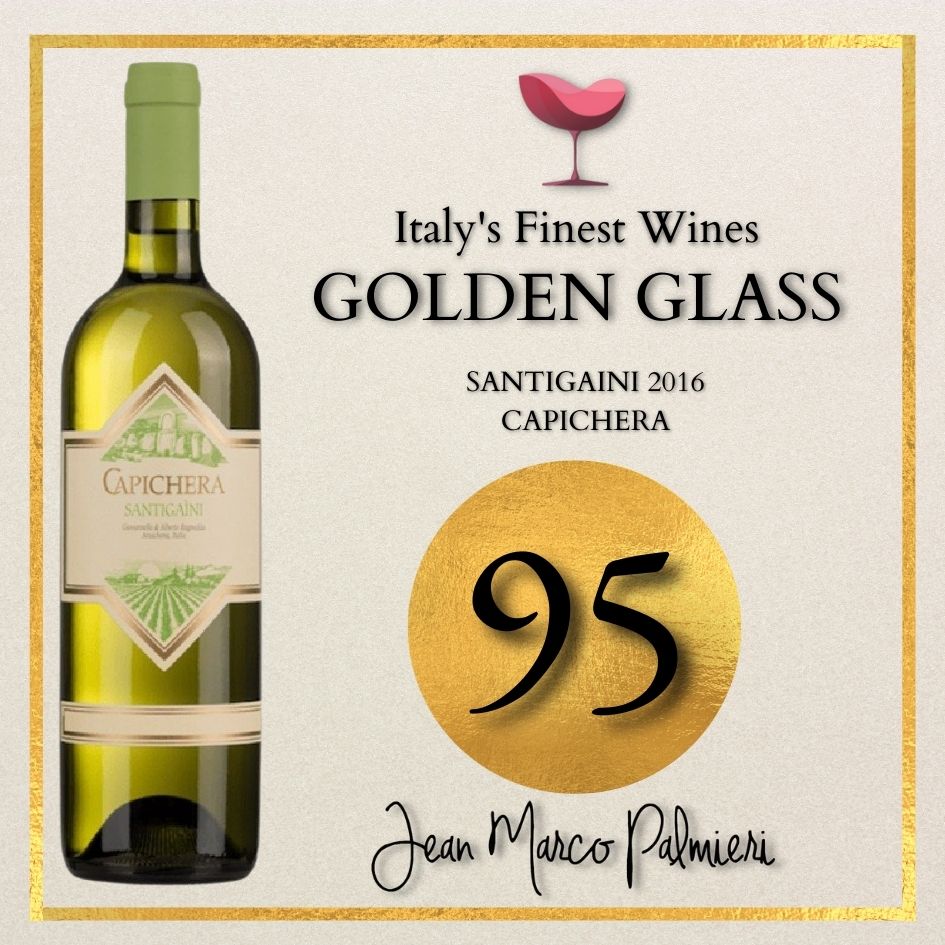
Characteristics:
Tangerine, grapefruit, broom, and acacia honey extend towards notes of aromatic herbs, lavender, and sea salt. The palate is dense and full-bodied, with an intriguing acidic blade that fades into an enduring saline trail of good persistence, with continuous balsamic returns.
One of the most interesting wineries in Sardinia gives us a sui generis Vermentino, fresh and inviting, of great recognizability. A peacock’s tail wine, fully deserving among the best Italian wines for complexity, elegance, and character.
Grapes: Vermentino 100%
Region: Sardinia
BEST WINES OF ITALY
(Sparkling Wines Section)
Franciacorta Cuvée Annamaria Clementi 2014 – Ca’ del Bosco
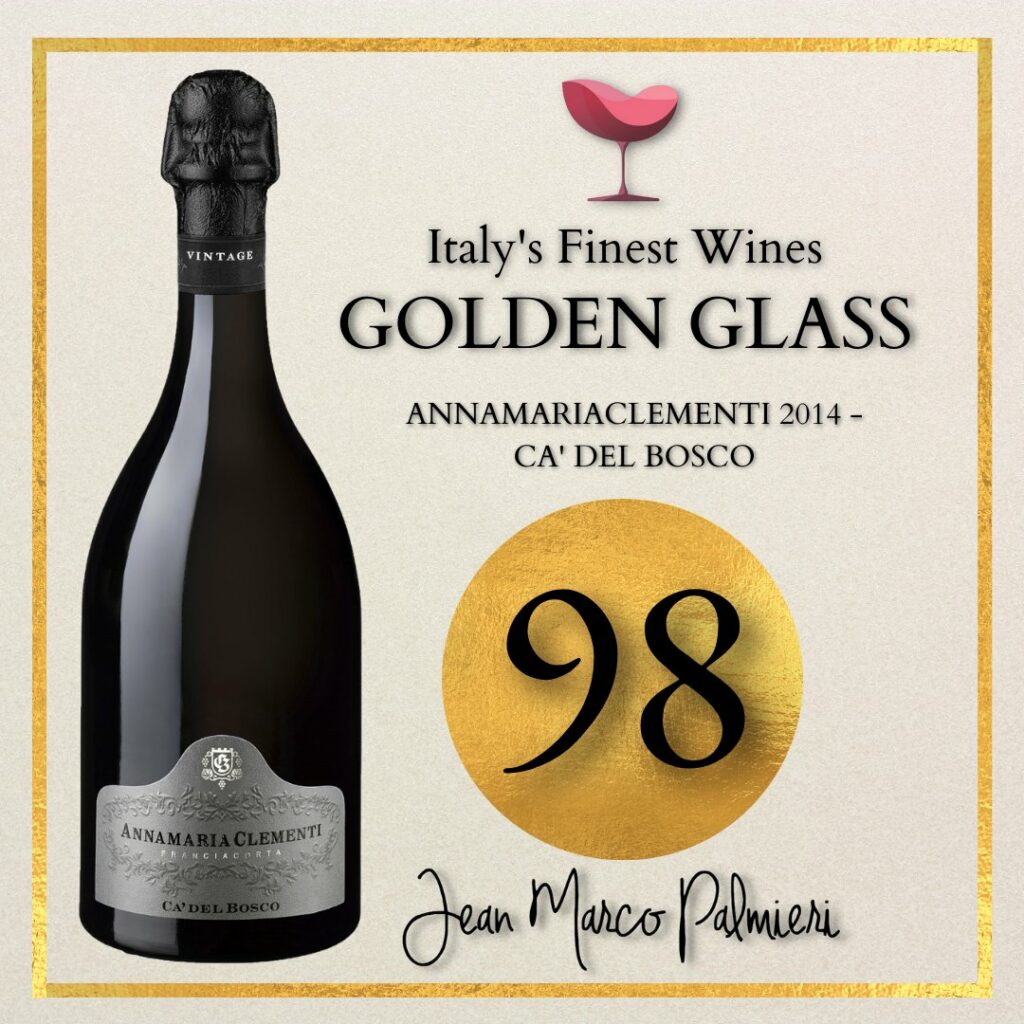
Description: Notes of orange blossom, broom, and candied fruit extend towards hints of melted butter, viennoiserie, and sea salt. On the palate, it is dense and full-bodied, with an intriguing acidic component that provides freshness and fades into a saline trail of good persistence, with continuous fruity-floral aromatic returns.
Fermented in small oak barrels, with a 6-month rest and malolactic fermentation. Refermentation in the bottle according to the Classic Method and aged for 8 years and 5 months on the lees.
One of the most iconic wineries in Franciacorta gives us a wine of rare elegance, complexity, expressiveness, and great recognizability.
Fully deserving among the best Italian classic method wines. Its history is indissolubly linked to Annamaria Clementi Zanella, to whom the name of the Cuvée is dedicated, and her son Maurizio, assisted first by the historic winemaker André Dubois and since the 90s by his virtuoso successor Stefano Capelli.
Region: Lombardy (Franciacorta)
Franciacorta Brut ‘Cabochon’ 2014 – Monte Rossa
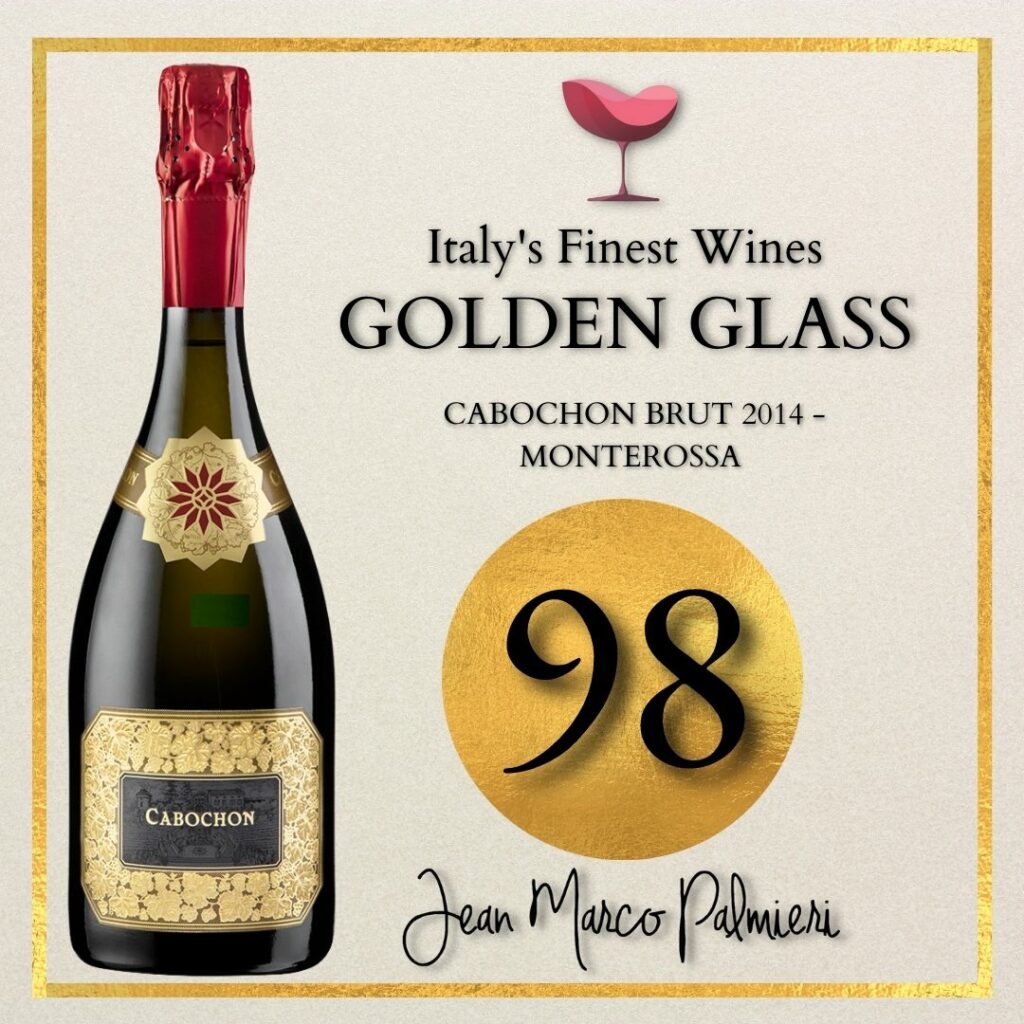
Description: Opens gracefully with notes of elderberry, hawthorn, and yellow peach, progressing towards tones of bread crust and melted butter.
On the palate, the effervescence is extraordinarily creamy and material, embellished with a nerve acidity that gives length and freshness. Alcoholic fermentation in 250-liter oak barrels and second fermentation in the bottle. Aged for 54 months on the lees.
From the historic Monte Rossa winery, Cabochon Brut is a virtuous interpretation of Franciacorta with a pleasant iodized sapidity and extraordinary persistence. Without a doubt, among the best Italian sparkling wines.
Region: Lombardy (Franciacorta)
Pas Dosé ‘Bagnadore’ 2014 – Barone Pizzini
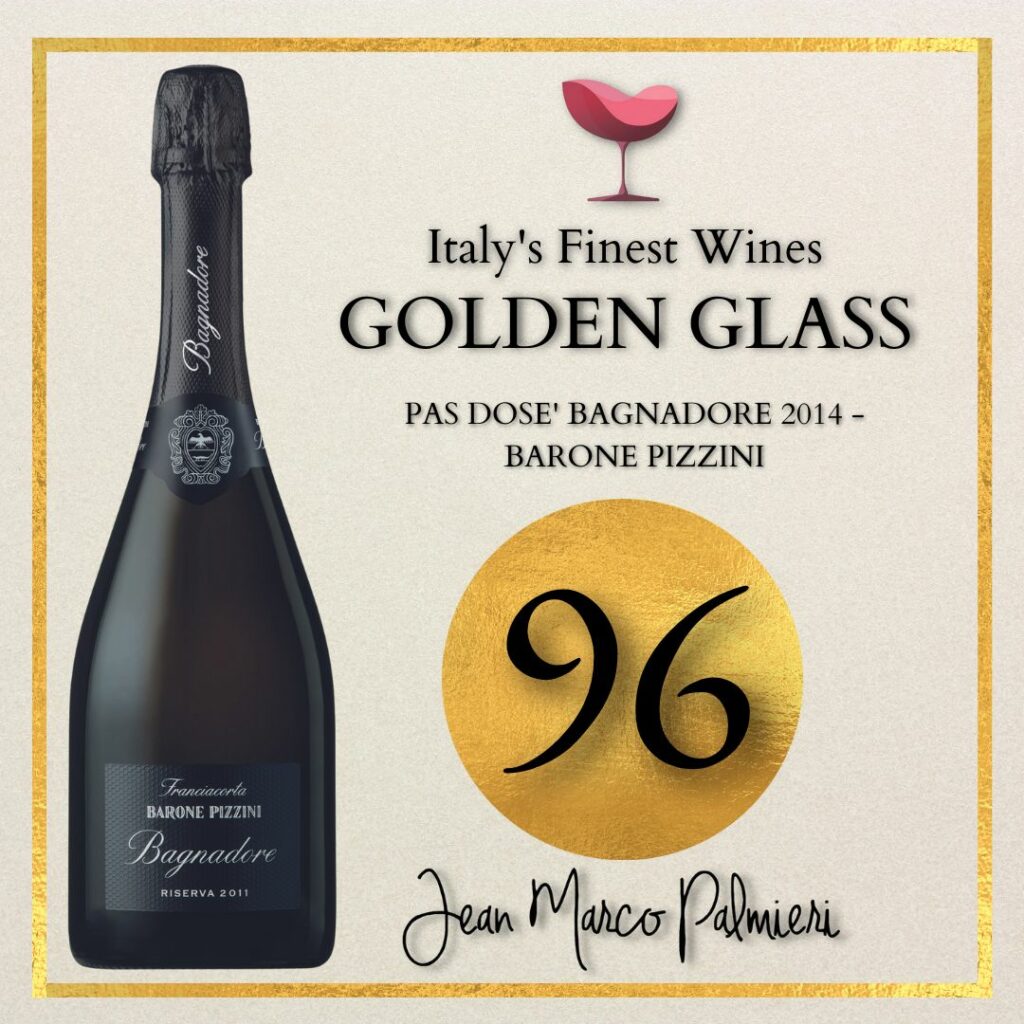
Characteristics:
Fresh and fragrant olfactory fan, with delicate floral and citrus nuances merging with notes of red currant, Dijon mustard, and bread crust.
In the mouth, it is extraordinarily voluminous with a persistently fine-textured perlage and great incisive acidity.
Soft pressing, steel fermentation, maturation for 6 months in barriques and another 6 in steel tanks, then refermentation in the bottle according to the Classic Method. Aging for at least 60 months on the lees.
An elegant wine capable of maximizing the territorial expression of Franciacorta. Fully deserving among the best for complexity, persistence, and balance.
Region: Lombardy (Franciacorta)
‘Farfalla Cave Privée’ Extra Brut 2015 – Ballabio
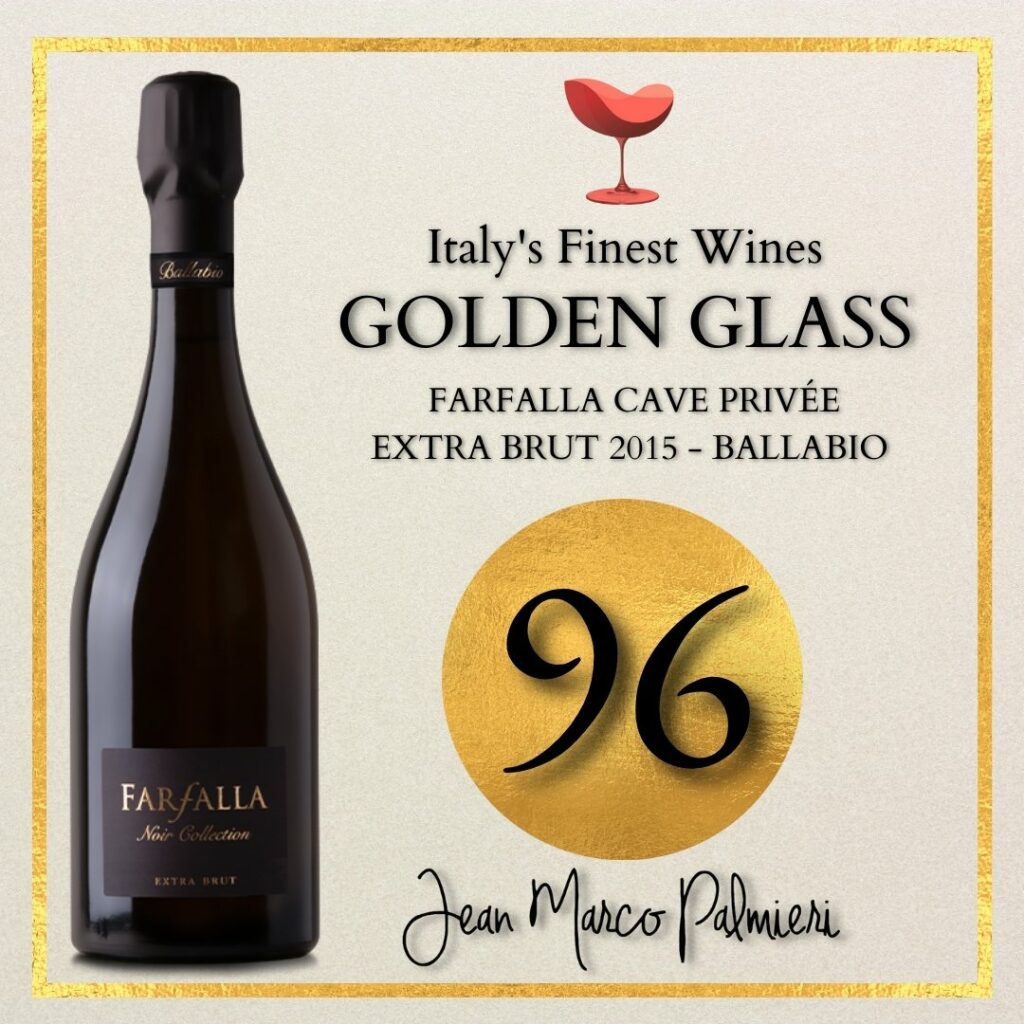
Characteristics: Delicate notes of pain aux raisin, candied orange peel, melted butter, and floral underlines. The mouth is voluminous and sapid, with a finely rhythmic perlage that gives the sip a broad enveloping sensation. A finale of great persistence. Aged on the lees for 8 years.
The historic winery of Oltrepò Pavese proposes a zero dosage of rare elegance and extraordinary olfactory eloquence. Among the best wines of Oltrepò Pavese for intensity of taste and olfactory, and the finesse of the perlage.
Grapes: Pinot Nero 100%
Franciacorta Dosaggio Zero Gualberto 2014 – Ricci Curbastro
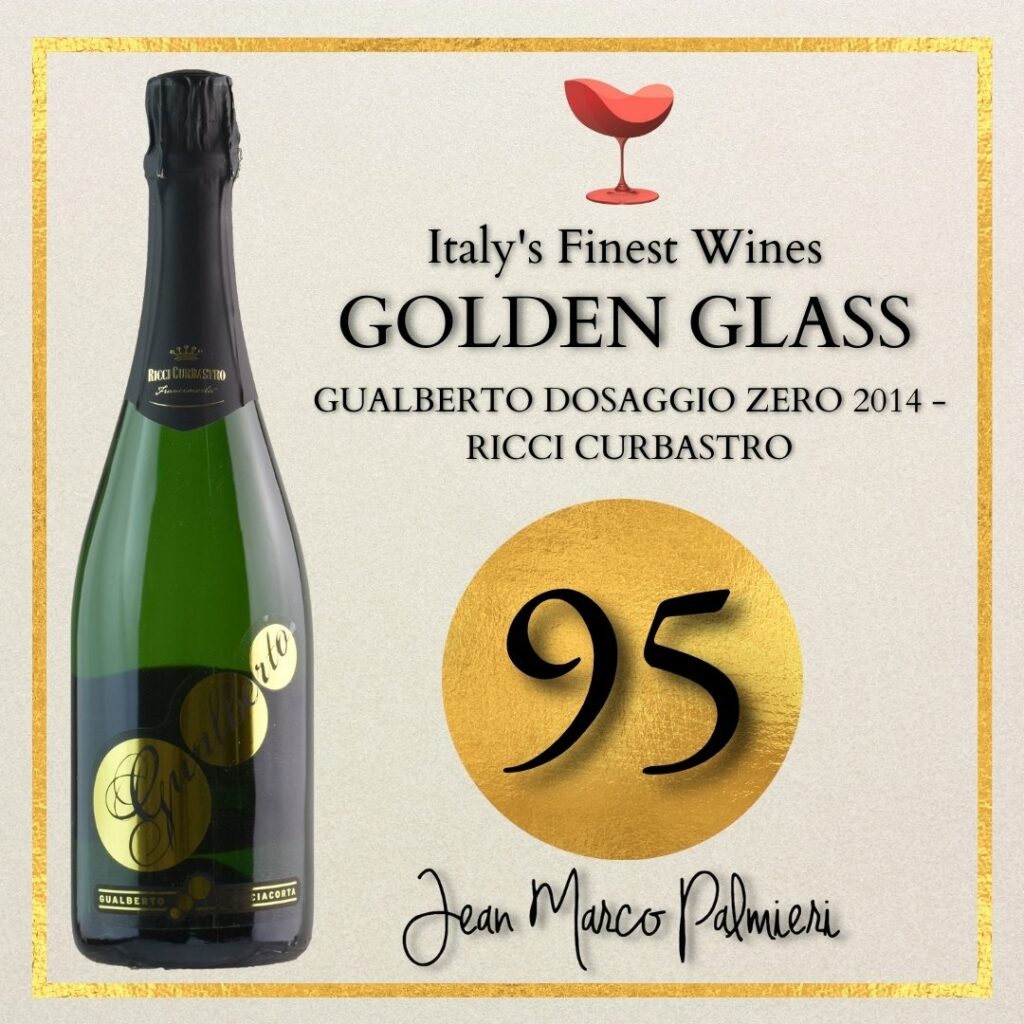
Description: Opens gracefully with notes of elderberry, hawthorn, and yellow peach, progressing towards tones of bread crust and melted butter.
On the palate, the effervescence is extraordinarily creamy and material, embellished with a nerve acidity that gives length and freshness.
From the historic Ricci Curbastro winery, Gualberto is a virtuous interpretation of Franciacorta with a pleasant iodized sapidity and extraordinary persistence. Without a doubt, among the best Franciacorta.
Grapes: Pinot Nero 60-70%, Chardonnay 30-40%
Blancs de Blancs Extra Brut – Monsupello
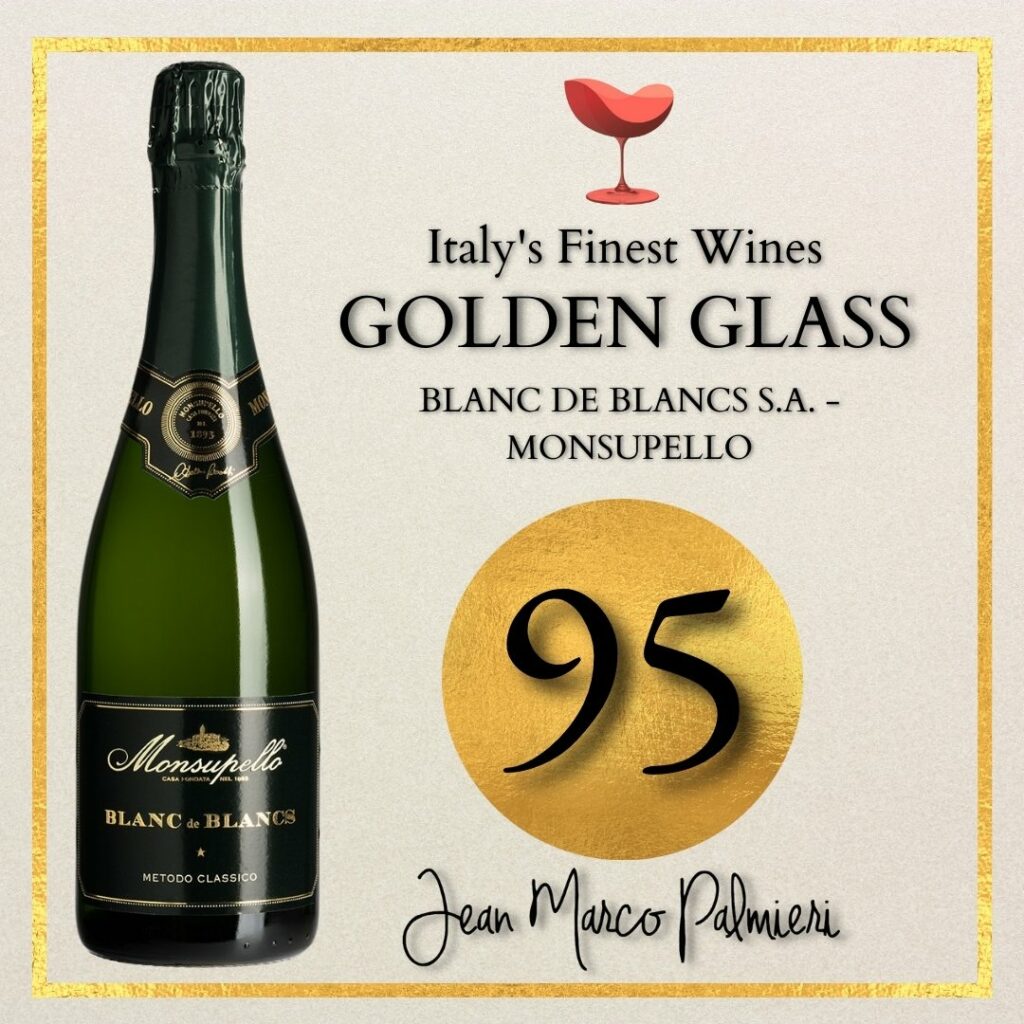
Description:
Opens fragrantly with notes of pink grapefruit and melted butter, embellished with delicate references to brioche and sweet spices. On the palate, it has excellent structure, with a creamy and inviting perlage. Rich and persistent finish.
One of the best wines of Oltrepò Pavese for olfactory complexity, enriched with interesting evolutionary notes.
Region: Lombardy (Oltrepò Pavese)
I Ger Pas Dosé 2017 – Alessio Brandolini
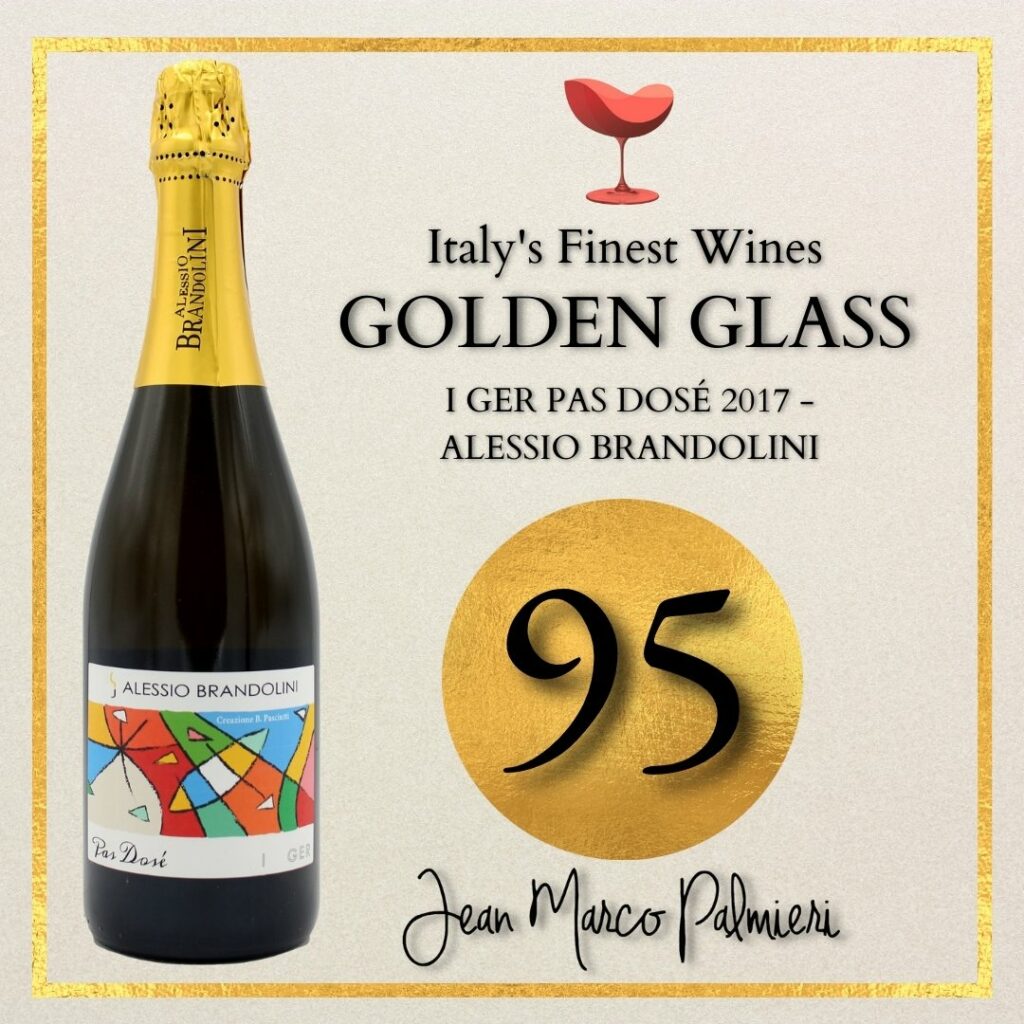
Characteristics:
Balsamic aromas of officinal herbs enriched with tones of apricots and syrupy peach, on a background of orange blossom and mimosa flowers. In the mouth, the texture is silky and lively, with pleasant sapid sensations leading to a citrusy finish of long persistence.
Obtained from the most vocated vineyard of the estate, a Blanc de Noirs of extraordinary character and oenological precision. I Ger Pas Dosé is one of the best wines of Oltrepò Pavese for the finesse of the aromas, intensity, and persistence.
Grapes: Pinot Nero 100%
Riserva del Fondatore ‘Giulio Ferrari’ Brut 2009 – Cantine Ferrari
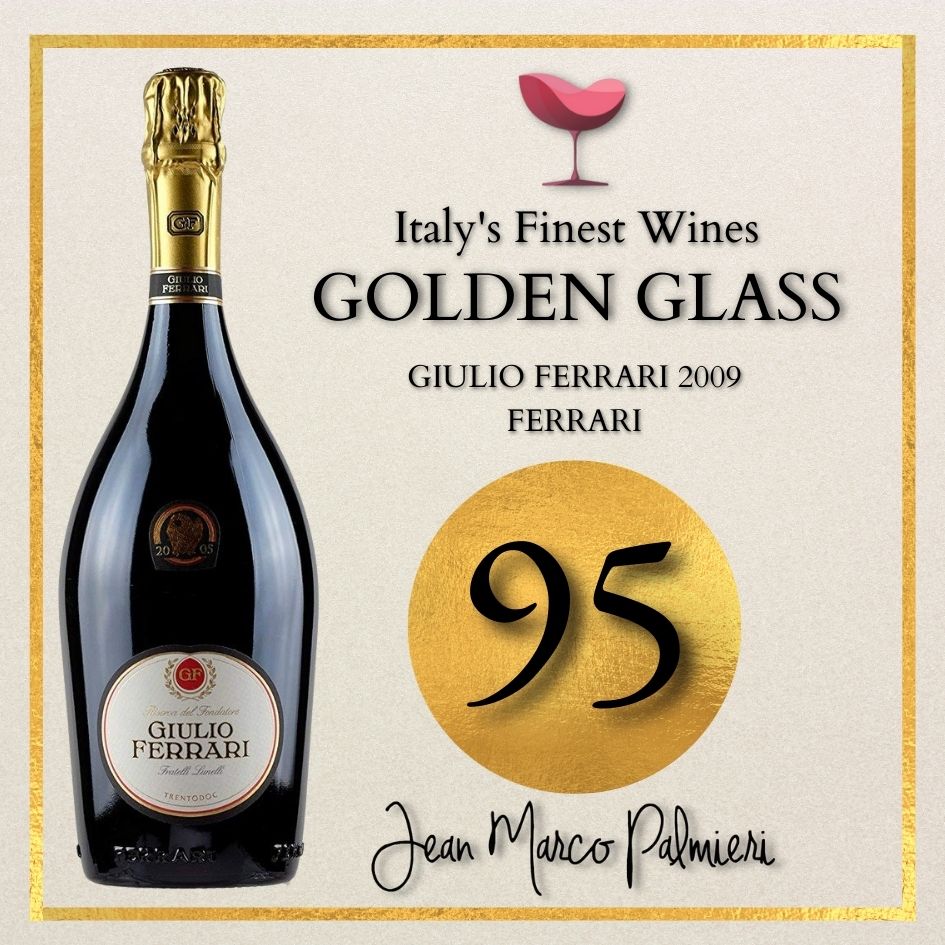
Characteristics: In the olfactory spectrum, notes of passion fruit and candied ginger stand out, embellished with melted butter, sweet boisé notes, and nuances of bread crust and viennoiserie. On the palate, it engages with a sensational iodized sapidity that amplifies the sip. Voluminous finish of great persistence and clarity, enriched with an elegant perlage of enduring persistence. Aged for 10 years on the lees.
From the iconic winery that made the Classic Method famous in Italy: Surely one of the most famous and best Italian sparkling wines for finesse and taste-olfactory complexity. The prestigious wine is dedicated to Giulio Ferrari, the founder of the Ferrari winery and a pioneer of Italian sparkling wine since 1902.
The history of Cantine Ferrari is linked to the Lunelli family, now in its third generation, supported by the historically acclaimed winemaker Ruben Larentis.
BEST WINES OF ITALY
(Sweet Wines Section)
Epokale 2013 – Cantina Tramin
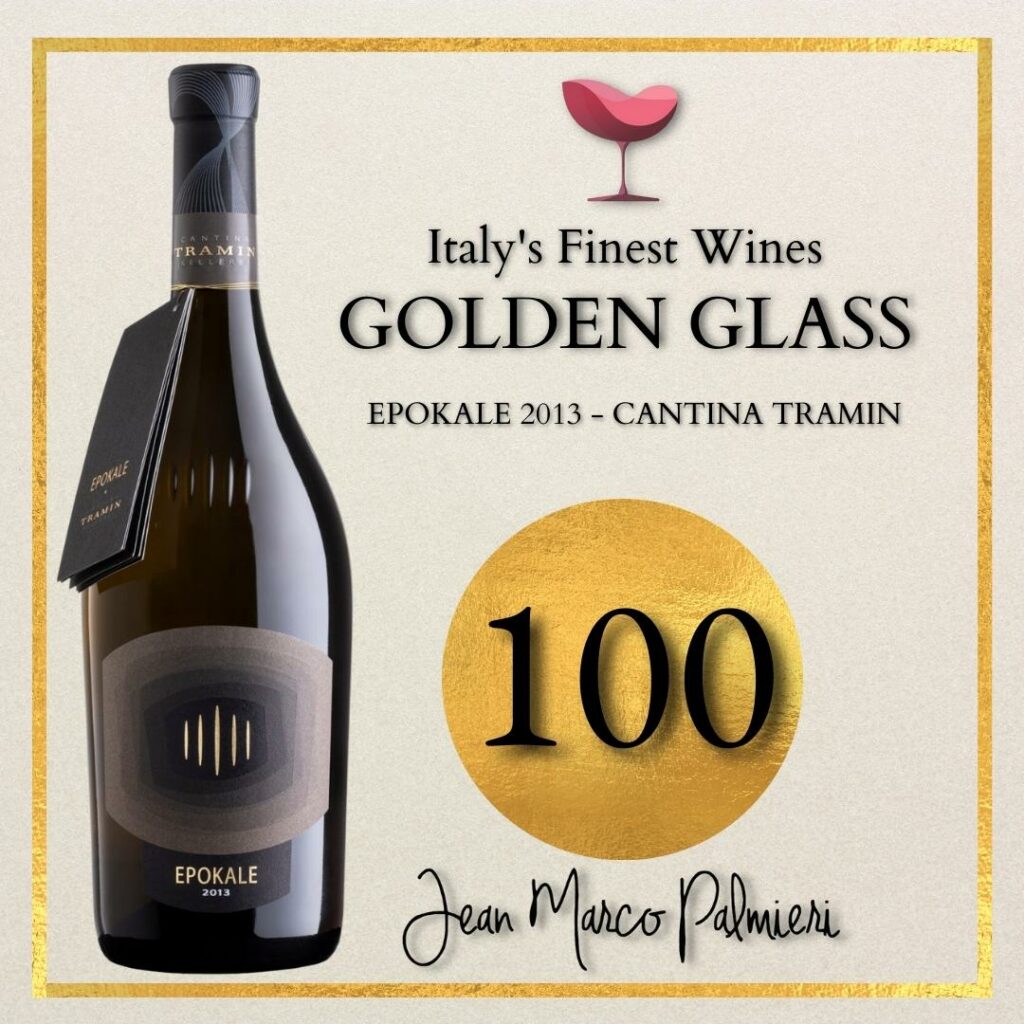
Characteristics: A complex and layered aromatic spectrum. Rose petals and ylang-ylang are followed by tropical notes of ripe yellow fruit and lychee, on a backdrop of nutmeg, honey, and oriental saffron scents. The palate is smooth and seductive, with a beautiful salty touch that adds fluidity. It finishes with surprising persistence on honey and hazelnuts.
Aged in small steel containers in contact with the lees for eight months.
Undoubtedly one of the best sweet wines in Italy. Vertical, spicy, characterized by an abundance of exotic fruit and oriental notes. A sweet wine that will captivate even the most discerning connoisseur.
Grape Variety: Gewurztraminer Region: Trentino-Alto Adige
Occhio di Pernice 2010 – Avignonesi
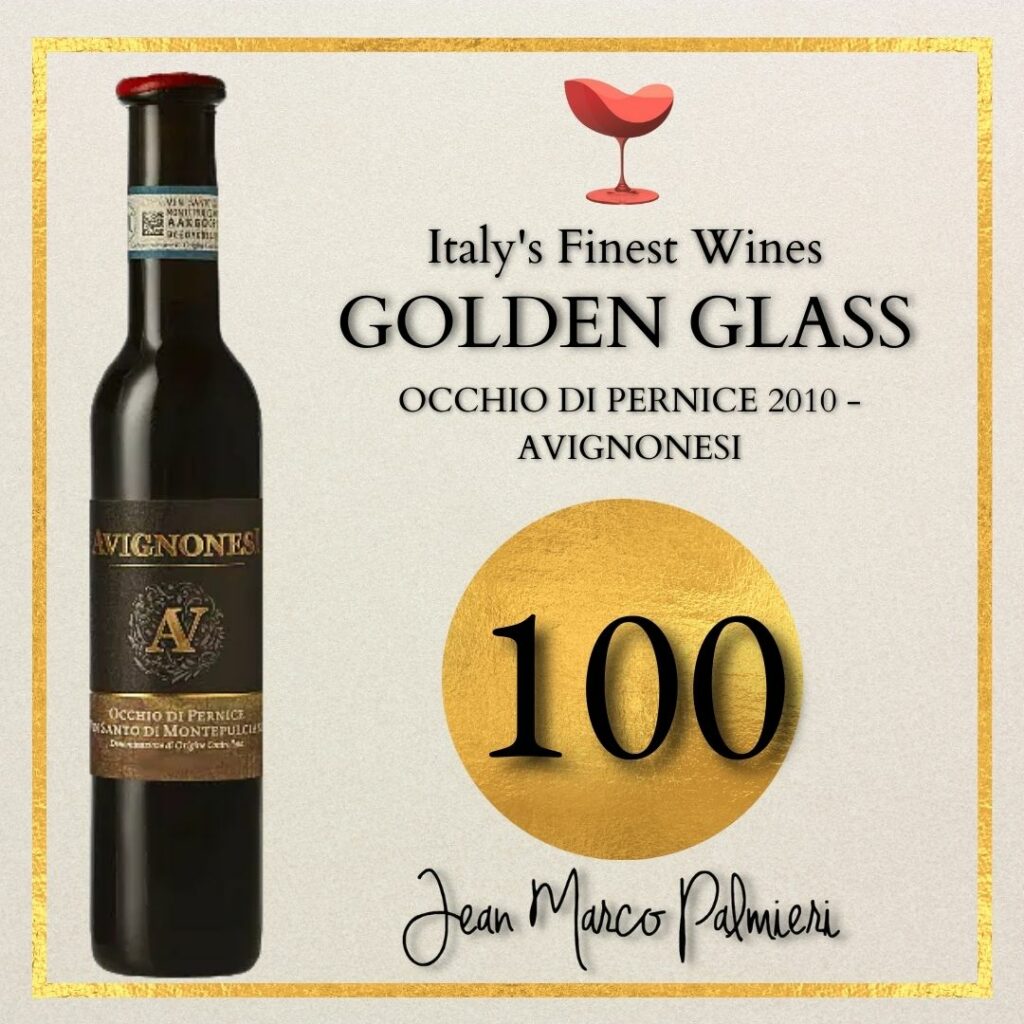
Characteristics: Cherry jam and strokes of dehydrated figs merge with whiffs of sea salt, medicinal herbs, and honey. The palate is soft and opulent, made vibrant by a sharp acidity that extends the drinking experience towards an aromatic and persistent finish.
The grapes were gently pressed, and the must was transferred to caratelli (small barrels of 50-60 L) for slow and natural fermentation, with the addition of indigenous yeast, called “mother.” Aging continues for over 10 years in caratelli.
Grape Variety: Sangiovese 100% Region: Tuscany (Montepulciano)
Vin Santo del Chianti Classico DOC 2012 – Badia a Coltibuono
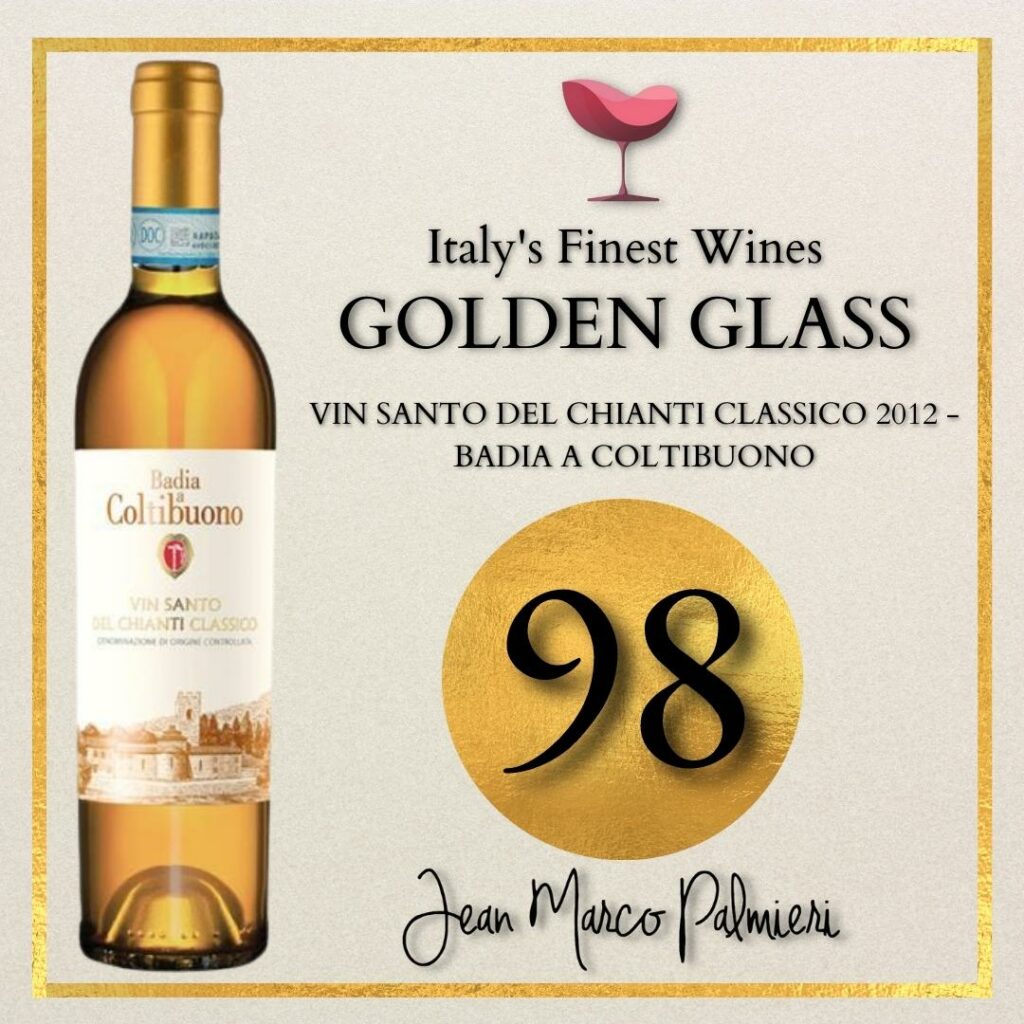
Characteristics: Apricot, figs, and citrus peel blend with notes of toasted almonds, dehydrated dates, and sweet spices. The palate is soft and full-bodied, seducing with excellent freshness that makes the sip graceful.
Aged for a minimum of six years in small oak caratelli.
Produced by one of the best wineries in Chianti Classico, Badia a Coltibuono’s Vin Santo is deep and intense, with a pronounced minerality that makes it even more seductive. Undoubtedly among the best Italian sweet wines for aroma and balance.
Region: Tuscany
Verduzzo Cratis 2018 – Roberto Scubla
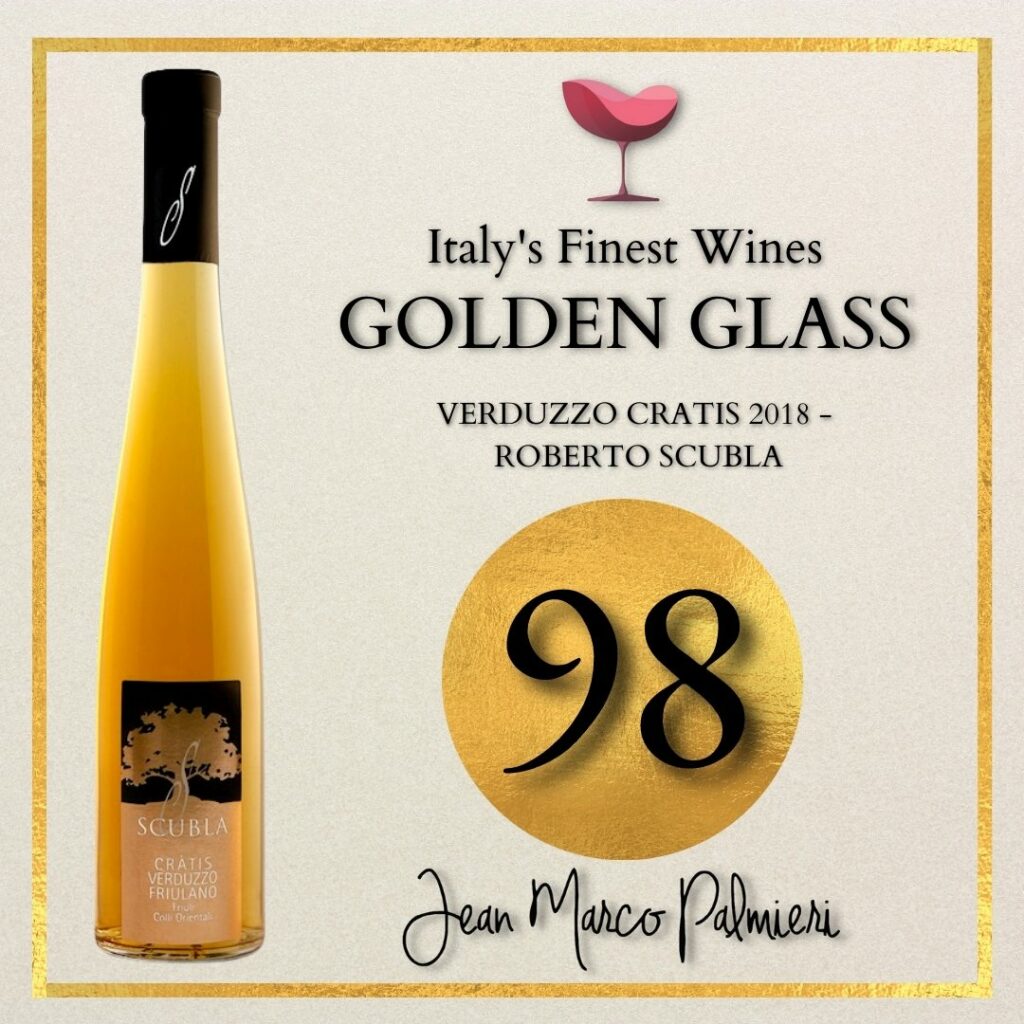
Characteristics: Candied peach and orange blossom mix with saline touches of medicinal herbs. On the palate, it is invigorating, sweet, and savory, with astonishing length.
The clusters naturally wither, and the grapes are pressed before Christmas, fermenting in French oak barrels. The fermentation is initiated and then stopped after about a month to preserve the residual sugars, through a heating/cooling system of the barrels themselves. This way, the must/wine undergoes no transfers.
A virtuous interpretation of Verduzzo with sensational aging potential. Among the best Italian sweet white wines for complexity and persistence.
Passito di Pantelleria ‘Bukkuram 2014 – Padre della Vigna’ Marco De Bartoli
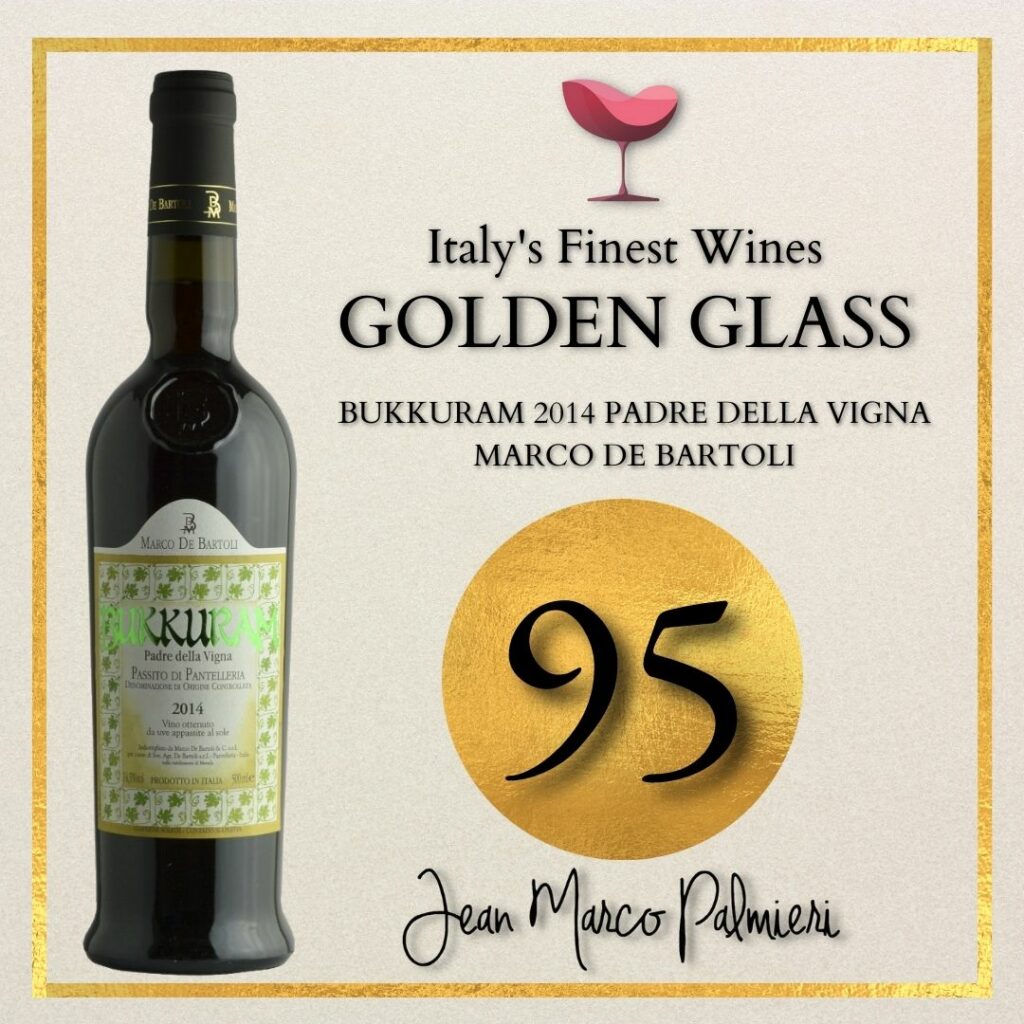
Characteristics: Layered aromatic profile: opens with notes of candied orange peel, progressing towards hints of honey, saffron, and wild mint. On the palate, it flows sweet, dense, and voluminous. Well-balanced finish, with great persistence and cleanliness.
The grapes naturally wither in the sun for 50%, and the remaining part on the vine. Followed by spontaneous fermentation and maceration for about 3 months. Aged for 30 months in non-first-passage barriques and 6 months in steel.
From one of the most virtuous artisanal wineries in Sicily, Marco De Bartoli’s Bukkuram is a wine of unusual finesse and balance made from Zibibbo. Full-fledged among the best white sweet wines in Italy for complexity and persistence.
What are the best wines in Italy?
What is the best wine in Italy? Choosing is a challenging task, inevitably subject to the limits of subjective opinion, which, by definition, is deficient and arbitrary.
We have simply compiled a list of our favorite interpretations based on our evaluations. However, it is essential to emphasize that wine is not meant to be prestigious, showcased, or flaunted.
It is meant to evoke emotions and be genuinely shared with the people we love, connecting to contingent situations and the unrepeatable, intimate moments of our lives.
Therefore, we invite you to visit wineries and get to know the producers who craft wines in their uniqueness, so you can discover and independently choose the wine that can be counted among your personal favorites. If you’ve had the patience to read this far, thank you for your attention, but now it’s time to fill the glasses and sever distant hopes, so:
Cheers, Salute, Santé!
Jean Marco Palmieri