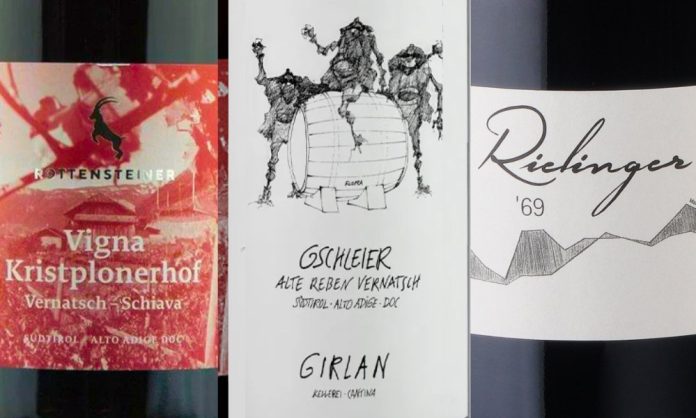
What Are the Best Schiava – Vernatsch Wines? A list with photos and descriptions of the best wines recommended by Jean Marco Palmieri.
Do you want to suggest a wine or a winery? Write to us.
SCHIAVA – VERNATSCH
Historical Evolution and Decline of Schiava
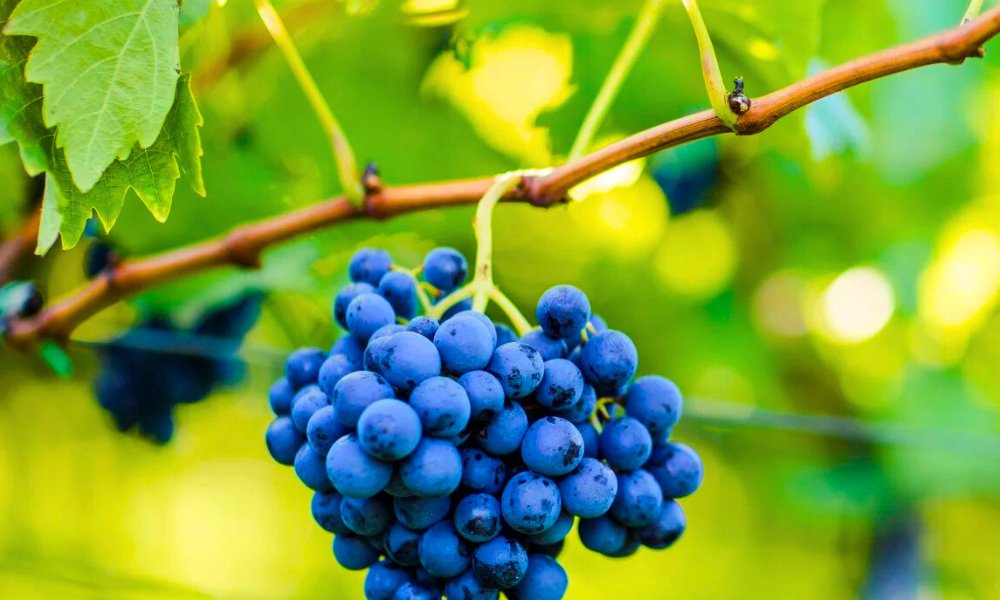
For centuries, Schiava represented the backbone of viticulture in South Tyrol, dominating the vineyards of the province of Bolzano until the second half of the twentieth century. Until the 1970s, it is estimated that it covered over 80% of Alto Adige’s vineyard area.
However, starting in the 1980s, the growing demand for international grape varieties — particularly white grapes such as Pinot Grigio, Sauvignon, and Chardonnay — led to a gradual uprooting of the old Schiava plots, especially in the most suitable areas in terms of altitude and soil composition.
These varieties were considered more profitable and easier to manage from an agronomic point of view. Despite this, the variety maintained a strong bond with the territory, becoming a symbol of artisanal and deeply identity-rooted viticulture.
The Classic Zones: Caldaro and Santa Maddalena
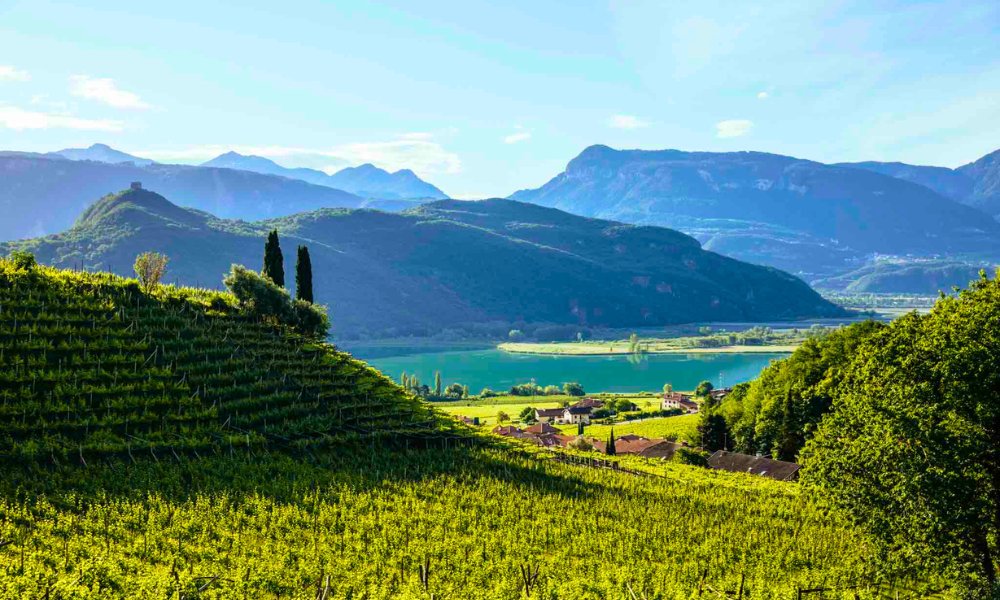
Its most historically significant appellations remain Lago di Caldaro (Kalterersee) and Santa Maddalena (St. Magdalener), two areas with distinct characteristics:
In Caldaro, lighter soils and the influence of the lake favor subtle, graceful wines with immediate drinkability;
whereas the hills of Santa Maddalena, overlooking Bolzano, offer more structured and complex Schiava wines, often with a small percentage of Lagrein — historically present in the old mixed vineyards.
Alongside these two classic areas, there are also interesting expressions in less typical zones, such as the Isarco Valley, where altitude and temperature fluctuations enhance the freshness and aromatic fragrance of the grape.
A New Perspective and Contemporary Identity
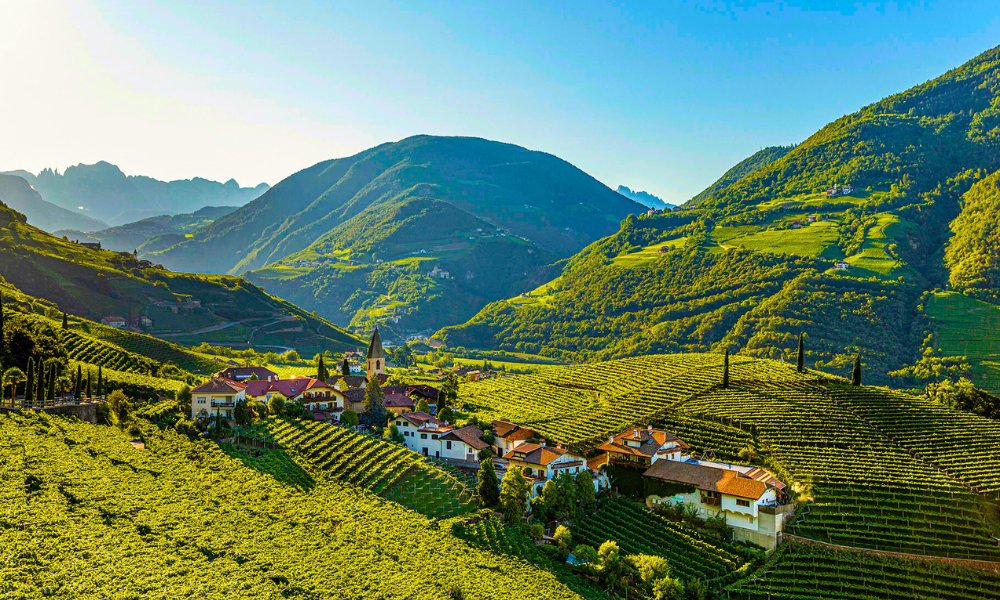
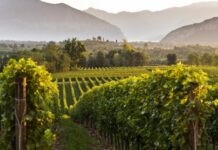
Vineyards in the Santa Maddalena area, one of the classic zones for Schiava/Vernatsch.
Today, Schiava is experiencing a renaissance, thanks to a new generation of producers who highlight its more refined and terroir-driven profile: transparent ruby color, aromas of small red fruits, floral and almond notes, light tannic structure, and a dynamic yet never trivial drinkability.
A grape variety that, when well interpreted, can combine elegance, tradition, and surprising aging potential.
Because of these characteristics, Schiava can today be considered an extraordinarily modern and contemporary wine, appreciated for its drinkability, freshness, and versatility in food pairings, capable of winning over both seasoned wine lovers and new consumers.
In this article, we will explore some of the wineries that stand out for their interpretation of this wine style.
Best Schiava | Vernatsch Wines – Recommended by Jean Marco Palmieri
What are the best Schiava wines?
Let’s explore together the updated list of the best Schiava wines with photos and tastings, so everyone can find the wine that suits their own taste.
Schiava Mediaevum – Gump Hof – Markus Prackwieser
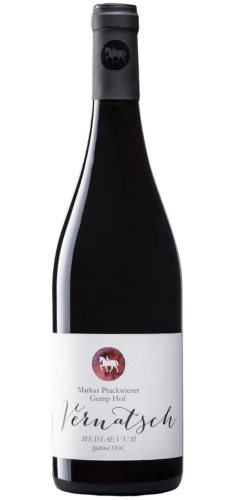
Description:
A wine distinguished by its elegance and freshness, with delicate aromas of red fruits and a light spicy note. On the palate, it is harmonious, with soft tannins, pronounced acidity, and a persistent finish.
Technical Notes:
Vineyards: Valle d’Isarco, 500 – 550 meters on very steep slopes (50-70%), southwest exposure
Vinification: Manual harvest at the end of September. After a short cold maceration, the must ferments for about a week in steel. The wine then matures for 6-8 months: two-thirds in steel and one-third in large barrels, where malolactic fermentation also occurs.
Schiava Nobile “Kristplonerhof” – Rottensteiner
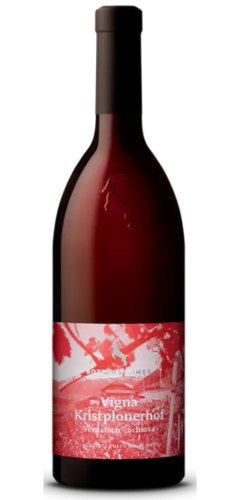
Description:
Notes of ripe cherry and raspberry blend with floral hints and a touch of almond. On the palate, it is balanced, with pleasant acidity and an elegant finish.
Technical Notes:
Vineyards: “Kristploner” farmhouse in Guncina, 300 – 400 meters, southeast exposure on porphyry slopes of Monsocolo. Family estate of Toni Rottensteiner’s wife, now managed by their daughter Evi.
Vinification: The wine ferments at 25°C and ages in steel.
Vernatsch – Rielinger
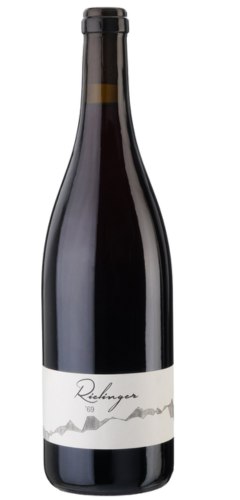
Description:
Aromas of wild berries and cherry, with hints of aromatic herbs. On the palate, fresh and light, with delicate tannins and a harmonious finish.
Technical Notes:
Vineyards: Renon Plateau. 0.7 ha of Vernatsch on moraine slopes at 680-720 m, vines from 1969 that do not require irrigation. An unusual area for this variety, producing fresh and mineral wines.
Vinification: Grapes ferment spontaneously in chestnut barrels, with one year aging in wood and almost another in cement. The wine, with scents of cherry and strawberry, has typical freshness and a unique character, highlighted by a beeswax seal.
Schiava Old Vines ‘Vernatsch Alte Reben Gschleier’ – Girlan
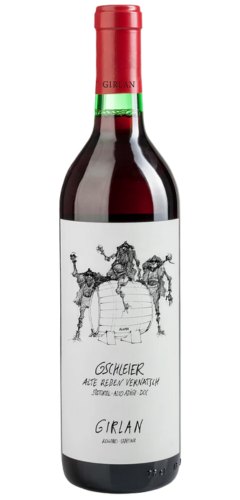
Description:
Complex aromas of ripe red fruits, with notes of sweet spices and almond. On the palate, structured and enveloping, with soft tannins and a long finish.
Technical Notes:
Vineyards: The “Old Vines Gschleier” Schiava comes from historic vineyards located in Gschleier, near Cornaiano, Oltradige. The vines are between 80 and 110 years old, growing at about 450 meters altitude on calcareous soils with clay and gravel.
Vinification: After manual harvest, grapes ferment for 15-20 days, followed by 9 months maturation in large oak barrels. The wine then ages 6 months in bottle before release.
S. Maddalena Classico “Der Pfannenstiel” – Pfannenstielhof
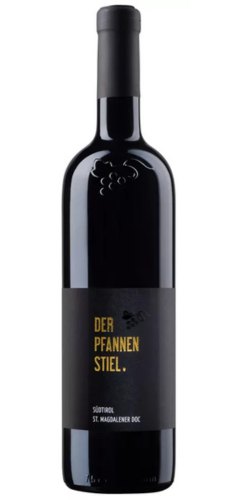
Description:
Intense aromas of ripe cherry, raspberry, and violet intertwine with touches of almond and sweet spices. On the palate, full yet smooth, with well-integrated tannins and a savory, persistent finish recalling the freshness of the fruit.
Vineyards:
Produced in the classic Santa Maddalena area, Bolzano, Alto Adige, on quartz porphyry and moraine soils at 280 meters altitude. Pergola-trained vines aged between 30 and 40 years. The blend is 95% Schiava and 5% Lagrein.
Vinification:
Manual harvest; fermentation in steel. The wine matures for 4.5 years in steel and then rests 6 months in bottle before release.
Schiava ‘Hoamet’ – Bergmannhof
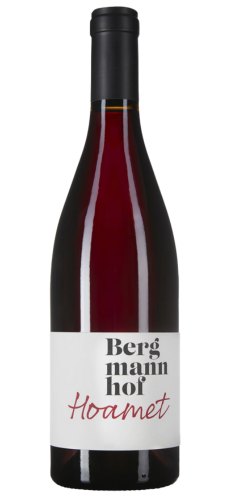
Description:
Intense aromas of cherry and strawberry, with hints of sweet spices. On the palate, it is soft and rounded, with good structure and a persistent finish.
Technical notes:
Vineyards: San Paolo (Appiano), 400–500 m a.s.l., on gravelly, clayey, and calcareous soils. Composed of 95% Schiava and 5% Lagrein.
Vinification: Spontaneous fermentation in open tonneaux (including whole clusters), with 20 days of maceration, followed by malolactic fermentation and 18 months aging on fine lees. Neither clarified nor filtered.
Schiava – HochKlaus
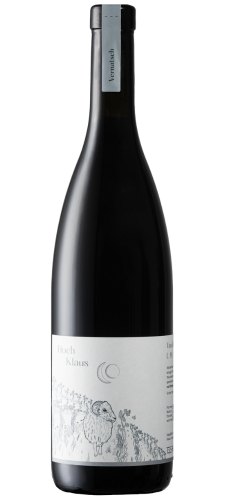
Description:
Delicate aromas of wild berries and violet, with a light mineral note. On the palate, it is fresh and light, with soft tannins and a harmonious finish.
Technical notes:
Vineyards: Valle d’Isarco (Cornedo all’Isarco) at 550 m.
Vinification: Spontaneous fermentation with maceration: 50% whole clusters and 50% foot-crushed grapes. Aged 9 months on total lees in barriques. Bottled unfiltered.
Schiava – Reyter
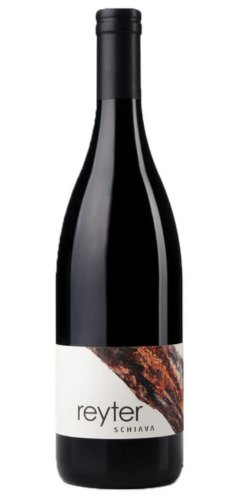
Description:
Notes of cherry and raspberry, with floral hints and a light spiciness. On the palate, it is balanced, with good acidity and a clean finish.
Technical notes:
Vineyards: Grapes from Caldaro and Termeno.
Vinification: Spontaneous fermentation on skins in steel, followed by malolactic fermentation and 18 months aging in 500-liter oak barrels. Not clarified or filtered.
Ricordi Lago di Caldaro Classico – Weingut Leya
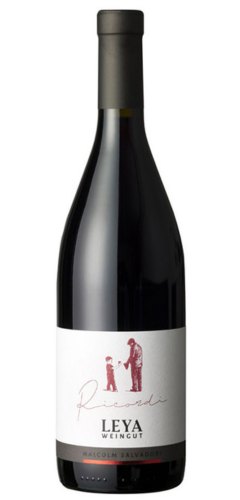
Description:
Intense aromas of ripe red fruits, with notes of almond and sweet spices. On the palate, it is soft and enveloping, with good structure and a persistent finish.
Technical notes:
Vineyards: 80-year-old vines trained in simple pergola, located at 571 m in Prissiano. Manual harvest with selection at the end of September.
Vinification: Spontaneous fermentation with daily manual punch downs. Aged 8 months in tonneaux.
Schiava Sankt Anna – In Der Eben
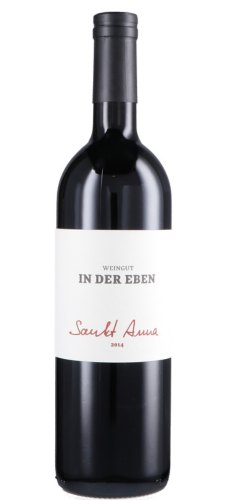
Description:
Notes of cherry and raspberry, with floral hints and a light spicy note. On the palate, it is balanced, with good acidity and an elegant finish.
Technical notes:
Vineyards: From Ritten (Bolzano), on volcanic soils at 400-550 m altitude. Vines are trained in pergola, with organic fertilization and biodynamic practices.
Vinification: The wine ages 24 months in wood and rests 6 months in bottle. Unfiltered, maintaining full integrity and complexity
Lago di Caldaro Classico Superiore ‘Quintessenz’ – Cantina di Caldaro Kaltern
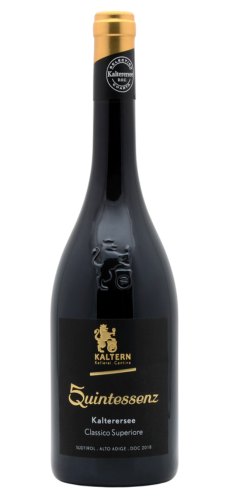
Description:
Intense notes of cherry and raspberry, with hints of sweet spices and almond.
On the palate it is soft and harmonious, with good structure and a persistent finish.
Technical notes:
Vineyards: Caldaro area, grapes come from 30-70 year old vines, south-facing.
Vinification: Harvest takes place between late August and early September. The must macerates on the skins for 10 days, followed by malolactic fermentation. The wine matures on fine lees for 6 months and then ages for several months in wooden barrels.
Campill – Pranzegg
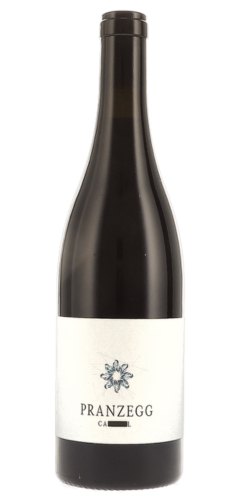
Description:
Complex aromas of ripe red fruits, with notes of spices and a slight earthy touch.
On the palate it is structured and enveloping, with soft tannins and a long finish.
Technical notes:
Vineyards: Campill (300 m a.s.l.), on the opposite slope of Santa Maddalena, on steep terraces facing northwest. Deep, sandy and clay soils of volcanic and moraine origin.
Vinification: Spontaneous fermentation with skins and stems in large vats and barrels for 5 weeks (3 weeks with submerged cap). Aging: 12 months in wood, 10 months in cement, 9 months in bottle.
Sonntaler Alte Reben – Cantina Kurtatsch Cortaccia
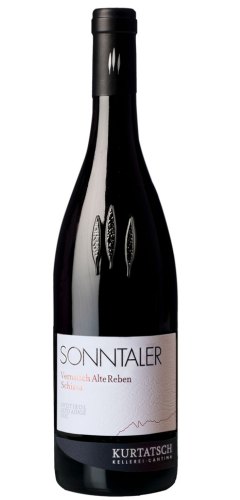
Description:
Intense notes of cherry and raspberry, with hints of sweet spices and almond.
On the palate it is soft and harmonious, with good structure and a persistent finish.
Technical notes:
Vineyards: Vineyards in Cortaccia, between 300 and 400 m a.s.l., on east-facing slopes.
Vinification: Controlled temperature fermentation in stainless steel, followed by malolactic fermentation and aging in cement tanks.
St. Magdalener Classico – Griesbauerhof
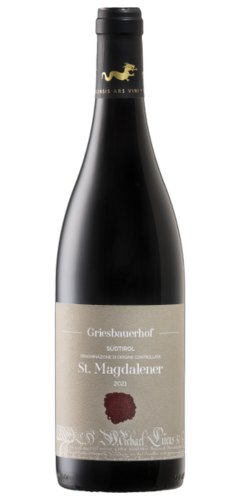
Description:
Aromas of ripe red fruits, with notes of sweet spices and a slight floral hint.
On the palate it is balanced, with soft tannins and an elegant finish.
Technical notes:
Vineyards: Located in Rencio, a historic area for St. Magdalener, at 300 m a.s.l. on porphyry-origin soil with sandy silt. Vines trained with pergola system, aged between 9 and 64 years.
Vinification: Harvested mid-September 2023 and fermented in stainless steel.
Kaltersee – Ritterhof
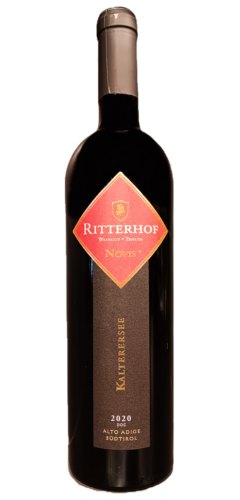
Description:
Notes of cherry and raspberry, with hints of sweet spices and almond.
On the palate it is fresh and light, with good acidity and a harmonious finish.
Technical notes:
Vineyards: Classic Caldaro Lake area, between 320 and 450 m a.s.l., on sandy soils of moraine and gravel origin. Vines trained with traditional pergola and partly with guyot system.
Vinification: Grapes are hand-harvested between late September and mid-October, gently destemmed and lightly crushed. Fermentation takes place in stainless steel at 22 °C.
Moar Santa Maddalena – Cantina Bolzano
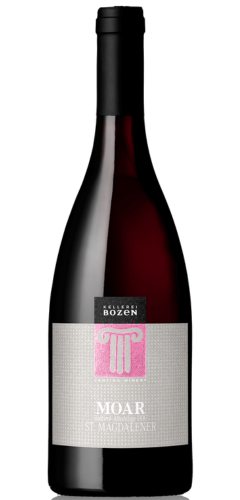
Description:
The Santa Maddalena ‘Moar’ from Cantina Bolzano is a blend of Schiava and Lagrein, typical Alto Adige varieties. The wine shows a floral and fruity bouquet with notes of violet, cherry, and delicate spices. Fresh and easy to drink, it is perfect as a red wine for aperitif or to accompany vegetarian dishes.
Vineyards:
The grapes (85% Vernatsch, 15% Lagrein) come from selected vineyards on the slopes of Santa Maddalena, above Bolzano, between 200 and 300 m a.s.l. The wine’s quality is given by the combination of location, vine age, and cultivation method.
Vinification:
Manual harvest from early to mid-October. Traditional red vinification, followed by aging in large oak barrels and then in bottle.
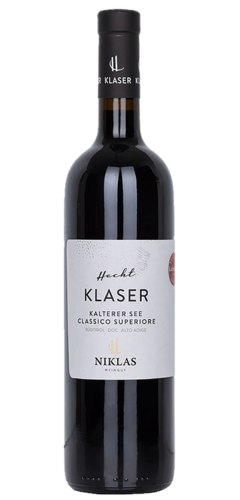
Kalterersee Classico Superiore “Klaser Hecht” – Niklas
Description:
Fragrant notes of cherry, raspberry, and rosehip open to an agile and fresh sip, with light tannins and a finish of good elegance.
Vineyards:
Schiava grapes of various varieties come from 30-40 year old pergola-trained vines in Barleit, at 400 meters altitude. The soil is clayey with limestone pebbles; viticulture is integrated natural.
Vinification:
After a short maceration at controlled temperature, cold fermentation occurs in steel tanks with final fermentation at 18 °C. Followed by malolactic fermentation and aging in steel vats.
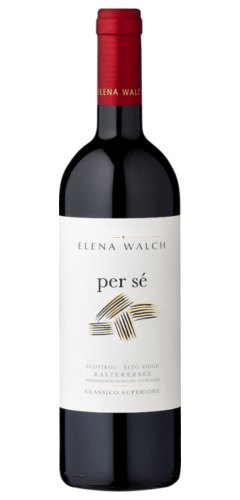
Per Sé – Elena Walch
Description:
Crunchy red fruits and wildflowers on the nose, with mineral touches. On the palate it is fine and saline, with good persistence and silky tannins.
Vineyards:
Pure Schiava grapes from Kalterersee Classico Superiore “Per Sé” by Elena Walch grow on clay, limestone, and marl soils at an altitude between 300 and 400 meters. This terroir gives the wine a structured character.
Vinification:
Fermentation on skins for 7 days at a maximum temperature of 27°C. Maturation takes place in stainless steel barrels and large Slavonian and French oak barrels (80 hl). The wine is ready from the following spring.
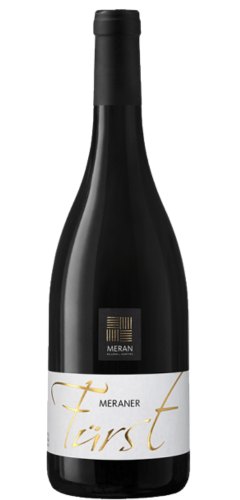
Alto Adige Meranese Schiava DOC “Fürst” – Cantina Merano
Description:
Fragrant notes of wild strawberries, raspberry, and rose petals anticipate almond and lightly spicy hints. The sip is fresh and delicate, with fine tannins and a smooth, tasty drinkability. Fruity closure, pleasantly savory.
Vineyards:
Meranese Schiava “Fürst” from Lagundo (550-600 m), on light moraine soils. Pergola-trained vines, 15-45 years old, yield 50 hl/ha.
Vinification:
Controlled fermentation in stainless steel, malolactic fermentation, aging 1 year in tonneaux and stainless steel, then bottling.
Lago di Caldaro Classico Superiore ‘Quintessenz’ – Cantina di Caldaro Kaltern
Description:
Intense notes of cherry and raspberry, with hints of sweet spices and almond.
On the palate it is soft and harmonious, with good structure and a persistent finish.
Technical notes:
Vineyards: Caldaro area, grapes come from 30-70 year old vines, south-facing.
Vinification: Harvest takes place between late August and early September. The must macerates on the skins for 10 days, followed by malolactic fermentation. The wine matures on fine lees for 6 months and then ages for several months in wooden barrels.
Campill – Pranzegg
Description:
Complex aromas of ripe red fruits, with notes of spices and a slight earthy touch.
On the palate it is structured and enveloping, with soft tannins and a long finish.
Technical notes:
Vineyards: Campill (300 m a.s.l.), on the opposite slope of Santa Maddalena, on steep terraces facing northwest. Deep, sandy and clay soils of volcanic and moraine origin.
Vinification: Spontaneous fermentation with skins and stems in large vats and barrels for 5 weeks (3 weeks with submerged cap). Aging: 12 months in wood, 10 months in cement, 9 months in bottle.
Sonntaler Alte Reben – Cantina Kurtatsch Cortaccia
Description:
Intense notes of cherry and raspberry, with hints of sweet spices and almond.
On the palate it is soft and harmonious, with good structure and a persistent finish.
Technical notes:
Vineyards: Vineyards in Cortaccia, between 300 and 400 m a.s.l., on east-facing slopes.
Vinification: Controlled temperature fermentation in stainless steel, followed by malolactic fermentation and aging in cement tanks.
St. Magdalener Classico – Griesbauerhof
Description:
Aromas of ripe red fruits, with notes of sweet spices and a slight floral hint.
On the palate it is balanced, with soft tannins and an elegant finish.
Technical notes:
Vineyards: Located in Rencio, a historic area for St. Magdalener, at 300 m a.s.l. on porphyry-origin soil with sandy silt. Vines trained with pergola system, aged between 9 and 64 years.
Vinification: Harvested mid-September 2023 and fermented in stainless steel.
Kaltersee – Ritterhof
Description:
Notes of cherry and raspberry, with hints of sweet spices and almond.
On the palate it is fresh and light, with good acidity and a harmonious finish.
Technical notes:
Vineyards: Classic Caldaro Lake area, between 320 and 450 m a.s.l., on sandy soils of moraine and gravel origin. Vines trained with traditional pergola and partly with guyot system.
Vinification: Grapes are hand-harvested between late September and mid-October, gently destemmed and lightly crushed. Fermentation takes place in stainless steel at 22 °C.
Moar Santa Maddalena – Cantina Bolzano
Description:
The Santa Maddalena ‘Moar’ from Cantina Bolzano is a blend of Schiava and Lagrein, typical Alto Adige varieties. The wine shows a floral and fruity bouquet with notes of violet, cherry, and delicate spices. Fresh and easy to drink, it is perfect as a red wine for aperitif or to accompany vegetarian dishes.
Vineyards:
The grapes (85% Vernatsch, 15% Lagrein) come from selected vineyards on the slopes of Santa Maddalena, above Bolzano, between 200 and 300 m a.s.l. The wine’s quality is given by the combination of location, vine age, and cultivation method.
Vinification:
Manual harvest from early to mid-October. Traditional red vinification, followed by aging in large oak barrels and then in bottle.
Kalterersee Classico Superiore “Klaser Hecht” – Niklas
Description:
Fragrant notes of cherry, raspberry, and rosehip open to an agile and fresh sip, with light tannins and a finish of good elegance.
Vineyards:
Schiava grapes of various varieties come from 30-40 year old pergola-trained vines in Barleit, at 400 meters altitude. The soil is clayey with limestone pebbles; viticulture is integrated natural.
Vinification:
After a short maceration at controlled temperature, cold fermentation occurs in steel tanks with final fermentation at 18 °C. Followed by malolactic fermentation and aging in steel vats.
Per Sé – Elena Walch
Description:
Crunchy red fruits and wildflowers on the nose, with mineral touches. On the palate it is fine and saline, with good persistence and silky tannins.
Vineyards:
Pure Schiava grapes from Kalterersee Classico Superiore “Per Sé” by Elena Walch grow on clay, limestone, and marl soils at an altitude between 300 and 400 meters. This terroir gives the wine a structured character.
Vinification:
Fermentation on skins for 7 days at a maximum temperature of 27°C. Maturation takes place in stainless steel barrels and large Slavonian and French oak barrels (80 hl). The wine is ready from the following spring.
Alto Adige Meranese Schiava DOC “Fürst” – Cantina Merano
Description:
Fragrant notes of wild strawberries, raspberry, and rose petals anticipate almond and lightly spicy hints. The sip is fresh and delicate, with fine tannins and a smooth, tasty drinkability. Fruity closure, pleasantly savory.
Vineyards:
Meranese Schiava “Fürst” from Lagundo (550-600 m), on light moraine soils. Pergola-trained vines, 15-45 years old, yield 50 hl/ha.
Vinification:
Controlled fermentation in stainless steel, malolactic fermentation, aging 1 year in tonneaux and stainless steel, then bottling.
What Are the Best Schiava Wines?
What are the best Schiava – Vernatsch wines? Choosing is a tough task, inevitably subject to the limits of a subjective opinion, which by definition is flawed and arbitrary.
We have simply compiled a list of our favorite interpretations according to our own evaluations. However, it remains essential to underline that wine is not born as a status symbol to be shown off or flaunted publicly.
Rather, it is meant to move us emotionally and be shared genuinely with the people we love, connecting to specific situations and the unique, intimate moments of our lives.
Therefore, we invite you to visit wineries and meet the producers who create wines in their uniqueness, so that you can discover and choose for yourself the wine that can be counted among your personal favorites. If you have had the patience to read this far, thank you for your attention. Now it is time to fill the glasses and let go of distant hopes, so:
Cheers, Salute, Santé
Jean Marco Palmieri