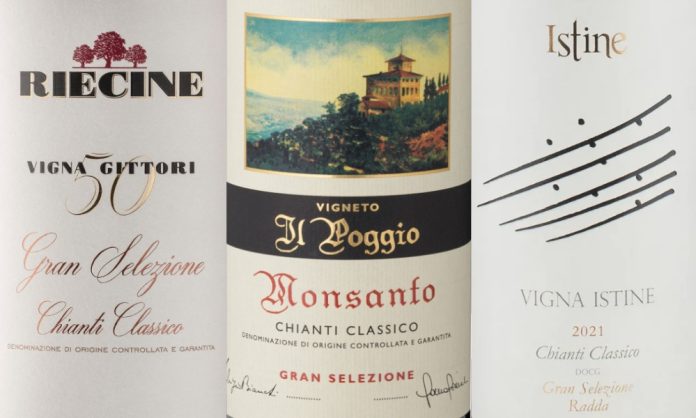
Discover our list with photos, description and tasting of the best Chianti Classico recommended by Jean Marco Palmieri. From the most famous wines to the lesser known ones of the best wineries.
INDEX
- Chianti Classico
- Chianti Classico Vintages
- Best Chianti Classico
- Artisanal & Natural Wines of Chianti
Best Chianti Classico recommended by Jean Marco Palmieri

Which are the best Chianti Classico?
Let’s find out the updated list of the 20 best Chianti Classico with photos and characteristics so that everyone can find the best wineries that produce Chianti Classico suited to their tastes.
To discover other excellences and the best Chianti Classico producers, search our archive with in-depth articles on producers.
ll Poggio 2021 – Castello di Monsanto
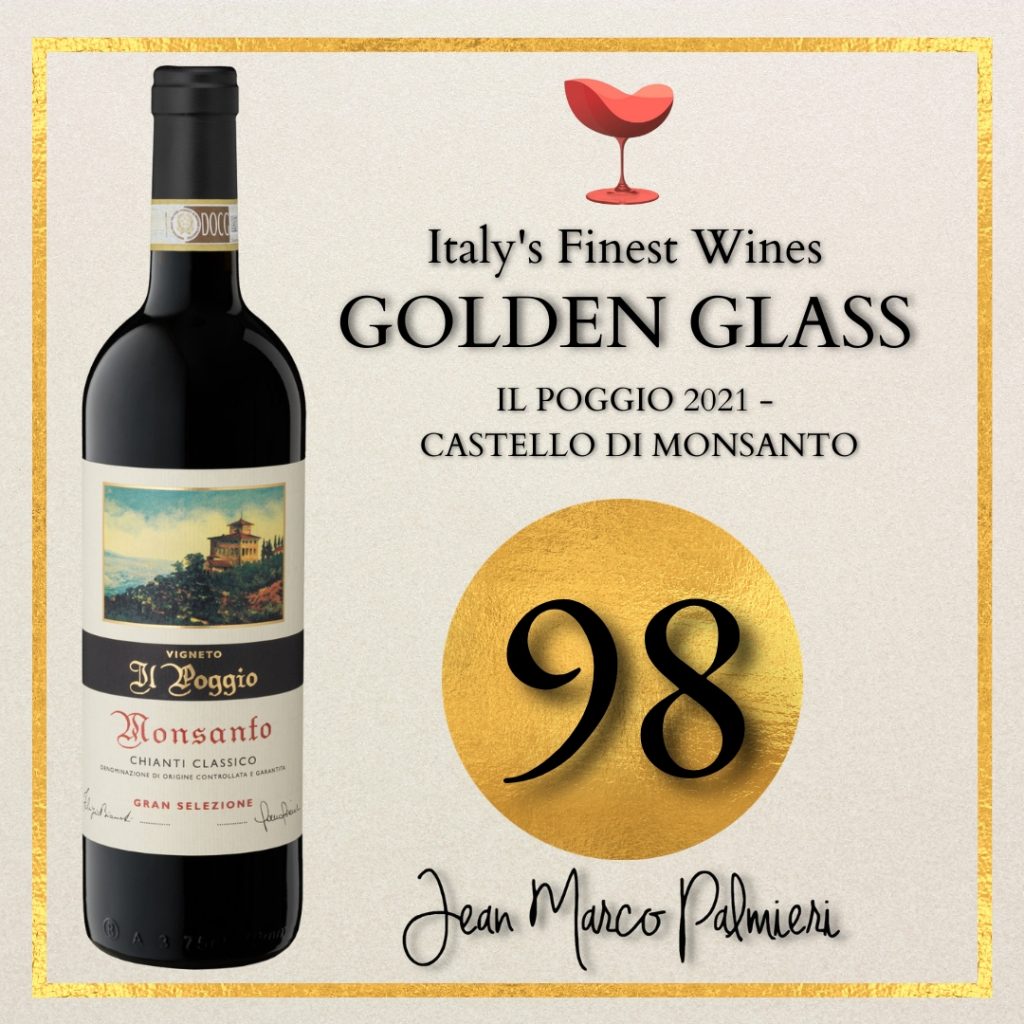
Aromas of violet, sour cherry, eucalyptus, and balsamic hints. On the palate, it is fresh, with dense and smooth tannins, dynamic balance, and a long mineral finish.
• Vineyard: single cru at 310 m a.s.l., exposure 360°, on alberese and galestro soils (5.5 ha).
• Vinification: steel (20 days maceration), aging 18-20 months in 38 hl barrels + long bottle rest.
• Grapes: 95% Sangiovese, 5% Canaiolo and Colorino
• Municipality: Barberino Tavernelle (San Donato in Poggio)
Chianti Classico Gran Selezione ‘Vigna Istine’ 2021 – Istine
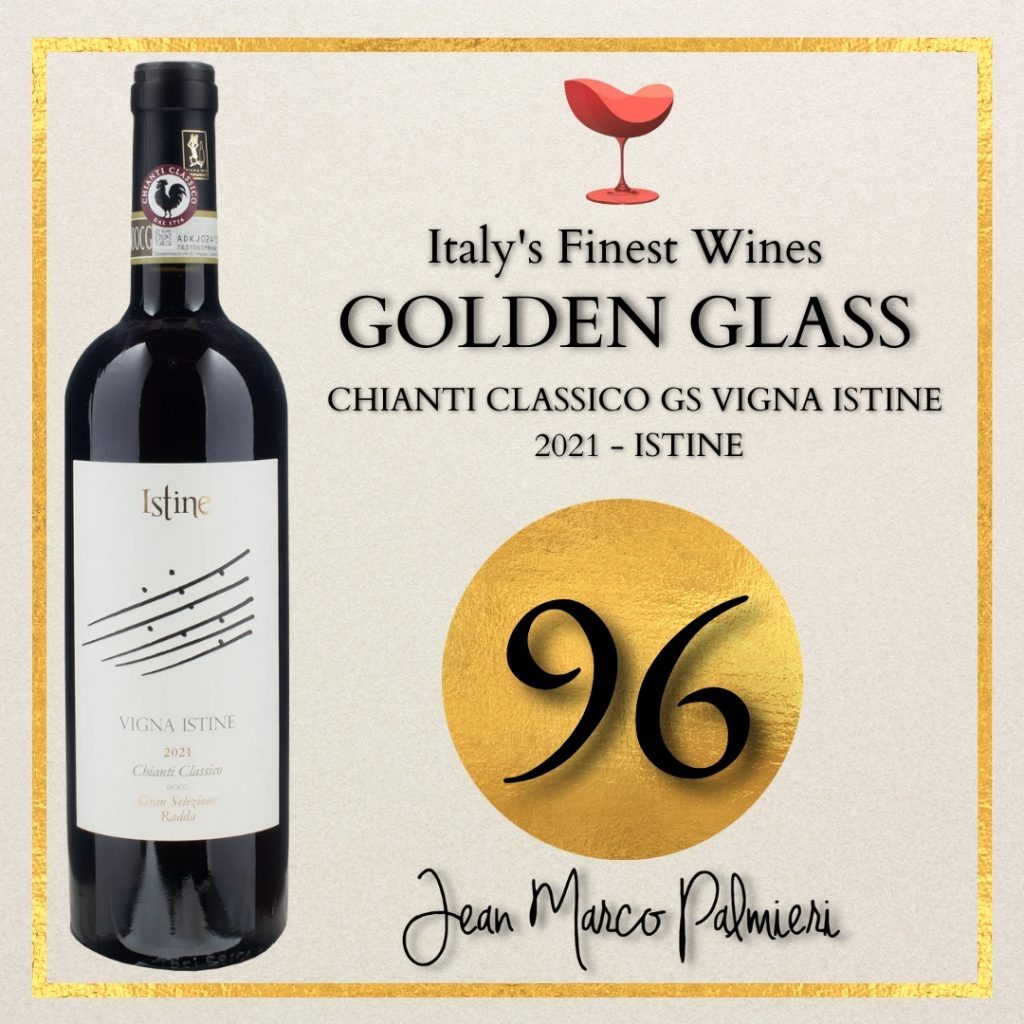
Notes of black cherry, red fruits, mint, black pepper, and undergrowth. Elegant, vibrant profile, dense tannins, great freshness, with a savory-mineral finish.
• Technical Data: Single vineyard between 480-550 m a.s.l., north-west exposure. Spontaneous fermentation in cement, long maceration. Aging 12 months in large Slavonian oak barrels, then bottle.
• Grapes: 100% Sangiovese
• Municipality: Radda in Chianti
• Organic: ✅
Il Puro 2022 – Castello di Volpaia
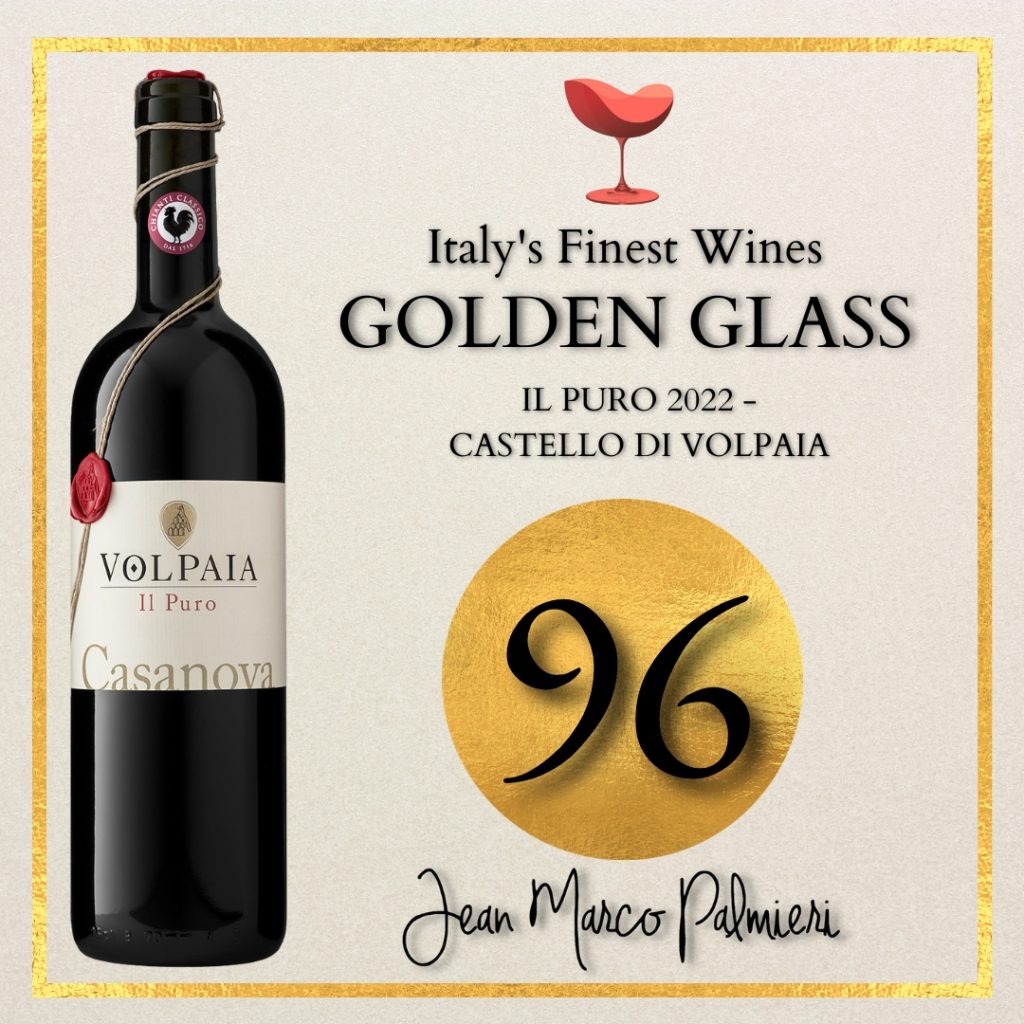
Notes of violet, raspberry, blood orange, herbs. Silky and fresh sip, balsamic finish.
• Vineyard: Casanova at 469-496 m a.s.l., south/south-east exposure, 25 native clones, vines 60+ years old.
• Vinification: 18 months in Allier barriques of various passes.
• Grapes: 100% Sangiovese
• Subzone: Radda in Chianti
• Organic: ✅
Vigna Gittori 2022 – Riecine
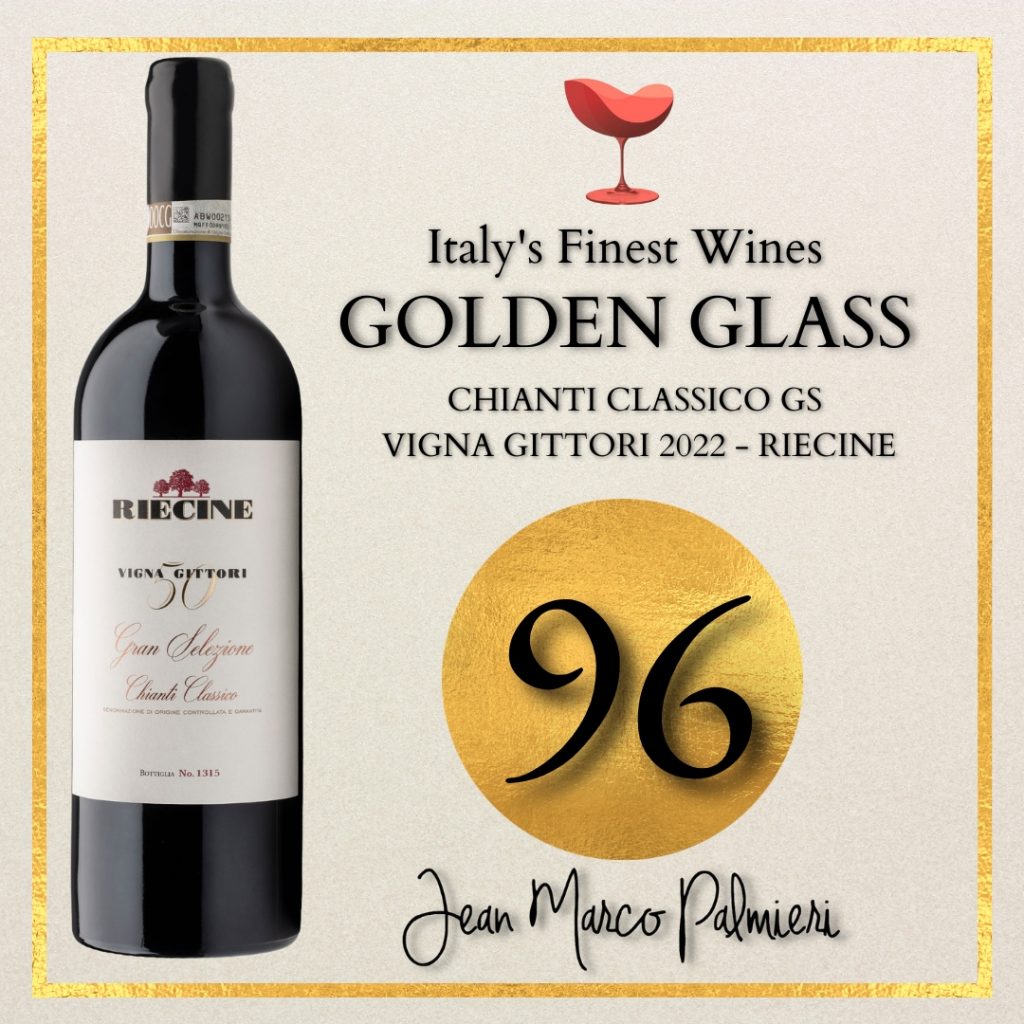
Aromas of cherry, violet, spices, and herbs. Fresh palate, velvety tannins, long persistence.
• Vineyard: 450-500 m a.s.l., south exposure, calcareous-clayey soils, organic.
• Vinification: spontaneous fermentation in cement, 25 days maceration, aging 24 months in used tonneaux + 6 months bottle.
• Grapes: 100% Sangiovese
• Municipality: Gaiole in Chianti
• Organic: ✅
La Badiola 2022 – Castello di Fonterutoli
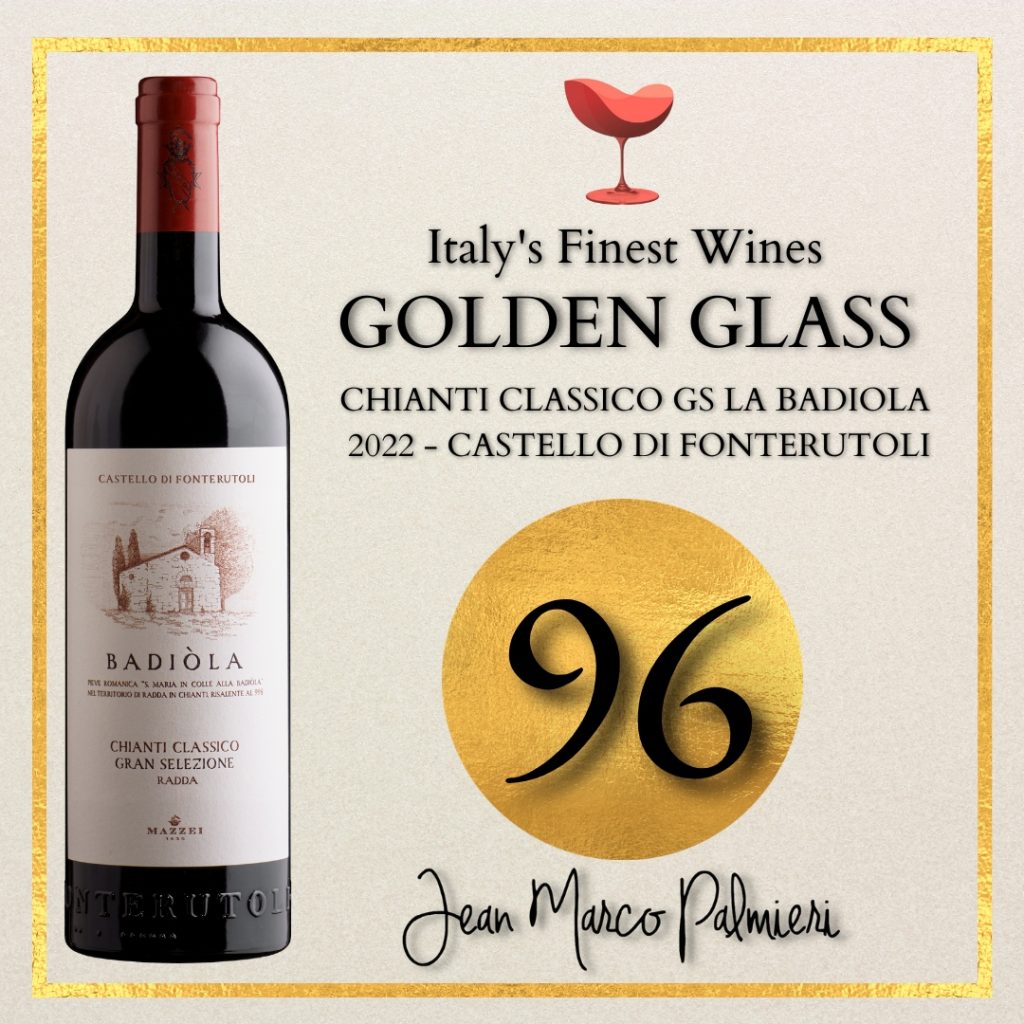
Red fruits, violet, leather, hints of wood. Wide mouthfeel, mature tannins, fresh acidity.
• Vineyard: at 575 m a.s.l., south/south-west exposure on sandstone and galestro.
• Vinification: 16 months in 500 lt tonneaux (30% new).
• Grapes: 100% Sangiovese (3 clones + 3 massal selections)
• Municipality: Radda in Chianti – Winery: Castellina in Chianti
Vigna del Sorbo 2022 – Fontodi
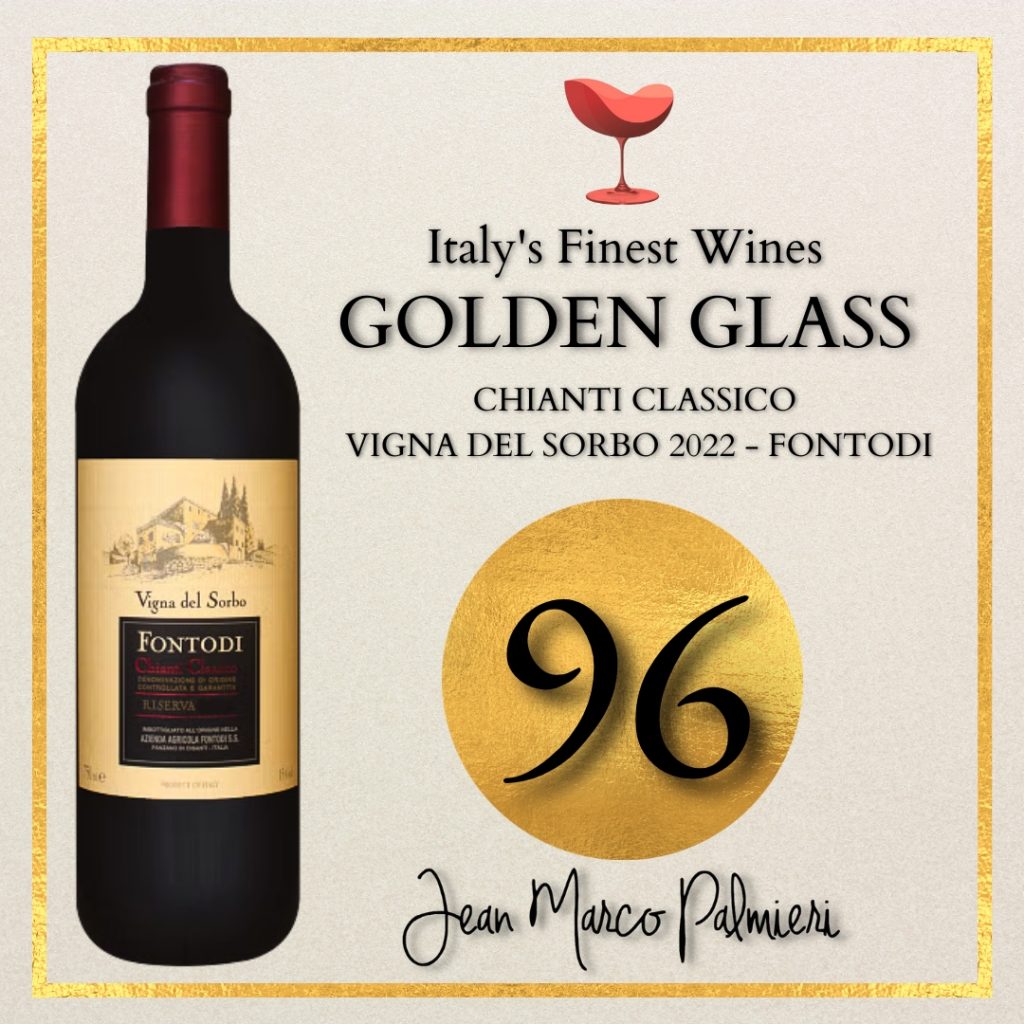
Black fruits, leather, herbs, spices. Dense mouthfeel, enveloping tannins, lively acidity, long persistence.
• Vineyard: 40 years old, 450 m a.s.l., south-west exposure.
• Vinification: spontaneous fermentation, 3 weeks maceration in steel, aging 24 months in barriques (50% new).
• Grapes: 100% Sangiovese
• Municipality: Panzano in Chianti – Greve in Chianti
• Organic: ✅
‘Colonia’ 2022 – Fèlsina
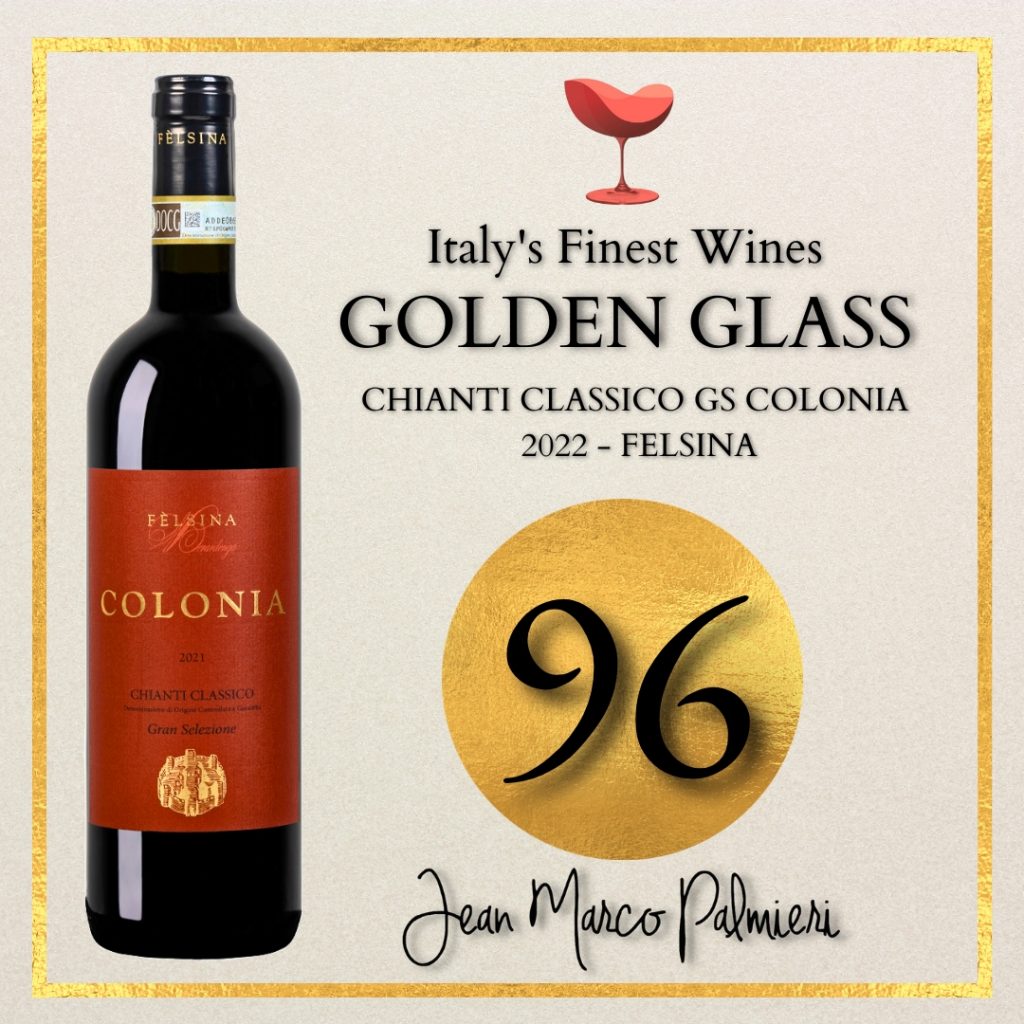
Forest fruits, violets, sweet spices, toasted hints. Dense palate, powerful tannins, vibrant acidity.
• Vineyard: summit of Rancia, 500 m a.s.l., south-west exposure.
• Vinification: over 30 months in new barriques, 8-12 months in bottle.
• Grapes: 100% Sangiovese
• Subzone: Castelnuovo Berardenga
• Organic: ✅
Chianti Classico Gran Selezione “Casasilia” 2023 – Poggio al Sole
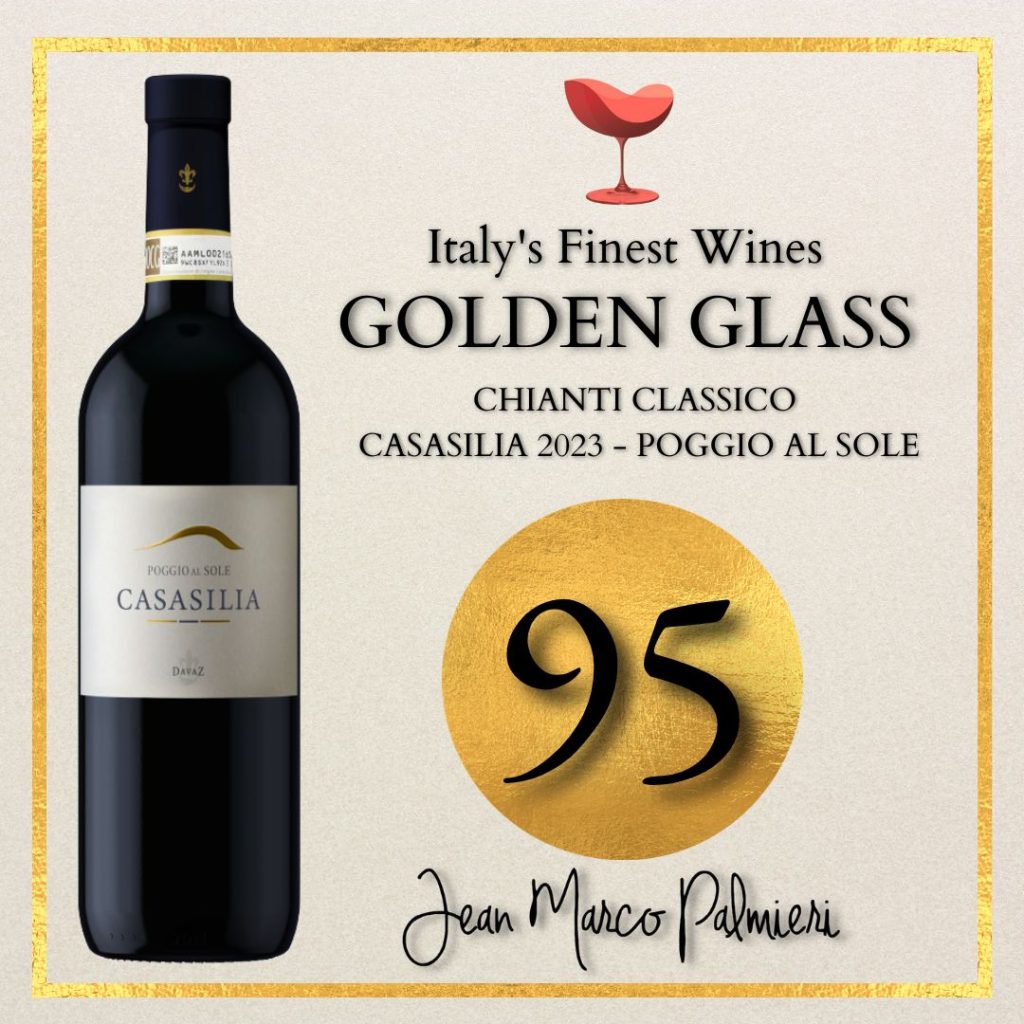
Notes of sour cherry, blackcurrant, blackberry, violet, forest floor and tobacco. Intense and elegant, with a polished, deep structure, well-defined tannins and a long, persistent finish.
Technical details: Produced from a selection of the finest grapes grown in the estate’s oldest Sangiovese vineyards surrounding the winery. Hand-harvested, fermented in stainless steel and macerated for over 20 days. Aged for 18 months in first- and second-use barriques.
Grape variety: 100% Sangiovese
Municipality: Barberino Tavarnelle – San Donato in Poggio UGA
Organic: ✅
Riserva “Il Campitello” 2022 – Monteraponi
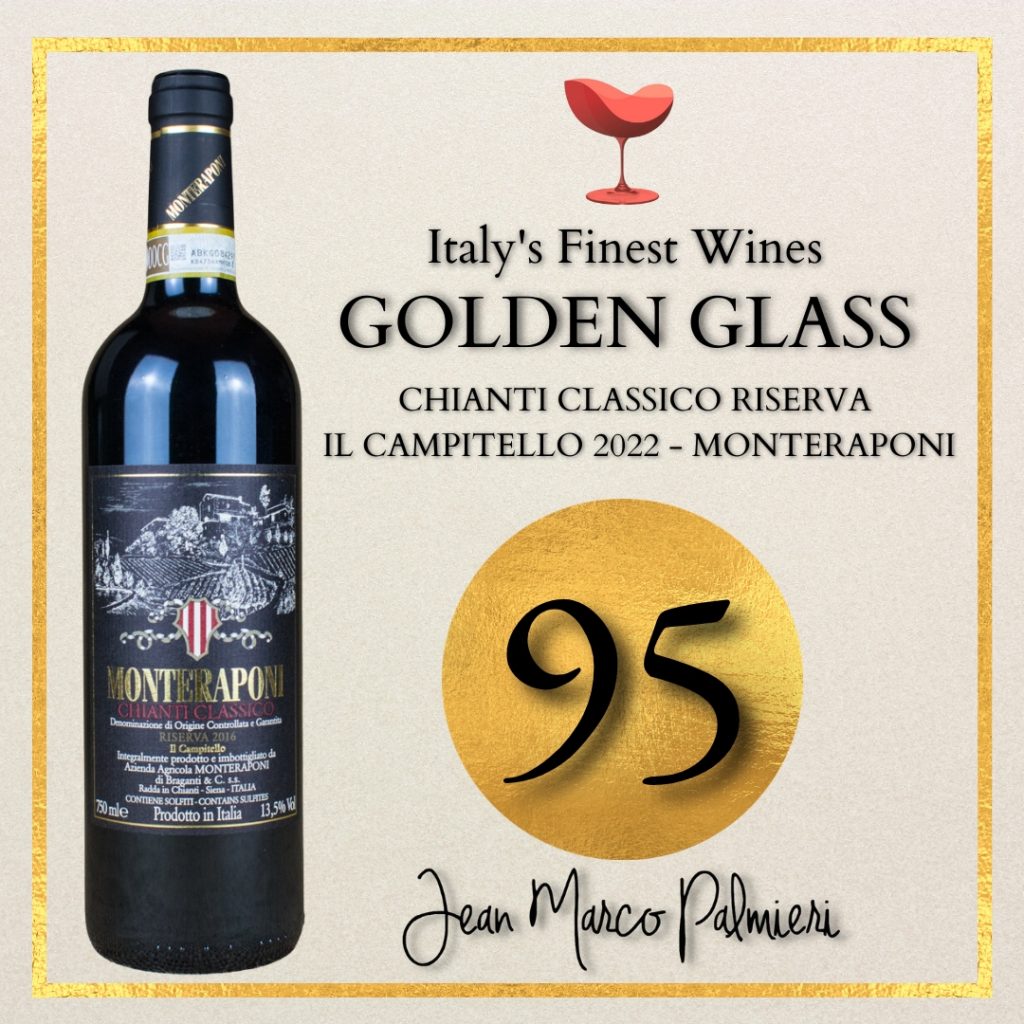
Blackberry, cherry, tobacco, aromatic herbs. Deep sip, soft tannins, important structure.
• Vineyard: 420 m a.s.l., south/south-east exposure, on clay and galestro, vines 40+ years old, organic.
• Vinification: spontaneous fermentations in cement, aging 26 months in oval barrels + 3 months cement.
• Grapes: 90% Sangiovese, 7% Canaiolo, 3% Colorino
• Municipality: Radda in Chianti
• Organic: ✅
Chianti Classico 2020 – Castel in Villa
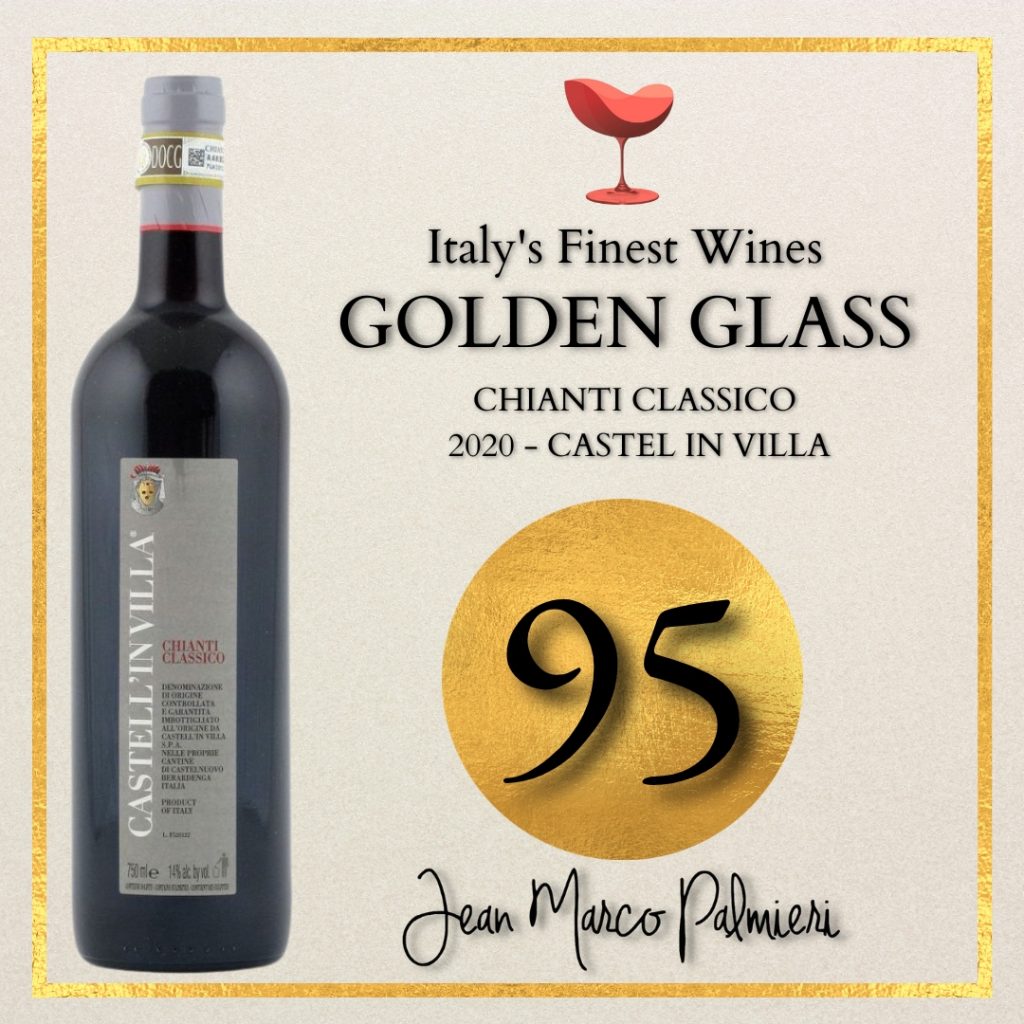
Notes of black cherry, citrus, tobacco, and spices. Decisive sip, with a textured structure balanced by acidity and alcoholic warmth.
• Technical Data: vineyards at 250-320 m, spontaneous fermentation in steel, aging 36 months in large barrels + 12 months bottle.
• Grapes: 100% Sangiovese
• Municipality: Castelnuovo Berardenga
Gran Selezione Bellezza 2020 – Castello di Gabbiano
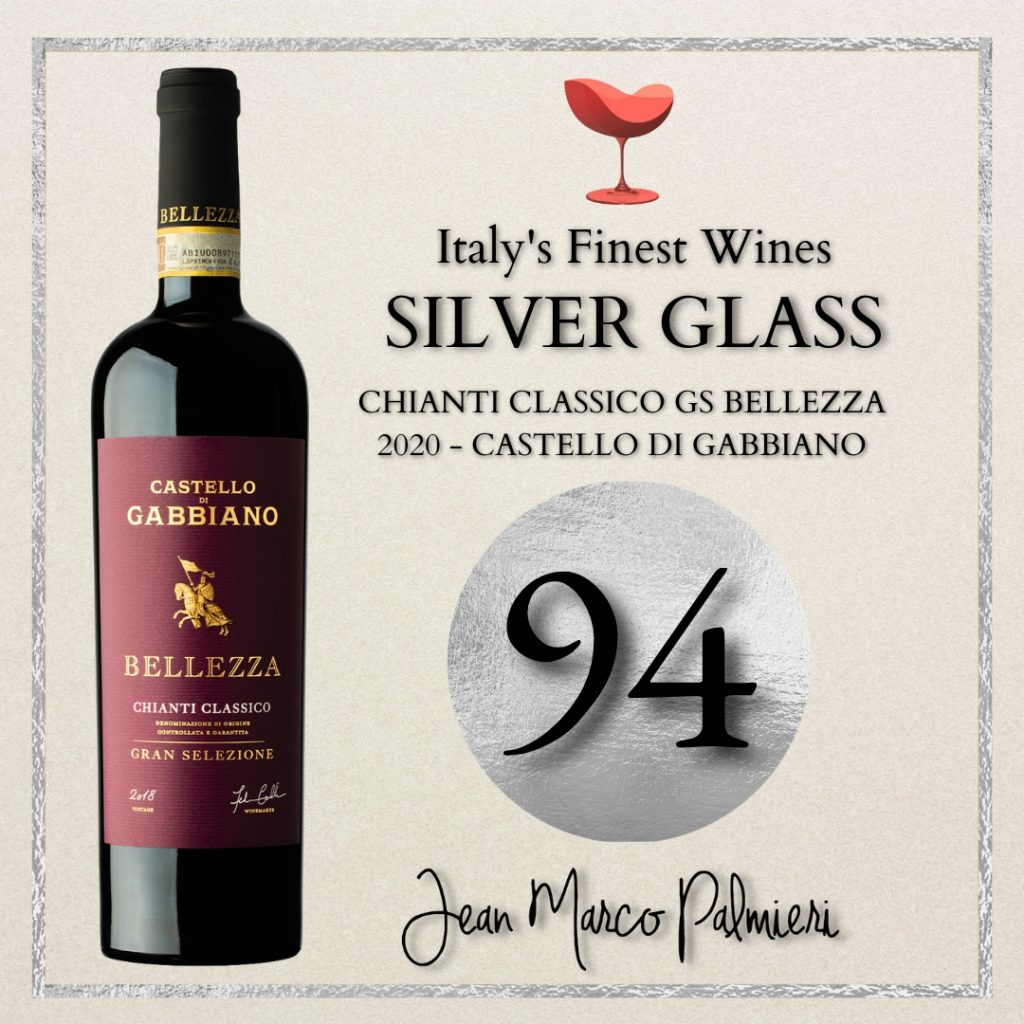
Red fruits, sweet spices, leather, medicinal herbs. Full palate, mature tannins, good acidity, great balance.
• Technical Data: Maturation 16 months in Tuscan oak and French tonneaux barrels, then long bottle aging.
• Grapes: 100% Sangiovese
• Municipality: San Casciano in Val di Pesa
Chianti Classico ‘Tenuta de’ Carfini‘ 2024 – Belvedere1
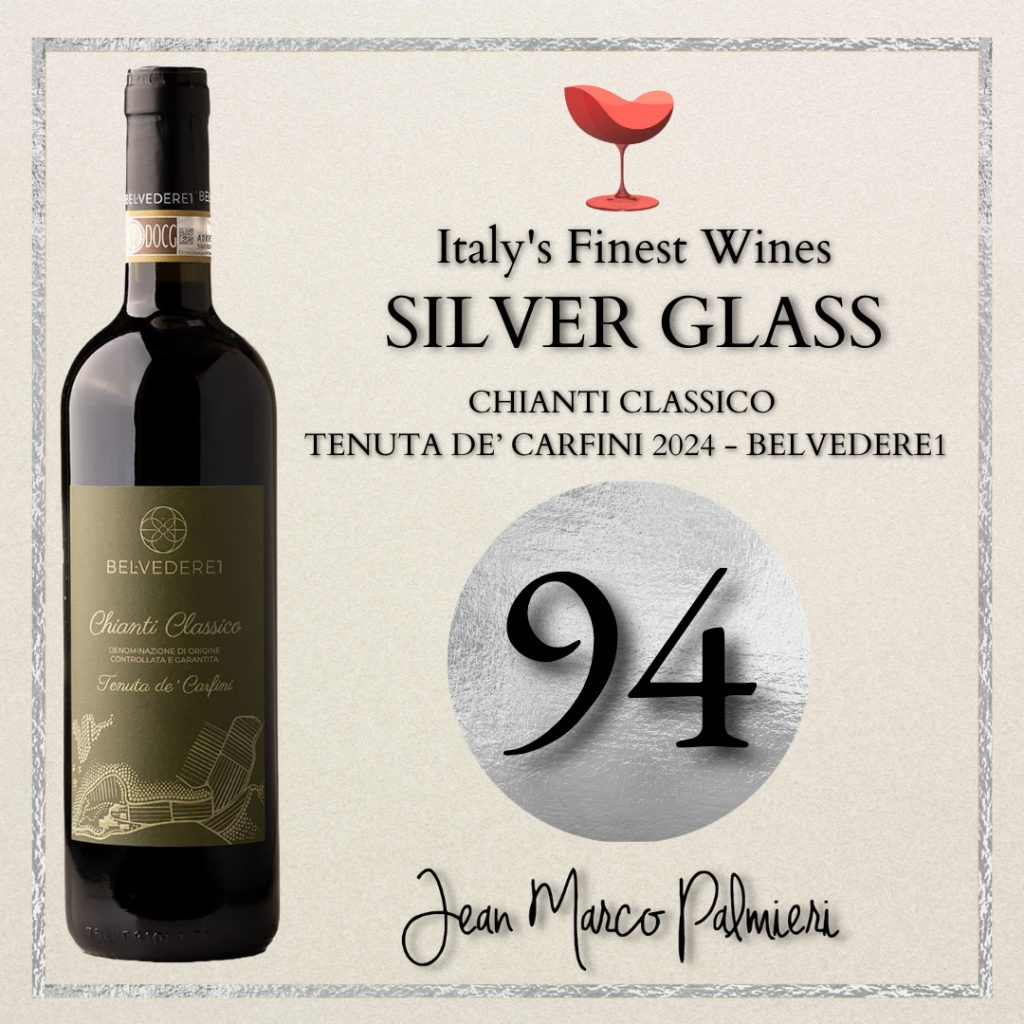
Fresh and fragrant, with crunchy red fruit (cherry and redcurrant), floral hints, and light spice. Fine tannins, bright acidity, and a clean, elegant finish. Spontaneous fermentation with skin contact for about 30 days.
- Vineyard: 250–300 m a.s.l., south-west exposure on clayey and stony soils, vines planted between 1998 and 2004, organic.
- Vinification: spontaneous fermentation in concrete, 30-day maceration, aged 12 months between concrete and oak barrels + short bottle rest.
- Grapes: 100% Sangiovese
- Municipality: Castellina in Chianti
- Organic: ✅
Riserva 2022 – Erta di Radda
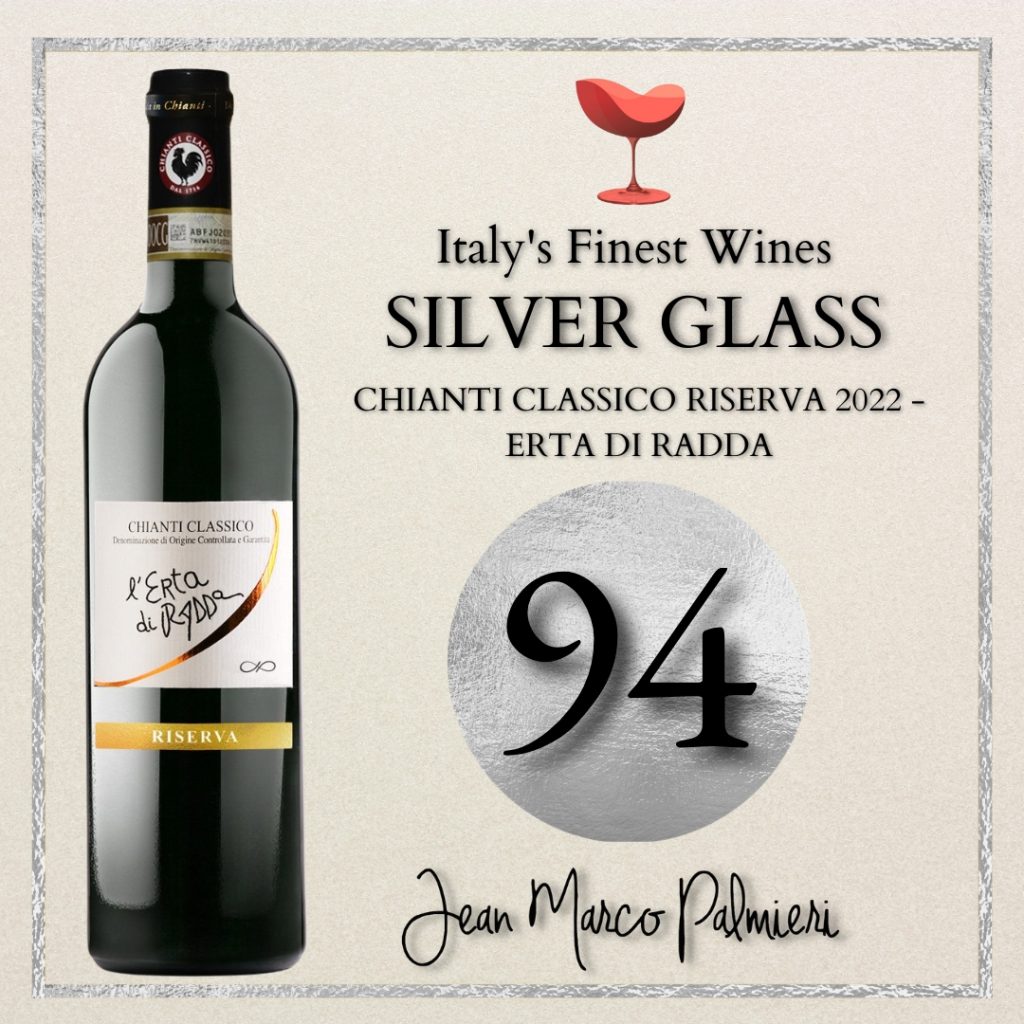
Fresh, intense, silky tannins, vibrant acidity. Traditional fermentation (15 days) without selected yeasts.
• Vineyard: 320-370 m a.s.l., south-east exposure on galestro and alberese, vines since 1967, organic.
• Vinification: 24 months in 2000-liter barrels + short bottle rest.
• Grapes: 100% Sangiovese
• Municipality: Radda in Chianti
• Organic: ✅
SA’ETTA Riserva 2021 – Montebernardi
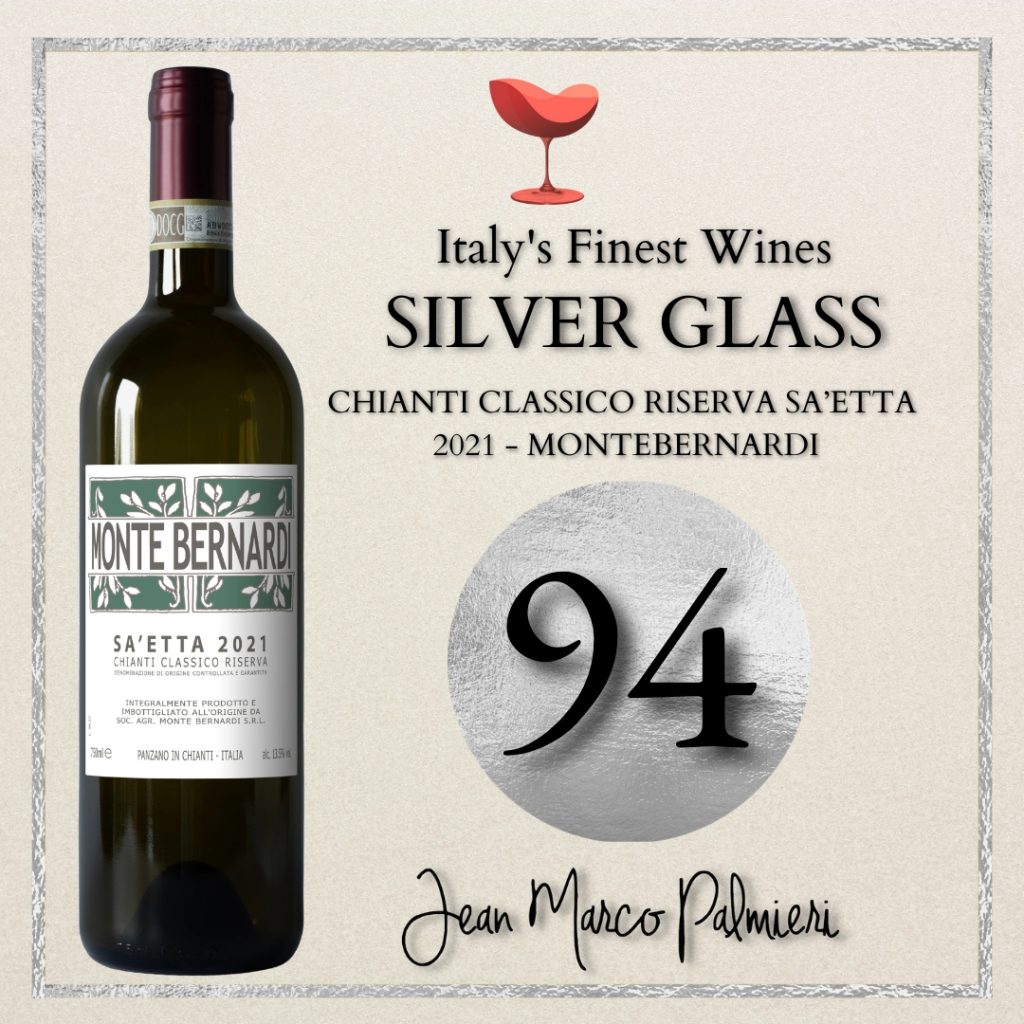
Floral notes, cherry, tobacco, undergrowth. Deep sip, smooth tannins, great freshness.
• Vineyard: over 50 years old, 350 m a.s.l., south exposure, organic.
• Vinification: spontaneous fermentation in cement, aging 24 months in Austrian/German barrels + 12 months bottle.
• Grapes: 100% Sangiovese
• Municipality: Panzano in Chianti
• Organic: ✅
Vigneto Riserva Branca 2023 – Cigliano di Sopra
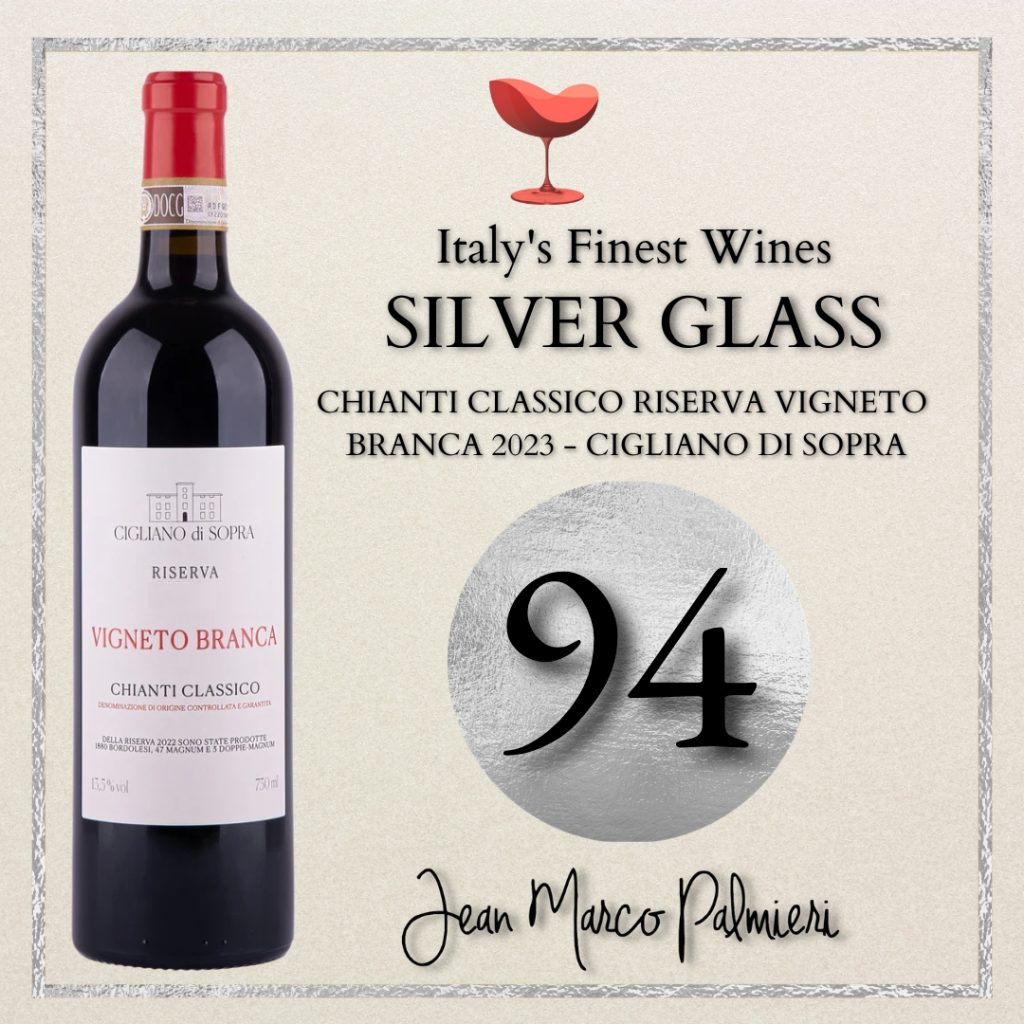
Crunchy red fruits, violet, light spices, and citrus hints. Fresh and lively sip, fine tannins, long persistence.
• Technical Data: Branca vineyard (1972) on sandy, clayey, and galestro soils at 250 m a.s.l., south-west exposure. Spontaneous fermentation, 50% whole cluster. Aging 14 months in used barriques, then steel.
• Grapes: 100% Sangiovese
• Municipality: San Casciano in Val di Pesa
• Organic: ✅
Gran Selezione 2022 – Castello di Meleto
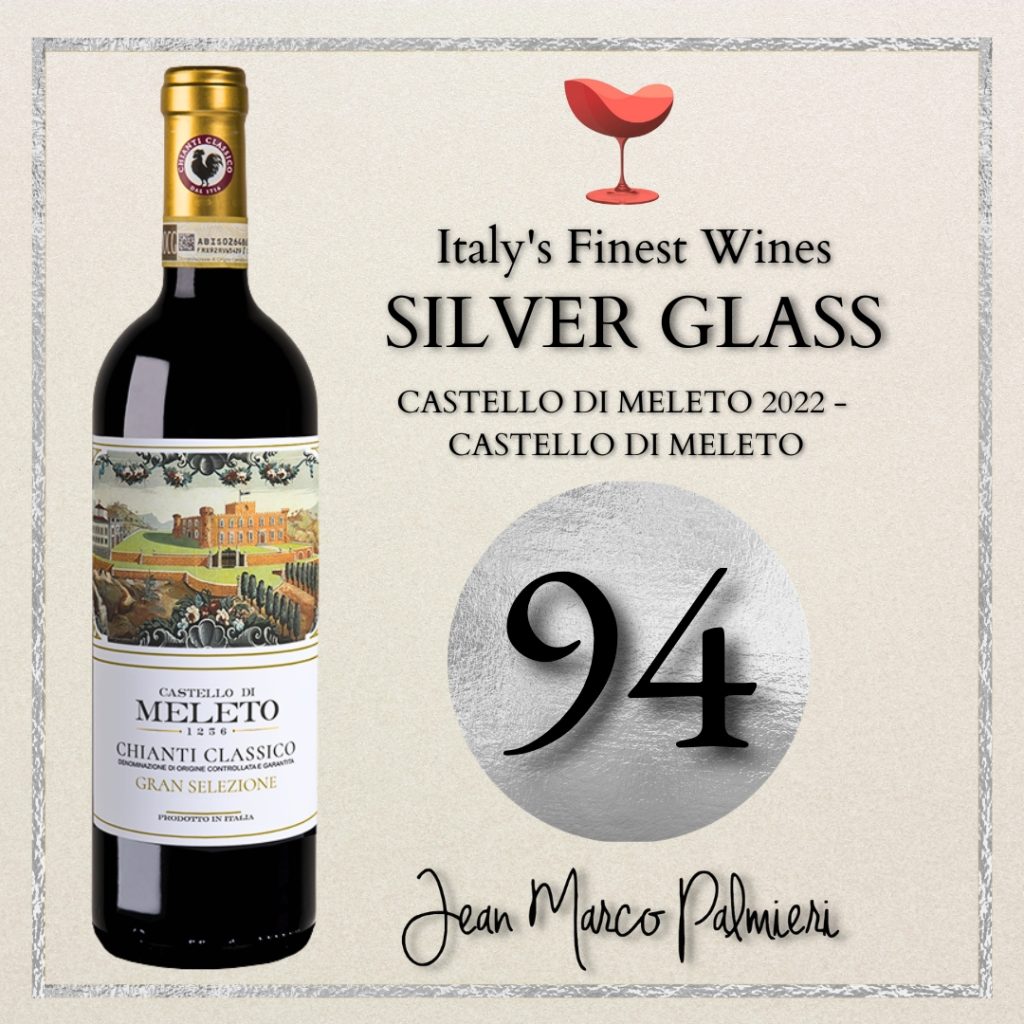
Red currant, violet, leather, balsamic.
Fresh and savory sip, enveloping tannins, great persistence.
• Technical Data: Cru Poggiarso at 570 m a.s.l. Aging 27 months in 50 hl French oak barrels.
• Grapes: 100% Sangiovese
• Municipality: Gaiole in Chianti
• Organic: ✅
Chianti Classico Sergio Zingarelli 2022 – Rocca delle Macìe
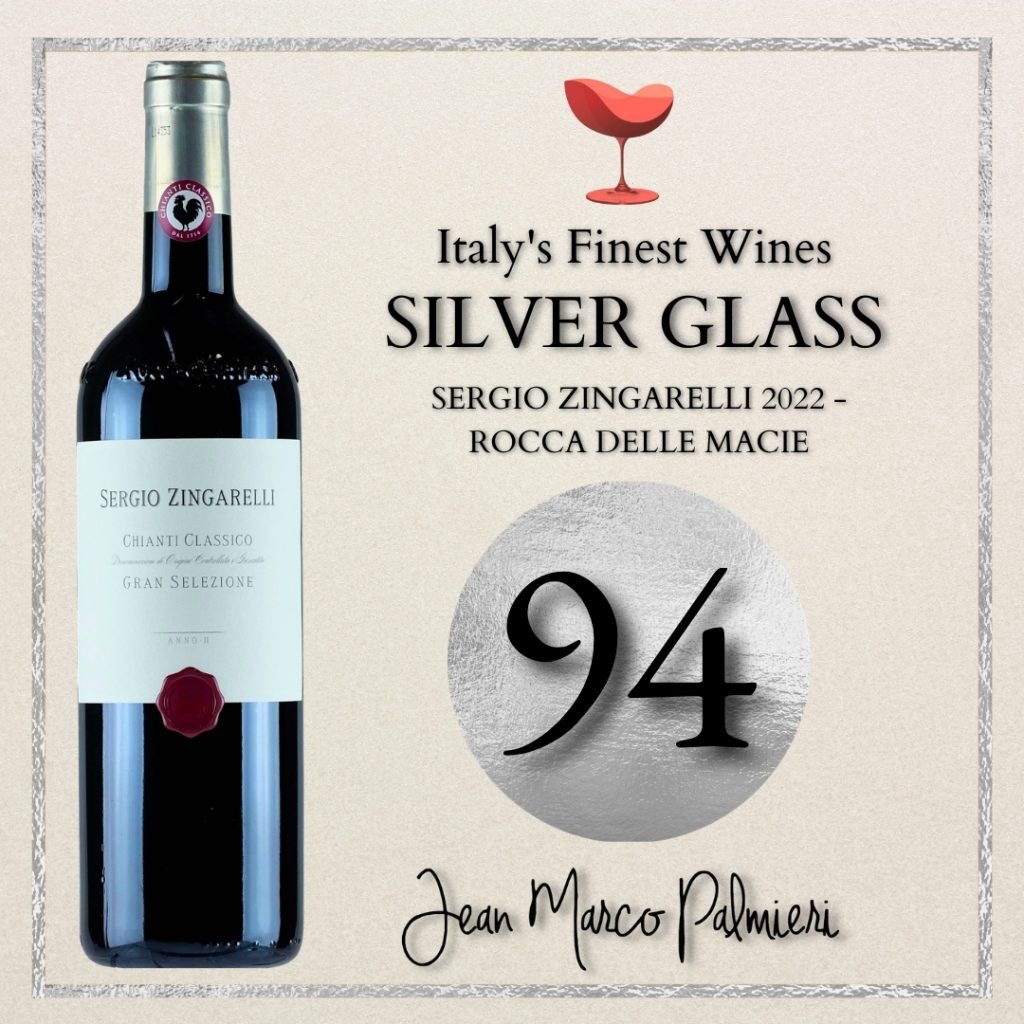
Plum, blackberry, vanilla, graphite, licorice. Dense and structured sip, defined tannins, nice minerality.
• Technical Data: Cru Le Terrazze at 335 m a.s.l. on gravelly soils. Fermentation in cement (18 days), aging 16 months in 25 hl barrels, then 20 months in bottle.
• Grapes: 100% Sangiovese
• Municipality: Castellina in Chianti
Bugialla Chianti Classico Riserva 2022 – Poggerino
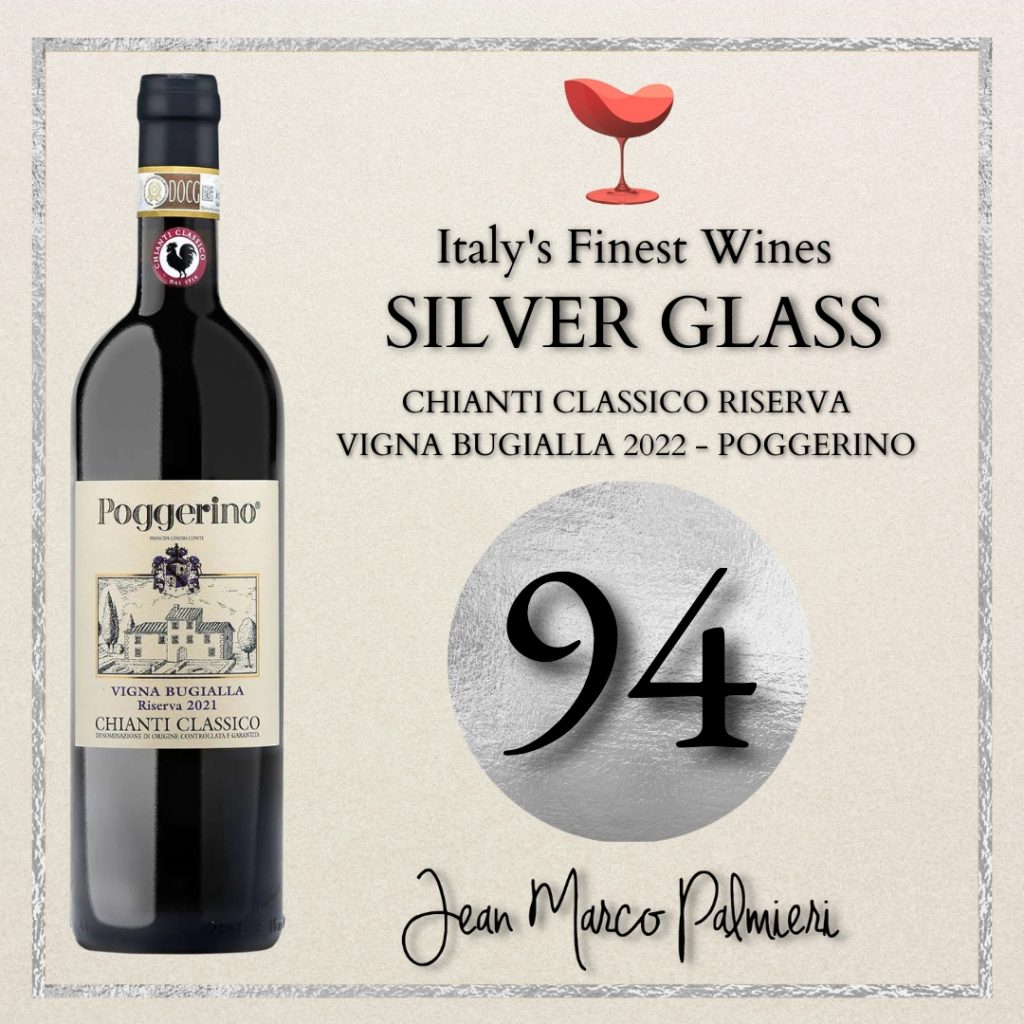
Blackberry, currant, graphite, leather, violet. Precise sip, noble tannins, long persistence.
• Technical Data: Vineyards at 400-500 m a.s.l. in Radda. Spontaneous fermentation in steel, aging 18 months in Slavonian barrels, then 12 months bottle.
• Grapes: 100% Sangiovese
• Municipality: Radda in Chianti
• Organic: ✅
Chianti Classico Gran Selezione Vecchie Vigne DOCG 2020 – Podere Castellinuzza
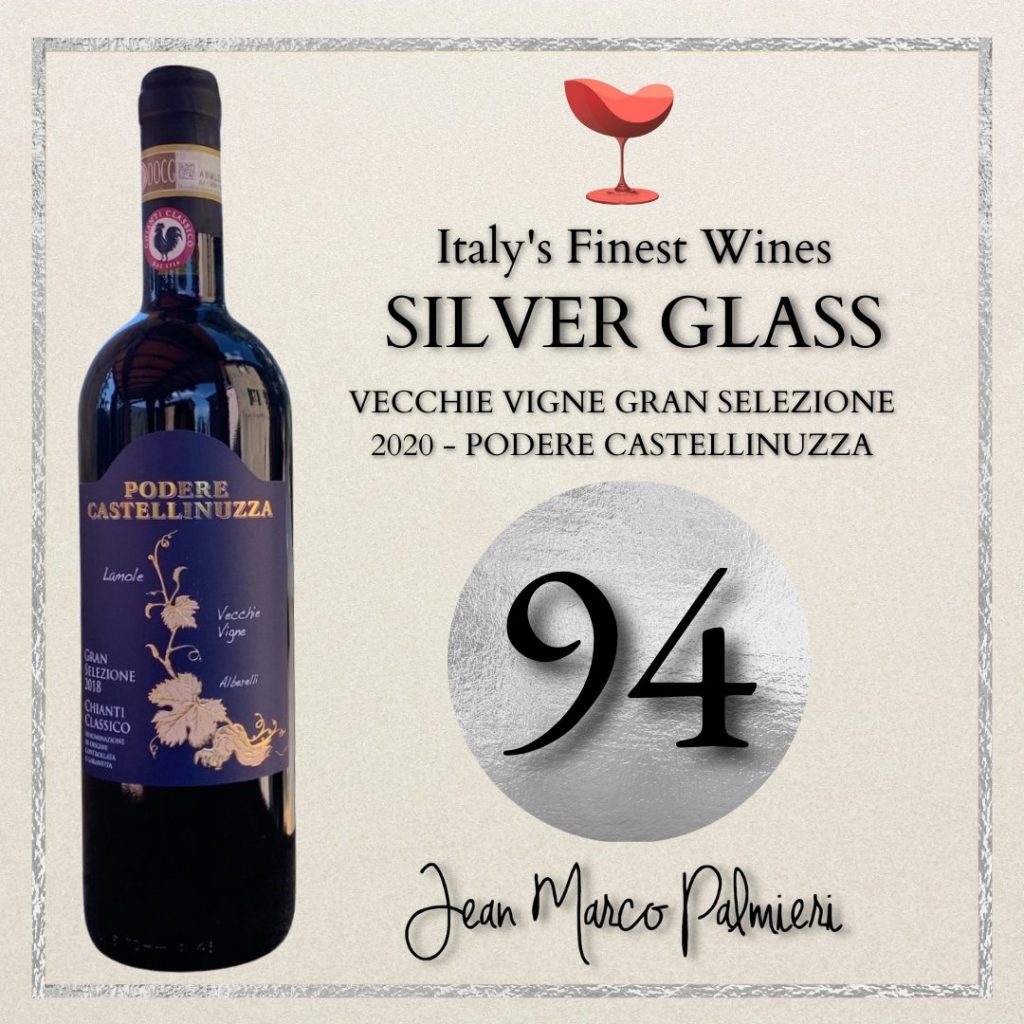
Ripe fruit, light spices, balsamic hints. Fresh, vertical palate with well-integrated tannins.
Technical Details: Vineyards 130/150 years old, 550 meters a.s.l., sandstone soils, northwest exposure. Spontaneous fermentation in cement vats. Aging in cement vats for 24 months, 9 months in large oak barrels, 6 months in bottle.
Grapes: 100% Sangiovese Vecchie Vigne
Town: Greve in Chianti (Lamole)
Organic: ✅
Chianti Classico Riserva 2022 – Val delle Corti
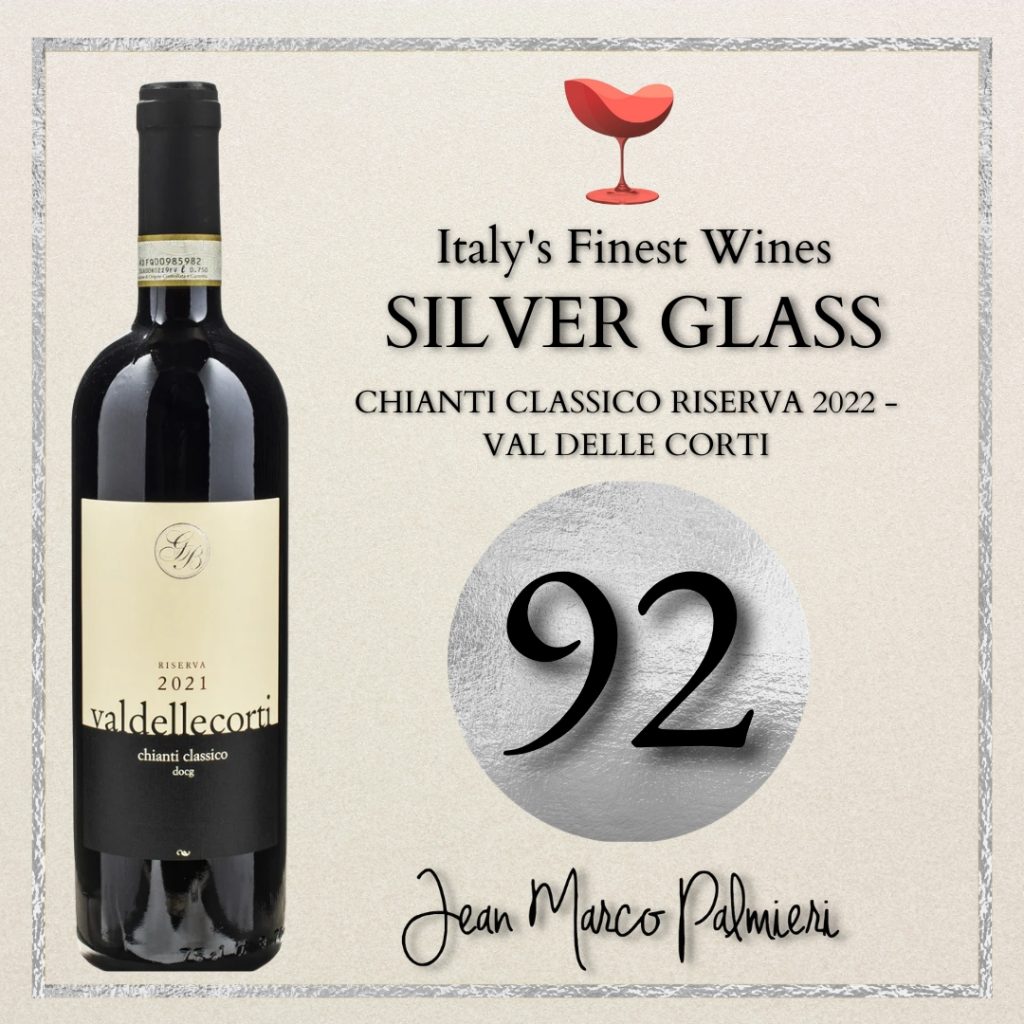
Red fruits, sweet spices, mineral vein. Fresh, vertical, mature tannins, savory finish.
• Technical Data: 40-50 year old vines at 450 m a.s.l. on galestro and alberese, east exposure. Spontaneous fermentation in steel and tonneaux, 3 weeks maceration. Aging 24 months in used wood, then bottle.
• Grapes: 100% Sangiovese
• Municipality: Radda in Chianti
• Organic: ✅
Chianti Classico 2023 – Isole e Olena
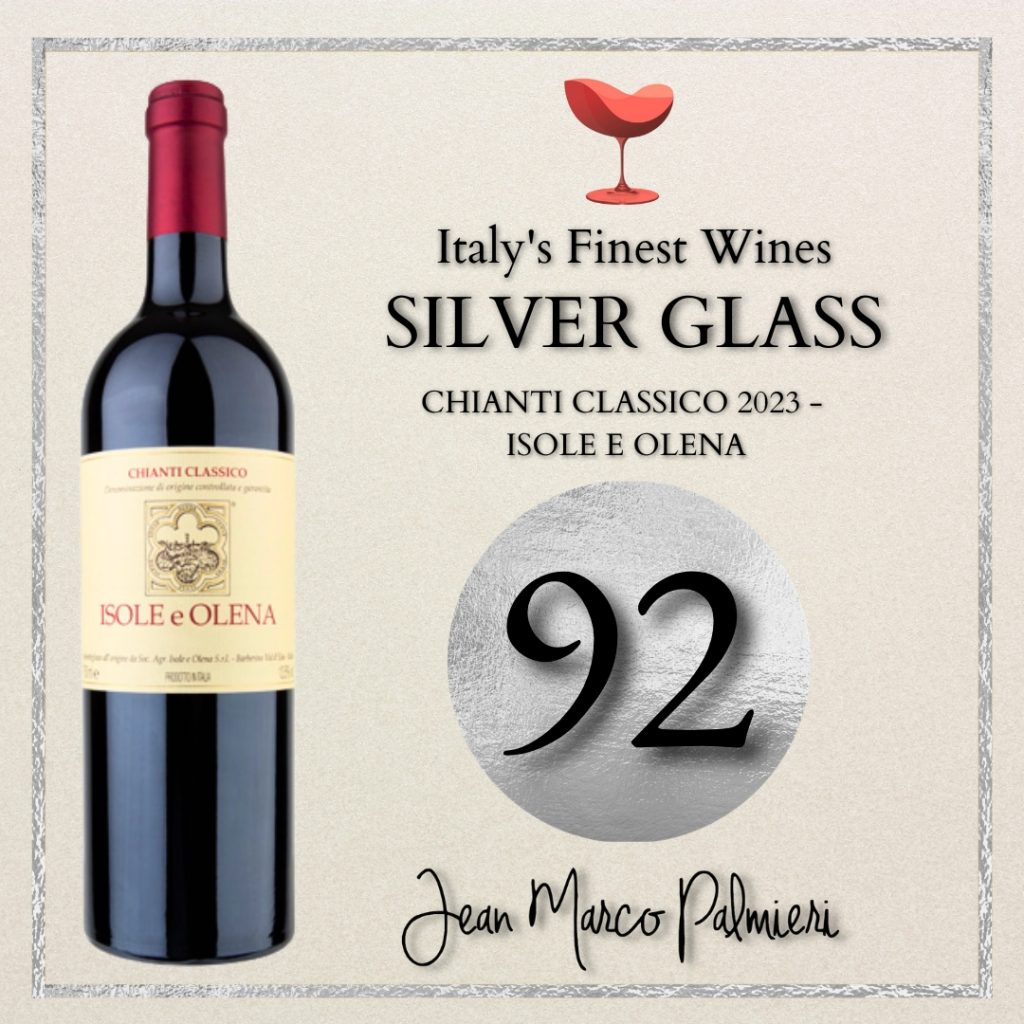
Violet, red fruits, delicate wood, and mint. Fresh and savory palate, incisive tannin, harmonious finish.
• Technical Data: Maceration 15-20 days with pump-overs and délestage. Aging 12 months in used barriques and various barrels, then bottle.
• Grapes: 100% Sangiovese
• Municipality: Barberino Val d’Elsa (Isole)
Chianti Classico 2023 – Tenuta di Carleone
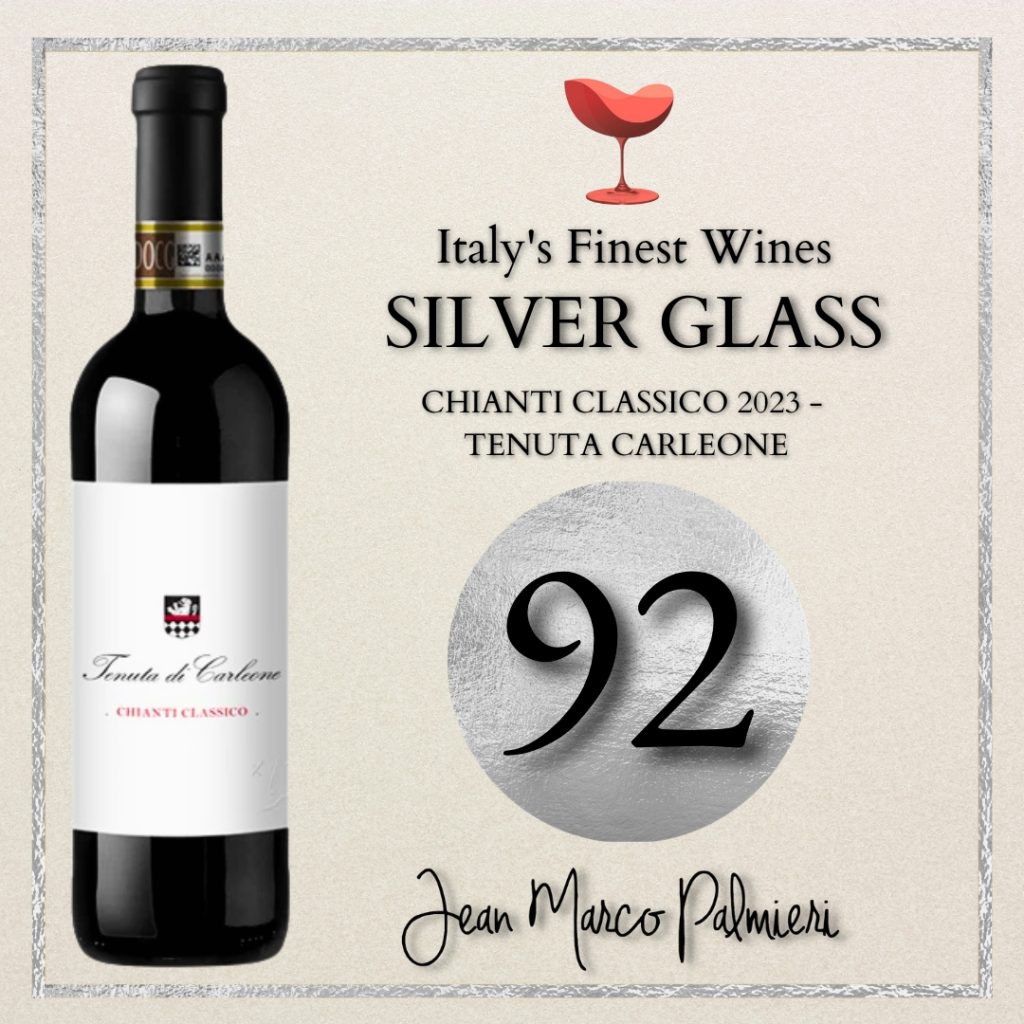
Fresh cherry, raspberry, herbs, and spicy floral notes. Vibrant and mineral on the palate.
- Vineyard: 400–600 m a.s.l. in Radda.
- Vinification: spontaneous fermentation in open vats, concrete, and steel. Maceration 40–60 days. Aged 18 months in concrete, steel, large barrels, or amphorae.
- Grapes: 100% Sangiovese
- Municipality: Radda in Chianti
- Organic: ✅
Chianti Classico – Regulations and Types
Chianti Classico, distinguished by the iconic black rooster brand, is one of the best Italian red wines, one of the best known and most appreciated all over the world.
It is a DOCG wine from Tuscany produced in about 7,200 hectares of vineyards between the provinces of Florence and Siena. Chianti Classico is produced from Sangiovese grapes (from 80% to 100%), to which traditional varieties such as Canaiolo, Colorino, or international varieties such as Merlot and Cabernet Sauvignon are commonly added.
There are three different types: Chianti Classico vintage, (younger version) Chianti Classico Riserva (with prolonged aging) and Chianti Classico Great Selection (flagship of the cellars, produced with the most selected grapes and with a minimum aging of 30 months) .
Best Chianti Classico vintages
Discover the ranking of the best vintages of Chianti Classico from 1995 to today with the star rating. To learn more, consult the article dedicated to the best vintages of Chianti Classico, you will find the climatic trends in detail.
1995✭✭✭✭
1996✭✭✭✭
1997✭✭✭✭1/2
1998✭✭✭✭
1999✭✭✭✭✭
2000✭✭✭✭
2001✭✭✭✭✭
2002✭✭
2003✭✭✭✭
2004✭✭✭✭✭
2005✭✭✭/1/2
2006✭✭✭✭✭
2007✭✭✭✭
2008✭✭✭✭✭
2009✭✭✭✭
2010✭✭✭✭
2011✭✭✭✭
2012✭✭✭✭1/2
2013✭✭✭✭
2014✭✭✭
2015✭✭✭✭✭
2016✭✭✭✭✭+
2017✭✭✭✭
2018✭✭✭✭
2019✭✭✭✭✭
2020✭✭✭✭
2021✭✭✭✭✭
2022✭✭✭+
2023✭✭✭+
2024✭✭✭+
ARTISAN, BIODYNAMIC AND NATURAL WINERIES OF THE CHIANTI CLASSICO
The production of Chianti is linked to many large historic and iconic companies but also many medium-small producers with an artisanal, biodynamic and natural production style. For those interested in these types of realities we have drawn up a selection of natural Chianti wineries.
Here are some tips from wineries of natural, artisanal and biodynamic Chianti Classico wineries.
- Montesecondo (San Casciano Val di Pesa – Firenze)
- Pacina (Castelnuovo Berardenga – Siena)
- San Giusto a Rentennano (Gaiole in Chianti – Siena)
- Podere Erica (Barberino Tavarnelle – Firenze)
- Monterotondo (Gaiole in Chianti – Siena)
- Castello dei Rampolla (Greve in Chianti – Firenze)
- Monteraponi (Radda in Chianti – Siena)
- Montevertine (Radda in Chianti – Siena)
- Caparsa (Radda in Chianti – Siena)
- Buondonno (Castellina in Chianti – Siena)
- Fattoria di Pomona (Catellina in Chianti – Siena)
- Val delle Corti (Radda in Chianti – Siena)
- Istine (Radda in Chianti – Siena)
- Le Boncie (Castelnuovo Berardenga)
- Monte Bernardi (Panzano in Chianti)
- Poggerino (Radda in Chianti)
- Vegi (Castellina in Chianti)
What is the best Chianti Classico?
Which are the best Chianti Classico? Choosing is a difficult undertaking, which however inevitably is subject to the limits of a subjective opinion, which as such, by definition, is deficient and arbitrary.
We have simply compiled a list of our favorite interpretations according to our evaluations. However, it remains essential to underline that wine is not born as a status symbol, to be exhibited or flaunted coram populo.
But to excite us and be shared in a genuine way with the people we love, binding ourselves to contingent situations and to the unrepeatable and intimate moments of our life.
Therefore, we invite you to visit wineries and get to know the producers who produce wines in their uniqueness, so that you can independently discover and choose the wine that can be counted for you among your personal favorite wines. If you have had the patience to read this far, thank you for your attention, but now is the time to fill the glasses and cut the distant hopes, and therefore:
Cheers, Salute, Santé
Jean Marco Palmieri