NOTABLE REGIONS: France (Bordeaux, Saint-Émilion and Pomerol), Italy (Tuscany), United States (Napa Valley, Sonoma County), Chile, Australia, Argentina, many other countries in the world.
MERLOT: WHAT ARE ITS FEATURES?
The Merlot grape is one of the most loved and widespread red berried varieties in the world. It is often blended with Cabernet Sauvignon and Cabernet Franc, as is the case in the Tagli Bordolesi. Greedy and velvety, Merlot wine is at the center of constant and heated debates among oenologists and enthusiasts due to its nature as versatile as it is sometimes accommodating and pimp.
Let’s discover together the origins of the vine, its ampelographic and agronomic characteristics, the organoleptic characteristics of Merlot wine, which food to combine with Merlot wine, the production areas of Merlot, the curiosities related to this variety, the iconic bottles and the best Merlot wines Quality price.
- Origin of the name and history of Merlot
- Production areas in Italy
- Production areas in the world
- Organoleptic characteristics of Merlot wine
- Most famous wines produced with Merlot
- Gastronomic combinations with Merlot
- Curiosities about Merlot wine
- Ampelographic characteristics and agronomic notes of the vine
ORIGIN OF THE NAME AND HISTORY OF THE MERLOT
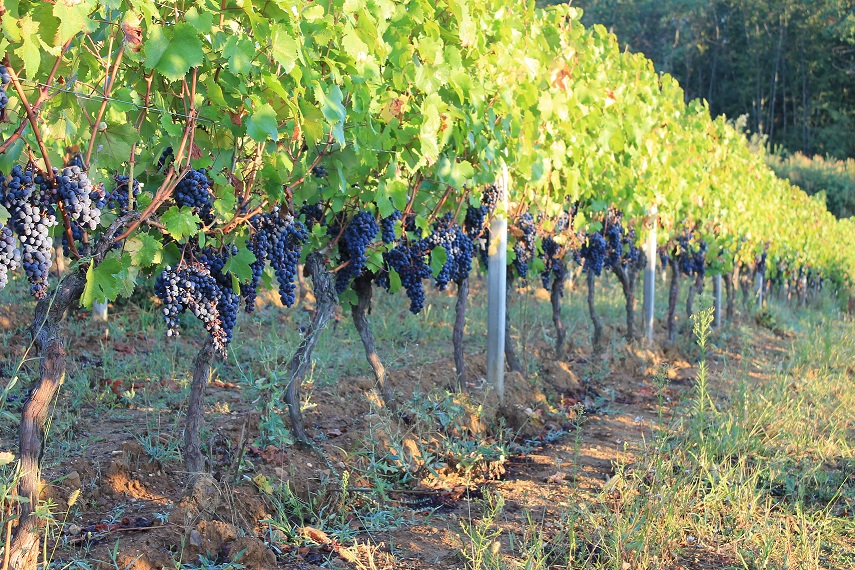
Juicy, fragrant and sugary. The name of the Merlot vine derives precisely the palatability of its berries, particularly appreciated not only by our palates but also .. by the blackbirds! Merlot, also known as Médoc Nir, Picard, Sémillon rouge, makes its first appearance in Gironde, the splendid land of southwestern France, but it soon spread to all wine-growing regions of the world.
It arrives in Italy, precisely in Friuli-Venezia Giulia, at the end of the nineteenth century. Thanks to the favorable conditions given by the cool climates, it begins to spread quickly in Veneto and Trentino-Alto Adige, and then soon takes hold also in Emilia-Romagna and Tuscany, up to the tip of the boot.
PRODUCTION AREAS IN ITALY
Where is the Merlot grape grown in Italy?
Colli Orientali del Friuli
The most suitable area for the production of Merlot wine is undoubtedly the Triveneto.
In Friuli-Venezia Giulia, in particular in the Colli Orientali del Friuli, fresh, structured and elegant wines are produced. In Veneto, Merlot, the first black grape variety grown in the region, is vinified with surprising and fruity results in the Berici and Euganean Hills, while Trentino-Alto Adige offers noble versions in the provinces of Bolzano and Trento.
Another particularly suitable area is Tuscany: the best Tuscan Merlot wines are produced in the clayey areas of Val di Cornia and Bolgheri, but also in Cortona, where the homonymous DOC is expected.
Thanks to its great adaptability and versatility, Merlot boasts extraordinary interpretations even in southern Italy. Merlot wine in Campania (fabulous is the one produced in Bacoli) as well as Merlot wine in Sicily reveals the other side of its personality, more spicy and opulent than the less alcoholic and fruity versions of the north.
THE BORDEAUX STYLE BLEN D
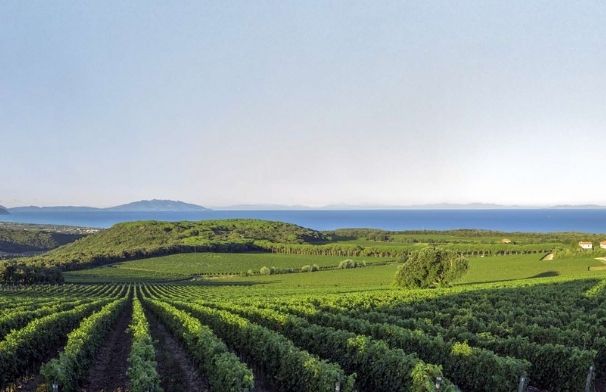
Precisely because of its softness, Merlot is often found blended with other more exuberant varieties: first of all the Cabernet Sauvignon, with its biting character. The extraordinary complementarity between the two Merlot-Cabernet Sauvignon vines, soft and velvety one, whimsical and herbaceous the other, gives life to the famous Bordeaux blend, a world-famous blend originally from Bordeaux but declined in countless versions in the various wine regions. Discover the article dedicated to the Bordeaux style blen d.
This is how Supertuscan wines are born in Italy, produced on the Tuscan coast, in the Bolgheri area. What are the wineries that produce the best Supertuscans in Bolgheri? Here, we have selected for you the most noteworthy ones: discover the 20 best wines of Bolgheri quality-price.
The Bordeaux blend boasts excellent interpretations also in other areas of the peninsula. The most suitable are found in northern Italy: in Veneto in Breganze, in the Berici and Euganean Hills; In Trentino in the province of Bolzano and in Friuli in the Colli Orientali.
PRODUCTION AREAS IN THE WORLD
Where is the Merlot grape grown in the rest of the world?
The homeland of Merlot is undoubtedly France. The best Merlot wines in the world are produced in Bordeaux, more precisely in the small town of Pomerol, in a vineyard area of about 12 square kilometers on the right bank of the Garonne river. Here, Merlot is usually blended with Cabernet Franc or Sauvignon to obtain wines of great depth and prestige. Another important area of Bordeaux for the production of Merlot wines, also usually produced in blend with Cabernet Franc, is Saint-Émilion.
Excellent Merlot wines are also produced in Chile (Colchagua, Maule Valley, Curicò), in the United States (Washington, Sonoma Valley, Napa Valley), in Australia and in South Africa (Stellenbosch).
ORGANOLEPTIC CHARACTERISTICS OF MERLOT WINE
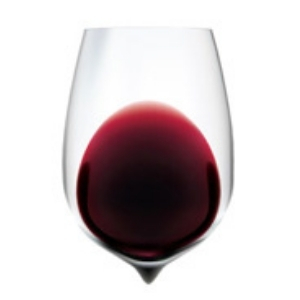
What are the characteristics of Merlot wine? Let’s find out together what are the organoleptic characteristics of Merlot red wine, from color to aromas and taste.
COLOR OF THE MERLOT WINE: vinified in purity, Merlot wine gives life to wines with a good alcohol content, an intense and impenetrable ruby red color that tends to garnet with aging.
AROMAS OF MERLOT: red and black berries stand out on the nose. Currant, blueberry, blackberry, raspberry, strawberry, black cherry, plum blend in perfect harmony with the typical slightly herbaceous, mentholated and earthy notes of Merlot, humus and undergrowth that evolve over time into hints of Roasting, cocoa, pepper and leather.
TASTE OF MERLOT: on the palate the Merlot wine is soft, juicy and enveloping, has a good structure, a balanced acidity and a defined tannin but at the same time often velvety and round, made even softer with aging.
Are there versions of Merlot vinified in white? Of course, in fact its versatility means that it can also be vinified in white to produce balanced and vinous sparkling wines, or declined in its rosé version, fresh and ready to drink.
MOST FAMOUS WINES PRODUCED WITH MERLOT
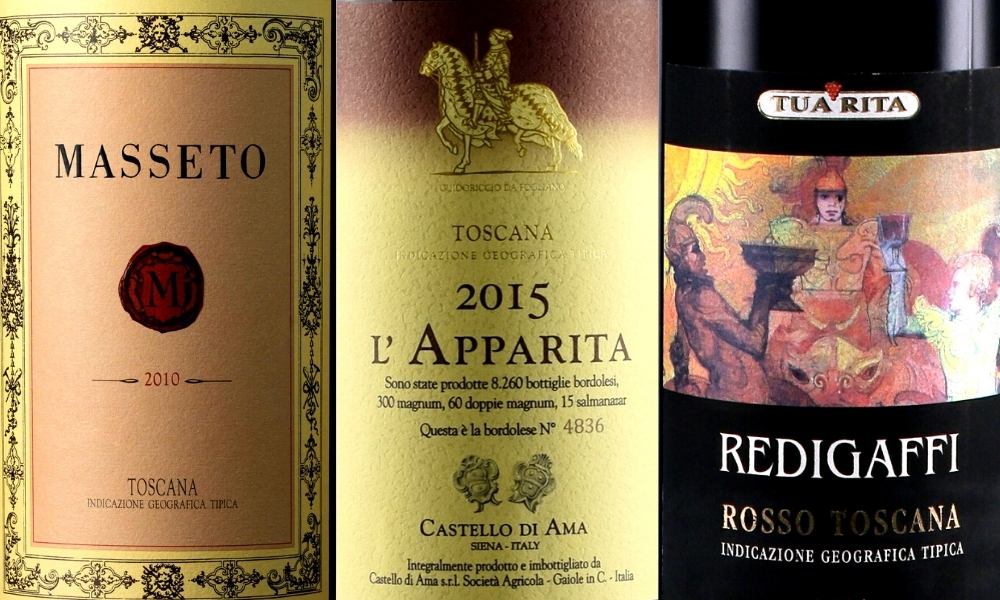
What are the most famous red wines produced with Merlot grapes? If in the French motherland the primacy undoubtedly goes to the legendary Château Petrus of Pomerol (Bordeaux), the most expensive merlot wine in the world and one of the most counterfeited, even among Italian wines there are many excellencies.
Among the best Italian Merlot we find Merlot Masseto, from Tenuta dell’Ornellaia (Bolgheri), or Merlot L’Apparita, from Castello di Ama (Gaiole in Chianti) and Merlot Redigaffi from Tua Rita (Suvereto), Merlot Miani from Miani (Colli Orientali del Friuli), Merlot Messorio from Le Macchiole (Bolgheri), FSM Merlot from Castello Vicchiomaggio (Greve in Chianti), Galatrona di Petrolo (Arezzo), Desiderio di Avignonesi (Montepulciano), Montiano from the Cotarella family (Lazio IGT) and the Merlot Baffonero from Rocca di Frassinello (Grosseto).
Italy’s Finest Wines has selected for you a list with tastings of the best 20 quality-price Italian Merlots.
GASTRONOMIC PAIRINGS WITH MERLOT
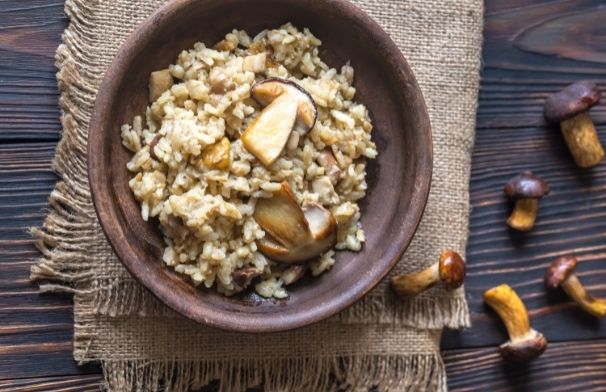
How to combine Merlot food and wine? Merlot is a wine for the whole meal: appetizers based on cured meats, blue or medium-long-aged cheeses, meat-based first courses, risotto with porcini mushrooms or radicchio, roasts, boiled, grilled, white and red meats, game .
In its more aged versions, Merlot can also be enjoyed as a meditation wine thanks to its moderate alcohol content. The optimal serving temperature is around 15-17 ° and the glass must be large.
CURIOSITIES ABOUT MERLOT WINE

Strength and Achilles’ heel at the same time, the softness of Merlot wine is often exasperated to the extreme, fueling its reputation as a pimp and monochord wine, which is why it was cited contemptuously and ironically in the film Sideways in the famous phrase – No, if anyone orders Merlot, I’m leaving. I am NOT drinking any fucking Merlot! -.
Given its nature as a soft and sometimes accommodating wine, Merlot is often used to smooth out the roughness and angularity of other more exuberant Italian vines, as occurs for example in combination with Sangiovese in Chianti.
In reality this vine has an extraordinary ability to interpret the area in which it has immersed its roots, and an attentive consumer will not be able to miss the clear difference between the fruity tones of Tuscan Merlot wines compared to the balsamic and undergrowth aromas of the Sicilian versions.
AMPELOGRAPHIC CHARACTERISTICS OF THE MERLOT VINE
What are the ampelographic characteristics of Merlot?
FEATURES OF THE LEAF: the merlot leaf is of medium size, pentagonal, three-lobed and five-lobed, with a broad U-shaped petiole breast and edges that generally overlap. The upper page is glabrous, light green and opaque; The lower one is tomentose and olive green in color. The ribs are usually green and the teeth irregular and not very pronounced. The petiole is hairless, thin and pink.
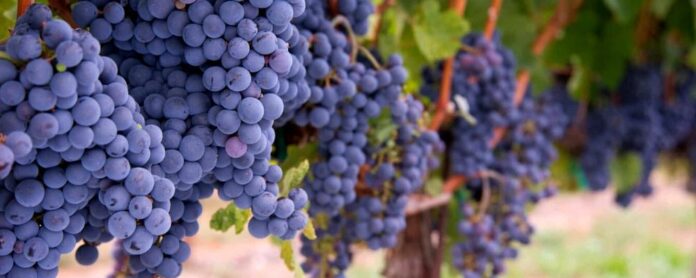
CHARACTERISTICS OF THE BUNCH: the Merlot cluster is medium-sized, pyramidal, winged (one or two wings), more or less loose. The pedicel is woody from the start.
CHARACTERISTICS OF THE BUCKET: the Merlot berries are round, regular, with a not too thick skin that tends to blue-black, and covered with an abundant layer of bloom; Its pulp is clear, sweet, slightly acidic but slightly herbaceous. It normally has two or three seeds per grape and the separation of the pedicel from the grain is easy.
AGRONOMIC NOTES OF THE MERLOT VINE
The Merlot grape boasts an extraordinary climatic adaptability: it is in fact a very early variety, capable of giving quantitatively and qualitatively satisfactory results even in difficult climates, and that is why it is considered an international grape par excellence.
Son of Cabernet Franc, Merlot prefers hilly soils, fatty and rich in clay, and with good humidity during the summer since it does not like drought very much. It is a vine with remarkable vigor and high productivity, and for this reason it adapts very well to guyot or spurred cordon training systems.
The constant and generous yield of Merlot makes it ideal for very high productions, sometimes even more on quantity than on quality, which is why many detractors of Merlot have increased, in some cases legitimately.