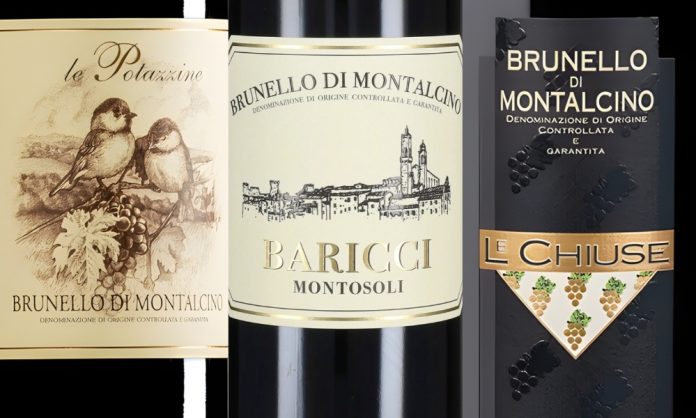
Discover our updated list of the best Brunello di Montalcino.
Do you want to recommend a wine to us? Write to us.
INDEX:
- Brunello di Montalcino recommended by Jean Marco Palmieri
- Brunello di Montalcino
- Brunello di Montalcino Food Pairings
- History of Brunello di Montalcino
BEST BRUNELLO DI MONTALCINO recommended by Jean Marco Palmieri

What is the best Brunello di Montalcino?
Discover our updated list of the best Brunello di Montalcino wines.
There will be photos, a score in cents and a description so that everyone can find the best Brunello di Montalcino suited to their tastes.
Brunello di Montalcino 2019 – Biondi Santi
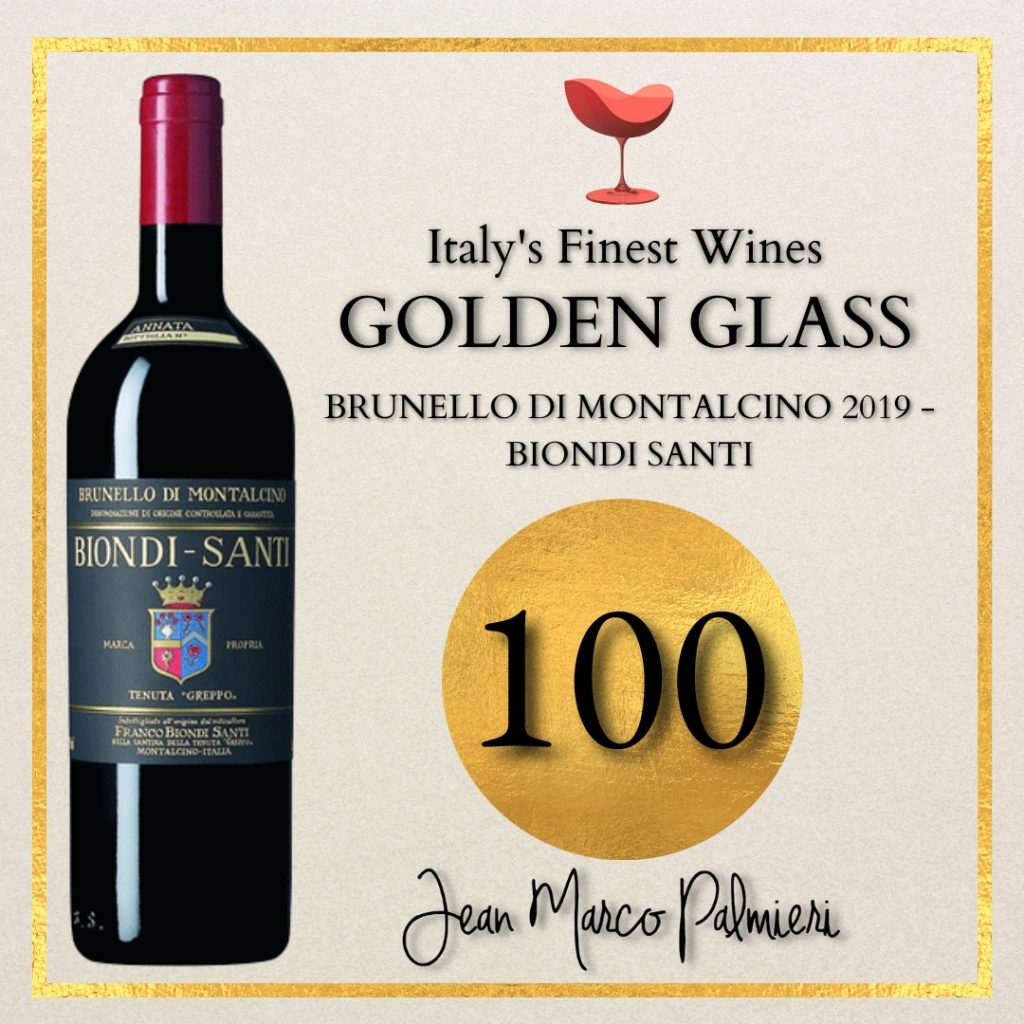
Elegant bouquet of violet, ripe cherry, sweet spices, and tobacco; on the palate, refined structure, silky tannins, vibrant acidity, and distinctive minerality, with a long and persistent finish.
- Vineyard: Tenuta del Greppo, altitude between 300 and 560 m, soils rich in skeleton and galestro, exposure (North-East, North)
- Vinification: fermentation in oak, cement, and steel vats with indigenous yeasts; prolonged maceration followed by 30 months aging in large Slavonian casks, then resting in bottle
- Zone: Montalcino (Tenuta Greppo, East slope)
- Estate: Biondi Santi, an icon of Montalcino, made famous by Franco Biondi Santi; today led by Giampiero Bertolini under the new technical director Federico Radi, who oversees rigorous agronomic practices and traditional vinifications to preserve Brunello’s classic style while adapting to climate change.
Brunello di Montalcino 2021 – Baricci
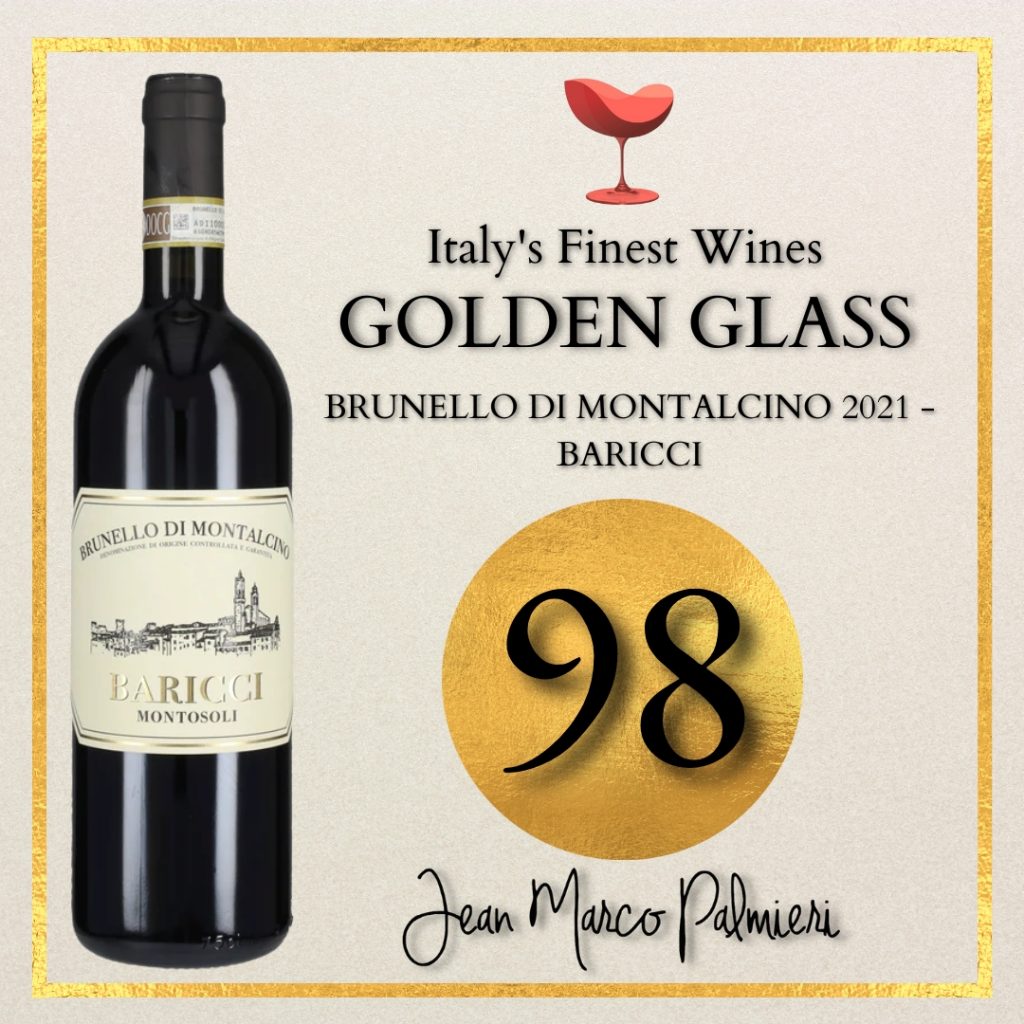
Fruity profile of cherry and ripe plum, with balsamic and spicy notes; on the palate, intense structure, fine tannins, and good freshness, with a long and harmonious finish.
- Vineyard: Montosoli, altitude 280‑300 m a.s.l., soils of marl, quartz schist, and galestro, exposure South‑South‑East
- Vinification: fermentation in steel with indigenous yeasts and controlled macerations; aging in medium-sized casks (20‑40 hl)
- Zone: Montalcino (Montosoli) North slope
- Estate: Historic winery founded by Nello Baricci, today led by Francesco and Federico Buffi, custodians of artisanal tradition and the classic style of Brunello di Montalcino.
Brunello di Montalcino 2021 – Le Chiuse
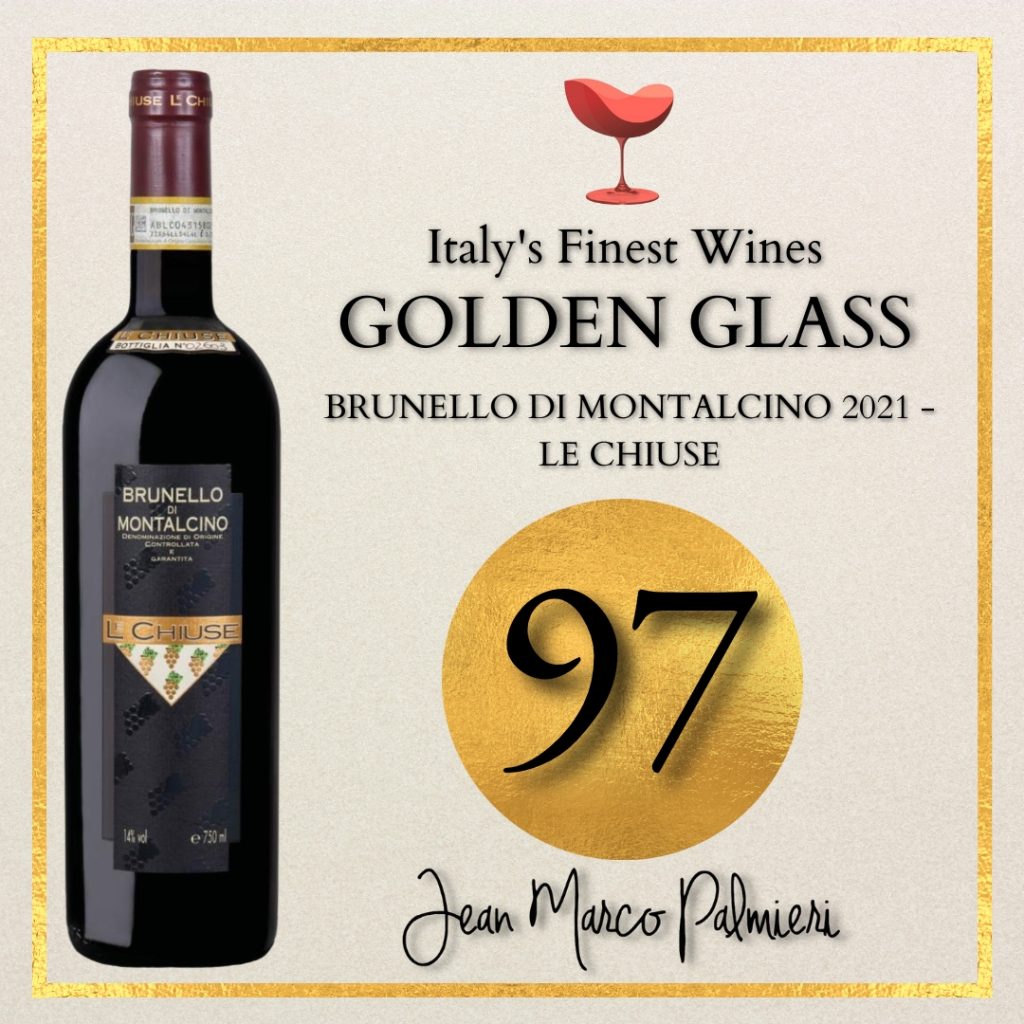
Intense aromas of ripe red fruits, hints of licorice, cocoa, and delicate balsamic notes. On the palate, broad and enveloping, with velvety tannins, vibrant acidity, and a savory texture that adds dynamism. Very long, deep, and balanced finish.
- Vineyard: 350 m a.s.l., north exposure, clay-limestone soils
- Vinification: fermentation with indigenous yeasts; aging in 30 hl Slavonian oak casks for about 3 years
- Zone: North (Canalicchio)
- Estate: Le Chiuse is an organic winery led by Lorenzo Magnelli, following a traditional and meticulous style. The estate stands out for its ability to express Sangiovese in all its possible nuances — from Metodo Classico to lighter reds and highly complex Riservas.
Brunello di Montalcino 2021 – Le Potazzine
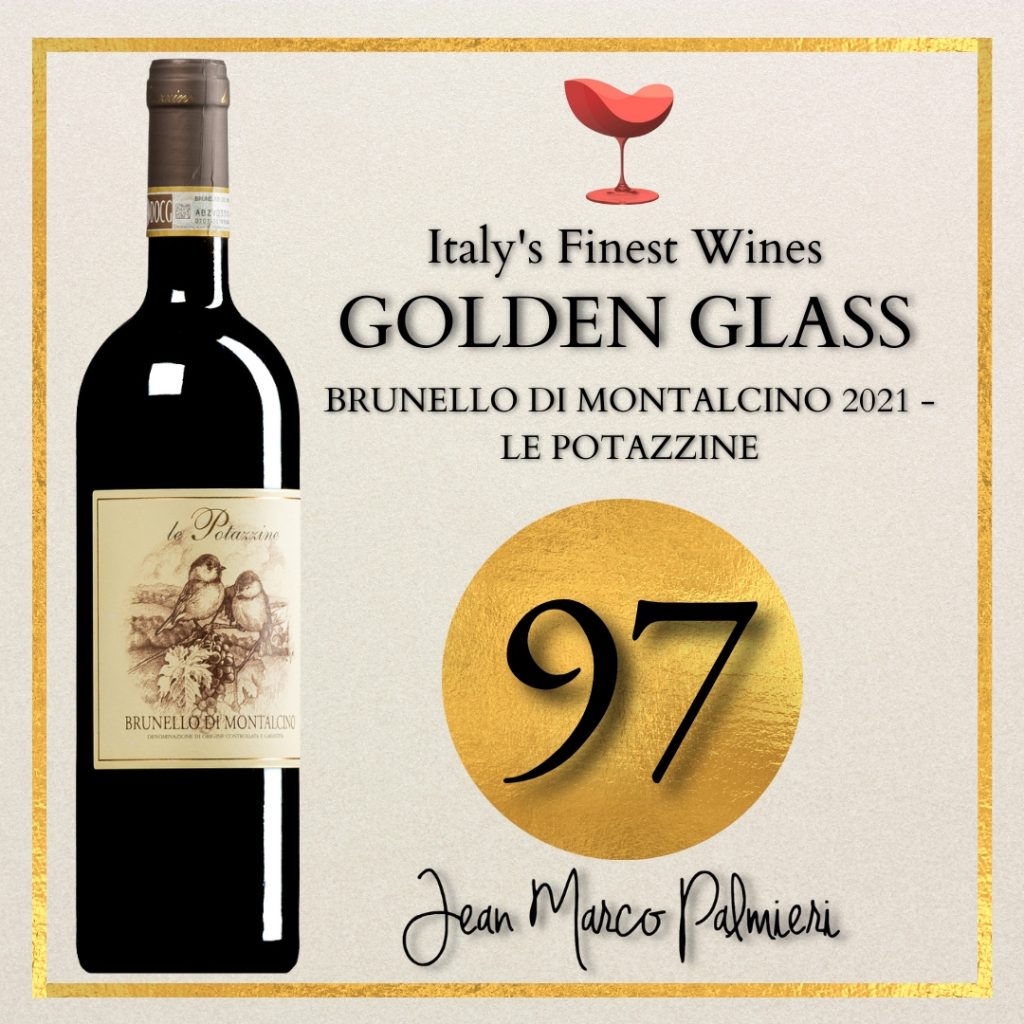
Intense aromas of morello cherry and violet, followed by notes of medicinal herbs and tar. On the palate, solid and compact structure, supported by lively acidity and marked minerality. Dry, precise, and elegant finish.
- Vineyard: two parcels on the southwest slope, 420–507 m a.s.l.
- Vinification: spontaneous fermentations, long macerations, aging in medium-sized Slavonian oak casks
- Zone: South-West (Le Prata and La Torre)
- Estate: Le Potazzine, a small family winery led by Gigliola and her daughters Viola and Sofia; organic, low-intervention, artisanal wines with a classic style, balanced between freshness, complexity, and great longevity.
Brunello di Montalcino “Madonna delle Grazie” 2021 – Il Marroneto
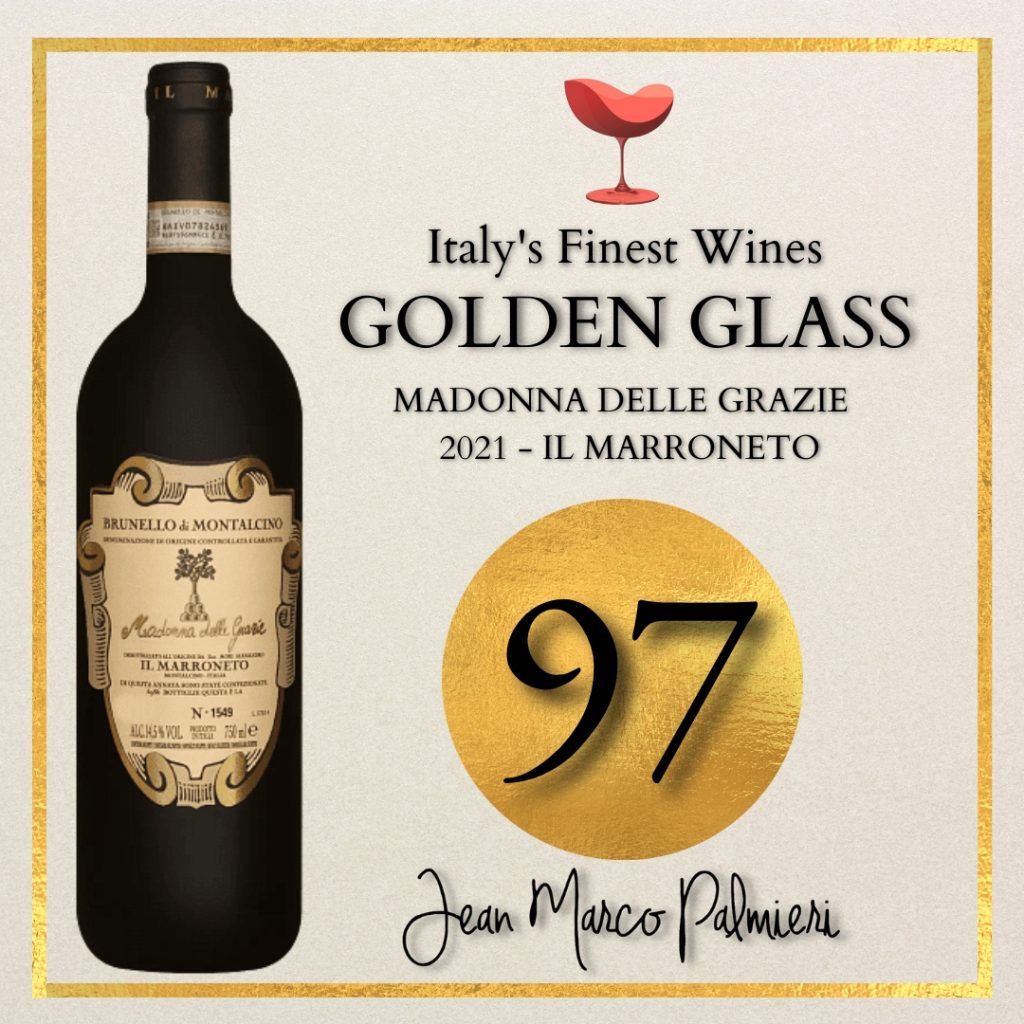
Clear aromas of dark berries, blood orange jam, and medicinal herbs. On the palate, intense, with powerful yet integrated tannins, supported by lively acidity and minerality. Long, elegant, and deep finish.
- Vineyard: historic cru at 420 m a.s.l., north exposure, soils predominantly marine sands (≈75%)
- Vinification: maceration 20–22 days; aging 41 months in 25 hl oak casks
- Zone: North (Madonna delle Grazie)
- Estate: Il Marroneto, led by Alessandro Mori and his son Iacopo, produces the cru by selecting scattered grapes; low-intervention vinification for a traditional Brunello with concentration and aging potential.
Brunello di Montalcino “Montosoli” 2021 – Altesino
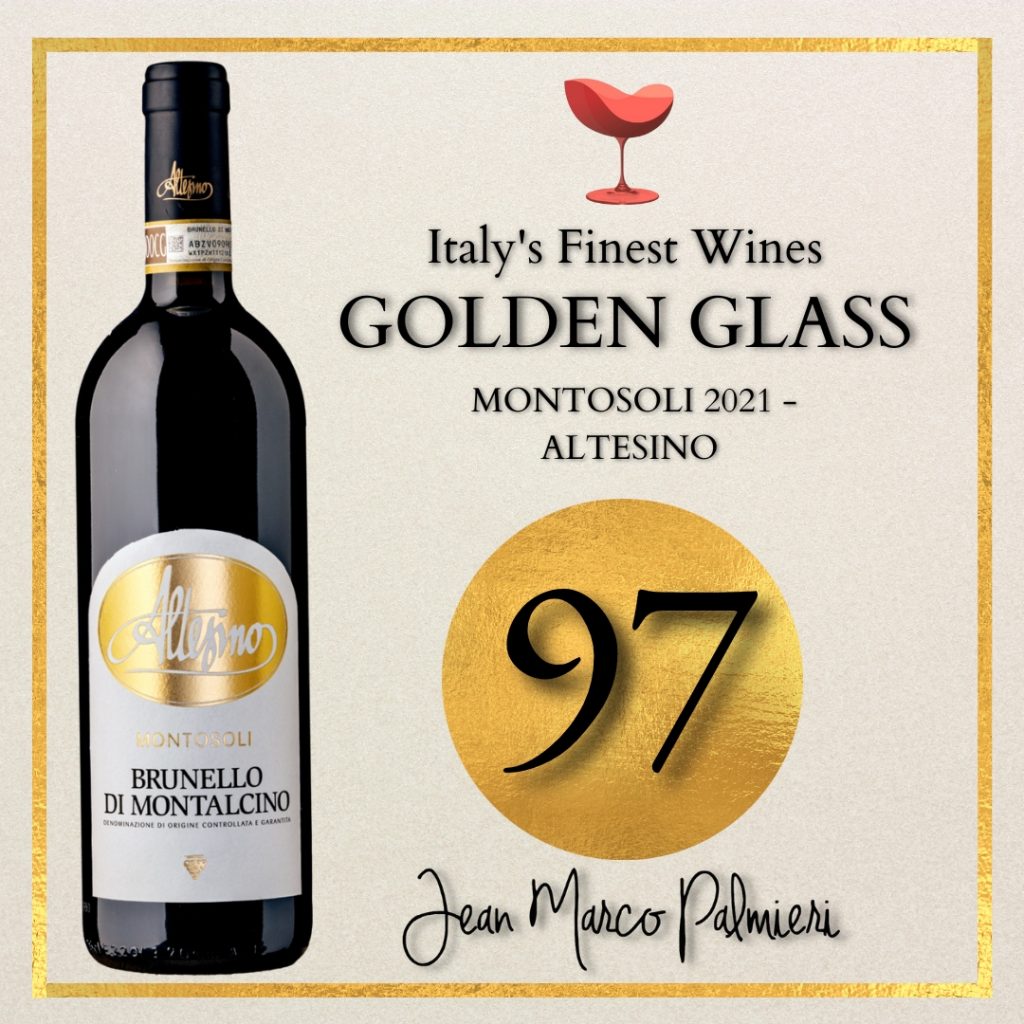
Ripe aromas of dark plum, candied orange peel, Mediterranean herbs, and sweet tobacco. On the palate, soft and structured, with silky and concentrated tannins. Freshness balances the density, leading to a warm, savory, and persistent finish.
- Vineyard: Montosoli, historic cru with North-West exposure, altitude 350‑400 m, calcareous soils (marly and siliceous, Alberese)
- Vinification: traditional protocol; long aging in oak casks
- Zone: North (Montosoli)
- Estate: Altesino, led by Elisabetta Gnudi and her daughter Vittoria, comprises about 50 hectares of vineyards. The winery highlights the balanced character of its Brunello di Montalcino Annata through a selection of grapes sourced from various plots located in some of the most highly regarded areas of the appellation. Montosoli is their historic single-vineyard cru, distinguished by slightly less power but remarkable finesse and elegance.
Brunello di Montalcino Giovanni Neri 2021 – Casanova di Neri
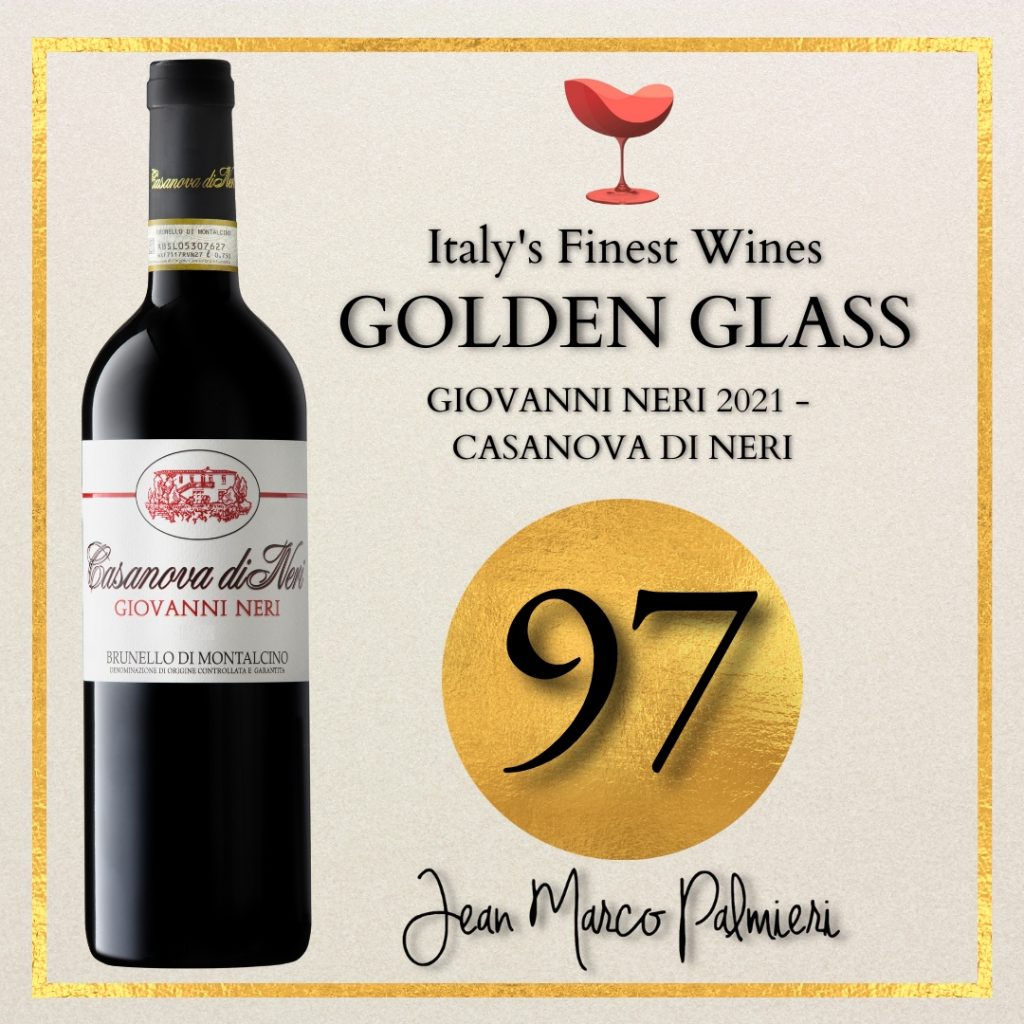
Description:
Aromas of cherry and ripe blackberry, with light notes of sweet spices, cocoa, and balsamic hints. On the palate, full and velvety body, dense and well-integrated tannins, long and elegant finish with clear fruity nuances.
- Vineyard: Sesta (Castelnuovo dell’Abate)
- Vinification: manual and optical selection of grapes; fermentation with 20% whole clusters, no added yeasts, maceration with frequent punch-downs in wooden conical vats at controlled temperature for 29 days; aging 30 months in casks and 22 months in bottle
- Zone: South-East Montalcino
- Estate: Casanova di Neri, led by Giacomo Neri with his sons Gianlorenzo and Giovanni, manages approximately 63 hectares of vineyards. The winery is regarded as an international benchmark for Brunello di Montalcino, thanks to its elegant, complex, and modern style.
Brunello di Montalcino 2021 – Poggio di Sotto
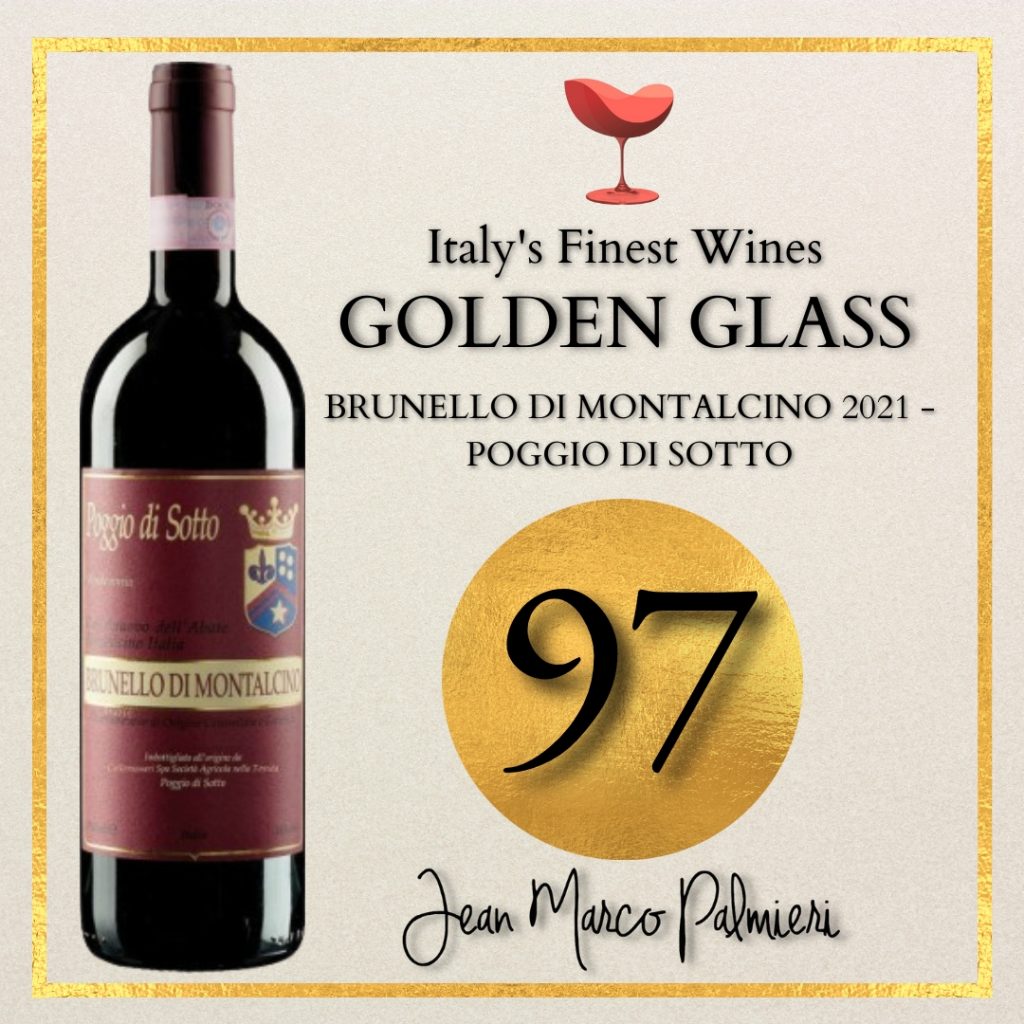
Aromas of wild cherry, raspberry, and violet, with citrus and balsamic touches. Vibrant palate, marked by fine tannins and incisive acidity, long and mineral finish focused on the purity of the fruit.
- Vineyard: parcels between 200 and 400 m, vines 20–25 years old. Various soils: skeleton and iron-rich minerals at higher altitudes; white and gray clays, galestro, and silty components at lower levels.
- Vinification: spontaneous fermentations in wood and cement, macerations of at least one month with frequent aerated punch-downs; aging 36 months in 30 hl Slavonian oak casks.
- Zone: South-East, Castelnuovo dell’Abate
- Estate: Poggio di Sotto, founded in 1989 by Claudio Tipa, carries out rigorous agronomic work to enhance the balance and finesse of Sangiovese with moderate alcohol levels; winemakers Luca Marrone and Leonardo Berti.
Brunello di Montalcino “Schiena d’Asino” 2020 – Mastrojanni
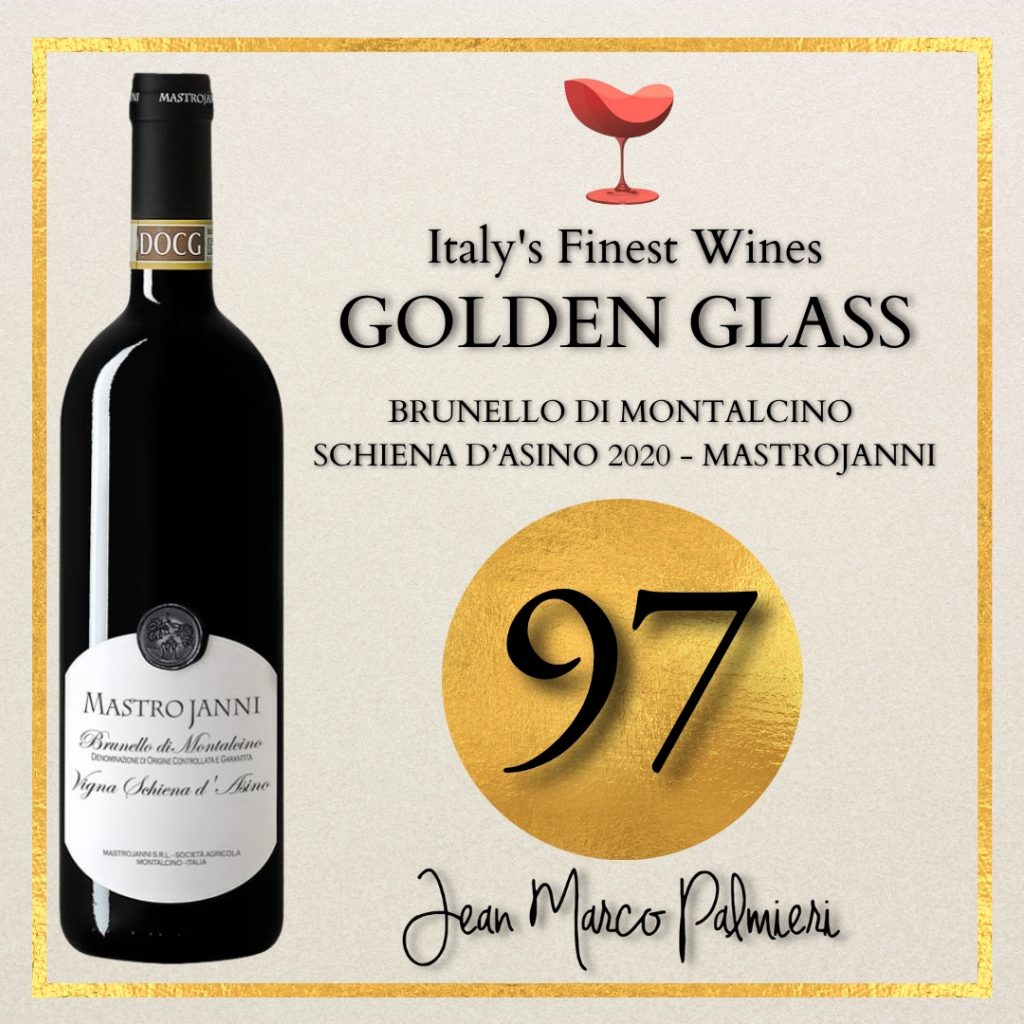
Aromas of ripe red fruits, undergrowth, and a slight hint of sweet spices. On the palate, enveloping, with good concentration and a soft texture. Long and dry finish, with fruity and spicy recalls.
- Vineyard: selected grapes; maceration ≈20 days; fermentation in resin-coated cement vats
- Vinification: aging 36 months in 16, 25, and 29 hl casks
- Zone: South-East (Castelnuovo dell’Abate)
- Estate: Mastrojanni, today owned by Francesco Illy, with winemaking guidance by Giulia Härri; low-intervention approach with focus on balance and longevity
Brunello di Montalcino Montosoli 2021 – Canalicchio di Sopra
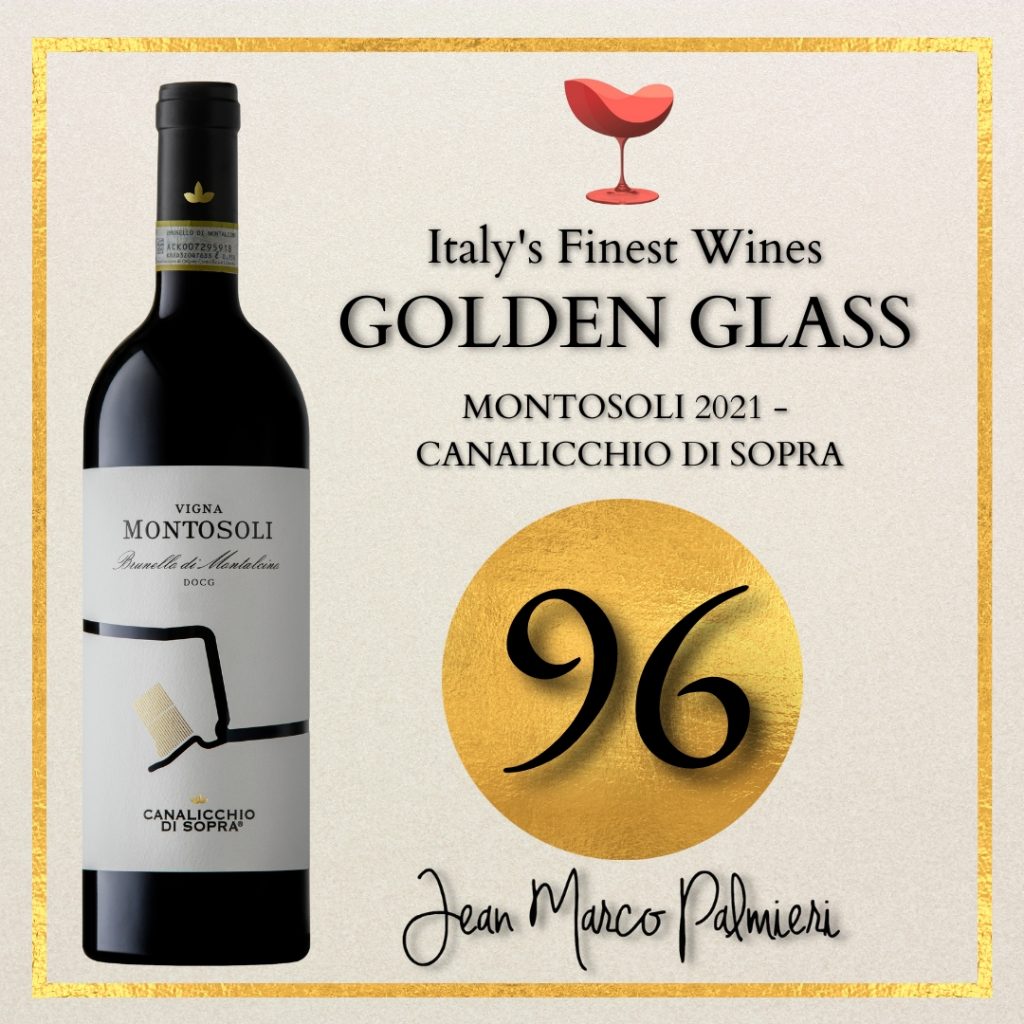
Clear aromas of dark red fruits, blackberry, and dried violet, with mineral tones, undergrowth, and a hint of leather. On the palate, firm and vertical: compact yet refined tannins, lively acidity, and long, savory progression typical of the Montosoli cru.
- Vineyard: 255–215 m a.s.l., “Filari Lunghi” parcel (1997), galestro-clay soils with good skeleton and mineral content
- Vinification: maceration in steel ~25 days with gentle punch-downs; fermentation at controlled temperature
- Aging: 36 months in large Slavonian oak casks
- Zone: North of Montalcino – Montosoli (cool, ventilated exposure)
- Estate: Canalicchio di Sopra, historic winery since 1962, today led by the third-generation Ripaccioli (Francesco, Marco, and Simonetta), a reference for single-vineyard Brunello.
Brunello di Montalcino AD 1441 2021 – Castello di Tricerchi
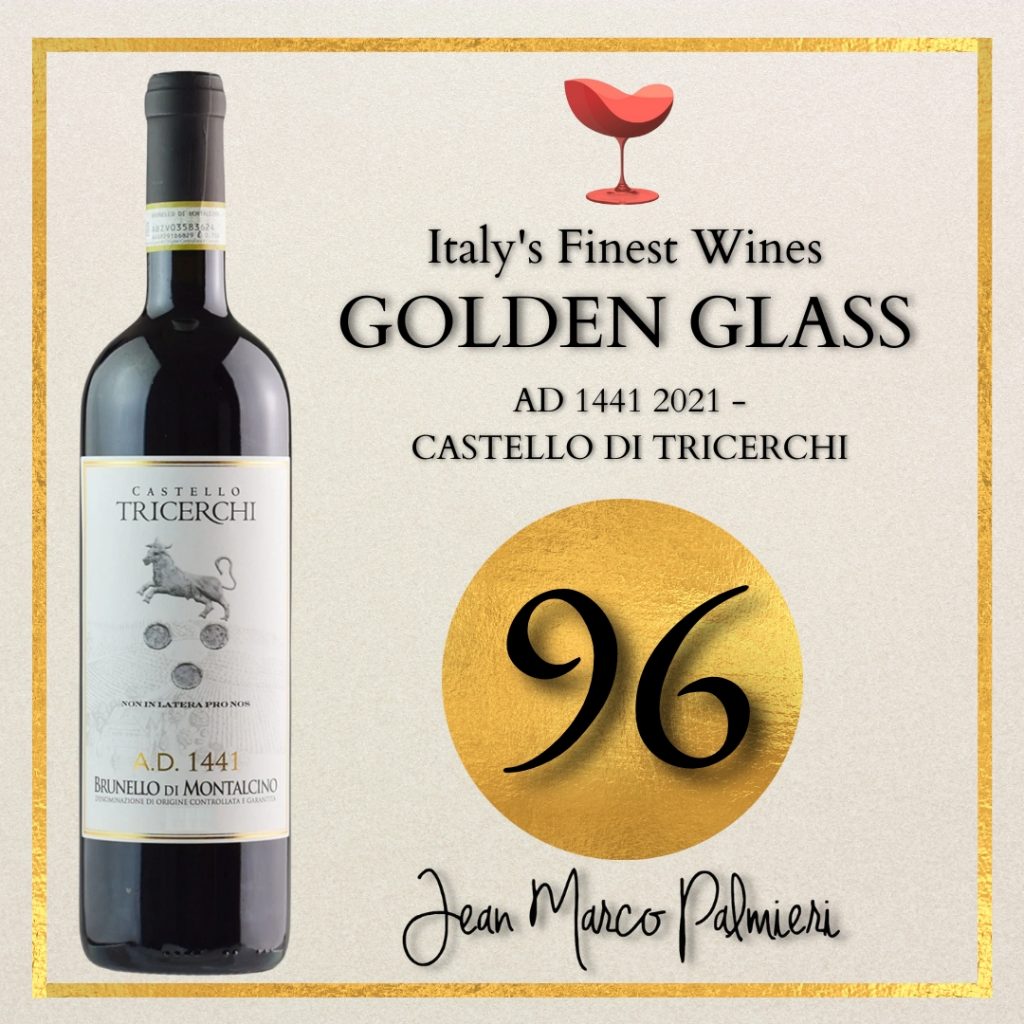
Subtle notes of violet, wild strawberries, and maple syrup, with hints of wild mint. On the palate, lively acidity balanced by soft tannins, elegant and fresh saline finish.
- Vineyard: north-facing slope, clay and sand soils
- Vinification: fermentation with indigenous yeasts in steel; long maceration with skins for vertical structure and clear aromas
- Zone: North
- Estate: Castello di Tricerchi, led by Tommaso Squarcia with winemaker Maurizio Castelli; produces Brunello with a graceful, fresh, and elegant style.
Brunello di Montalcino 2021 La Casa – Caparzo
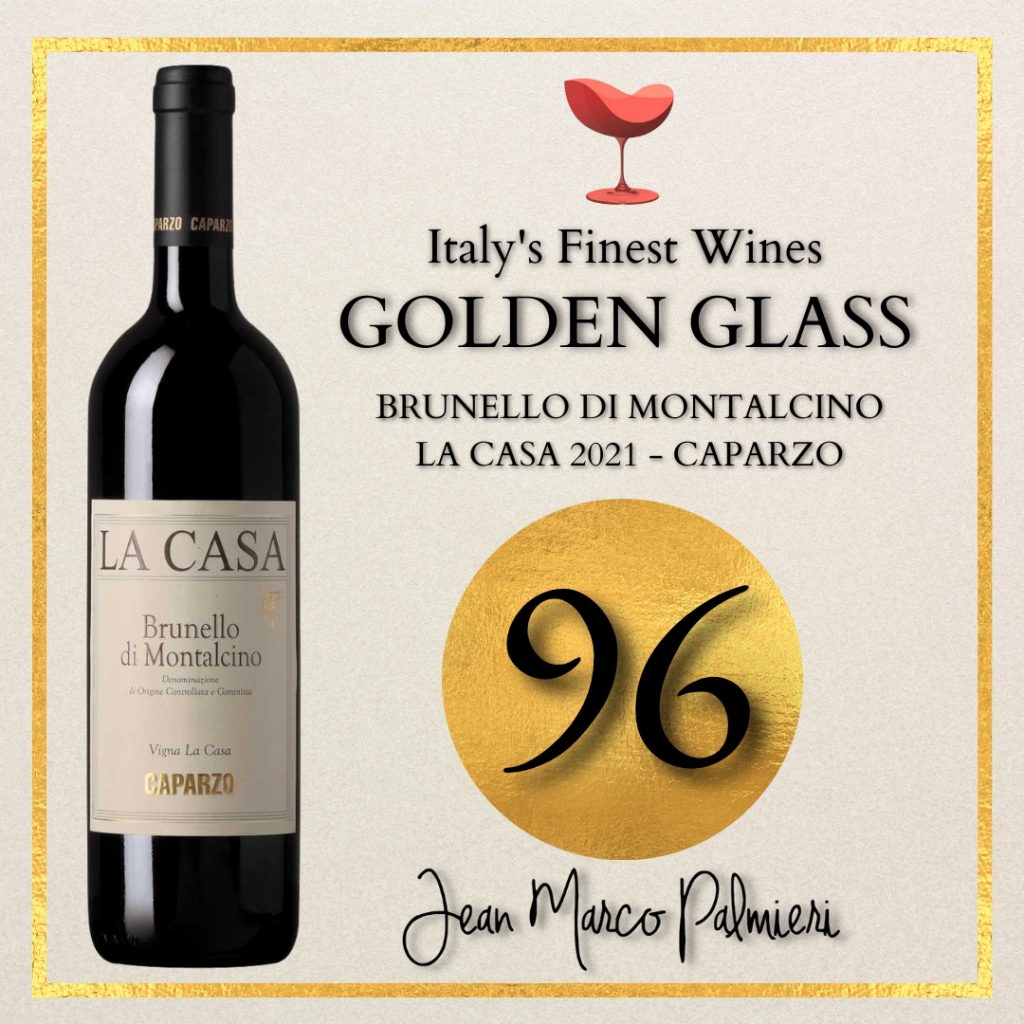
Fresh aromas of raspberry and pomegranate, with orange peel and elderflower. On the palate, balanced between freshness and structure, with a long, refined, and harmonious finish.
- Vineyard: 5 ha at 275 m a.s.l., Montosoli hill, galestro soil, south-south-east exposure
- Vinification: aging at least 2 years in wood and 4 months in bottle
- Zone: North (Montosoli)
- Estate: Caparzo, led by Elisabetta and Alessandra Gnudi Angelini, is a historic winery that since 1977 produces “Single Vineyard” Brunello from the Montosoli hill. The estate stands out for crafting wines focused on elegance and harmony.
Brunello di Montalcino 2021 – Giodo
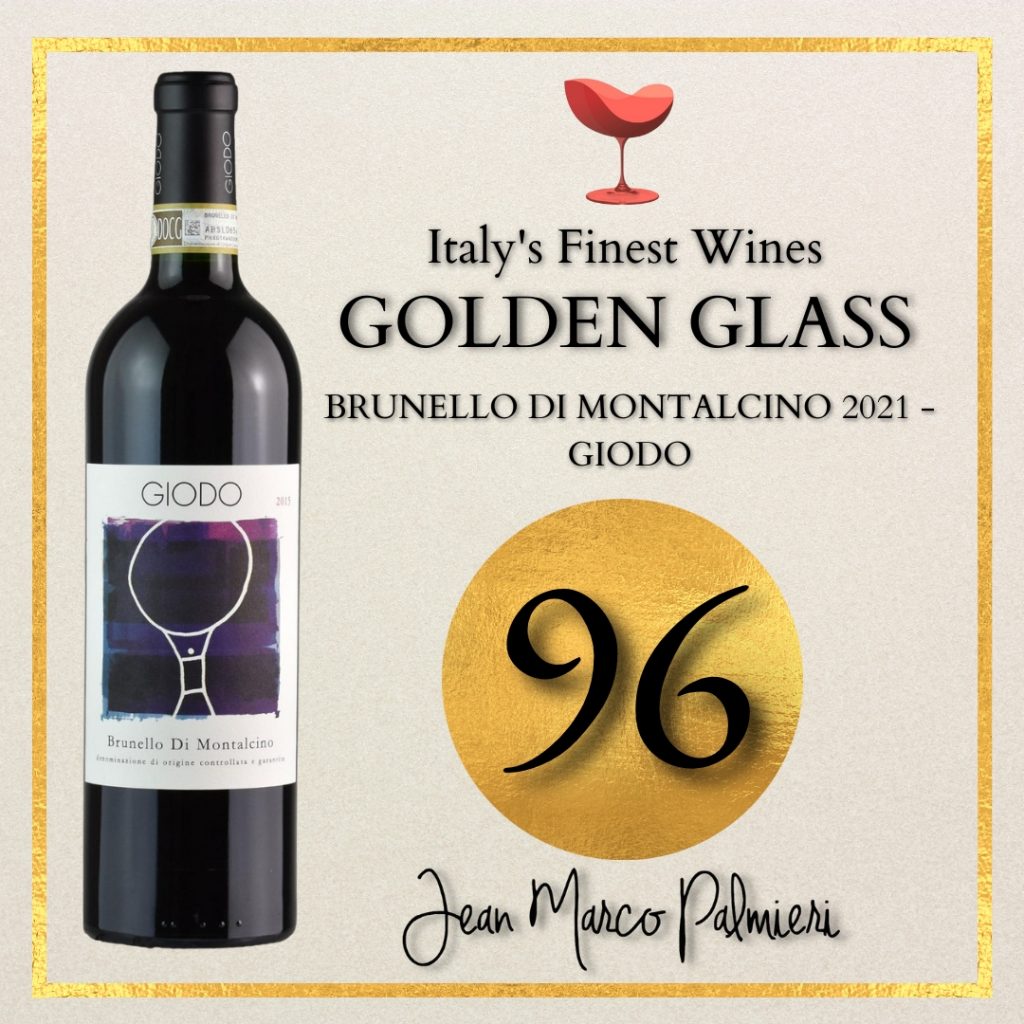
Aromas of ripe red fruits and small black fruits, with spicy hints; concentrated, enveloping, and long-lived palate, silky tannins, and good freshness.
- Vineyard: Sesta / Castelnuovo dell’Abate area, altitude 300–450 m a.s.l., clay and galestro soils
- Vinification: fermentation in steel with punch-downs/délestage, prolonged maceration; aging in Slavonian oak casks for at least 24 months
- Zone: Castelnuovo dell’Abate (Sesta area)
- Estate: Founded by the renowned winemaker Carlo Ferrini, assisted by his daughter Bianca Ferrini; the winery expresses a modern style of great complexity, elegance, and oenological precision.
Brunello di Montalcino 2021 – Gianni Brunelli
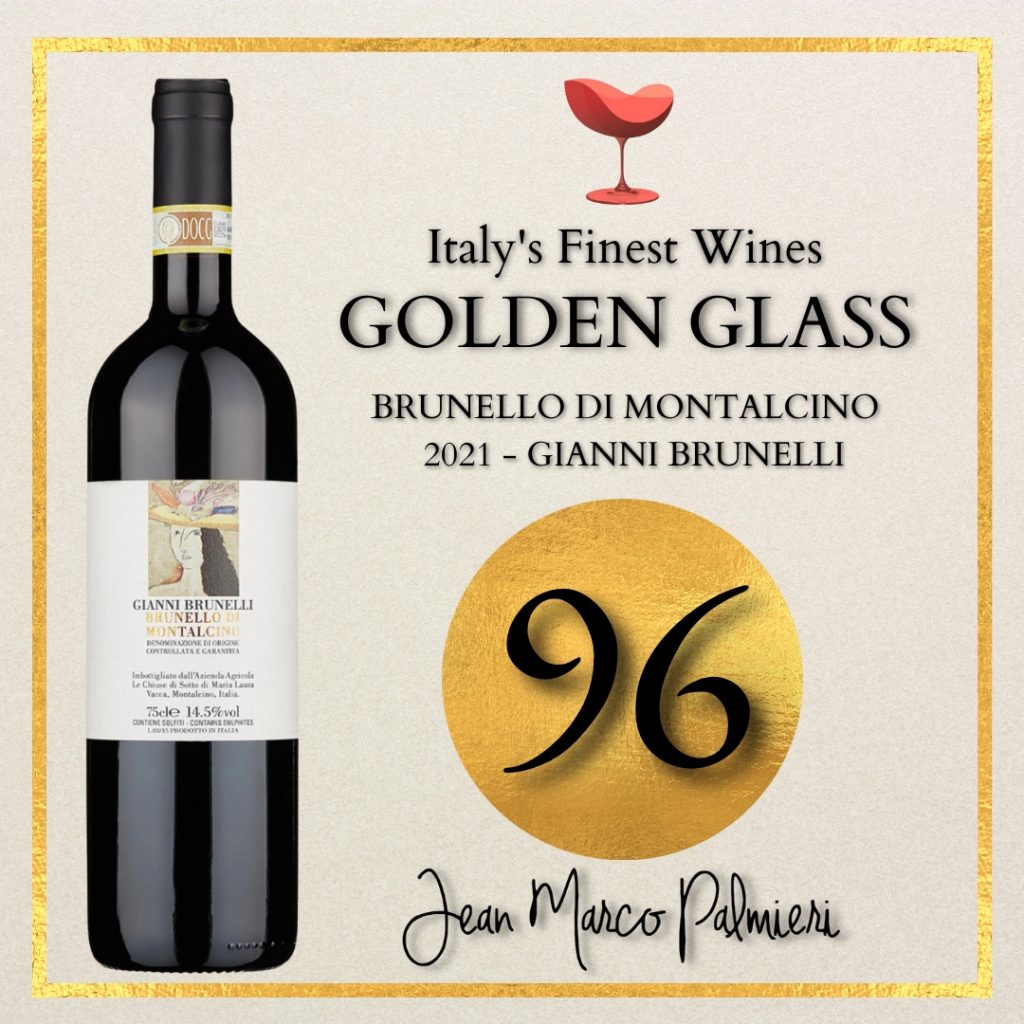
- Aromas of cherry, blackberry, and undergrowth, with balsamic notes; intense, balanced, and persistent palate, fine tannins, and lively acidity.
- Vineyard: hills between north and south‑east Montalcino, galestro and clay soils, altitude 250–400 m a.s.l.
- Vinification: fermentation in steel, followed by prolonged maceration and aging in Slavonian oak casks for about 36 months
- Zone: Montalcino (various crus depending on vineyard)
- Estate: Gianni Brunelli, led by Laura Vacca Brunelli with technical support from Adriano Brunelli; the estate combines tradition with meticulous vineyard and cellar care, producing distinctive and long-lived wines.
Brunello di Montalcino Piaggione 2021 – Podere Salicutti
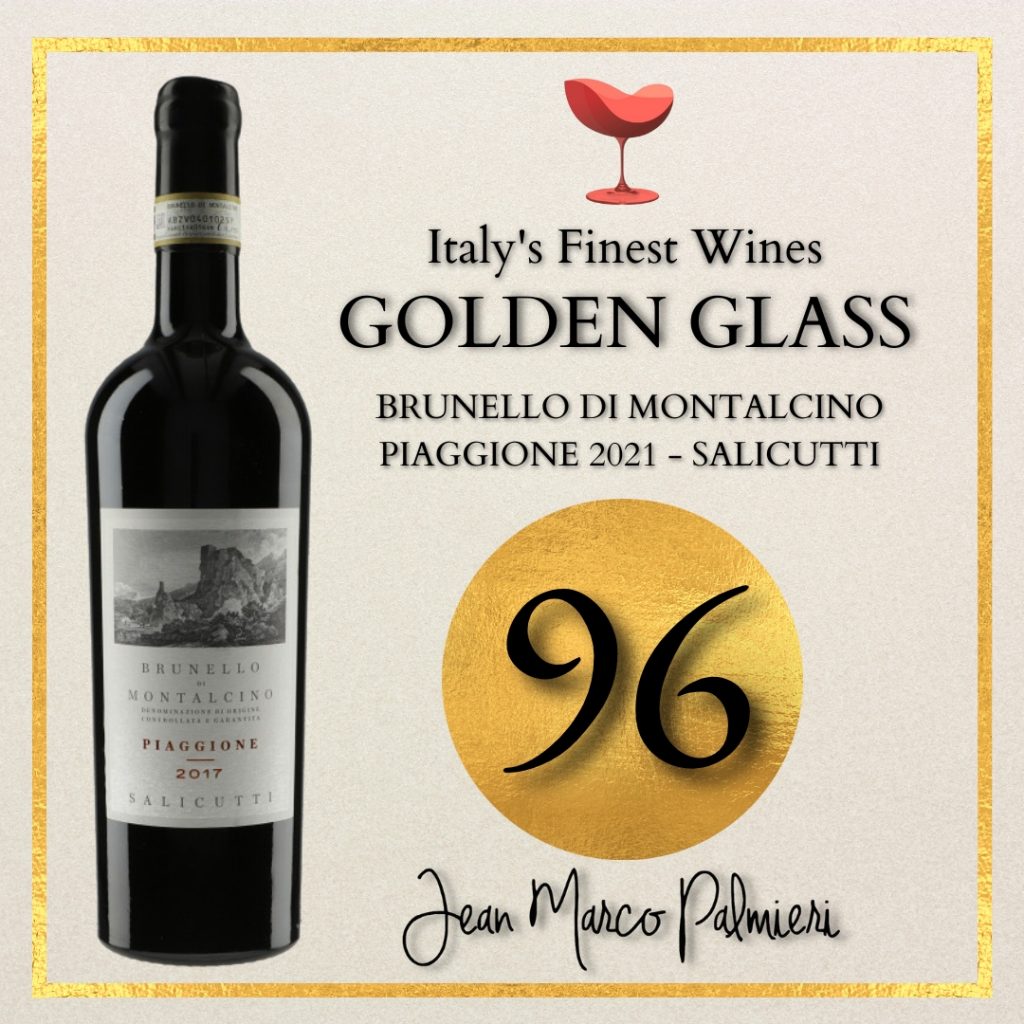
Complex aromas of cherry, dried rose, earthy and mineral notes; on the palate, firm structure, soft tannins, good energy, and aging potential.
- Vineyard: cru “Piaggione”, 420–450 m a.s.l., calcareous soil rich in skeleton and pebbles
- Vinification: spontaneous fermentation with indigenous yeasts in steel vats; aging about 36 months in French oak tonneaux, followed by large Slavonian oak casks
- Zone: Castelnuovo dell’Abate / south‑east Montalcino, area near the Abbey of Sant’Antimo
- Estate: Podere Salicutti, the first certified organic winery in Montalcino; ownership passed from founder Francesco Leanza to the new proprietors, Sabine and Felix Eichbauer, who maintain organic standards and artisanal approach.
Brunello di Montalcino 2021 – Caprili
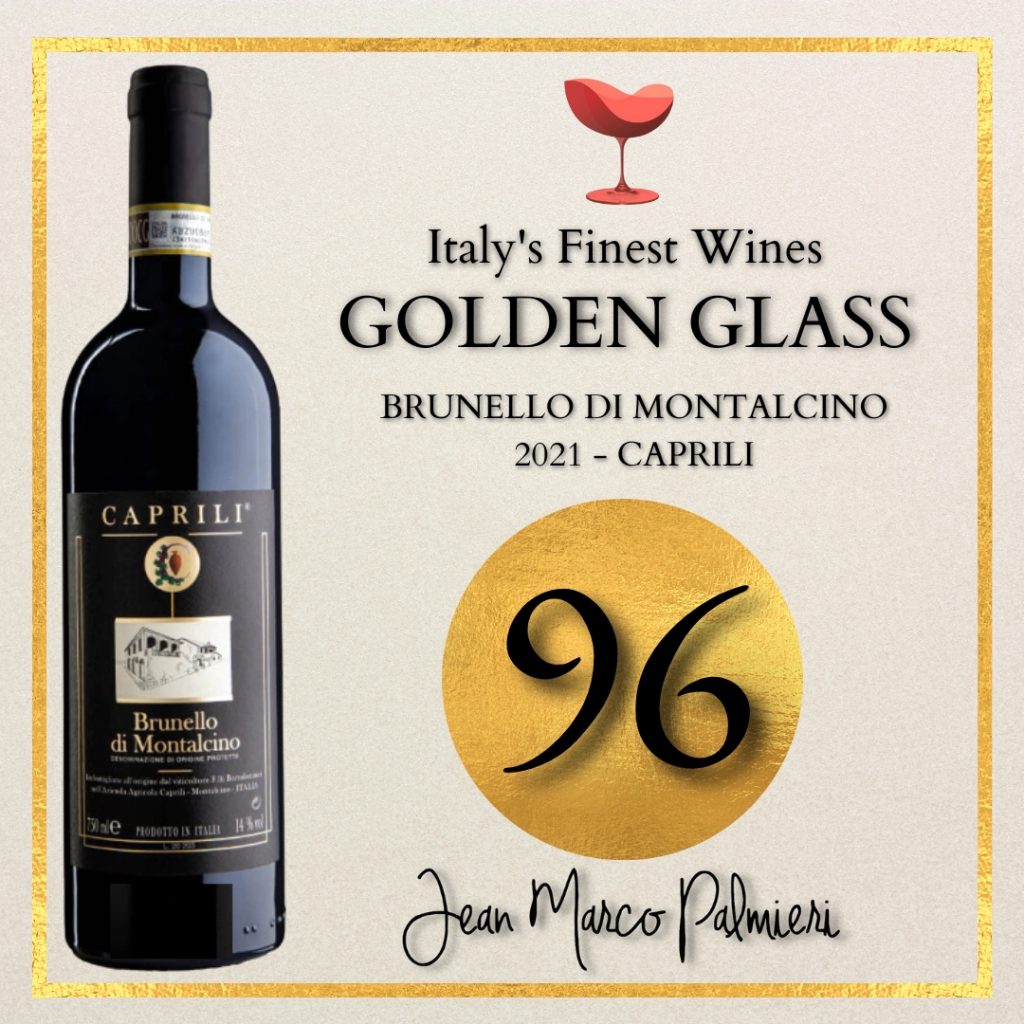
Aromas of plum, flowers, and light spices; mineral edge and elegant tannins.
- Vineyard: 320–340 m a.s.l., loam-clay soils; the estate today has 20 ha of vineyards, 11 ha dedicated to Brunello, managed by Alfo’s three children – Manuele, Paolo, and Paola – with the addition of grandson Giacomo
- Vinification: natural fermentation in steel, maceration of about 10 days; aging 30 months in Slavonian oak casks of various sizes
- Zone: Tavernelle, South-East
- Estate: Caprili is a historic Montalcino winery, managed by Alfo’s three children – Manuele, Paolo, and Paola, with the addition of grandson Giacomo, son of Manuele. The estate follows a traditional, low-intervention style, highlighting Brunello’s longevity.
Brunello di Montalcino 2021 Vallocchio – Fanti
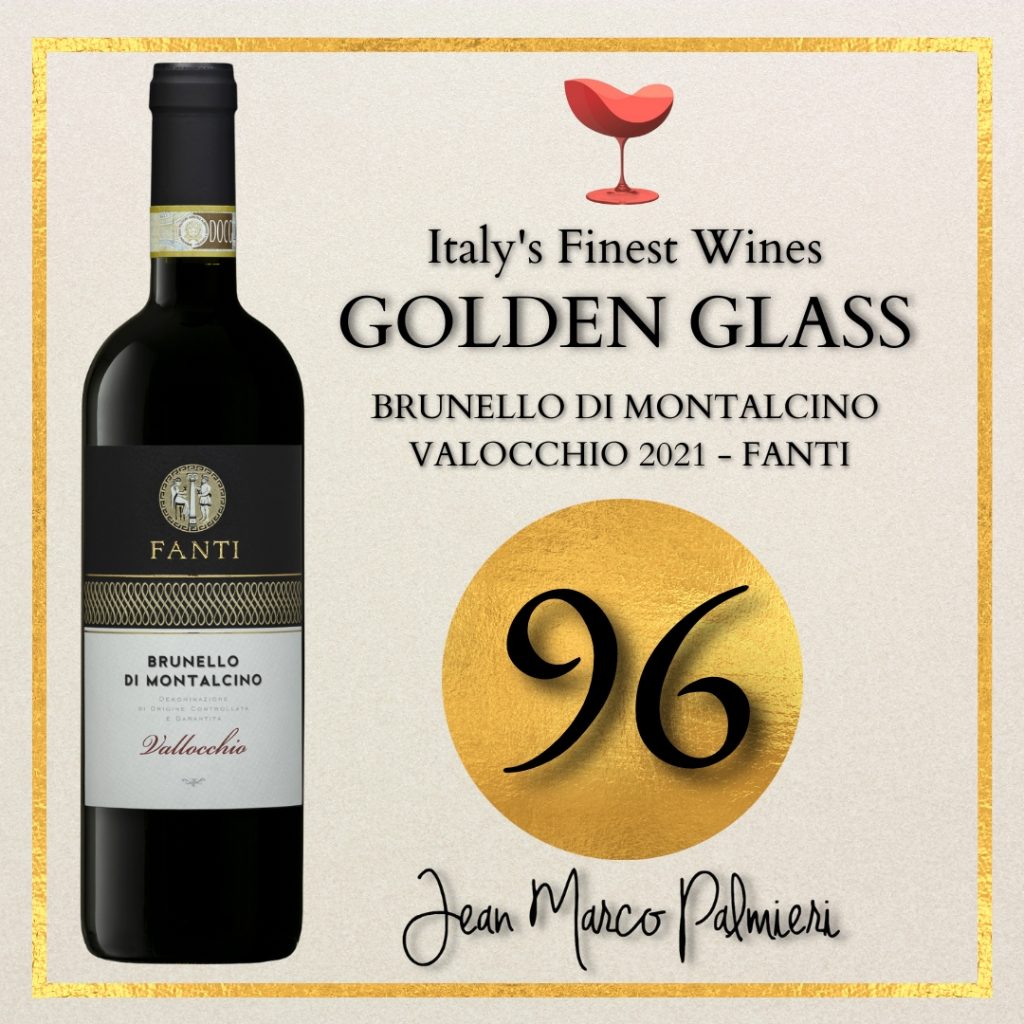
Intense aromas of morello cherry and blackberry jam, with notes of dark chocolate and flint. On the palate, complex and deep, with marked minerality and enveloping roundness.
- Vineyard: 230–250 m a.s.l., 5 ha on galestro soils, vines 20–35 years old
- Vinification: minimum 24 months aging in 500 l tonneaux and large 30 hl casks, followed by at least 4 months in bottle
- Zone: South-East (Castelnuovo dell’Abate)
- Estate: Renowned family-run estate, led by Elisa, Filippo, and Elena Fanti; produces Brunello that uncompromisingly express the intense character and typical longevity of Castelnuovo dell’Abate wines.
Vigna del Lago 2021 – Val di Suga
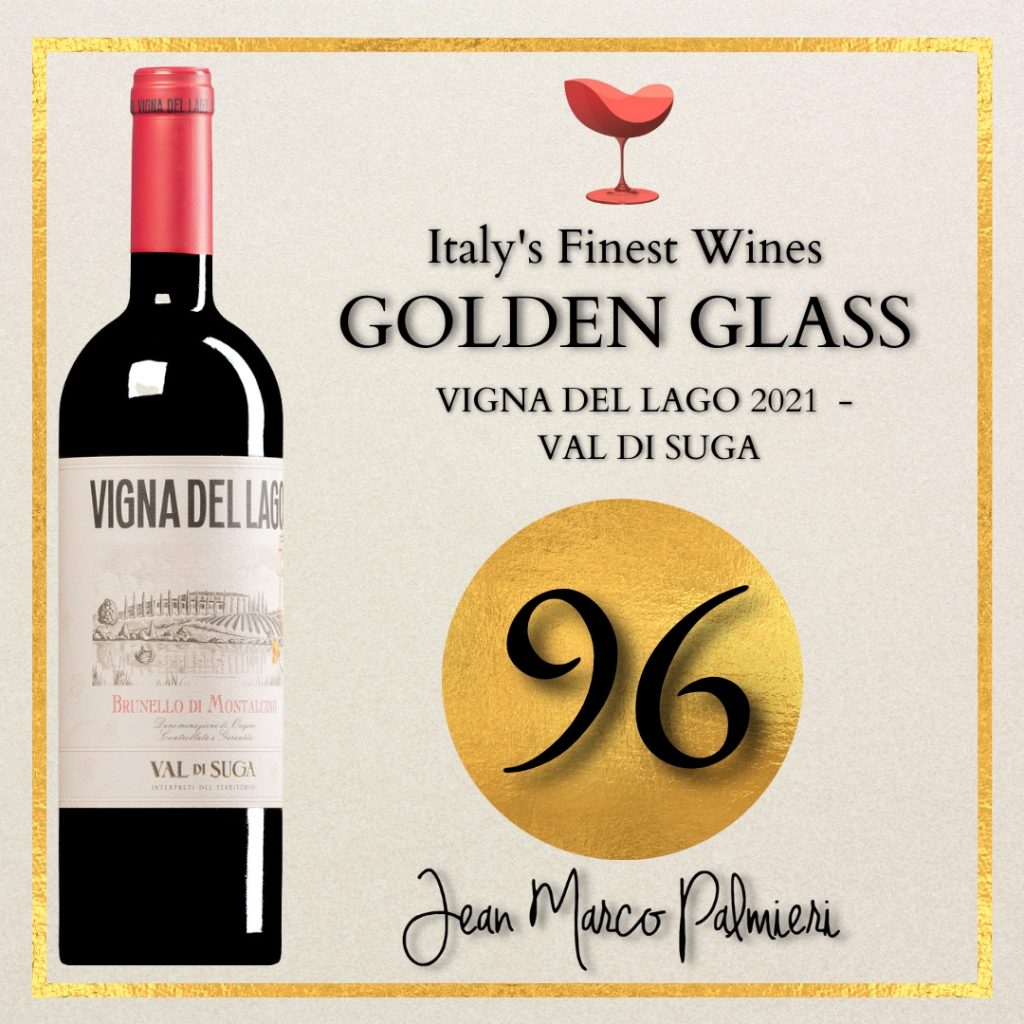
Elegant and savory, with an aromatic profile of red fruits, light spices, and balsamic notes; medium tannins, harmonious body, and light yet persistent finish.
• Vineyard: North-East of Montalcino, selected vineyards of the Vigna del Lago cru
• Vinification: aging 24 months in 40 hl Slavonian oak casks, followed by 6 months in cement and 9–12 months in bottle
• Zone: North-East
• Estate: Val di Suga, founded in 1969 and led since 1994 by the Angelini Group with winemaker Pietro Riccobono; pioneer in highlighting single-vineyard Brunello. The estate produces wines focused on balance, successfully combining complexity and immediacy
Brunello di Montalcino 2021 – Tornesi
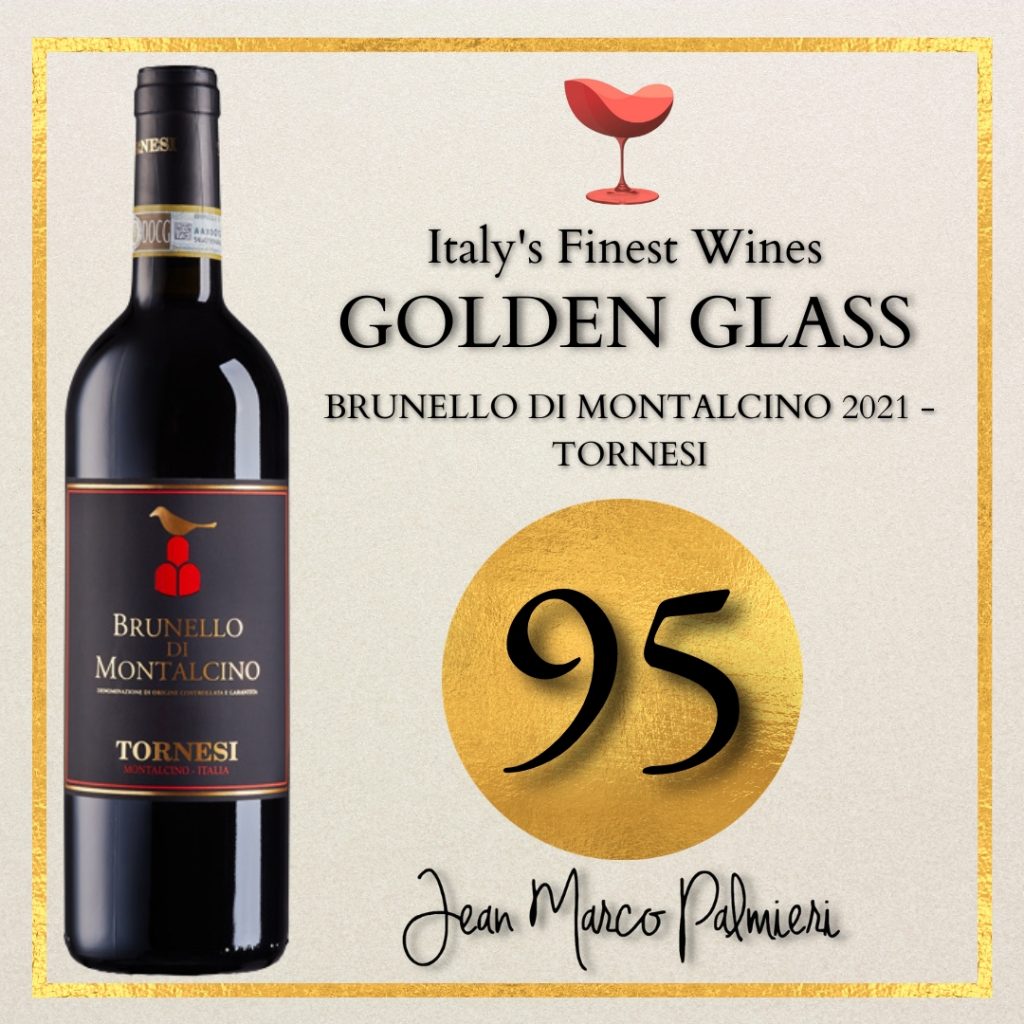
Aroma of ripe red fruits, cherry and plum, with floral notes, fine spices and light balsamic hints. The palate is structured and linear, with firm yet well-integrated tannins, good freshness and coherent progression. Long, dry finish, with fruity and spicy returns.
• Vineyard: 100% Sangiovese; vineyards in the municipality of Montalcino; south-west and south-east exposures; soils rich in galestro and stones; family-run estate; mainly manual work in the vineyards
• Vinification: traditional fermentation with extended maceration; temperature control and classic extraction management
• Aging: 30 months in Slavonian oak barrels ranging from 7 to 25 hl
• Area: Montalcino – south-west and south-east areas of the municipal territory
• Estate: Azienda Agricola Tornesi, a historic family-run winery in Montalcino; today led by Elisa Tornesi and Valentina Tornesi; artisanal production focused on territorial identity, balance and longevity
Brunello di Montalcino 2021 – Uccelliera
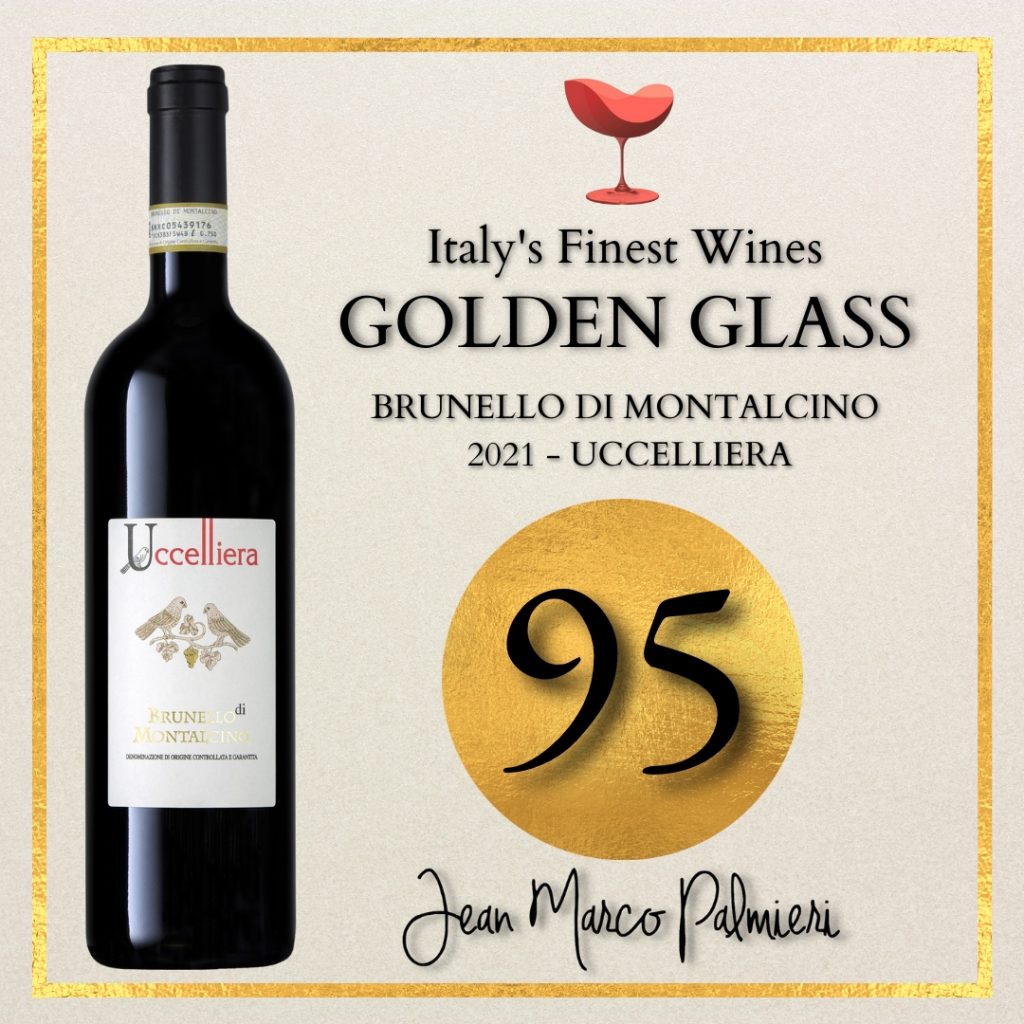
Aromas of ripe berries, leather, and roasted notes. On the palate, savory and enveloping, with soft and integrated tannins, balsamic and persistent finish.
• Vineyard: enhancing each vine with targeted agronomic practices
• Vinification: cooling grapes with dry ice, spontaneous fermentation, maturation in casks of various sizes and toast levels
• Zone: South-East (Castelnuovo dell’Abate)
• Estate: Andrea Cortonesi, south-east slope, is a renowned producer with an artisanal approach in Castelnuovo dell’Abate, highlighting balance and longevity in Brunello di Montalcino.
Brunello di Montalcino 2021 – Fornacina
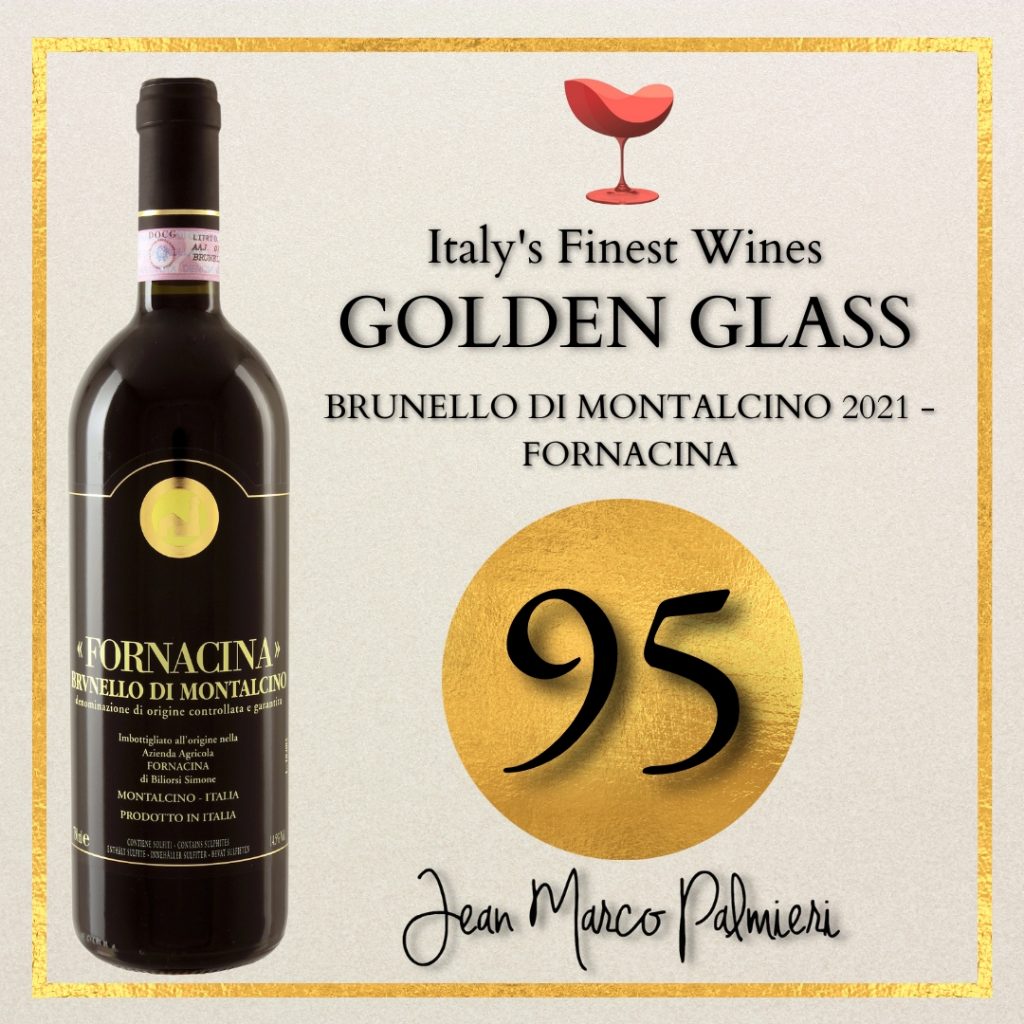
Aromas of blood orange and currant, with notes of tar, leather, and toasted hints. Structured palate, with substantial tannin balanced by lively acidity. Dynamic sip and versatile finish with good persistence.
• Vinification: fermentations with pied de cuve in stainless steel vats at controlled temperature with long maceration and traditional punch-downs; maturation in large Slavonian oak casks
• Zone: East and South-East (Comunali and Castelnuovo dell’Abate)
• Estate: La Fornacina, led by Simone Biliorsi with support from Folco Giovanni Bencini and Attilio Pagli; combines tradition and modern techniques, producing wines recognizable for their aromas and marked acidity
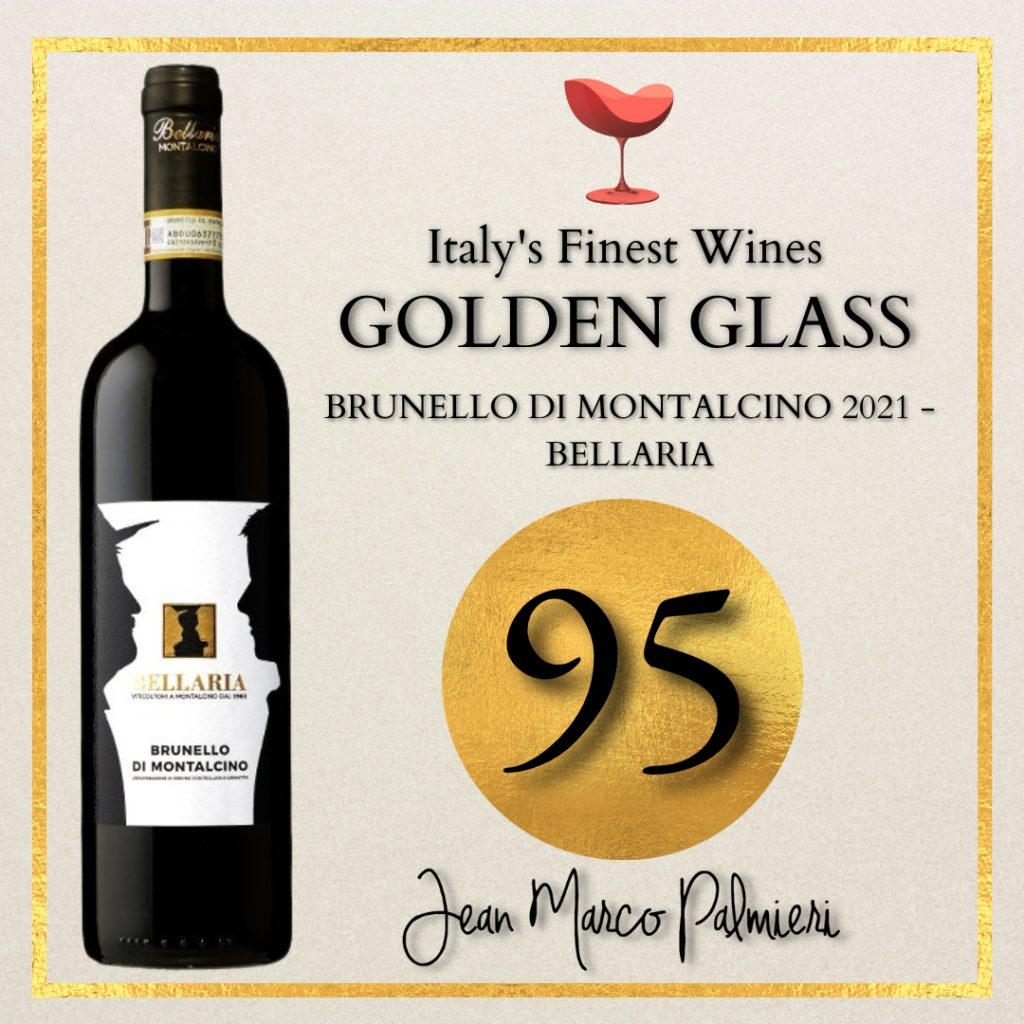
Brunello di Montalcino – Bellaria
Aromas of ripe red fruits, light balsamic notes and spices; solid structure with balanced tannins.
• Vineyard: approximately 3 hectares at 500 m a.s.l., surrounded by woods and olive groves; typical hilly soils of Montalcino; managed according to traditional principles, without irrigation or systemic products.
• Winemaking: fermentation in stainless steel tanks at controlled temperature with regular pump-overs; aging of about 36 months in Slavonian oak barrels and French Allier oak casks.
• Area: Bellaria, east-southeast slope of the municipality of Montalcino, in one of the areas traditionally suited for Brunello production.
• Winery: Azienda Agricola Bellaria, founded in 1963 by Assunto Pieri and Bruna Tempori; managed since 2000 by Gianni Bernazzi. Production focuses on Brunello, Rosso di Montalcino, and the high-end Assunto line, with attention to tradition and terroir.
Brunello di Montalcino 2021 – Col di Lamo
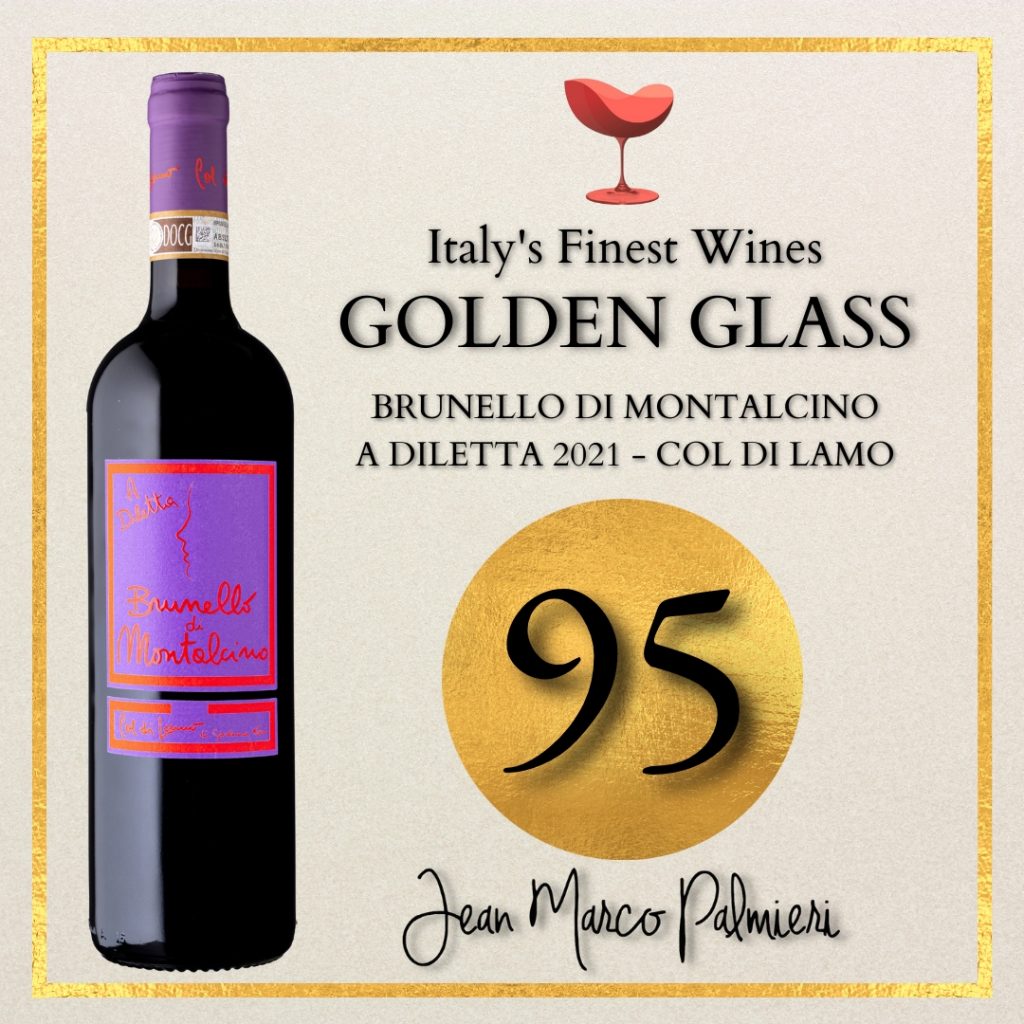
Aromas of small red fruits with balsamic and spicy hints. Palate balanced between lively acidity and moderate phenolic concentration, with a persistent and harmonious finish.
• Vineyard: fermentation with indigenous yeasts in steel and cement, max 28°C
• Vinification: aging 24 months in large casks and French oak tonneaux
• Zone: North-East
• Estate: Col di Lamo, led by Giovanna and Diletta Neri; certified organic estate, producing fresh and balanced interpretations of Brunello
Brunello di Montalcino Nicco 2021 – Capanna
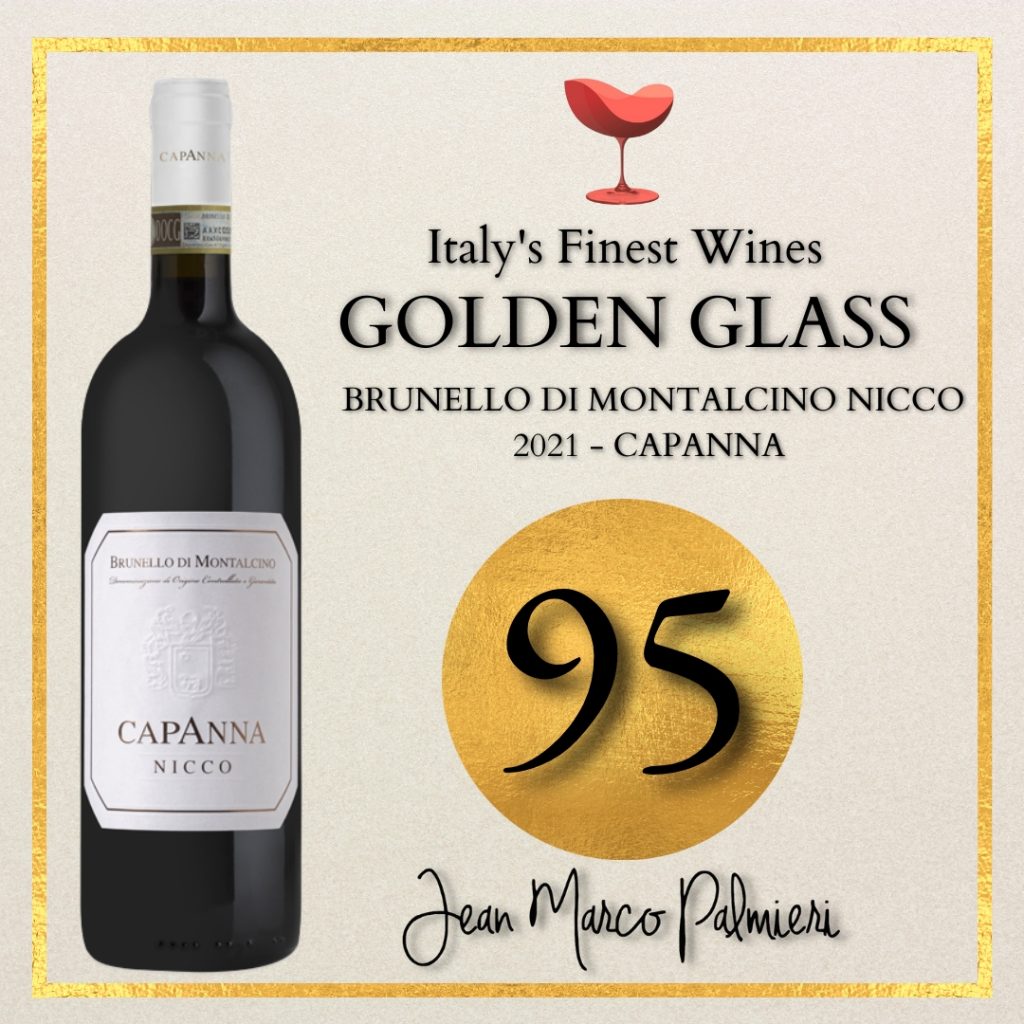
Aromas of plum, flowers, and delicate spices; elegant structure, balanced tannins; long and refined finish.
• Vineyard: North slope of Montalcino, altitude 320–340 m a.s.l., loam-clay soils; about 20 ha of vineyards in total, 11 ha dedicated to Brunello
• Vinification: natural fermentation in steel, 10-day maceration; aging 30 months in Slavonian oak casks of various sizes
• Zone: North slope of Montalcino (Montosoli)
• Estate: One of the most historic wineries of Montalcino, today led by Amedeo Cencioni, maintaining a style that skillfully combines tradition, modernity, and technical precision
Brunello di Montalcino Persante 2021 – La Rasina
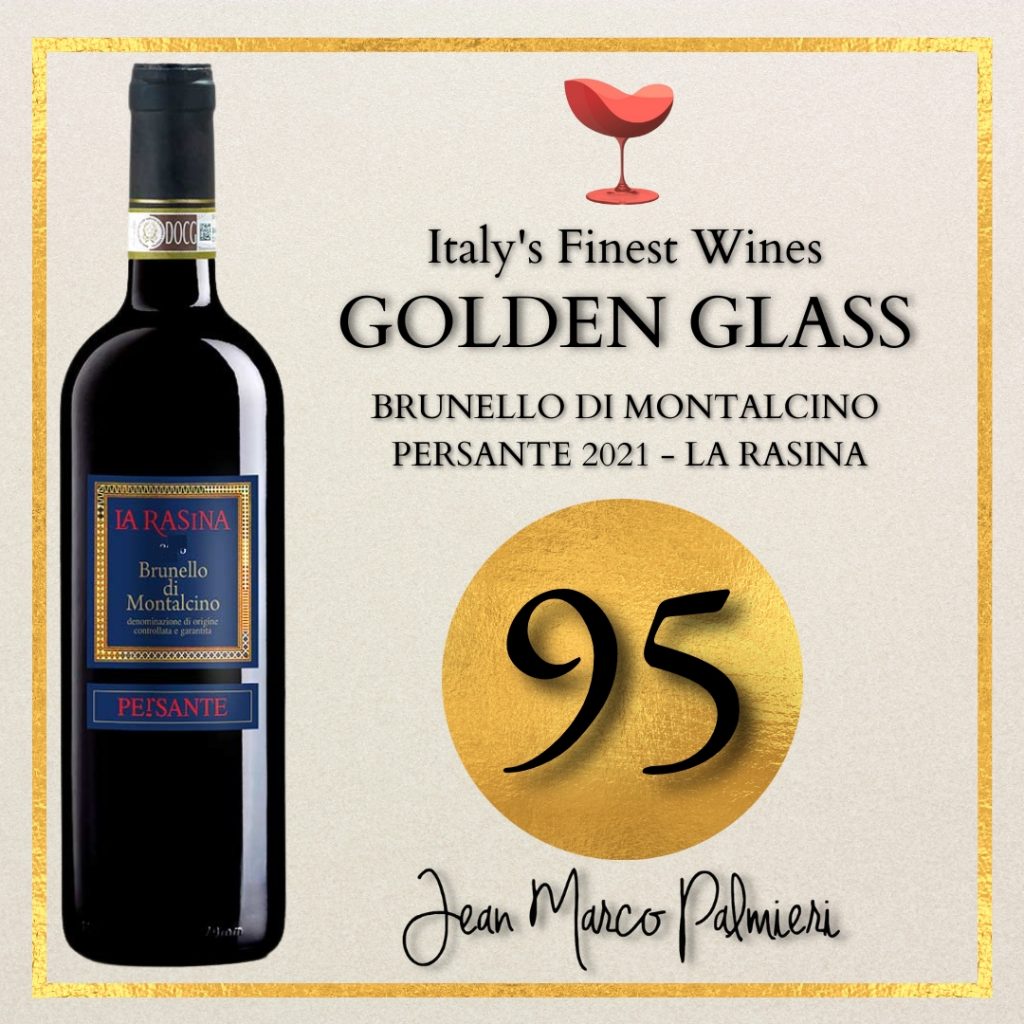
Aromas of ripe raspberry, dried violet petals, blood orange, with hints of medicinal herbs and a slight oaky note. Broad and enveloping palate, lively acidity, harmonious and deep finish.
• Vineyard: 350 m a.s.l., east and north-east exposure
• Vinification: aging 24 months in wooden casks of various sizes
• Zone: North-East
• Estate: La Rasina, founded in the 1970s, led since 1997 by Marco Mantengoli, producing wines of great intensity and remarkable longevity
Brunello di Montalcino “Rosildo” 2021 – Franco Pacenti
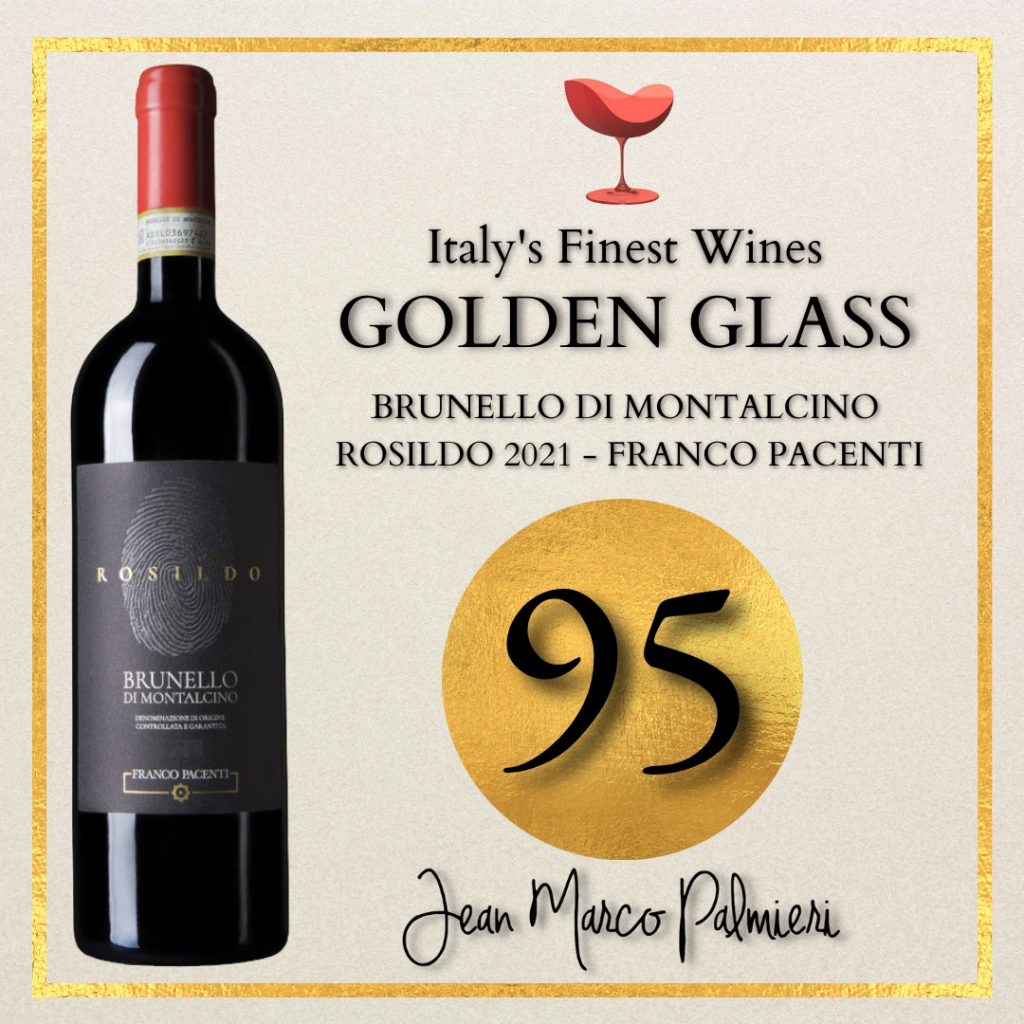
Aromas of ripe plum and blackcurrant, with delicate notes of roasting, dark chocolate, and a hint of licorice. On the palate, perfect balance, concentrated tannins harmonized with savory and fruity components, long and enveloping finish.
• Vineyard: selection of grapes from Vigna della Creta, 300 m a.s.l., north-east exposure, Canalicchi hill
• Vinification: fermentation in steel with punch-downs and délestage; prolonged maceration; aging 30+ months in Slavonian and French oak casks, followed by at least 4 months in bottle
• Zone: North (Canalicchio)
• Estate: Franco Pacenti, historic artisanal winery founded in 1968, today led by Lisa, Serena, and Lorenzo; combines the best traditional practices with modern knowledge, producing wines of extraordinary elegance
Brunello di Montalcino Veltha 2021 – Máté Winery
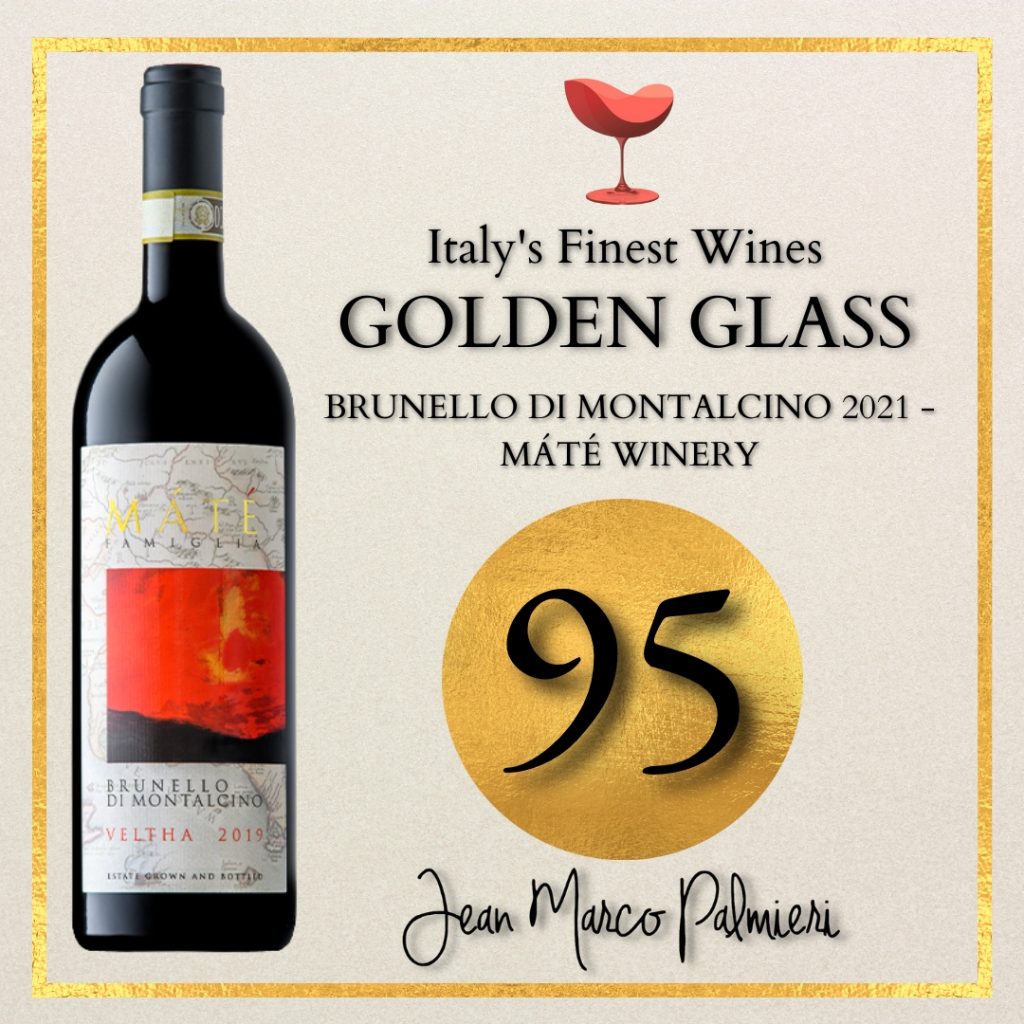
Aromas of ripe plum, black pepper, mint leaf, and balsamic resin. On the palate, rich and soft structure, silky tannins, long and enveloping finish.
• Vineyard: manual management of all vineyard operations
• Vinification: fermentation in steel at controlled temperature with indigenous yeasts; long aging in French oak casks from 500 to 4000 liters
• Zone: South-West (Santa Restituita)
• Estate: Founded in 1996 by writer Ferenc Máté, assisted by Peter and Candace; a small artisanal estate with a modern style and technical precision
Brunello di Montalcino 2021 IX Cielo – Paradiso di Cacuci
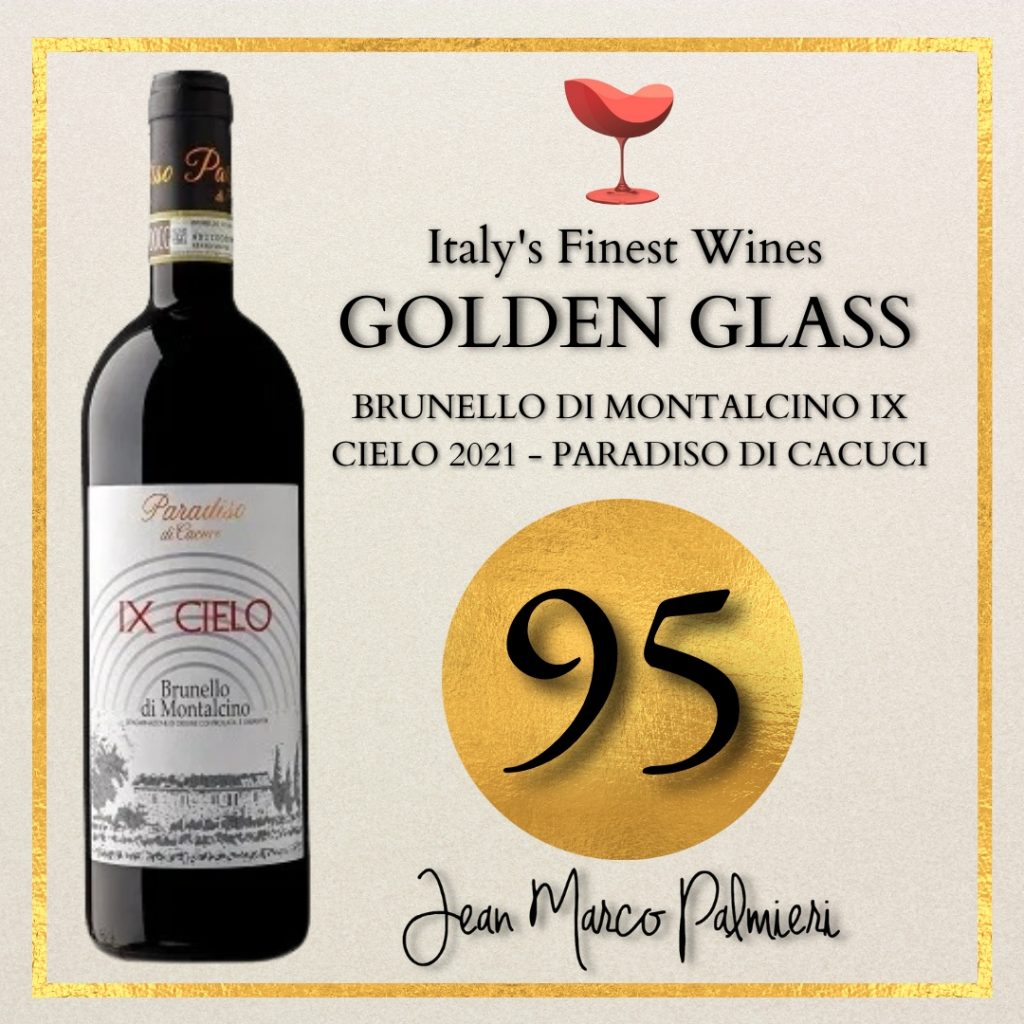
Aromas of plum jam, morello cherries in brandy, and balsamic notes of Mediterranean pine, with cocoa, leather, and sweet spices. Intense palate, soft tannins, long and persistent finish.
• Vineyard: manual selection and meticulous care of the parcels
• Vinification: 40-day fermentation in steel with punch-downs and prolonged macerations; aging 46 months in oak casks, followed by resting in bottle
• Zone: South-East
• Estate: Paradiso di Cacuci produces low-intervention, concentrated, and intense Brunello with great longevity, under the supervision of renowned winemaker Giuseppe Gorelli
Brunello di Montalcino Montosoli 2020 – Casanuova delle Cerbaie
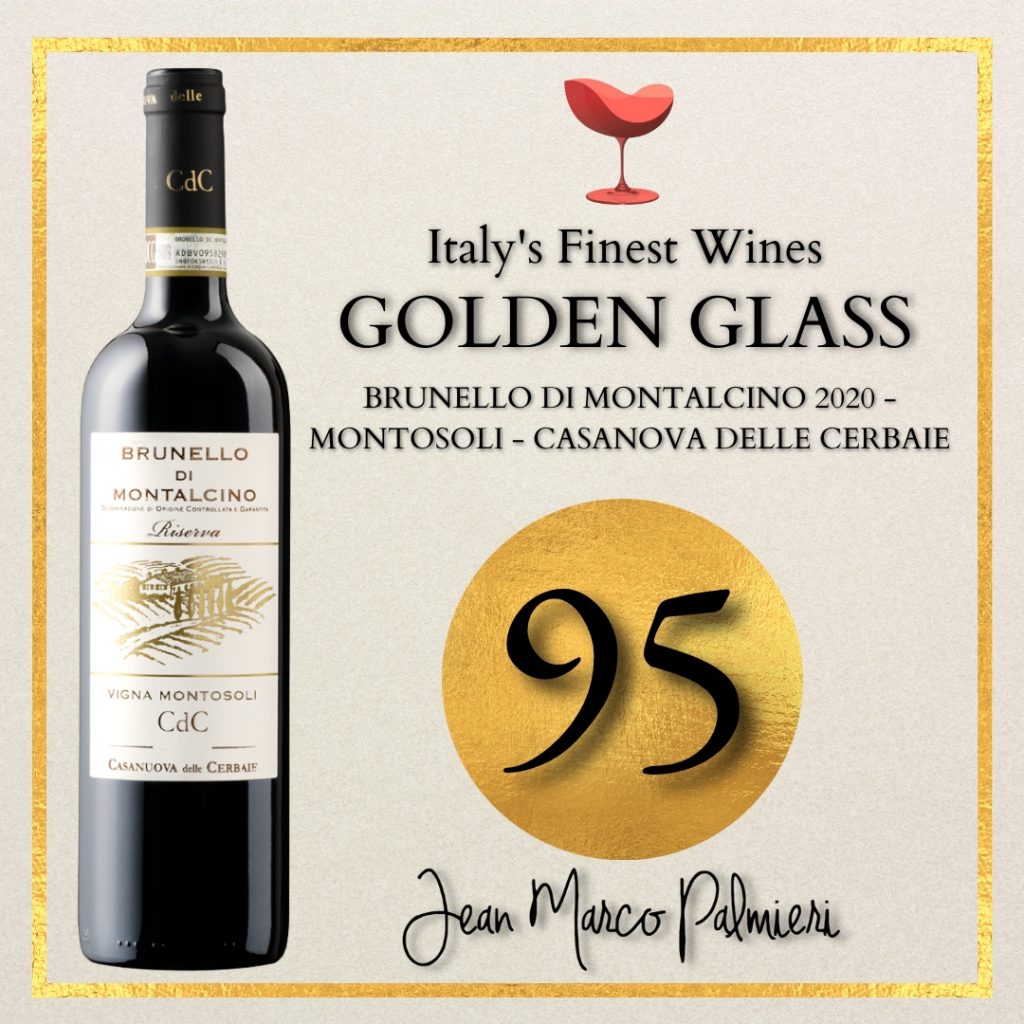
Elegant and deep profile, with notes of ripe red fruit, light spices, and marked minerality. On the palate, refined structure, well-defined tannins, and vibrant freshness, with a long and saline finish.
• Vineyard: Montosoli, altitude 250‑350 m a.s.l., mixed soils of clay, galestro, and very stony limestone
• Vinification: fermentation in stainless steel vats, decisive extraction with punch-downs
• Aging: minimum 24 months in large Slavonian oak casks (Stockinger)
• Zone: North of Montalcino, Montosoli hill
• Estate: Casanuova delle Cerbaie, small artisanal estate with 15 ha of vineyards. Founded in the 1980s, today led by Alessandro Brigidi with consultancy from Giuseppe Gorelli. Traditional, low-intervention approach with strong focus on freshness and elegance
Brunello di Montalcino 2021 – Ferrero
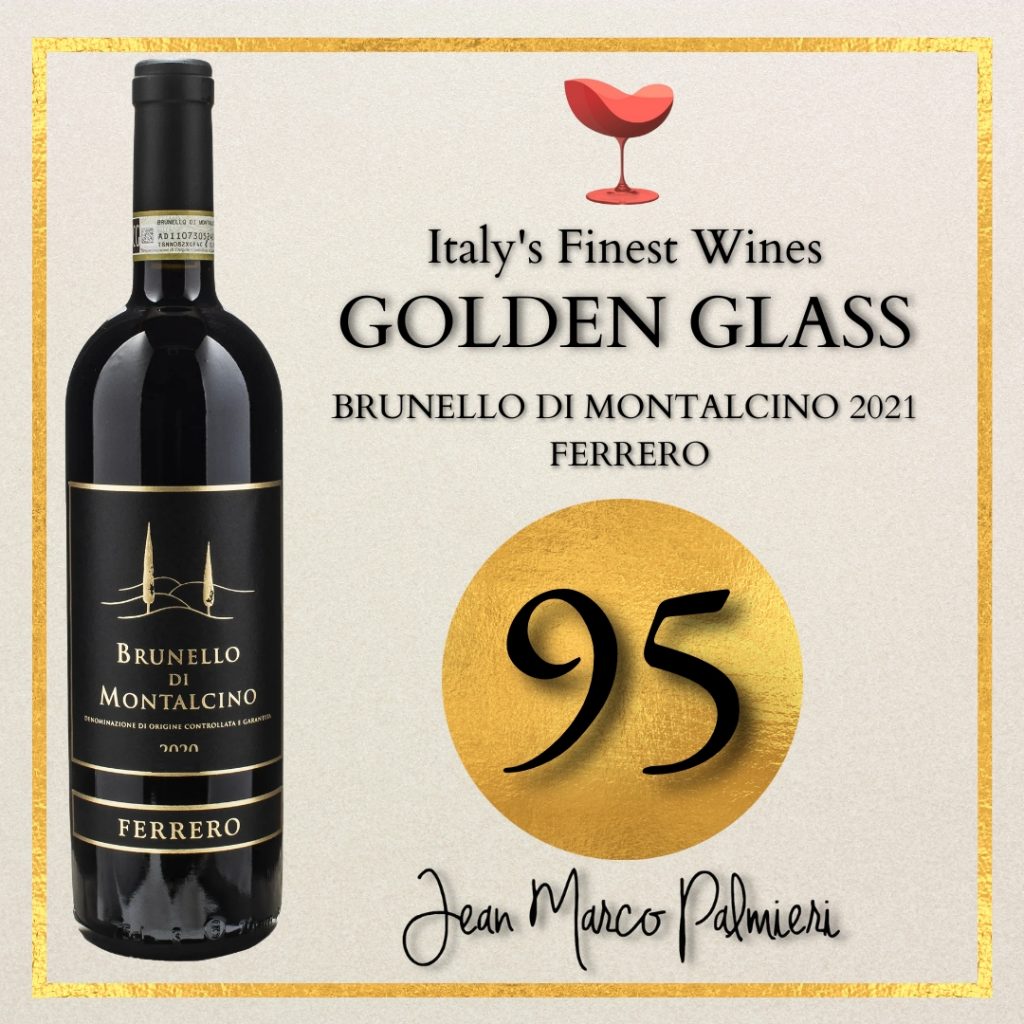
Aromas of red fruit and spices, with notes of tobacco and a mineral undertone; broad sip, well-integrated tannins, good balance, and savory finish.
• Vineyard: Sant’Angelo in Colle area, altitude about 250 m a.s.l., hilly soils rich in clay and low fertility, planting density 4,600 vines/ha
• Vinification: fermentation in large steel vats (60–80 hl), controlled temperature, on the skins for about 21 days; aging in medium/large oak casks
• Zone: Sant’Angelo in Colle, Montalcino
• Estate: Ferrero, managed by Claudia Ferrero and Pablo Harri; their passion for wine has been passed on to their three daughters Silvia, Giulia, and Pepita. The wines are distinguished by a harmonious synthesis of Sant’Angelo in Colle’s sunny character and a vertical, fresh, and balsamic style
Brunello di Montalcino 2021 – Talenti
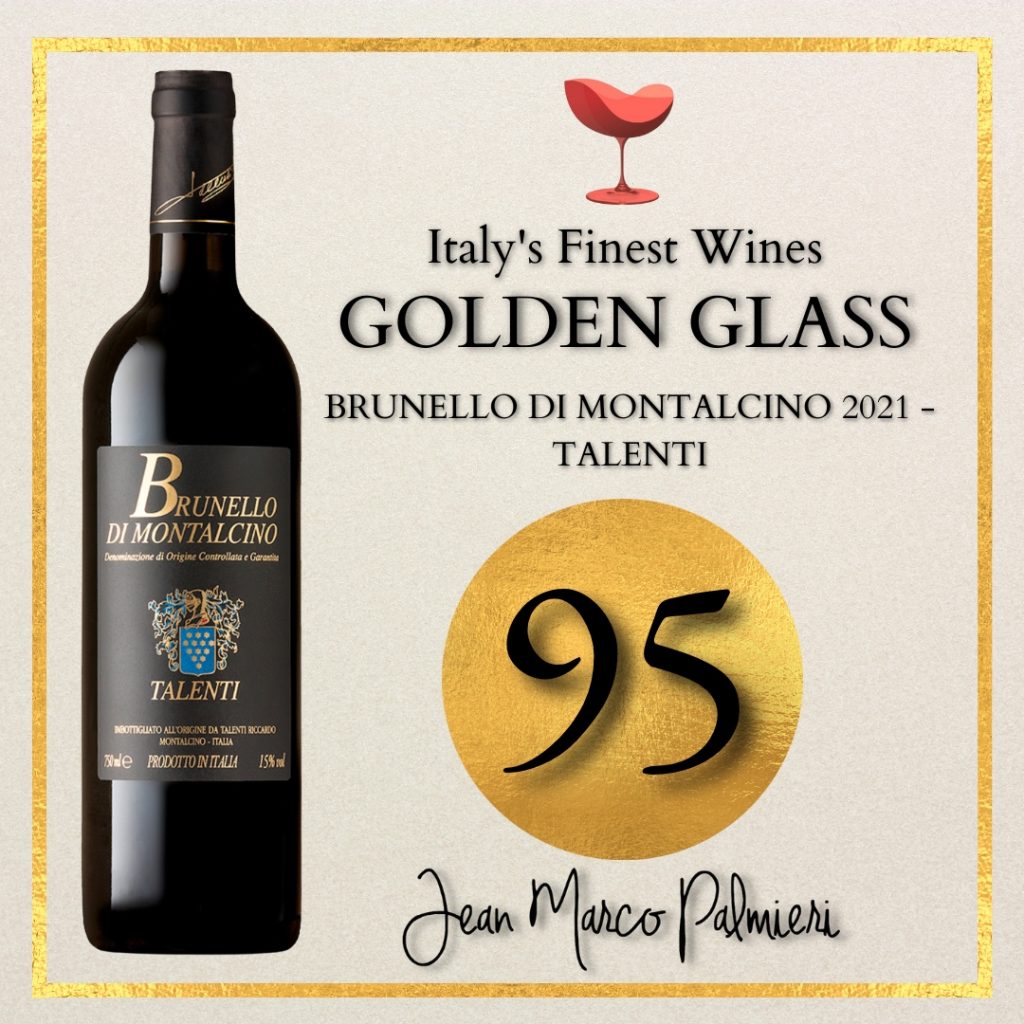
Fruity and spicy profile, with round structure and balanced tannins.
• Vineyard: 250‑400 m a.s.l.; sandy-loam, clay, and galestro soils
• Vinification: fermentation in steel with indigenous yeasts; aging in 500 l tonneaux and medium-sized Slavonian oak casks (20–40 hl)
• Zone: Sant’Angelo in Colle, Montalcino
• Estate: Talenti, historic family-run estate led by Riccardo Talenti, continuing the Brunello di Montalcino tradition with an approach combining traditional style and modern techniques
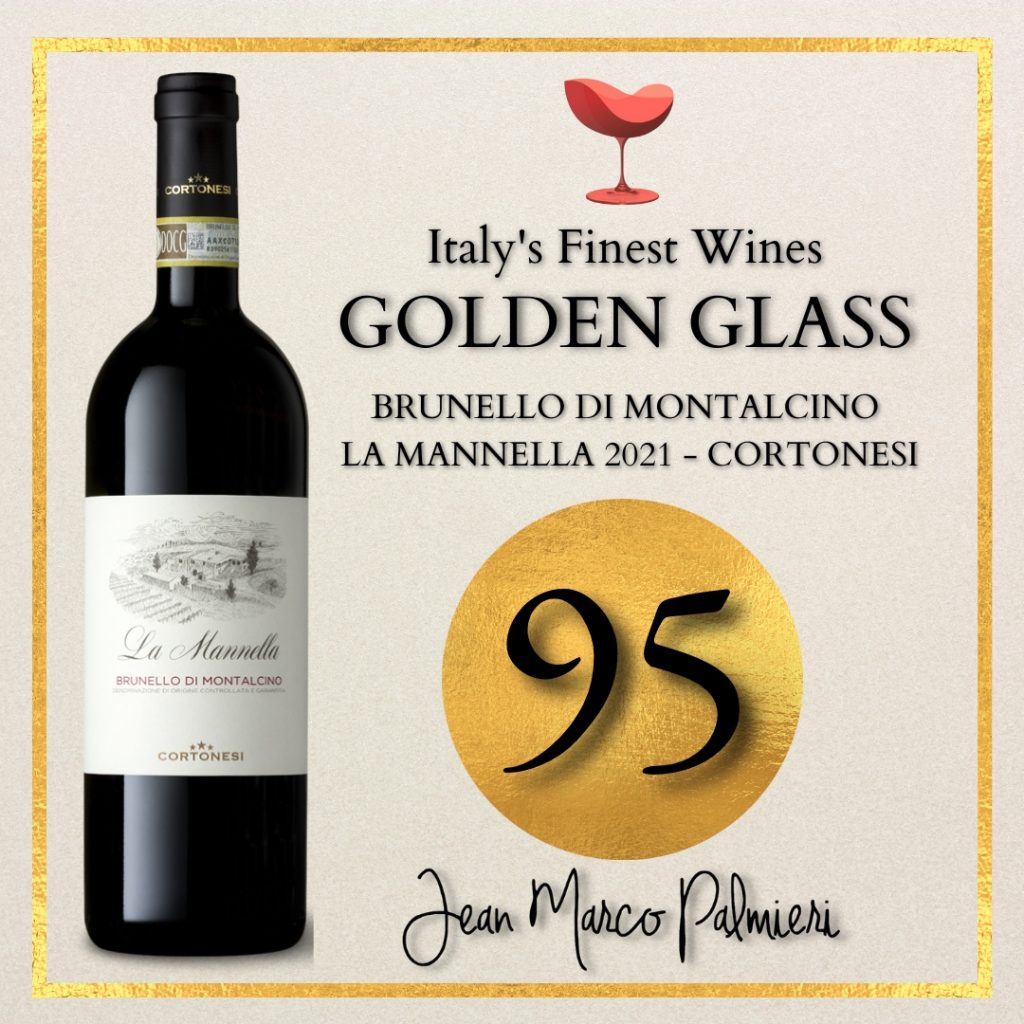
Brunello di Montalcino 2021 – Cortonesi
Aromas of raspberry and ripe cherry, with subtle notes of dark chocolate. Full and enveloping palate, long and fresh finish.
• Vineyard: north and south-east slopes, varying altitudes on clay and sandstone soils
• Vinification: aging in Slavonian oak casks slightly over 30 hl
• Zone: North and South-East
• Estate: Cortonesi, family winery led by Tommaso, Marco, and Giulio Cortonesi, with winemaker Paolo Caciorgna; produces Brunello combining traditional and modern style
Brunello di Montalcino 2021 – Palazzo
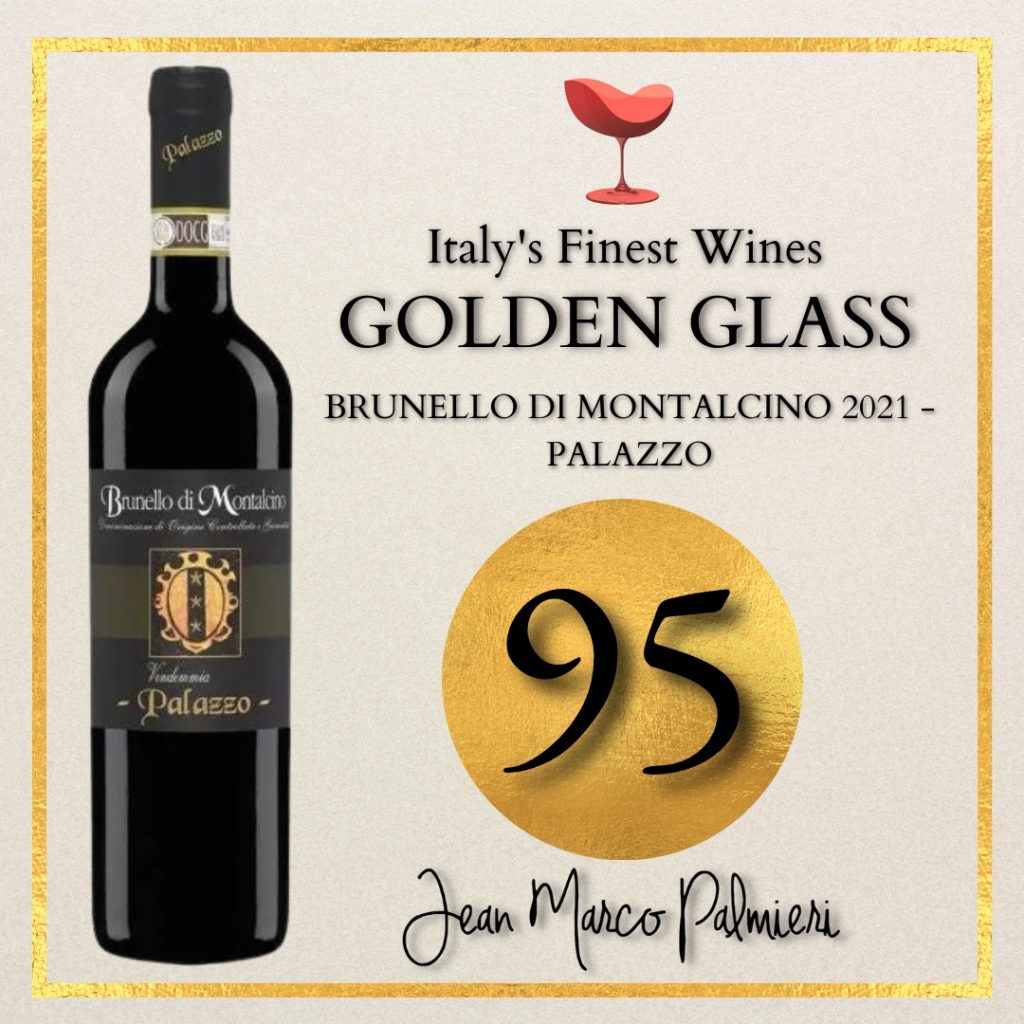
Aromas of stewed berries, coffee powder, and tobacco. Warm and rich palate, long finish with echoes of ripe fruit and spices.
• Vineyard: ideal exposure and soil conditions for balanced ripening
• Vinification: 36 months aging in oak casks and barriques, followed by 8–12 months in bottle
• Zone: South-East (Comunali area)
• Estate: Palazzo, small 4 ha organic estate, founded in 1986, led by Elia Loia with his daughter Sabrina and consultant Fabrizio Ciufoli
Brunello di Montalcino 2021 – Fossacolle
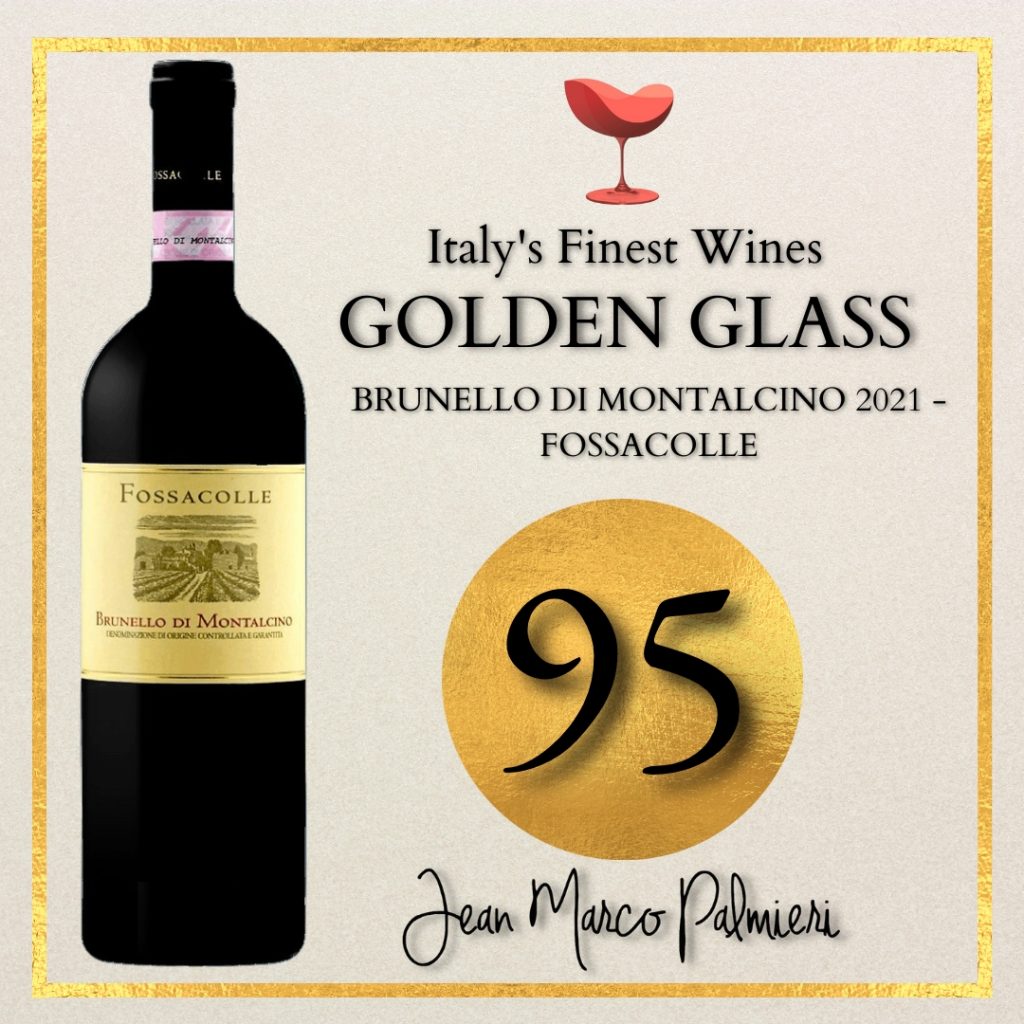
Aromas of ripe red fruits with subtle spicy and oaky notes. Structured palate, defined tannins, long finish with warm persistence.
• Vineyard: 300 m a.s.l., clay and tuffaceous soils
• Vinification: hand-harvested, long macerations with punch-downs and délestage; aging in 25 hl oak casks and 225 l barriques
• Zone: South-East (Tavernelle)
• Estate: Fossacolle, founded in 1984, led by Sergio Marchetti with support from Adriano Bambagioni and Stefano; family winery producing Brunello with great power and aging potential
Brunello di Montalcino 2021 – Tenute Friggiali
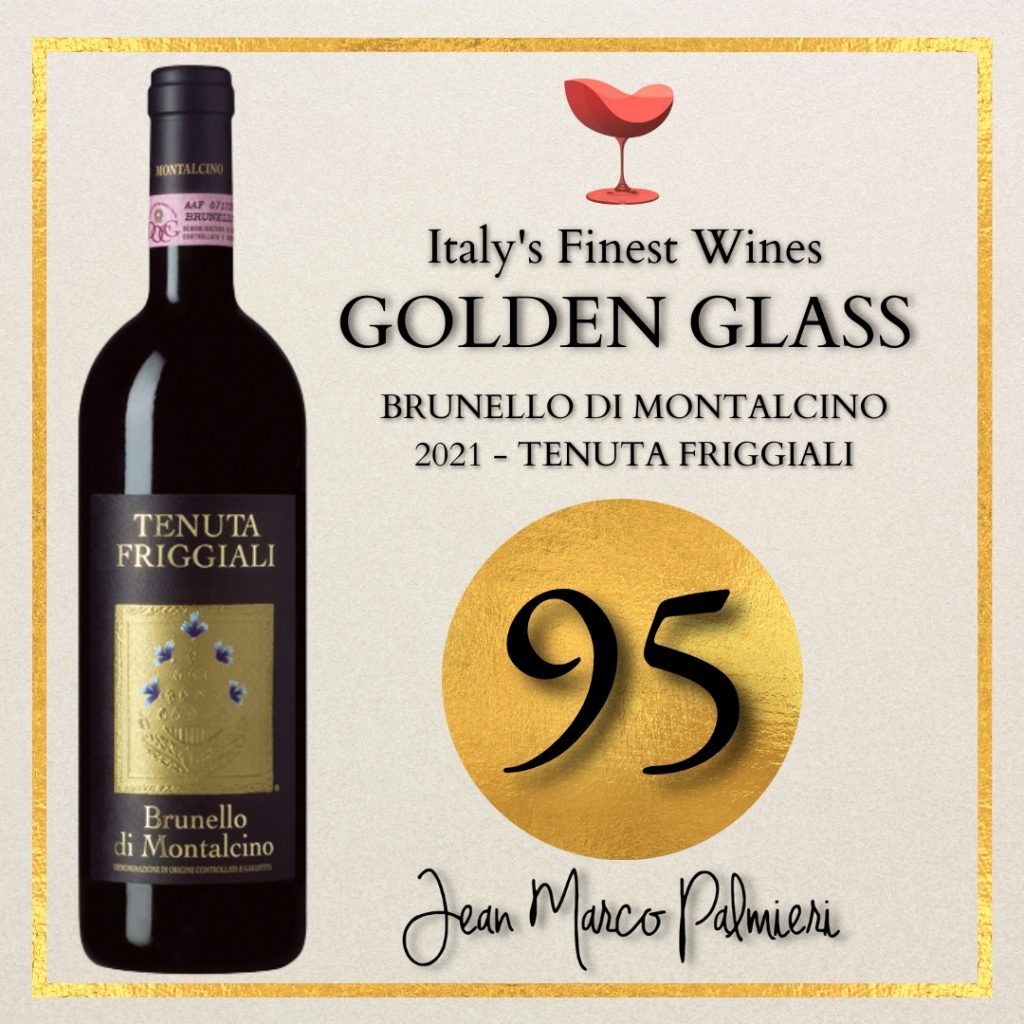
Aromas of cherry, sour cherry, raspberries, white chocolate, and tobacco. Soft and savory palate, silky tannins, lively acidity, long and enveloping finish.
• Vineyard: careful management of parcels for harmony and aromatic concentration
• Vinification: 36 months aging in large Slavonian oak casks of 30 and 50 hl, followed by 12 months in bottle; ready for the market 4 years after harvest
• Zone: South-East
• Estate: Tenute Friggiali, family-run winery, produces elegant and complex Brunello, focusing on balance and approachability
Brunello di Montalcino – Introduction
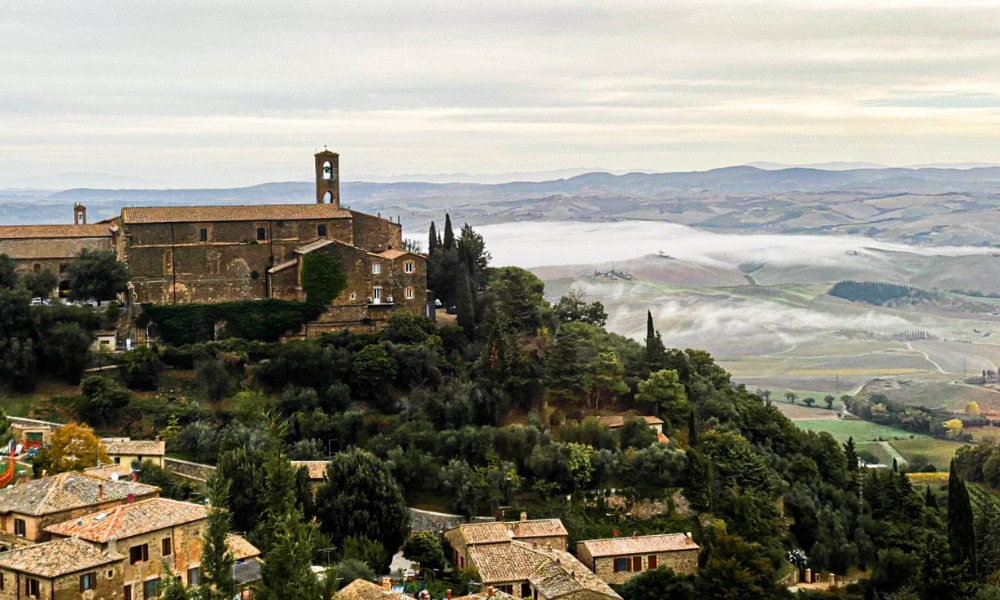
Brunello di Montalcino stands as one of the most renowned and prestigious Italian red wines, achieving international recognition for its elegance, complexity, and remarkable aging potential.
This exceptional wine can only be crafted from 100% Sangiovese grapes within the borders of the municipality of Montalcino, situated in the province of Siena. Presently, the vineyards dedicated to Brunello di Montalcino span approximately 2000 hectares, with 200 bottlers contributing to its production.
The regulations governing Brunello di Montalcino stipulate that the wine must undergo a maturation period of at least two years in oak containers of any size. Furthermore, it is mandated that the wine cannot be released to the market before January 1st of the fifth year following the harvest.
BRUNELLO DI MONTALCINO FOOD PAIRINGS
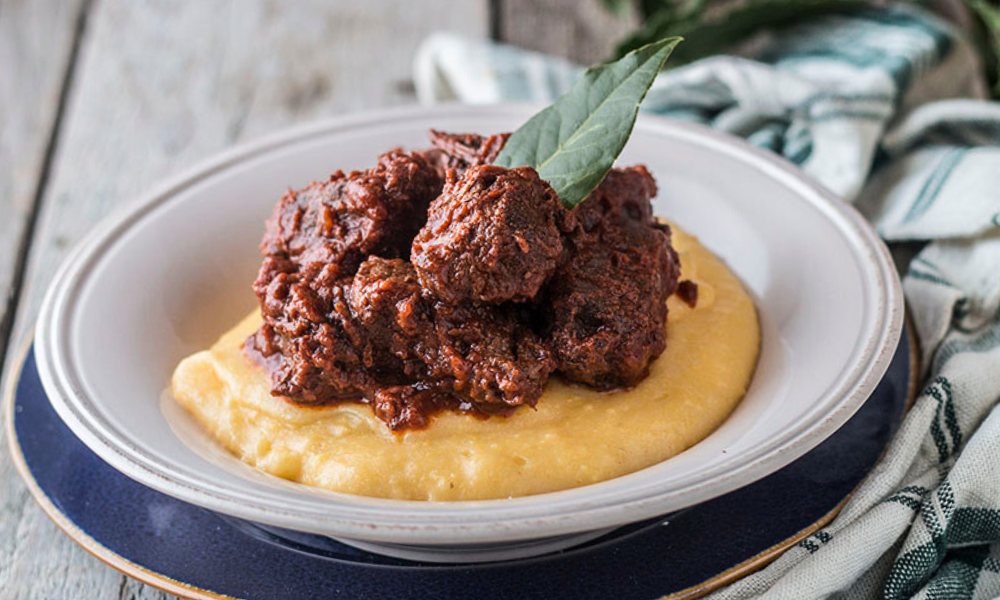
Brunello di Montalcino, with its imposing tannic structure, pairs magnificently with flavorful dishes enriched by robust sauces and intense seasonings, such as those based on brown stock and demi-glace.
The choice of local pairings for Brunello di Montalcino is an excellent option, fully enhancing the characteristics of both the wine and local cuisine. Examples of successful pairings with Brunello di Montalcino include Scottiglia di Cinghiale with Polenta, a rich and savory dish that harmonizes perfectly with the wine’s complexity. Equally delightful is Duck Breast in Brunello Sauce, a combination that enhances the wine’s fruity and spicy notes.
For cheese enthusiasts, pairing Brunello di Montalcino with Pecorino di Pienza aged in Barriques offers a unique experience, combining the wine’s robustness with the aromatic complexity of the cheese. Pappardelle al Ragù di Cinghiale (Pappardelle with Wild Boar Ragù) is another classic pairing, where the intense flavors of Brunello seamlessly integrate with the savory wild boar meat.
If you desire an extraordinary experience, a Brunello di Montalcino can be paired with Chianina Tartare with White Truffle, creating a harmony of exquisite and refined flavors.
BRUNELLO DI MONTALCINO HISTORY
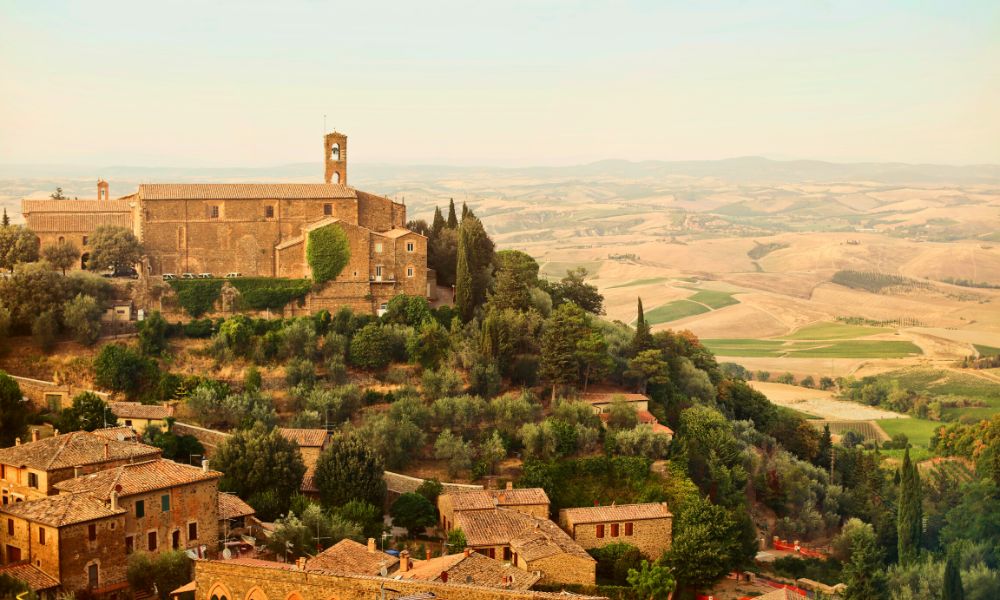
In the Middle Ages, Montalcino was a crucial stop for trade along the Via Francigena, the ancient road connecting Rome to northern England. This period of intense commercial activity laid the foundation for the region’s development.
In the 19th century, Clemente Santi, a local pharmacist and winemaker, initiated an important oenological revolution. Through massal selection of Sangiovese, he created a varietal wine at 100%, designed for long aging, which in 1869 received its first official recognition. A few decades later, in 1888, his grandson Ferruccio Biondi-Santi perfected the idea, introducing the “modern version” of Brunello di Montalcino, aged over 10 years in large wooden casks.
The 20th century brought major challenges and transformations. The phylloxera epidemic devastated European vineyards, but Tancredi Biondi-Santi rebuilt the viticultural heritage by replanting Sangiovese and adapting the winery to produce wines of the highest quality. In 1926, he founded the Cantina Sociale Biondi-Santi e C., which helped expand Brunello’s fame abroad, including in the United States. In 1933, the Montalcino Wine Exhibition saw the participation of 10 producers, marking a significant moment for the denomination.
After World War II, Brunello acquired a reputation as one of Italy’s rarest wines, with the Biondi-Santi family as the sole official producer. However, in the ’60s, Montalcino faced a difficult period: the opening of the Autostrada del Sole caused dramatic depopulation and the decline of many wineries. Despite this, in 1968, Brunello obtained the DOC designation, while the number of producers grew from 11 to 25 over the following ten years. In 1980, Montalcino became the first area in Italy to receive the prestigious DOCG designation.
The ’80s and ’90s marked an era of rebirth and success. Thanks to the international promotion by estates such as Banfi of the Mariani family, Brunello gained unprecedented notoriety, attracting local and foreign investors. Meanwhile, the Val d’Orcia was recognized as a UNESCO World Heritage Site, contributing to the region’s tourism success and the international fame of Brunello.
In the 2000s, the number of producers reached nearly 200, with a predominance of small family-run estates. In 2006, a Brunello was awarded by Wine Spectator as the best wine in the world, further consolidating its reputation.
However, in 2008, the “Brunellopoli Case” scandal shook the region: some wineries were accused of violating the regulations requiring 100% Sangiovese. The episode led to a return to tradition, greater attention to authenticity, and more rigorous agronomic practices, also adapted to climate change.
In 2016, the Biondi Santi estate was acquired by the French Epi holding, confirming the international interest in this great wine. In 2023, for the second time, a Brunello was named best wine in the world by Wine Spectator, confirming Montalcino’s role as one of the world capitals of winemaking.
What are the best Brunello di Montalcino Wines?
What are the best Brunello di Montalcino? Choosing is an arduous undertaking, which however is inevitably subject to the limits of a subjective opinion, which as such, by definition, is deficient and arbitrary.
We have simply drawn up a list of our favorite interpretations according to our evaluations. However, it remains essential to underline that wine was not born as a status symbol, to be exhibited or shown off coram populo.
But to get excited and be shared in a genuine way with the people we love, connecting to contingent situations and the unrepeatable and intimate moments of our lives.
Therefore, we invite you to visit the companies and get to know the producers who produce wines in their uniqueness, so that you can discover and independently choose the wine that canbe counted among your personal favorite wines for you. If you have had the patience to read this far, I thank you for your attention, but now is the time to fill the glasses and cut off distant hopes, and therefore:
Cheers, Health, Santé
Jean Marco Palmieri