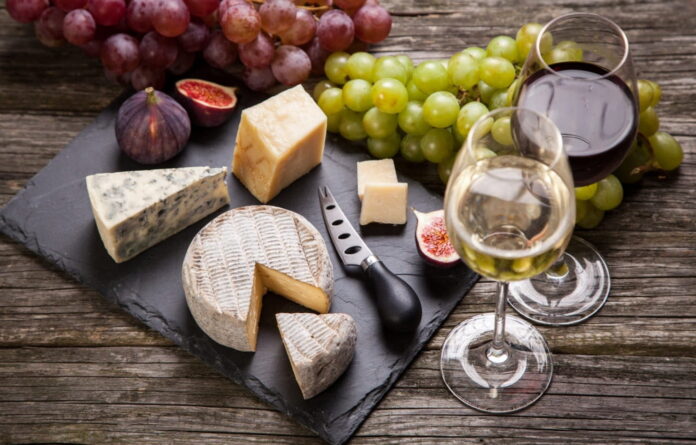
Discover the wine and cheese pairing rules, cheese and white, red, rosé and sparkling wine pairings. You will find examples of French, Italian and international wine and cheese pairing. Learn more about territorial examples of wine and cheese pairing and wine and cheese pairings by contrast. You will also find the list of the most famous types of cheeses with corresponding suggestions for pairing with wine.
INDEX
- What is cheese?
- Wine and cheese pairing rules
- Wine and fresh cheese pairing
- Wine pairing with semi-aged and aged cheeses
- Pairing wine and bloomy rind cheeses
- Pairing wine and washed rind cheeses
- Pairing wine and Mozzarella’s style cheeses
- Pairing wine and blue cheeses
- Wine and goat cheese pairing
- Pairings with wine and cheeses in brine
- Wine and Ricotta pairing
PREMISES OF WINE AND CHEESE PAIRING
Cheese is the flagship of Italian and French gastronomic culture. In fact, there are countless cheeses exported all over the world produced in Italy and France which. These countries are also the most popular for the wine production. Therefore, the question arises spontaneously: how to match wine and cheese perfectly?
What is cheese?
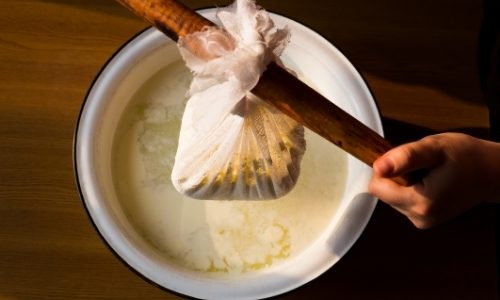
Before understanding how to pair wine and cheese, it is useful to have some background on what cheese is.
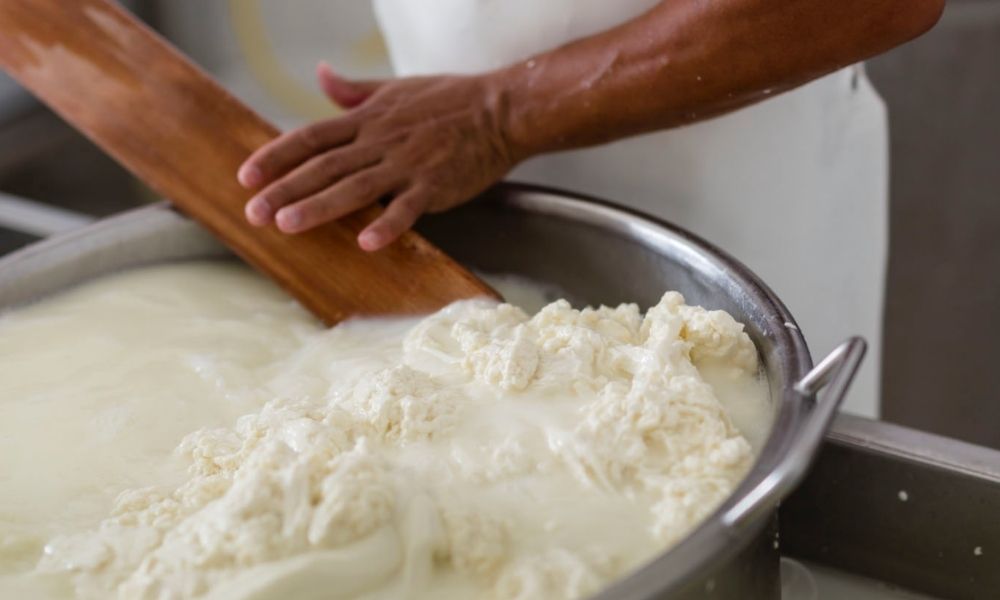
Cheese is a dairy food produced in a wide range of flavors, textures and shapes obtained from the coagulation of milk (possibly with the addition of enzymes and molds) by means of rennet or vegetable coagulants.
Coagulation makes it possible to isolate and concentrate the noble, fatty and protein fraction of milk (casein) from the liquid one, thus forming a gelatinous and fragile mass called curd. The curd is subsequently subjected to a very heterogeneous series of production processes through which the various types of cheeses are made.
The origin of the name derives from the Greek word formos, that is the basket that was adopted to store the curd to give it a shape. Later it was translated into Latin with the term formaticum and into the French medioeavale formage.
The history of cheese is a linked ancestral tradition that has its origins in Asia Minor in prehistoric times, when man as a hunter and predator began to devote himself to sheep farming and agriculture.
What is the cheese made of?
Cheeses are an excellent source of protein, calcium, B vitamins and many other nutrients, but they are also high in cholesterol and fat. The content of the various nutrients, proteins and fats reflect the quality of the milk of origin, in order of fatness: (cow, goat, buffalo, sheep).
Fats can exceed 42% in full-fat cheeses, be between 20 and 42% in semi-fat cheeses and between 16% and 20% in those defined as lean.
How to organize a cheese tasting
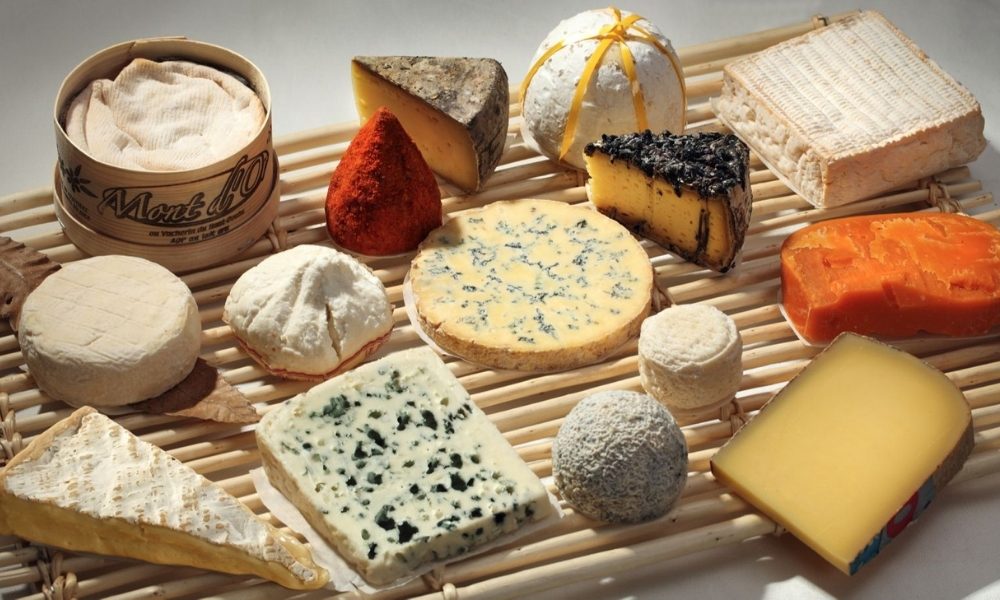
In general, in cheese it is proposed after the second course or as a single course, in the company of bread but also jams, honey or fruit. (The latter are less recommended if you want to focus on the cheese and wine pairing)
The single course based on cheeses allows you to make the most of the wine and cheese pairings, not being bound to the order of the wines of the other courses. A tasting doesn’t require a lot of cheeses, usually half a dozen is more than enough.
Cheese tasting can be based on: type of milk, pasta, aging, region or similar types but from different regions.
Cheeses by type of milk
| MILK | CHEESE |
| COWS | Asiago, Brie, Bleu, Burrata, Camembert, Comté, Cheddar, Caciocavallo, Crescenza, Gorgonzola, Époisses, Fourme d’Ambert, Grana Padano, Gruyère, Mimolette, Montasio, Munster, Provolone, Parmigiano Reggiano, Reblochon, Scamorza, Stilton, Stracchino, Squacquerone, Taleggio |
| SHEEP | Canestrato Pugliese, Fiore Sardo, Pecorino Toscano, Romano, Sardo Siciliano, Umbro, Abruzzese, del Sannio, dei Monti Sibillini, di Pienza, Roquefort, Feta, Ricotta (Non formaggio per legislazione italiana) |
| GOAT | Crottin de Chavignol, Picodon, Pouligny-Saint-Pierre, Saint Maure de Touraine, Chabichou, Garrotxa, Valencay, Mâconnais, Pélardon, Robiola di Roccaverano, Cacioricotta di Capra, Cadolet |
| BUFFALO | Mozzarella di Bufala, Burrata, Stracciatella |
| MIXED | Bitto, Feta, Bra, Castelmagno, Raschera, Toma |
5 RULES WINE AND CHEESE PAIRING
When talking about wine and cheese pairings it is useful to consider three aspects: matching wine by type of cheese, matching wine and cheese by harmony or contrast, and matching wine and cheese by territorial link. Discover the 5 rules for pairing wine and cheese to perfection.
1) WINE AND CHEESE PAIRING BY CONTRAST

This wine and cheese pairing approach identifies the key foundation in the balance between wine and cheese. Many of these pairing principles are popular in France, where cheese holds unrivaled importance, and suggestive Fromagerie and Bar à Vin are rampant in every corner specializing in cheese platters paired with wine.
Wine and cheese pairing by contrast consists in balancing the fatness, flavor or sweetness of the cheeses thanks to the acidity, effervescence, flavor or, possibly, the residual sugar of the wines.
Let’s find out some examples with this approach of pairing wine and cheese.
Examples of matching Wine and Cheese for Contrast
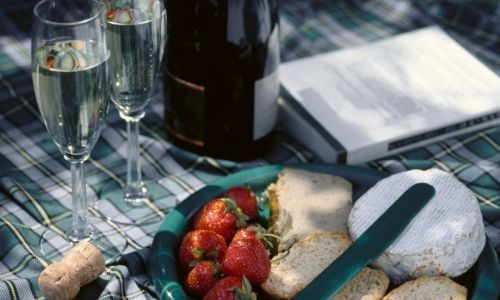
French cheeses with a flowery soft paste like Camembert and Coulommiers, Neufchatel, being intense, hydrated and with a sweet tendency, can be balanced by contrast by the soft tannins of a Burgundy Pinot Noir or Gamay.
Hard cured, savory and spicy cheeses can be balanced by contrast by the effervescence and freshness of classic Italian method sparkling wines such as Franciacorta, Alta Langa, Trento DOC or Oltrepò Pavese. Are you in England on a rainy night? Aged Cheddar and Traditional Sussex Method
French washed-rind cheeses such as Epoisses, Maroilles, Mont D’or, Munster and the Italian Talggio, endowed with fatness and pungent aromas, can be matched in contrast with white wines that combine freshness and aroma such as those of the Loire or Burgundy, or in Italy with white wines from Collio and Alto Adige.
In the case of blue and spicy and savory cheeses such as Roquefort, Fourme d’Ambert, Stilton and Gorgonzola, on the other hand, they can be balanced by contrast with sweet or liqueur wines such as Sauternes and Tokaji, or for example in Italy with sweet wines such as Muffati di Orvieto , Vin Santo, Recioto, Marsala and Moscato Passito.
Did someone say Blue Cheese and Vernaccia di Oristano? Fortune favors the bold!
2) WINE AND CHEESE PAIRING BY HARMONY
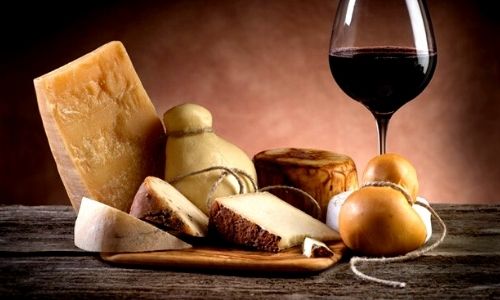
Pairing wine and cheese by harmony consists in matching the hardness of the dough (soft, semi-hard, hard) and the maturation (fresh, semi-matured, matured) of the cheese with the structure of the wine.
The principle is based on the idea that the alcoholic component of the wine is matched with the water content and the fatness of the cheese, creating balance. In fact, the alcohols break down the fats of the cheese, reducing them into compounds that are more pleasant to the palate and making interesting aromatic nuances (volatile compounds) perceptible.
The wine and cheese pairing by harmony is very common in Italy. In fact, the Italian dairy culture offers a very wide range of types of cheeses (over 487 varieties) which allow countless combinations and pairings with wine. Let’s find out some examples with this approach of pairing wine and cheese.
Examples of pairing Wine and Cheese by Harmony
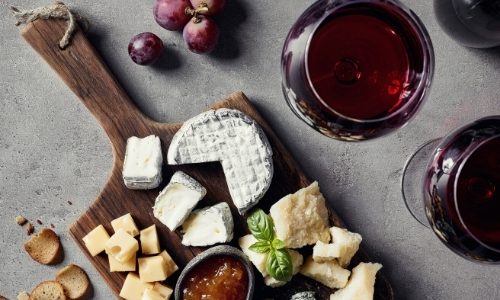
Fresh and lean soft cheeses such as Robiola and Crescenza and Squacquerone can be ideal with light, aromatic and low alcohol white wines.
Semi-hard cheeses of medium maturation, such as semi-matured Pecorino cheese, can be paired with slightly tannic red wines or white and rosé wines with good structure. Try it also with macerated white wines.
In the case of hard aged cheeses such as Parmigiano Reggiano, Grana Padano, Provolone or Castelmagno, to support the organoleptic richness of the cheeses, you can opt for a full-bodied red wine, embellished with tertiary notes of aging in wood.
3) WINE AND CHEESE PAIRING BY TYPE (White, Red, Rosé, Spumante)
Matching cheese and white wine
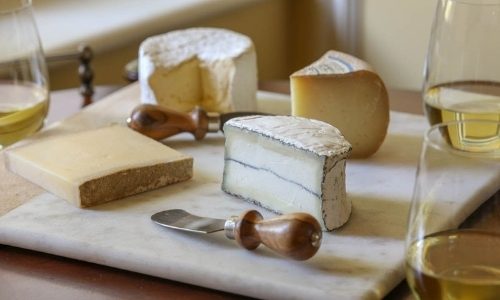
Pairing white wines and cheese? White wines are considered the most suitable and versatile in wine and cheese pairing. This is due to their greater acidity, able to integrate with the fatness of the cheese and the sweet tendency given by lactose.
Younger, more immediate white wines can be perfect for fresh, lean cheeses. On the contrary, more structured and evolved wines aged sur lies and with wooden passages can be suitable for pairing with fatty cheeses rich in aromas. Let’s find out some examples with this approach of pairing wine and cheese.
International white wines such as Riesling, Sauvignon, (in particular) or Viognier and Chardonnay from continental or south-continental areas can always be effective solutions for pairing wine with French cheeses.
Also worth discovering is the cheese pairing with Italian white wines from native vines. The wines of Friuli, Alto Adige and Trentino, Irpinia, Etna or Piedmont should be particularly considered.
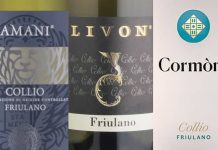
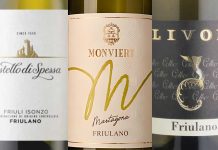
Also worth trying is the original pairing of cheeses with macerated white wines, especially those from Collio.
Pairing cheese and rosé wine

Matching rosé wines and cheese? Rose wines are among the most versatile in wine and cheese pairing, ideal especially for stretched curd cheeses such as Mozzarella, Scamorza, Burrata, Manteca, Stracciatella and Caciocavallo.
Sensational with Apulian and Sicilian rosé wines.
Alternatively, try also rosé wines from Valtenesi or Bardolino Chiaretto for fresh cheeses or rosé wines from Tuscany and Cerasuolo d’Abruzzo with semi-matured and matured pecorino cheeses.
Matching cheese and sparkling wines

Pairing sparkling wines and cheese? Sparkling wines can be a valid option for pairing with aged cheeses to mitigate their flavor and fatness thanks to the strong acidity and cleansing power of CO2.
More delicate Charmat method sparkling wines can be paired with low-fat soft cheeses, while more complex classic method sparkling wines are sensational with bloomy and washed rind cheeses. Try the Classic Method sparkling wines also with hard aged and blue cheeses.
Pairing with cheese and red wines

Pairing red wines and cheese? Red wines are the most difficult wines to pair with cheese. The milk proteins (casein) in fact, reacting with the wine, tend to bind and precipitate the tannins of red wine on the palate.
This reaction emphasizes the astringency of the tannins, causing a short circuit in the mouth: a sensation of dryness with a metallic and bitter aftertaste, stimulated by the natural flavor of the cheese.
In addition, more aged cheeses are more dehydrated and there is an important concentration of fats which makes the pairing with tannic red wines not recommended. Absolutely not recommended for dry red wines with blue cheeses.
However, when pairing red wines and cheeses, wines with good acidity, little tannins and possibly with a slight residual sugar can be preferred. For example, Schiava, Lagrein, Bardolino, Valpolicella, Ruché and some more vertical types of Barbera and Chianti Classico should be considered. Interesting when paired with French cheeses, red wines such as Pinot Noir, Gamay del Beaujolais. Did someone say Lambrusco ancestral method? Seeing is believing.
4) WINE PAIRING WITH TERRITORIAL CHEESE
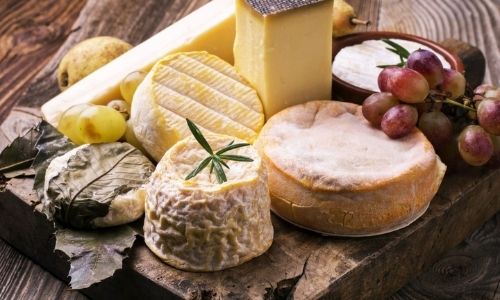
Which wine to pair with? Certainly choosing cheese and wine pairings that are territorial is an excellent solution.
Examples of sensational cheese and wine pairings in this case can be Vernaccia di San Gimignano Riserva with Pecorino Toscano, Sauternes with Roquefort, white wines from Sancerre with Pouligny-Saint-Pierre goat cheese, Buffalo Mozzarella with Greco di Tufo.
Also worth trying is the pairing of cheese and territorial wine between the Mon’t D’or with the Chablis, the Fiore Sardo with the Vermentino di Gallura. Sensational also the Époisses with Pinot Noir from Burgundy, Canestrato Pugliese with rosé wines from Salento.
5) WINE AND CHEESE NOT TERRITORIAL PAIRINGS
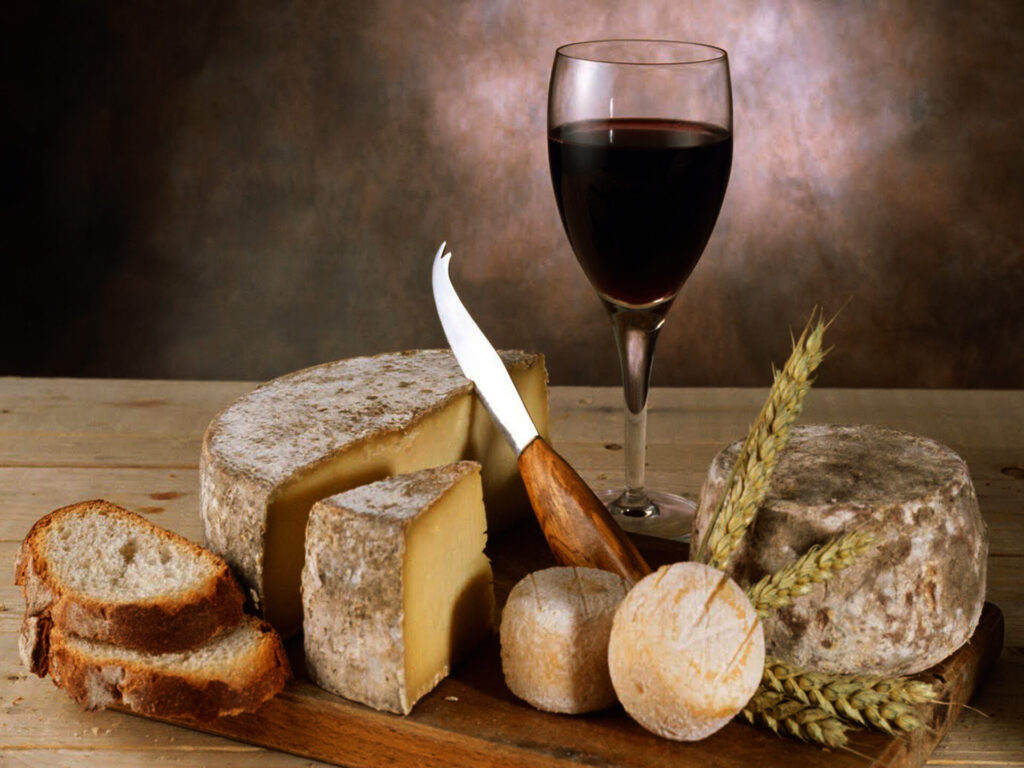
Matching wine and cheeses beyond territorial concordance? Why not also dare to pair with cheese and wine outside the territorial associations but based exclusively on the effectiveness of the organoleptic combination.
For example, we could try pairing French goats with Riesling Renano with Sauvignon Blanc from New Zealand, Parmigiano Reggiano with Champagne, Comté with Sherry from Jerez, Munster with Gewürztraminer from South Tyrol.
Also interesting is the wine and cheese pairing between Mimolette with the macerated whites of Collio or Camembert with Lagrein or Stilton with Passito di Pantelleria or Mozzarella di Bufala with rosé wines from Provence.
EXAMPLES OF WINE AND CHEESE PAIRING
WINE PAIRING AND FRESH CHEESE
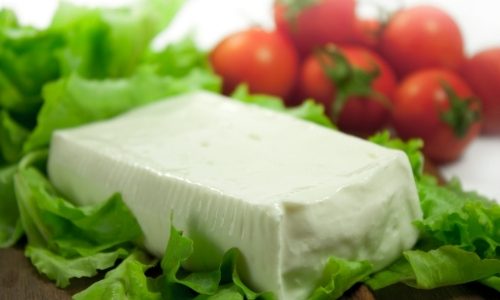
Which wine to pair with cheeses with fresh cheeses? ‘Low-fat’ cheeses have a fat content of less than 20% and have short perishable times and are therefore consumed within a few days of processing.
Low-fat cheeses contain up to 80% water, have no rind and are white with a soft or smooth soft texture, delicate aromas and a tender taste with a sweet tendency.
Among these types we can mention Robiola, Crescenza, Stracchino, Squacquerone, Fiocchi di Latte.
Which wines to pair with fresh and lean cheeses?
Pairing wine and fresh and lean cheeses? Given their delicate nature both in terms of aromas and structure, they are ideal with young white and rosé wines with little alcohol. Interesting examples among white wines can be young wines without passage in wood from Friuli, Alto Adige and Trentino, or Valle d’Aosta, interesting to try with some interpretations of Albana or Pagadebit from Romagna.
Among the rosé wines to be paired with fresh cheeses, delicate wines such as BardolinoChiaretto and Valtenesi can be considered.
Pairing with fresh cheeses should also be taken into consideration, even with delicate Charmat method sparkling wines such as Prosecco, Pignoletto, Ribolla Gialla and Fior d’Arancio.
WINE PAIRING SEMI-AGED CHEESES
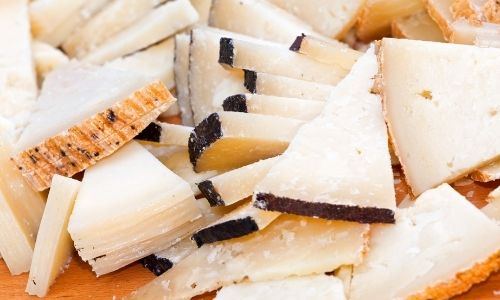
Which wine to pair with cheeses with semi-mature cheeses? The ‘semi-hard’ cheeses undergo a medium aging, have a water content generally between 36% and 45% and can be raw, semi-cooked or cooked.
The shorter or longer maturation allows to obtain specific characteristics passing from sweeter sensations in the fresher cheeses to the spicier ones in the matured ones. The aging times are regulated by the disciplinary for DOP wines or simply chosen at the discretion of the producer depending on the desired style.
Which wines to pair with semi-aged cheeses?
In this case, the wine and cheese pairing is ideal with structured white wines, evolved aged in wood, sur lies, and which combine freshness, structure and olfactory complexity. Alternatively, semi-aged cheeses and structured rosé wines or red wines can also be convincing, as long as they have good acidity and soft tannins.
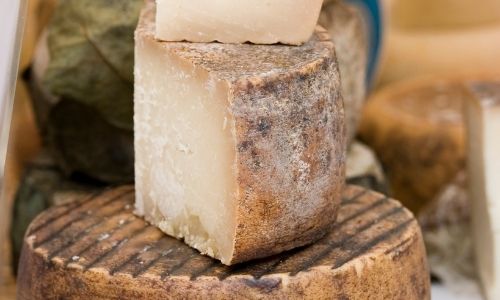
An excellent solution for pairing cheese and wine, in this case, can also be represented by macerated white wines, an original option and a perfect compromise between structure and softness.
Pairing wine and semi-aged cheeses? Some examples of territorial pairings can be the Vernaccia di San Gimignano Riserva and Pecorino di Pienza and the Vermentino di Gallura with Fiore Sardo.
The white wines of Etna with Sicilian Pecorino, rosé wines from Salento with Canestrato Pugliese, Chardonnay from the Côte de Beaune with Comté are worth considering.
The Timorasso, Roero Arneis and Gavi evolved with semi-aged Castelmagno, Bra and Raschera should also be considered among the wine and semi-aged cheese pairings. Also worth trying are the wine and cheese pairings between Asiago and Bardolino and Valpolicella or the Lugana and Riesling of Oltrepò Pavese with Bitto
WINE PAIRING AGED CHEESES
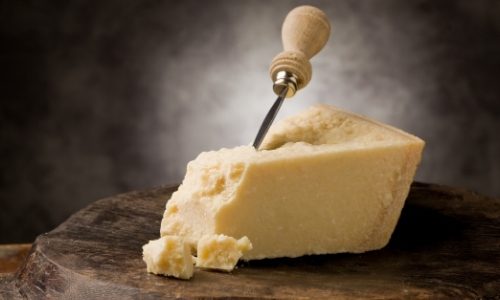
Which wine to pair with aged cheeses? Aged Cheeses undergo a prolonged maturation which helps to dehydrate the cheese, decrease its acidity and change, through the lipolysis of fats, its olfactory and gustatory profile, making it more pungent, savory and with a compact consistency.
Hard aged cheeses have a relatively low water content, typically 30% to 40%.
These cheeses are the most digestible due to the degradation of lactose during aging, but also the most caloric and rich in fats, proteins and sodium.
Which wines to pair with aged cheeses?

Wine pairing and aged cheeses? Some interesting wine pairings with aged cheeses are based on the contrast between the fatness and flavor of the cheeses and the effervescence and freshness conferred by sparkling wines. In this case, however, it is necessary to opt for structured classic method sparkling wines, possibly vintage, which can support the complexity of the cheeses.
The pairing of Parmigiano Reggiano and Franciacorta, Grana Padano and Trento DOC sparkling wines, Castelmagno and Alta Langa Classic Method Spumante should be considered. Also interesting is the wine and cheese pairing between very old Asiago and the Oltrepò Pavese Classic Method. Also worth discovering are Cheddar and Classic Method Sparkling Wines from Sussex, Mimoulette with Champagne, Gruyère with Chasselas from Switzerland.
WINE PAIRING CHEESE BLOOMY RIND
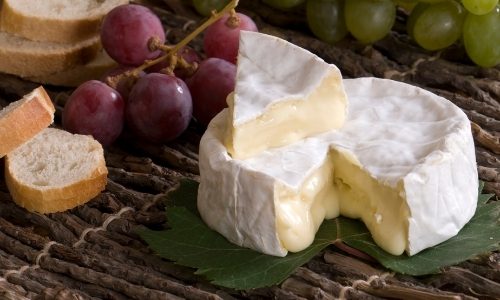
How to match wine and cheeses with a bloomy rind? Soft cheeses with a bloomy rind are creamy or semi-liquid because they do not undergo either heating or pressing and are obtained by inoculating special molds of the Penicillium genus, such as Penicillium camemberti.
The molds give the rind a soft consistency and a whitish color and intense aromas that recall musk, undergrowth, mushrooms and sulphurous shades.
Among the cheeses with a bloomy rind we can mention in France the famous French cheeses Brie, Camembert and St. Marcellin. In Italy there are some artisan producers who have tried to interpret these French-inspired cheeses.
Bloomy rind cheeses are generally endowed with particular fatness and a soft paste being richer in water (essential for the propagation of typical molds)
What wines to pair with bloomy rind cheeses?
Pairing wine and cheeses with a bloomy rind? For the reason just mentioned, the pairing of wine and cheeses with a bloomy rind is also particularly ideal with red wines with good acidity and hinted and smooth tannins.
Some territorial examples of wine and cheese pairing could be the delicate Pinot Noir from Alsace or a Gamay from Beaujolais with Brie, while a Pinot Noir from Burgundy with Camembert. Alternatively, in Italy you could opt for a Pinot Noir from Alto Adige or a Lagrein or a Schiava, Bardolino, Valpolicella or Ruché.
Did someone say Merlot del Friuli? A wine and cheese pairing option that could curiously trace the undergrowth nuances of this type of cheese.
WINE PAIRING WASHED RIND CHEESE
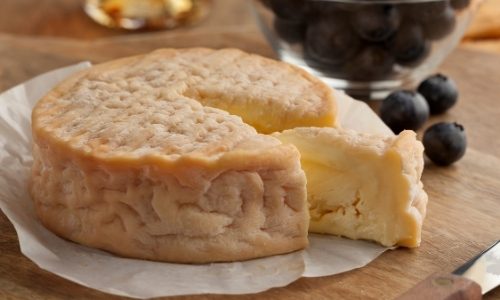
How to pair wine and washed-rind cheeses? Washed-rind cheeses are characterized by a rind that is repeatedly washed with water and salt (Taleggio) or hydroalcoholic (Époisses) solutions in order to eliminate the molds that form, allowing the growth of a particular type of bacteria (( Brevibacterium linens).
These bacteria give the rind an elastic consistency and the typical red-brown color that enhances the flavor and gives the unmistakable pungent aromas.
The aromas of washed-rind cheeses are often pictorially described as stable, humus, animal scents and even foot scents. Consider that some of them are so stinking that they have been banned from French public transport. However, the taste of washed rind cheeses has nothing to do with the aroma: complex and enveloping and with a moist and elastic consistency.
Pairing wine and washed rind cheeses? The pairing of wine and washed-rind cheeses is ideal with medium-structured, evolved and acidic white wines. Also interesting is pairing French cheeses with a washed rind and Belgian beers.
Which wines to pair with washed rind cheeses?
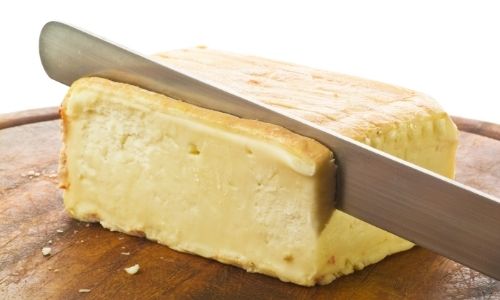
Among the wine and local cheese pairings we can consider Chablis with with Époisses de Bourgogne, Viognier del Rhone with Reblochon. Cheese and wine pairing between Vacherin Mont d´Or with white wines from Savoie or Savagnin from the Jura. Also very interesting is the wine and cheese pairing between Munster and Gewürztraminer Alsaziani and Lugana with Taleggio.
Pairing cheese and italian wines alternatively can be interesting with white wines from Friuli such as Friulano, Ribolla Gialla and international vines. Also sensational are Gewürztraminer and Müller Thurgau from Alto Adige, and Nosiola from Trentino. Also try the white wines of Irpinia and Etna in combination with washed rind cheeses.
If you are curious and are not afraid of pungent tastes, try the pairing with Italian Grape Ale, Farmhouse and Lambic style beers.
WINE PAIRING WITH CHEESE PASTA FILATA
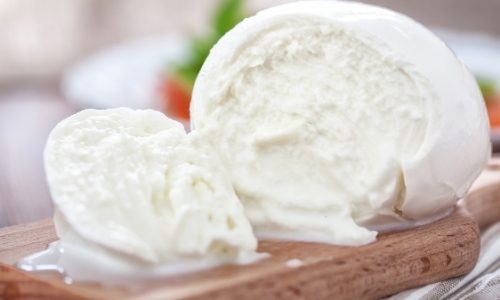
Matching wine and cheese to Pasta Filata? They are a category of cheeses typical of southern Italy and the islands, in which the curd matures in hot whey, reducing the casein into very thin threads. This process is artisanal and totally manual and allows to obtain a solid, stringy and malleable compound from the milk, from which the different forms of cheese are given depending on the type.
Depending on the processing of the stretched curd we obtain:
- Mozzata (hence “mozzarella”)
- Scamozzata (hence “scamorza”)
- Stracciata (from “stracciata”)
- Braided or crumpled (to become a cheese
What wines to pair with stretched curd cheeses?
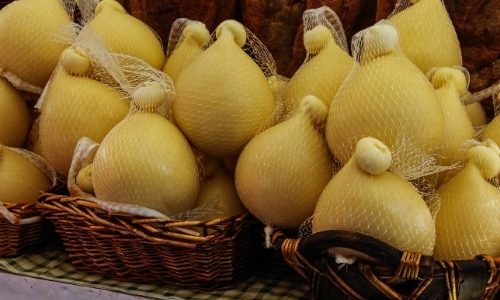
Which wine to pair with stretched curd cheeses? Stretched curd cheeses are characterized by an important fatty component but also a sweet tendency. Examples of pairing wine and stretched curd cheeses are therefore preferable with alcoholic white or rosé wines, with a Mediterranean character, more played on flavor than on aroma.
Pairing wine and stretched curd cheeses? Some examples of wine and cheese pairings in this case can be Mozzarella di Bufata with Aprinio d’Aversa and white wines from Irpinia such as Greco di Tufo and Fiano di Avellino, Caciovallo Silano from Calabria with Pecorello and Mantonico, while Scamorza Pugliese, Burrata and Stracciatella are sensational when paired with Salento rosé wines.
Wine and cheese pairings are also interesting, such as Manteca and Ostuni Bianco, Caciocavallo Abruzzese with Trebbiano d’Abruzzo and in Sicily with Provola dei Nebrodi with Grillo or Catarratto.
WINE PAIRING HERBAL CHEESE
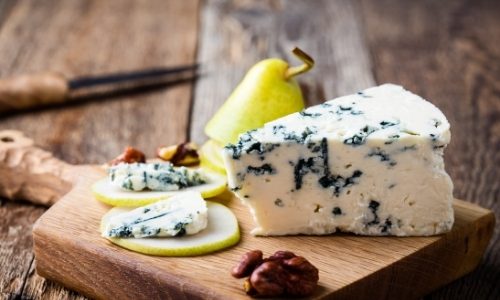
Which wine to pair with blue cheeses? ‘Blue paste’ cheeses, also called ‘blue cheeses’ are cheeses characterized by blue-green streaks and blotches inside the paste, due to the inoculation of colored mycelia given by the Penicillium mushroom crops.
Their texture of blue cheeses can be soft or hard and depending on the type and level of maturation. Mold grows inside the cheese as it ages which also gives strong and spicy flavors.
Which wines to pair with blue cheeses?
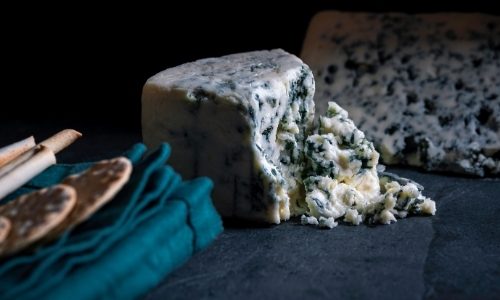
Pairing wine and blue cheeses? With blue cheeses, spicy and savory, a good combination with wine by contrast implies the softness and sweetness of passito and fortified wines.
Some examples of wine and blue cheese pairing can be between Roquefort, Fourme d’ambert and Bleu d’Auvergne with Sauternes wines. Also interesting are the Spicy Gorgonzola with Moscato di Scanzo, Queso de Cabrales with Sherry.
Alternatively, try the blue cheeses paired with sweet wines such as Muffati di Orvieto, Passito di Pantelleria, Vin Santo, Recioto, Marsala. Try the pairing of blue cheeses also with Porto and Tokaj
Blue cheeses and Vernaccia di Oristano? Fortune favors the bold!
WINE PAIRING GOAT CHEESE
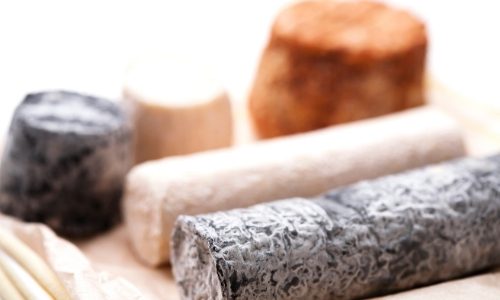
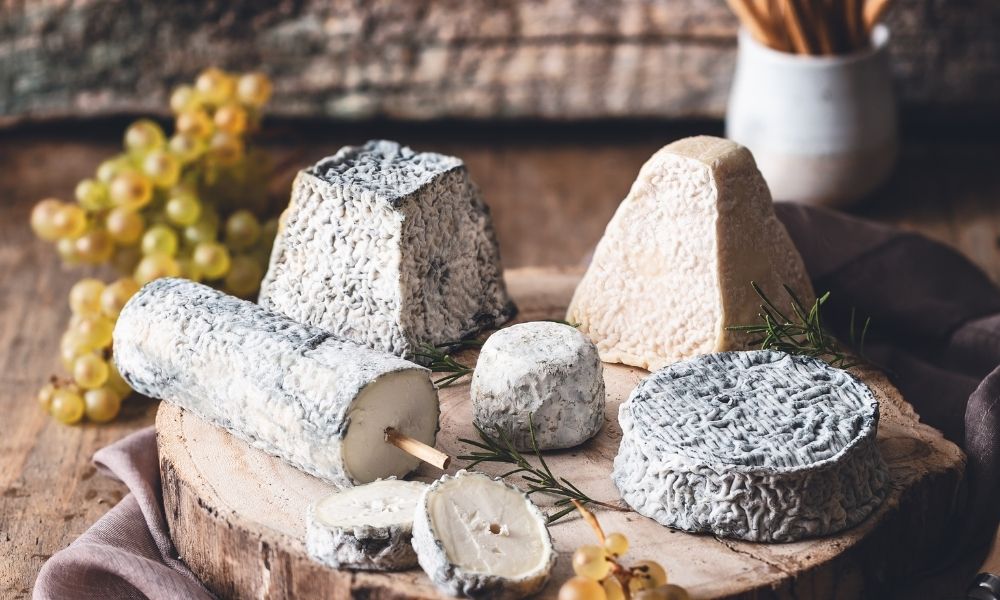
Which wine to pair with goat cheeses? Goat’s cheese, or chèvre in French, is cheese made from goat’s milk. Goat cheeses are produced in a wide variety of styles, ranging from soft fresh cheese to hard cured cheese.
Goat cheeses include Sainte-Maure De Touraine, Chabichou, Picodon, Garrotxa, Valencay, Pouligny Saint-Pierre, Mâconnais, Pélardon, Robiola di Roccaverano, Cacioricotta di Capra, Cadolet.
From a nutritional point of view, goat cheeses have a very similar composition to vaccine ones, but are more easily digested. Goat cheeses are often characterized by a marked creaminess and wild, vegetable and aromatic herbs aromas.
Which wines to pair with goat cheeses?
For this reason, the combination of goats and Sauvignon Blanc is a classic: also characterized by vegetal nuances, which integrate well with those of the goat. Of great interest such as the Sauvignon Blancs from Sancerre, Pouilly-Fumé and Touraine, those from South Tyrol or New Zealand. Another combination of goat cheese and wine is with Renani Rieslings, which with marked citric acidity balance the creaminess of goat cheeses.
Alternatively, among the Italian white wines to be paired with goat cheeses, to consider aromatic and fresh white wines such as those of Friuli such as Friulano, Ribolla Gialla and international vines. Very convincing also with Gewürztraminer and Müller Thurgau from Alto Adige, and Nosiola from Trentino, but also white wines from Irpinia and Etna can be revealing.
WINE PAIRING CHEESE IN BRINE
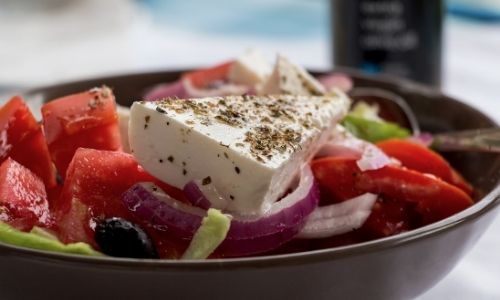
Pairing wine and cheeses in brine? Pickled cheeses are typical of the Middle East and the Mediterranean and mature in a brine solution giving the cheese stability and inhibiting bacterial growth even in hot countries.
Pickled cheeses can be soft or hard, varying in moisture content, color and flavor, depending on the type of milk used; they are crust-free and generally taste clean, salty and sour.
Pickled cheese varieties include bryndza, feta, halloumi, sirene, and telemea.
Which wines to pair with goat cheeses?
Which wine to pair with cheeses in brine? Try these cheeses in combination with white wines with a Mediterranean, savory and semi-aromatic character. Try the pairing of these cheeses with Vermentino, Greco, Ansonica, Carricante, Catarratto, Fiano, Zibibbo.
WINE AND RICOTTA PAIRING
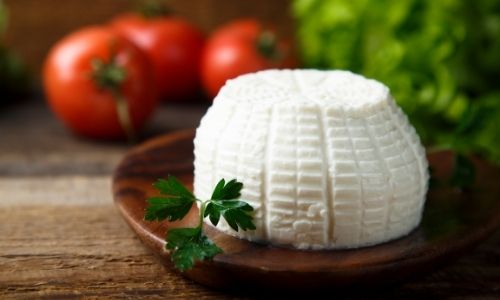
Which wine to pair with Ricotta? Ricotta is a dairy product but it is not a cheese by law. In fact, ricotta is not obtained from the coagulation of casein, but from whey proteins (liquid part separated from the curd during cheese making).
Which wine to pair with ricotta? Like fresh cheeses, ricotta is suitable for pairing with delicate white or rosé wines, slightly aromatic and low in alcohol. White wines from Friuli or Alto Adige can be a good option in combination with ricotta.
Which wine to pair with cheese?

What is the best wine to pair with cheese? Choosing is a difficult undertaking, which however inevitably lies within the limits of a subjective opinion, which as such, by definition, is deficient and arbitrary. We have compiled our wine and cheese pairing recommendations according to our evaluations.
However, it remains essential to underline that the best wine and cheese pairings is the one that is able to excite us, also by binding itself to contingent situations and unrepeatable and intimate moments of our life. Therefore, we invite you to discover all the wine and cheese pairings in their uniqueness, so that you can independently find and choose the wine that can be counted for you among yours as the best pairings of wine and cheese.