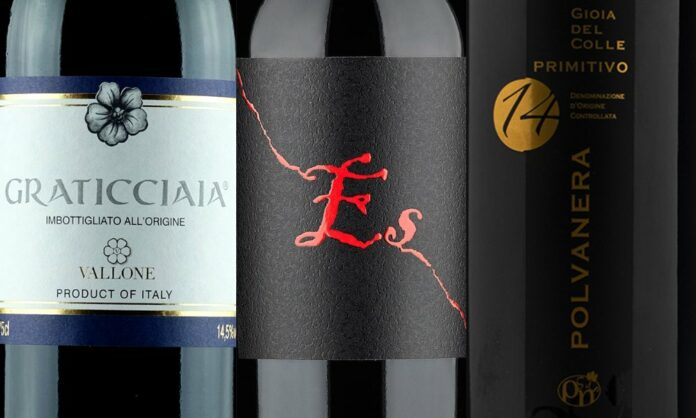
What are the best wines of Puglia? Discover our list with photos, descriptions and tastings of the best wines of Puglia recommended by Jean Marco Palmieri
INDICE:
BEST WINES FROM PUGLIA – Recommended by Jean Marco Palmieri

What are the best wines of Puglia?
So let’s see together a list of the 20 best wines of Puglia and discover their characteristics with our tasting so that everyone can find the best wines of Puglia suitable for their tastes.
To discover the excellences, discover our archive with dedicated articles on the best wine producers in Puglia.
Es 2022 – Gianfranco Fino
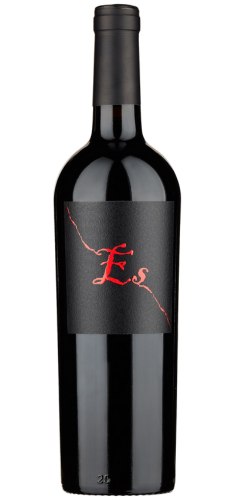
Description:
Intense notes of blackberry jam, plum, cardamom, dark chocolate, and wild fennel. On the palate, it’s dense and tactile, with imposing tannins and a savory edge that enhances the sip. Very long, balsamic finish.
Made from old bush-trained vines on red soil, aged 9 months in barrique (50% new) and at least 9 months in bottle. No fining or filtration.
An icon of Italian wine: power, elegance, and depth in a single voice.
Grapes: Primitivo 100%
Alcohol content: 16%
Graticciaia 2019 – Agricole Vallone
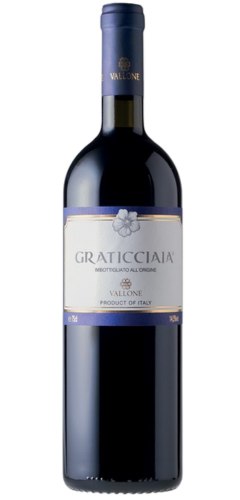
Description:
Intense aromas of dark fruits, dried violets, humus, and black pepper. Broad, spicy, and structured on the palate, supported by a full body and dense tannins.
Made from dried grapes in Castel Serranova, fermented in steel and aged 2 years in tank and 1 year in French oak barrels.
A Negroamaro of great depth and tension, among the most iconic reds from Puglia.
Grapes: Negroamaro
Alcohol content: 14.5%
Duna 2022 – Borgo dei Trulli
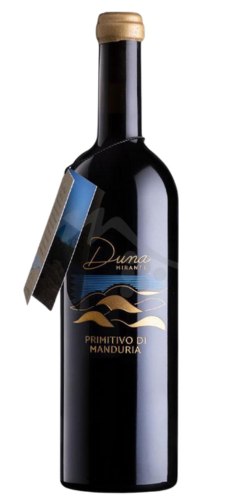
Description:
Licorice, eucalyptus, cocoa, and Mediterranean scrub precede a structured and compact sip, with sculpted tannins and a balsamic finish.
Grapes from Campomarino, whole-cluster fermented spontaneously without added sulfites. Aged 12 months in barrique.
A powerful and direct Primitivo, authentic in its territorial expression.
Grapes: Primitivo
Alcohol content: 16%
Gioia del Colle Primitivo ’14’ 2022 – Polvanera
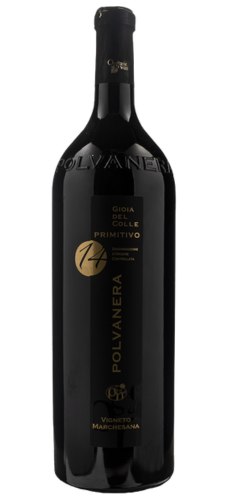
Description:
Ripe red fruits, dried petals, and citrus notes on the nose. The palate shows freshness, lively acidity, fine tannins, and a clean finish.
Made from grapes harvested in September, vinified in steel with long maceration. Aged 24 months in steel and 12 in bottle.
A vertical, fragrant, food-friendly Primitivo. Excellent value for money.
Grapes: Primitivo
Alcohol content: 14.5%
Ottagono 2015 – Torrevento
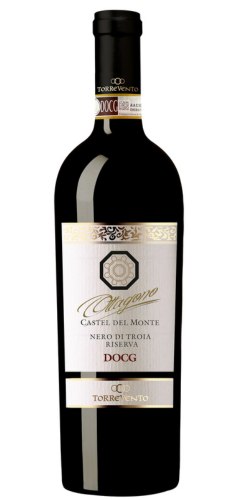
Description:
A rare elegant expression of Nero di Troia, with precise aromas of mulberry, cherry, and wild fennel, enriched by well-integrated sweet spices.
Wide on the palate, with polished tannins and fresh acidity balancing the sip. Aged 8 months in concrete and 12 in large oak casks.
Grapes: Nero di Troia
Alcohol content: 13.5%
Amativo 2023 – Cantele
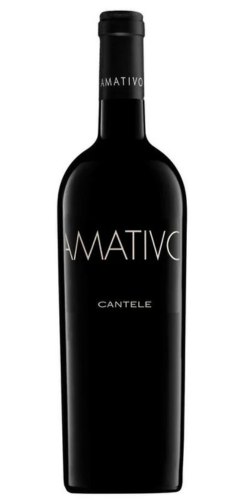
Description:
Black cherry, dried plum, tobacco, and licorice on the nose. The sip is velvety and enveloping, with silky tannins and well-measured freshness that extends the drink.
Blend of Primitivo and Negroamaro aged 12 months in barrique.
A harmonious and structured wine that combines power and refinement, among the most recognizable in Salento.
Grapes: Primitivo 60%, Negroamaro 40%
Alcohol content: 14.5%
Muro Sant’Angelo Contrada Barbatto 2017 – Tenute Chiaromonte
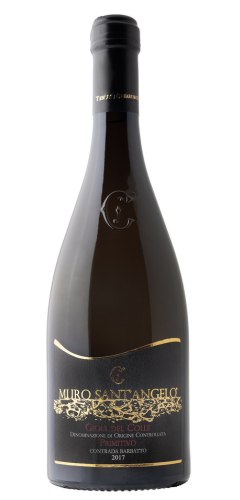
Description:
Deep nose of spices, underbrush, and black fruits. Warm and intense on the palate, with evolving dense tannins and a long, layered finish.
A wine of great substance and expressive power, a top-tier Primitivo from Gioia del Colle.
Grapes: Primitivo
Alcohol content: 16.5%
Marpione Primitivo Riserva 2019 – Tenute Viglione
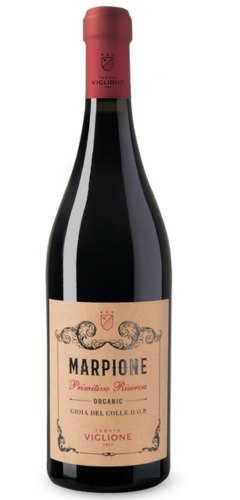
Description:
Dried figs, blackberry, coffee, and carob on the nose. On the palate, it is rich and tactile, with sweet tannins and a deep balsamic finish.
Aged in wood and bottle to express complexity and strength.
A sumptuous and refined Primitivo, among the best in its class.
Grapes: Primitivo
Alcohol content: 14.5%
Per Lui 2019 – Leone de Castris
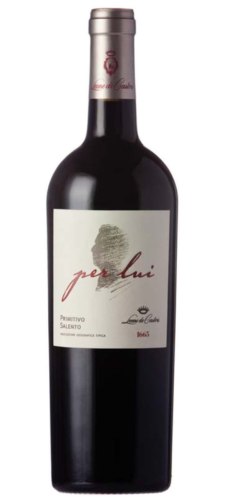
Description:
Black fruits, tobacco, plum, and vanilla on the nose. Full-bodied on the palate, with firm tannins and a long, flavorful finish.
Salice Salentino Riserva from Negroamaro, vinified in steel and aged one year in barrique.
A symbolic, personal wine that unites density and depth with a distinct stylistic imprint.
Grapes: Negroamaro
Alcohol content: 15%
Kemelios 2019 – Vetrère
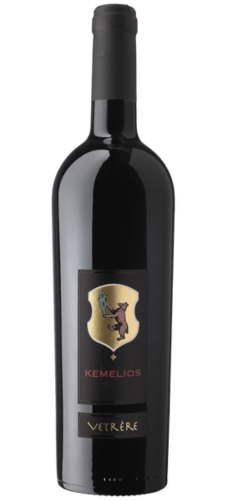
Description:
Ripe black fruits, dried violets, licorice, resin, and dried figs.
Dense palate, with well-integrated tannins and excellent aging potential.
Aged 14 months in new barriques.
Grapes: Negroamaro, Malvasia Nera
Alcohol content: 14.5%
Il Falcone 2019 – Rivera
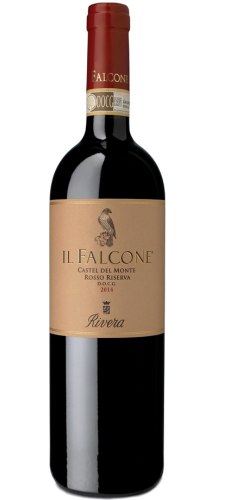
Description:
Dark cherry, spices, and red berries on the nose. The palate is balanced and taut, with well-integrated tannins and a persistent finish.
Aged 14 months in wood and 12 in bottle. A blend with a majority of Nero di Troia.
A historic and identity-defining wine of Puglia, excellent also with food.
Grapes: Nero di Troia, other native varieties
Alcohol content: 13.5%
Dionysos 2019 – De Quarto
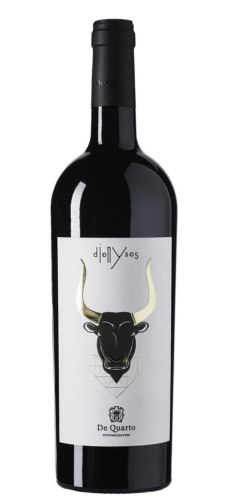
Description:
Ripe mulberry, resin, and wild berries on the nose. A straight and balanced palate, with silky tannins and a mineral finish.
From old bush-trained vines, spontaneous fermentation, aged only in steel.
A fine and concentrated interpretation of Primitivo, among the region’s best.
Grapes: Primitivo
Alcohol content: 14.5%
Brindisi Rosso Susumaniello Oltremé 2021 – Tenute Rubino
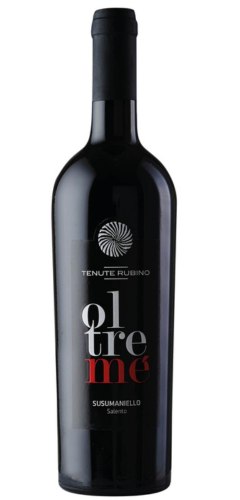
Opens on spices and underbrush, then unfolds into wild blackberry and blueberry.
The palate is warm, with evolving tannins and a persistent finish.
A balanced and intriguing red, rich in aromatic depth.
Grapes: Susumaniello
Alcohol content: 13.5%
Passo del Cardinale 2023 – Cantine Paolo Leo
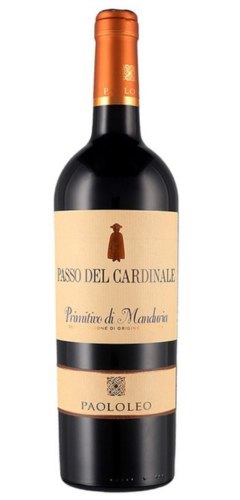
Description:
Ripe cherry, blackcurrant, boisé notes, and hints of medicinal herbs on the nose.
The palate is broad and savory, with mature tannins and good balance.
Aged 3 months in American barrique and 6 in steel.
Grapes: Primitivo
Alcohol content: 14%
Primitivo ‘Old Vines’ 2020 – Morella
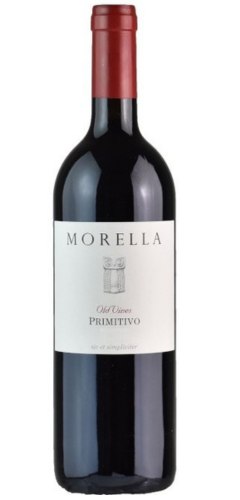
Description:
Intense aromas of blackcurrant and hints of blood.
Deep and enveloping on the palate, with vivid tannins and a fruity, lingering finish.
Artisanal winemaking with indigenous yeasts and manual punch-downs.
Grapes: Primitivo
Alcohol content: 15.5%
Diciotto Primitivo Salento 2021 – Schola Sarmenti
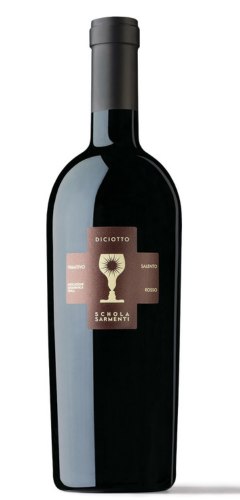
Description:
Blackberry and cherry jam, cocoa, carob, and tobacco.
Soft and structured on the palate, with finely crafted tannins and a very long finish.
Aged 14 months in new tonneaux and 12 in bottle.
Grapes: Primitivo
Alcohol content: 18%
Pezzo Morgana 2022 – Masseria Liveli
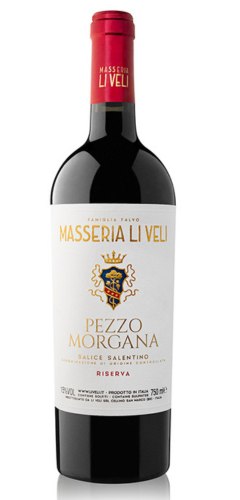
Description:
Notes of violet, blackberry, underbrush, pepper, and licorice.
The sip is enveloping and structured, with a precise balsamic finish.
Aged in barrique and French oak barrels.
Grapes: Negroamaro
Alcohol content: 15%
Le More Castel del Monte 2020 – Santa Lucia
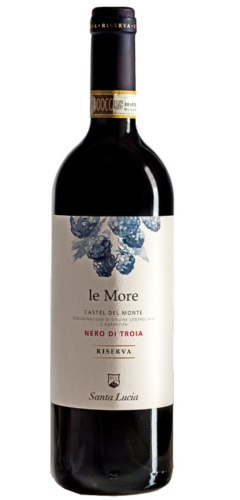
Description:
Wild blackberry, black cherry, humus, and clove.
Dense and elegant on the palate, with sculpted tannins and a balsamic close.
One of the best expressions of Nero di Troia in the region.
Grapes: Nero di Troia
Alcohol content: 14%
Le Braci 2017 – Severino Garofano
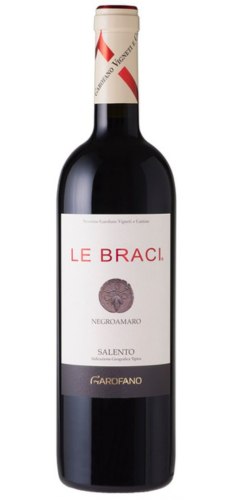
Description:
Plum, sour cherry, wild strawberry, and white chocolate.
Concentrated and juicy on the palate, with a long, fruity finish.
From lightly dried grapes.
Aged 10 months in barrique and 18 in bottle.
Grapes: Negroamaro
Alcohol content: 15%
Acini Spargoli 2018 – Antico Palmento
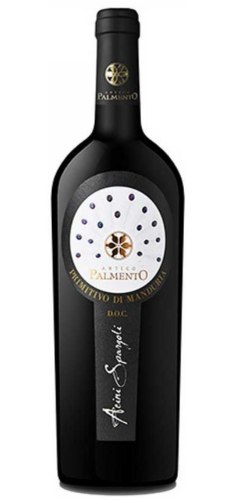
Description:
Blackberry jam, juniper, licorice, and flint.
Enveloping and dense on the palate, with a surprisingly saline finish.
Aged in Allier barriques, then in steel and bottle.
Grapes: Primitivo
Alcohol content: 16%
WINES FROM PUGLIA
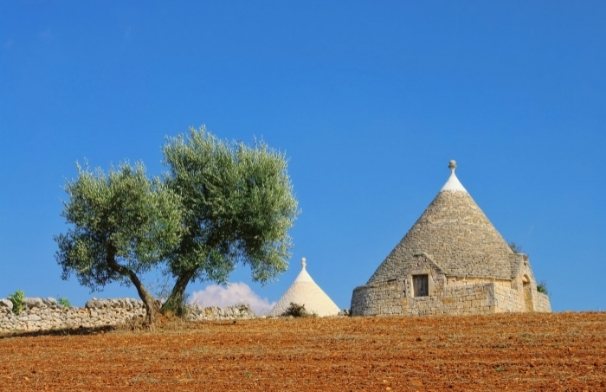
Among the best wines of Puglia are renowned appellations such as Primitivo di Manduria DOC, Salice Salentino DOC, and Castel del Monte Riserva DOCG, alongside a rich tradition of rosé wines from Salento, among the most appreciated in Italy.
The region’s wine identity is shaped by a few key grape varieties and a distinctive terroir: warm, ventilated climates, limestone-rich soils, and historical training systems like the alberello.
Primitivo, known internationally as Zinfandel, accounts for around 14% of Apulia’s vineyard surface. It yields rich, intense, and spicy reds, especially in Manduria and Gioia del Colle, and is also widely used for structured rosé wines.
Negroamaro is the flagship variety of Salento, producing deep, mineral, and balsamic reds, often with notes of black fruit jam and herbs. It is the backbone of Salice Salentino DOC and is equally central to the production of fine rosés.
Nero di Troia, typical of northern Puglia and the Castel del Monte area, offers wines with firm tannins, floral and spicy notes, and good aging potential. It is the main grape in the Castel del Monte Riserva DOCG.
Susumaniello, once nearly forgotten, is now one of the region’s most interesting rediscoveries. Native to the Brindisi area, it gives wines with freshness, vibrant fruit, and a distinct saline character, both as a red and as a rosato.
Other Autochthonous Grapes of Puglia
In addition to Primitivo and Negroamaro, Puglia boasts a rich biodiversity of native grape varieties that enrich its wine heritage. Notably, the Murgie area is home to important white grapes like Verdeca, alongside indigenous reds. In the Tavoliere, varieties such as Minutolo, Moscato, Foggiano, and Daunia thrive, with Bombino Bianco often cultivated alongside Nero di Troia. In the Brindisi zone, the native red grape Susumaniello stands out, increasingly recognized for its unique character and growing quality.
WINES OF PUGLIA TERROIR
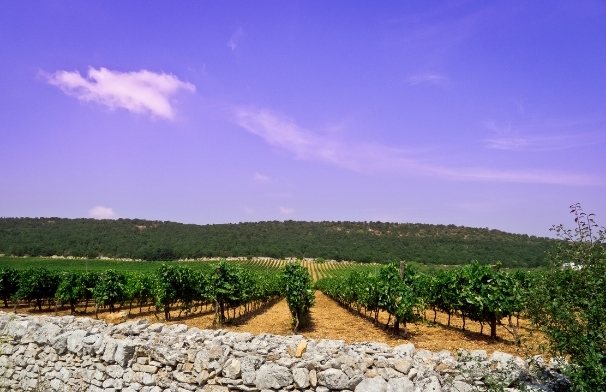
Puglia, Italy’s third-largest wine region, features a diverse and ideal terroir for distinctive wines.
In Capitanata, the northern area with calcareous-sandy soils and a continental climate with colder winters, quality reds and rosés are produced from Nero di Troia, Montepulciano, and Sangiovese, along with fresh whites from Falanghina, Trebbiano, and Bombino Bianco.
On the Murge plateau, calcareous-clay soils rich in aquifers and notable nighttime temperature swings create structured, mineral wines such as Castel del Monte Nero di Troia DOCG, Primitivo Gioia del Colle DOC, and the sweet Moscato di Trani DOC made from Moscato Bianco.
Along the Ionian coast, the Mediterranean climate tempered by sea breezes and alluvial calcareous-sandy soils allow Primitivo to reach its peak expression in the Primitivo di Manduria DOC.
In Salento, red calcareous-clay plains are ideal for Negroamaro and Malvasia Nera, as well as the distinctive Salice Salentino Aleatico Dolce DOC, a typical red from Brindisi and Lecce.
BEST ROSE WINES OF PUGLIA

What are the best Apulian rosé wines? Apulian rosés are renowned among Italy’s finest for their rich, expressive aromas and vibrant character. Although Italian rosé wine has a relatively recent history, its roots trace back to World War II in Puglia, with the creation of the iconic Five Roses by Leone de Castris. This blend, composed of 90% Negroamaro and 10% Malvasia Nera, remains a benchmark and a true institution among the best Apulian rosés.
Sweet wines of Puglia
Puglia has also produced some of Italy’s finest sweet wines, particularly from Moscato grapes, as seen in the renowned Moscato di Trani DOC, and from Primitivo grapes, exemplified by the Primitivo di Manduria Dolce Naturale DOCG.
Among the best Apulian sweet wines are also those made from Aleatico, a semi-aromatic red grape variety that gives rise to notable wines such as Gioia del Colle Aleatico DOC, Salice Salentino Aleatico DOC, and Aleatico di Puglia DOC.
What are the best wines of Puglia?
What are the best wines of Puglia? Choosing is a difficult undertaking, which in any case is inevitably subject to the limits of a subjective opinion, which as such, by definition, is deficient and arbitrary.
We have simply compiled our own list of favorite interpretations according to our evaluations. However, it remains essential to underline that wine was not born as a status symbol, to be exhibited or flaunted coram populo.
But to get excited and be shared in a genuine way with the people we love, bonding to contingent situations and unrepeatable and intimate moments of our lives.
Therefore, we invite you to visit wineries and get to know the producers who produce wines in their uniqueness, so that you can independently discover and choose the wine that canbe counted among your personal favorite wines for you. If you have had the patience to read this far, I thank you for your attention, but now is the time to fill your glasses and cut off distant hopes, and therefore:
Cheers, Salute, Santé
Jean Marco Palmieri