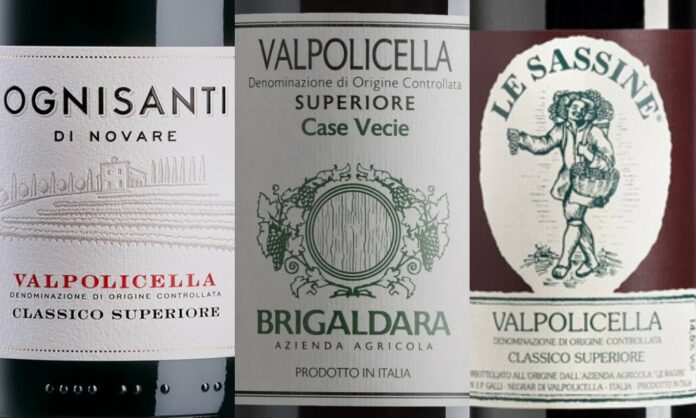
What are the best Valpolicella Superiore. A list with photos, description of the best wines recommended by Jean Marco Palmieri.
INDEX
VALPOLICELLA SUPERIORE – Tradition & Future
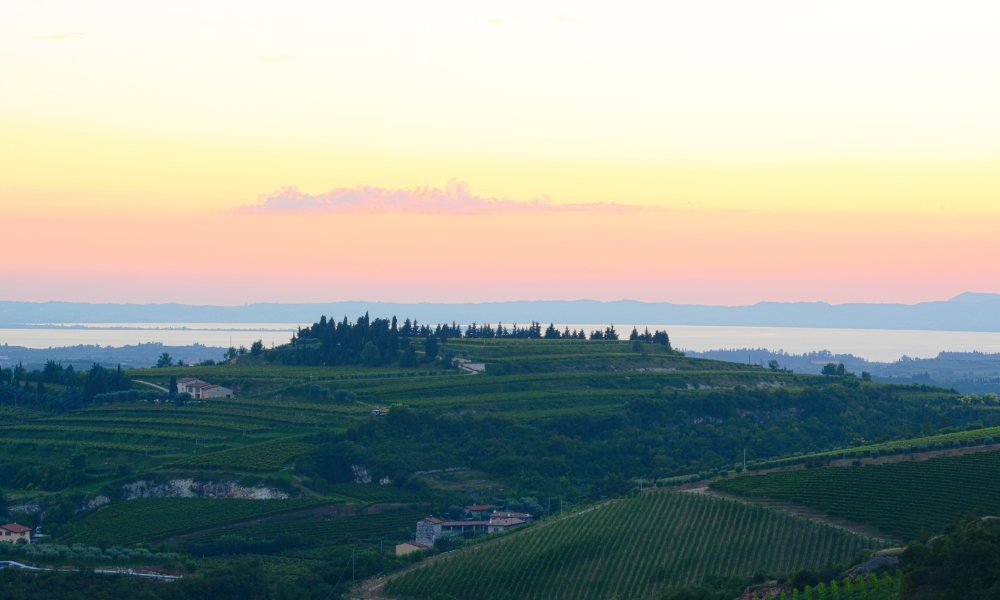
Valpolicella Superiore is one of the three variants of red wines from Valpolicella (alongside Valpolicella Classico, Ripasso, and Amarone), made from indigenous grape varieties Corvina, Corvinone, and Rondinella.
For Valpolicella wine to acquire the “Superiore” designation, it must undergo aging in oak barrels for at least 12 months and have an alcohol content higher than 12%.
The overall increase in temperatures today allows for full ripening of traditional Valpolicella grapes, eliminating the need for techniques such as overripening, drying, or re-passing to impart greater structure to the wines, and ensuring a light and fresh profile.
For this reason, more than Ripasso or Amarone variants, this type of wine can enhance the connection with the territory and satisfy consumers’ new market trends, who increasingly appreciate wines characterized by drinkability, elegance, and freshness. Valpolicella Superiore thus emerges as a wine that synthesizes tradition and modernity, with the potential to become one of the most representative wines of this appellation in the future.
In this article, we will examine some of the wineries that stand out for their interpretation of this type of wine.
Best Valpolicella Superiore – Recommended by Jean Marco Palmieri

What are the best Valpolicella Superiore wines?
Let’s discover together the updated list of Valpolicella Superiore with photos and tastings, so that everyone can find the wine suitable for their own tastes.
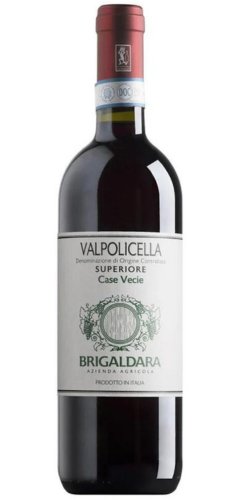
‘Case Vecie’ Valpolicella Superiore – Brigaldara
Description:
It opens to the nose with hints of wild raspberry and strawberries complemented by suggestions of dried flowers, undergrowth, cider, and sweet spices.
The palate is fresh and assertive, characterized by a silky tannic texture, accompanied by lively acidity that gives great drinkability, harmony, and balance.
Obtained from a cru in Grezzana – Case Vecie (450 meters above sea level, southeast exposure). The temperature during the entire fermentation process is maintained at around 22°-24°C to promote the preservation of delicate and fresh aromas. Aging: 8 months to 1 year in large wood barrels.
Brigaldara has long been one of the wineries that believed in the potential of Valpolicella Superiore with an elegant and territorial approach. Fully deserving its place among the best Valpolicella Superiore for elegance and olfactory clarity.
Alcohol Content (Approximate): 13.5%
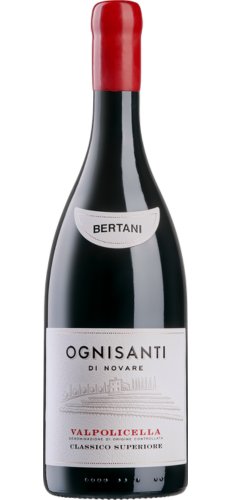
‘Ognisanti’ Valpolicella Classico Superiore – Bertani
Description:
Brushstrokes of currants and raspberries blend with nuances of dried flowers and autumnal spices.
On the palate, it is dense and silky, with a delicate acidic edge that enhances the drinking experience. Delicate and persistent finish.
Vineyards located in Valpolicella Classica, Tenuta Novare in Arbizzano di Negrar, from the Ognisanti vineyard, with a west exposure, composed of eight terraces, totaling 2.92 hectares, located upstream from the Ognisanti chapel. Aging in French oak barrels for 1 year.
Certainly among the best Valpolicella Classico Superiore wines.
Alcohol Content (Approximate): 13%
‘Le Sassine’ Valpolicella Superiore – Le Ragose
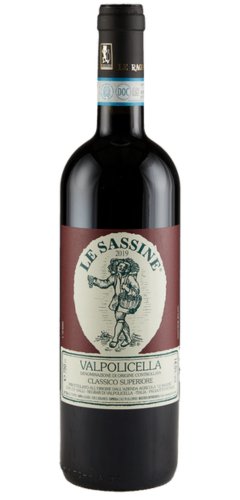
Description:
The olfactory palette is complex and intense: it ranges from red currants and cinnamon, with added notes of medicinal herbs, violet, and patchouli.
On the palate, it is voluminous, with well-defined silky tannins and a good backbone of acidity that gives freshness and verticality.
Clean, harmonious finish, with great length on the fruit.
Fermentation in stainless steel for approximately 10-15 days by indigenous yeasts, then racking of the obtained Valpolicella into storage tanks. Aging in stainless steel and Slavonian oak barrels. Deservedly among the best Valpolicella Superiore.
To be ranked among the best Valpolicella Superiore for its ability to combine concentration and freshness.
Alcohol Content (Approximate): 14.5%
Valpolicella Superiore – Musella
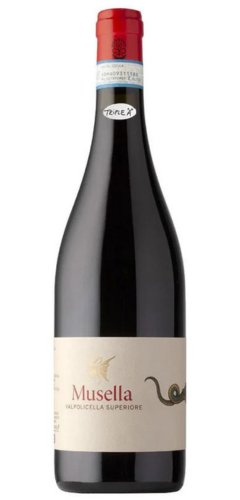
Description:
It suggests intense aromas of red berries, vanilla, humus, and balsamic nuances. The palate is enveloping and soft, with a very delicate tannin and a compelling acidity.
Obtained from vineyards on calcareous soils with a prevalence of ferruginous red clay in the Il Perlar and Palazzina vineyards, and medium clayey tufaceous soil in Monte del Drago. Skin-must maceration for 12-15 days at uncontrolled temperature. Periodic pump-overs. Racking. Malolactic fermentation. Transferred to large barrels (3500 liters) and cement tanks. Aging period of 12 months.
Undoubtedly among the best Valpolicella Superiore.
Alcohol Content (Approximate): 13%
‘Montegradella’ Valpolicella Superiore – Sartori
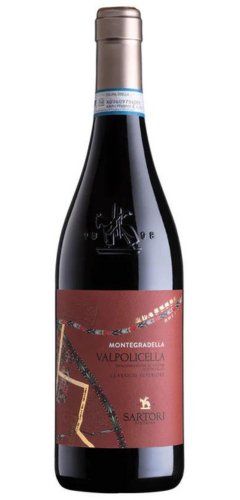
Description:
It suggests intense aromas of red berries, medicinal herbs, leather, and licorice. The palate is rich and leans towards some hardness, including a prominent tannin in the making and a pronounced acidity.
The vineyard is located between 250 and 300 meters above sea level, in the hills northwest of Verona, on tufaceous soil. The grapes undergo controlled fermentation for 8/10 days after being crushed and destemmed. Following racking and malolactic fermentation, the wine ages for 6-8 months in concrete and one year in large oak barrels, followed by 6 months of bottle aging.
Deservedly among the best Valpolicella Superiore for its versatility in gastronomic pairing.
Alcohol Content (Approximate): 13.5%
Valpolicella Superiore – Zymé
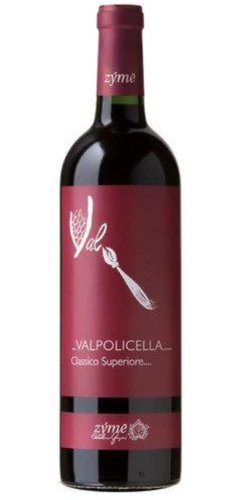
Description:
It exudes captivating notes of berry jam, followed by a more austere character of tar, tobacco, and toasted notes. It tantalizes the palate with a silky tannin and good acidity that enhances drinkability. Great savoriness and excellent persistence.
Fermentation occurs through the traditional red vinification with maceration on the skins. The wine is then passed over the Amarone pomace for a couple of weeks before final racking. Valpolicella Classico matures for 36 months in Slavonian oak barrels and completes its refinement with 6 months in the bottle.
Among the best Valpolicella for complexity and persistence.
Alcohol Content (Approximate): 13.5%
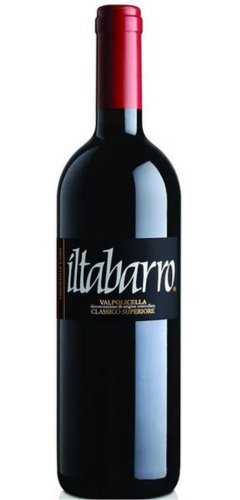
‘IlTalbarro’ Valpolicella Superiore – Valentina Cubi
Description:
It advances alluringly with notes of red currant, pomegranate seeds, eucalyptus, and white chocolate. On the palate, it is intense, juicy, and enveloping, with a finish of good persistence on the fruit.
Vinification takes place in truncated-cone-shaped containers according to tradition, with a 15-day maceration on the skins, partially utilizing the first fractions of pressing. After this phase, the wine ages for at least twelve months in wood, followed by several months in the bottle before being marketed.
Among the best Valpolicella Superiore for drinkability and freshness.
Alcohol Content (Approximate): 13%
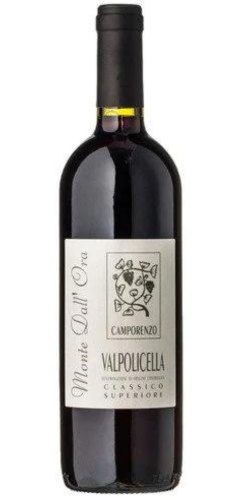
‘ Camporenzo’ Monte Dall’Ora Valpolicella Classico Superiore
Description:
On the nose, it suggests ripe berries, medicinal herbs, hints of blood, and orange zest.
On the palate, it is voluminous with smooth tannins, captivating iodine mineral suggestions, and a finish of great persistence echoing the fruit.
The red wine “Camporenzo” is born from the typical blend of Valpolicella, with Corvina, Corvinone, Rondinella, Molinara, and Oseleta in varying proportions. In the vineyard, the focus is on the vitality and expressiveness of the terroir, with limited use of copper and sulfur. In the cellar, the process continues with spontaneous fermentation using indigenous yeasts for 10-12 days, followed by aging for 4 months in small barrels of second and third passage.
Deservedly among the best Valpolicella Classico for its artisanal style with low intervention.
Alcohol Content (Approximate): 13%
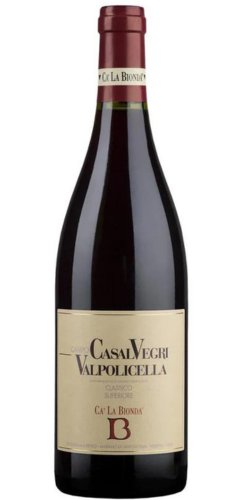
‘Casalvegri’ Valpolicella Classico Superiore – Ca’ La Bionda
Description:
Blueberries and ripe blackberry followed by undergrowth, balsamic suggestions, and pronounced boisé notes.
On the palate, it is soft and smooth with well-defined tannins integrated nicely with acidity that gives freshness.
The vines of these varieties grow in the historic hilly area of Valpolicella, between 150 and 300 meters above sea level, on calcareous and clayey soils. After harvesting, the grapes ferment spontaneously in the cellars of Ca’ La Bionda, using indigenous yeasts, in stainless steel containers at controlled temperature. The wine then ages for 18 months in 30-hectolitre oak barrels before being bottled and released to the market.
To be counted among the best Valpolicella Superiore for its taste and olfactory complexity and palate finesse.
Alcohol Content (Approximate): 13.5%
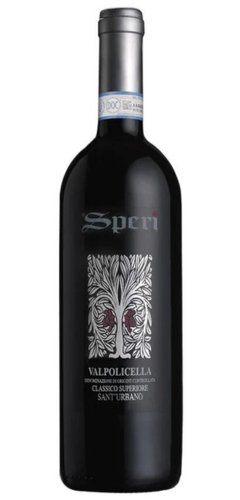
“Sant’Urbano” Valpolicella Superiore – Speri
Characteristics:
Raspberry and wild strawberry embellished with spun sugar, cinnamon, and delicate integrated boisé undertones. On the palate, it is fresh and harmonious, with excellent length and sapidity. Excellent persistence with echoes of fruit and spices.
The Valpolicella Superiore wine “Sant’Urbano,” crafted by the renowned Speri winery, emerges from a meticulous process of selected grape bunches’ appassimento for about three weeks.
Fermentation takes place in stainless steel tanks, followed by malolactic fermentation in concrete vessels. Subsequently, the wine matures for 18 months in Allier oak tonneaux. Among the best Valpolicella Superiore for complexity and length.
Alcohol Content (Approximate): 13.5%
What are the best Valpolicella Superiore wines?
What are the best Valpolicella Superiore? Choosing is a daunting task, which inevitably falls within the limits of subjective opinion, which, by definition, is deficient and arbitrary.
We have simply compiled a list of our favorite interpretations based on our evaluations. However, it is essential to emphasize that wine does not arise as a status symbol, to be exhibited or flaunted in front of others.
But rather to be enjoyed and genuinely shared with the people we love, linking itself to contingent situations and the intimate, unrepeatable moments of our lives.
Therefore, we invite you to visit wineries and get to know the producers who craft wines in their uniqueness, so that you can discover and choose autonomously the wine that can be counted among your personal favorites. If you have had the patience to read this far, I thank you for your attention, but now it is time to fill the glasses and sever distant hopes, and thus:
Cheers, Salute, Santé
Jean Marco Palmieri