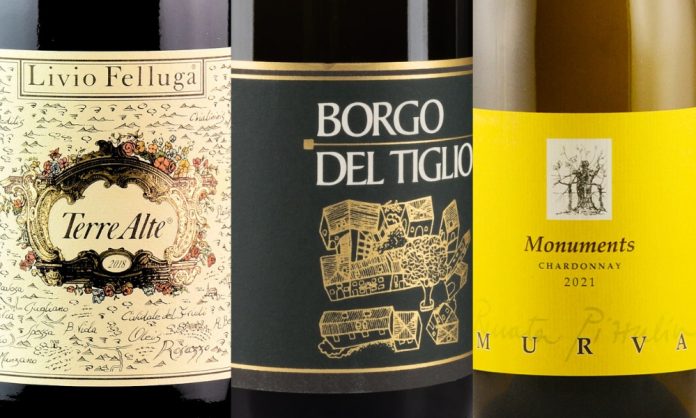
Discover our list with photos and descriptions of the best wines from Friuli Venezia Giulia.
INDICE
- Best Wines of Friuli Venezia Giulia
- Skin Contact White Wines of Friuli Venezia Giulia
- Grapes of Friuli Venezia Giulia
- Terroir of Friuli Venezia Giulia
BEST WINES OF FRIULI VENEZIA GIULIA recommended by Jean Marco Palmieri
What are thebest wines from Friuli Venezia Giulia?
Discover the wines recommended by Italy’s Finest Wines with our tasting so that everyone can find the ideal wine for their tastes and needs.
Dut’ Un 2022 – Vie di Romans
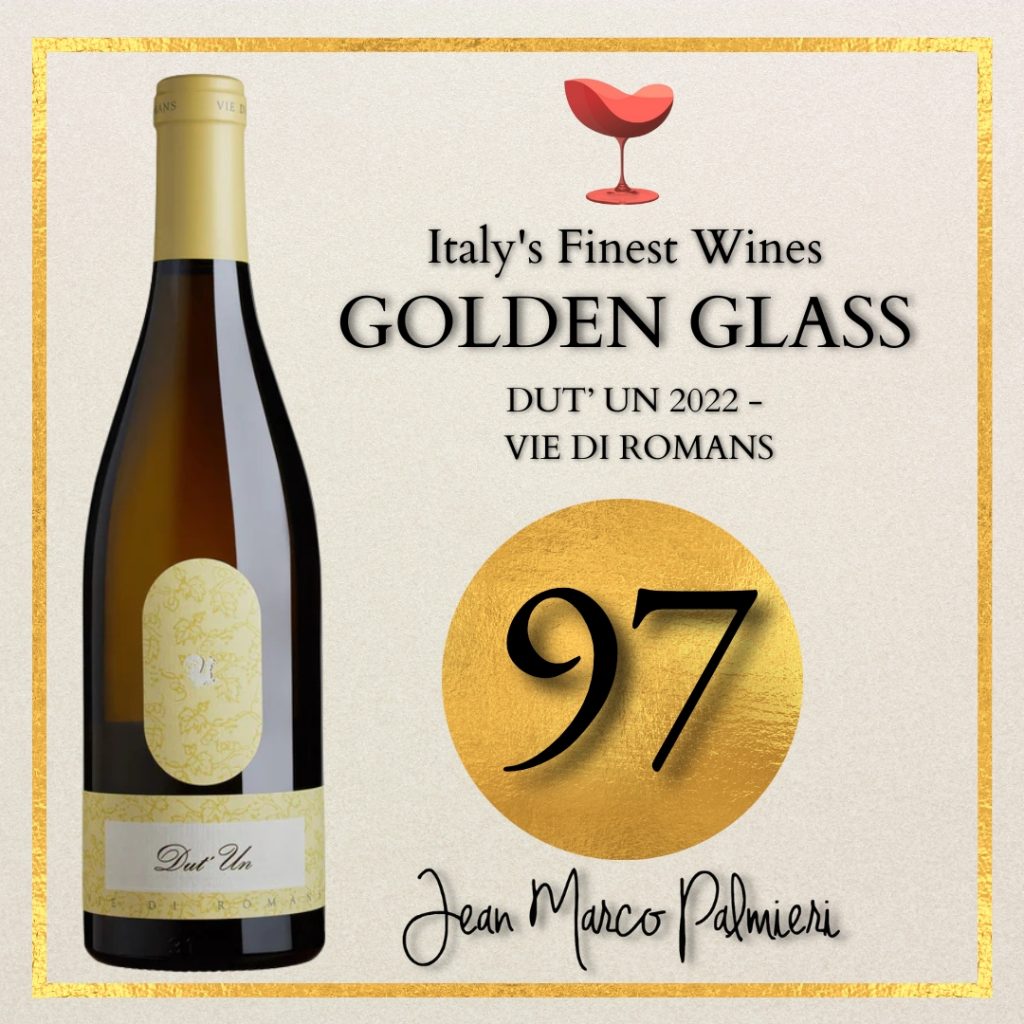
Aromas of citrus, exotic fruit, and flint, with delicate hints of oak. On the palate it is full-bodied and enveloping, balanced between acidity, softness, and minerality, with an elegant and persistent finish.
Vinification: The vinification involves a cold skin maceration, followed by approximately 9 months of aging in barrique on fine lees and a further 19–20 months of bottle aging.
Grapes: 50% Chardonnay, 50% Sauvignon
Region: Friuli Isonzo
Winery: Il Dut’Un, crafted by master winemaker Gianfranco Gallo, stands out as a benchmark among Italy’s great white wines, highlighting the richness and stylistic precision of Friuli.
Friulano Ronco della Chiesa 2023 – Borgo del Tiglio
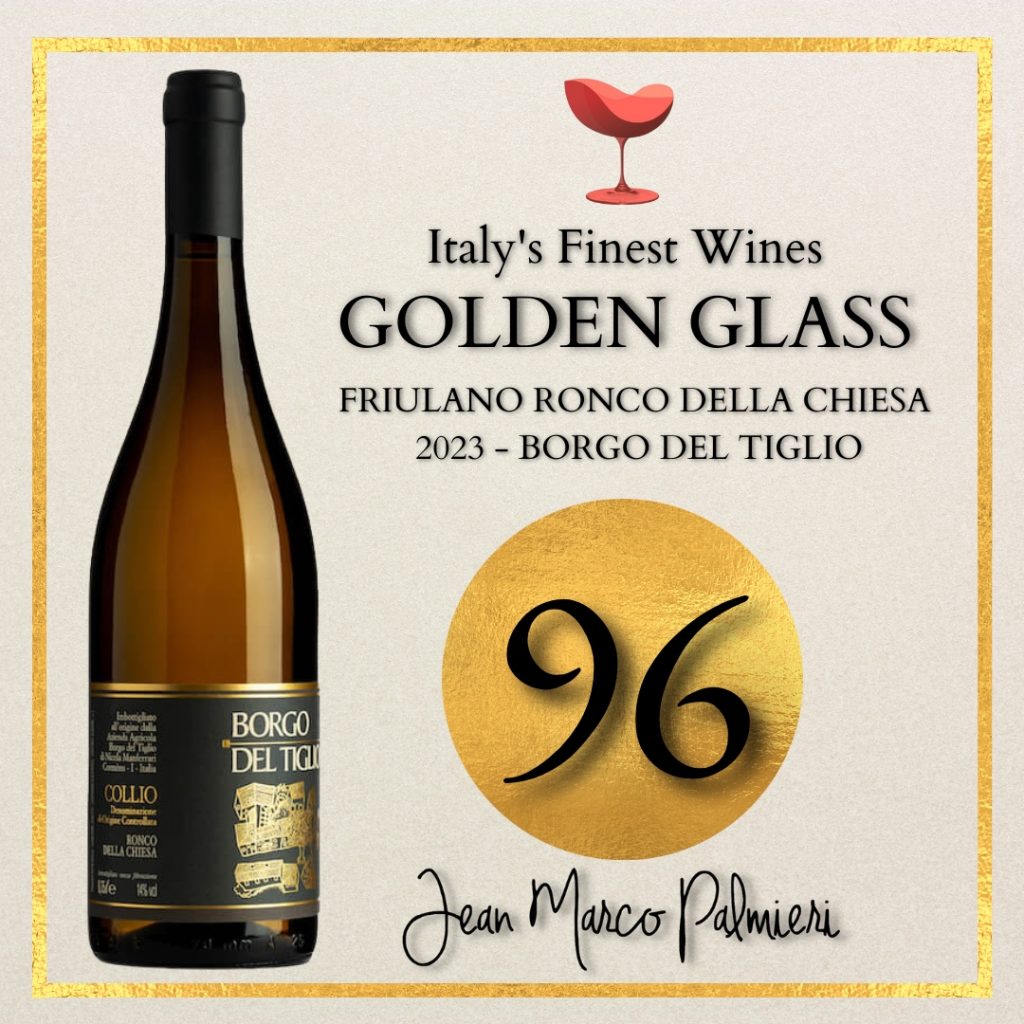
Aromas of white flowers, peach, and delicate hints of almond. On the palate it is fresh, savory, and harmonious, with a long and persistent finish.
Vinification: Fermentation in stainless steel at controlled temperature, followed by aging in barrique for several months.
Grapes: 100% Friulano
Region: Collio, Cormòns
Winery: Borgo del Tiglio, founded by Nicola Manferrari and managed together with his son Mattia, elegantly expresses the Collio terroir through refined and long-lived white wines.
Friulano 2024 – Toros
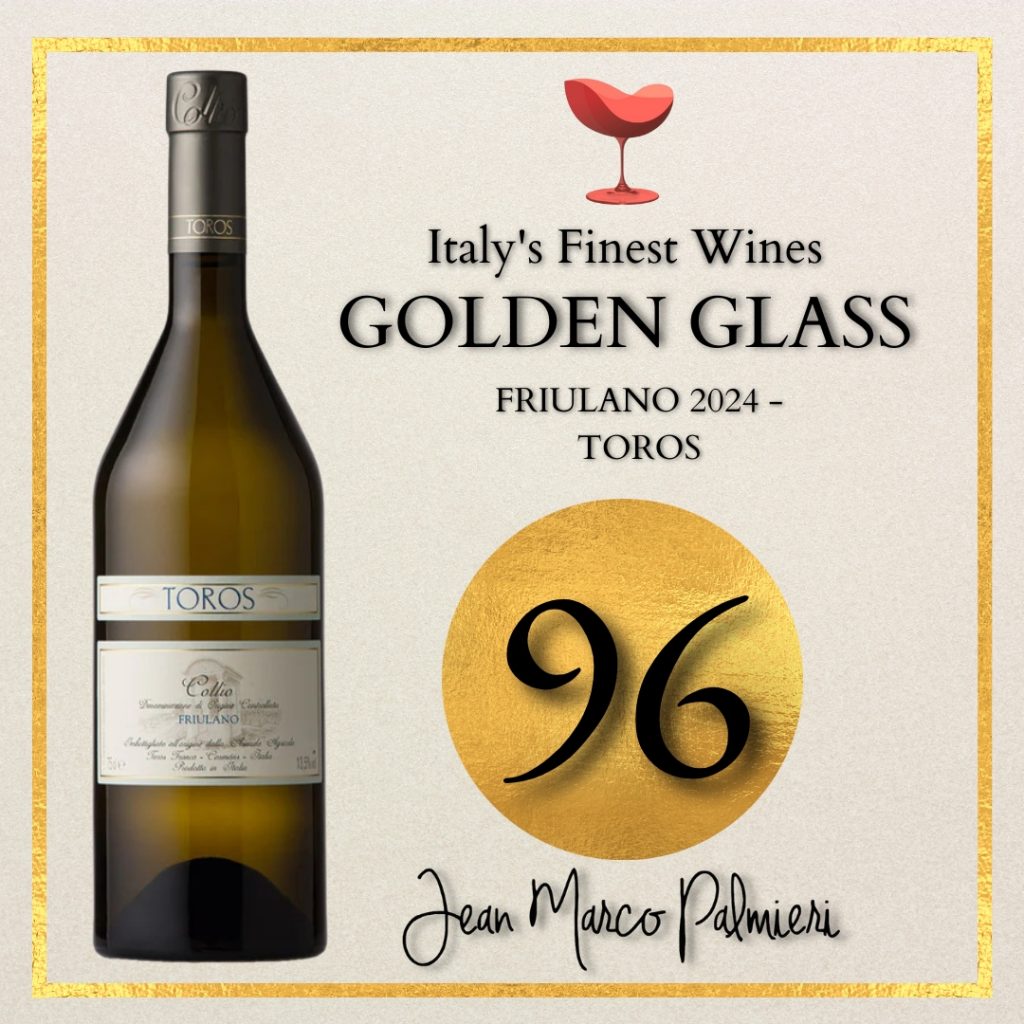
Aromas of dried fruit, citrus peel, chamomile, and mineral notes. On the palate it is full-bodied, savory, and persistent, with a fruity and spicy finish.
Vinification: Gentle pressing, fermentation in stainless steel, followed by 7 months of aging.
Grapes: Friulano
Region: Collio, Prepotto
Winery: Toros, led by Franco Toros and his daughters Eva, Cristina, and Erika, combines tradition and modernity in Friulian white wines.
Collio Friulano 2024 – Russiz Superiore
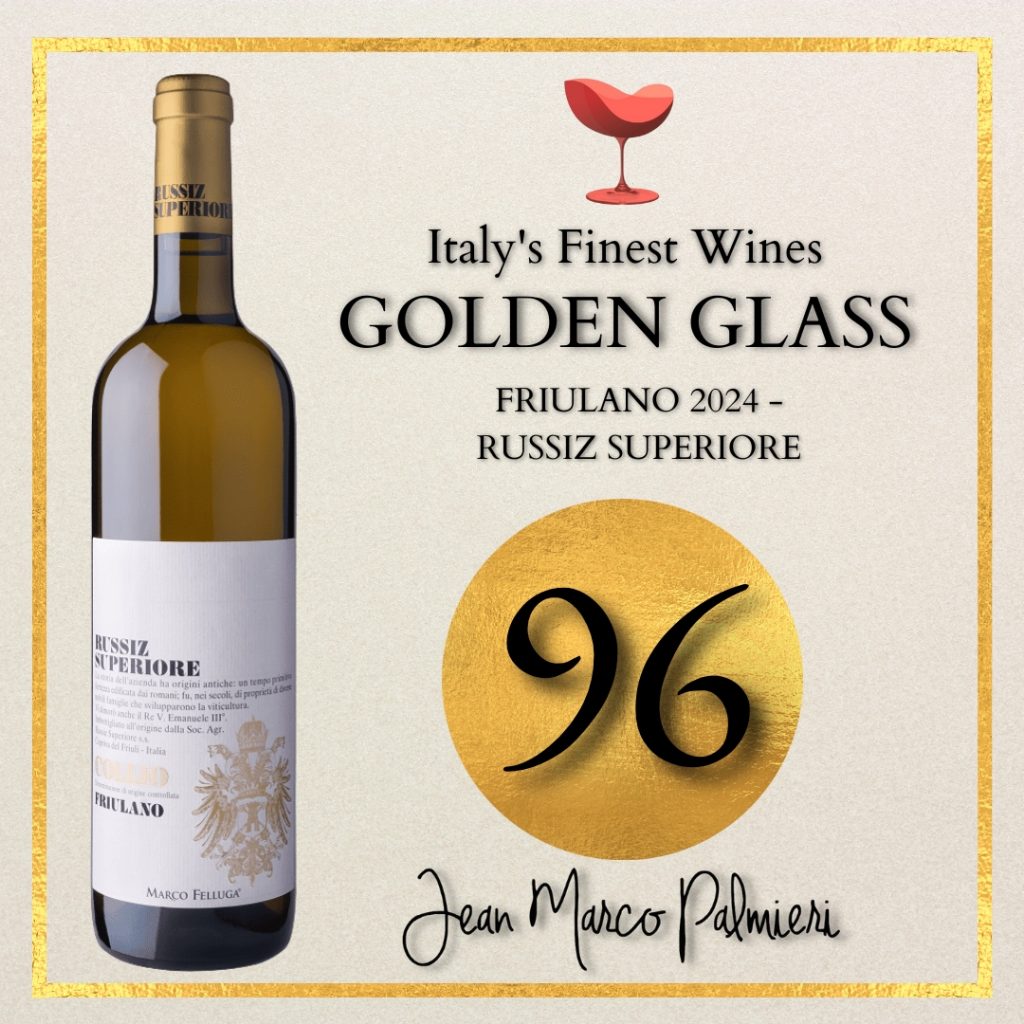
Aromas of white flowers and yellow-fleshed fruit, fresh and mineral. On the palate it is savory, well-structured, with a persistent finish.
Vinification: About 15% of the must ferments in oak casks, while the remainder ferments in stainless steel tanks. The wine ages for approximately 8 months on the lees.
Grapes: 100% Friulano
Region: Collio, Capriva del Friuli (GO)
Winery: Russiz Superiore, a historic winery located in the heart of Collio, founded by the Felluga family. Today it is led by Ilaria Felluga, representing the sixth generation, continuing to produce wines that respect the tradition and identity of the territory.
Terre Alte 2022 – Livio Felluga
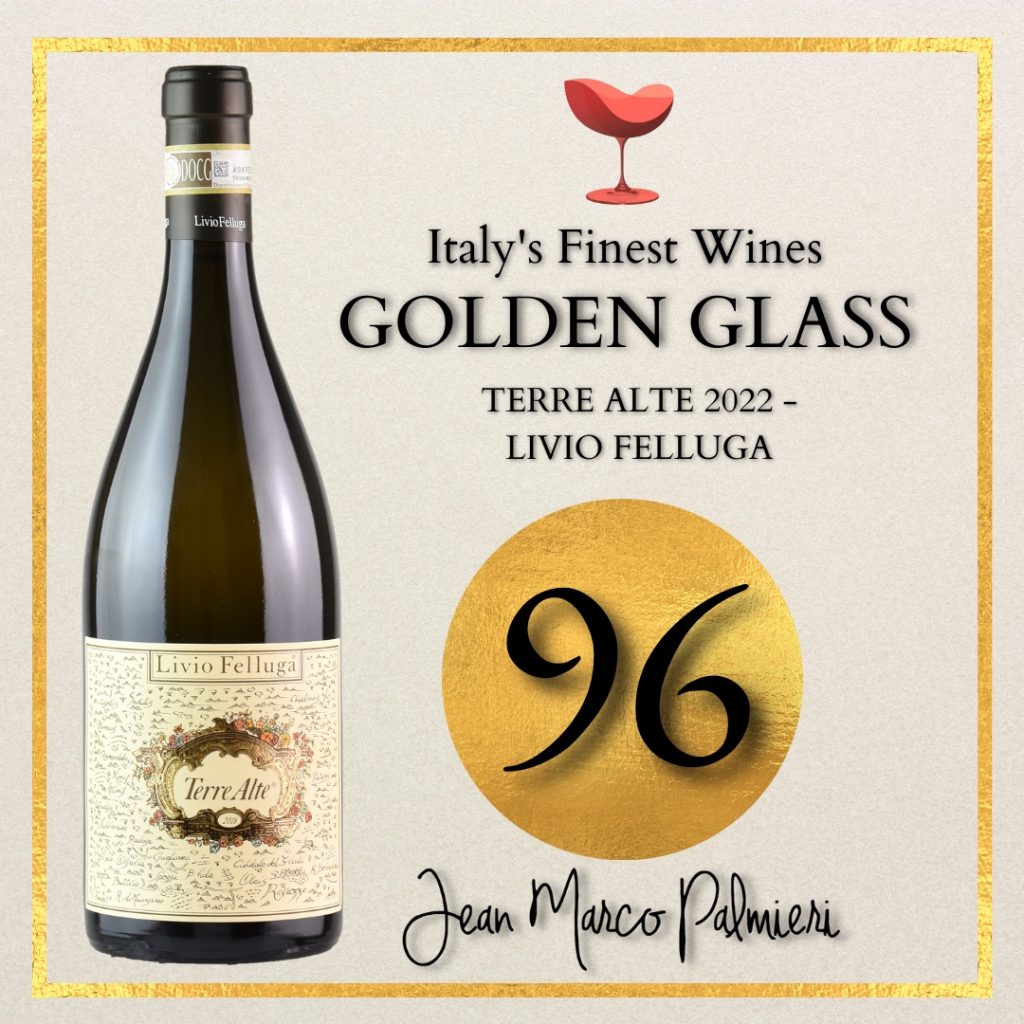
Aromas of orange blossom, jasmine, yellow grapefruit, kumquat, yellow peach, apricot, pineapple, papaya, and passion fruit, with hints of sage, thyme, rosemary, white pepper, ginger, and saffron. On the palate it is balanced, rich, and persistent, with a pleasant mineral note that adds tension and length.
Vinification: Separate fermentation in stainless steel for Pinot Bianco and Sauvignon; fermentation and aging in barrique for Friulano; blending and bottle aging for approximately 9 months.
Grapes: Friulano, Pinot Bianco, Sauvignon
Region: Rosazzo DOCG, Colli Orientali del Friuli
Winery: Livio Felluga, founded by Livio Felluga and now led by his son Filippo, continues to produce wines that express the elegance and terroir of Friuli, recognized for their complexity and longevity.
Braide Alte 2023 – Livon
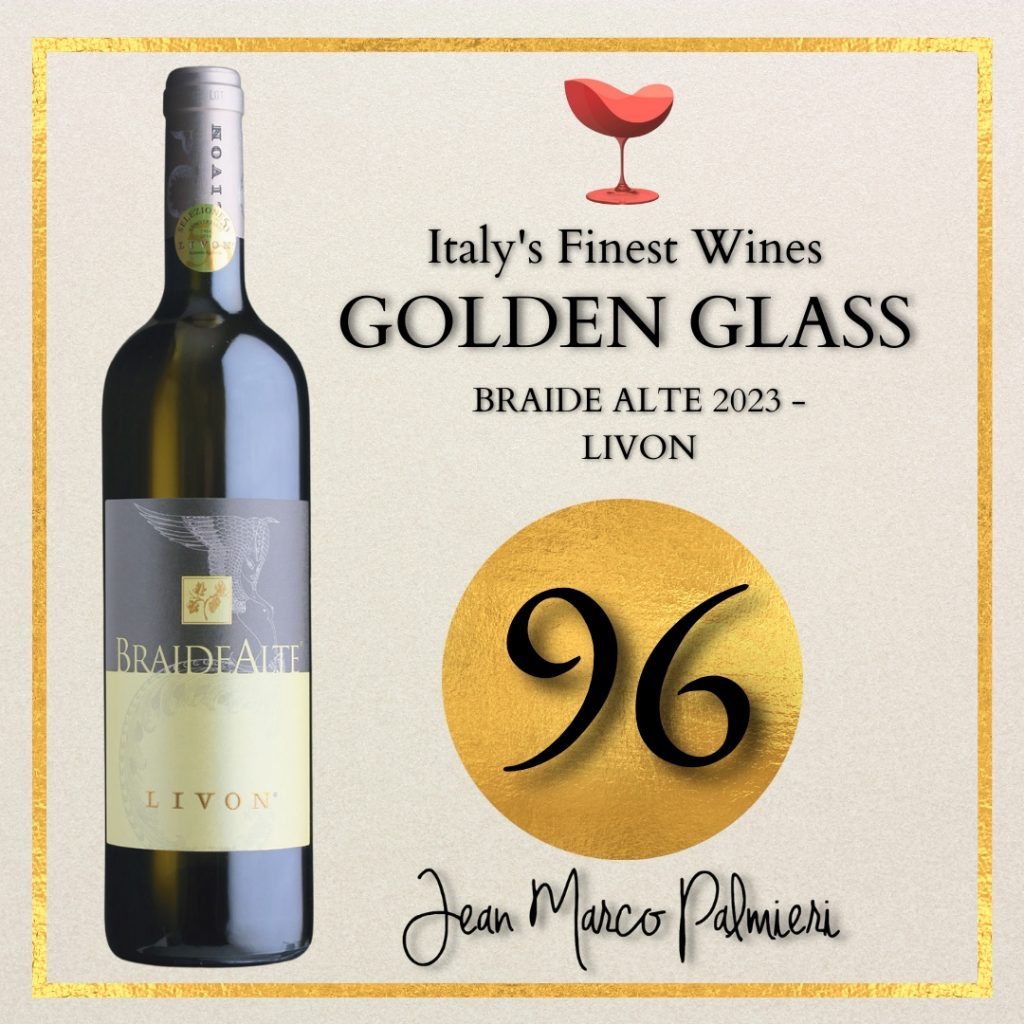
Aromas of white flowers, peach, tangerine, hazelnut, and vanilla, with subtle minerality. On the palate it is full-bodied and fresh, harmonious, with a long citrusy finish.
Vinification: Careful vinification in wood, aging to enhance complexity and structure.
Grapes: Chardonnay, Sauvignon, Picolit, Moscato Giallo
Region: Collio, Dolegna del Collio
Winery: Livon, managed by Matteo Livon, highlights the historic vineyards of Collio with elegant and complex wines.
Sauvignon “Sol” 2022 – Ronco del Gnemiz
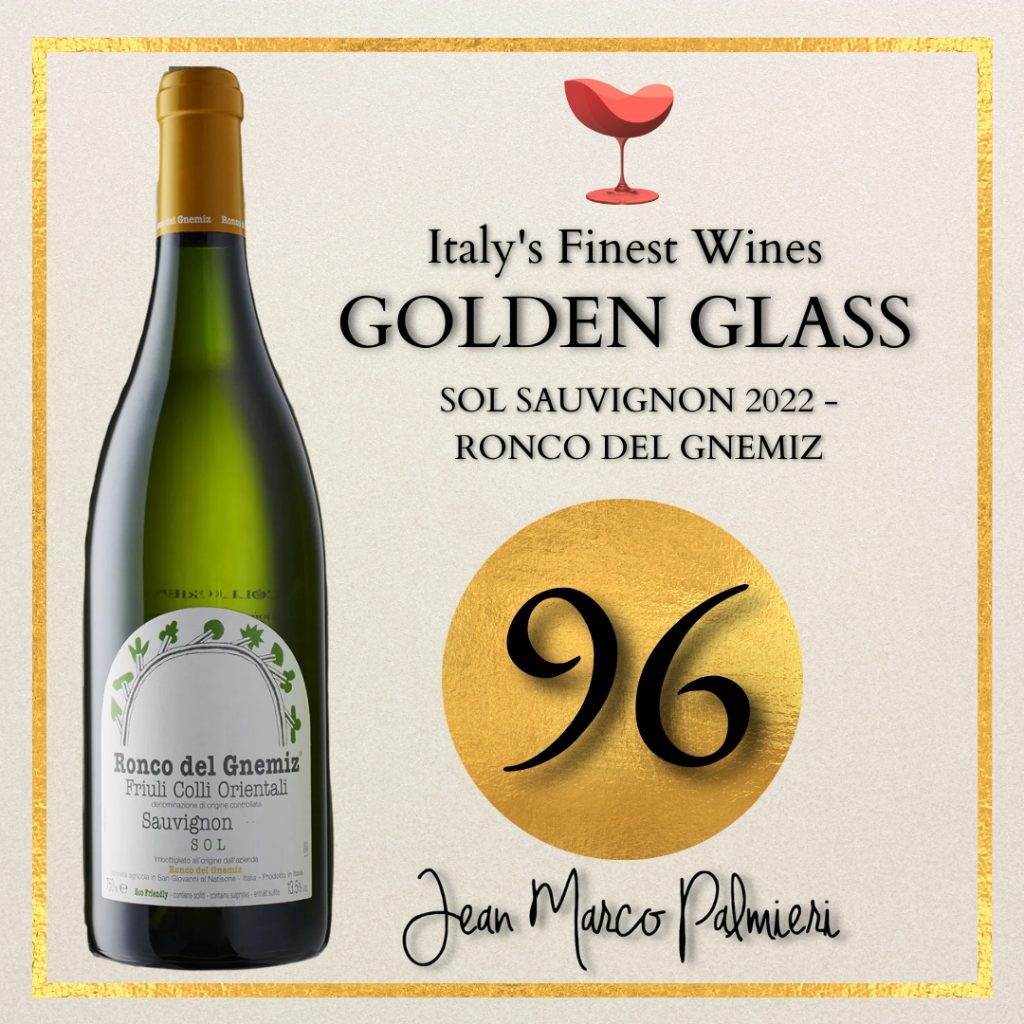
Aromas of ripe citrus, elderflower, and passion fruit, with saline nuances. On the palate it is full-bodied and concentrated, with balanced freshness and a long, harmonious finish.
Vinification: Gentle pressing, fermentation in multiple-use barriques, no malolactic fermentation.
Grapes: 100% Sauvignon Blanc
Region: Colli Orientali del Friuli
Winery: Ronco del Gnemiz, led by Serena Palazzolo and winemaker Christian Patat, is one of the most refined producers in Colli Orientali, renowned for white wines of great structure and precision.
Monuments 2023 – Murva
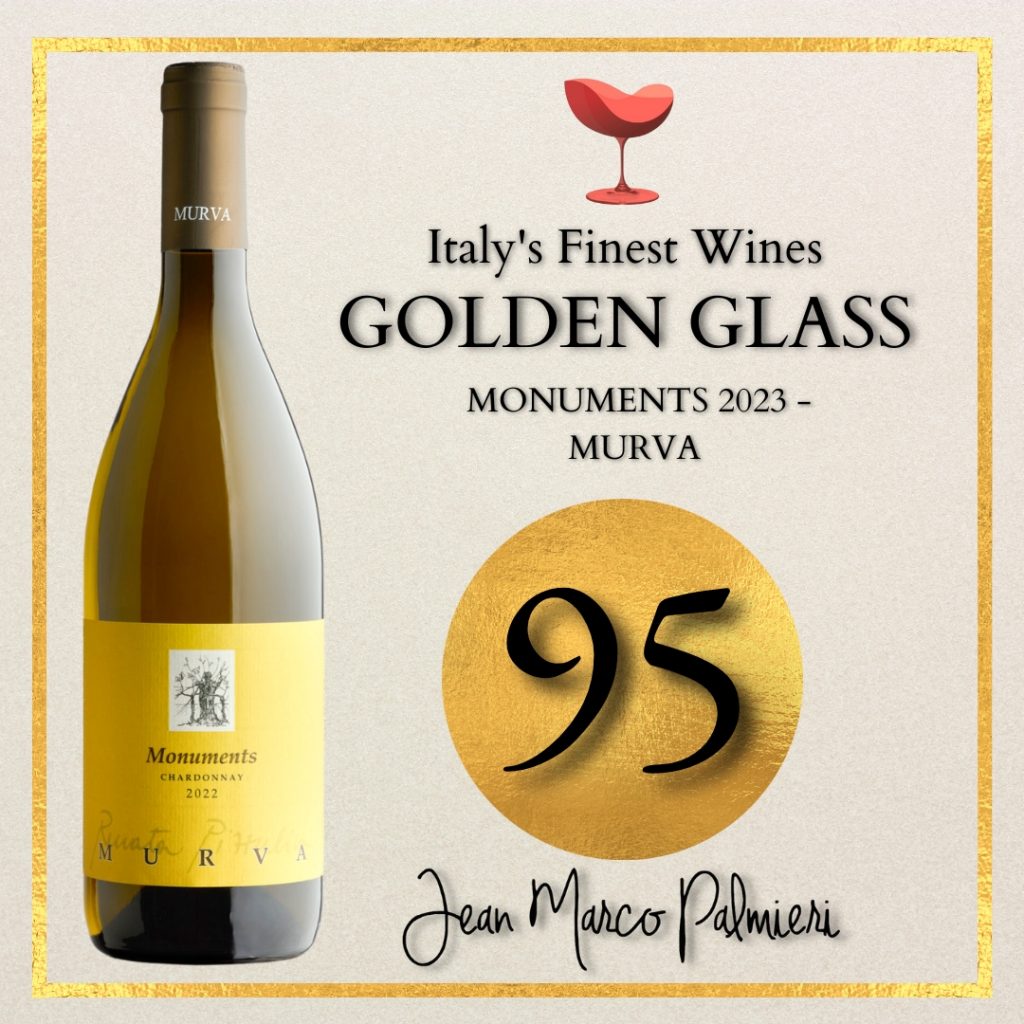
Aromas of canned peach, ripe pineapple, and candied citron, with hints of chamomile and hazelnut. On the palate it is full and velvety, supported by fresh minerality and a long citrus finish.
Vinification: Cold maceration, low-temperature fermentation, aging on the lees for 12 months.
Grapes: 100% Chardonnay
Region: Friuli Isonzo
Winery: Murva, an artisanal estate in Moraro founded by Alberto Pelos, offers yet another virtuous interpretation of pure Chardonnay. Fully deserving of its place among Italy’s finest white wines.
Tricur 2019 – Monviert
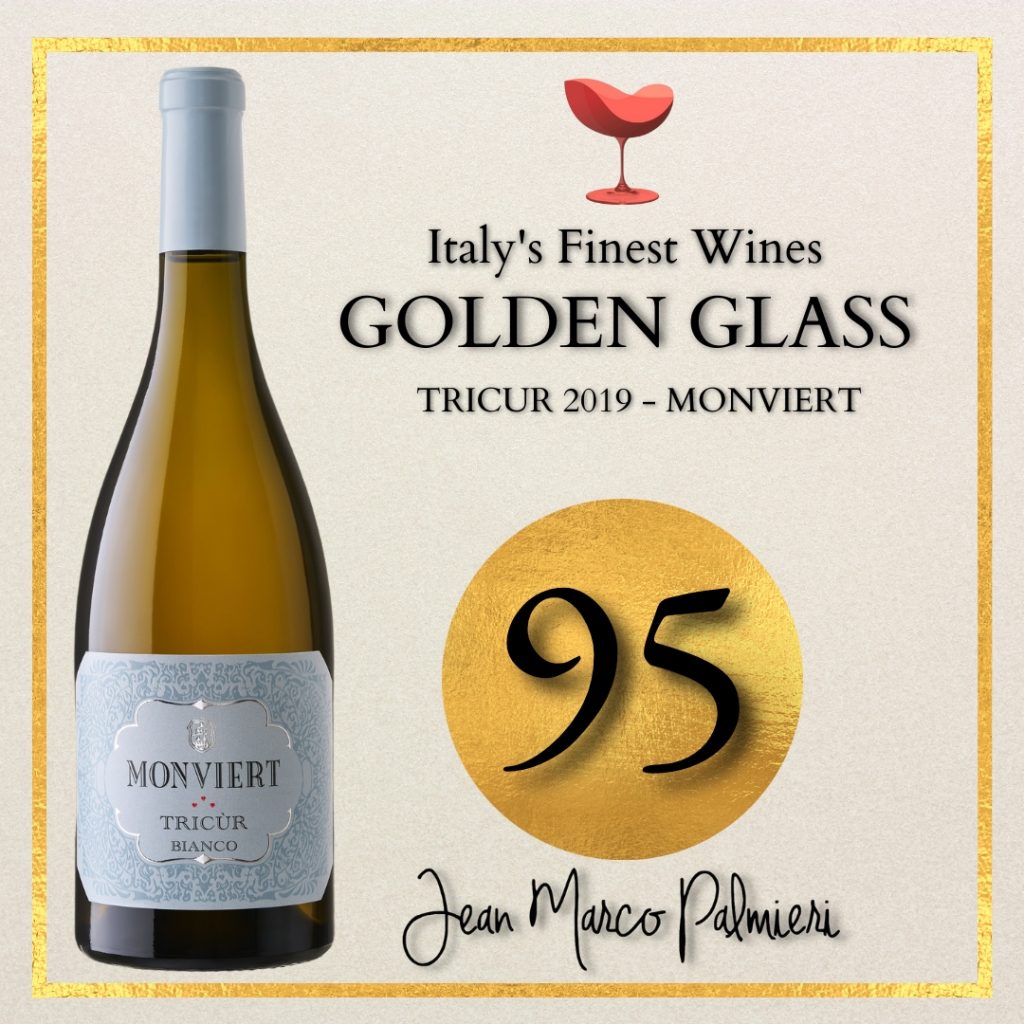
Aromas of chamomile, dried apricot, and candied lemon peel with mineral hints. On the palate it is broad, creamy, and fresh, showing great balance and depth.
Vinification: 24 months in stainless steel, 24 months in barrique, and 24 months in bottle.
Grapes: Riesling, Friulano, Ribolla Gialla
Region: Colli Orientali del Friuli
Winery: Monviert, heir to the historic Valpanera estate, combines family tradition with a modern approach, producing elegant and long-lived wines.
Sauvignon Blanc 2024 – Ascevi Luwa
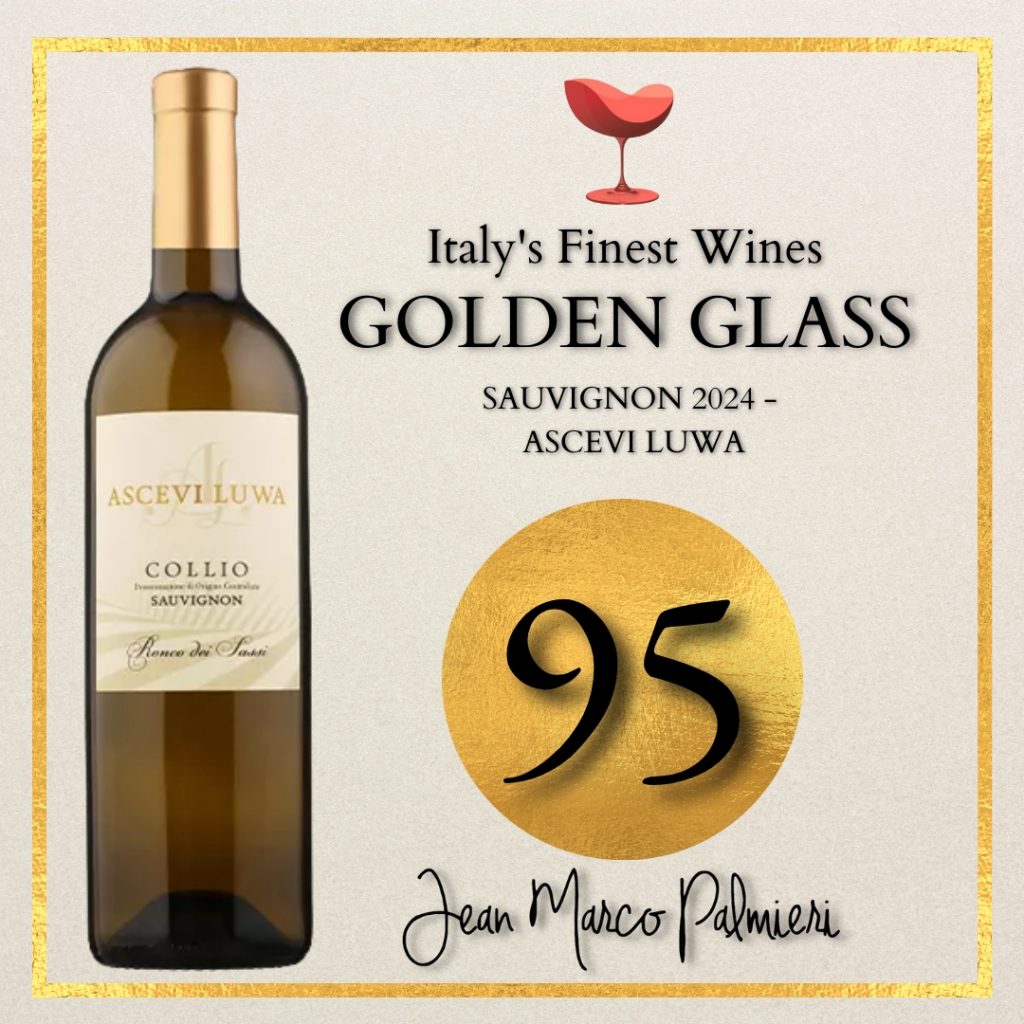
Aromas of tomato leaf and sage, with ripe peach and citrus. On the palate it is fresh, mineral, and vibrant, with a long and clean finish.
Vinification: Fermentation at controlled temperature, followed by brief aging on the lees.
Grapes: Sauvignon Blanc
Region: Collio, Dolegna del Collio
Winery: Ascevi Luwa, led by Luana Pintar, is an artisanal Collio estate producing wines with a clear aromatic profile and remarkable minerality.
Biancosesto 2023 – Tunella
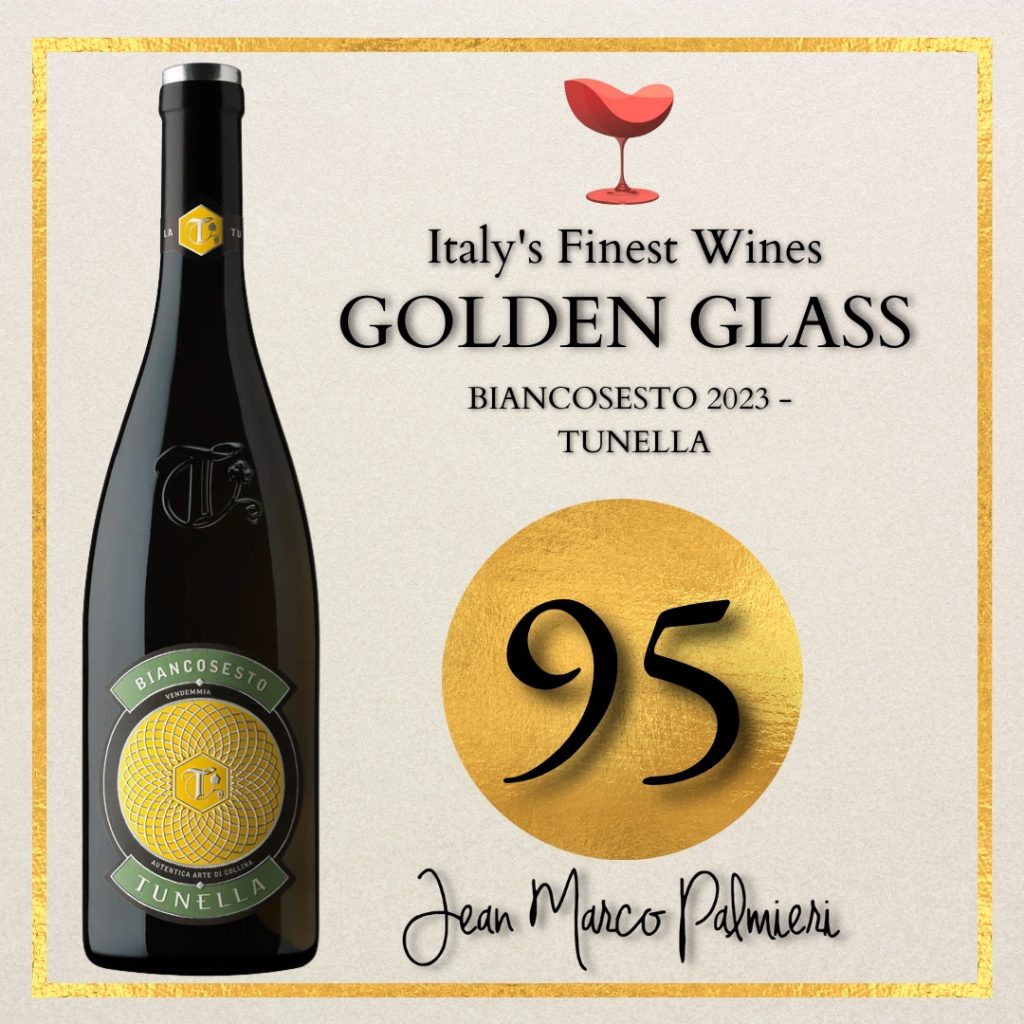
Sensory description:
Profile marked by notes of white flowers, yellow-fleshed fruit, and fresh almond. On the palate it is full-bodied and savory, with good mineral tension and a persistent finish.
Technical notes:
Composition: Friulano and Ribolla Gialla. The grapes come from vineyards planted on marl and sandstone soils (“ponca”) in the Colli Orientali del Friuli.
Vinification: gentle pressing, fermentation and subsequent maturation on the lees in large Slavonian oak barrels (tonneaux/large casks) with frequent bâtonnage. Aging: about 8–9 months on the lees.
Bianco Pomedes 2023 – Scubla
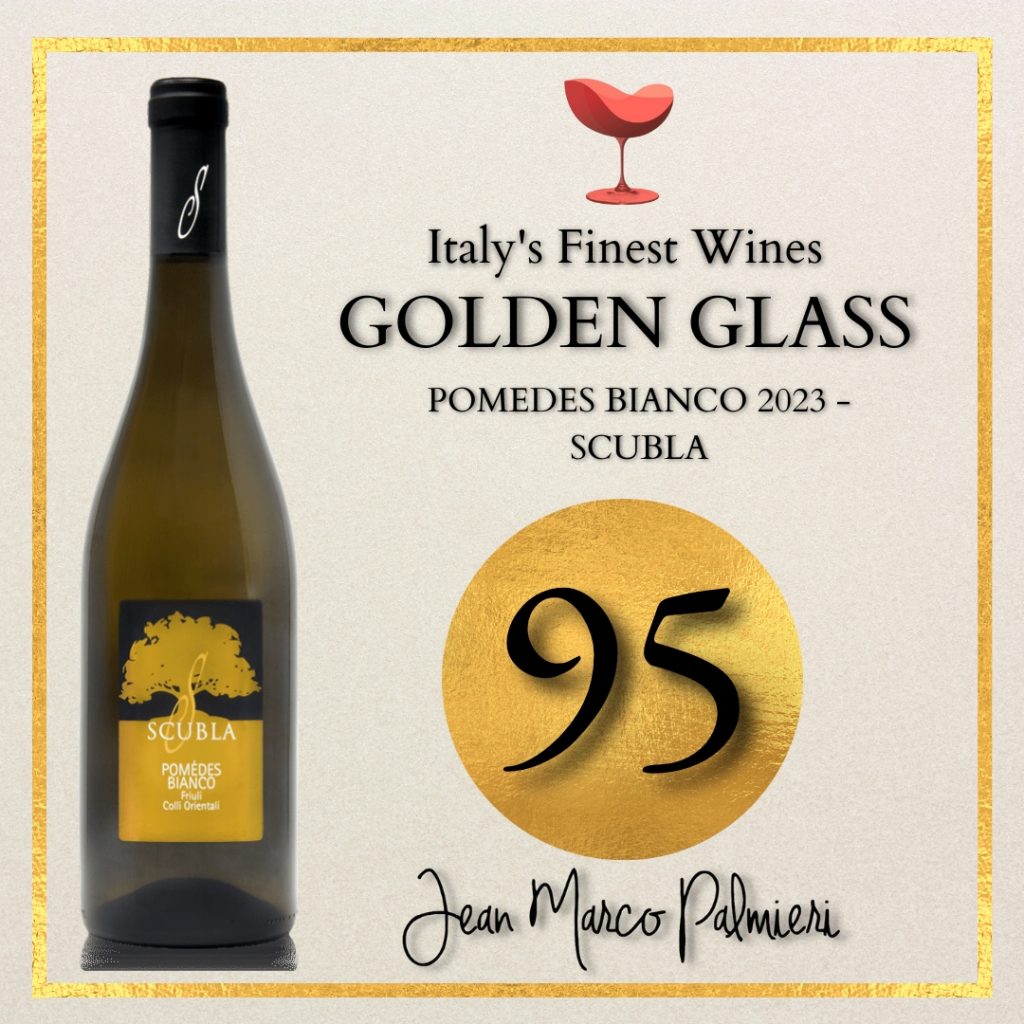
Aromas of wildflowers, white peach, and acacia honey with mineral nuances. On the palate it is rich and soft, supported by vibrant freshness and fine minerality.
Vinification: Separate fermentation of the varieties, aging in stainless steel and wood.
Grapes: 65% Pinot Bianco, 10% Riesling, 25% Friulano
Region: Colli Orientali del Friuli
Winery: Scubla, founded by Roberto Scubla in Ipplis di Premariacco, is renowned for stylistic precision and the harmony of its complex white wines.
Friulano 2023 – Miani
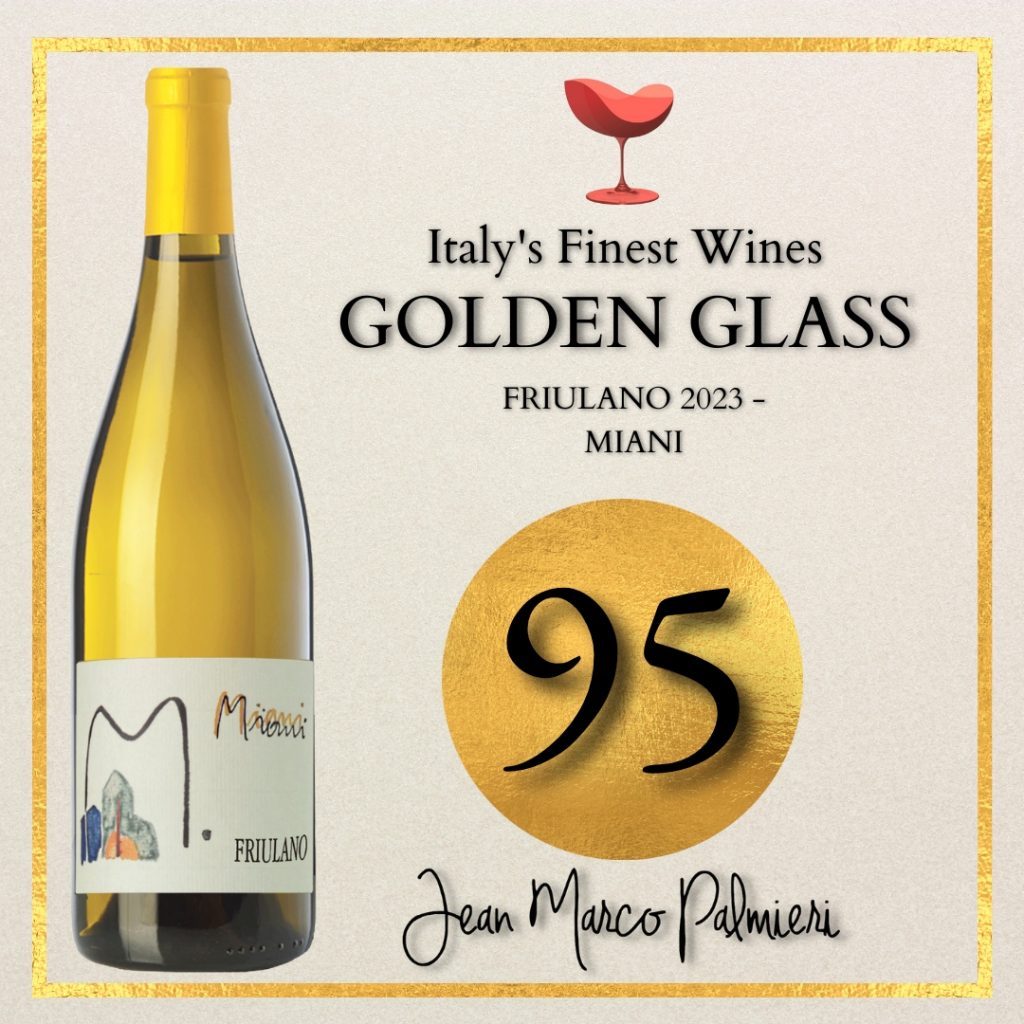
Aromas of ripe white fruit, wildflowers, and fresh almond, with mineral hints. On the palate it is broad and vibrant, savory and persistent, displaying great expressive purity.
Vinification: Aged in used barriques for approximately two years.
Grapes: 100% Friulano
Region: Colli Orientali del Friuli
Winery: Miani, a small estate run by Enzo Pontoni, exemplifies extreme craftsmanship and precision, producing wines of rare intensity and longevity.
Riesling “Schulz” 2021 – Ronco del Gelso
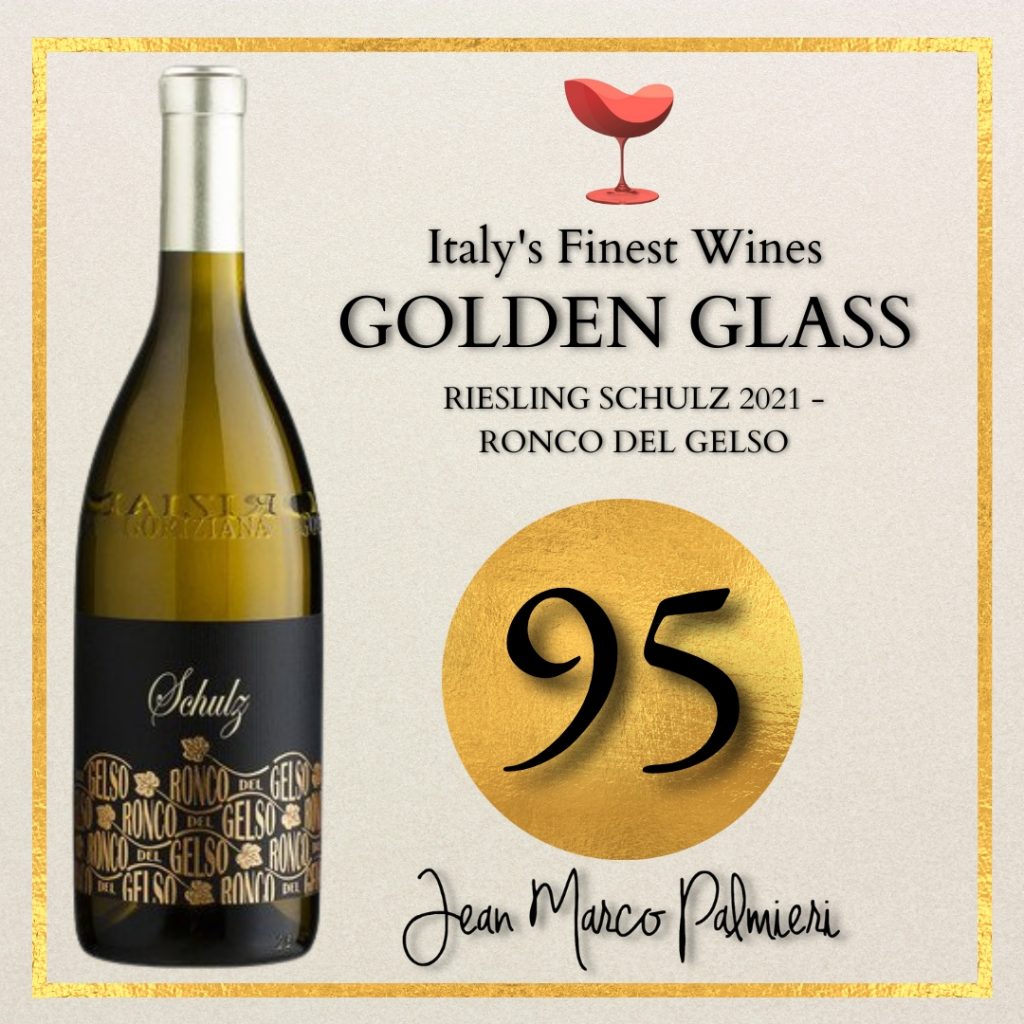
Aromas of pink grapefruit, candied citron, and acacia honey with mineral hints. On the palate it is fresh and savory, balanced and persistent, with elegant acid-saline tension.
Vinification: Fermentation at controlled temperature (19°C), followed by 10 months aging on fine lees in stainless steel.
Grapes: Riesling
Region: Friuli Isonzo
Winery: Ronco del Gelso, led by Giorgio Badin, represents one of the clearest and most refined expressions of the Isontino terroir.
Malvasia di Leo 2023 – Castelvecchio
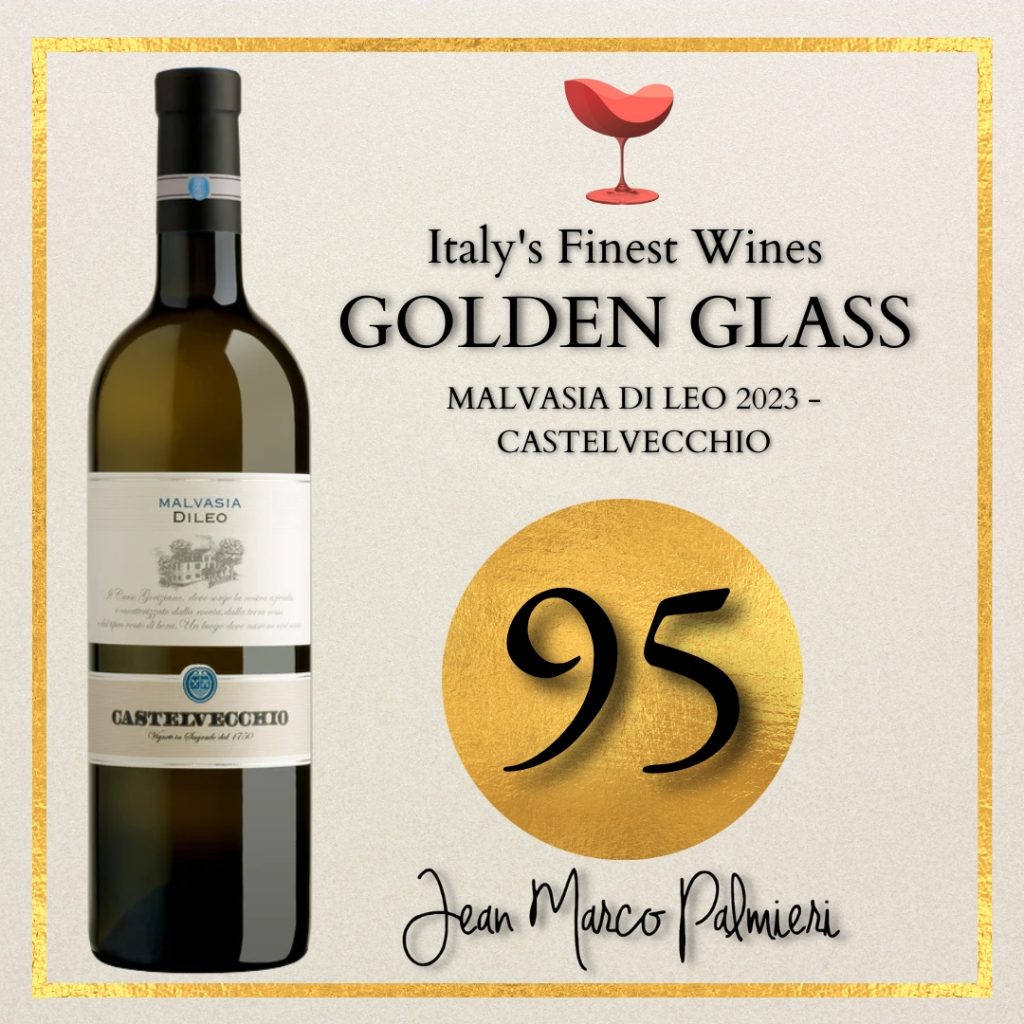
Aromas of hawthorn, crisp pear, and tomato leaf, with mineral hints. On the palate it is fresh, soft, and savory, with a long and harmonious finish.
Vinification: Part of the grapes are dried, fermentation with indigenous yeasts in stainless steel, aging on fine lees.
Grapes: Malvasia
Region: Carso
Winery: Castelvecchio, owned by the Terraneo family, combines tradition and innovation in the heart of Carso, producing elegant and long-lived wines.
Friulano ‘Ronco delle Cime’ 2024 – Venica
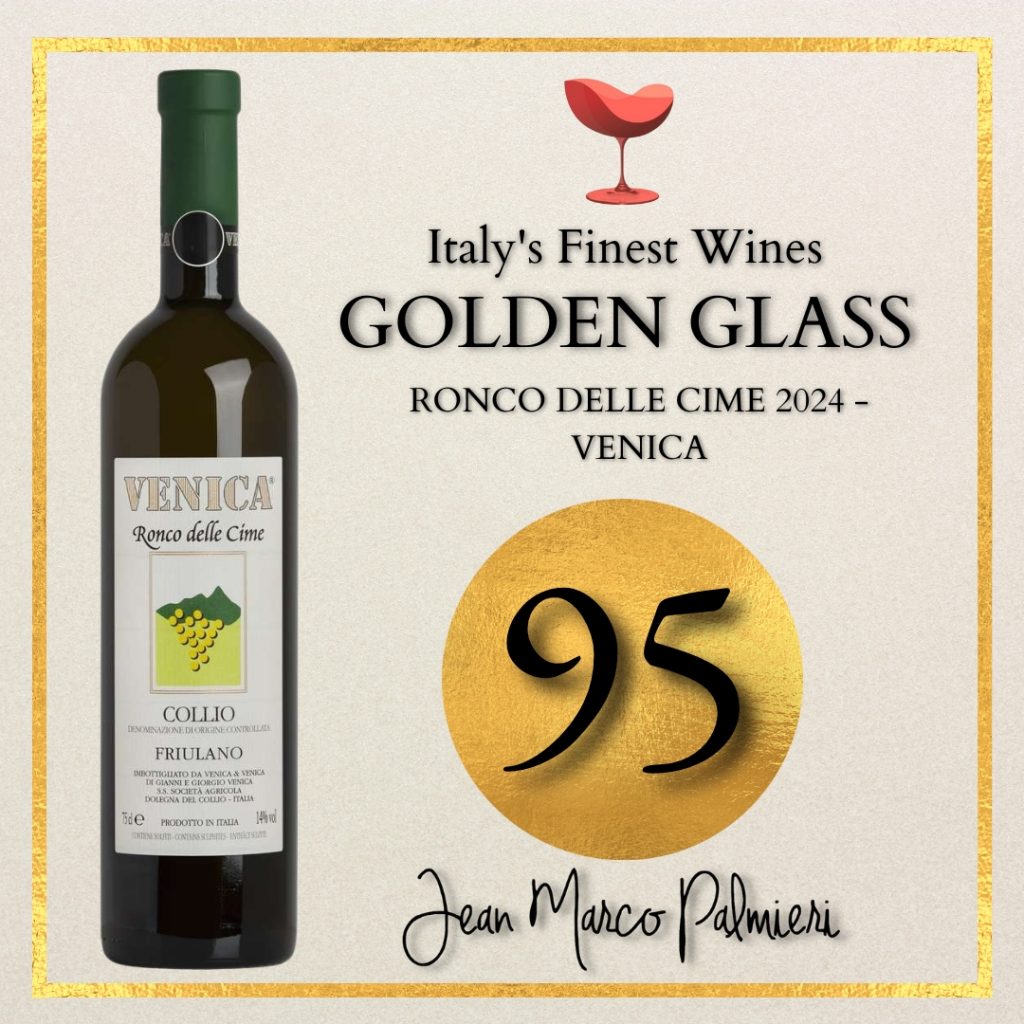
Aromas of fresh aromatic herbs, lychee, and hawthorn. On the palate it is harmonious and vibrant, savory, with a long, almond-tinged finish.
Vinification: 24-hour cold maceration, gentle pressing, fermentation in stainless steel and wood, aging 6 months on the lees.
Grapes: 100% Friulano
Region: Collio, Dolegna del Collio
Winery: Venica, a historic family estate, expresses elegance and complexity in its Friulano wines, even in the youngest vintages.
Fosarin 2023 – Ronco dei Tassi
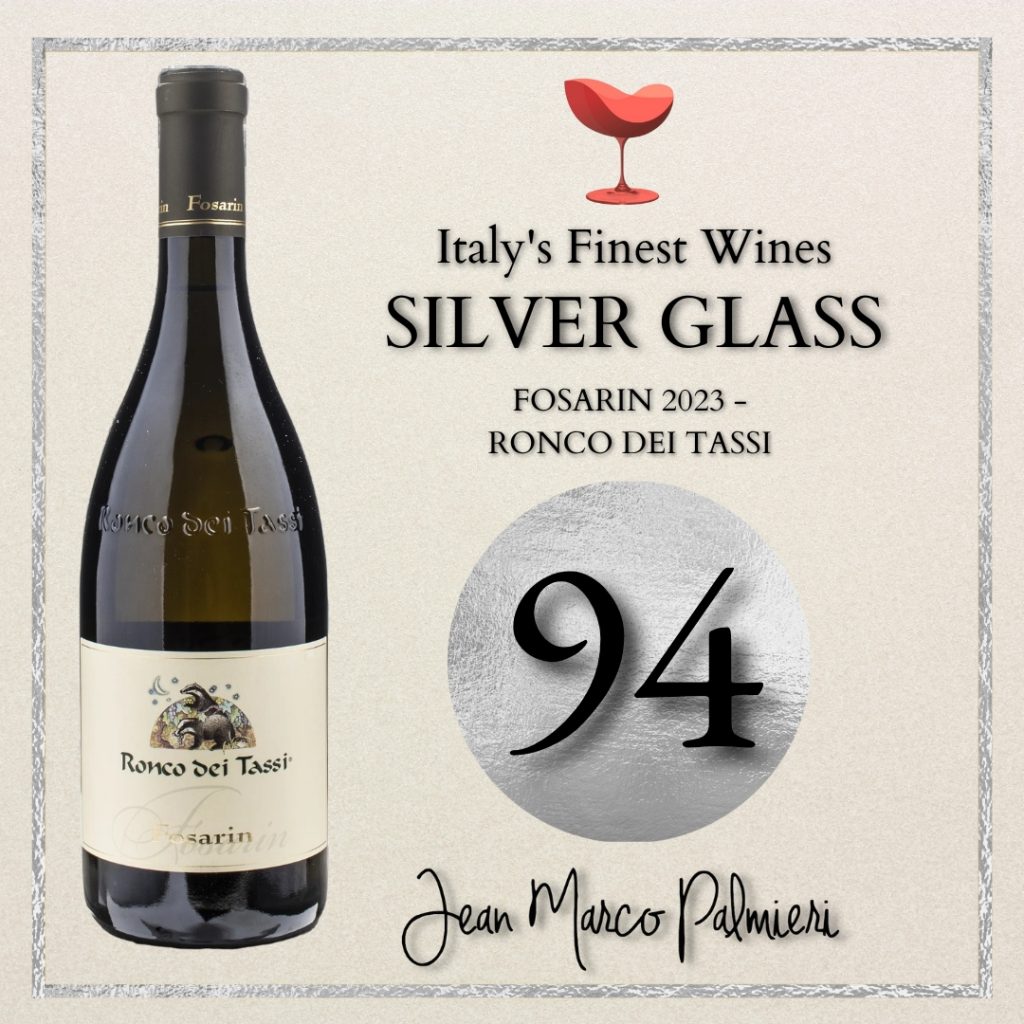
Aromas of ripe white-fleshed fruit, floral notes, and citrus nuances. On the palate it is fresh and savory, with a slightly bitter finish that adds depth.
Vinification: Aged in barriques for 5 months.
Grapes: Pinot Bianco, 30% Friulano, 20% Malvasia
Region: Collio, Cormòns
Winery: Ronco dei Tassi, led by Fabio Coser, produces elegant and terroir-driven white wines.
Santarosa Pinot Bianco 2023 – Castello di Spessa
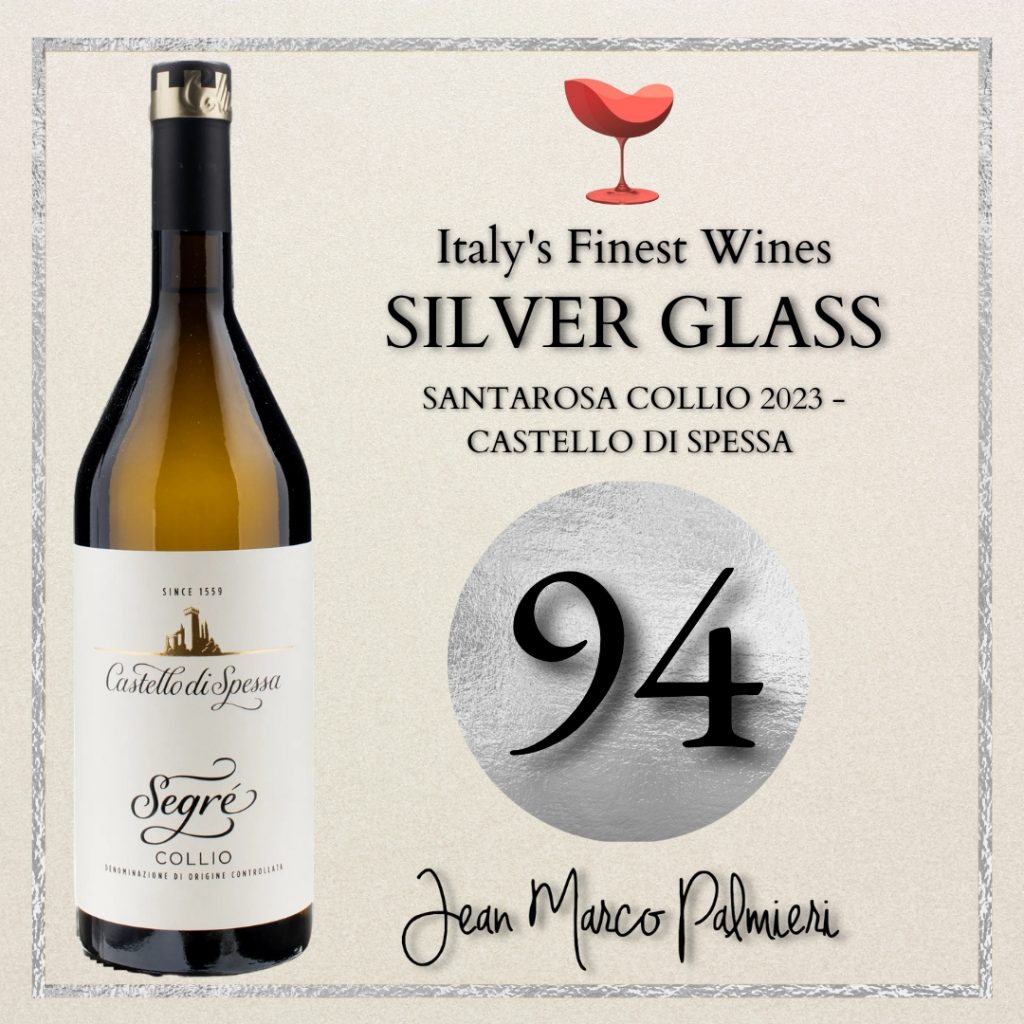
Aromas of hawthorn, honey, viennoiserie, and melted butter. On the palate it is soft and silky, with a balanced and fruity finish.
Vinification: Fermentation in stainless steel at 16–18°C, partial maturation in barrique and stainless steel on fine lees, followed by bottle aging.
Grapes: Pinot Bianco
Region: Collio, Capriva del Friuli
Winery: Castello di Spessa, a winery and wine resort, produces elegant whites from both native and international varieties, highlighting the typicity of the territory.
Friulano Vigna del Rolat 2024 – Raccaro
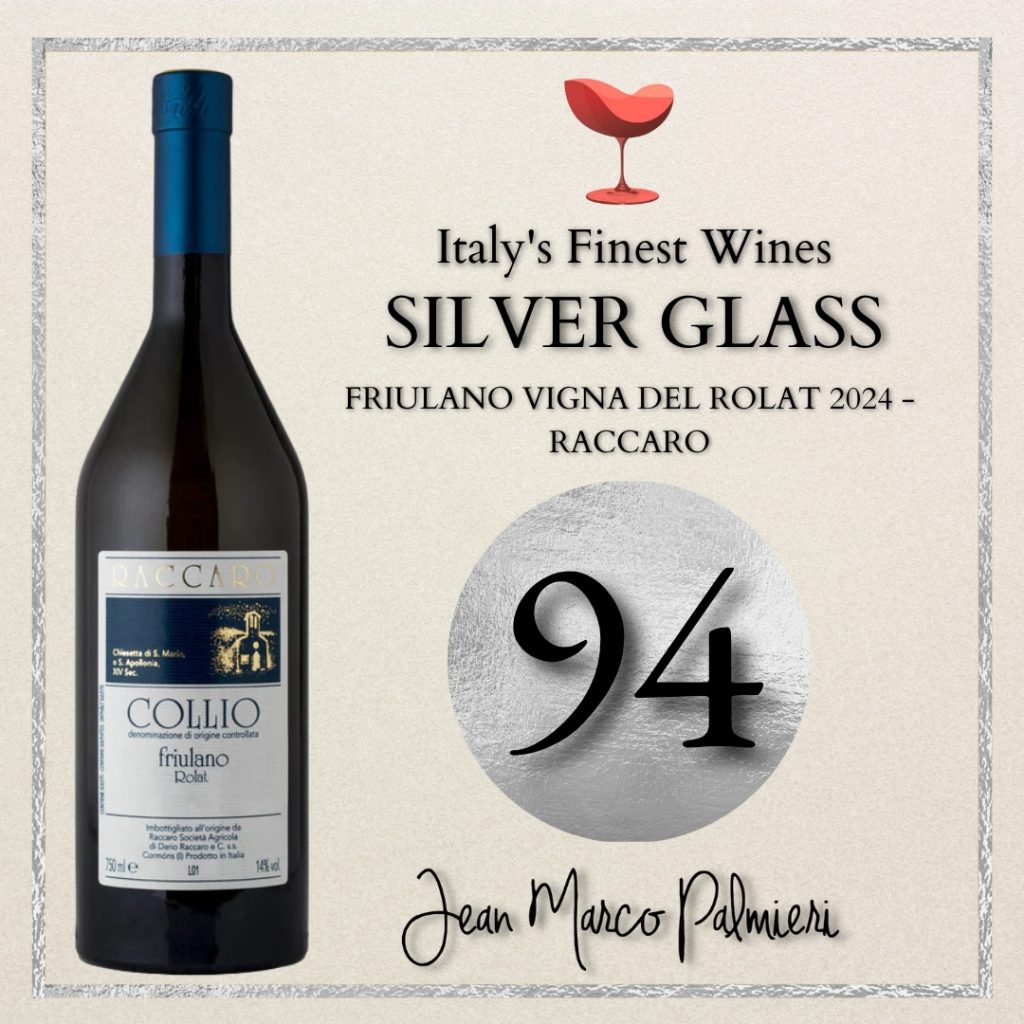
Aromas of pineapple, white melon, and aromatic herbs. On the palate it is fresh, savory, and vibrant, with a long and fruity finish.
Vinification: Gentle pressing, cold settling, fermentation in stainless steel, complete malolactic fermentation, 6 months aging on the lees.
Grapes: Friulano
Region: Collio, Dolegna del Collio
Winery: Raccaro, a historic family estate led by Dario Raccaro and his family, produces authentic and complex wines from Collio.
Collio Bianco da Uve Autoctone 2023 – Produttori di Cormòns
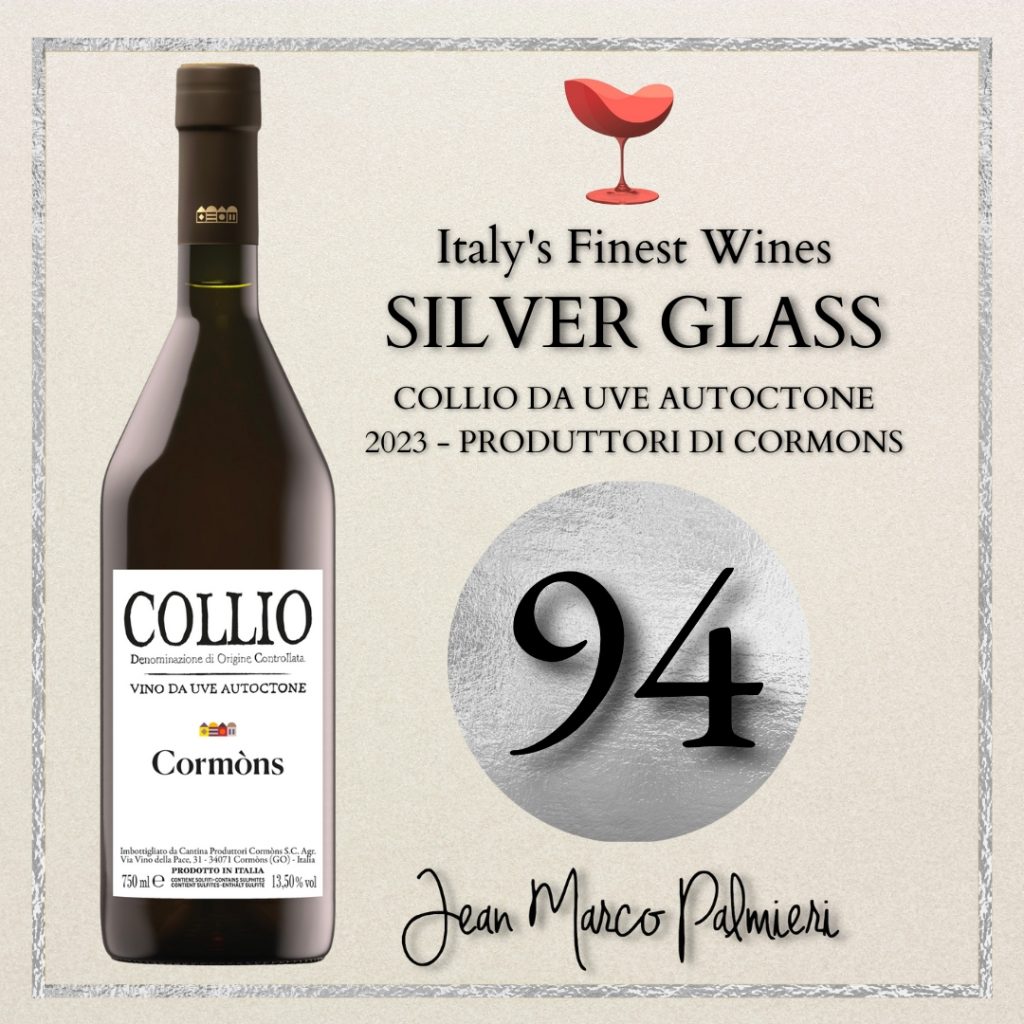
Aromas of elderflower, white fruit, and hints of salinity. On the palate it is balanced, savory, and fresh, with an almond-tinged and persistent finish.
Vinification: Low-temperature maceration in refrigerated presses, controlled fermentation, 16 months aging on the lees in large oval oak casks.
Grapes: Friulano, Ribolla Gialla, Malvasia
Region: Collio, Cormòns
Winery: Produttori di Cormòns, led by Alessandro Dal Zovo, is a cooperative that epitomizes quality and innovation in Collio.
Desiderium 2022 – Tenuta Luisa
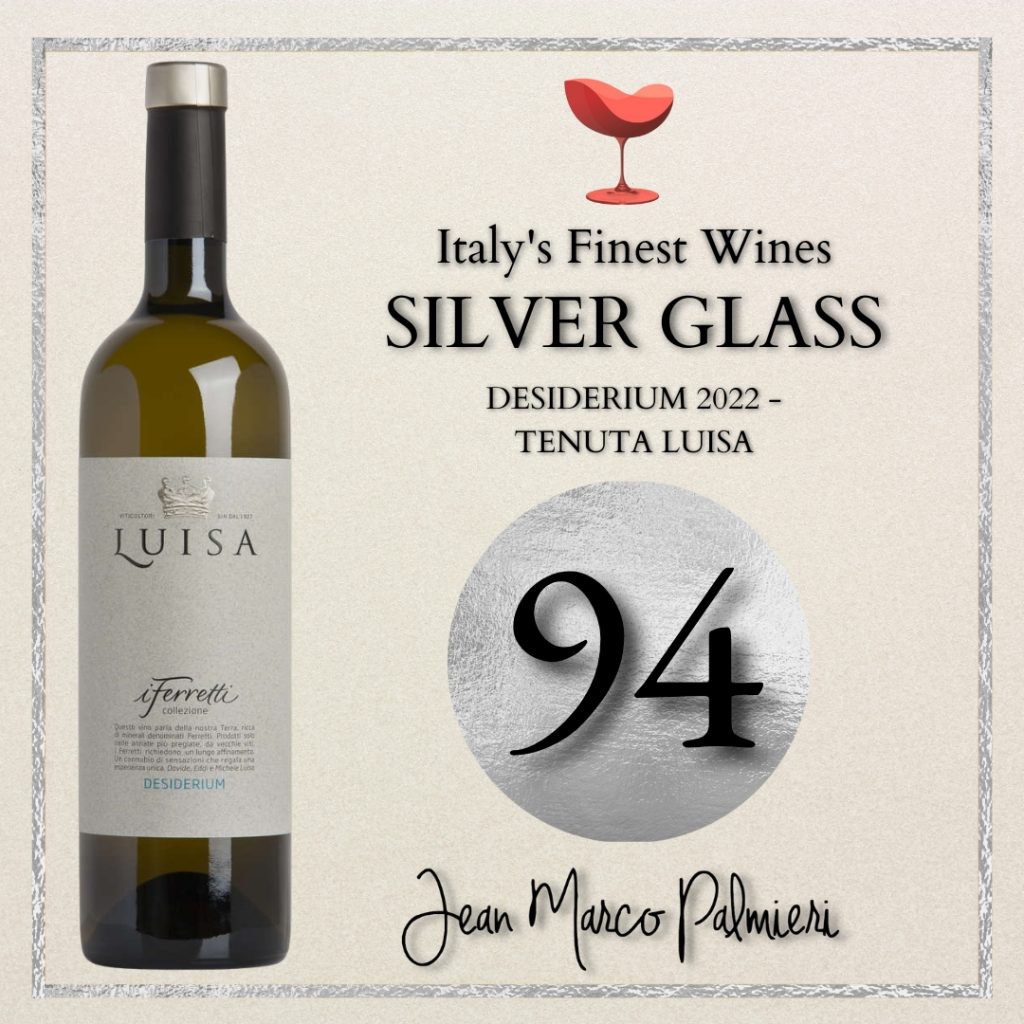
Aromas of orange blossom, aromatic herbs, with hints of salinity and flint. On the palate it is fresh and savory, full-bodied, with a long finish.
Vinification: Cold skin maceration, separate fermentation (Chardonnay in tonneaux, Friulano and Sauvignon in stainless steel), 10 months aging on the lees.
Grapes: Chardonnay, Sauvignon, Friulano
Region: Friuli Isonzo
Winery: Tenuta Luisa, a historic estate in Mariano del Friuli, produces elegant and contemporary wines with a strong sense of terroir.
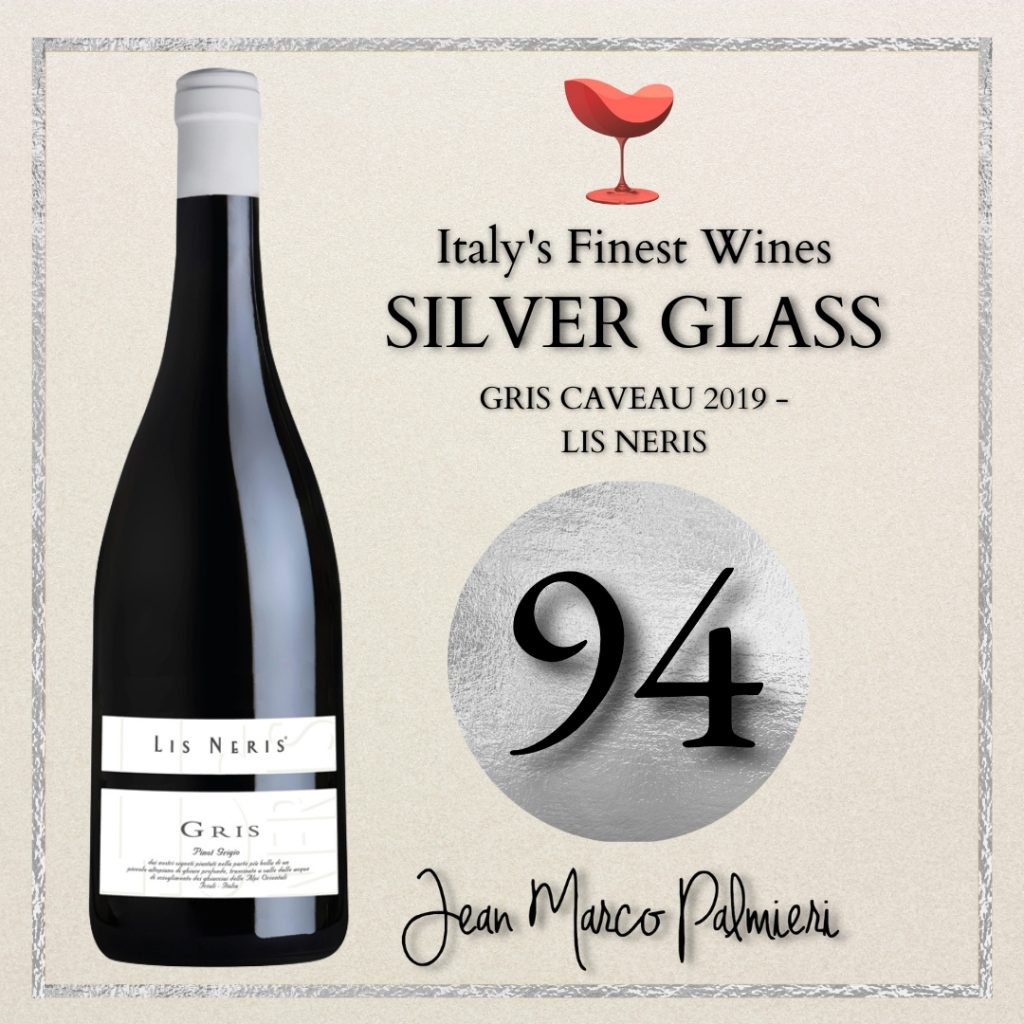
Gris Caveau 2018 – Lis Neris
Aromas of acacia flowers, grapefruit, and Golden Delicious apple, with marine and balsamic notes. On the palate it is rich and velvety, fresh and savory, with a long and refined finish.
Vinification: Fermentation in stainless steel, aging in wood and bottle.
Grapes: Pinot Grigio
Region: Friuli Isonzo
Winery: Lis Neris, founded by Alvaro Pecorari, is among the most authoritative Friulian producers, renowned for the purity and longevity of its white wines.
Carant 2019 – Reguta
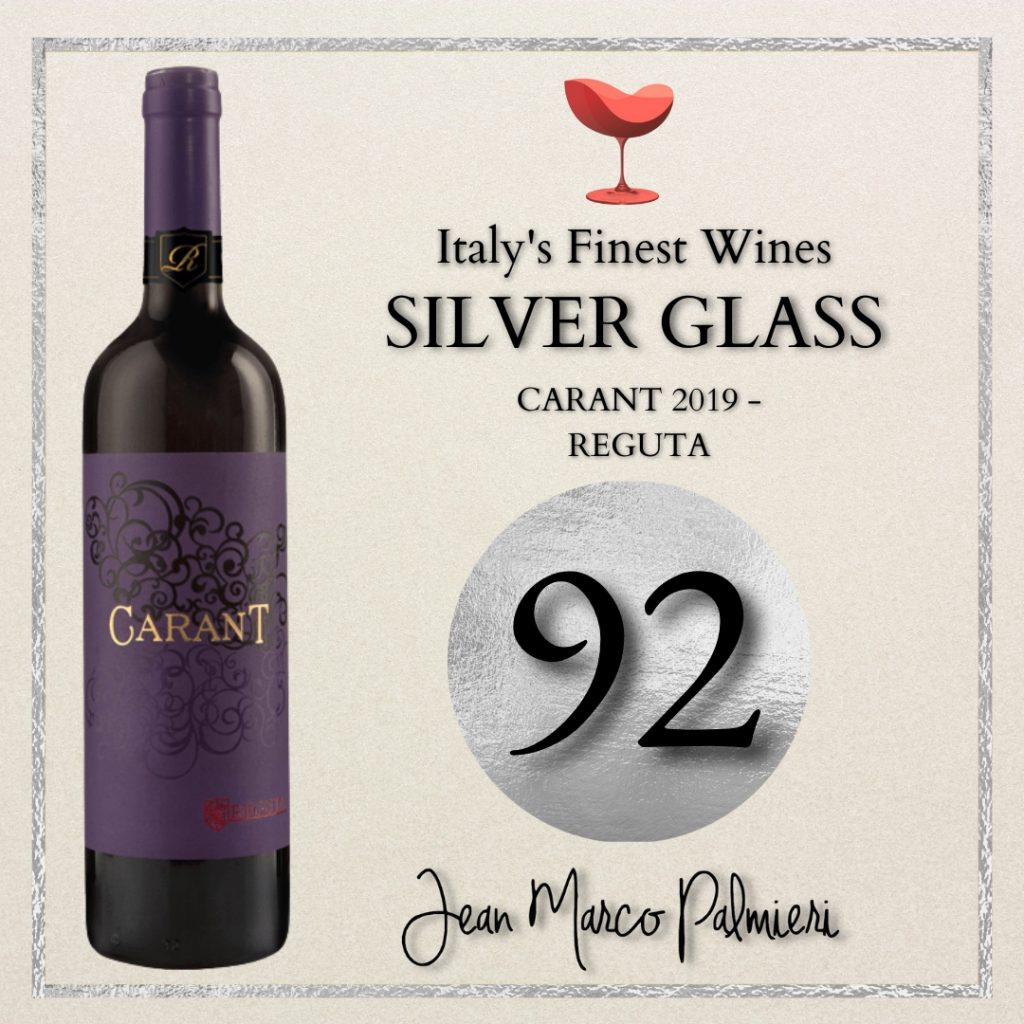
Aromas of Morello cherry, blueberry, and spices, with hints of leather and wood. On the palate it is soft and enveloping, with balanced freshness and a persistent fruity finish.
Vinification: Traditional fermentation, aging in wood and stainless steel.
Grapes: Cabernet Sauvignon, Merlot, Refosco dal Peduncolo Rosso
Region: Trevenezie
Winery: Reguta, founded in 1928 by the Anselmi family, combines tradition and technology to produce balanced wines with excellent value.
ORANGE WINES OF FRIULI VENEZIA GIULIA
Macerated white wines, also known as orange wines, are at the center of an oenological debate that intertwines history, tradition, and contemporary trends. This technique, which involves leaving the grape skins in contact with the must during fermentation, was the norm until the mid-20th century, when white winemaking closely resembled that of reds. The results were robust wines, with pronounced oxidative character and more noticeable tannic structure, but they often lacked freshness and finesse.
From the 1970s onwards, a radical change occurred in white winemaking. Modern techniques such as static must clarification and temperature control allowed the production of clean, fresh wines capable of accurately expressing varietal and territorial characteristics. This approach proved particularly effective in highlighting the typicity of native grapes, leading to greater aromatic purity and a more recognizable flavor profile.
In the 1990s, however, some producers in Collio (especially in the Oslavia area) and in the Slovenian Carso, inspired by Georgian traditions using qvevris, began to revive the practice of maceration. The goal was to create more complex wines with a tannic structure that could broaden gastronomic pairing possibilities. The most commonly used varieties, such as Ribolla Gialla, Malvasia, and Vitovska, were vinified with extended macerations, often lasting several weeks, and aged in amphorae or barrels.
Here is a list of the most representative macerated white wines:
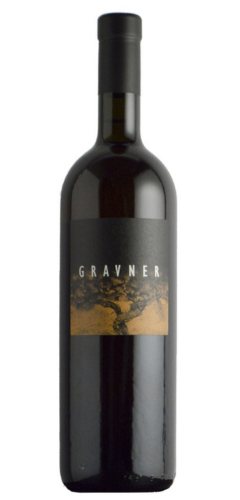
Ribolla Gialla Anfora – Gravner
Description:
Complex aromas of orange blossom, slate, and candied apricot, intertwined with hints of sandalwood and oriental spices. The palate is textured and profound, supported by lively acidity and a mineral finish of rare coherence.
Grapes: 100% Ribolla Gialla
Vinification: Spontaneous fermentation in buried Georgian amphorae, with extended skin contact (5–7 months). No selected yeasts or temperature control. Aged for several years in large oak casks, followed by bottle aging.
Winery: Josko Gravner is considered a pioneer of orange wines in Italy. This family estate in Oslavia cultivates 18 hectares using a biodynamic and non-interventionist approach, producing wines with exceptional longevity.
Region: Collio (Oslavia, Gorizia)
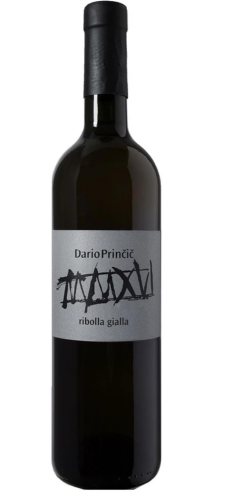
Ribolla Gialla – Dario Princic
Description:
Aromas of hay and apricot compote, bitter almond, and hydrocarbons. The palate is dense and juicy, energized by granular acidity and a savory, persistent finish.
Grapes: 100% Ribolla Gialla
Vinification: Spontaneous fermentation with indigenous yeasts and skin contact for approximately 25 days. No fining or filtration. Aged for 24 months in large oak casks.
Winery: A small artisanal estate in Oslavia led by Dario Princic, among the pioneers of natural wine in Friuli. 10 hectares of vineyards on ponca soils, managed organically with low yields.
Region: Collio (Oslavia, Gorizia)
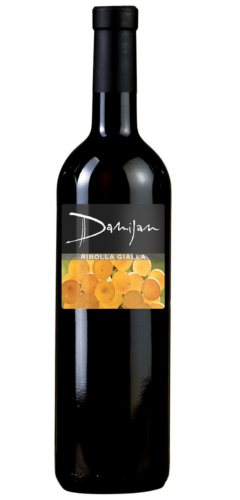
Ribolla Gialla – Damijan Podversic
Description:
Notes of tangerine peel and linden honey, accompanied by wild herbs and hints of toffee. The palate is full, enveloping, and saline, with great complexity and aging potential.
Grapes: 100% Ribolla Gialla
Vinification: Late harvest with partial presence of noble rot. Spontaneous fermentation in conical oak vats with skin contact for 60–90 days. Aged for 6 years in 20 hl casks, followed by bottle maturation.
Winery: Founded by Damijan Podversic on the hills of Gorizia, the estate is renowned for long-lived and profound macerated wines. Organic viticulture, with careful attention to ripeness and grape selection.
Region: Collio Goriziano
Ribolla Gialla – Damijan Podversic
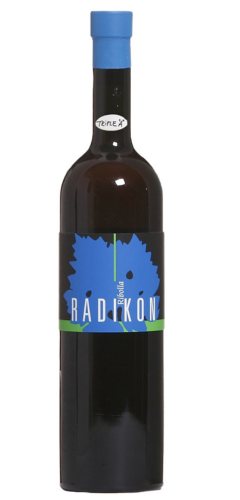
Description:
Notes of tangerine peel and linden honey, accompanied by wild herbs and hints of toffee. The palate is full, enveloping, and saline, with great complexity and aging potential.
Grapes: 100% Ribolla Gialla
Vinification: Late harvest with partial presence of noble rot. Spontaneous fermentation in conical oak vats with skin contact for 60–90 days. Aged for 6 years in 20 hl casks, followed by bottle maturation.
Winery: Founded by Damijan Podversic on the hills of Gorizia, the estate is renowned for long-lived and profound macerated wines. Organic viticulture, with meticulous attention to ripeness and grape selection.
Region: Collio Goriziano
Pinot Grigio Ramato – Ronco Severo
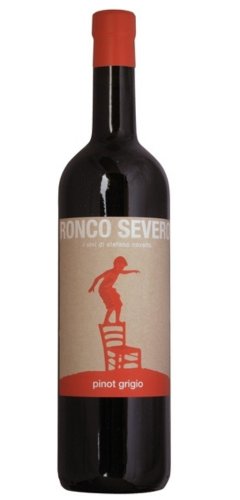
Description:
Aromatic bouquet of candied citrus, orange marmalade, bitter almond, and balsamic hints; the palate is full, dense, and structured, energized by saline tension.
Grapes: 100% Pinot Grigio
Vinification: Extended skin contact, spontaneous fermentation, unfiltered and unfined wine.
Winery: Ronco Severo, owned by Stefano and Laura Novello, cultivates approximately 8 hectares. Produces natural wines respecting the vineyards, environment, and non-interventionist values.
Region: Prepotto, Colli Orientali del Friuli
Ribolla Gialla – Franco Terpin
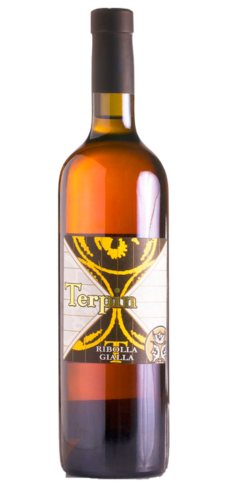
Description:
Aromas of yellow peach, orange blossom, tropical fruit, resin, medicinal herbs, and saline hints. On the palate it is textured, vibrant, and surprisingly drinkable, with great aging potential.
Grapes: 100% Ribolla Gialla
Vinification: Extended macerations, varying according to the vintage, with indigenous yeasts, no fining or filtration, and minimal or no added sulfur.
Winery: Terpin Franco estate is located in San Floriano del Collio (GO), with approximately 12 hectares of vineyards. Practices natural viticulture, producing expressive wines that reflect the seasons.
Region: Collio (San Floriano del Collio)
Ribolla Gialla – La Castellada
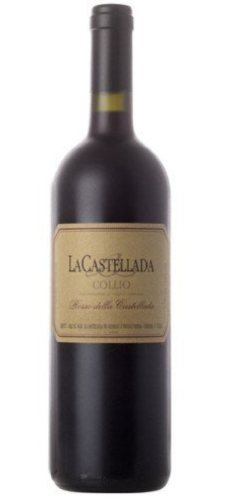
Description:
Delicate aromas of citrus, candied fruit, light spices (cloves), and buttery hints; the palate is lively, savory, and almond-tinged on the finish.
Grapes: 100% Ribolla Gialla
Vinification: Not always documented in detail; La Castellada produces wines with quality-focused practices and also experiments with light macerations. (general information from the winery’s website)
Winery: La Castellada is a historic estate in Collio, led by Stefano and Niko Bensa, with a strong connection to the territory and production of native and characterful wines.
Region: Collio / Oslavia (Gorizia)
Ograde – Skerk
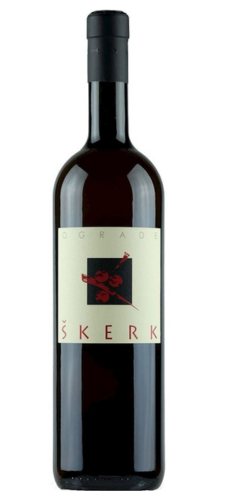
Description:
Apricot jam, lime, and candied ginger; the palate is rich and savory, with a juicy and persistent finish.
Grapes: 25% Vitovska, 25% Malvasia, 25% Sauvignon, 25% Pinot Grigio
Vinification: Skin contact for 10–20 days, spontaneous fermentation, aged in large casks; unfiltered.
Winery: Skerk estate in Carso practices artisanal and low-intervention viticulture on small vineyards.
Region: Triestine Carso
Ribolla Gialla “Miklus – Natural Art” – Draga
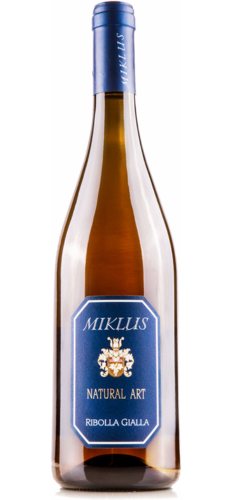
Description:
Tropical yellow fruit, kumquat, and balsamic notes; the palate is enveloping and harmonious.
Grapes: 100% Ribolla Gialla
Vinification: Skin contact (~14 days), natural fermentation, aged in large wooden casks; unfiltered.
Winery: Draga – Miklus, San Floriano del Collio; a family estate with a traditional approach and careful attention to grape ripeness.
Region: Collio (San Floriano del Collio)
Vitovska – Vodopivec
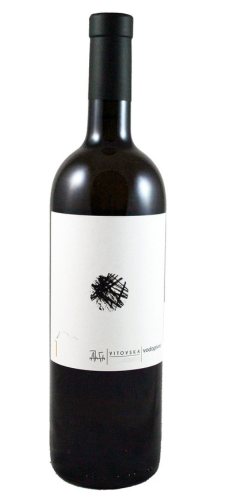
Description:
Aromas of bergamot, candied fruit, and medicinal herbs; the palate is savory and iodized, balanced and vibrant.
Grapes: 100% Vitovska
Vinification: Extended skin contact, spontaneous fermentation, aged in wood; unfiltered.
Winery: Vodopivec, Triestine Carso; a small estate renowned for amphora-aged wines and long fermentations.
Region: Triestine Carso
TERROIR OF THE WINES OF FRIULI VENEZIA GIULIA
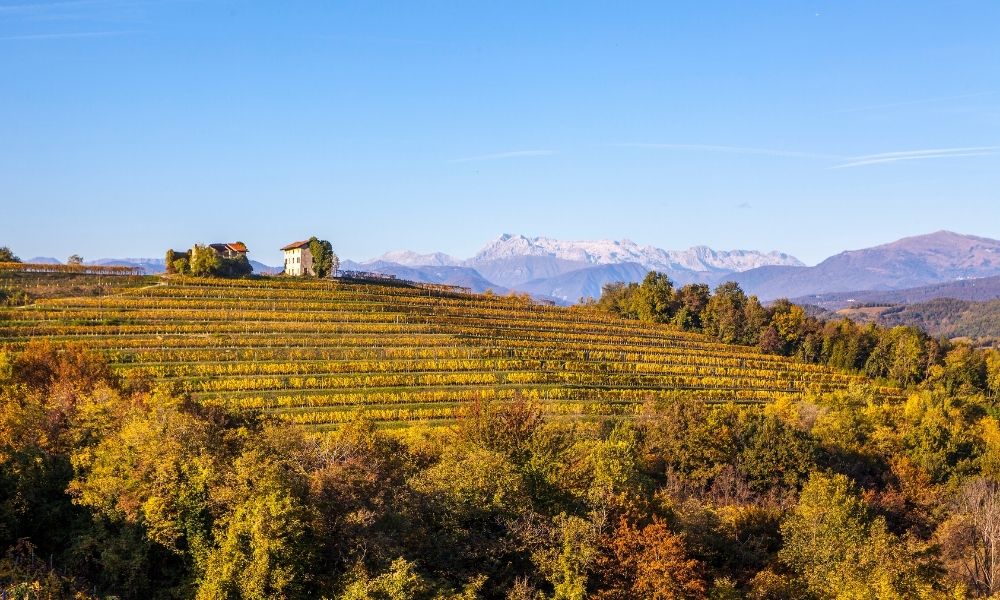
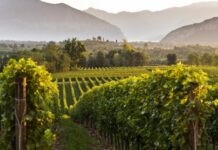
Protected to the north from cold currents by the Julian Alps and softened by the Adriatic Sea breezes to the south, Friuli Venezia Giulia features highly varied landscapes. The mountains are rugged but relatively low, while the hills are gentle, gradually sloping toward the plains and then the sea.
The area enjoys a unique climate, resulting from the confluence of two winds: the Bora, cold and piercing, and the Scirocco, warmer and humid, coming from the sea. Its latitude is the same as southern Burgundy and the Willamette Valley in Oregon.
The soils are mainly clayey, but also include limestone and gravelly terrains. A distinctive element is the Eocene marl locally called Ponca, which promotes the concentration of extractive substances in the grapes, producing white wines of great intensity and sapidity.
VARIETIES OF FRIULI VENEZIA GIULIA
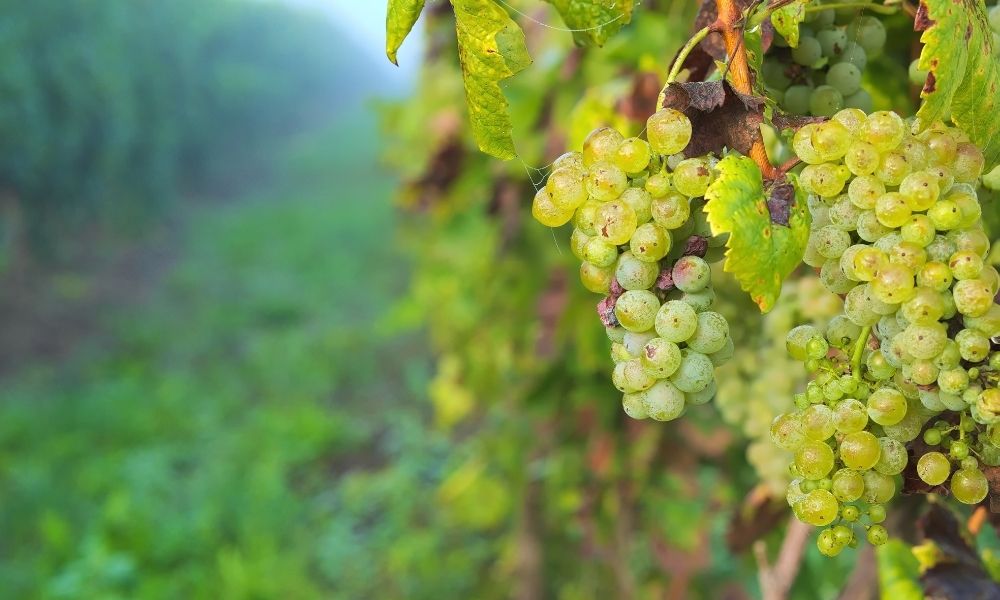
Among the varieties of native vines such as Friulano (6%), Ribolla Gialla (8%), and Schioppettino (4%), but also international varieties such as Sauvignon (7%), Pinot Grigio (25%) and Merlot (15%) . Let’s briefly discover some of the characteristics of these wines
Friulano
Friulano is a white wine obtained from the white grape variety of the same name with medium-early maturation. In other areas of the world it is also called Sauvignonasse, as in the past it was mistakenly associated with Sauvignon Blanc.
Friulano gives life to white wines with marked flavor and structure and moderate acidity, generally characterized by a light note of aromatic herbs and a bitter finish that is often associated with bitter almonds.
Ribolla Gialla
This vine gives life to generally light and fresh wines, characterized by marked acidity and delicate citrus notes.
Ribolla Gialla is a very versatile grape variety from which both light white wines and Charmat method sparkling wines are produced, but also macerated white wines of great character and structure.
Sauvignon
Sauvignon is an early-ripening white grape variety originating from Bordeaux that gives life both to wines for everyday consumption and to wines of great elegance and complexity.
In Friuli Venezia Giulia the aromas often range from floral notes of elderberry, citrus notes of grapefruit, vegetal notes of tomato leaf or notes of passion fruit in the more intense versions. It is mainly produced as a monovarietal, in some cases also in blends to accentuate the aroma of the wines.
For further information, read the dedicated article.
Schioppettino
Schioppettino (also known asRibolla nera) is certainly among the best wines of Friuli Venezia Giulia. Schioppettino is an indigenous black grape variety from Friuli with medium-late maturation which gives life to particularly fruity and spicy red wines. The wines obtained have an intense color and good acidity, but moderate alcohol and tannic structure.
Pinot Grigio
Pinot Grigio is a medium-early ripening white grape variety originating from Burgundy which gives life to golden yellow and coppery wines. The latter color is obtained from a brief contact of the must with the skins. It produces white wines with great body and flavor, embellished with aromatic citrus notes, white pulp fruit and melon.
For further information, read the dedicated article.
Merlot
Merlot is a medium-early ripening black grape variety originating from Bordeaux. Merlot in Friuli Venezia Giulia gives life to both types of monovarietal wines and blends obtained from the assembly of Cabernet Franc and Cabernet Sauvignon, in the so-called Bordeaux blend. (Bordeaux style blend). Its aromas recall berries and undergrowth. With aging in wood its bouquet is embellished with spicy and toasted notes.
For further information, read the dedicated article.
Traditional Grape Varieties of Friuli Venezia Giulia
Among the traditional varieties of Friuli Venezia Giulia we find Friulano (Tocai Friulano), Verduzzo Friulano, Picolit, Refosco dal Peduncolo Rosso, Schioppettino, Pignolo and Tazzelenghe are native vines of Friuli-Venezia Giulia, while Ribolla Gialla and Malvasia Istriana were introduced during the 13th century.
What are the best wines from Friuli Venezia Giulia?
What are the best wines from Friuli Venezia Giulia? Choosing is an arduous undertaking, which however is inevitably subject to the limits of a subjective opinion, which as such, by definition, is deficient and arbitrary.
We have simply drawn up a list of our favorite interpretations according to our evaluations. However, it remains essential to underline that wine was not born as a status symbol, to be exhibited or shown off coram populo.
But to get excited and be shared in a genuine way with the people we love, connecting to contingent situations and the unrepeatable and intimate moments of our lives.
Therefore, we invite you to visit wineries and get to know the producers who produce wines in their uniqueness, so that you can discover and independently choose the wine that can be counted among your personal favorite wines for you. If you have had the patience to read this far, I thank you for your attention, but now is the time to fill the glasses and cut off distant hopes, and therefore:
Cheers, Health, Santé
Jean Marco Palmieri