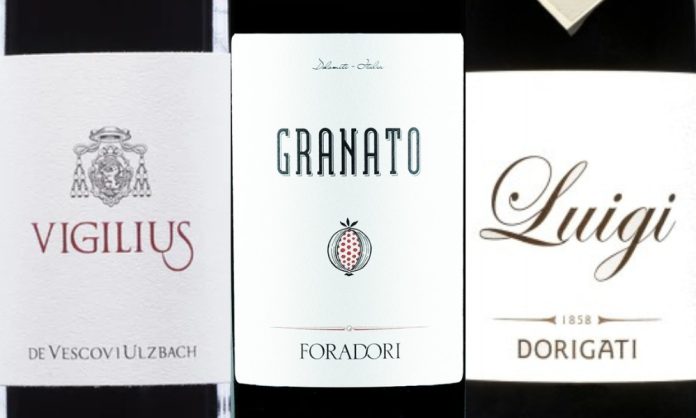
Discover our list with photos, description, and tasting of the best Teroldego recommended by Jean Marco Palmieri
INDEX
Best Teroldego recommended by Jean Marco Palmieri
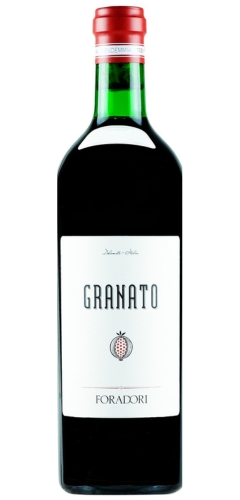
Granato – Foradori
Tasting Notes:
The “Granato” from Foradori presents an intense ruby red color. On the nose, it offers aromas of ripe red fruits and spicy notes. On the palate, it is structured with well-integrated tannins and a good finish.
Technical Notes:
This wine is made from 100% Teroldego grapes. The fermentation takes place spontaneously with indigenous yeasts in open wooden vats, followed by an aging period of about 15 months in oak barrels.
The Winery:
Foradori is a historic winery in Trentino, known for its commitment to enhancing indigenous grape varieties, particularly Teroldego. Founded by Elisabetta Foradori, the winery is a leader in biodynamic and natural winemaking, with a focus on sustainability and low-intervention methods.
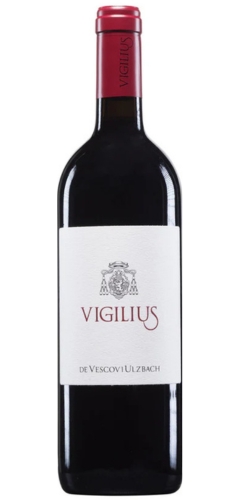
Teroldego Rotaliano ‘Vigilius’ – De Vescovi Ulzbach
Tasting Notes:
The “Vigilius” by De Vescovi Ulzbach shows a deep ruby red color. On the nose, it reveals notes of berries and spices. On the palate, it is balanced with soft tannins and good freshness.
Technical Notes:
Made from 100% Teroldego grapes, the wine ferments in stainless steel tanks with maceration on the skins, followed by aging for 12 months in oak barrels.
The Winery:
De Vescovi Ulzbach is a winery in the heart of Trentino, located in the Piana Rotaliana, a prime area for Teroldego cultivation. The winery blends tradition with innovation, making it a key player in the region’s winemaking scene.
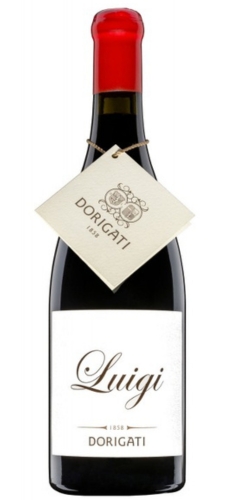
Luigi Teroldego Riserva – Dorigati
Tasting Notes:
The “Luigi” Riserva by Dorigati presents an intense ruby red color. On the nose, it offers aromas of black fruits and spices. On the palate, it is full-bodied with well-structured tannins and a long finish.
Technical Notes:
The Teroldego grapes undergo extended maceration and fermentation in stainless steel tanks, followed by 12 months of aging in oak barrels and an additional 24 months in bottle.
The Winery:
Dorigati is a small Trentino winery that stands out for its high-quality wines, especially Teroldego. With a long family tradition, the winery is known for its meticulous vineyard management and a commitment to sustainability.
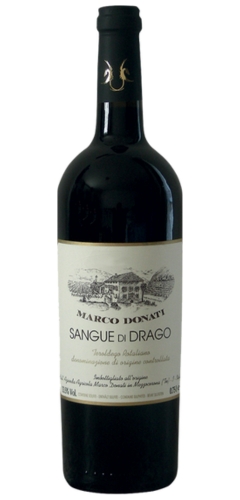
Sangue di Drago – Marco Donati
Tasting Notes:
The “Sangue di Drago” by Marco Donati shows a deep ruby red color. On the nose, it reveals aromas of blackberries, plums, and spices. On the palate, it is soft with hints of plum and dark chocolate, and mature tannins.
Technical Notes:
Made from 100% Teroldego, the wine is vinified with gentle maceration, followed by 18 months of aging in French oak barriques.
The Winery:
Marco Donati is a young producer from Trentino who has interpreted the terroir of the Piana Rotaliana with great sensitivity. The winery is focused on quality and sustainability, using agronomic practices that respect the environment and the territory.
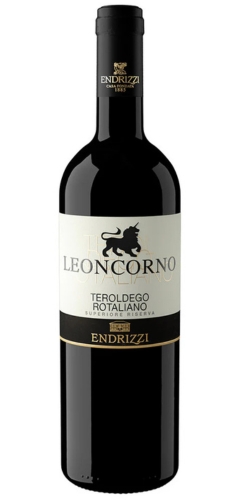
Teroldego Rotaliano Riserva ‘Leoncorno’ – Endrizzi
Tasting Notes:
The “Leoncorno” by Endrizzi presents a deep ruby red color. On the nose, it offers aromas of raspberry, plum, and chocolate. On the palate, it is full-bodied, with a balanced tannic structure and an elegant fruity finish.
Technical Notes:
The Teroldego grapes are fermented in stainless steel tanks with maceration on the skins and aged in oak barrels.
The Winery:
Endrizzi is a historic Trentino winery with a long tradition of winemaking, with a focus on the region’s indigenous varieties such as Teroldego. Their commitment to quality and sustainability is reflected in their meticulous vineyard care and cutting-edge winemaking techniques.
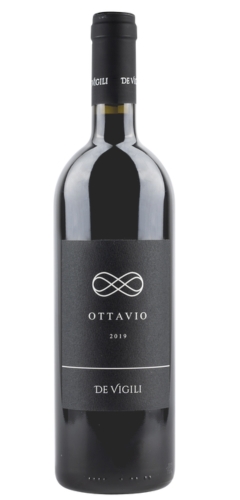
De Vigili – Ottavio
Tasting Notes:
The “De Vigili” by Ottavio shows a brilliant ruby red color. On the nose, it reveals notes of red fruits and spices. On the palate, it is balanced, with soft tannins and good freshness.
Technical Notes:
Made from 100% Teroldego, the wine ferments in stainless steel tanks with maceration on the skins, followed by aging in oak barrels.
The Winery:
Ottavio De Vigili is a family-run winery in the Piana Rotaliana, focused on the quality and authenticity of its wines. The winery blends tradition and innovation, with a focus on Teroldego and sustainable winemaking practices.
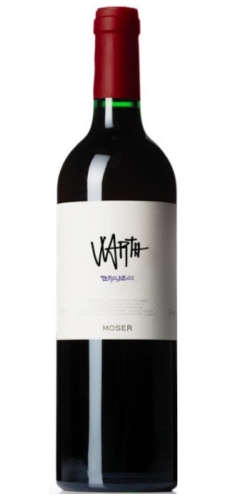
Maso Warth Teroldego – Moser
Tasting Notes:
The Teroldego from Maso Warth presents a deep ruby red color. On the nose, it offers aromas of ripe red fruits and spices. On the palate, it is soft and juicy, with a good structure and mature tannins.
Technical Notes:
Made from 100% Teroldego grapes, the wine undergoes cold maceration followed by fermentation at controlled temperatures. It is aged for approximately 8 months in French oak barriques.
The Winery:
Moser is a Trentino winery known for producing high-quality wines with a focus on sustainability. With a tradition dating back to the early 1900s, Moser continues to create wines that blend modern techniques with a respect for tradition.
Teroldego Rotaliano Riserva – Cantina Rotaliana
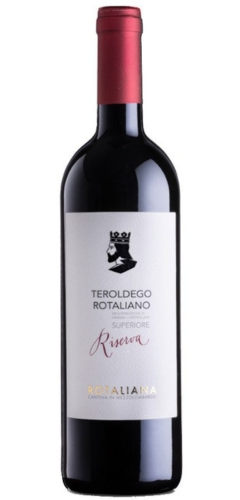
Tasting Notes:
The Teroldego Rotaliano Riserva 2020 from Cantina Rotaliana shows a ruby red color with purple reflections. On the nose, it reveals intense aromas of wild berries, plums, earthy notes, and red roses, with delicate balsamic undertones. On the palate, it is full-bodied and enveloping, with fresh acidity, a velvety tannic structure, and a long, elegant, fruity finish.
Technical Notes:
The grapes come from vineyards in Pasquari, Novali, and Pozze in the Piana Rotaliana, characterized by gravel, sand, and pebble-rich soils. The wine undergoes alcoholic fermentation in stainless steel vats, followed by 24 months of aging in French oak barriques and an additional 6 months in the bottle.
The Winery:
Cantina Rotaliana, one of the largest wineries in the Piana Rotaliana, aims to highlight the qualities of Teroldego, one of the most representative varieties of Trentino. With a focus on quality and innovation, the winery produces wines that authentically express the region’s terroir.
Pini Teroldego Rotaliano Riserva – Zeni
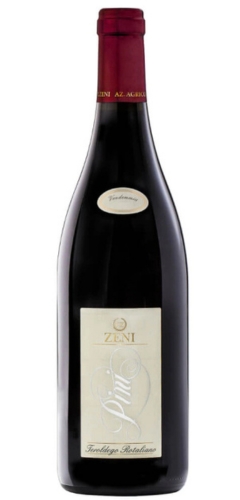
Tasting Notes:
The “Pini” Riserva by Zeni shows a deep ruby red and rich color. On the nose, it offers intense aromas of raspberry and blackberry, complemented by a toasty spice of vanilla. On the palate, it is full-bodied, savory, and robust, with a pleasant hint of chocolate.
Technical Notes:
Made from 100% Teroldego grown on Schwarzmann rootstock (Vitis riparia x Vitis rupestris), this wine is fermented in red with maceration on the skins. It undergoes 24 months of aging in stainless steel tanks.
The Winery:
Zeni is a winery known for its high-quality wines, closely tied to the traditions of Trentino. With a deep focus on the terroir and sustainable practices, Zeni produces elegant wines that tell the story and culture of the region.
Teroldego Rotaliano Riserva – Castel Firmian (Mezzacorona)
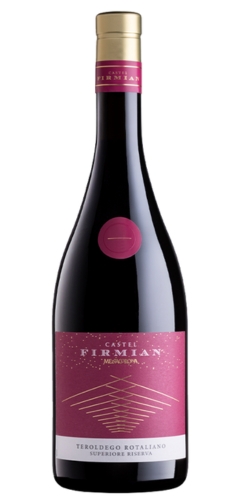
Tasting Notes:
The Teroldego Rotaliano Riserva from Castel Firmian presents a deep ruby red color. On the nose, it offers aromas of ripe red fruits, spices, and toasted wood. On the palate, it is structured, with well-integrated tannins and a long finish.
Technical Notes:
The grapes come from various prime areas in the Piana Rotaliana, including “Fron,” “Rauti,” “Catorzi,” and “Sottodossi.” The winemaking process includes maceration on the skins with frequent pump-overs and fermentation at controlled temperatures. It is aged for approximately 18 months in oak barrels.
The Winery:
Mezzacorona is one of Trentino’s historic wineries, with over a century of winemaking tradition. Castel Firmian represents the winery’s premium production, with wines like the Teroldego Rotaliano Riserva that perfectly reflect the region’s characteristics.
Teroldego: Characteristics & History
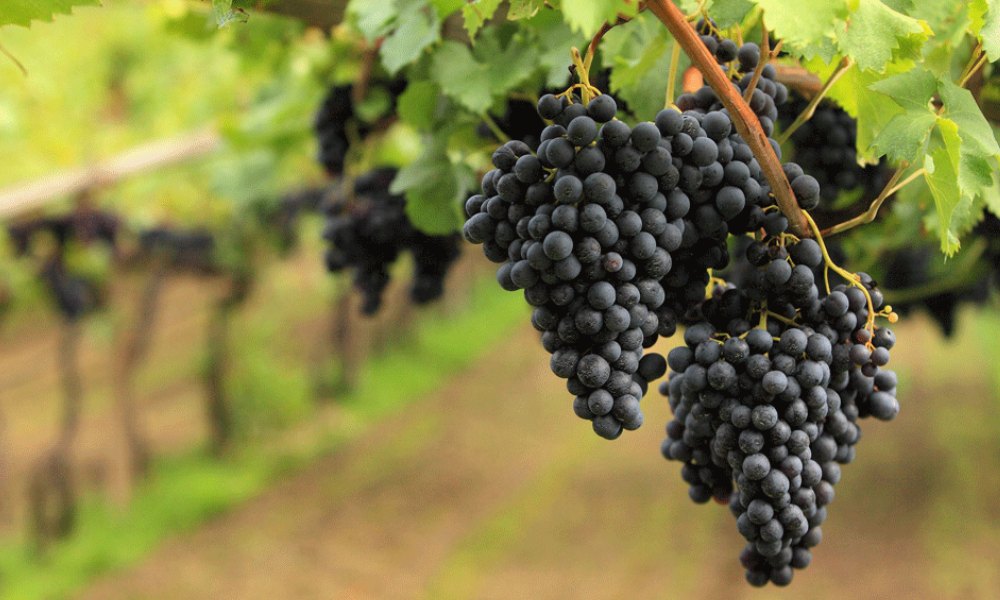
The Teroldego is the emblematic wine of Trentino, an indigenous variety with ancient roots in the Piana Rotaliana, an area that extends around the Noce River. Its history dates back to the 1300s and gained international fame during the Council of Trent (1545-1563). Today, Teroldego represents the pride of the Trentino wine sector, and it was the first varietal wine to obtain the Denomination of Controlled Origin (DOC) in 1971, under the name “Teroldego Rotaliano.” Its fame is linked not only to its distinctive aromatic profile but also to its specific origin: the Campo Rotaliano, a particularly fertile area due to the alluvial deposits from the Noce River.
The Teroldego stands out for its deep ruby red color, a shade reminiscent of dragon’s blood, often associated with the legend surrounding it. Its structure is well-balanced, with a fresh, vibrant acidity, giving the wine a long-lasting finish on the palate. The aromas are complex and captivating, with notes of wild berries, such as blackberry, blueberry, and raspberry, complemented by hints of violets and balsamic touches of mint. The Teroldego typically has an alcohol content between 12.5% and 14%, giving it a certain roundness without ever being overly heavy. The most common training systems for Teroldego are the Trentino pergola and Guyot, which promote good sun exposure and excellent aeration, contributing to the superior quality of the grapes. With about 450 hectares of vineyards in Trentino and approximately 3 million bottles produced annually, Teroldego continues to be one of the cornerstones of local viticulture.
Teroldego Food Pairings
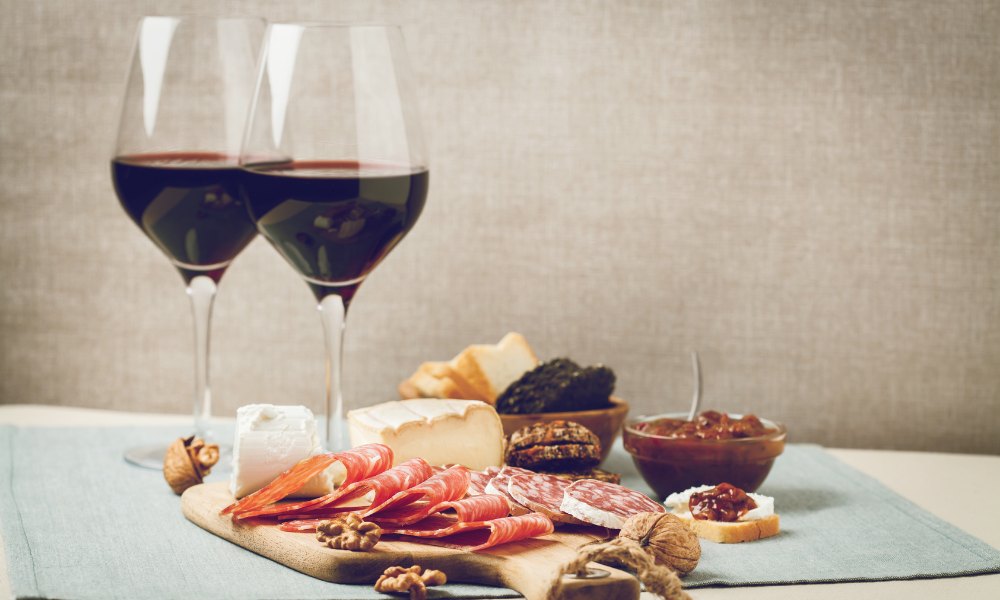
When it comes to pairing with Teroldego, it’s essential to consider its versatile nature, which suits both rich dishes and lighter preparations. Thanks to its fresh acidity, deep red color, and complex aromas of wild berries, violets, blueberry, raspberry, and balsamic hints of mint, Teroldego pairs well with meat dishes, such as roasts and grilled beef, lamb, and game meats. Its tannic structure and freshness also make it ideal for dishes with mushrooms, creamy risottos, and aged cheeses, such as Trentino Doc Puzzone. Moreover, due to its balanced alcohol content, Teroldego is a great companion for heartier dishes like pasta with ragù, polenta with wild boar stew, and game meat. Its ability to remain elegant and not too overwhelming on the palate makes it perfect even for more delicate dishes like beef tagliata and vitello tonnato.
Being a wine that stands out for its aromatic intensity and versatility, Teroldego is also an excellent choice for pairing with traditional Trentino dishes, such as canederli in broth, strangolapreti, or apple pie, thanks to its ability to balance the sweetness of the dishes and provide a refreshing component that enhances their flavor.
What is the best Teroldego?

What are the best Teroldegos? Choosing is a difficult task, which inevitably falls under the limits of subjective opinion, which, by definition, is incomplete and arbitrary.
We have simply compiled a list of our preferred interpretations according to our assessments. However, it is essential to emphasize that wine is not meant to be a status symbol, to be flaunted or displayed before others.
Rather, it is meant to move us and be genuinely shared with the people we love, connecting with specific situations and the unique, intimate moments of our lives.
Therefore, we invite you to visit the producers who create wines in their uniqueness, so that you can discover and choose for yourself the wine that could be considered one of your personal favorites. If you have had the patience to read this far, thank you for your attention, but now it’s time to fill the glasses and cut off distant hopes, so:
Cheers, Salute, Santé
Jean Marco Palmieri