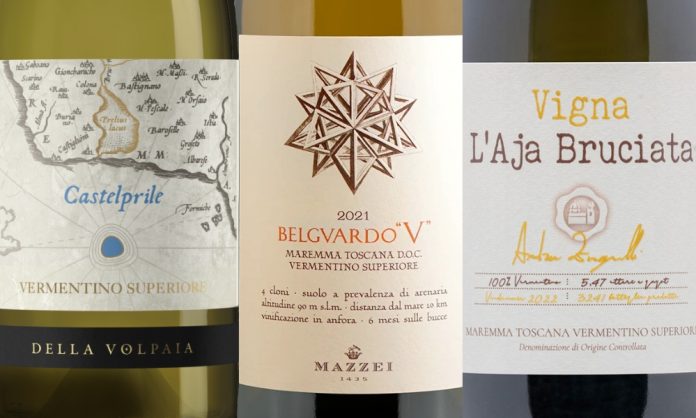
Discover our list with photos, descriptions, and tastings of the best Vermentino Maremma Toscana DOC recommended by Jean Marco Palmieri.
INDEX:
- Best Vermentino Maremma Toscana DOC
- Vermentino Maremma Toscana DOC
- Vermentino Maremma Toscana DOC PAIRINGS
Vermentino Maremma Toscana DOC
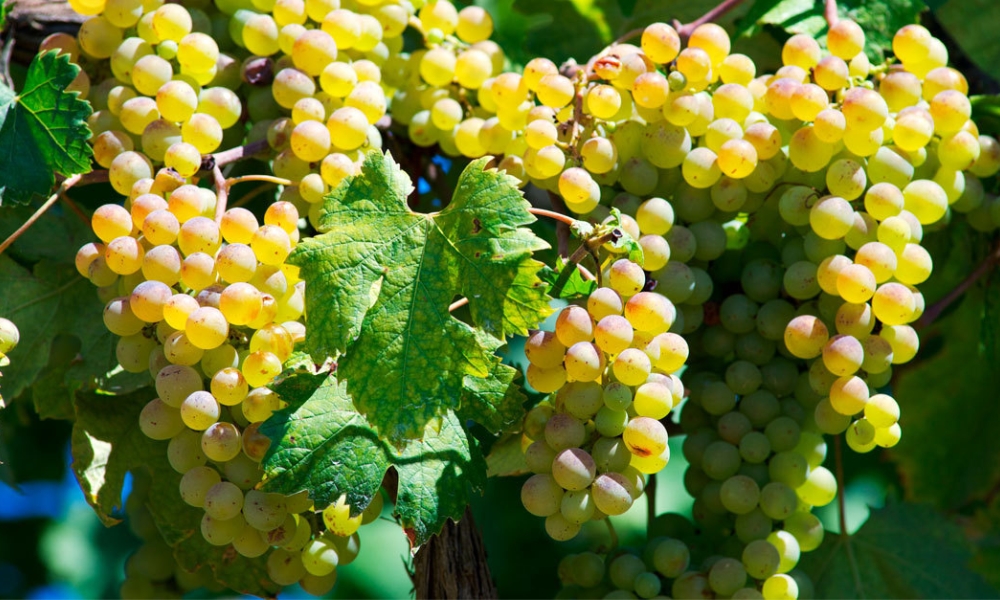
Vermentino is a white grape variety of uncertain origin: some believe it comes from Liguria, others link it to Spain or the Middle East (Proles Pontica), while some studies trace it back to Sardinia as early as the 1300s. In any case, it is along the Tyrrhenian coast that it has found ideal conditions, thanks to the mild climate and proximity to the sea.
In Tuscany, the Maremma region has established itself as one of the most suitable areas. Here, Vermentino was little cultivated until the 2000s (less than 100 hectares of vines), but today it exceeds 830 hectares, with a strong presence in the municipalities of Magliano in Toscana, Grosseto, Orbetello, and Roccastrada. The province of Grosseto alone hosts more than half of Tuscany’s total surface area (1500 hectares) dedicated to Vermentino.
Vermentino is characterized by late ripening, medium vigor, and a particular preference for hilly, dry, and well-exposed soils, especially near the sea — often described as a variety that “needs to feel the sea.” It is also known for its variety of synonyms, such as Pigato and Favorita, although there are genetic and morphological differences that distinguish them.
In Maremma, Vermentino produces fresh and floral wines, with notes of white and yellow fruit, good acidity, and a strong Mediterranean character, contributing to the qualitative growth of regional whites and the success of the DOC Maremma Toscana, now also available in the Vermentino Maremma Toscana Superiore DOC version. It is a variety with an aromatic profile that is intermediate between neutral and aromatic, with dominant terpene compounds, especially geraniol and linalool. To preserve its aromatic finesse, wines produced along the Tuscan coast are often vinified in reduction and at low temperatures, techniques that help enhance even the more subtle aromas. In some cases, to increase the olfactory complexity, a small addition of aromatic grapes like Viognier is used.
Maremma Toscana Vermentino Superiore – Belguardo V – Mazzei
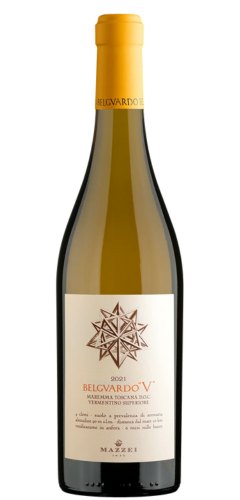
Complex aromas of ripe yellow fruit, citrus, and subtle floral notes. On the palate, it is structured, salty, with a long persistence and a mineral finish.
Technical notes and winemaking:
The winemaking process involves fermentation of half of the grapes on the skins for six months, primarily in amphora, while the other half ferments in stainless steel on fine lees with weekly bâtonnage. After aging in bottle, the wine expresses complexity, minerality, and a deep territorial identity.
Castelprile Vermentino Superiore – Castello di Volpaia
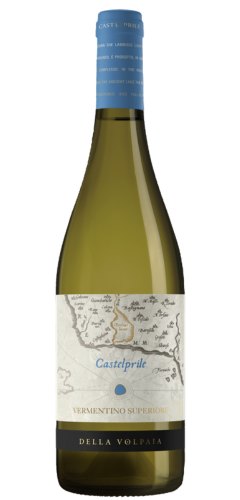
Description: Coming from the vineyards of Castelprile, near Castiglione della Pescaia, this Vermentino Superiore embodies the minerality of the coastal terroir of Maremma.
Tasting notes: The aromatic profile opens with intense aromas of tropical fruit, citrus, and wildflowers. On the palate, the balanced structure is accompanied by a persistent finish.
Winemaking techniques: The grapes are gently pressed and fermented in stainless steel. The aging, partly in oak barrels and partly in stainless steel for about 6 months, enriches the wine with complexity.
Maremma Toscana Vermentino Superiore – Vigna l’Aja Bruciata – Rocca delle Macie
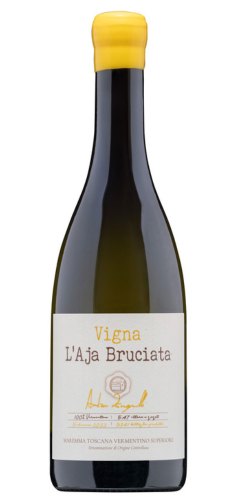
Description: From the vineyard l’Aja Bruciata, this Vermentino Superiore fully expresses the complexity and richness of the Maremma terroir.
Tasting notes: The nose is dominated by aromas of white peach, aromatic herbs, and a subtle spicy note. On the palate, it is enveloping, with a well-defined structure and balanced sapidity.
Winemaking techniques: Fermentation in stainless steel at controlled temperature, followed by aging on lees for 5 months, which adds greater complexity to the wine.
Maremmano Vermentino Maremma Toscana Superiore DOC – Tenuta Casteani
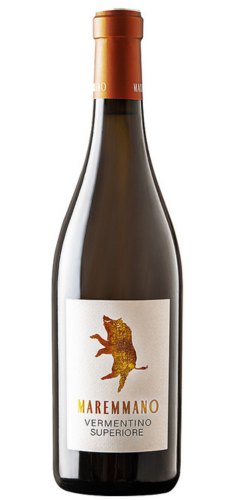
Tasting notes: Aromas of melon, sage, and citrus. Direct, sapid, and lively on the palate, with a slightly almondy finish. Tenuta Casteani presents one of the best Vermentinos of Maremma Toscana, known for its ability to combine immediacy with character. Excellent value for money.
Winemaking:
Selected grapes and fermentation in stainless steel at controlled temperature. A fresh, mineral wine with distinctive character, typical of Maremma.
Maremma Toscana Vermentino – Lucumone – Montellassi
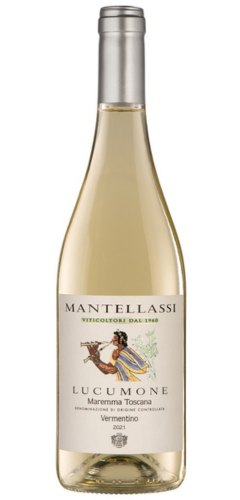
Description:
A characterful Vermentino, with notes of citrus peel, yellow apple, and Mediterranean herbs. On the palate, the wine is fresh, well-balanced, with a sapid streak that invites another sip.
Winemaking techniques:
Fermentation in stainless steel at controlled temperature, to preserve freshness and varietal aromas.
The grapes come from calcareous tuff soils, which impart a distinctive minerality to the wine.
Maremma Toscana Vermentino – Ora di Pranzo – Val del Melo
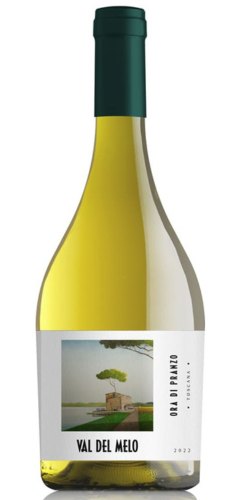
Description:
“Ora di Pranzo” is a fresh Vermentino, with notes of yellow fruit, white flowers, and a light almond hint. An easy-drinking wine, agile and ready to enjoy.
Winemaking techniques:
Made from hand-harvested Vermentino grapes, fermented in stainless steel to preserve freshness and fruity aromas. Fermentation takes place at a low temperature to enhance the varietal characteristics.
Balbinvs – Terenzi
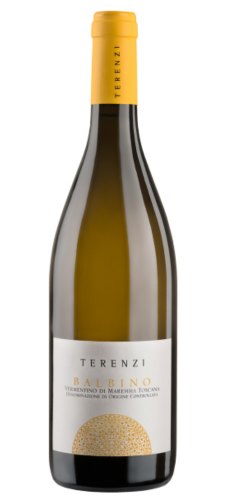
Tasting notes:
A rich aromatic profile, with hints of tropical fruit, aromatic herbs, and flint. On the palate, it is full-bodied, mineral, with excellent persistence.
Winemaking:
Hand-harvested grapes, fermented in stainless steel at controlled temperature.
Aging on the lees for several months to enhance complexity and minerality.
Pagliatura Vermentino – Fattoria di Magliano
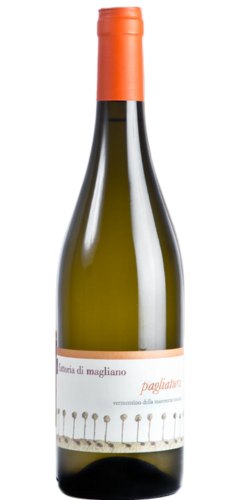
Tasting notes:
Elegant notes of white fruit, grapefruit, and elderflower. The palate is lively, with a fresh and savory finish.
Winemaking:
Fermentation in stainless steel at controlled temperature. Aging on the lees for several months, enhancing complexity and minerality.
Vermentino Maremma Toscana DOC – Moris Farms
Tasting notes:
On the nose, it opens with aromas of citrus, apple, and wildflowers. The palate is smooth, fresh, with a salty finish.
Winemaking:
Fermentation in stainless steel at controlled temperature. The grapes come from vineyards on well-drained soils, which impart structure and minerality.
Maremma Toscana Vermentino – Unné – Poggio Levante
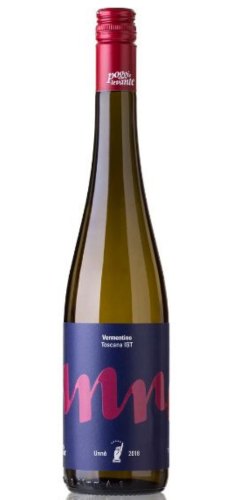
Winemaking techniques:
It opens with notes of orange blossom and broom, followed by hints of crunchy peach and saline nuances. On the palate, it is notably fresh and mineral.
The grapes are fermented in stainless steel at controlled temperature to preserve freshness and minerality, distinctive characteristics of the Maremma terroir.
Excellent value for money.
Maremma Toscana Bianco Riserva – Albus – Tenuta Moraia
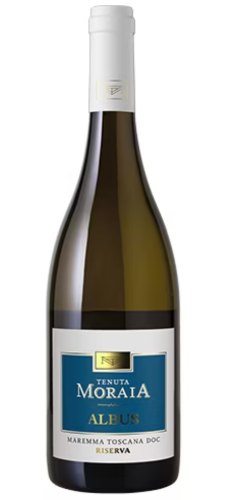
Description:
A structured white wine, with aromas of ripe exotic fruit, honey, and vanilla. The taste is smooth, persistent, with good complexity.
Winemaking techniques:
“Albus” is made from a selection of white grapes, fermented and aged partly in oak barrels. This extended aging develops evolved aromas while maintaining freshness and elegance.
Maremma Toscana Vermentino Collemassari – Melacce
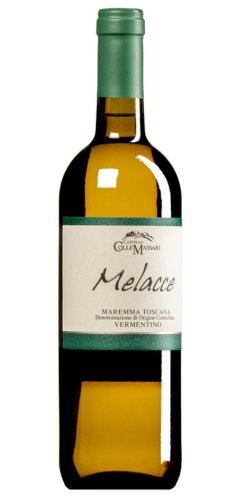
Description:
“Melacce” represents the philosophy of Tenuta Collemassari, with a profile that reflects respect for the land and a focus on quality.
Tasting notes:
Notes of white-fleshed fruit, citrus, and a slight saltiness. On the palate, it is balanced, with good freshness and elegant persistence.
Winemaking techniques:
Fermentation in stainless steel at controlled temperatures. Aging on the lees for 3 months gives the wine greater complexity.
Maremma Toscana Vermentino – Plinio – Bruni
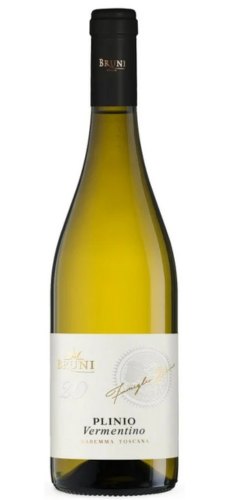
Description:
“Plinio” expresses the typical freshness of the Maremma, benefiting from its proximity to the sea, which imparts a pleasant saltiness to the wine.
Tasting notes:
Aromas of exotic fruit, citrus, and white flowers. On the palate, the wine is fresh, with good acidity and a salty finish that invites another sip.
Winemaking techniques:
Fermentation in stainless steel at low temperatures. Aging on the lees for 5 months enhances the aromatic complexity.
Maremma Toscana Vermentino – Rocca di Montemassi Calasole
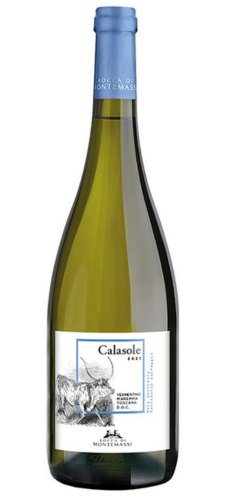
Description:
“Calasole” captures the essence of the Maremma terroir, with a fresh and fruity profile.
Tasting notes:
The wine offers aromas of citrus, white peach, and white flowers. On the palate, freshness is combined with good acidity and a salty finish.
Winemaking techniques:
Fermentation in stainless steel at controlled temperatures. Aging on the lees for 4 months adds greater complexity.
Maremma Toscana Vermentino ‘Litorale‘ – Val delle Rose
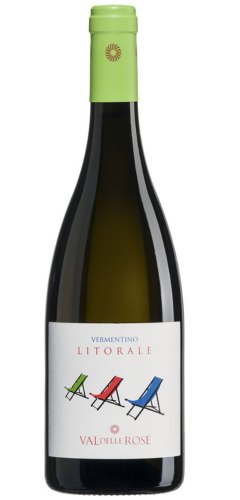
Description:
“Litorale” expresses the proximity to the sea, with a fresh and mineral aromatic profile, typical of the Maremma.
Tasting notes:
Aromas of citrus, green apple, and wildflowers. The palate is distinguished by balance, good freshness, and a persistent finish.
Winemaking techniques:
Fermentation in stainless steel at low temperatures, with aging on the lees for 3 months to enhance the aromatic complexity.
Maremma Toscana Vermentino Superiore Aslecv – Il Ponte
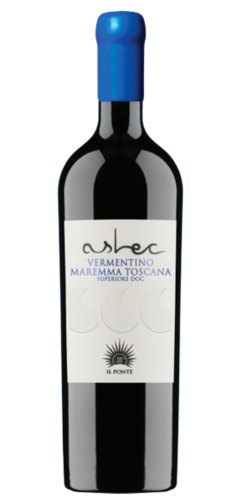
Tasting notes
Delicate bouquet of white flowers and peach. The taste is harmonious, with beautiful freshness and good sapidity.
Winemaking
The grapes come from sustainable agriculture. Fermentation in stainless steel at controlled temperatures to enhance freshness and typicity.
Maremma Toscana Vermentino Superiore – Vignaioli del Morellino di Scansano
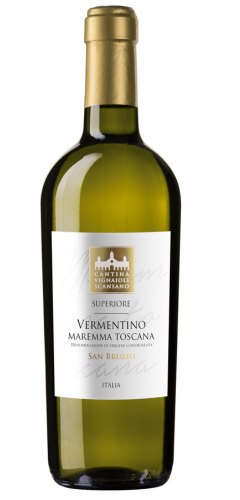
Description:
A Vermentino that expresses aromas of white flowers and yellow-fleshed fruit, with a mineral touch. On the palate, it is fresh, with good structure and a mineral finish.
Winemaking Techniques:
The grapes are hand-harvested and fermented in stainless steel. Aging on the lees for six months adds good structure and complexity to the wine.
Maremma Toscana Vermentino “Chicca” – Guido F. Fendi
Tasting Notes:
Fine aromas of citrus, hawthorn, and apple. On the palate, it is savory, linear, with a refreshing finish.
Winemaking:
Fermented in stainless steel to preserve freshness and varietal aromas.
The production adopts sustainable practices, with attention to reducing environmental impact.
Maremma Toscana Vermentino “Lèpido” – Podere Poggio Bestiale
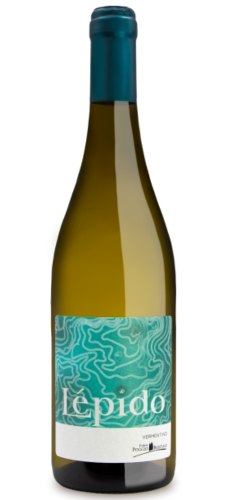
Tasting Notes:
Intense on the nose, with hints of yellow fruit and aromatic herbs. The taste is tight, salty, with a dry finish.
Winemaking:
Hand-picked grapes and fermentation in stainless steel. The process enhances the territorial identity and aromatic notes of the grape variety.
Maremma Toscana Vermentino “Marmato” – Terre dell’Etruria
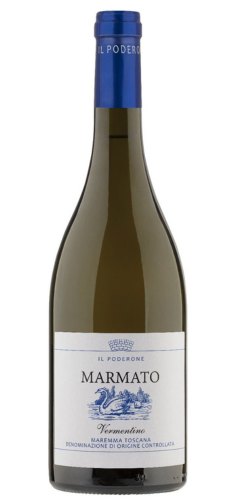
Tasting Notes:
Clear aromas of pear, lime, and wildflowers. On the palate, it is smooth, savory, with medium persistence.
Winemaking:
Fermentation in stainless steel at controlled temperatures to preserve the fresh and fruity aromas. The Terre dell’Etruria winery presents a Vermentino from the Maremma with great typicity, versatility in food pairings, and excellent value for money.
La Terrazza – Tenuta Agostinetto
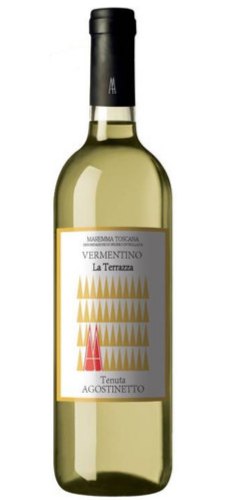
Tasting Notes:
Floral and fruity notes, with hints of peach and jasmine. On the palate, it is balanced, with a pleasant smoothness.
Winemaking:
Fermentation in stainless steel. Brief aging on the lees for greater complexity, while maintaining liveliness and freshness. Rightfully among the best Vermentino wines from the Maremma for its clear aromas and savoriness on the palate. A wine with great potential for food pairings.
Solo – Tenuta Dodici
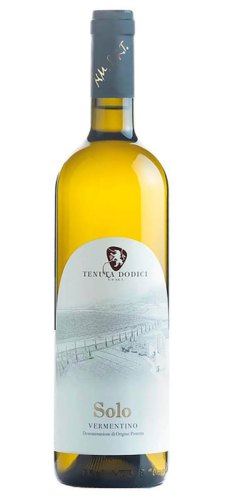
Tasting Notes:
Fruity aromas of apricot, green apple, and citrus. The taste is fresh and well-balanced, with a savory finish.
Winemaking:
Fermentation in stainless steel and aging on the lees for a few months, enhancing the structure. Tenuta Dodici offers an interpretation of Maremma DOC Vermentino with an immediate character, pleasant and easy-drinking. A top choice among Vermentino wines for its excellent quality-to-price ratio.
Pairings with Vermentino della Maremma Toscana DOC
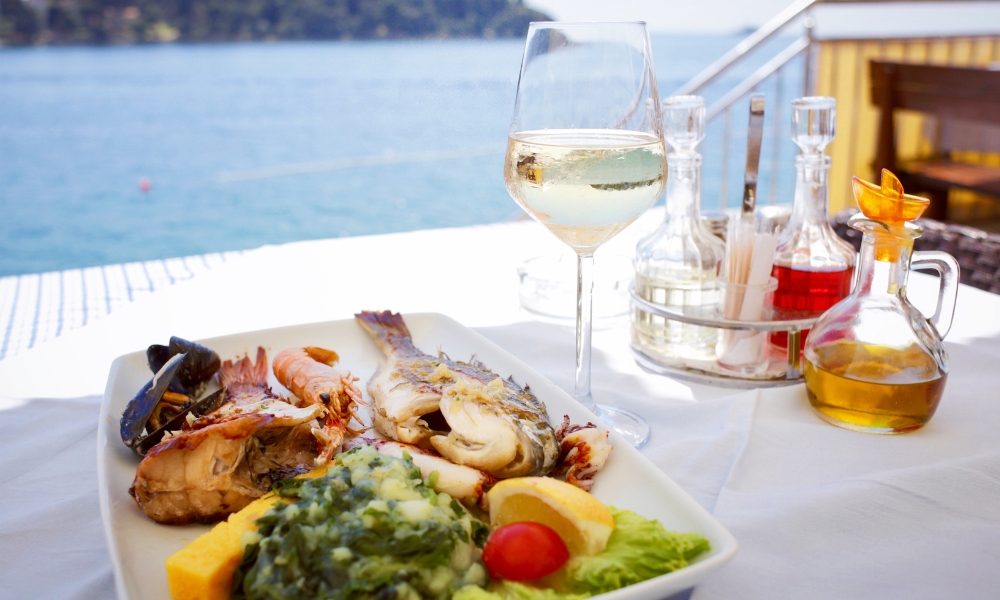
The Vermentino della Maremma Toscana DOC is a versatile white with a strong territorial identity, capable of pairing harmoniously with a wide range of dishes. Thanks to its vibrant acidity and floral and fruity aromas – ranging from white-fleshed fruits to citrus and saline notes – it naturally complements the entire repertoire of Tuscan seafood cuisine.
It is perfect with raw fish appetizers such as octopus salad or marinated anchovies, but also with dishes like liver pâté crostini, seafood risotto, spaghetti with clams, or a classic Livornese-style fish stew. It also pairs wonderfully with baked fish, like sea bream or sea bass, simply cooked with herbs, garlic, and extra virgin olive oil, or grilled or in parchment. Equally, Vermentino goes perfectly with fish soups, like the traditional crustacean soup or cacciucco alla Livornese.
In its younger, fresher versions, it also pairs well with Mediterranean dishes such as seafood salads, vegetable tarts, and fresh cheeses like Marzolino, or with delicate cured meats such as tuna bresaola. More structured versions – such as those classified Superiore – also pair with white meats, like hunter-style chicken or roast rabbit, and fresh blue-veined cheeses, showing a surprising ability to stand up to richer and more complex dishes.
What is the best Vermentino Maremma Toscana DOC?

Choosing is a challenging task, which inevitably depends on the limits of a subjective opinion, which, by definition, is flawed and arbitrary.
We have simply compiled a list of our preferred interpretations based on our evaluations. However, it is crucial to emphasize that wine is not meant to be a status symbol, something to display or flaunt in front of others.
Instead, it is meant to move us and be shared genuinely with the people we love, tied to specific situations and the irreplaceable, intimate moments of our lives.
Therefore, we invite you to visit the producers who create wines in their uniqueness, so you can discover and choose the wine that you can consider one of your personal favorites. If you’ve had the patience to read this far, thank you for your attention. Now, it’s time to fill the glasses and sever distant hopes. So:
Cheers, Salute, Santé
Jean Marco Palmieri