What are the best Lambrusco wines? Here is a list with photos, descriptions, and tastings of the best Lambrusco wines recommended by Jean Marco Palmieri.
Best Lambrusco Wines – Recommended by Jean Marco Palmieri

What are the best Lambrusco wines?
Let’s explore the updated list of the best Lambrusco wines with photos and tastings, so everyone can find a wine suited to their tastes.
Do you want to suggest a wine or a winery? Write to us.
DDR 2015 Lambrusco di Sorbara Metodo Classico – Cantina della Volta
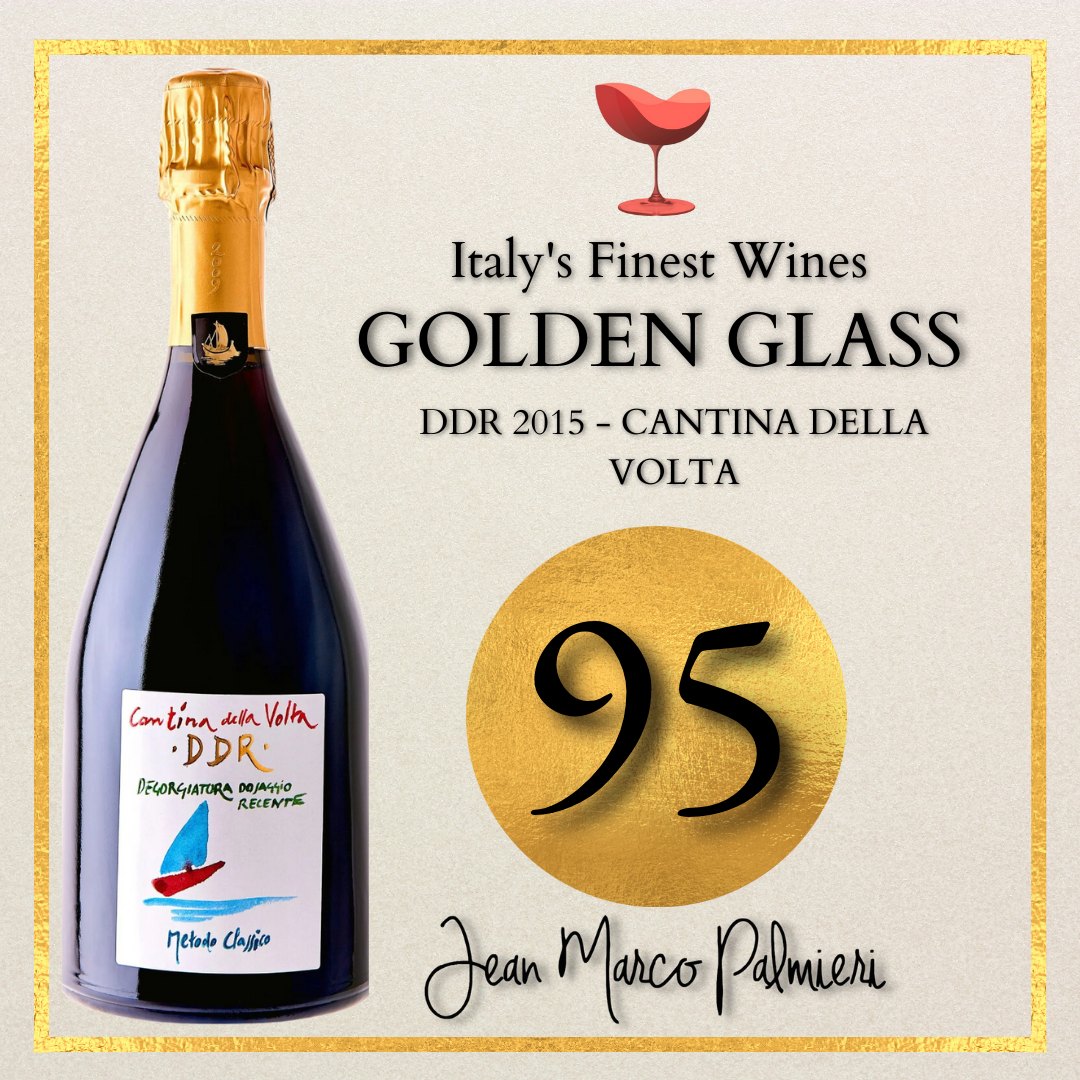
Characteristics:
A distinguished interpretation of Lambrusco di Sorbara in the traditional Method Classico: modern yet deeply rooted in the territory, it is undoubtedly one of the finest examples of Lambrusco.
The nose reveals distinct notes of cranberries and candied cherries, enriched by hints of viennoiserie and sweet spices.
On the palate, it is vibrant, supported by effervescence with slight roughness, and a slightly almondy finish. Overall, it is coherent and integral in its structure.
Soft pressing, fermentation in steel, 84 months of aging, and bottle fermentation according to the Classic Method.
A virtuous interpretation of Lambrusco di Sorbara in the Method Classico, a wine with both territorial character and modernity: deservedly among the best Lambrusco wines.
Grape Variety: 100% Lambrusco di Sorbara
Secondary Fermentation: Bottle fermentation with disgorging (Classic Method)
Region: Bomporto (Modena)
Spumante Metodo Classico ‘Grosso’ – Paltrinieri
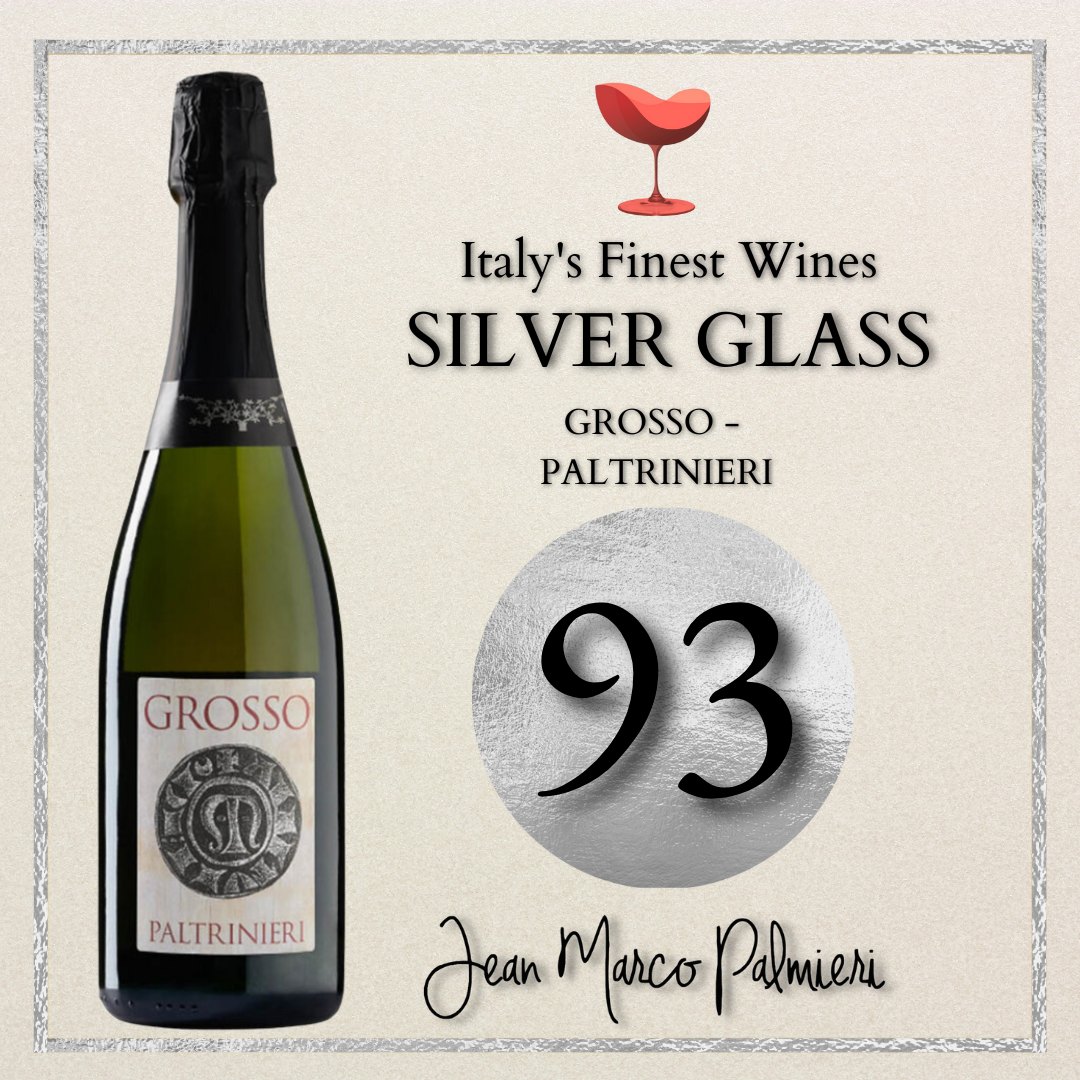
Description:
The Lambrusco Grosso Metodo Classico from Paltrinieri reveals delicate notes of cherry, herbal accents, and a touch of bread crust.
On the palate, it is lively, supported by a pronounced acidity that carries a finish highlighted by elegant, textured bubbles.
The company of Alberto Paltrinieri, a pioneer in pure Lambrusco di Sorbara interpretation, confirms its distinctive style once again.
Grape Variety: 100% Lambrusco di Sorbara
Secondary Fermentation: Bottle fermentation with disgorging (Classic Method)
Region: Sorbara (Modena)
Dosaggio Zero 2021 – Silvia Zucchi
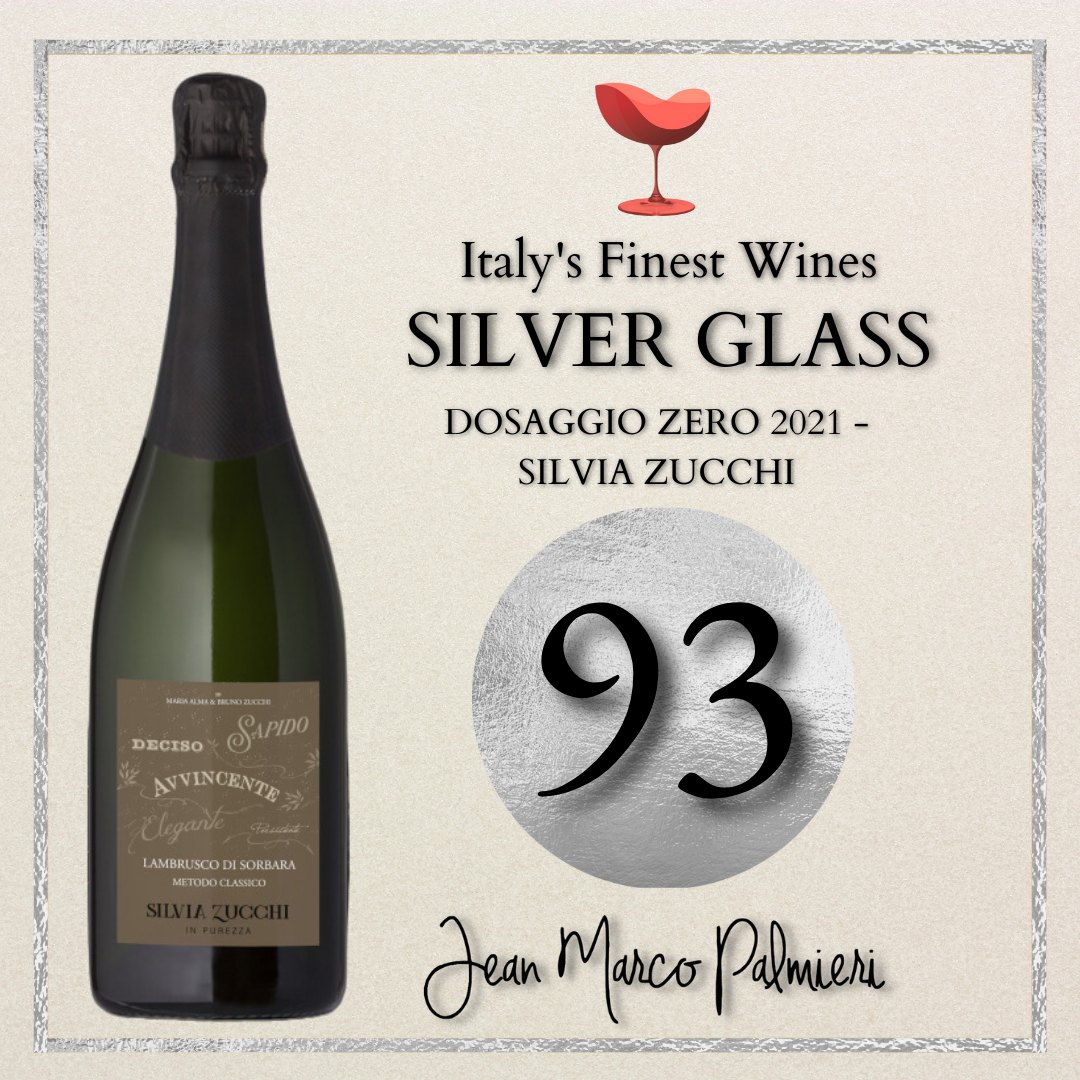
Description:
The Dosaggio Zero Lambrusco di Sorbara from Silvia Zucchi stands out for its vibrant minerality and sharp acidity, giving it a fresh, smooth character. The nose opens with a complex bouquet of wild strawberries and delicate violet notes, adding aromatic finesse. On the palate, the fine bubbles enhance a pleasant freshness and lightness, accompanied by lively acidity that amplifies its clean, refined structure.
Led by owner Silvia Zucchi, the winery presents a highly expressive and fresh Lambrusco, one of the best in its category for elegance and complexity.
Grape Variety: 100% Lambrusco di Sorbara
Secondary Fermentation: Bottle fermentation with disgorging (Classic Method)
Region: San Prospero (Modena)
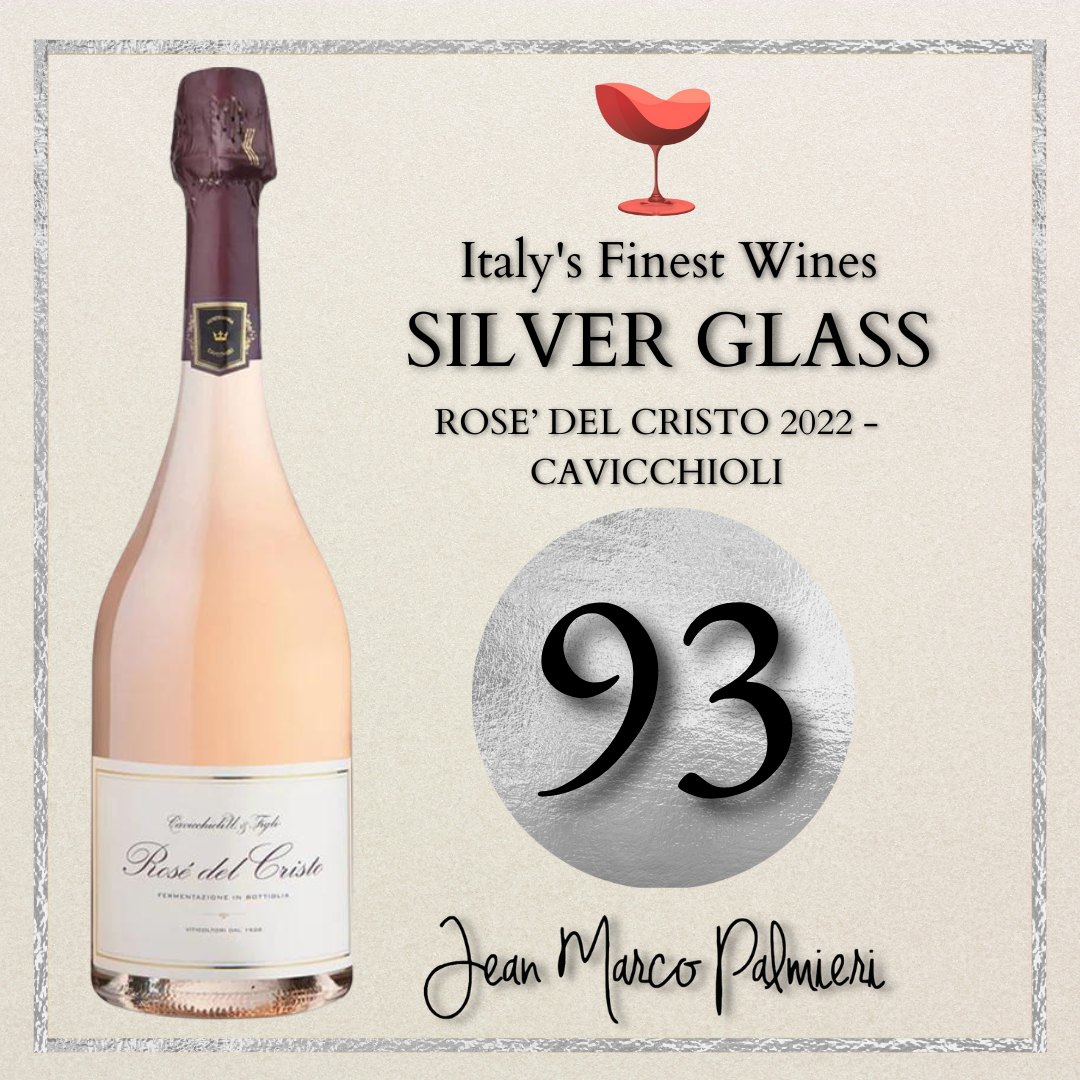
Lambrusco di Sorbara Brut Rosé del Cristo M. Cl. 2022 – Cavicchioli
Description:
Cavicchioli’s Lambrusco di Sorbara Brut Rosé del Cristo 2022 stands out for its smoothness and elegance, with a bouquet of red currant and refined balsamic nuances. On the palate, it reveals extraordinary tension, with lively acidity infusing freshness and dynamism. This vibrant structure is harmoniously integrated with fine bubbles and a subtle tannin, adding volume and a persistent finish.
Cavicchioli, a historic pioneer of Lambrusco di Sorbara Metodo Classico, remains a reference point for excellence and consistent quality, offering one of the best wines in its category in terms of style and refinement.
Grape Variety: 100% Lambrusco di Sorbara
Secondary Fermentation: Bottle fermentation with disgorging (Classic Method)
Region: San Prospero (Modena)
Brut Rosso Metodo Classico 2021 – Francesco Bellei
Description:
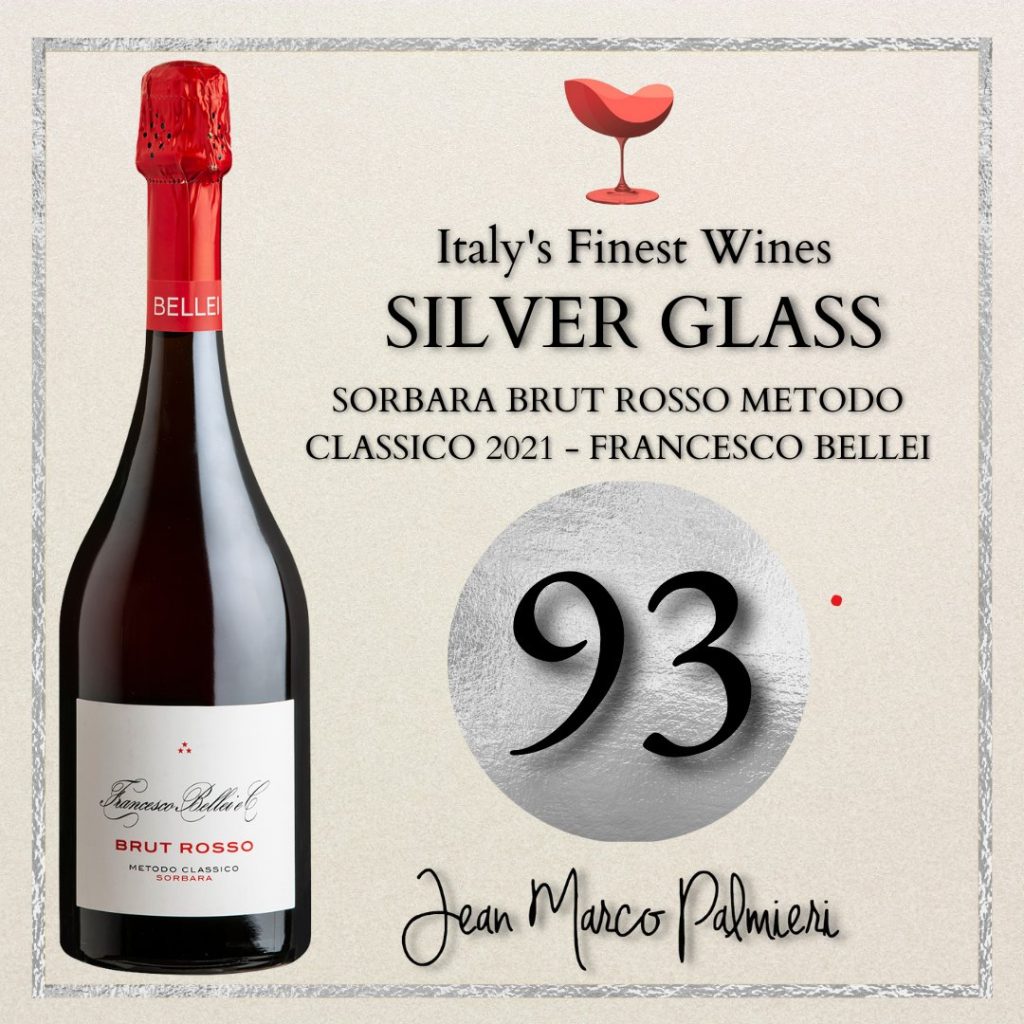
The Brut Rosso Metodo Classico 2021 by Francesco Bellei is an elegant and refined cuvée made entirely from Lambrusco di Sorbara grapes. On the nose, it reveals a delicate bouquet of fresh red fruits, such as currants and wild strawberries, intertwined with subtle hints of bread crust and a pleasant mineral undertone.
On the palate, the wine stands out for its freshness and the fine effervescence, which makes each sip lively and harmonious. The well-balanced acidity and sleek structure enhance its drinkability, offering a sensation of great lightness and clarity. A Metodo Classico that fully expresses the character of Lambrusco di Sorbara, with remarkable elegance and a mineral finish that invites another sip.
Grape Variety: 100% Lambrusco di Sorbara
Region: Bomporto (Modena)
Winemaking Method: Classic Method, bottle fermentation
Intuizione 2020 | Lambrusco Grasparossa di Castelvetro Brut Nature – La Piana
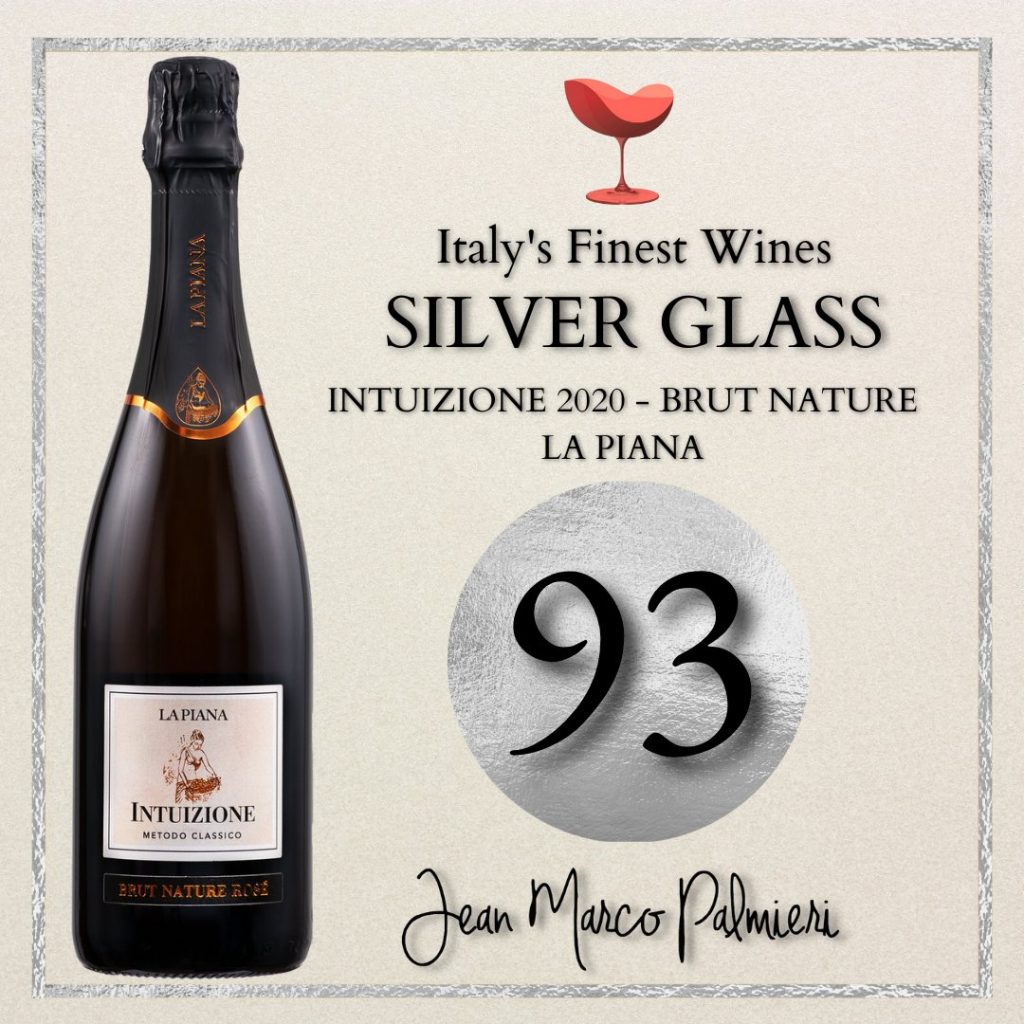
Characteristics: “Intuizione” represents an elegant expression of Lambrusco Grasparossa di Castelvetro, crafted using the Metodo Classico to highlight the grape’s most refined nuances. Made from 100% Grasparossa grapes grown with organic practices.
On the nose, it reveals notes of small red fruits, violet, and viennoiserie.
On the palate, it is fresh and persistent, with fine bubbles and a harmonious structure. Deservedly among the best Grasparossa Lambruscos for its finesse and versatility in food pairing.
Type of Lambrusco: 100% Lambrusco Grasparossa di Castelvetro
Secondary Fermentation: Metodo Classico with 24 months on the lees
Region: Castelvetro di Modena (MO)
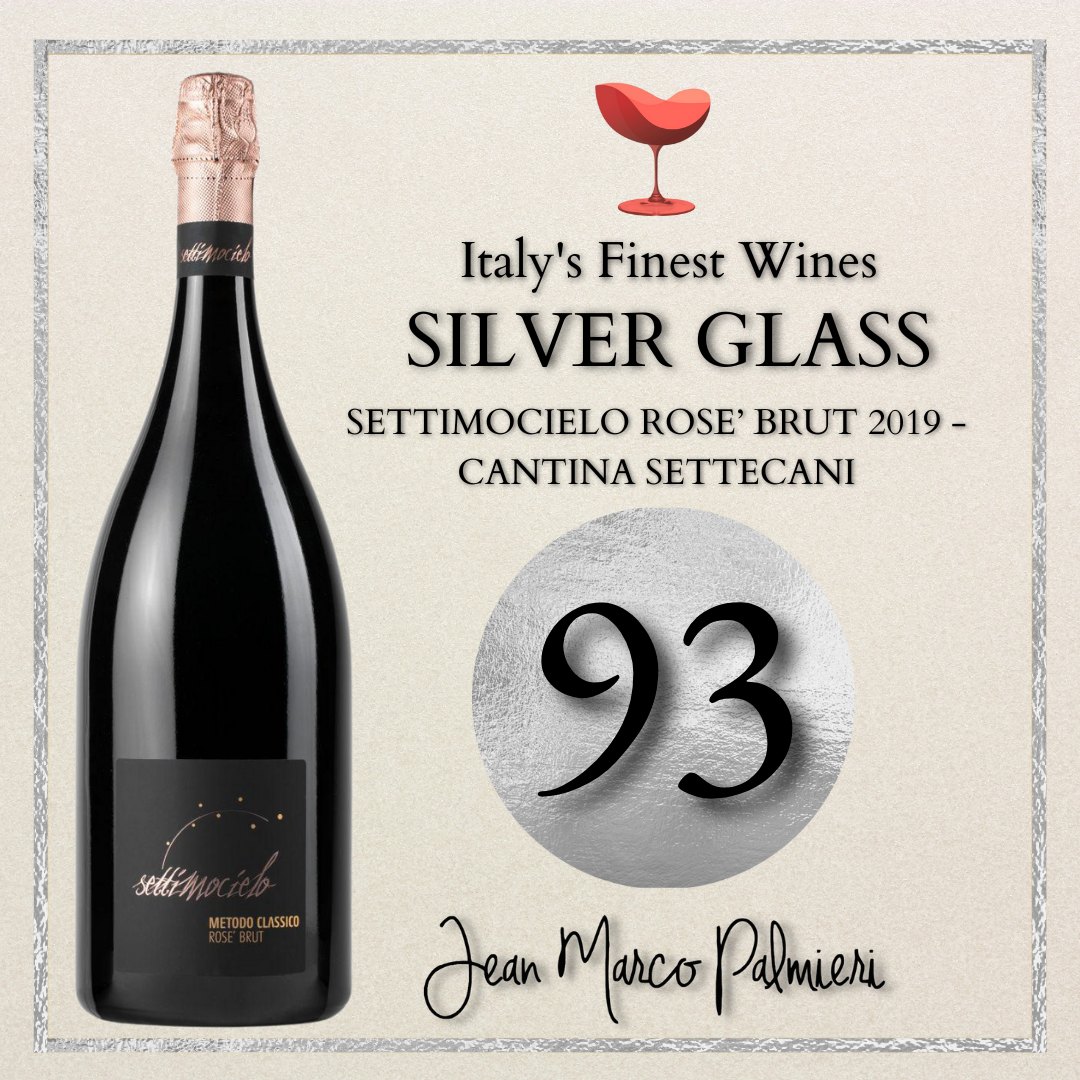
Settimocielo Rosé Brut Metodo Classico 2019 – Cantina Settecani
Description:
The Lambrusco Grasparossa Settimocielo Rosé Brut is a dry, structured wine, characterized by intense aromas of wild cherry and spicy notes. On the palate, it is rich and enveloping, with persistent bubbles enhancing its complexity. The balance between minerality and acidity creates a fresh sensation, finishing with a slightly bitter note.
Produced in limited quantities by Cantina Settecani, one of the most virtuous cooperatives in the region, this Metodo Classico sparkling wine represents an ambitious project, made unique by the talent of young enologist Andrea Graziosi. Among the best Lambrusco Grasparossa for elegance.
Grape Variety: 100% Lambrusco Grasparossa
Secondary Fermentation: Bottle fermentation with disgorging (Classic Method)
Region: Settecani (Modena)
Vigneto Cialdini 2023 – Cleto Chiarli
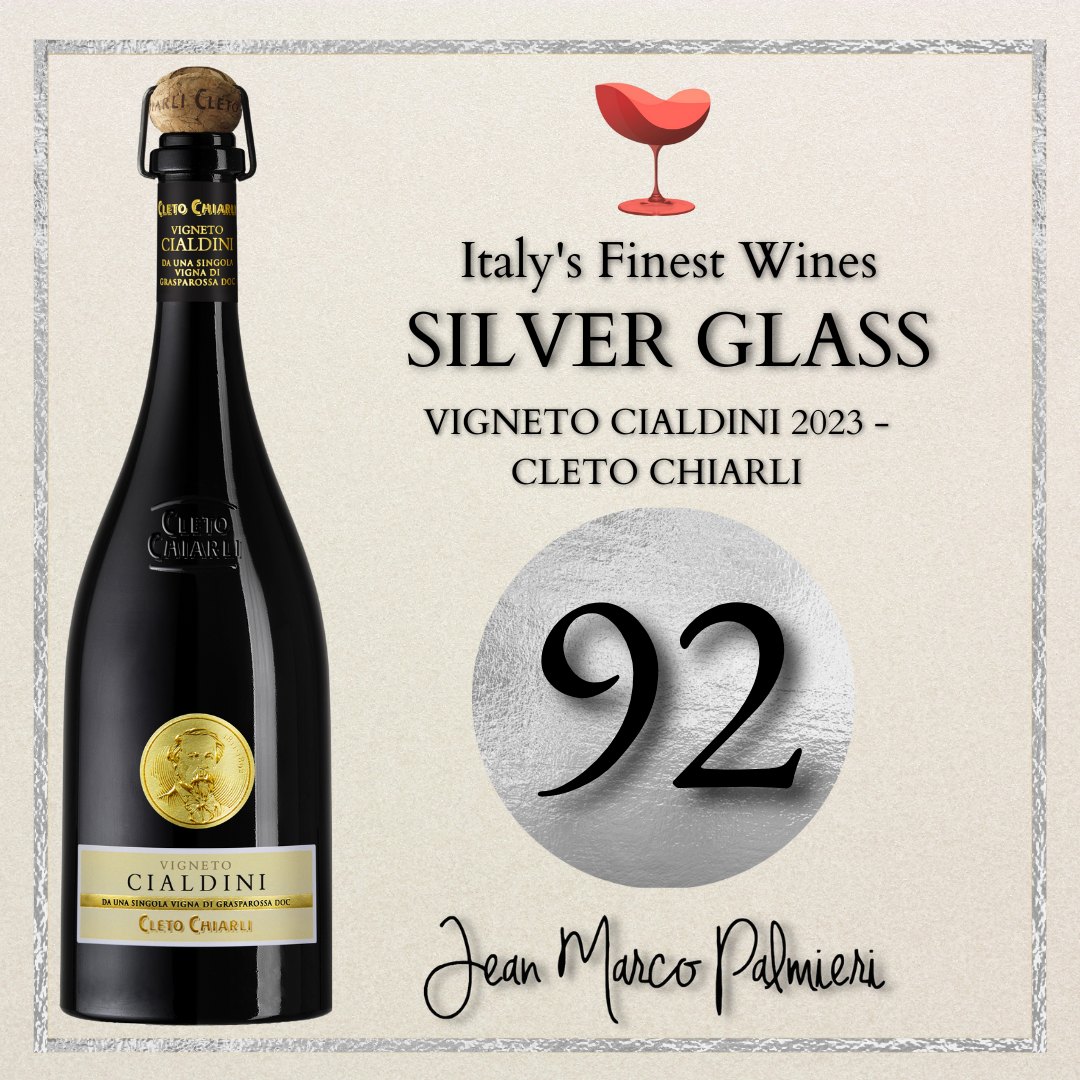
Description:
The Vigneto Cialdini by Cleto Chiarli is a dry and vibrant wine, with intense aromas of fresh cherries and underbrush. On the palate, it is fresh and light, with fine bubbles that deliver a pleasant sense of lightness.
It is dry with a sharp acidity that gives freshness and drinkability. Rightfully among the best Lambrusco wines for freshness and typicity.
Grape Variety: 100% Lambrusco di Sorbara
Secondary Fermentation: Autoclave fermentation (Charmat Method)
Region: Castelvetro di Modena (Modena)
Lambrusco Grasparossa di Castelvetro ‘Monovitigno’ – Fattoria Moretto
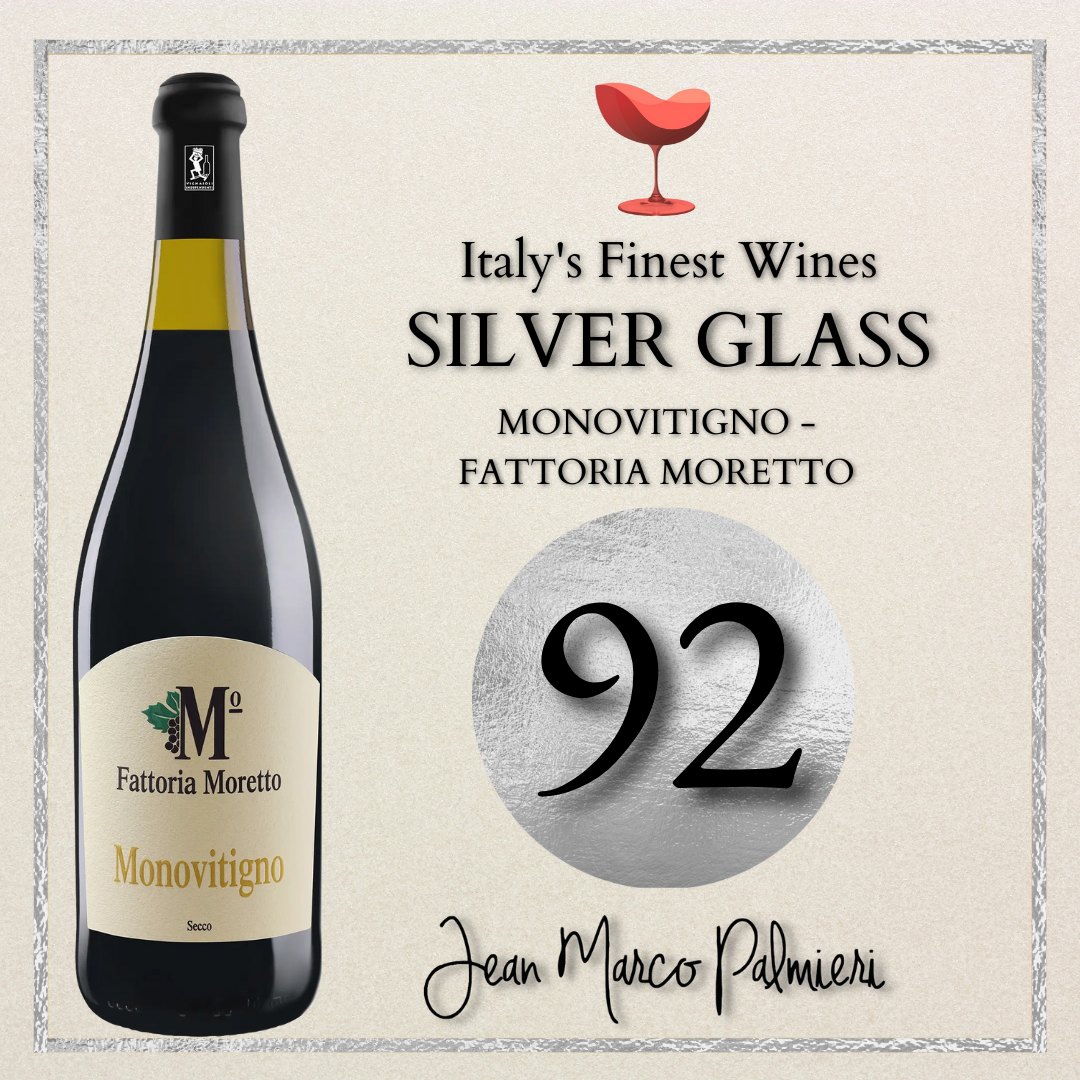
Description:
The Lambrusco Grasparossa di Castelvetro ‘Monovitigno a’ from Fattoria Moretto is a dry and full-bodied wine, with aromas of ripe cranberries and spicy notes. On the palate, it is rich and complex, with persistent bubbles enhancing its structure.
The dryness and acidity are perfectly balanced. Undoubtedly among the best Lambrusco wines for structure and complexity.
Grape Variety: 100% Lambrusco Grasparossa
Secondary Fermentation: Autoclave fermentation (Charmat Method)
Region: Castelvetro di Modena (Modena)
Rosè Metodo Classico Brut Lambrusco Modena DOC 2019 – Ventiventi
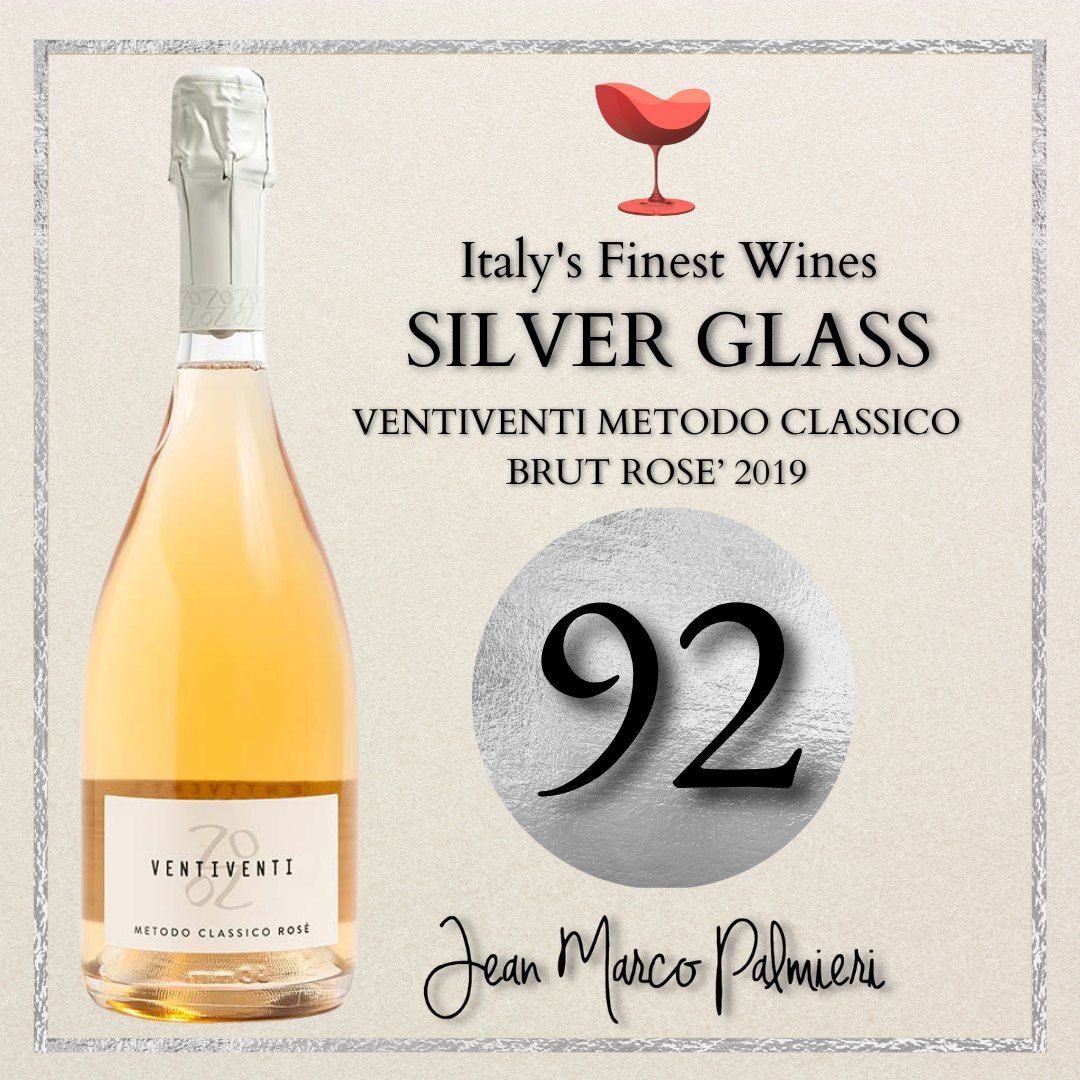
Description:
The Rosè Metodo Classico Brut Lambrusco Modena DOC 2019 by Ventiventi is a dry and sophisticated wine, opening with aromas of wild strawberries, cherries, and light violet notes. The nose also reveals delicate nuances of red currant and balsamic scents, offering an intriguing aromatic complexity.
On the palate, it is fresh and creamy, with fine, persistent bubbles adding elegance. The well-balanced acidity blends harmoniously with the wine’s dry structure, delivering a refined and balanced sip. Rightfully among the best Lambrusco wines for its elegance and aromatic complexity.
Grape Variety: 100% Lambrusco di Sorbara
Secondary Fermentation: Bottle fermentation with disgorging (Classic Method)
Region: Medolla (Modena)
Gran Cuvée IGT – Lambrusco Lini
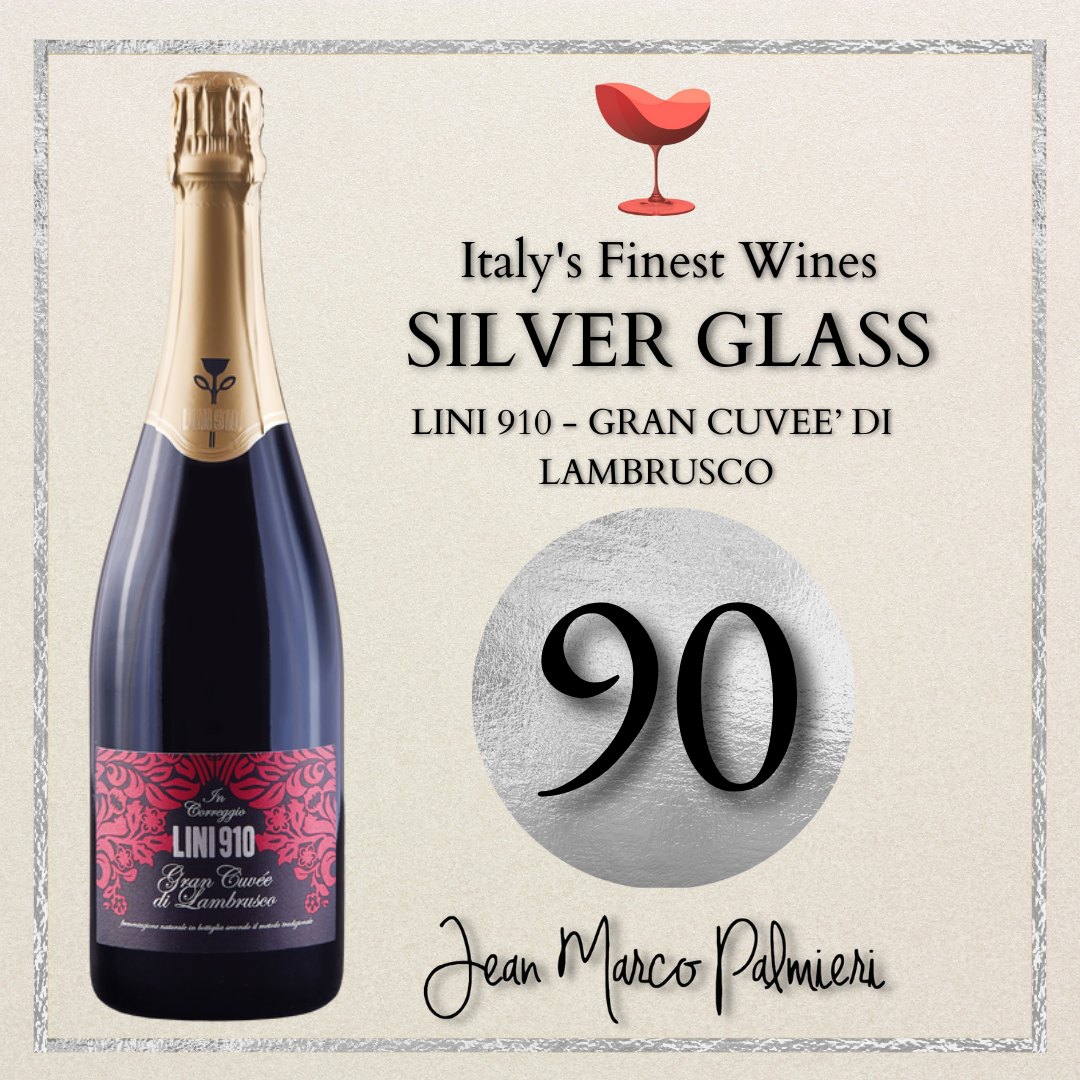
Description:
The Gran Cuvée by Lambrusco Lini is a dry and refined wine, with aromas of sour cherries and floral notes.
On the palate, it is fresh and light, with delicate bubbles adding elegance and liveliness. The balanced acidity combines with the dryness, resulting in a clean and fresh profile.
Among the best Lambrusco wines for elegance and refinement.
Grape Variety: 100% Salamino
Secondary Fermentation: Bottle fermentation with disgorging (Classic Method)
Region: Canolo (Reggio Emilia)
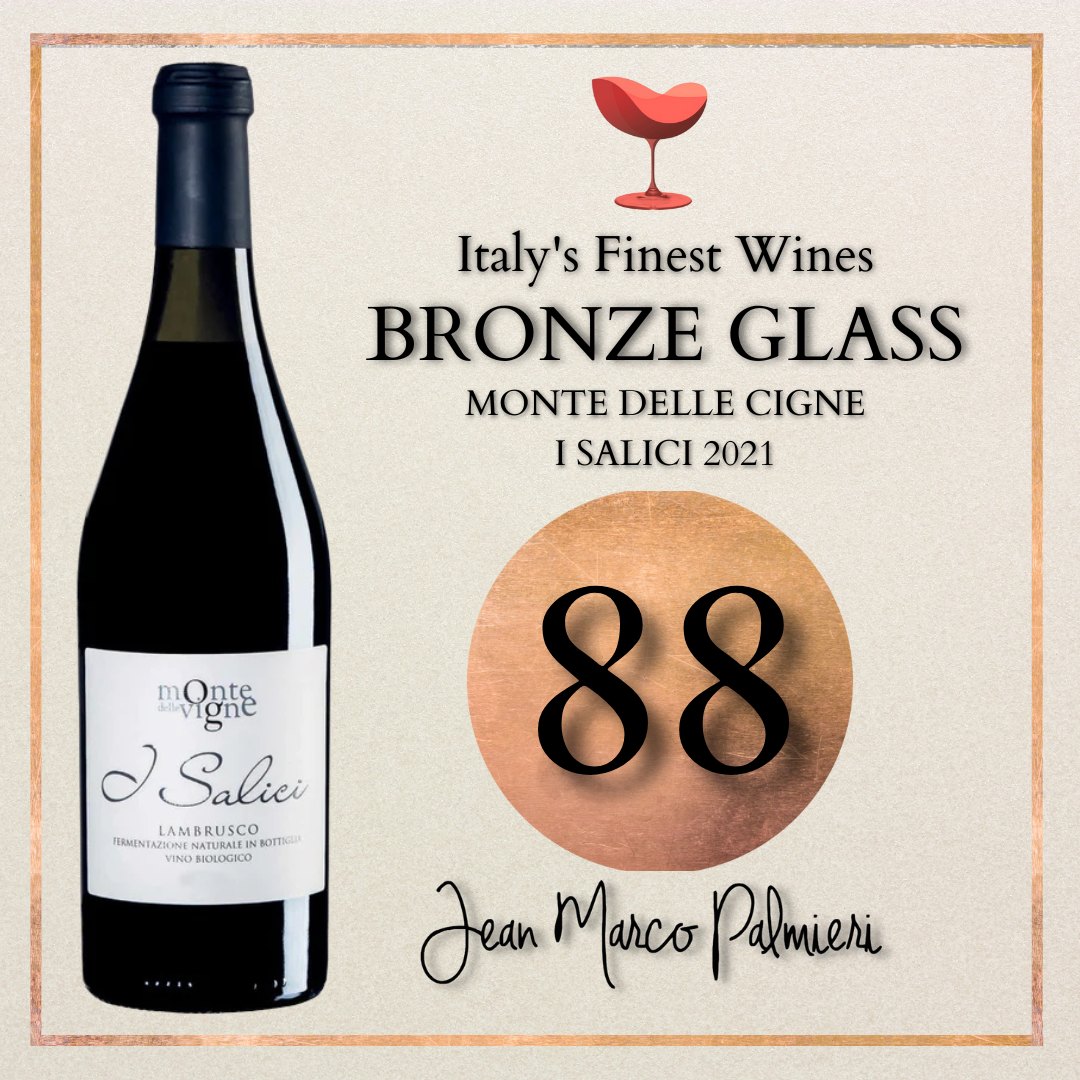
Lambrusco i Salici IGT 2021 – Monte delle Vigne
Description:
The Lambrusco i Salici 2021 by Monte delle Vigne is a dry, structured wine, with aromas of ripe marasca cherries and a hint of spice. On the palate, it is rich and enveloping, with persistent bubbles amplifying its complexity.
The dryness is harmonized with lively acidity, making each sip balanced and enjoyable. Undoubtedly among the best Lambrusco wines for intensity and depth.
Grape Variety: 100% Lambrusco Maestri
Secondary Fermentation: Bottle fermentation without disgorging (Ancestral Method)
Region: Collecchio (Parma)
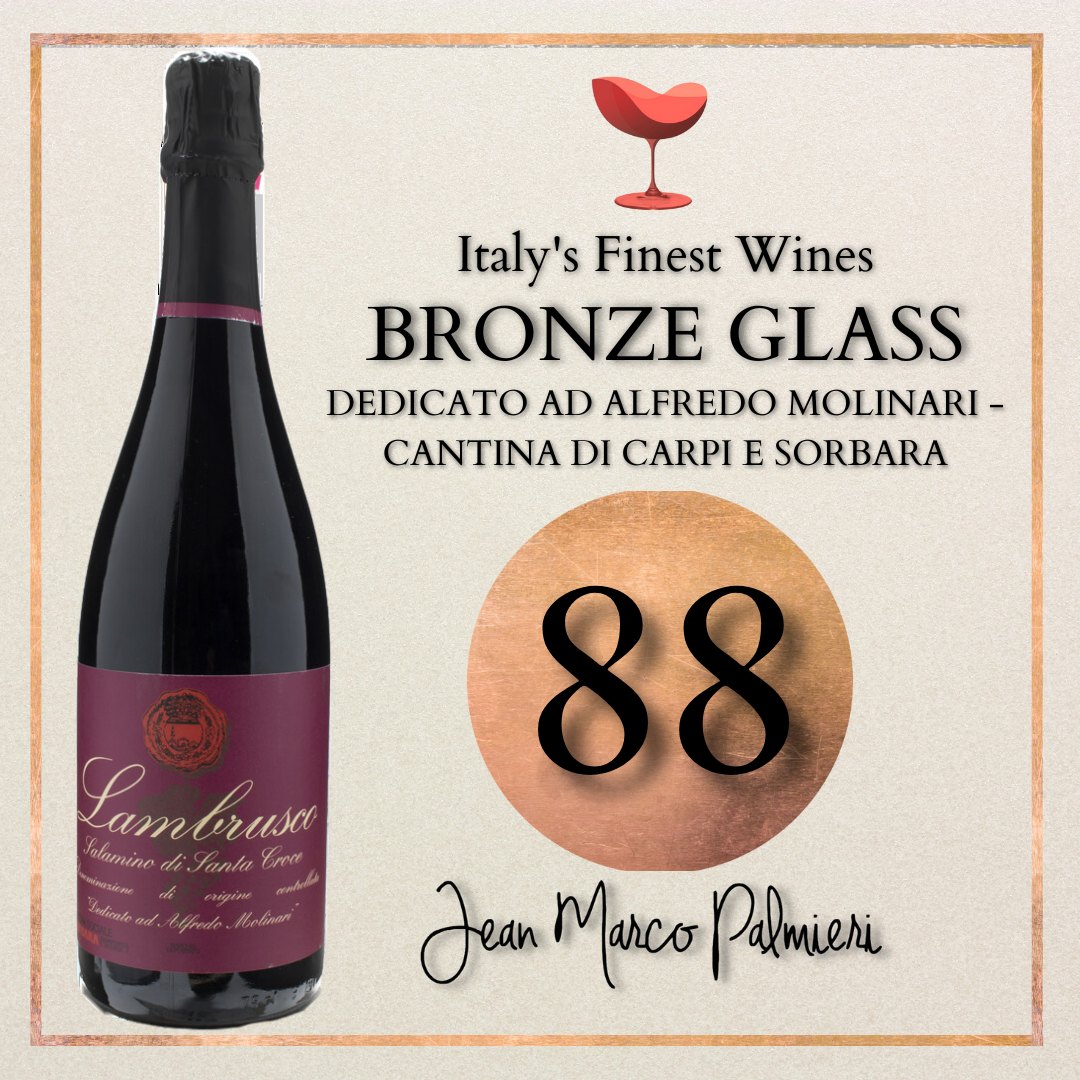
Lambrusco Salamino di Santa Croce Dedicato ad Alfredo Molinari – Cantina di Carpi e Sorbara
Description:
The Lambrusco Salamino di Santa Croce Dedicato ad Alfredo Molinari is a dry and fragrant wine, with aromas of marasca cherries and light floral notes. On the palate, it is fresh and light, with fine bubbles adding liveliness.
It is savory and slightly tannic on the palate, well-integrated with balanced acidity. Undoubtedly among the best Lambrusco wines for versatility in food pairing.
Grape Variety: 100% Lambrusco Salamino
Secondary Fermentation: Autoclave fermentation (Charmat Method)
Region: Carpi (Modena)
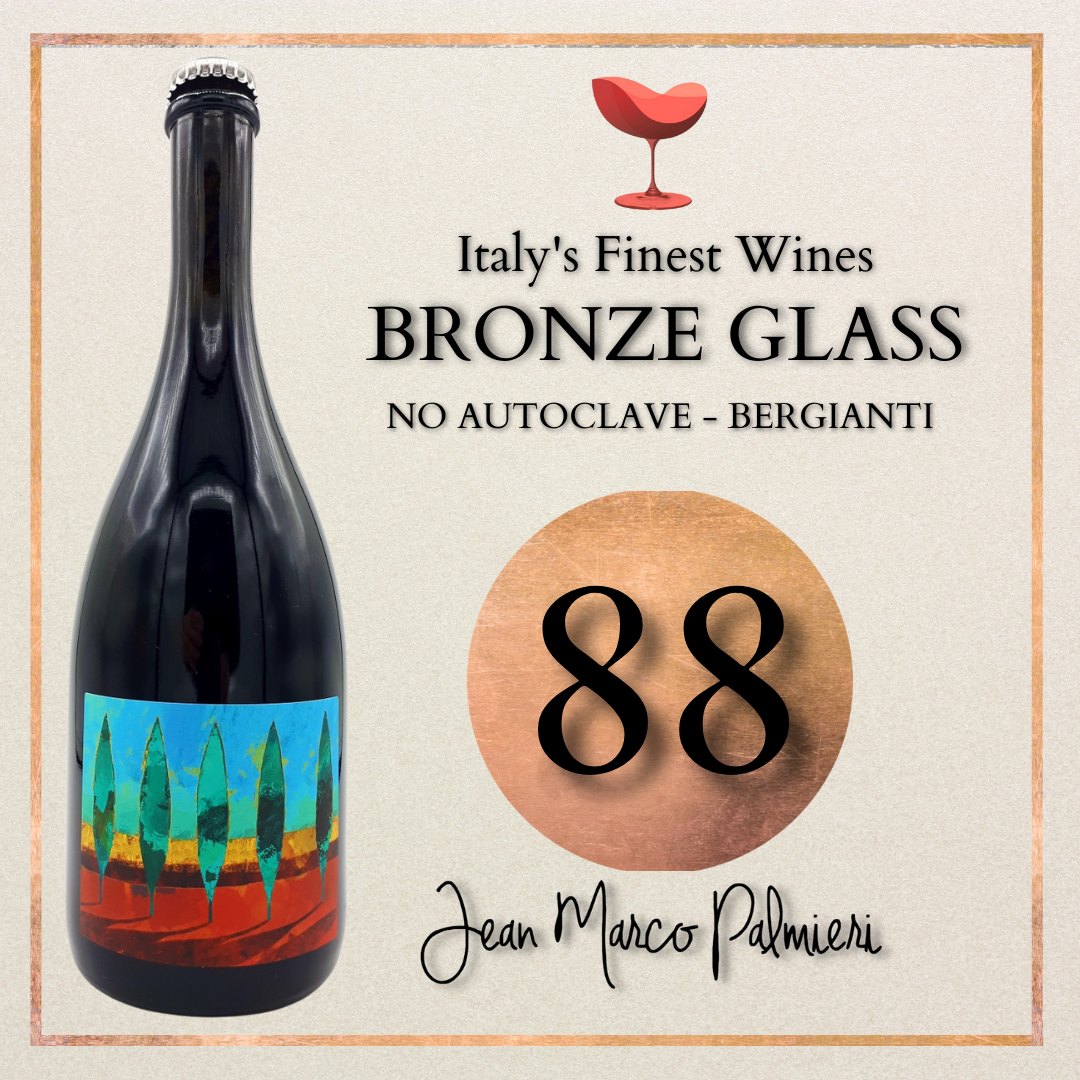
No Autoclave Lambrusco dell’Emilia IGT – Bergianti
Description:
The No Autoclave Lambrusco dell’Emilia by Bergianti is bottle-fermented and not disgorged. It opens with intense aromas of small red fruits and floral notes, with a light yeasty, reductive finish. On the palate, it is fresh and lively, with fine bubbles offering a pleasant effervescence. The structure is well-balanced, with refreshing acidity and dryness that enhance the fruity flavors.
Grape Variety: Salamino, Sorbara with small percentages of Pignoletto
Secondary Fermentation: Bottle fermentation without disgorging (Ancestral Method)
Region: Gargallo di Carpi (Modena)
TYPES OF LAMBRUSCO
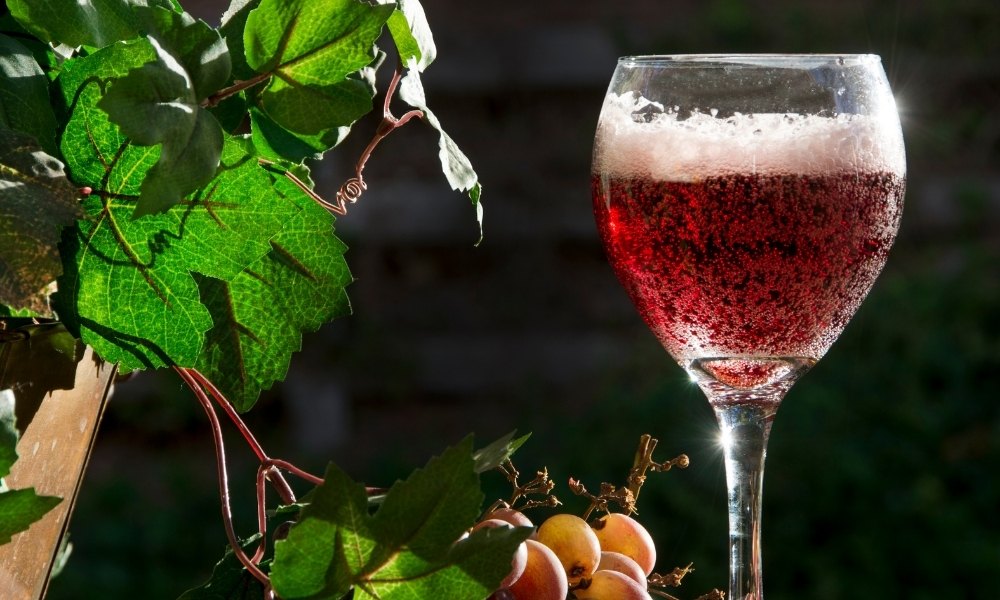
Lambrusco is a sparkling red wine produced in dry or “amabile” (semi-sweet) versions, representing the most iconic wine of Emilia Romagna.
Lambrusco is vinified in pressurized steel tanks called “autoclaves” that contain the carbon dioxide produced during fermentation, making Lambrusco a sparkling wine.
The main types of Lambrusco are:
LAMBRUSCO DI SORBARA
Among the wines of Emilia Romagna is Lambrusco di Sorbara. This indigenous variety is exclusive to the Modena area, and the eponymous wine can be produced with the addition of Lambrusco Salamino and other Lambrusco varieties. Lambrusco di Sorbara is unique because it naturally has a rosé color. The skins have a lighter hue and are characterized by aromas of small red fruits and violets.
LAMBRUSCO GRASPAROSSA
Certainly among the wines of Emilia Romagna is Lambrusco Grasparossa. Lambrusco Grasparossa is a sparkling and dry or semi-sweet wine, with an intense ruby red color with violet reflections and a fruity aroma with notes of berries.
Another wine of Emilia Romagna is Lambrusco Salamino: produced from the homonymous grape variety in quantities not less than 85%.
LAMBRUSCO SALAMINO DI SANTACROCE
Lambrusco Salamino di Santacroce is grown in the hilly part of the province of Modena, making it a Lambrusco with a deep violet color and notes of red fruits and pastry.
LAMBRUSCO MAESTRI
The name “Maestri” comes from Villa Maestri located in San Pancrazio, in the province of Parma. Lambrusco Maestri is the most intense variety of the Lambrusco family, often used to add character, tannins, and acidity to wines.
TYPES OF FERMENTATION IN LAMBRUSCO
Metodo Ancestrale
Lambrusco re-fermented in the bottle, now known as Metodo Ancestrale, represents the historical tradition of Lambrusco, used until the introduction of the Charmat Method in the 1950s. Farmers and families produced their Lambrusco following customs that began with the grape harvest and pressing in autumn, went through winter rackings, and concluded with bottling in spring, during the waning moon of March. Natural yeasts, with the first warm weather, transformed the residual sugars into alcohol, creating the typical Lambrusco froth. This empirical method depended greatly on the craftsman’s skill, often leading to variable quality results.
Metodo Charmat (Martinotti)
The Charmat Method, or Martinotti Method, revolutionized Lambrusco production from the 1950s, offering consistent quality results and cleaner, fruitier, and more varied wines, ideal for the market. In this method, the second fermentation takes place in large stainless steel autoclaves, where the base wine is mixed with sugar and yeasts. Controlled fermentation in autoclave ensures fine and persistent froth. Lambrusco produced with the Charmat Method is fresh, fruity, and easy to drink, maintaining the liveliness of its aromas.
Metodo Classico (Champenoise)
The Metodo Classico, or Champenoise Method, is a Lambrusco production technique that represents a small niche and was the last method to be introduced. After the primary fermentation, the wine is bottled with the addition of sugar and yeasts for the second fermentation in the bottle. The bottles are gradually tilted and rotated (remuage) to collect the sediments, which are then removed (dégorgement). The result is a Lambrusco with fine and persistent froth, remarkable aromatic complexity, and elegant structure, recognized among the best sparkling wines.
GASTRONOMY AND TRADITION OF EMILIA ROMAGNA
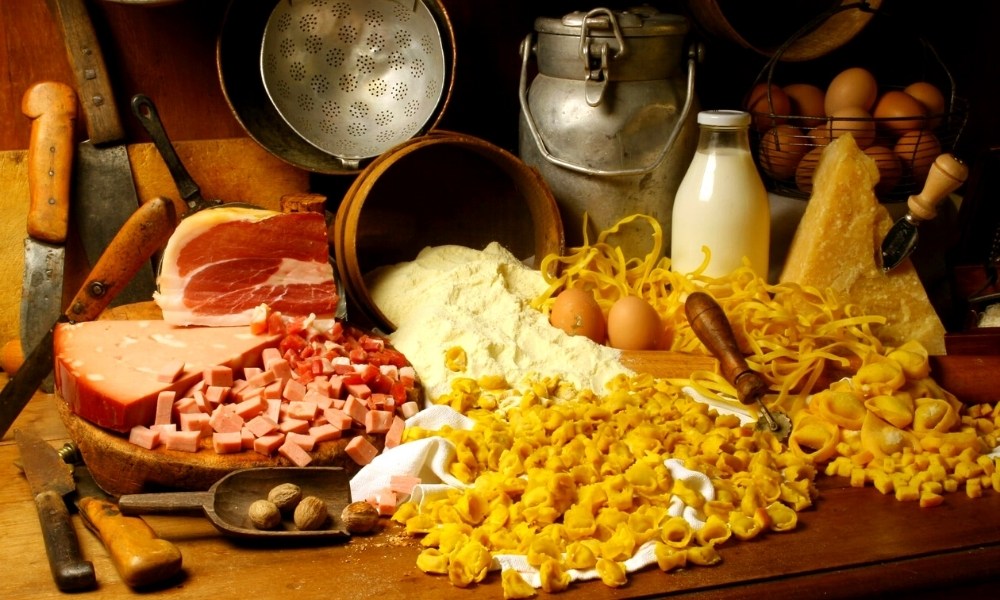
What to pair with the wines of Emilia Romagna? Emilia Romagna has always been considered the homeland of cuisine and abundance. The culinary tradition of Emilia Romagna is rich in flavorful dishes, cured meats, and cheeses, with products known worldwide.
Typical products of Emilia include Parmigiano Reggiano, Prosciutto di Parma, and balsamic vinegar of Modena, just to name a few. What to pair with the wines of Emilia Romagna in Bolognese cuisine? In Bologna, we find Mortadella IGP, the famous tortellini in broth, and tagliatelle with Bolognese sauce. In the hills of Modena and Bologna, tigelle and crescentine (or fried gnocchi) with cured meats, stracchino, and pickles are a must-try.
What recipes and dishes from Romagna to pair with the wines of Emilia Romagna? The most typical food of Romagna is surely piadina: thin in Rimini style or thick from Cesena to Ravenna, with squacquerone or herbs. A pride of Romagna is surely the cappelletti al ragù, with a cheese filling.
Wines of Emilia Romagna and gastronomy of Ferrara? In Ferrara, the culinary tradition boasts delicious pumpkin ravioli and tenerina: a luscious cake made only with chocolate, butter, and sugar.
What are the best Lambrusco wines?
What are the best Lambrusco wines? Choosing is a challenging task that inevitably falls within the limits of a subjective opinion, which, by definition, is deficient and arbitrary.
We have simply compiled a list of our favorite interpretations based on our evaluations. However, it is essential to emphasize that wine does not originate as a status symbol to be flaunted or displayed to the public.
But to excite us and be genuinely shared with the people we love, tied to contingent situations and the unique and intimate moments of our lives.
Therefore, we invite you to visit wineries and meet the producers who make unique wines so that you can discover and choose the wine that can be listed among your personal favorites. If you have had the patience to read this far, thank you for your attention, but now it is time to fill our glasses and sever distant hopes, and thus:
Cheers, Salute, Santé