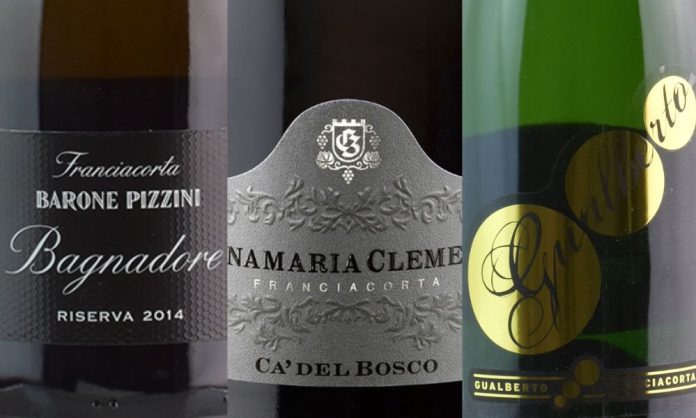
What are thebest Franciacortas? Discover our list with photos, descriptions, and tasting of the 20 best Franciacortas. From the most famous wines to the lesser-known ones from the best wineries. We will mention the best Franciacorta that we recommend.
INDEX:
BEST WINES OF FRANCIACORTA recommended by Jean Marco Palmieri
What are thebest Franciacortas? Discover the wines recommended by Italy’s Finest Wines.
The excellences that have marked the history of Franciacorta are truly many and any type of synthesis is inevitably lacking.
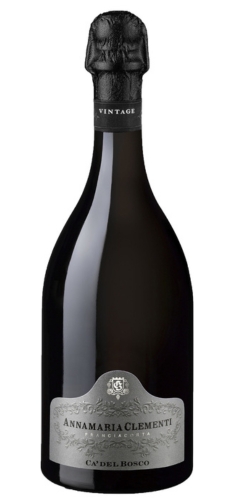
Ca’ del Bosco Annamaria Clementi Dosage Zéro 2016
Characteristics and palate:
Elegant and layered on the nose, with notes of candied citrus, dried flowers, bread crust, hazelnut and light smoky hints. The palate is tense and creamy, driven by precise freshness and an extremely fine perlage. Full-bodied yet refined, with a long, savoury and polished finish.
Vinification and ageing:
Selection of the estate’s finest grapes from certified organic vineyards. Fermentation in small oak barrels followed by around 6 months ageing of the base wines. Secondary fermentation in bottle according to the Traditional Method, with about 8 years on the lees. Disgorged with no dosage.
Grapes:
Chardonnay, Pinot Bianco, Pinot Nero.
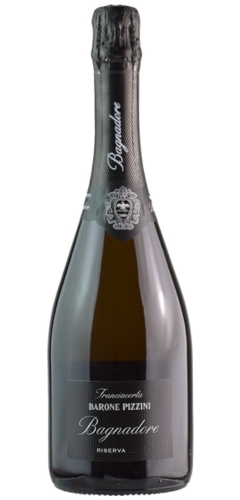
Barone Pizzini Pas Dosé “Bagnadore” 2016
Characteristics and palate:
Fresh and direct aromatic profile, with floral notes, citrus fruits and small red berries. Hints of bread crust and subtle spice emerge. On the palate it is broad and structured, with a fine and continuous perlage, well-integrated acidity, good tension and medium-long persistence.
Vinification and aging:
Gentle pressing, alcoholic fermentation in stainless steel. A portion of the wine is aged for 6 months in barrique and 6 months in stainless steel. Second fermentation in bottle according to the Traditional Method. Aging on lees for a minimum of 60 months.
Grapes:
Chardonnay 50%, Pinot Nero 50%
Freccianera Casa delle Colonne Brut 2016
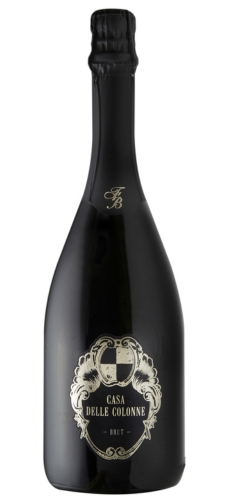
Characteristics and palate:
Intense and complex aromatic profile, with floral notes, candied citrus and subtle hints of bakery and melted butter. On the palate it is creamy and structured, with vibrant and well-integrated acidity. Distinct mineral texture and marked sapidity, supported by fruity returns. Long and persistent finish with a saline and mineral-driven closure.
Vinification and aging:
Traditional Method from Chardonnay and Pinot Noir. Aging on lees for 90 months.
Grapes:
Chardonnay 80%, Pinot Noir 20%
Ricci Curbastro Franciacorta Dosaggio Zero Gualberto 2016
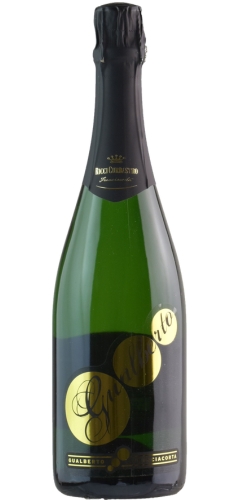
Characteristics and palate:
Fragrant aromatic profile with notes of elderflower, hawthorn and yellow peach, followed by bread crust and melted butter. On the palate the effervescence is creamy and textural, with well-defined acidity supporting the progression and extending the sip. Good sapid component with iodized returns and high persistence.
Vinification and aging:
Traditional Method with extended aging on lees.
Grapes:
Pinot Noir 60–70%, Chardonnay 30–40%
Castello Bonomi Franciacorta Dosage Zero 2017
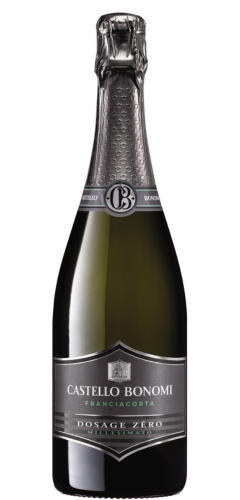
Characteristics and palate:
Aromatic profile focused on candied orange peel, aromatic herbs, melted butter and bread crust notes. On the palate it is broad and well-structured, with a pronounced iodized sapid streak and marked acidity supporting the sip. Fine and silky mousse, with good depth and persistence.
Vinification and aging:
Traditional Method. Aging on lees for a minimum of 48 months.
Grapes:
Chardonnay 50%, Pinot Noir 50%
Uberti Franciacorta Extra Brut “Comari del Salem” 2018
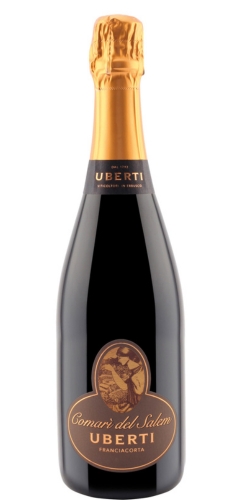
Characteristics and palate:
Aromatic profile of raisin bread, candied orange peel and melted butter. On the palate it is lively, with a fine and well-integrated mousse that adds breadth and roundness to the sip. Good gustatory tension with a long, persistent finish.
Vinification and aging:
Traditional Method. Aging on lees for 48 months.
Grapes:
Chardonnay, Pinot Bianco
Marchesine Franciacorta Satèn Millesimato 2019
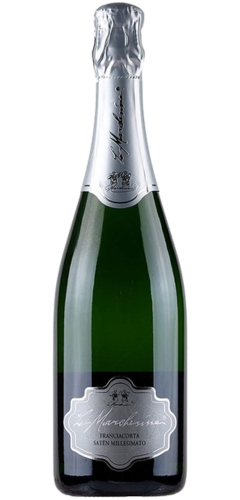
Characteristics and palate:
Aromatic profile of candied orange peel, elderflower, fragrant croissant, toasted hazelnut and subtle chalky notes. On the palate it is creamy and structured, with a well-integrated, textural mousse. Good acid backbone, iodized sapid streak and a long, fresh and balanced finish.
Vinification and aging:
Traditional Method.
Grapes:
Chardonnay 100%
Monte Rossa Franciacorta “Cabochon” 2019
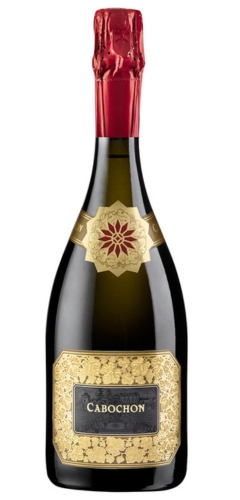
Characteristics and palate:
Aromatic profile of redcurrant, white peach, sage, pastry and subtle hydrocarbon notes. On the palate it is broad and structured, fresh and dynamic, with a marked iodized sapid character that extends the sip. Good complexity and depth, with a long, coherent aromatic finish.
Vinification and aging:
Alcoholic fermentation in 250-liter oak casks, followed by second fermentation in bottle according to the Traditional Method. Aging on lees for 54 months.
Grapes:
Chardonnay 70%, Pinot Noir 30%
Faccoli Franciacorta Dosaggio Zero DOCG NV
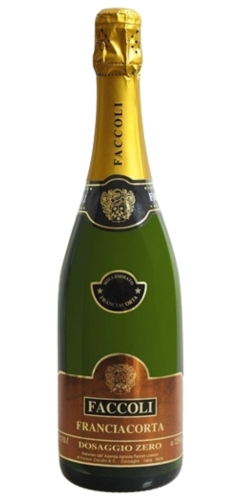
Characteristics and palate:
Aromatic profile of yellow peach, dried apricot, linden honey, juniper, bread crust and melted butter. Good aromatic complexity with a mature but clean expression. On the palate it is soft and enveloping, supported by well-integrated sapidity that brings balance and continuity to the sip.
Vinification and aging:
Traditional Method. Aging on lees for 48 months.
Grapes:
Chardonnay 65%, Pinot Bianco 30%
Arici Franciacorta “Uno” Colline della Stella NV
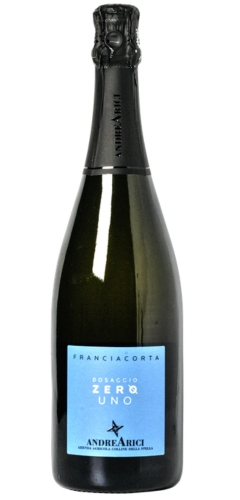
Characteristics and palate:
Aromatic profile of peach, candied apricot, ginger, bitter almond and melted butter. Good aromatic definition with a mature but balanced style. On the palate it is full and soft, supported by well-present acidity that extends the progression. Long finish with returns of candied fruit and a subtle mineral nuance.
Vinification and aging:
Traditional Method.
Grapes:
Chardonnay 90%, Pinot Noir 10%
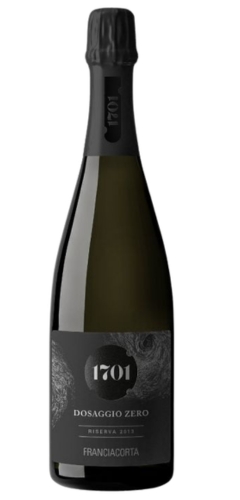
1701 Franciacorta Dosaggio Zero 2019
Characteristics and palate:
Aromatic profile of yellow-fleshed fruit, viennoiserie, sweet spices and bread crust notes. Good aromatic complexity with a mature and well-defined style. On the palate it is enveloping and silky, with vibrant acidity and a creamy texture. Excellent persistence and good depth on the finish.
Vinification and aging:
First fermentation with indigenous yeasts, 80% in stainless steel and 20% in third-pass French oak barriques. Aging on lees for a minimum of 72 months.
Grapes:
Chardonnay 90%, Pinot Noir 10%
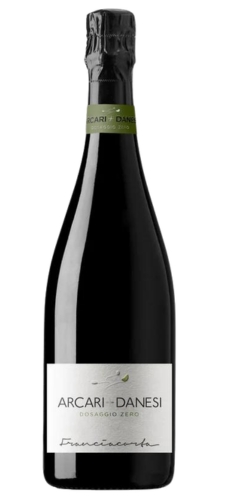
Arcari Danesi Franciacorta Dosaggio Zero 2020
Characteristics and palate:
Aromatic profile of candied white-fleshed fruit, linden honey, chalky notes and fragrant croissant. Fine and precise style. On the palate it is silky and lively, with well-integrated acidity supporting freshness and progression. Sapid-fruity finish with good balance and persistence.
Vinification and aging:
Traditional Method. Aging on lees for 31 months.
Grapes:
Chardonnay 100%
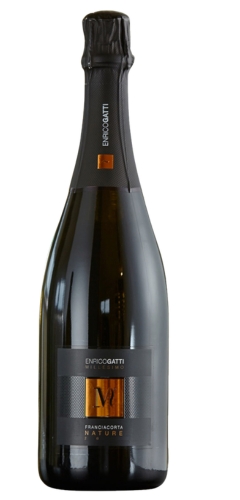
Enrico Gatti Franciacorta Brut Nature 2018
Characteristics and palate:
Aromatic profile of candied fruit, tropical fruit and fine pastry. Good aromatic complexity with a mature and layered expression. On the palate it is broad and well-structured, supported by vibrant acidity and a balanced sapid component. Fine and well-integrated mousse, with good continuity and medium-long persistence.
Vinification and aging:
Traditional Method.
Grapes:
Chardonnay 85%, Pinot Noir 15%
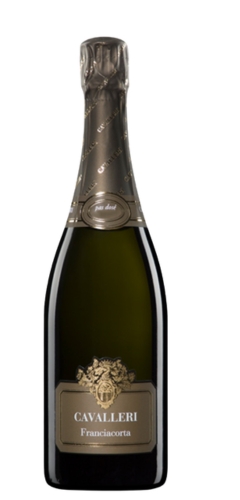
Cavalleri Franciacorta Pas Dosé 2020
Characteristics and palate:
Aromatic profile of elderflower, ginger, candied orange peel, viennoiserie and melted butter. Clear and well-defined style with a complex but clean expression. On the palate it is enveloping and creamy, showing a good balance between vibrant acidity and sapid tension. Fine, well-integrated mousse with good persistence.
Vinification and aging:
Traditional Method. Aging on lees for a minimum of 52 months.
Grapes:
Chardonnay 100%
Muratori Franciacorta Brut Riserva “Millè” 2013
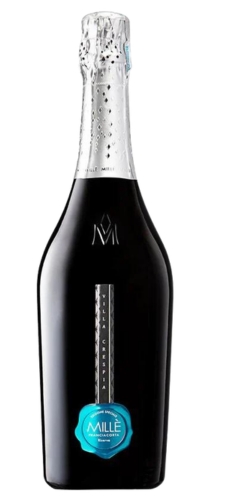
Characteristics and palate:
Citrus-driven aromatic profile with hints of lavender, blackcurrant, wild strawberries, toasted almond and viennoiserie. Good complexity and aromatic definition. On the palate it is creamy and precise, with a fine and well-integrated mousse. Vibrant acidity and a pronounced iodized sapid character support the sip through a long, tense and refreshing finish.
Vinification and aging:
Traditional Method. Aging on lees for over 60 months.
Grapes:
Chardonnay 100%
Bellavista Franciacorta “Vittorio Moretti” 2016
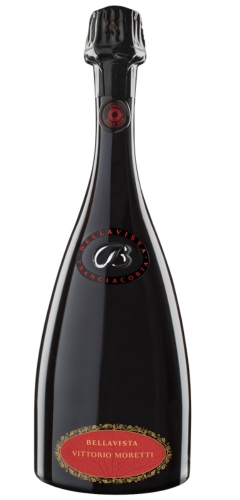
Characteristics and palate:
Aromatic profile of candied fruit, tropical fruit and fine pastry. Good aromatic complexity with a coherent progression. On the palate it is broad and structured, supported by incisive acidity and a well-integrated sapid component. Fine, continuous mousse with a long finish and well-defined aromatic development.
Vinification and aging:
Traditional Method. Aging on lees for 72 months.
Grapes:
Chardonnay 58%, Pinot Noir 42%
Mosnel Franciacorta Rosé Pas Dosé “Parosé” 2019
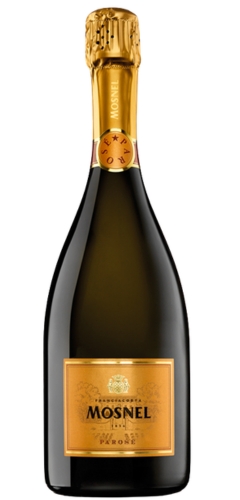
Characteristics and palate:
Aromatic profile of raspberry, rose water, viennoiserie and hints of marzipan. Fine and elegant aromatic definition. On the palate it is vibrant and enveloping, supported by a marked sapid component and well-integrated acidity. Fine, textural mousse with a long, coherent finish.
Vinification and aging:
Traditional Method. Aging on lees for 60 months.
Grapes:
Pinot Noir 40%, Chardonnay 60%
Ferghettina Franciacorta Pas Dosé Riserva “33” 2016
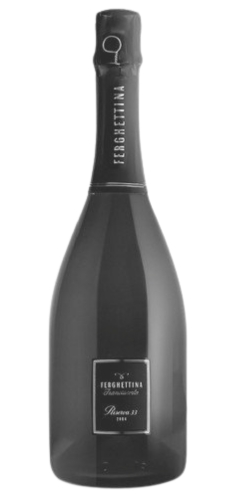
Characteristics and palate:
Aromatic profile of wild strawberry, wild raspberry, herbal notes and hints of viennoiserie. Good aromatic complexity with a clear and well-articulated progression. On the palate it is tense and structured, with a textural mousse and incisive acidity. Pronounced sapid component and a long finish focused on fruity returns.
Vinification and aging:
Traditional Method. Aging on lees for 50 months.
Grapes:
Chardonnay 100%
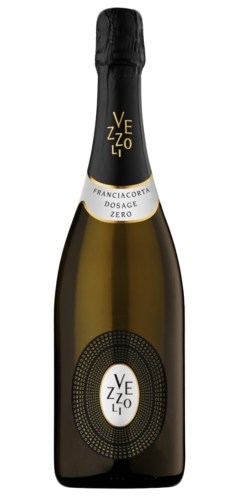
Vezzoli Franciacorta Dosage Zero NV
Characteristics and palate:
Aromatic profile of white peach, elderflower, pink grapefruit and bread crust. Clear and precise aromatic definition with a fresh and direct style. On the palate it is tense and linear, with a fine and persistent mousse. Well-defined acidity with a citrus-driven finish.
Vinification and aging:
Traditional Method.
Grapes:
Chardonnay 50%, Pinot Noir 50%
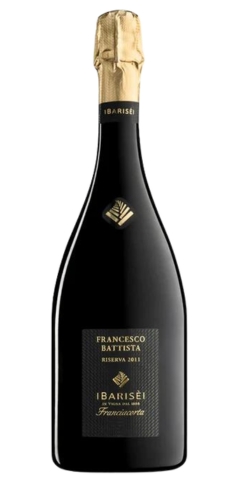
I Barisei Franciacorta Riserva Francesco Battista 2014
Characteristics and palate:
Aromatic profile of elderflower, linden, Mediterranean scrub, brioche and melted butter. Fine aromatic definition with a slightly evolved style. On the palate it is lively and crisp, supported by well-present acidity and a clear sapid component. Silky, continuous mousse with a long and coherent finish.
Vinification and aging:
Traditional Method. Aging on lees for 40 months.
Grapes:
Chardonnay, Pinot Noir
FRANCIACORTA DOCG
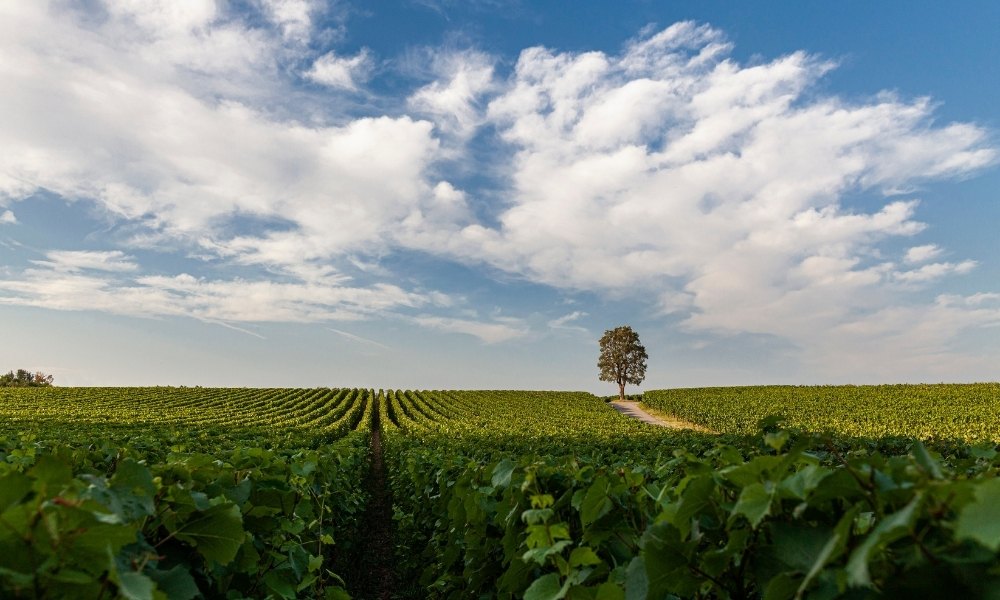
What are the best Franciacortas? Let’s first find out what Franciacorta is. Franciacorta DOCG is certainly the most iconic Italian sparkling wine denomination with the greatest international resonance.
The origins of sparkling wine production in Franciacorta are ancient, as demonstrated by the studies on refermentation in the bottle conducted in 1570 by the Brescian doctor Gerolamo Conforti. However, the modern success can be attributed to the work of Franco Ziliani with the Guido Berlucchi winery, who bottled the first bottle of modern Franciacorta wine in 1961.
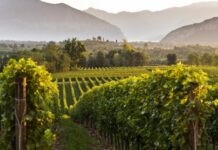
The Franciacorta DOCG(recognized in 1995) is a classic method sparkling wine produced on an area of approximately 2900 hectares in the province of Brescia in the territory of Franciacorta, in Lombardy.
The Franciacortais are produced mainly from Chardonnay and Pinot Noir but also complementary vines such as the international Pinot Bianco and the native Erbamat. The minimum period of refinement on the lees is 18 months, which becomes 30 for the vintage version and 60 for the reserve version.
In addition to the rosé version, the Franciacorta is also produced in the the Saten version, exclusively brut, and which requires lower pressure which determines a more silky and enveloping effervescence. Let’s discover the best Franciacorta.
ABBINAMENTO VINO FRANCIACORTA
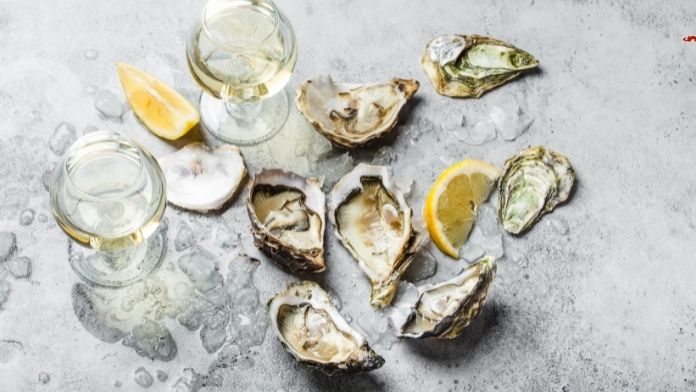
How to pair it with the best Franciacorta? Franciacortas are among the most versatile of all, suitable both for an aperitif and in combination with simple and complex dishes.
To pair Franciacorta wines, it must be borne in mind that theCO2 and the marked acidity of these wines have a cleansing power capable of mitigating the greasiness and greasiness of the food. For this reason they are also particularly ideal with drying.
Furthermore, the flavor of these wines is ideal for harmonizing the sweet tendency of the dishes. Some examples of pairing food and Franciacorta wine can be first courses with shellfish and seafood (especially oysters), but also cold cuts, and moderately structured white meat-based dishes.
For example, try an exotic combination, a Franciacorta Satèn with Sushi. The combination of Franciacorta with the classic Saffron Risotto is very engaging but can also be experimented with rich risottos such as Risotto with prawns creamed in lard.
The combination of Franciacorta with truffle egg or with Pasta alla Carbonara is sensational.
The aroma and freshness of a Blanc de Blancs sparkling wine can also be very convincing with spicy cuisine, such as Indian and Thai cuisine. Try pairing it with Pizza con Bufala Campana, or with fried seafood.
The combination of Franciacorta with matured cheeses and flowered and washed cheeses is very interesting so that the fatness and flavor are balanced by the freshness and effervescence of the wine. An interesting example could be the Franciacorta Pas DoséwithParmigiano Reggiano, or with Langres from Burgundy.
Quali sono i migliori Franciacorta?
What are the best Franciacortas? Choosing is an arduous undertaking, which however is inevitably subject to the limits of a subjective opinion, which as such, by definition, is deficient and arbitrary.
We have simply drawn up a list of our favorite interpretations according to our evaluations. However, it remains essential to underline that wine was not born as a status symbol, to be exhibited or shown off coram populo.
But to get excited and be shared genuinely with the people we love, connecting to contingent situations and the unrepeatable and intimate moments of our lives.
Therefore, we invite you to visit wineries and get to know the producers who produce wines in their uniqueness, so that you can discover and independently choose the wine that can be counted among your favorite wines for you. If you have had the patience to read this far, I thank you for your attention, but now is the time to fill the glasses and cut off distant hopes, therefore:
Cheers, Health, Santé
Jean Marco Palmieri