Wine Tour at Vino al Vino:
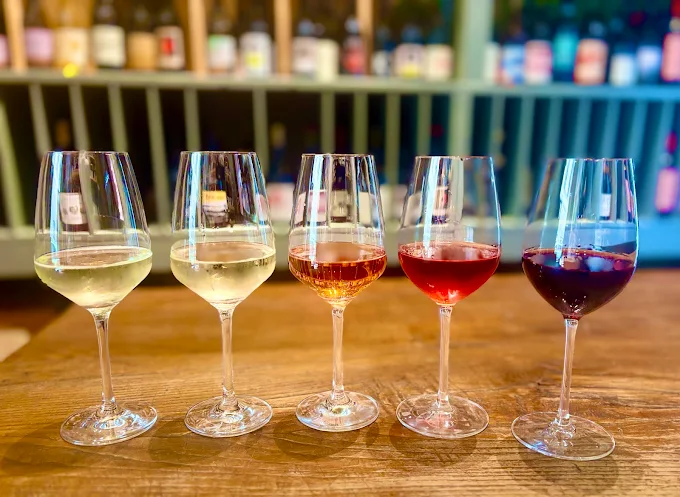
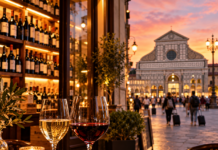
Our wine tour takes place at Vino al Vino, wine store located in the city center of Florence, just a 10-minute walk from the Duomo, Ponte Vecchio, and the Uffizi Gallery.
Wine Tour in Florence Details:
📍 Vino al Vino | Click Here for Directions
🕒 Duration: 1 to 1.5 hours
🍷 Wine Tour Includes:
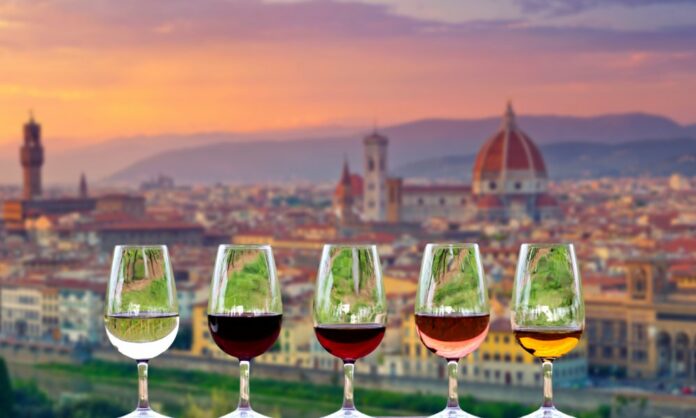
• 1 Sparkling Wine
• 1 White Wine
• 1 Orange Wine
• 2 Red Wines
💰 Price: €25 per person
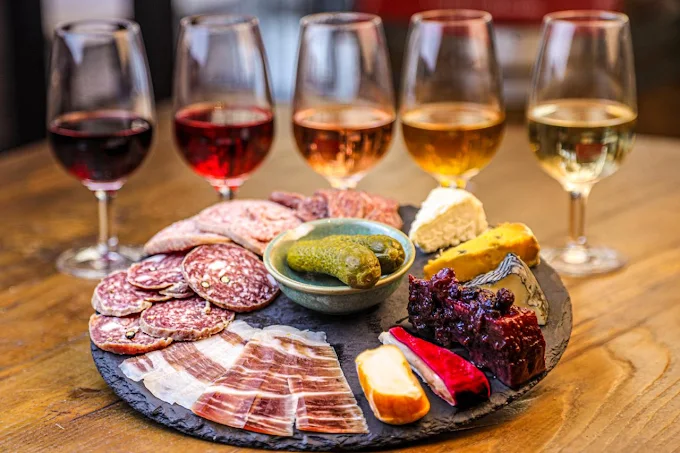
🧀 Optional: Cheese Plate – €19
🕰️ Opening Hours: 11:00 AM – 3:00 PM | 4:30 PM – 9:00 PM
Come taste a curated selection of Italy’s most iconic wines — from traditional labels to hidden gems — guided by passionate sommeliers in the center of Florence.
BOOK YOUR WINE TOUR IN FLORENCE NOW
You can send us a message on:
Instagram @vinoalvinofirenze
or text us on:
WhatsApp: +390552670495
Directions on Google Maps
Click the button below to open the route to our location in Google Maps and start navigation.
Open in Google Maps →WE ALSO SHIP WINES WORLDWIDE
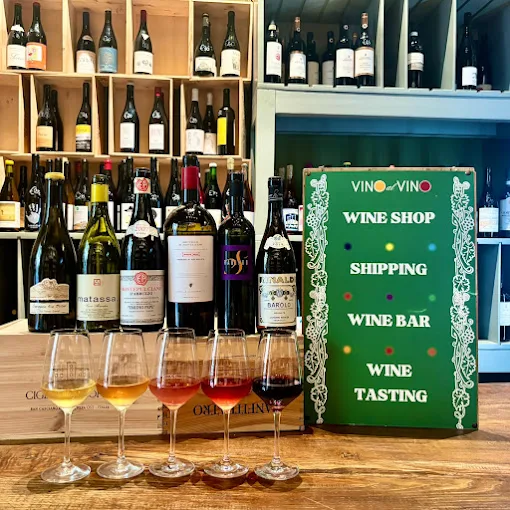
Are you looking for a wine tour in Florence City Centre? Vino al Vino is the wine bar for you.
At Vino al Vino you can discover Italian wines guided by an expert sommelier that will introduce you to the main Italian grapes varieties, wine styles, and wine regions of Italy.
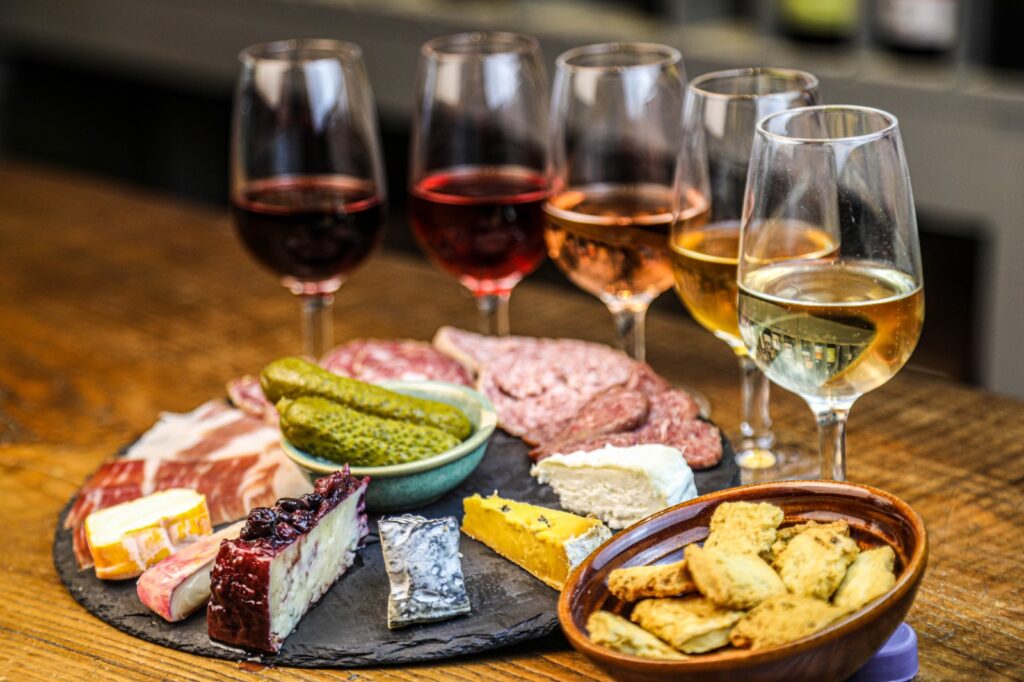
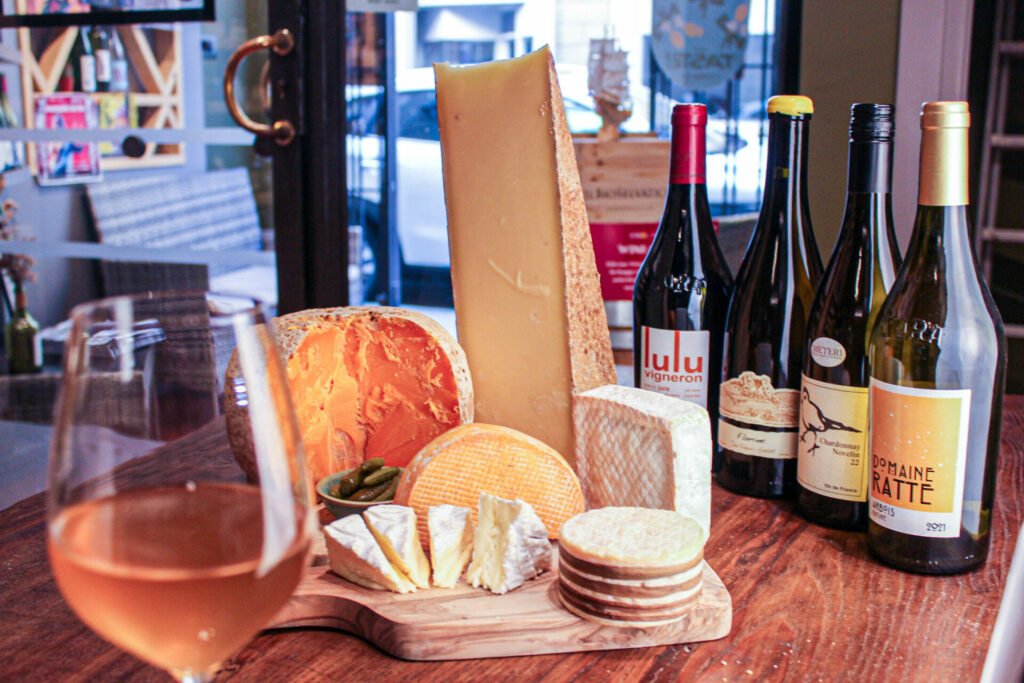
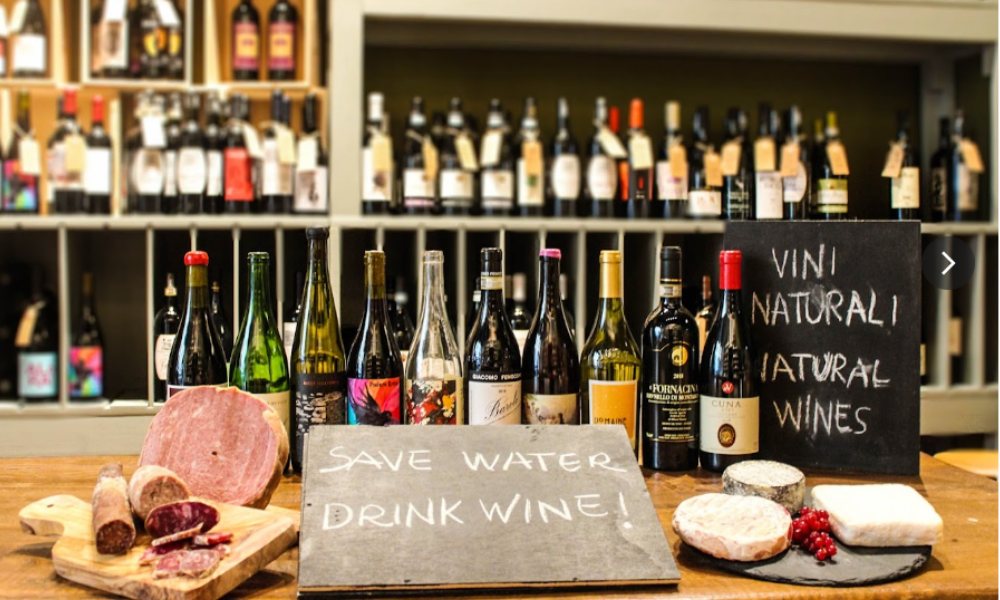
In addition to the wine tour in the Florence city center at the wine bar Vino al Vino,” you can enjoy an artisanal selection of charcuterie and cheeses.
Instagram: @vinoalvinofirenze
WhatsApp: + 39 0552670495
How to Taste Wine: A Beginner’s Guide
A wine experience might seem intimidating at first, but it’s really just about enjoying what’s in your glass and discovering new flavors. Whether you’re into natural, artisanal wines or classic bottles, this simple guide will help you taste like a pro—without the pressure. If you’re new to this, joining a wine tour in Florence can be a great way to start your journey, surrounded by some of the best wines Tuscany has to offer.
Phase 1: Look — See What’s in Your Glass
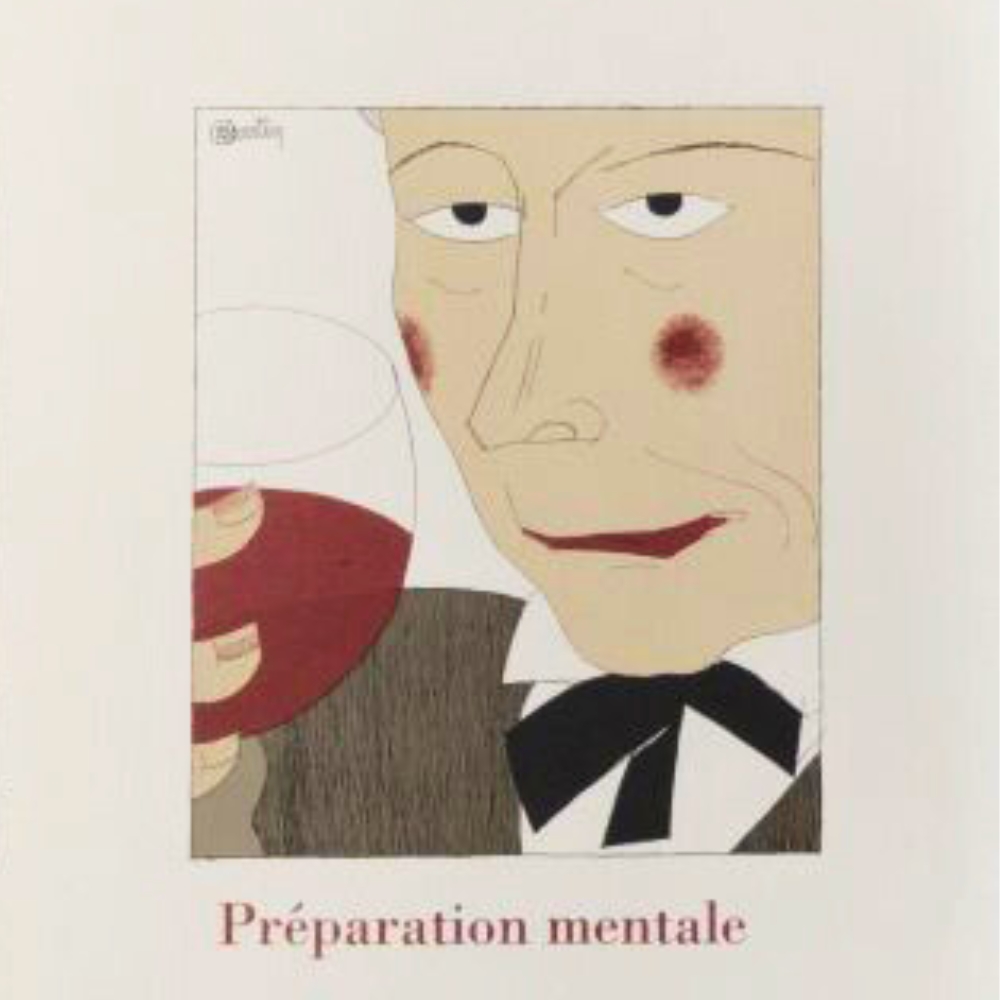
Start by holding your glass up to the light or against a white background. Observe the color and clarity. Natural wines sometimes look a bit cloudy or hazy, which is totally normal and part of their unique character. Notice the shade—lighter wines tend to be fresher and younger, while deeper colors can mean more aging or richer flavors.
Tilt your glass and watch how the wine drips down the side. These “legs” or “tears” can hint at the alcohol or sugar content—the slower they fall, the more body the wine usually has. This is something you’ll often learn about during a wine tour in Florence, especially when sampling local Chianti Classico or other Tuscan varieties.
Phase 2: Smell — Take a Good Sniff
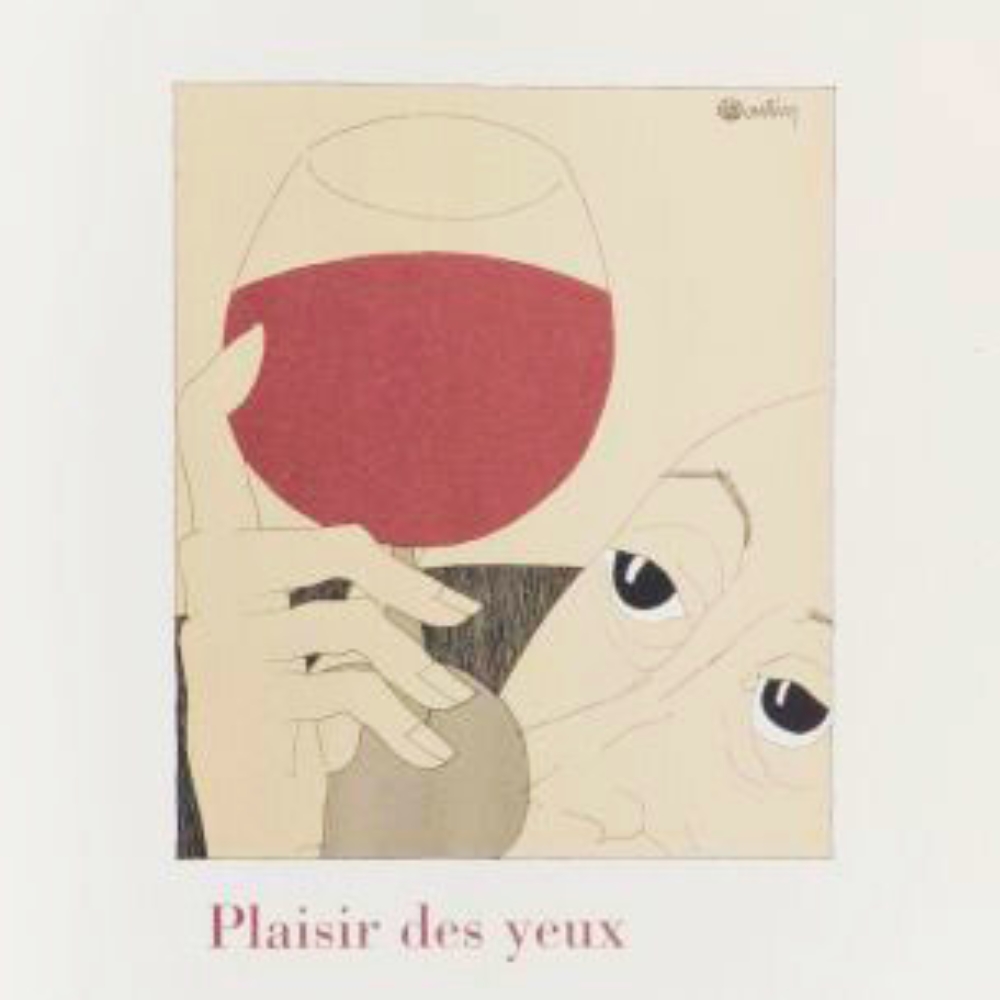
Bring the glass to your nose and take a gentle sniff. Wines—especially natural and artisanal ones—can have all kinds of aromas: fruity, floral, earthy, or even funky.
Don’t worry if you detect unusual scents; it’s part of what makes wine tour interesting.
Swirl the wine gently to release more aromas, then sniff again. Try to pick out different notes, like citrus, herbs, spices, or vanilla. It’s like getting to know the wine’s personality—a key step you’ll enjoy at any wine tour in Florence event, where experts guide you through the aromas.
Phase 3: Sip — Taste and Explore
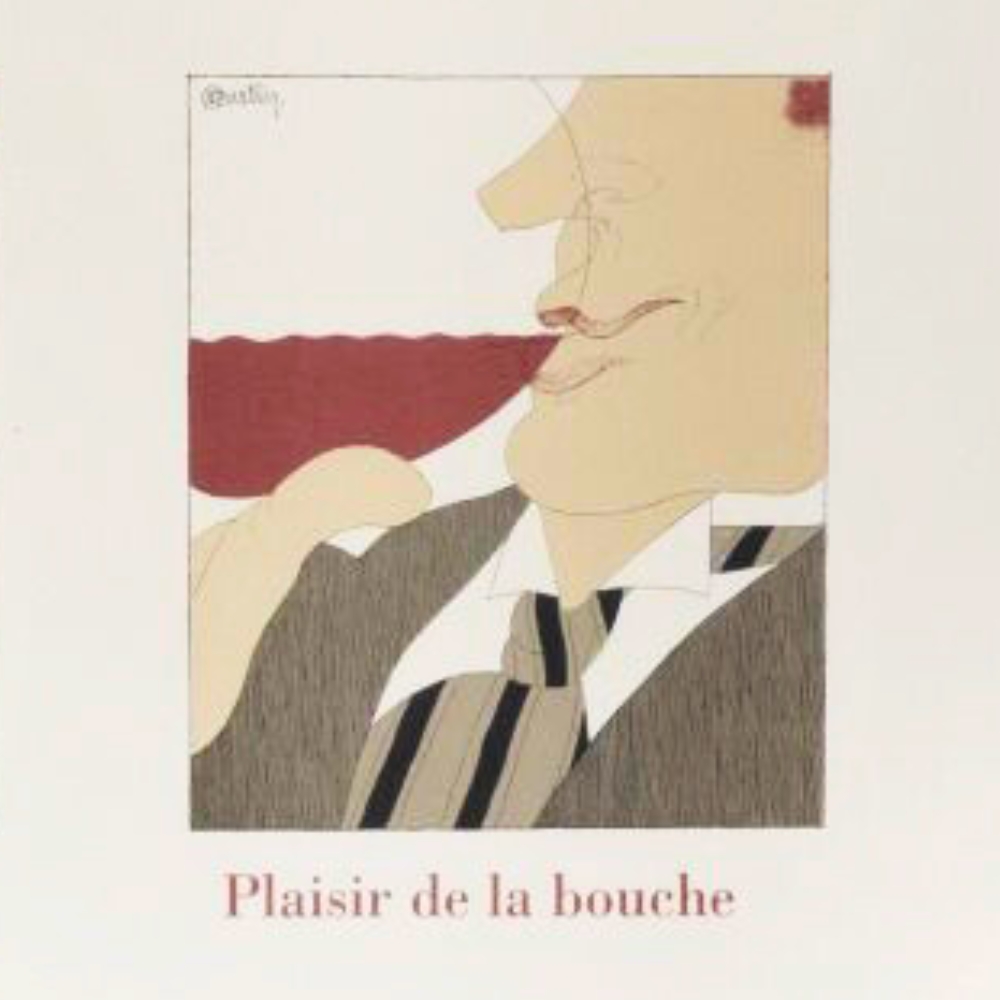
Take a small sip and let the wine flow across your tongue. Notice the balance of sweetness, acidity, bitterness, and tannins (those dry, puckery sensations). Natural wines can be unpredictable—sometimes bright and zesty, other times soft and creamy.
Try “chewing” the wine by moving it around your mouth and breathing through your nose at the same time. This helps you catch more complex flavors.
After swallowing (or spitting if you prefer), pay attention to the finish—the lingering taste left behind. A long finish usually means the wine has depth and character. These techniques are often practiced during a wine tour in Florence, where you can compare wines side by side.
Phase 4: Enjoy — Trust Your Own Taste
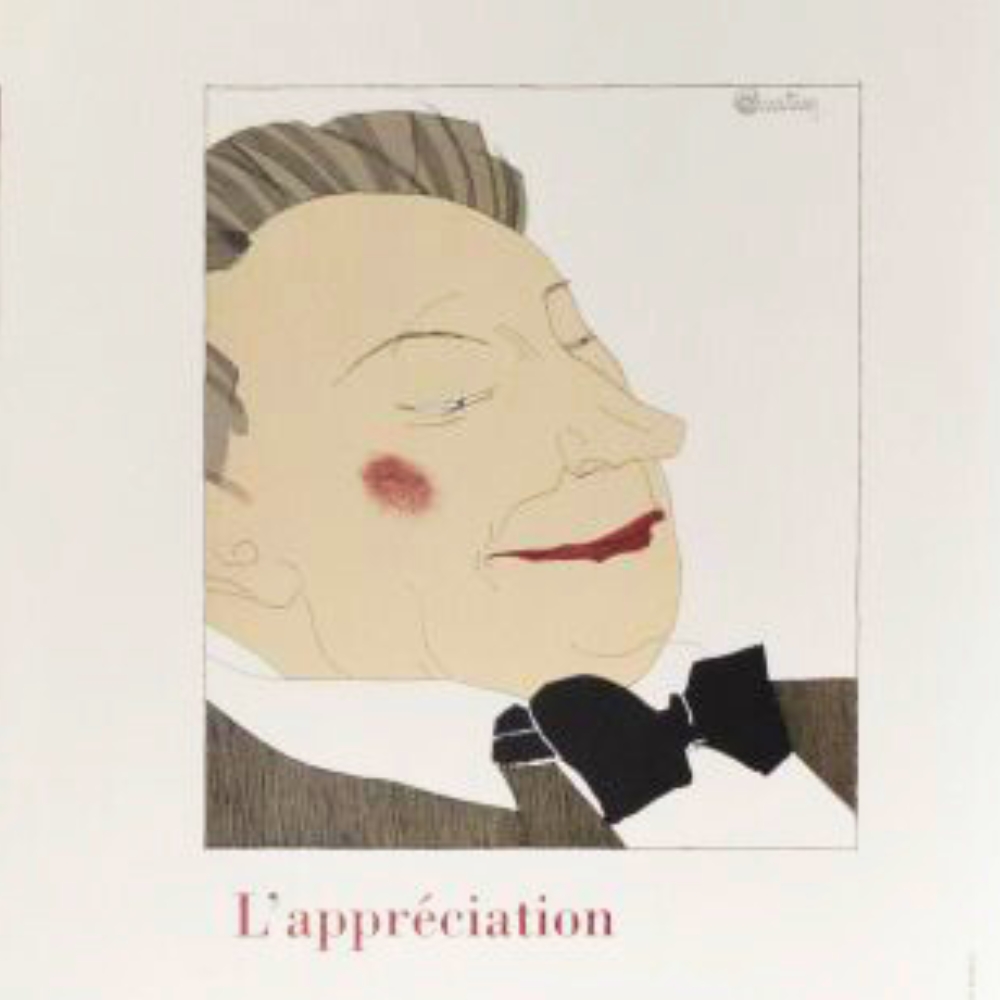
The most important thing is what you think. If you like it, that’s all that matters. Natural wines celebrate variety and uniqueness, but classic wines have their own magic too.
Feel free to take notes or just remember what you enjoyed.
Wine tour is best when shared, so talk about your discoveries with friends or fellow enthusiasts. It’s all part of the fun and a big reason why a wine tour in Florence is such a memorable experience.
Bonus Tip: Keep It Relaxed
Wine tour isn’t a test or a competition. It’s about curiosity and pleasure. So don’t stress about “doing it right.” Sip slowly, enjoy the moment, and let your palate guide you.
Ready to explore the world of wine? Whether at home or during a wine tour in Florence, pour a glass, take your time, and enjoy the journey.
Wine Tour Experience in Florence city Center
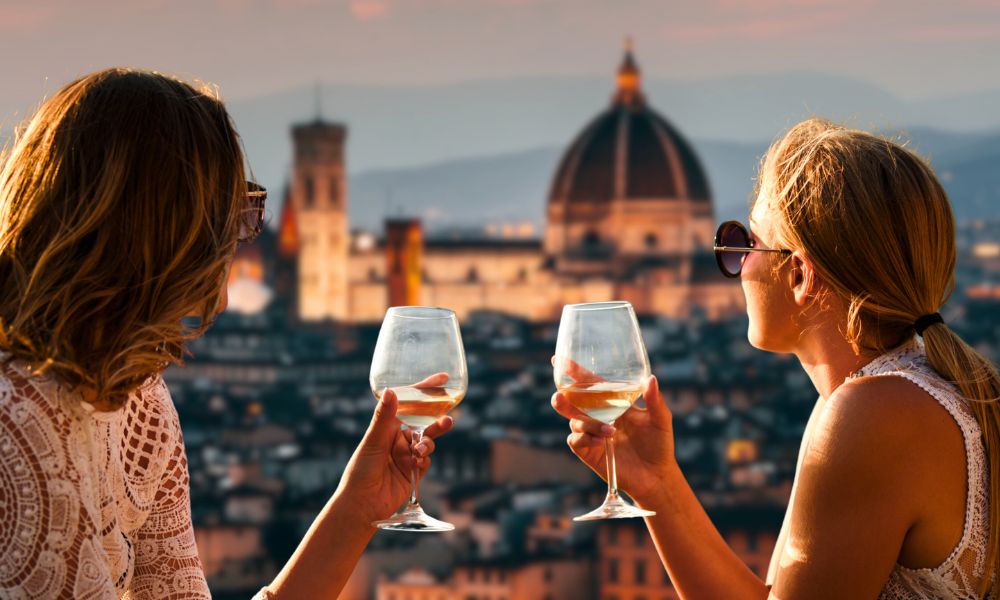
A wine tour in Florence is more than just a tour — it’s a way to connect with the soul of Tuscany. You’ll discover artisan wines from small local producers, deeply rooted in the region’s history, landscape, and traditions. From Chianti Classico to Brunello di Montalcino and beyond, each glass tells a story of place and passion. Enoying these wines in the heart of Florence adds emotional value: the flavors, aromas, and stories become part of your journey, creating lasting memories and a personal connection to the territory.
After the wine tour you can choose your favorite wines to enjoy during your trip or have them shipped home, making the experience even more personal and unforgettable.
Italian Sparkling Wine Tour in Florence
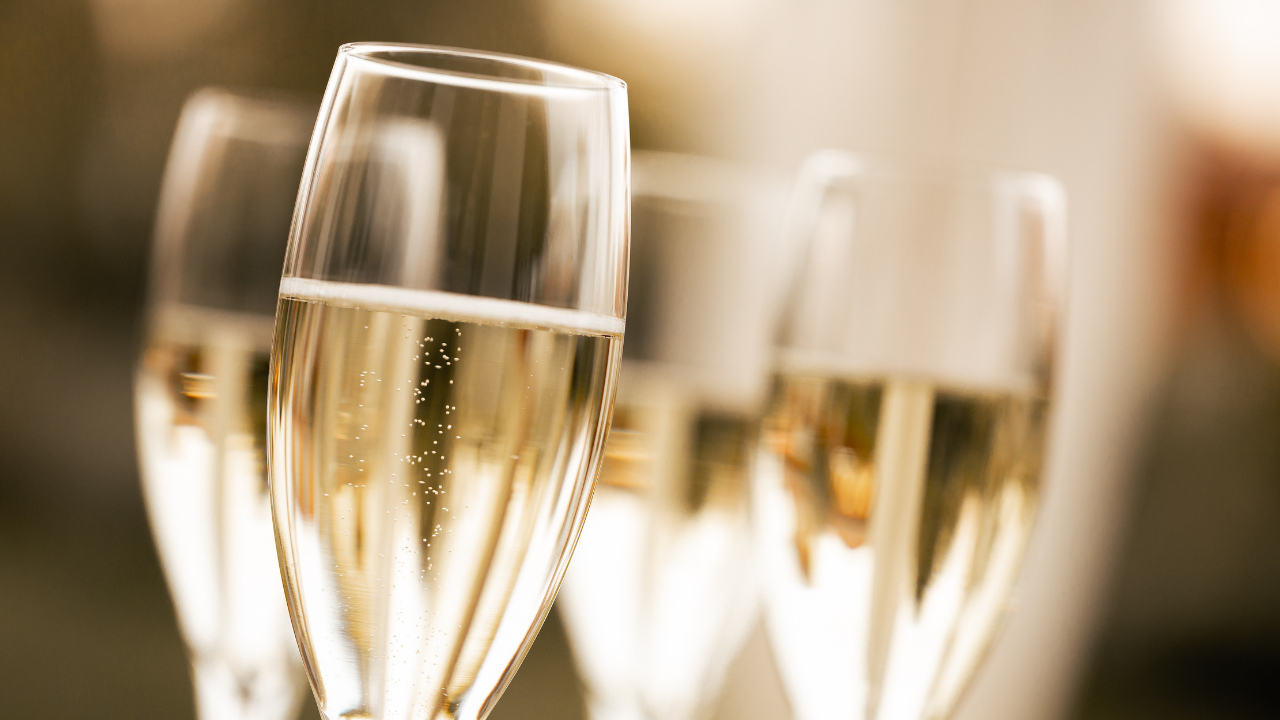
Italy boasts several sparkling wines, ranging from Prosecco, obtained from the Charmat method, and traditional method sparkling wines such as Franciacorta, Oltrepò Pavese, Trento DOC, or Alta Langa.
At Vino al Vino you can also find Ancestral Method sparkling wines, obtained without filtering (and therefore they result cloudy) and adding sugars.
Italian Light Bodied White Wine
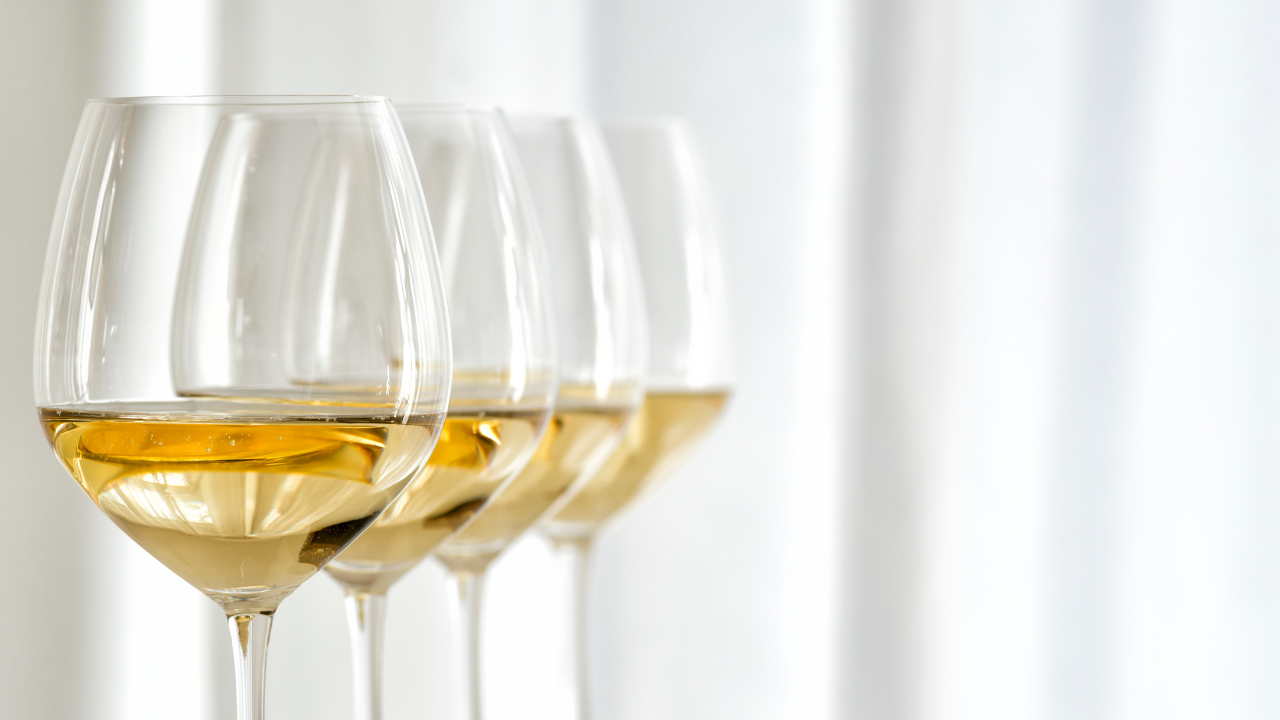
Light Bodied white wines are usually distinguished by low alcohol content, they can be fruity-forward, often unoaked, and easy to drink.
Amongs this category you can try italian wines such as Soave, Falanghina, Pecorino, Pinot Grigio, Müller Thurgau etc.
Italian Full Bodied White Wine
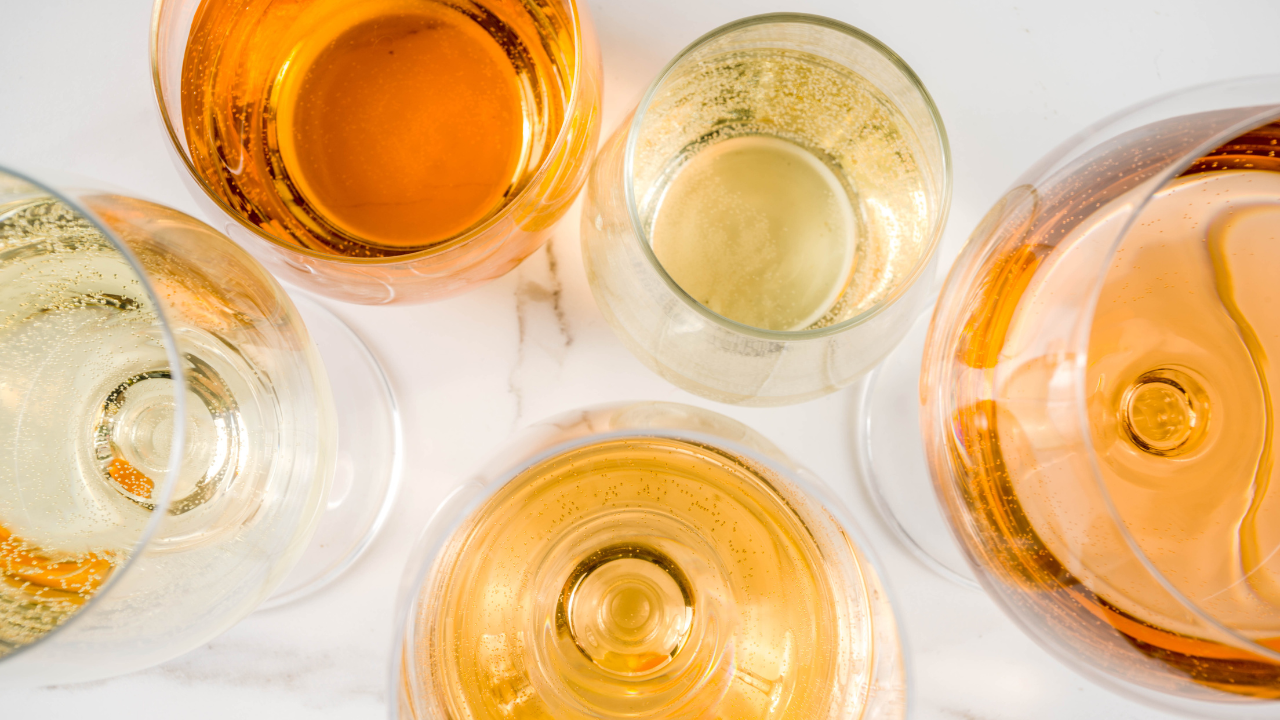
Full-bodied white wines are characterized by high-alcohol level content, they can be oaked and very complex. Amongs this category you can try italian wines such as Vernaccia di San Gimignano, Friulano, Timorasso, Trebbiano, Vermentino etc.
This category also includes skin-contact white wines (aka. Orange wines), which are obtained by extracting color and tannins from the skin of the white grapes, resulting in unusually well-structured white wines featuring a slightly bitter flavor.
Italian Light Bodied Red Wine
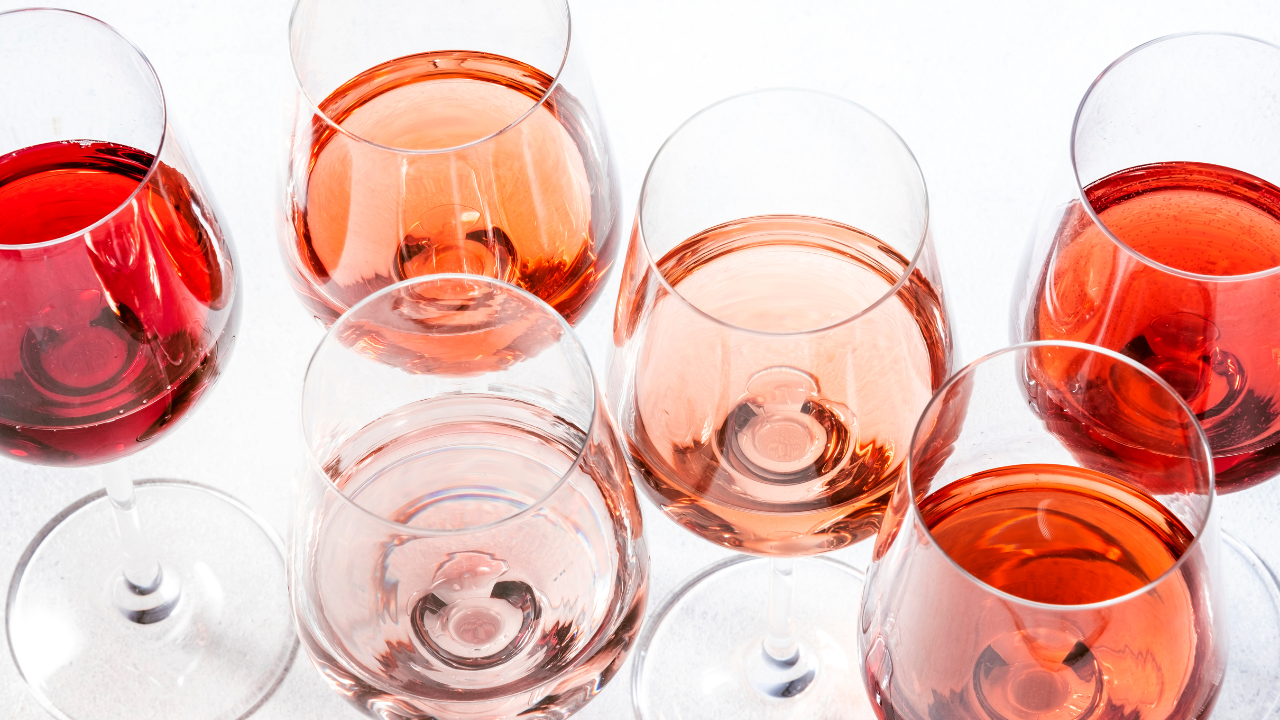
Light Bodied red wines are usually distinguished by low alcohol content, often unoaked, and easy to drink.
This category includes italian wines such as Schiava, Valpolicella, Dolcetto, Nerello Mascalese, Lambrusco etc.
Italian Full Bodied Red Wine Tour in Florence
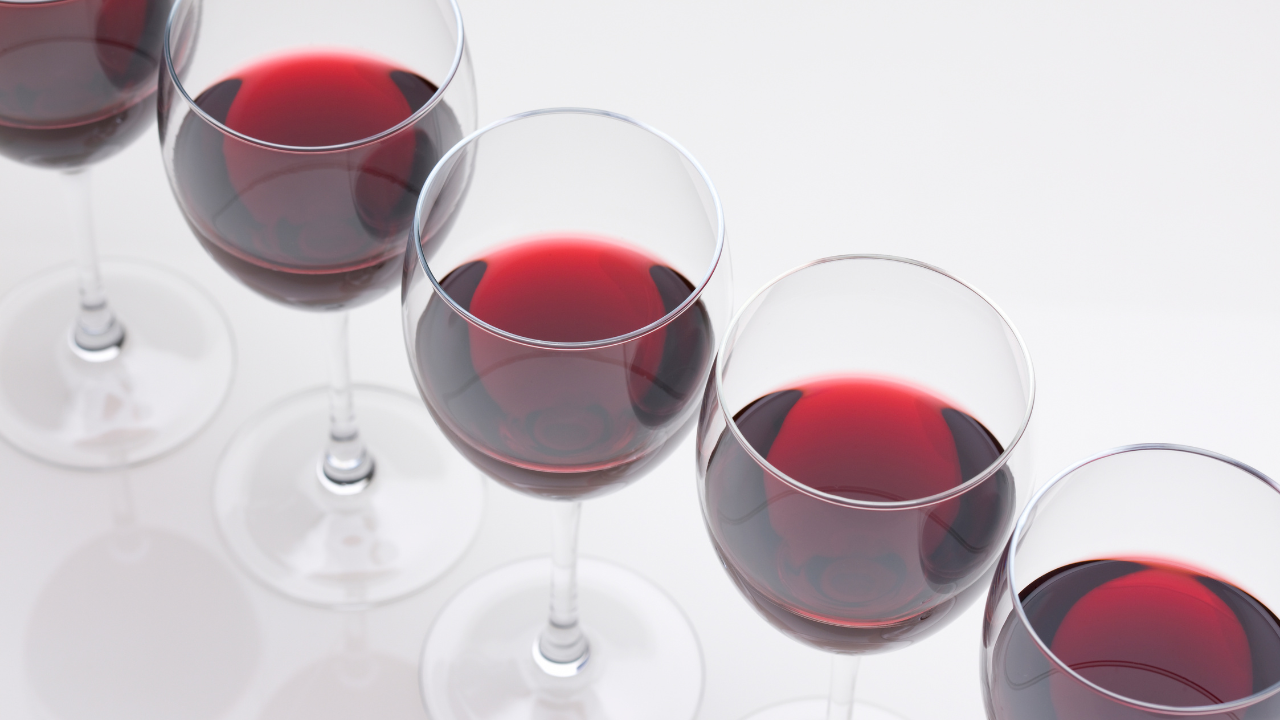
Full-bodied red wines are characterized by high-alcohol level content, they can be oaked and very complex.
Amongs this category you can try italian wines such as Sangiovese, Nebbiolo, Montepulciano, Primitivo etc.