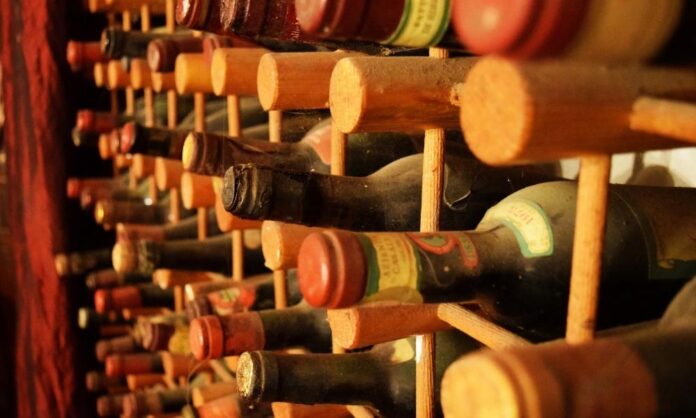
Discover the ranking of the best Barbaresco vintages from 1968 to today, with ratings indicated in stars. Barbaresco vintages are classified from the highest excellence of five stars, reserved exclusively for the best years, down to one star for the less favorable vintages. By consulting the vintage ratings, you can choose which Barbaresco to purchase.
Barbaresco Vintage Chart
1970✭✭✭✭
1971✭✭✭✭✭
1972
1973✭✭
1974✭✭✭✭✭
1975✭✭
1976✭✭
1977✭✭
1978✭✭✭✭✭
1979✭✭✭✭
1980✭✭✭✭
1981✭✭✭
1982✭✭✭✭✭
1983✭✭✭✭
1984✭✭
1985✭✭✭✭✭
1986✭✭✭
1987✭✭
1988✭✭✭✭✭
1989✭✭✭✭✭
1990✭✭✭✭✭
1991✭✭✭
1992✭✭
1993✭✭✭
1994✭✭
1995✭✭✭✭
1996✭✭✭✭✭
1997✭✭✭✭
1998✭✭✭✭1/2
1999✭✭✭✭✭
2000✭✭✭✭/1/2
2001✭✭✭✭✭
2002✭
2003✭✭✭
2004✭✭✭✭✭
2005✭✭✭✭
2006✭✭✭✭✭
2007✭✭✭✭✭
2008✭✭✭✭1/2
2009✭✭✭1/2
2010✭✭✭✭✭
2011✭✭✭/1/2
2012✭✭✭✭/1/2
2013✭✭✭✭✭
2014✭✭✭
2015✭✭✭✭/1/2
2016✭✭✭✭✭
2017✭✭✭✭
2018✭✭✭✭
2019✭✭✭✭✭
2020✭✭✭✭
2021✭✭✭✭✭
2022✭✭✭✭
2022 – Best Barbaresco Vintages
Climate: The winter had very little precipitation, with only a light snowfall in December. Spring was dry, and intense, dry heat began in May, continuing throughout the summer with temperatures often above 35 °C, causing stress, especially in the best-exposed vineyards.
Wines: Despite the challenging climate, the wines are balanced, with good structure and freshness, showing a moderate aging potential.
Rating: ✭✭✭✭
2021 – Best Barbaresco Vintages
Climate: The winter was mild with abundant rainfall, including snow, ensuring a good water reserve. Spring had balanced temperatures and well-distributed rain. Harvest took place from October 6 to 18, with mild and dry conditions.
Wines: The wines show balanced structure, soft tannins, and good acidity, with promising aging potential.
Rating: ✭✭✭✭✭
2020 – Best Barbaresco Vintages
Climate: Mild winter without critical issues, dry and sunny spring with homogeneous vegetative growth. Unstable weather in May with rainfall, but adequate water reserves prevented summer stress. Harvest was early, between September and October, with optimal Nebbiolo ripening.
Wines: Intense color, soft tannins, remarkable structure, and balanced acidity. Drinkable even when young, with medium–long aging potential.
Rating: ✭✭✭✭
2019 – Best Barbaresco Vintages
Climate: The season started slowly due to a prolonged winter, regular spring, and hot summer with some thunderstorms in September. Early harvest with slight reduction in yield in favor of quality.
Wines: Complex aromas, lively acidity, balanced structure, and elegant tannins. Excellent aging potential; a traditional, well-balanced vintage.
Rating: ✭✭✭✭✭
2018 – Best Barbaresco Vintages
Climate: Long, rainy winter; cool and humid spring and early summer. From mid-July, stable and warm weather allowed slow and regular ripening, with excellent diurnal temperature variations in September.
Wines: Lighter colors, fresh and harmonious aromatic profile, soft tannins. Suitable for medium–long-term consumption, not exceptional for extreme longevity.
Rating: ✭✭✭
2017 – Best Barbaresco Vintages
Climate: Arid year with intense heat and almost no rainfall for over two months. Harvest anticipated in September, with favorable temperature variations completing ripening.
Wines: Deep intensity and color, mature and soft tannins, low acidity. Balanced wines, less fresh than top vintages.
Rating: ✭✭✭
2016 – Best Barbaresco Vintages
Climate: Long harvest, mild winter, rainy spring, vegetative delay recovered in August–September. Optimal accumulation of phenolic substances.
Wines: Excellent balance, complex aromas, outstanding structure, well-defined tannins. A top vintage among recent years.
Rating: ✭✭✭✭✭
2015 – Best Barbaresco Vintages
Climate: Snowy winter, mild spring, hot summer without water stress. Harvest slightly early, with regular grape ripening.
Wines: Perfectly ripe Nebbiolo with excellent phenolic accumulation, ideal acidity. Elegant, significant, and long-lived wines. Memorable vintage.
Rating: ✭✭✭✭½
2014 – Best Barbaresco Vintages
Climate: Mild winter, early spring, rainy summer with fungal risk. September positive with good diurnal temperature range, favoring grape ripening.
Wines: Elegant, balanced, lively acidity, mineral aromas. Variable quality by area, not among the top vintages.
Rating: ✭✭✭
2013 – Best Barbaresco Vintages
Climate: Harvest delayed by about 15 days. Cold and rainy spring, stable summer, hot and sunny September–October with optimal temperature variations for Nebbiolo.
Wines: Structured, long-lived, and harmonious with excellent phenolic ripening. Excellent and reference vintage.
Rating: ✭✭✭✭
2012 – Best Barbaresco Vintages
Climate: Initially mild winter, then cold with abundant snowfall. Cool and rainy spring, hot and dry summer without water stress. Excellent diurnal temperature range in October.
Wines: Well-structured and balanced, slightly lower alcohol than recent years, excellent for aging.
Rating: ✭✭✭½
What is the best Barbaresco vintage?
What are the best Barbaresco vintages? By examining the climatic trends, it is possible to understand many aspects of each year. However, it is important to underline that every winery producing Barbaresco has vineyards with their own microclimate and specific characteristics, which can differ significantly.
It is therefore essential to evaluate the best Barbaresco vintages not only based on general assessments, which are not always universally applicable, but also on the qualities of the wines themselves. Over time, many vintages once considered less fortunate have redeemed themselves, defying early expectations. We invite you to discover the unique qualities of the best Barbaresco vintages from your favorite wines.