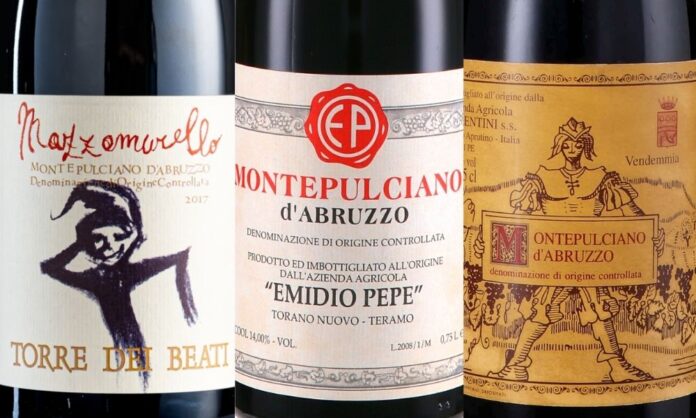
Discover our list with photos, description, and tasting notes of the best Montepulciano d’Abruzzo recommended by Jean Marco Palmieri.
Also discover the article dedicated to the best Abruzzese wines, where you will find articles on the finest Cerasuolo d’Abruzzo, Trebbiano d’Abruzzo, and Pecorino from Abruzzo.
BEST MONTEPULCIANO D’ABRUZZO – Recommended by Jean Marco Palmieri

Which are the best Montepulciano d’Abruzzo wines?
Let’s take a look together at a list of the finest Montepulciano d’Abruzzo and explore their characteristics through our tasting notes, so that everyone can find the best Montepulciano d’Abruzzo suited to their own taste.
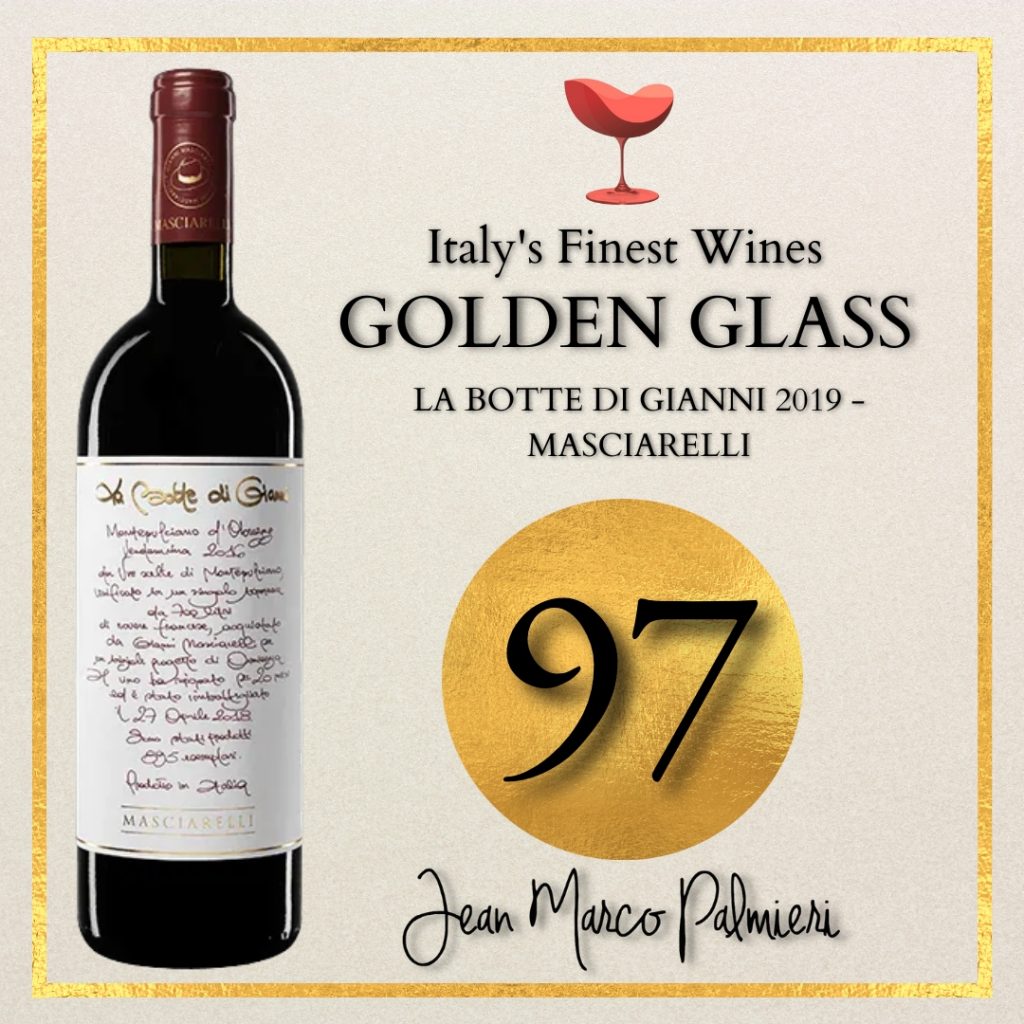
La Botte di Gianni Montepulciano d’Abruzzo 2019 – Masciarelli
Description:
Elegant and vertical, it opens with ripe cherry and blackcurrant, with mineral accents and notes of leather and medicinal herbs.
Defined tannins and a saline, iodine-like sapidity give depth to the sip.
Vinification: Fermentation in stainless steel at controlled temperature. Aging in 700-liter French oak tonneaux from century-old trees, followed by gravity bottling.
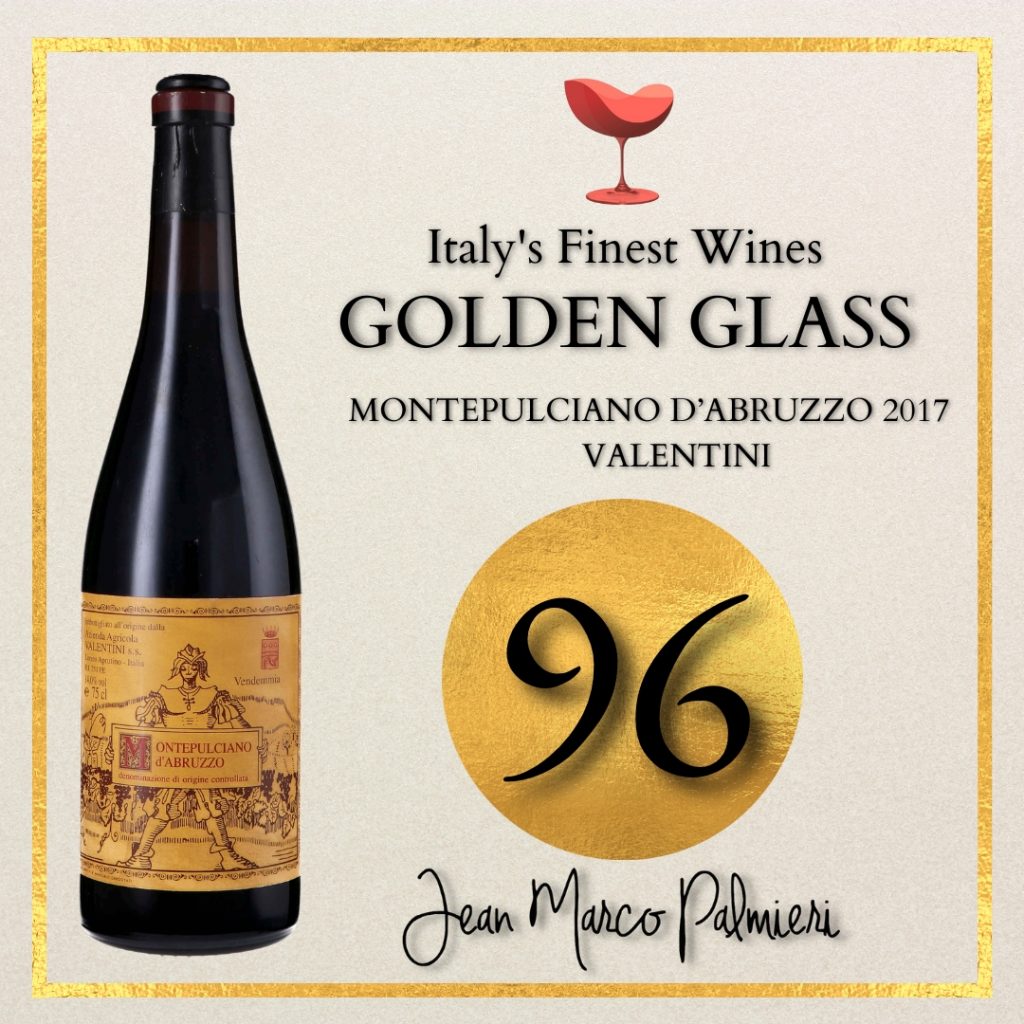
Montepulciano d’Abruzzo 2020 – Valentini
Description:
Complex bouquet of blackberry in spirits, plum, and wild fennel, with toasted and spicy hints.
Powerful yet balanced tannins, with a long and harmonious finish on fruity and aromatic notes.
Vinification:
Spontaneous fermentation with indigenous yeasts. Aged for 12 months in large oak and chestnut casks, followed by a long bottle aging of about four years.
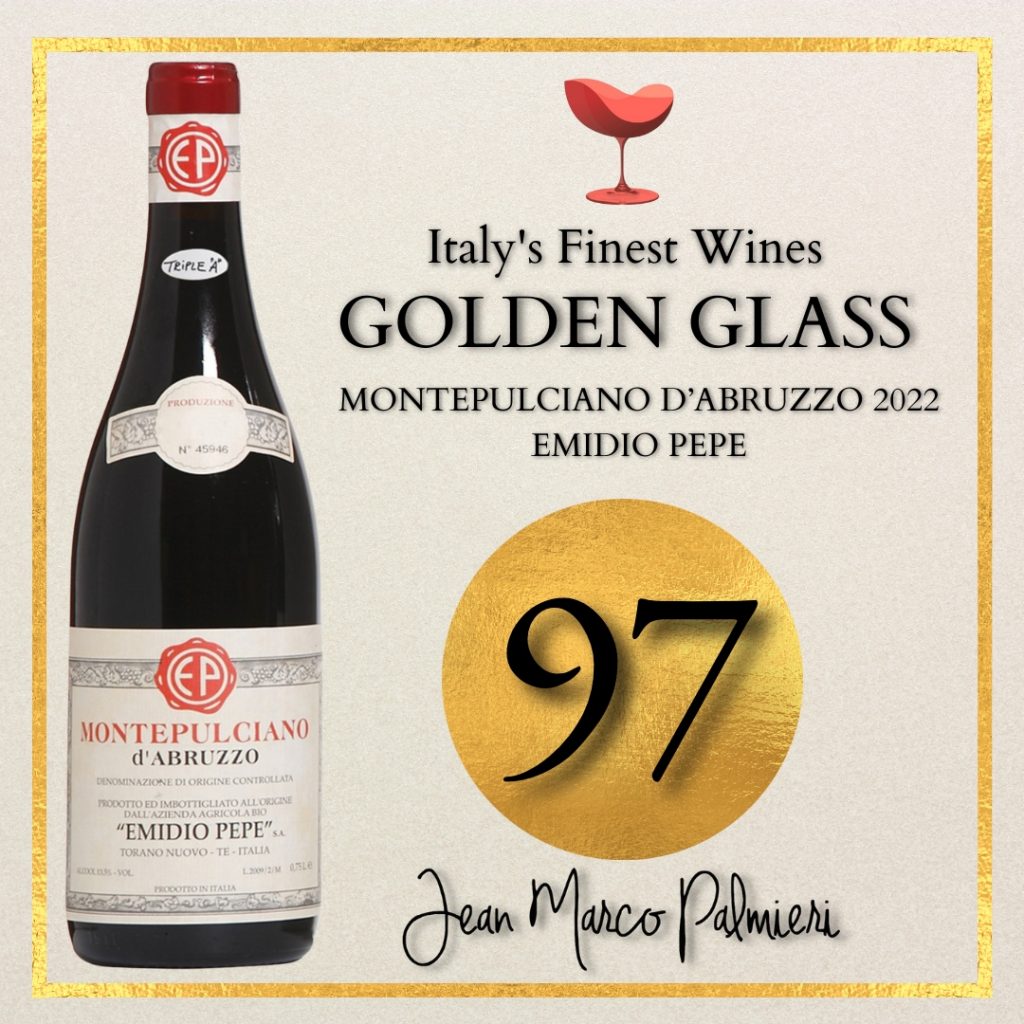
Montepulciano d’Abruzzo 2020 – Emidio Pepe
Description:
Refined and complex profile, with dark cherry, spices, and leather, enriched by subtle floral nuances.
Vinification:
Hand-destemmed grapes, spontaneous fermentation in glass-lined concrete tanks with manual punch-downs. Aged for 24 months on fine lees in concrete, followed by several months in bottle.
Montepulciano d’Abruzzo 2022 – Valle Reale
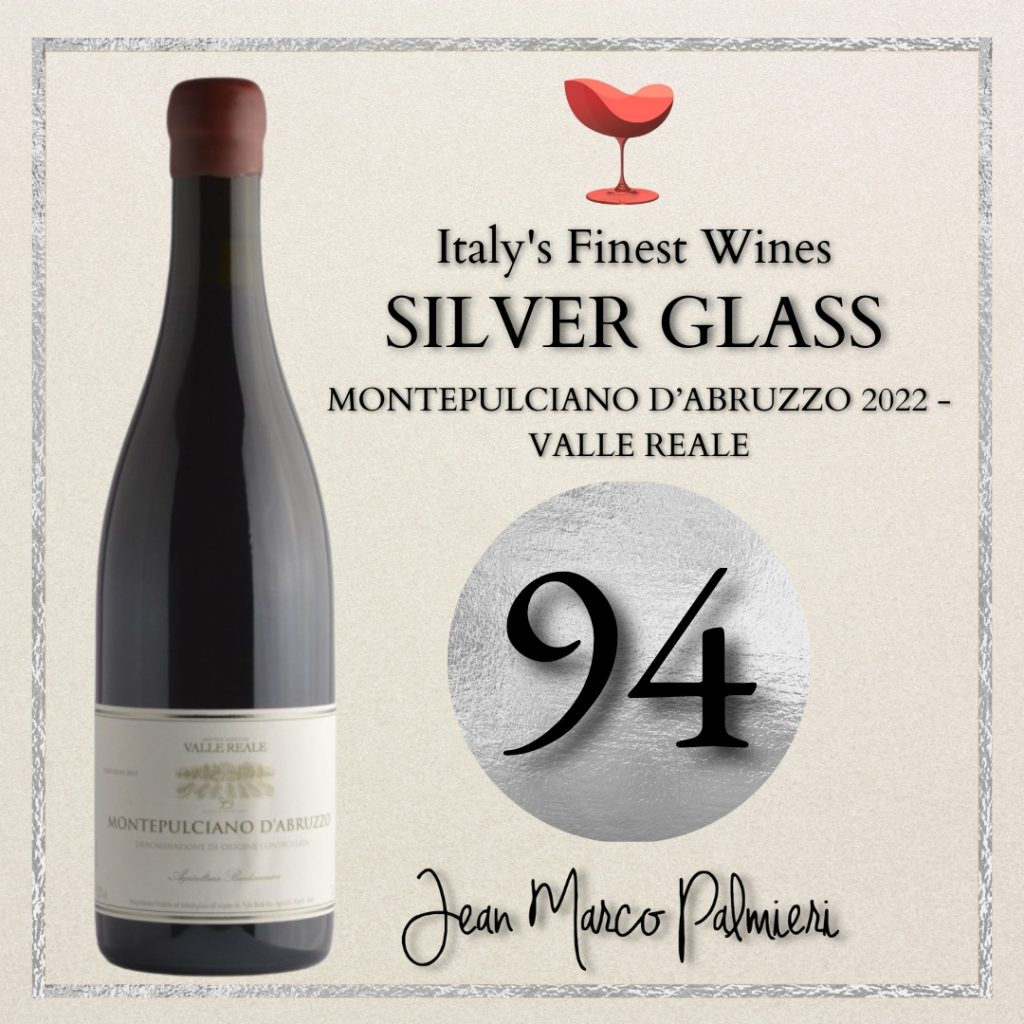
Description:
Cherries and blackberries in jam, with notes of leather and wild hints.
Fresh palate, slightly rustic tannins, and an iodine-like mineral finish.
Vinification:
Fermentation with indigenous yeasts, aged in glass-lined concrete and oak barrels.
Montepulciano d’Abruzzo DOC Mazzamurello 2021 – Torre dei Beati
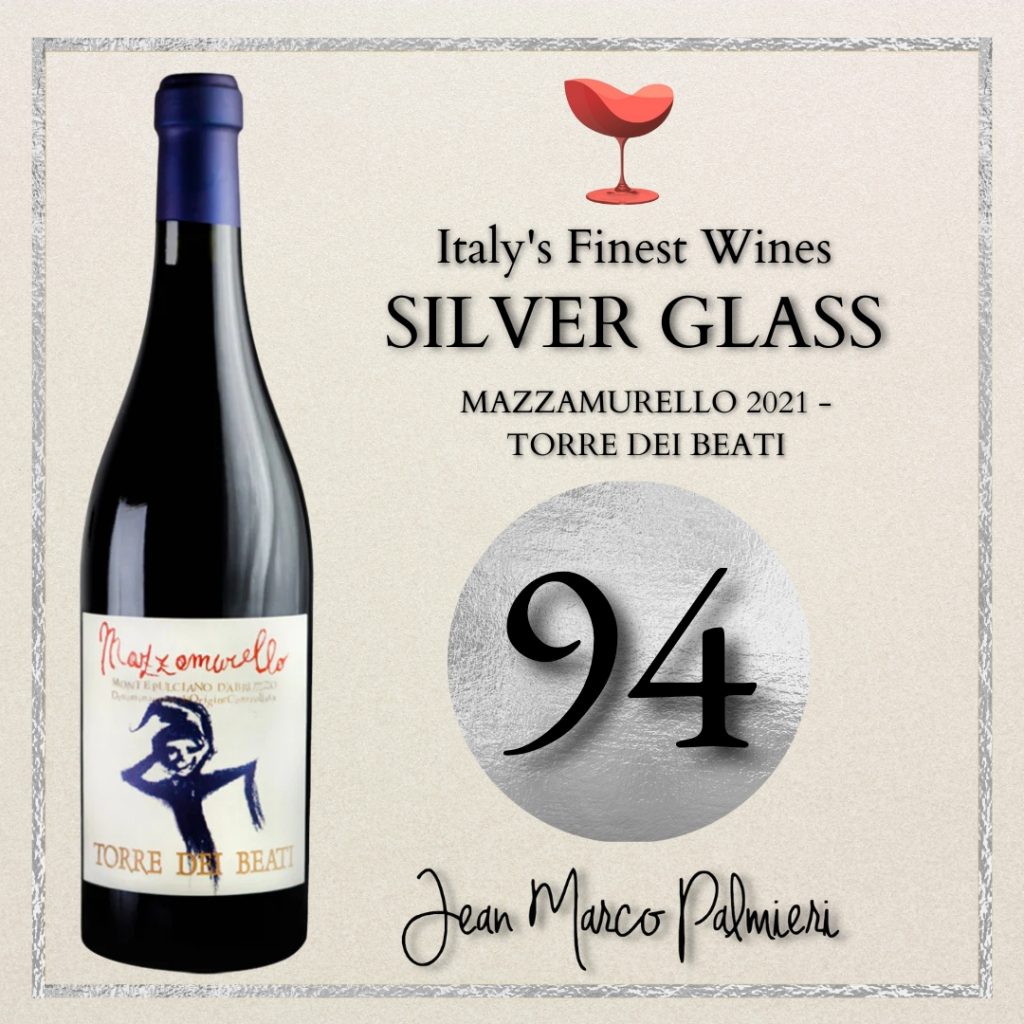
Description:
Elegant wine with aromas of forest fruits, floral notes, and a hint of spice. The sip is smooth, with silky tannins and good persistence.
Vinification:
Fermentation in stainless steel tanks at low temperature to preserve fresh aromas. Aged for 20 months in French oak barriques, with one-third new, one-third one-year-old, and one-third two-year-old barrels.
Tonì – Montepulciano d’Abruzzo DOC 2021 – Cataldi Madonna
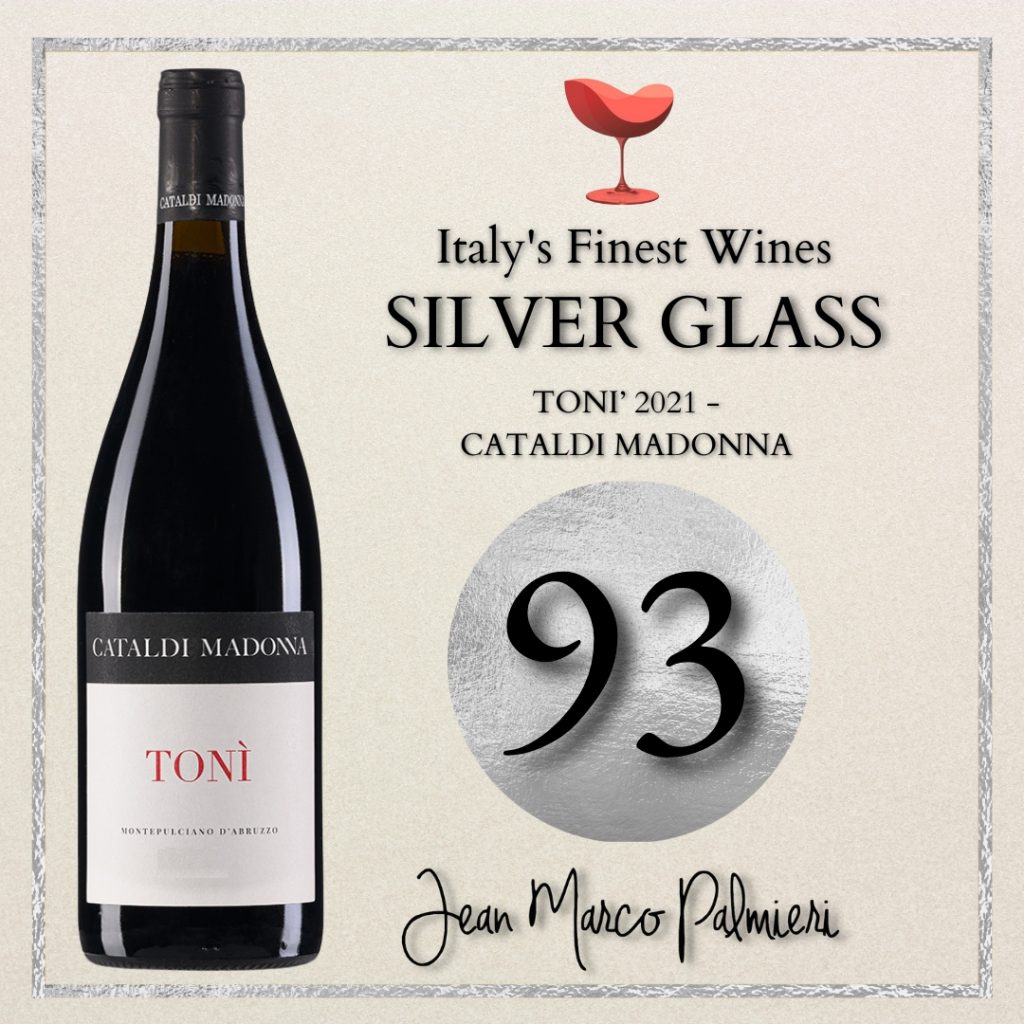
Description:
Fresh and harmonious, revealing raspberry, ripe cherry, and wild fennel, with delicate spicy touches of white chocolate, clove, and cardamom.
Vinification:
Fermentation in stainless steel at controlled temperature. Aged for 12 months in wood and an additional 18 months in bottle.
Montepulciano d’Abruzzo Binomio 2021 – La Valentina
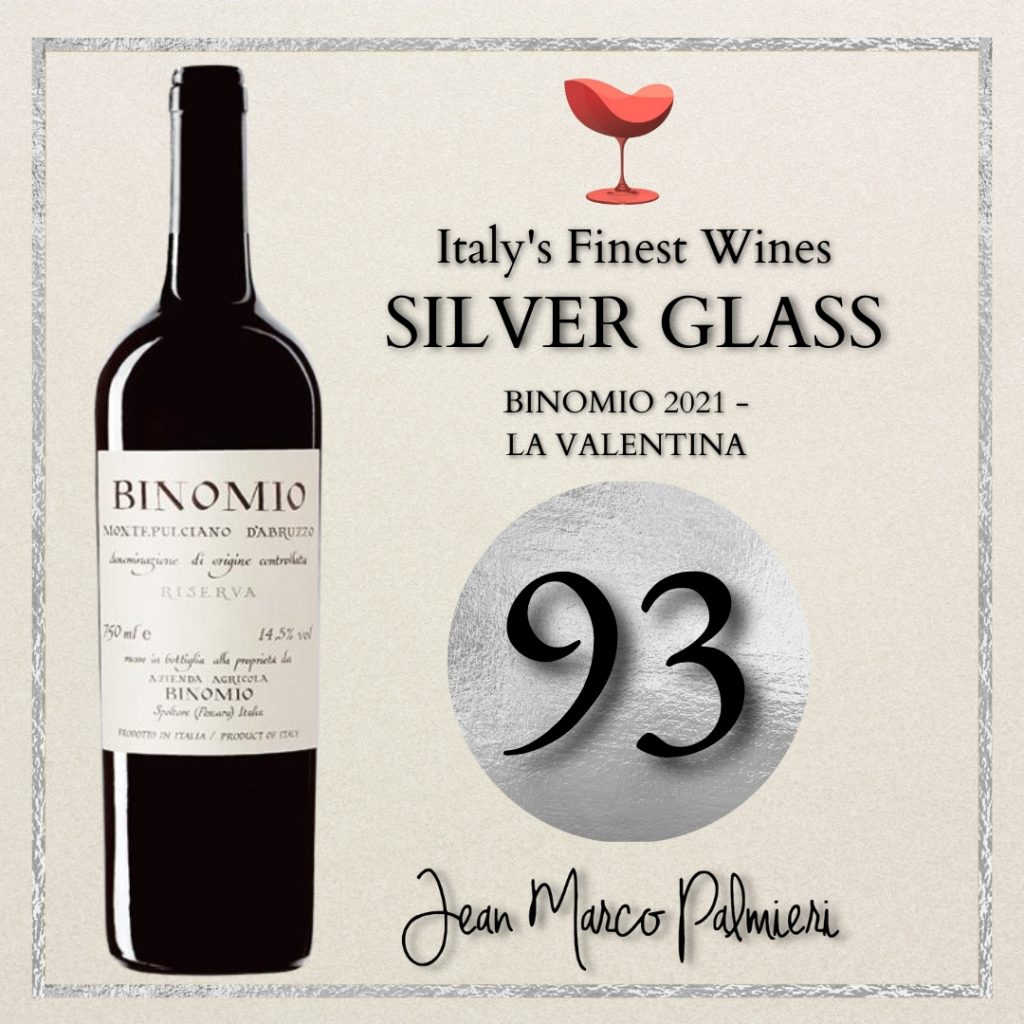
Description:
Ripe forest fruits, redcurrant, with spicy and balsamic notes, elegant tannins, and a harmonious finish.
Vinification:
Fermentation in stainless steel with indigenous yeasts. Aged for 15 months in barriques without filtration
Perla Nera 2020 – Chiusa Grande
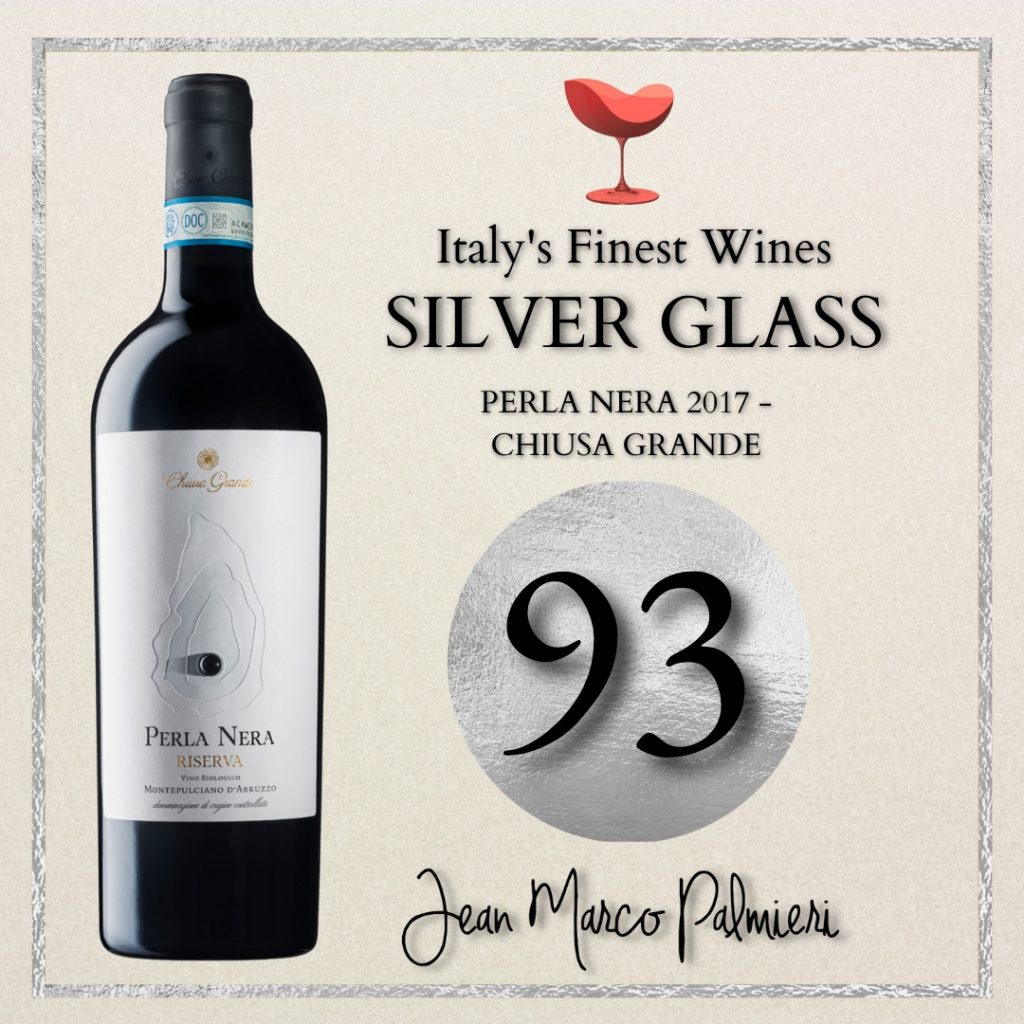
Description:
Spices, underbrush, and humus, evolving towards blackberry and blueberry.
Warm and expansive palate, tannins still developing, and a long finish.
Vinification:
Fermentation in stainless steel with temperature control, aged in wood, followed by resting in bottle.
Montepulciano d’Abruzzo Riserva ‘Harimann’ 2018 – Pasetti
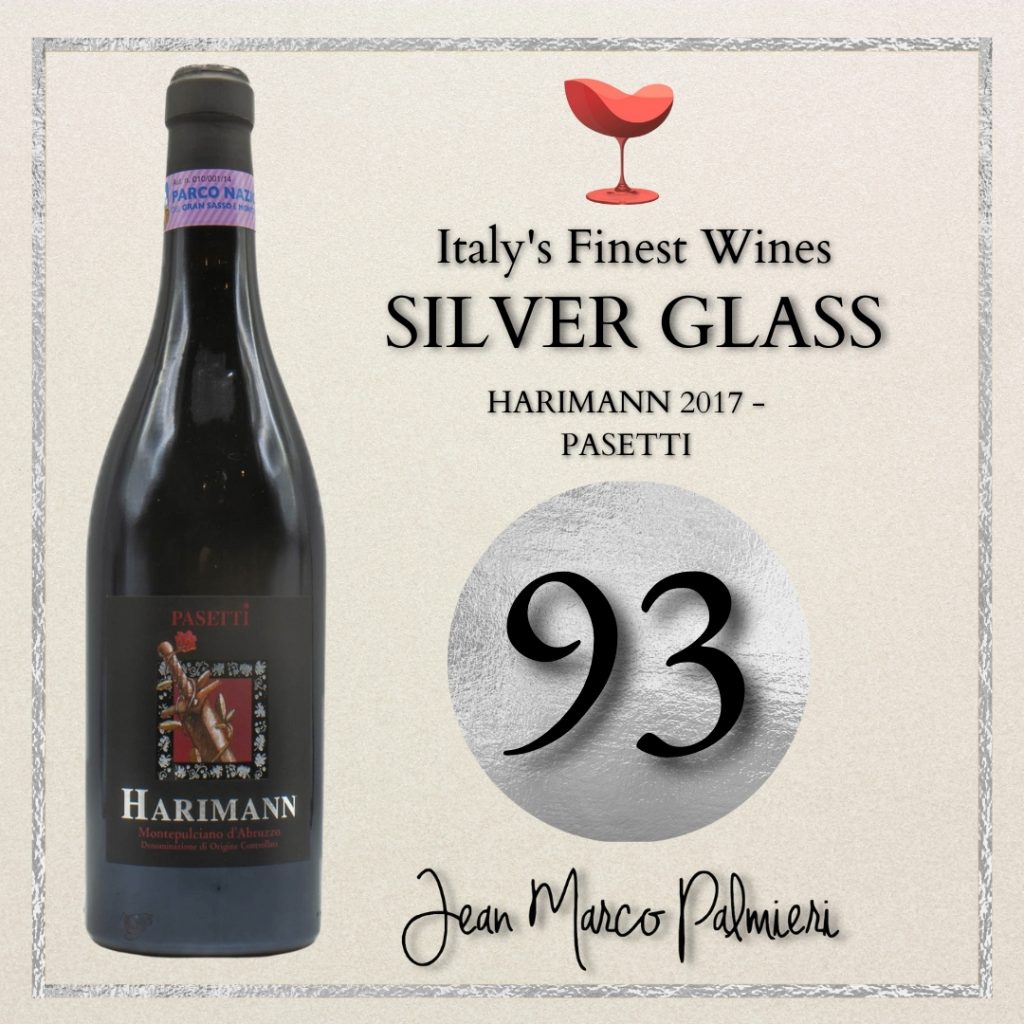
Description:
Plum jam, wild strawberries, and sour cherries in spirits, with hints of white chocolate, licorice, and black pepper.
Structured, dense, and fruity on the finish.
Vinification:
Fermentation with indigenous yeasts, aged for 12 months in large oak and chestnut casks, followed by a long bottle aging.
Montepulciano d’Abruzzo Riserva ‘Zanna’ 2018 – Illuminati
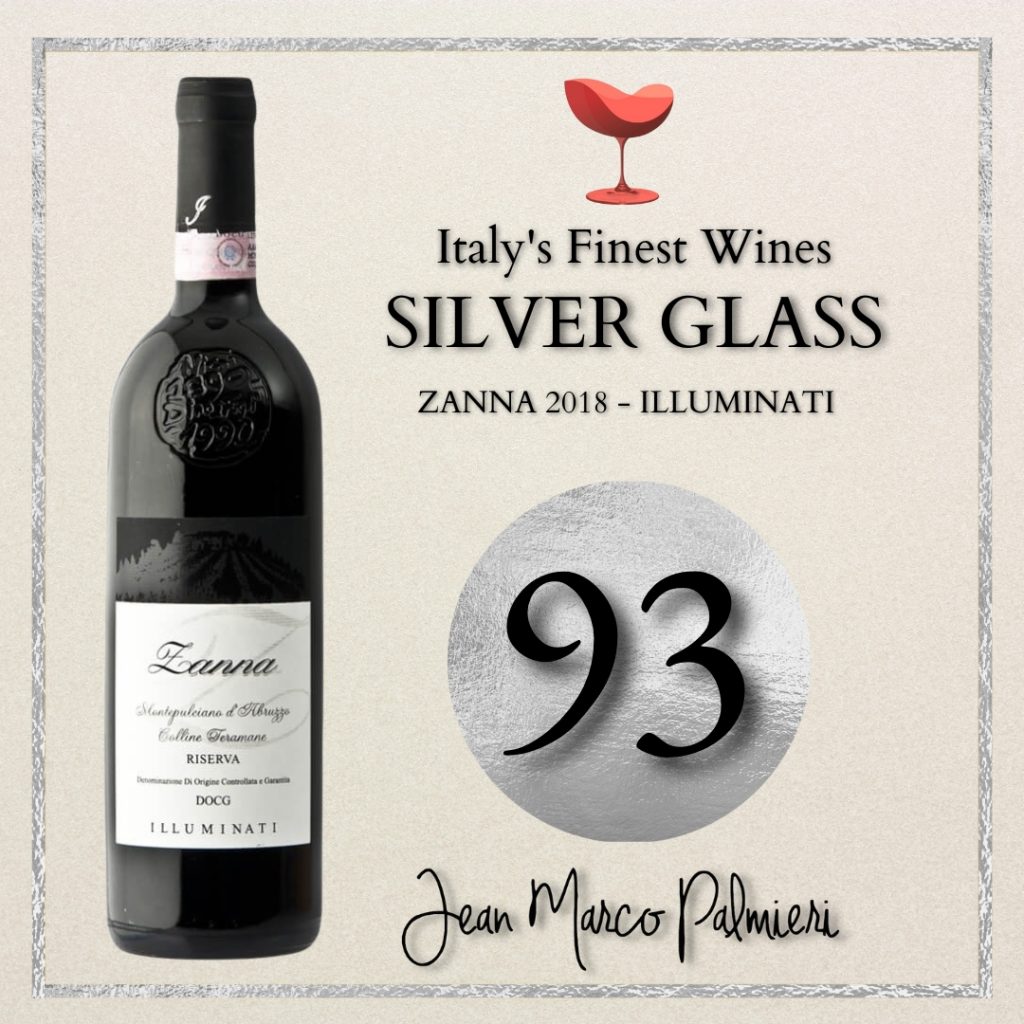
Description:
Complex and structured, with spices, underbrush, and humus evolving towards blackberry and wild blueberry.
Warm and enveloping palate, tannins still developing, and remarkable persistence.
Vinification:
Destemming and crushing, fermentation in stainless steel at controlled temperature, aged in 25-hectoliter Slavonian oak barrels for 24–26 months.
Mo Montepulciano d’Abruzzo 2020 – Cantina Tollo
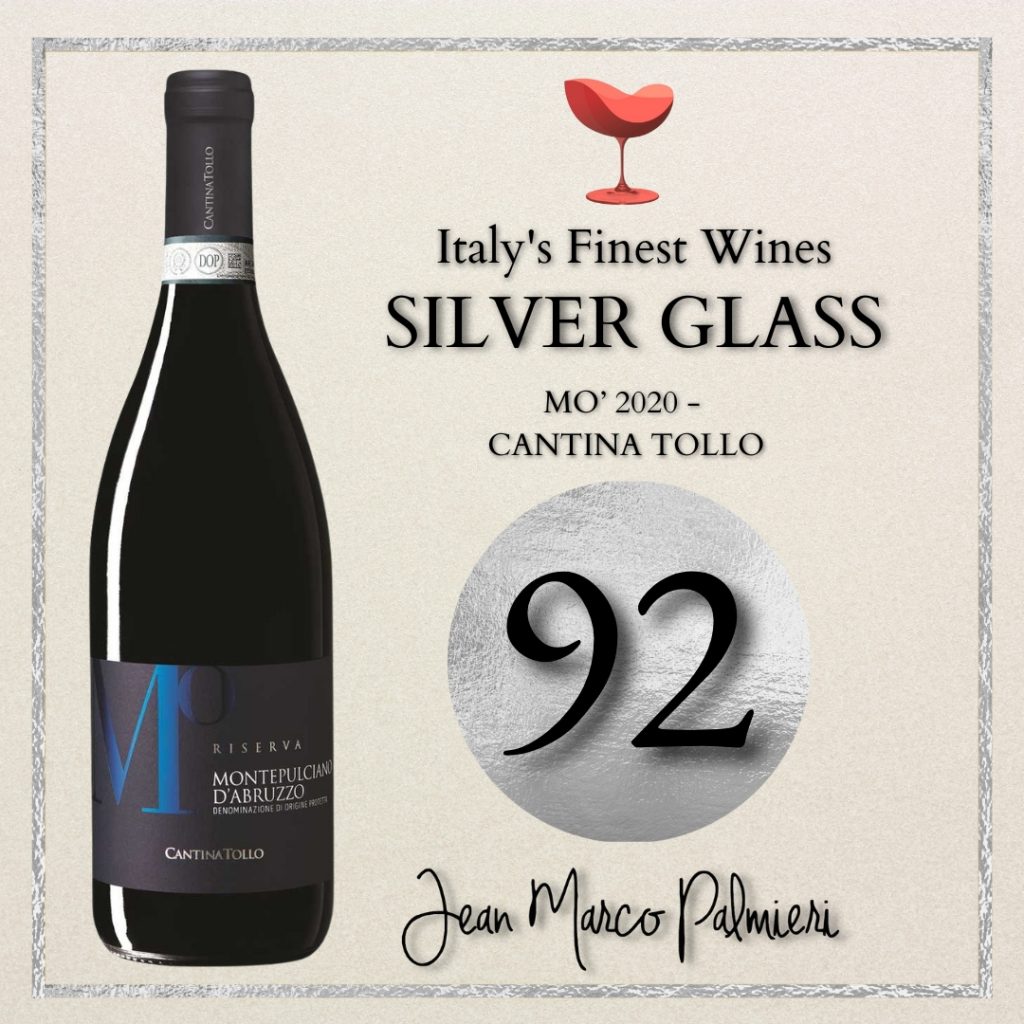
Description:
Aromas of cherries, blackberries, and dried red flowers, with spicy touches of dried figs, coffee, and cocoa.
Broad palate, sculpted tannins, and a balsamic finish.
Vinification:
Fermentation in stainless steel at controlled temperature, aged in wood, followed by resting in bottle.
Montepulciano d’Abruzzo ‘Anfora’ 2021 – Cirelli
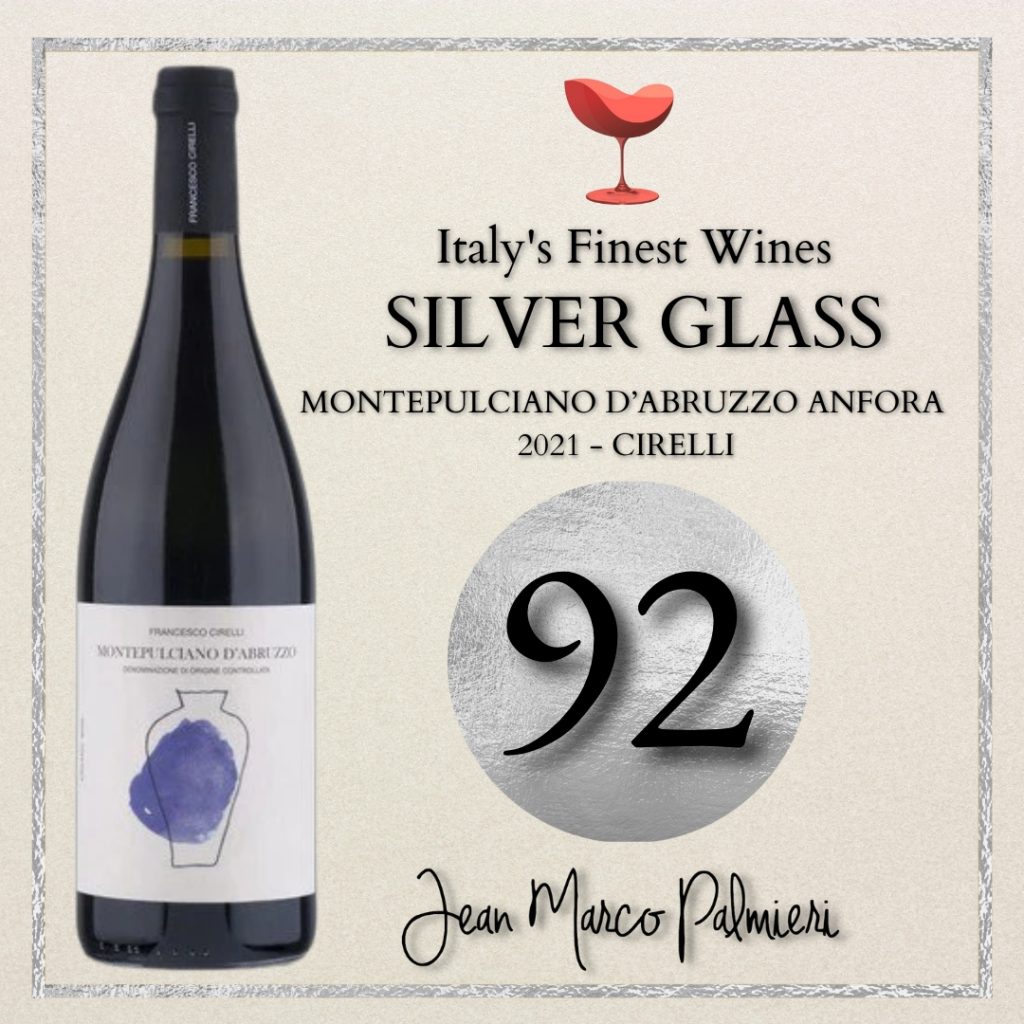
Description:
Expressive and authentic, revealing ripe cherry, blackberries, and earthy notes, with subtle spicy nuances and an elegant mineral hint. Structured palate, silky tannins, and a harmonious, persistent finish.
Vinification:
Fermentation in terracotta amphorae with indigenous yeasts, without artificial temperature control. Aged in amphorae for about 12 months, followed by several months in bottle to harmonize the aromatic profile.
MONTEPULCIANO D’ABRUZZO
Which are the best Montepulciano d’Abruzzo? Fruity, spicy, and intense: Montepulciano d’Abruzzo is a DOC wine produced in the provinces of Chieti, L’Aquila, Pescara, and Teramo. It is made from Montepulciano grapes (minimum 85%), to which other non-aromatic black grape varieties may be added.
Montepulciano is an indigenous grape from central Italy with a long-standing tradition and, together with Sangiovese, represents a cornerstone grape from which many of the best central Italian red wines are born.
Among the best Montepulciano d’Abruzzo, there is also the “Riserva” type. This wine undergoes an aging period of no less than two years, including at least nine months in wooden vessels.
TERROIR OF ABRUZZO
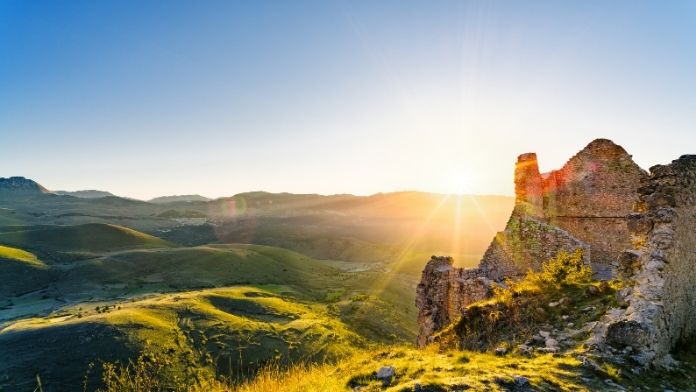
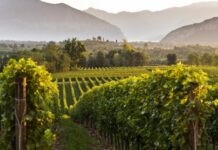
Montepulciano d’Abruzzo owes its success to the savoir-faire of the wineries but also to the intrinsic oenological vocation of the Abruzzese terroir. The climate is Mediterranean, gradually becoming more continental and mountainous inland. The climate benefits from the thermoregulatory effect of the Adriatic Sea, which moderates the high daytime temperatures in summer, while the numerous mountain ranges protect the region from cold northern winds.
The temperature variations due to the hill altitudes promote excellent grape ripening, as well as concentration and finesse of aromas.
The soils of Abruzzo are quite heterogeneous but can be divided into two main areas: the western mountainous zone, with karstic (limestone) soils, which produce more delicate and elegant wines, and the eastern hilly zone, richer in Pliocene clays and sandstones, where the wines are deeper and more suitable for aging.
Which is the best Montepulciano d’Abruzzo?
Which is the best Montepulciano d’Abruzzo? Choosing is a daunting task, inevitably subject to the limits of a subjective opinion, which by definition is incomplete and arbitrary. We have compiled our list of virtuous quality interpretations of Montepulciano d’Abruzzo from the best wineries, according to our evaluations.
It remains essential to emphasize that the best Montepulciano d’Abruzzo is the one capable of moving us emotionally, often tied to contingent situations and unique, intimate moments in our lives.
Therefore, we invite you to discover all the wineries producing Montepulciano d’Abruzzo in their uniqueness, so that you can independently find and choose the wine that can be considered among your personal best Montepulciano d’Abruzzo.